Opening the Investigation
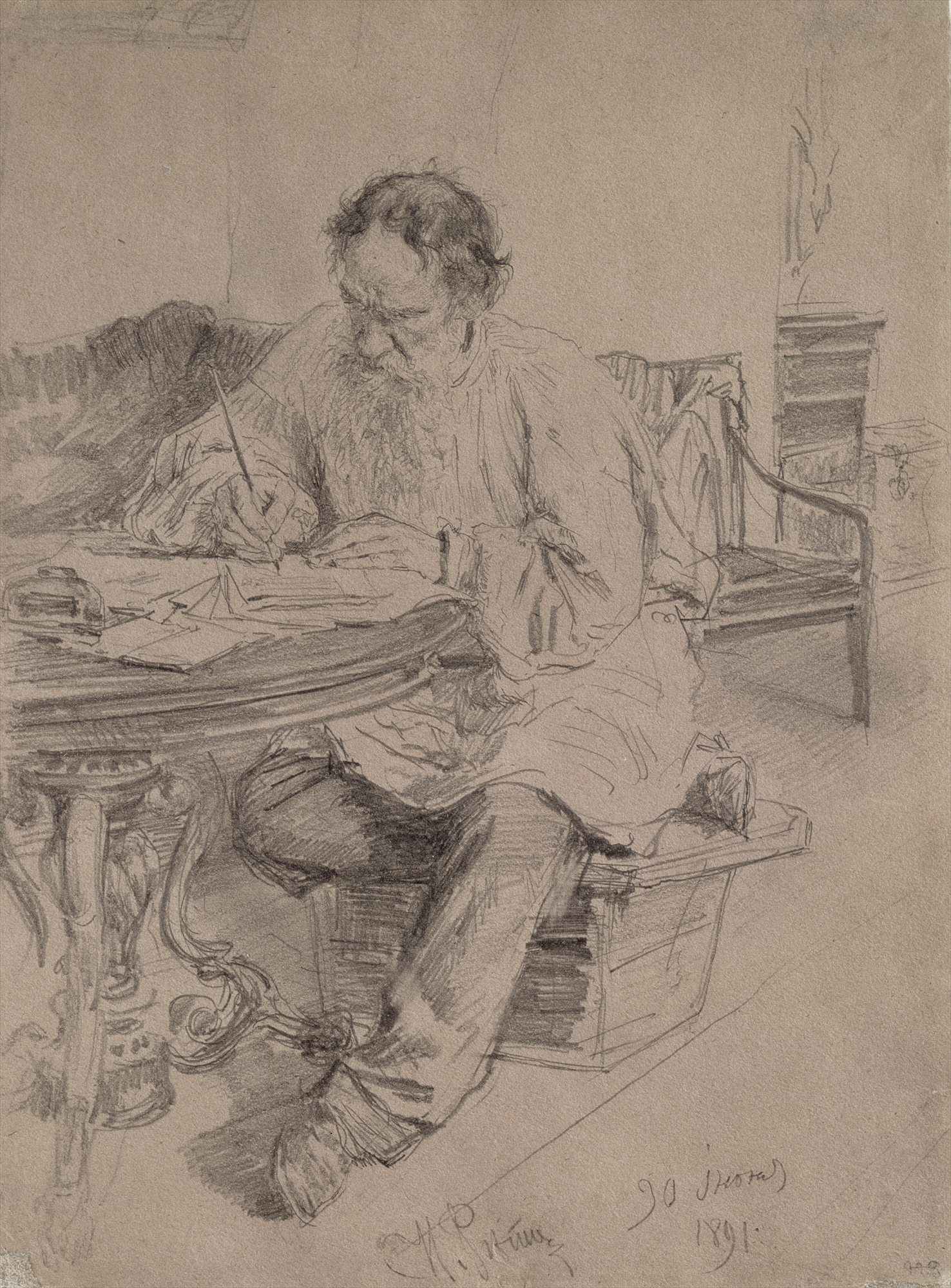
Selected C3 model, November 14
Local classroom copy, pp.60–66: publisher-designated high-level study of Jiang Yuzhi. All seven supplied pages were visually inspected with all publisher commentary. It connects first-hand/local cultural inquiry and an artist interview with analytical writing, practical studies and a personal handmade-book conclusion. The bibliography is at the end (p.66), supporting the correction that location alone is not a penalty.
Use it for the practical/written relationship, contextual connections and candidate independence in the current C3 grid. It is an old-spec published sample: cropped/very small source text and the complete underlying unabridged investigation are not recoverable from these pages. No word-count audit, independent artist-fact verification, full original-candidate audit or numerical current-spec re-mark is claimed. The model’s handmade book is not a compulsory format. The unnamed “90/100 C3 investigation” is no longer the operative model. A wholly legible full candidate model remains desirable for future detailed line-by-line writing calibration.
At a glance
| Sessions | 5 days (S1) |
| Dates | Mon 22 Feb → Fri 26 Feb |
| AO focus | Orientation to Component 3; AO1 in view |
| Deliverable | Three candidate themes with references, each defended 1:1 and screened against reachable sources; a shortlist narrowed toward the lock |
| Graded | Nothing is graded this week. CS1 (proposal draft) is Fri 5 Mar; the theme locks in writing in Theme Locked |
| Homework | ≤30 min: a short written case for each surviving candidate, the sources you can reach and the problems it opens, begun toward the CS1 proposal draft |
Objectives
By the end of this lesson, students can, observably:
- Say how the Personal Investigation is marked and name what earns a top band in one they have read
- Propose three candidate themes with references and defend each one to one
- Screen candidates against primary sources they can actually reach
Goal
For Component 3, you propose your own theme and confirm it in writing for an investigation that runs until submission next December. Use the assessment criteria, exemplar investigation and available primary sources to judge which candidate can sustain that work.
How it runs
- Mon 22 Feb, C3 briefing, no studio. Introduce Component 3 as a personal investigation that students propose themselves. It is weighted 75 marks → 150 and includes a research paper. Explain how the paper must connect to the visual work.
Unlike C1, students set their theme and confirm it in writing. They use the eight-stage pipeline again and draft the paper alongside the art from the start.
Restate the four AOs in C3 specialist language.
This is an orientation session, and nothing is graded.
- Tue 23 Feb, investigation day. Read the published high-level C3 sample on Jiang Yuzhi, Samples with Commentary pp.60–66. Follow the whole provided sample: personal/local context, artist interview, analysis linked to practical studies, then the handmade book and conclusion. Show how the visual/written dialogue supports the current C3 descriptors. The old-spec sample is qualitative calibration; no numerical 2028 re-mark is implied.
Students use the AO-language worksheet in pairs to examine how the written element connects to the visual work across the pages.
At the end, identify three evidenced links between the inquiry, analysis and practical work. Distinguish the student’s own study from artist reproductions and quotations.
- Wed 24 Feb, theme longlist. From your winter homework, put forward three candidate themes, each with references: an artist or two, the primary sources you would use, and one line on why it holds.
Keep all three candidates for now so you can test them before choosing.
- Thu 25 Feb, consultation round 1, one to one. Defend each candidate to the teacher. Explain which sources you can reach and which questions or practical problems the theme lets you investigate.
You leave with each candidate marked keep, fix, or drop.
- Fri 26 Feb, feasibility screens. Test each surviving candidate against reachable first-hand sources, with relevant cited contextual/secondary research alongside them, and consider how you would work through all eight pipeline stages. Remove candidates that cannot meet these requirements.
Exit with a shortlist of one or two, ready to draft into the proposal next week.
Key content: what makes a C3 theme hold
A theme you propose earns its place only if it passes all five screens:
- Reachable primary sources, all semester, you can photograph or sit with first-hand sources within daily reach, right through to December. Avoid dependence on internet copies. Relevant secondary/contextual material is permitted, with critical selection and attribution; it does not replace sustained personal recording.
- Sustains the scale, it carries the full eight-stage pipeline and roughly sixteen pages to submission, not just a strong opening page.
- Carries a written element, there is a genuine question and real reading behind it, so the research paper integrates rather than bolts on.
- Opens real development, more than one direction to explore, in both 2D and 3D, so exploration and development have somewhere to go.
- Has artists who help, a reference pool chosen for the problems they solve, not personal favorites.
Compare the three candidates against these five criteria. Use that comparison to explain your choice. Next week you will develop the strongest candidate into the proposal for CS1, before confirming it in writing in Theme Locked.
Practice
Try each question before reading its answer.
1. Name the five screens a C3 theme must pass.
Answer: Reachable primary sources within daily reach, right through to December. Sustains the scale: the full eight-stage pipeline and roughly sixteen pages, not just a strong opening. Carries a written element, a genuine question with real reading behind it. Opens real development in both 2D and 3D. Has artists chosen for the problems they solve.
2. What is different about Component 3 compared with the C1 you already made?
Answer: The theme is yours: you propose it and lock it in writing, and it runs to submission in December. And the research paper drafts alongside the visual work from the start, integrated with the pages rather than bolted on at the back. The pipeline is the same, but you choose and propose the theme yourself.
3. Why does the week demand three candidates instead of your one good idea?
Answer: Comparing three candidates against the five criteria helps you explain why one is more workable than the others. Thursday’s consultation marks each candidate keep, fix, or drop. The feasibility checks identify which candidates need revision or cannot proceed.
4. What does a theme fail on if it can only be sourced from other people’s images?
Answer: It risks weak independent recording and inquiry. Plan accessible first-hand investigation, while using relevant secondary/contextual sources critically and with attribution. AO1 judges the evidence, reflection and specialist language across the investigation; there is no automatic source-type fail rule.
5. This week’s homework is the written case for each surviving candidate: the sources you can reach and the problems it opens, thirty minutes at most. Write the case so a skeptic could check it. Next week the strongest candidate becomes the CS1 proposal.