Tone and Form
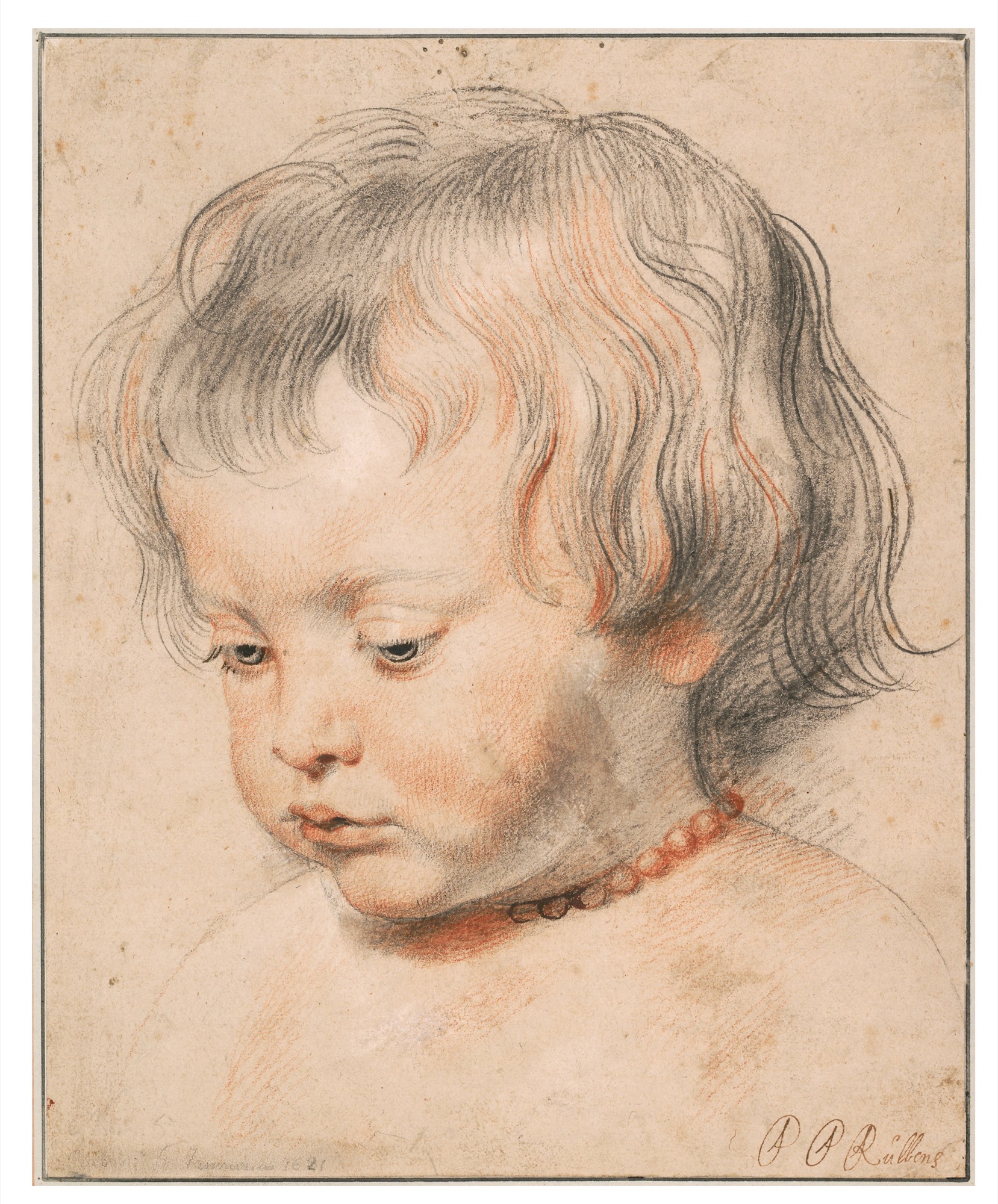
Folded into L01 on Wed 9 Sep
W1 (Wed 2 Sep) did not meet, so this lesson’s core (the rule, the lamp demo, the value strip, a short no-outline tonal study) ran inside L01’s second half on 09-09. The shading-chart form and the one-object-two-lightings study became that week’s homework, checked in L03’s warm-up on 09-16. This page stays as the full tone lesson, for reference and for a run with all five Wednesdays.
At a glance
| Session | W2, folded into L01 (see the merged plan there) |
| Dates | Wed 9 Sep, shared with L01 |
| Focus | Value; building form with tone, not outline |
| Deliverable | 10-step value scale; one shaded-form study from the chart; one tonal study of a lit object |
| Feeds | Nothing. The tone content did not run on 09-09; the Drawing Exercises are now the homework between L03 and L04 |
| Homework | None set. The tone content did not run on 09-09 (recorded Mon 14 Sep); tone is practiced at the botanical garden in L03 |
Objectives
By the end of this lesson, students can, observably:
- Build a 10-step value scale with even, readable steps
- Make a form look solid using tone alone, without drawing its outline
- Locate the light source on an observed object and place its highlight, core shadow and cast shadow
Goal
Write the focus on the board: build form with tone, not outline. Students use areas of light and dark to make an object look solid. The value scale, shading chart and lamp study each practice this skill.
How it runs
- Warm-up (10 min): value mark-making ladder: fill a strip from lightest to darkest as fast as control allows, pencil only. Loosens hands and previews the scale.
- Demo (15 min): one object under one lamp. Show the five things tone does: highlight, light, shadow side, cast shadow, reflected light. Then the four ways to lay tone: smooth shading, hatching, cross-hatching, blending: naming each on the Drawing Exercises 3 chart (cylinder, cube, cone, sphere).
- Studio 1 (20 min): Drawing Exercises 2: the 10-step value scale (fill the columns cleanly: steps must be even, neighbors must differ), then one form from the shading chart rendered in a chosen technique.
- Studio 2 (35 min): the tonal study: one simple object per table (egg, paper cup, sphere) under a lamp. Draw it with no outline at all, using areas of tone. Make a large drawing and extend the range of dark values.
- Close (10 min): pin-up. One question asked of each drawing: where is the light coming from? If other students can identify the light source, the drawing communicates the direction of the light. Annotate in the sketchbook with the frames: “The light comes from … ” / “The darkest value is in … ” / “Next time I will …”
Assessment
Nothing graded today. The Introduction Survey and Drawing Test, sat in the shared session, is handed back marked in L03 (Wed 16 Sep). Register: PAL S1 Assessments.
Practice
Try each question before you open its answer. Use the lesson’s focus on building form through tone.
1. Say the rule of the session.
Answer: Build form with tone, not outline. An outline makes the object flat. Light and dark make it solid. The world does not draw lines around things, it lights them.
2. Name the five things tone does on a lit object.
Answer: Highlight, light, shadow side, cast shadow, reflected light. Find all five on any object under any lamp. If you cannot find the reflected light, look at the dark side, near the bottom, where light bounces back up.
3. Name the four ways to lay tone.
Answer: Smooth shading, hatching, cross-hatching, blending. Different tools for the same job. Your value scale should show even steps in whichever one you choose.
4. What question does a tonal drawing have to answer?
Answer: Where is the light coming from? If someone else can point to your light source just by looking at the drawing, the drawing works. If they cannot, the tones are not yet telling the truth.
5. No homework was set for this week. If you want one: draw one home object twice, in two different lightings, and post both on MB. The object stays the same and the drawing changes completely, which shows tone belongs to the light, not to the object.