Eight short exercises on the terms from this week. Each one checks your answer and shows a model. Your work is saved in this browser. Do them in order the first time.
Saussure
Two halves of a sign
Signifier: the form, what you see or hear. Signified: the idea it triggers in your mind. Together they make the sign. The real object in the world is neither: it is the thing the sign is about.
Task
For each sign, sort every statement into signifier, signified, or the thing itself.
Barthes
Shows, or suggests?
Denotation: what the text plainly shows. Anyone looking would agree. Connotation: what it suggests on top of that, the meaning a culture attaches. An opinion is neither: it tells us about you, not the text.
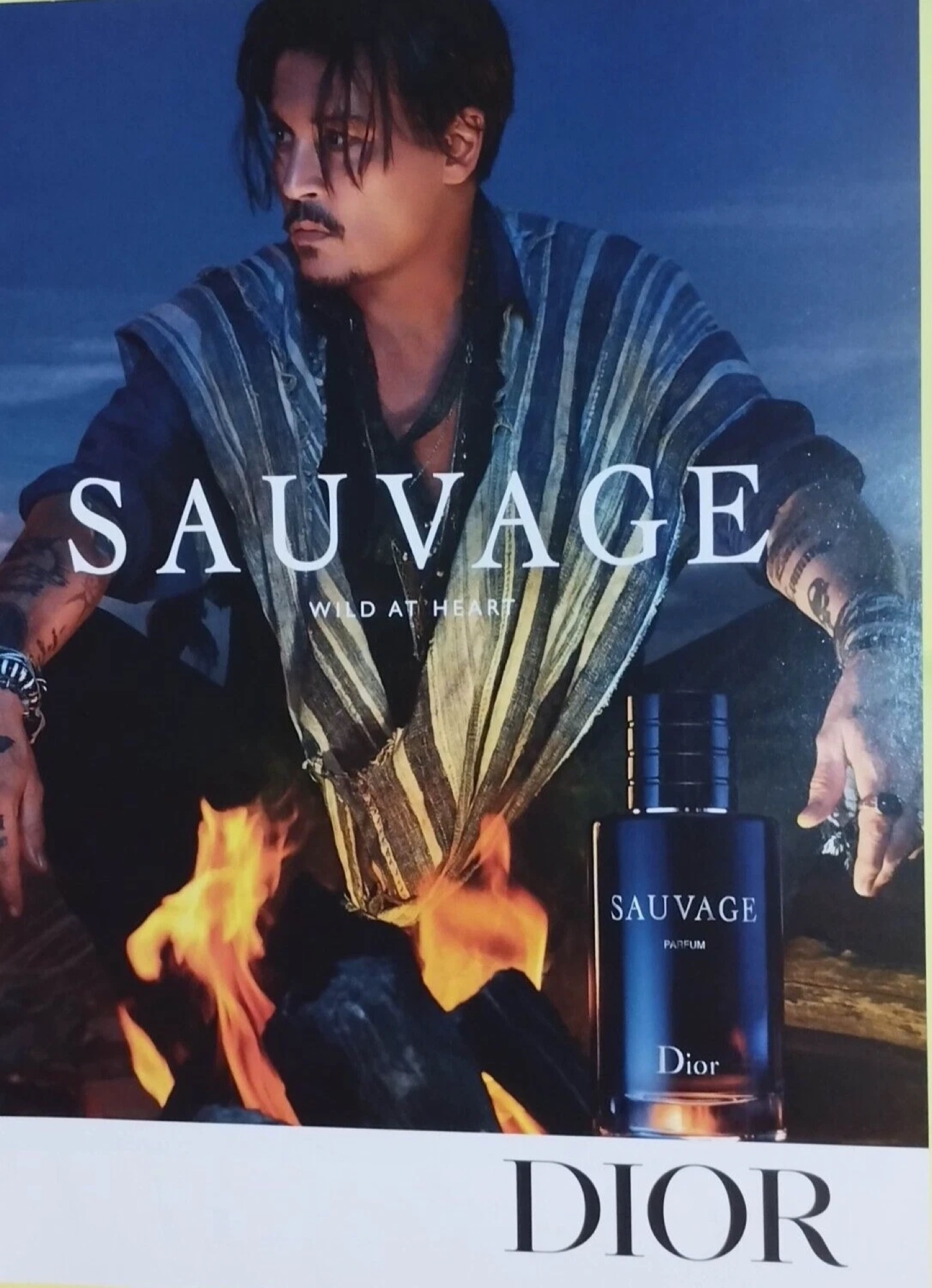
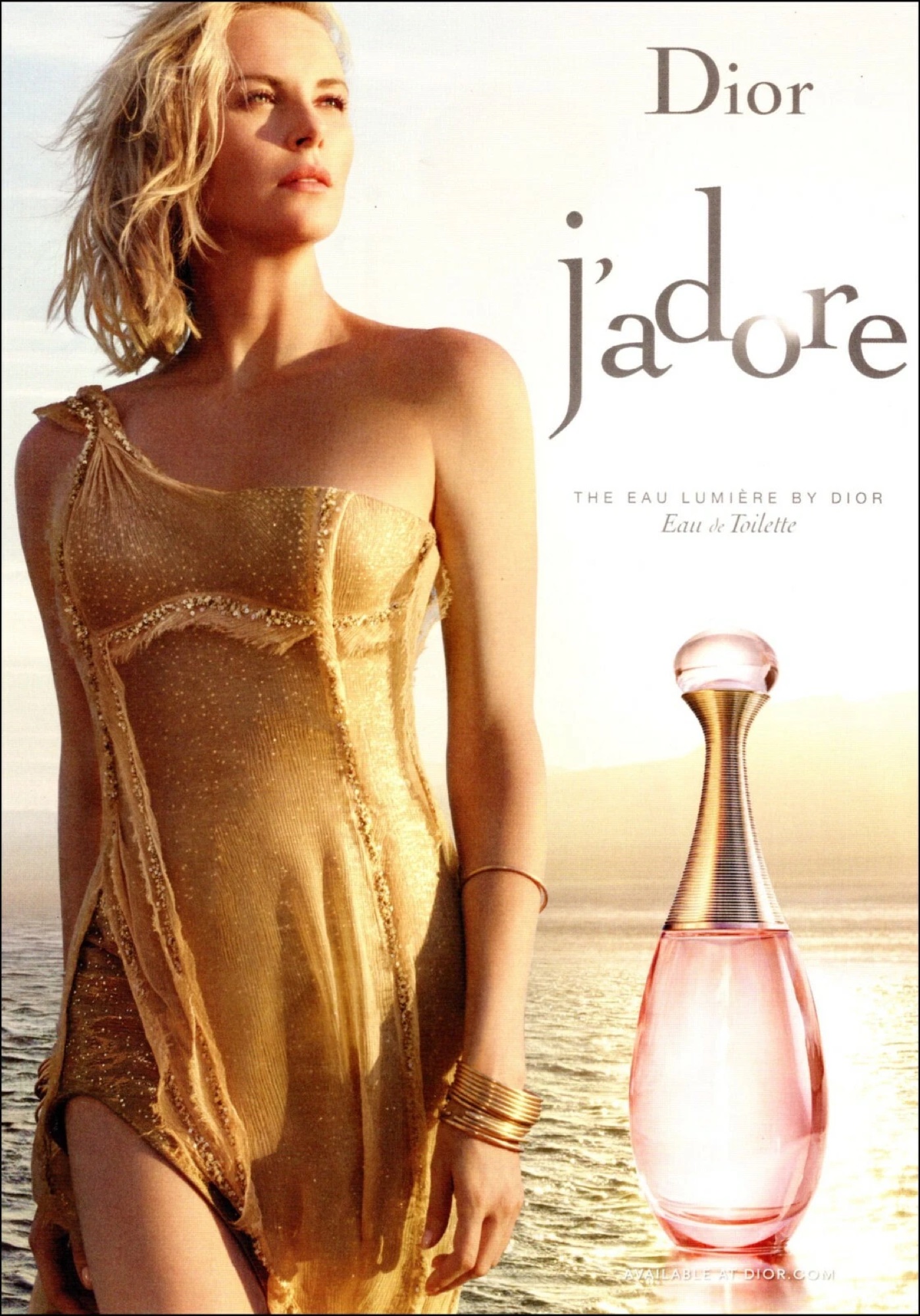
Dior, Sauvage. The worked reading from Monday, and the model for your Annotated Media Text.
Task
Sort each sentence. Denotation, connotation, or opinion.
The routine
The Ladder, rungs 1 and 2
Rung 1 shows: describe only. Rung 2 suggests: name a meaning, and point at the signifier that triggers it. A "suggests" sentence with no signifier in it is a guess.
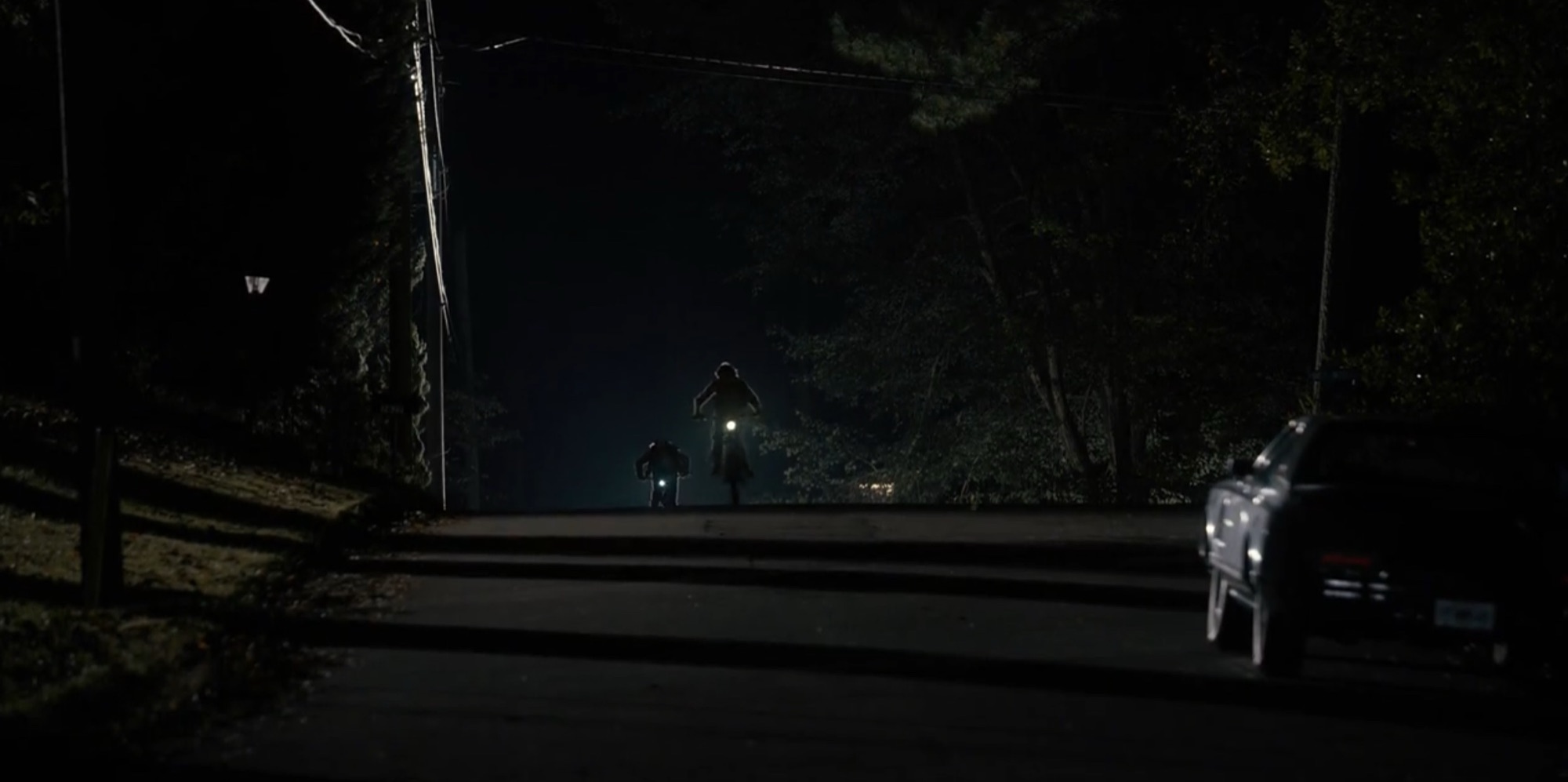
Stranger Things (Netflix, 2016), S1 E1, the cold open. The clip your Denotation-Only Paragraph described.
Task
Write two "shows" sentences and two "suggests" sentences on this frame. The checker looks for a named signifier in every "suggests" sentence.
Shows. Two cyclists with headlamps ride toward the camera along a dark suburban road. A pickup truck is parked on the right with its lights off. Suggests. The two small lamps against so much darkness suggest the children are alone and exposed, because nothing else in the frame gives off light. The parked truck with its lights off suggests someone else is present and hidden, because a vehicle at night is normally lit. Notice each "suggests" sentence names the signifier and says "because".
Connotation is cultural
Connotation chains
A connotation leads to another. Rose → romance → Valentine's Day → spending. At each arrow ask who taught you that, and who makes money from it. The exam trades in a fixed set: red, white, black, the rose, the dove, the suit.
Task
Pick a starting signifier from the exam set. Build a chain of four links. Under each link, write who taught you it.
One more: the exam set
Peirce
Sort Wars
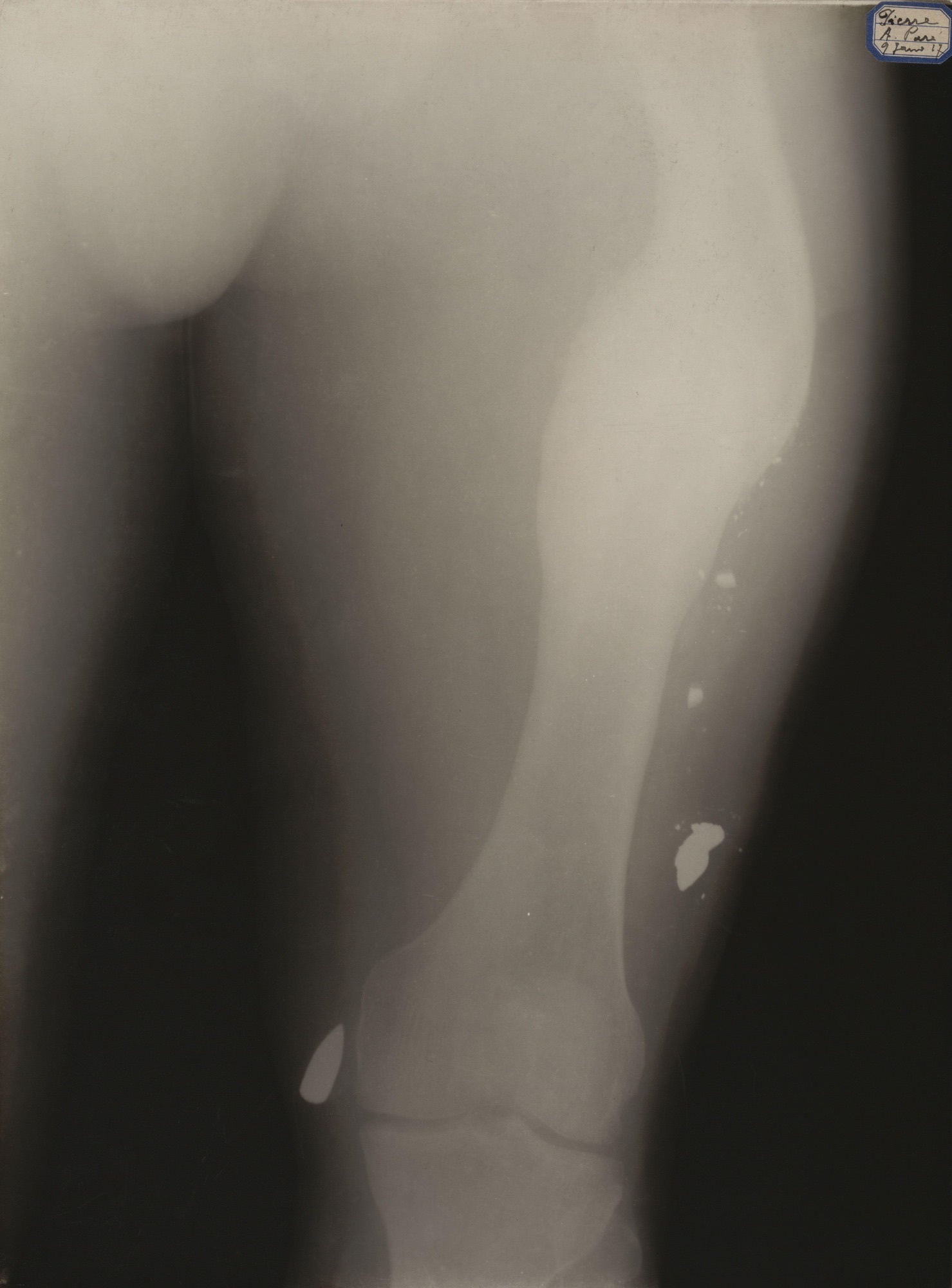
Icon: means by resembling the thing. Index: means by physical trace or cause. Symbol: means by agreement only. Most signs are blends. Choose the main way each one means; a second choice is allowed if you can defend it.
Icon: it looks like the face.Index: the rays passed through a real body.Symbol: a nation, by agreement only.
Task
Twelve signs. Tap the way each one means. Tap a second one for a blend. Two points for the main type, one for a defensible second.
Barthes
The caption swap
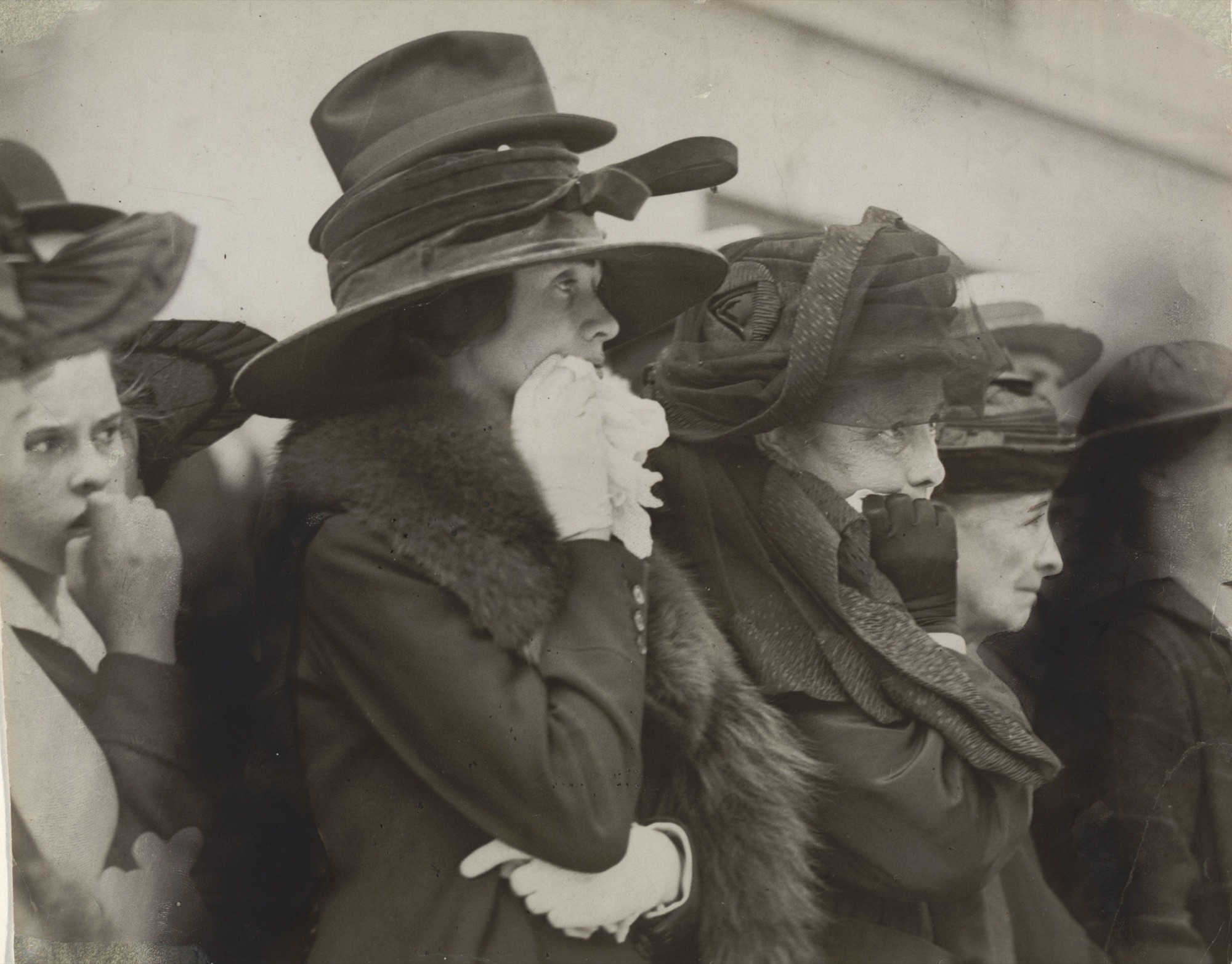
Polysemy: one image, several legitimate readings. Anchorage: the text pins down which reading you take. Relay: words and image take turns carrying the story.
Underwood and Underwood, 1917. Mother, Wife, and Sweetheart Watching Boys of the Seventh Regiment as They Marched Away to War. The New York Times Collection.
Task
Three captions, three readings. Match each caption to the reading it anchors. Then write a fourth caption that anchors fear.
Name the term
A caption that anchors fear. "Half of them would not come back." Same photograph, and now every raised hand reads as a last one. The image never changed. The words chose the meaning.
Barthes
Denotation, connotation, or myth?
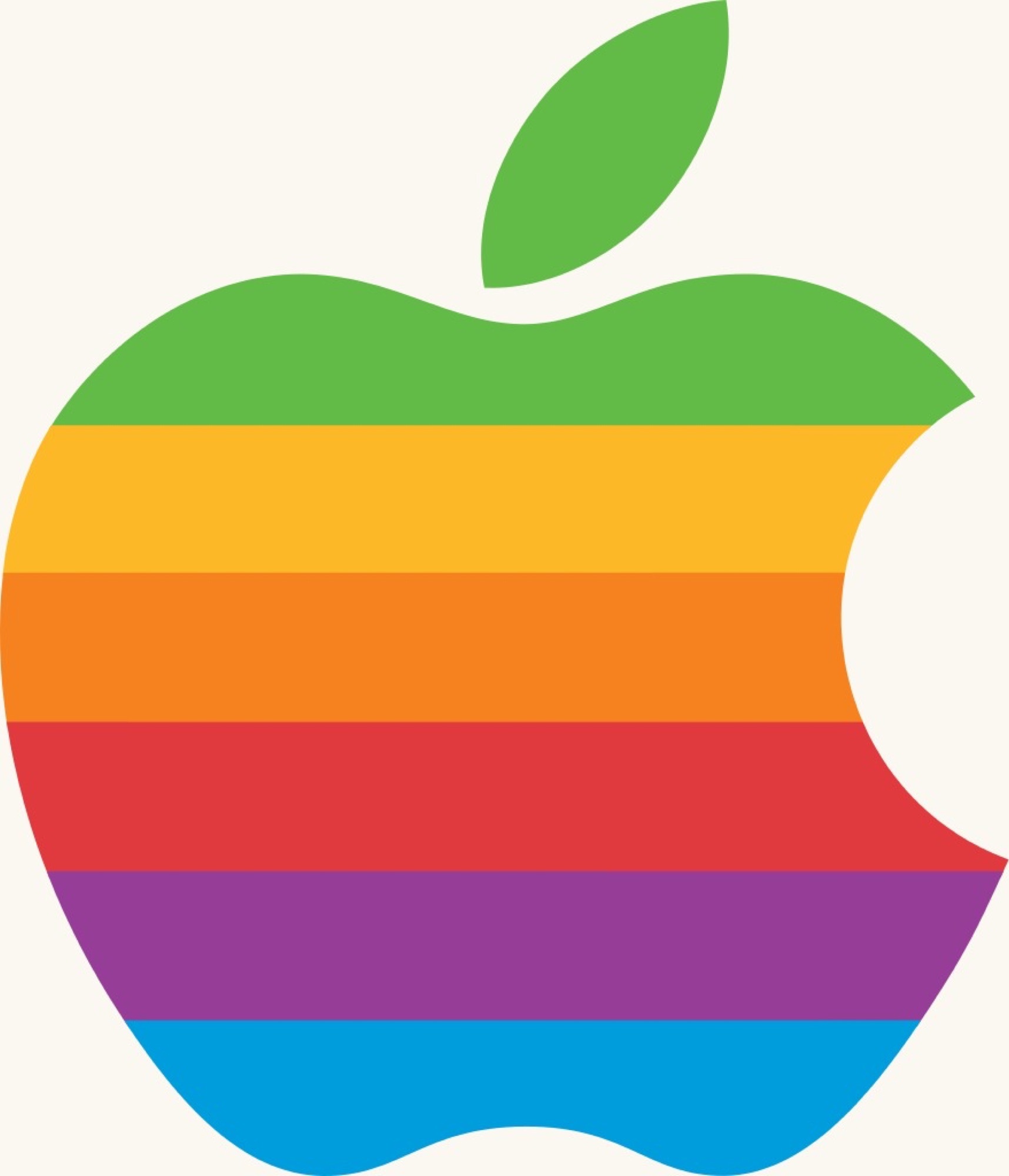
Myth: a second system of signification that presents culturally produced values as natural. Identify the sign, the cultural value and how the text makes that value seem self-evident. Checking a logo’s origin is a separate historical question.
Rob Janoff, 1977. The bite is for scale.The Turing story attached itself later.
Task
Sort each statement by the level it works on.
Mode of address
How old does this text think you are?
Every text speaks to an assumed reader. The implied reader is that person: their age, money, knowledge, mood, and how the text talks to them. Texts do not just find audiences. They build them.
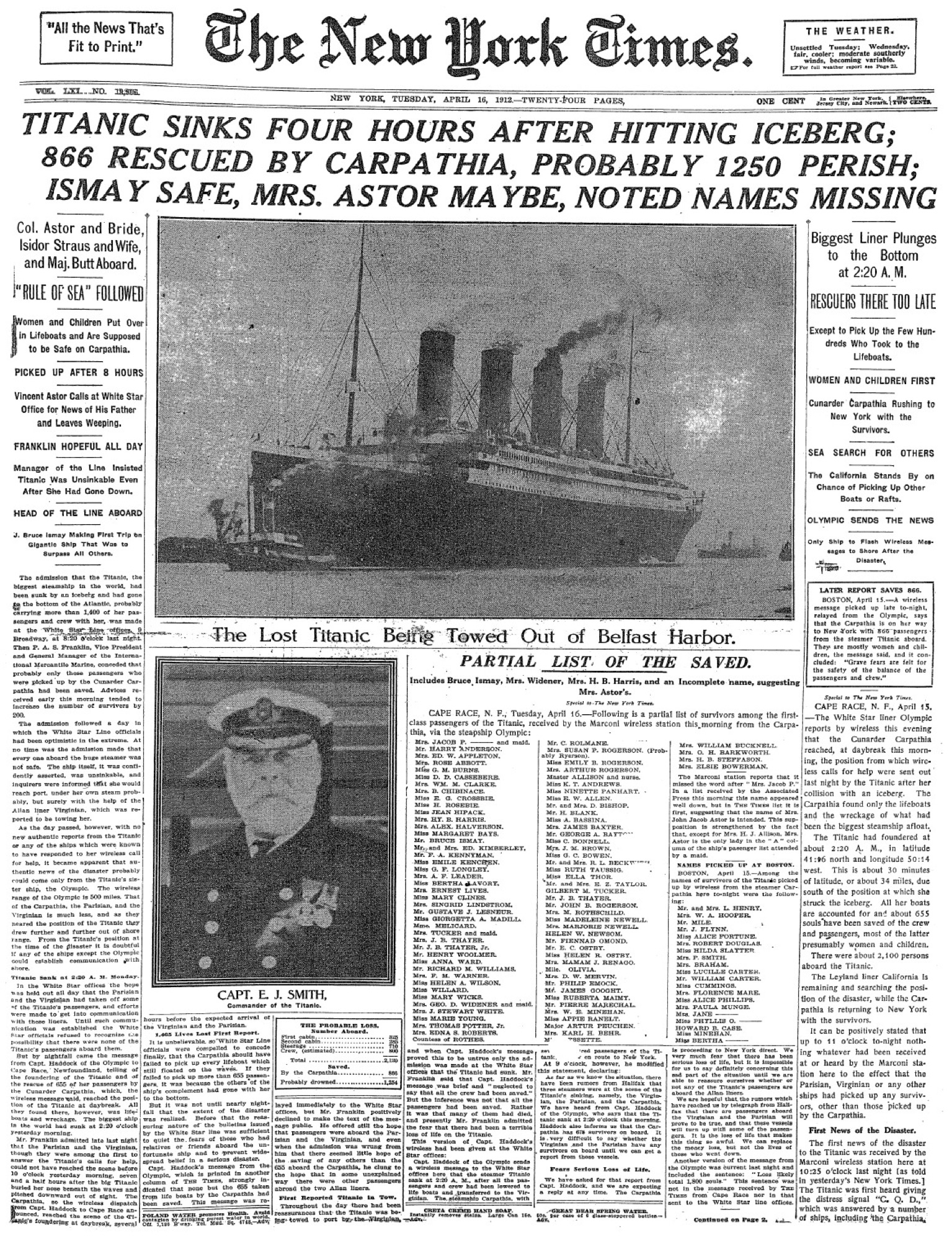
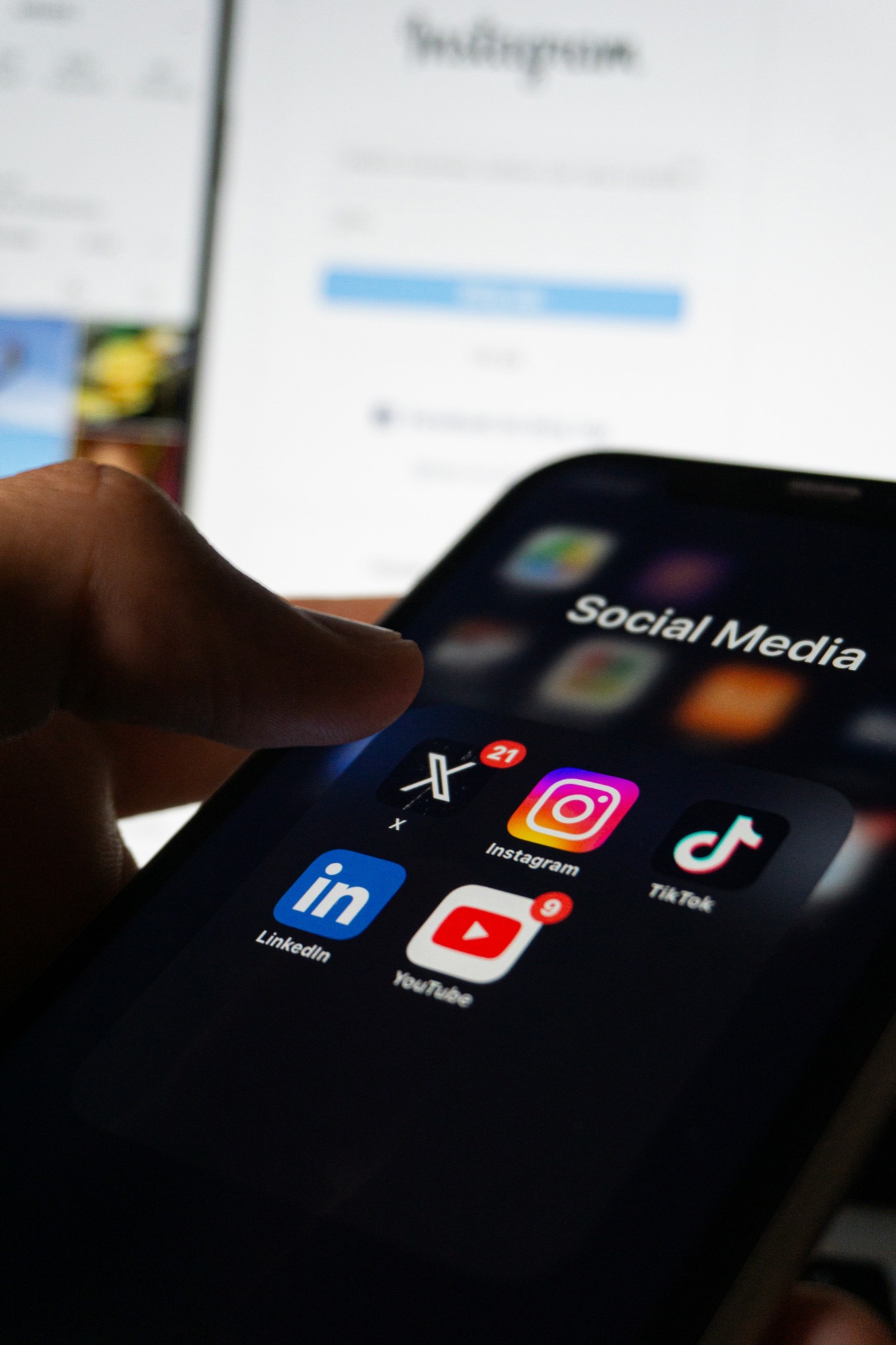
The luxury ad.The broadsheet front.The app splash.
Task
Profile the implied reader of each text. Then name the one feature of the text that proves it.