Component 1: the Foundation Portfolio
Everything you make, everything you write about it, and exactly how each part earns marks. Read it once this week. Then come back to the checklists as you go.
The AS route: both components, dates and workshop prompts · Print the two-page A4 route
- Worth
- 50 markshalf of the AS
- You submit
- 3 thingsproduct, blog, reflection
- Direction
- Oct 12–14idea, sequence and test
- Production gate
- Wed 23 Decfive checks before the shoot
- Course Skills
- Fri 13 Novopening research checkpoint
- A3
- Fri 27 Novplanning portfolio and pitch
- Final C1
- Mar 26*provisional internal target
Cambridge International AS & A Level Media Studies 9607, Component 1, syllabus for 2027. Internally marked, externally moderated.
1 · What you are actually making
Component 1 brings together a product, an individual process blog and a creative critical reflection. Cambridge assesses five strands across this evidence.
The product
A film opening or a magazine, in the genre your research and planning develop. Our class is making film openings. This is the thing people see. It carries 20 of the 50 marks.
The blog
A dated online record of how you made it, written as the work develops, from the first research post to the last. It provides evidence for the 10-mark research and planning strand and shows how the other assessed work developed.
The reflection (CCR)
Four set questions answered in creative digital formats, not as an essay. Marked twice: once for how well you make it, once for what it says. 20 marks between the two.
Working in a group
You may work alone or in a group of up to four. If you work in a group:
- Every member keeps a separate blog, and every group post says in its first line what you did.
- Each member leads one area: camera, sound, mise-en-scène or editing. Your led area is named in the direction post.
- Some planning can be shared, a storyboard for example. The reflection is always individual.
- Your teacher marks you individually. If your contribution cannot be seen in your blog, it cannot be credited.
2 · The two briefs
Cambridge sets two briefs. Our class is taking the film-opening brief; the print option is retained here for comparison. This is what each one asks for, in Cambridge's own terms.

Option 1 · Film opening (video)
The titles and opening of a new fiction film, two minutes at most.
- Research the institutional conventions of film titles and credits. Make and justify choices that suit your opening.
- Alone or in a group of up to four.
- All images original, shot by you. Dialogue and atmosphere recorded by you. Music may come from an acknowledged source.
- Preceded by preliminary exercises that develop the skills needed for the main task (section 4).
Option 2 · Magazine (print)
The front page, the contents page, and a feature article of at least two pages of a new magazine.
- In a group, each member produces their own unique edition in a shared house style. Up to four.
- All images and text original. At least four photographs per candidate.
- The feature article is the largest piece of writing and photography in the component. Choose print knowing that.
- Preceded by preliminary exercises that develop the skills needed for the main task (section 4).
3 · The dates
A1–A4 are the four attainments. The November research checkpoint is Course Skills. Keep C1 and C2 moving together; the assessment register gives the complete current requirements.
4 · The blog
Cambridge calls it a continuous record of research, planning and production. In practice that means one thing: record work as it happens. If an entry is late, use the actual publication date and say when the work was done.
Three rules that apply to every post
| Rule | What it means | Why it matters |
|---|---|---|
| Dated on the day | Record the actual work and publication dates. If a post is late, say so; do not fabricate chronology. | A chronological record helps a reader follow research, decisions and changes. |
| Your contribution labelled | In group work, say in the first line what you did. | Unlabelled work cannot be credited to you. |
| No gaps | Every stage appears, in order, on your own blog. | Your partner's post does not count for you. Gaps read as incomplete evidence, whatever the product looks like. |
Preliminary work that prepares the opening
Preliminary exercises develop skills for the main task. Use the Photo Story and Film Letter already made, then purposeful design, camera, sound or editing tests. Explain what each teaches your opening. A1 grades the Film Letter separately; A2 is written analysis. The November 11 continuity test is formative, with review on November 18.

- ✓Mon 14 SepPreliminary exercise 1: the photo storyTen original photographs, all six named shot types, a contact sheet and one choice-and-effect caption per frame.
- ✓date to confirmPreliminary exercise 2: the Video LetterA playable film (aim for 60–90 seconds) and about 250 words of rationale. Name and time the shot types and sounds; explain the voice-and-picture mismatch, changes after feedback and what still needs work. See the full A1 brief for every requirement and the confirmed deadline.
- ✓as developedMise-en-scène testA working design board or image test shows a choice and its intended meaning. Keep the test proportionate to the decision.
- ✓Nov 11Continuity and titles testFormative practice linked to an opening decision. Review on November 18. This is not an eighth research-checkpoint post or a separate attainment.
The seven-part research checkpoint record
Use this record for the November 13 Opening Research Checkpoint, graded Course Skills. Reuse completed work. The Film Letter is not regraded here. Your ticks are saved in this browser only.
- ✓existing work1 · Photo StoryLink the existing work and identify one transferable camera or sequencing lesson.
- ✓existing work2 · Parasite analysisLink the existing analysis; retain individual feedback and any explicitly granted waiver.
- ✓when available3 · Film Letter and rationaleLink the film when available. Any remaining A1 completion has its own action and date.
- ✓working evidence4 · Design boardShow an intentional design choice and explain its reason.
- ✓provisional5 · DirectionIdentify the intended response, three to five rough beats or shots, feasible resources and one uncertainty or next test.
- ✓Nov 136 · Research 1: professional openingsCompare three professional openings using three selected frames from each, nine total. Credit each source and explain a choice it informs.
- ✓Nov 137 · Research 2: titles and creditsCompare title timing, order, style and placement, then explain a provisional application to your opening.
The full checklist, post by post, is the Blog Mid-Point Checklist. Use the current checklist for the November 11 clinic and November 13 Course Skills checkpoint. Submit the main blog address during the first five minutes of November 13 class. Audience, pitch and fuller planning develop toward A3.
5 · The planning suite
Build the planning suite through November, revise it from the pitch and feedback, then bring it to the December 23 production gate. A3 assesses the research and plan on November 27; the gate confirms readiness to shoot.
Cambridge published two marked portfolios. The one that reached the top of the range had all of the documents below. The one that stopped in the middle was told its planning needed a wider range. Tick what you have actually posted.
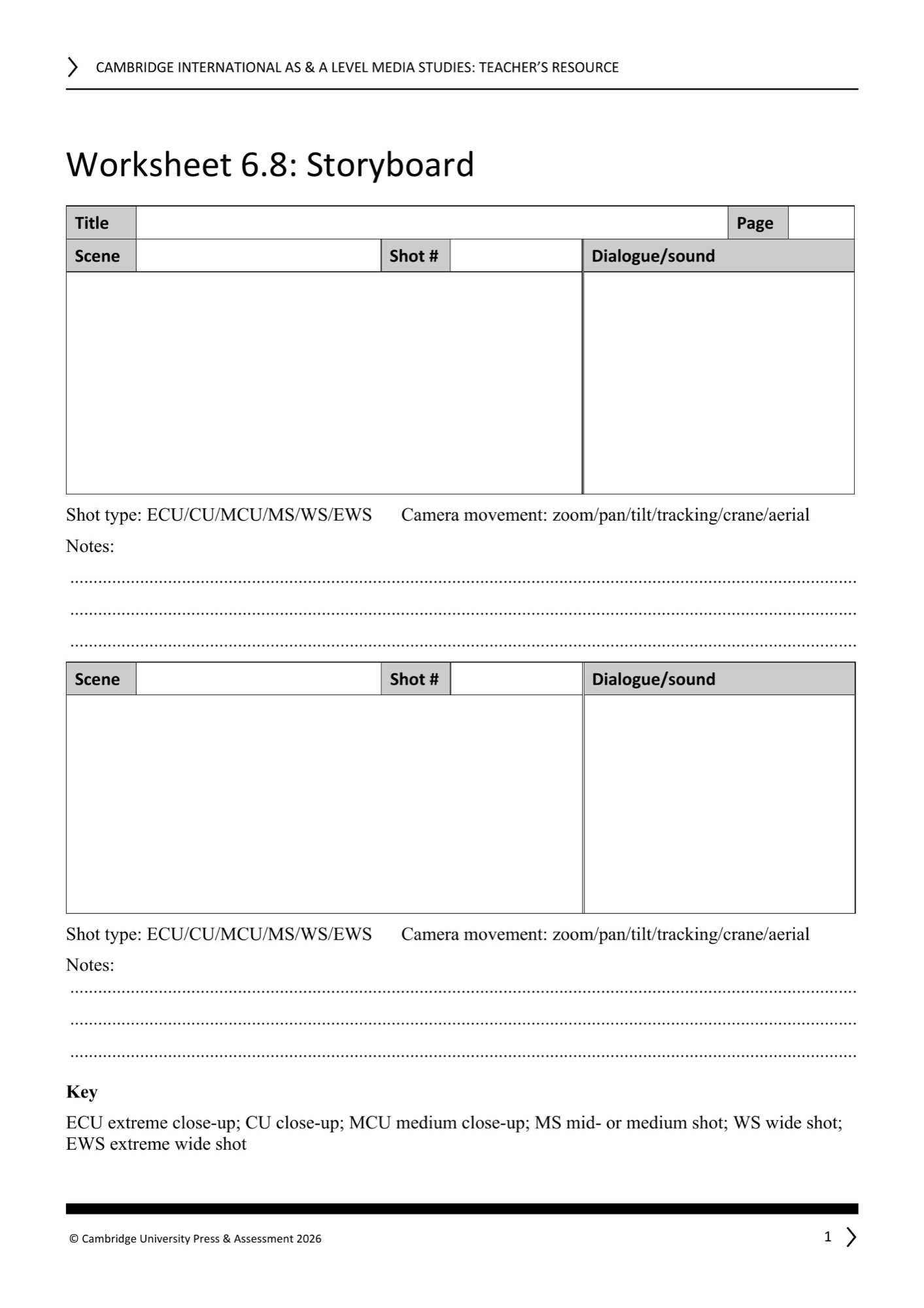
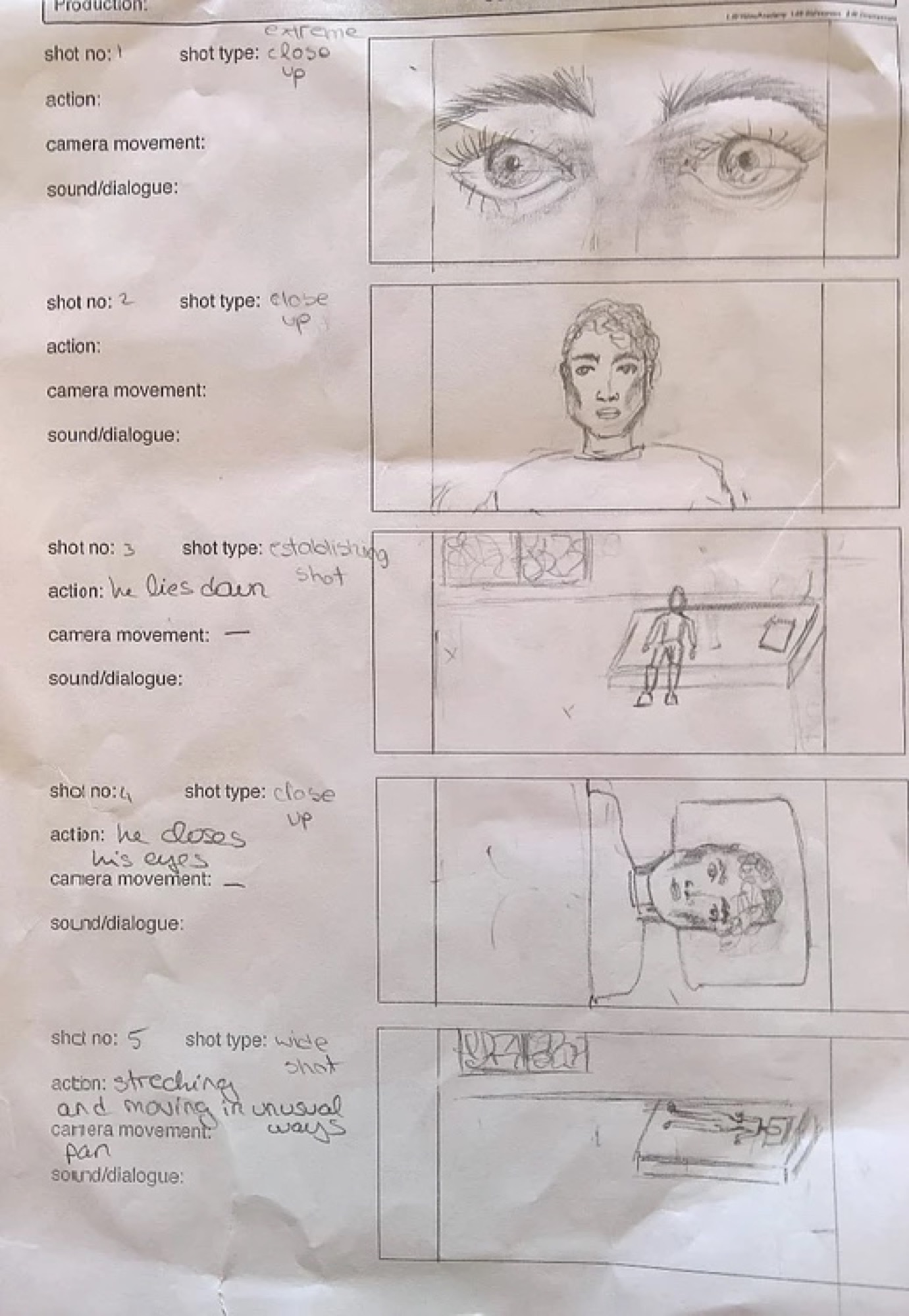
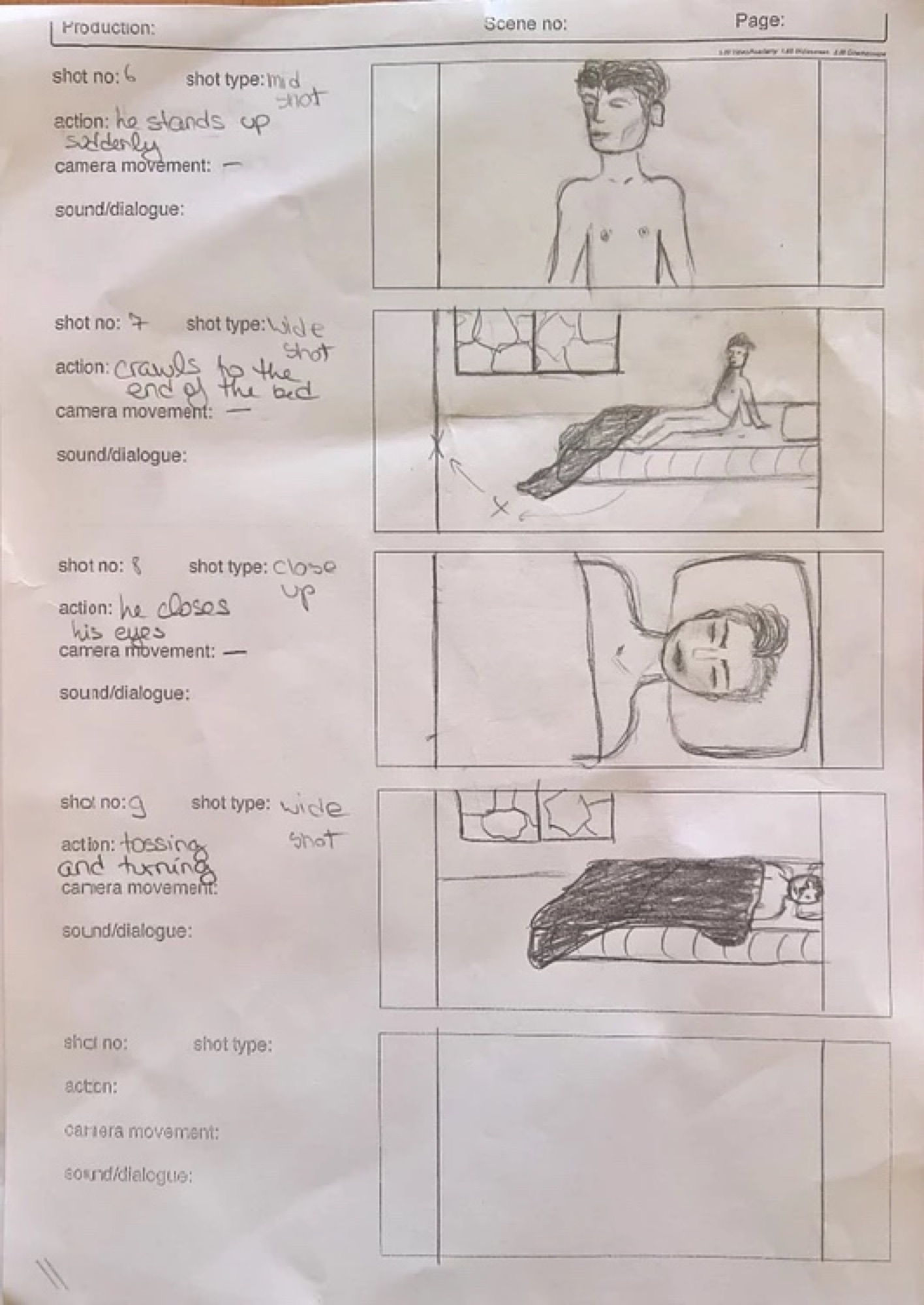
- ✓StoryboardShot by shot, numbered. For magazines: layout roughs and a flat plan for every page.
- ✓Script or screenplayDialogue and timings. For magazines: cover lines, standfirst and the feature's copy.
- ✓Location recceYou visited, photographed it, and noted light, sound, access, power and problems.
- ✓CastingWho appears, why they fit the character, and how you decided.
- ✓Test shotsEspecially for any effect you plan to use. Cheap to do, easy to evidence, and routinely missing.
- ✓Risk assessment and call sheetWhat could go wrong on the shoot and what you did about it. Who is where, when, with what.
Also publish the shot list, equipment tests and schedule. At the final gate, show an animatic under 2:00, a call sheet for every shoot day, confirmed cast, confirmed locations, booked equipment and a confirmed shoot window. The shoot guide has the five working sheets and the January 8 second gate.
What a top-band planning section looks like
Cambridge's Candidate B, marked at the top of the range, is published in full on the School Support Hub. These are the planning posts the moderator singled out. Look at how ordinary each one is. The mark came from their range and their order, not their polish.
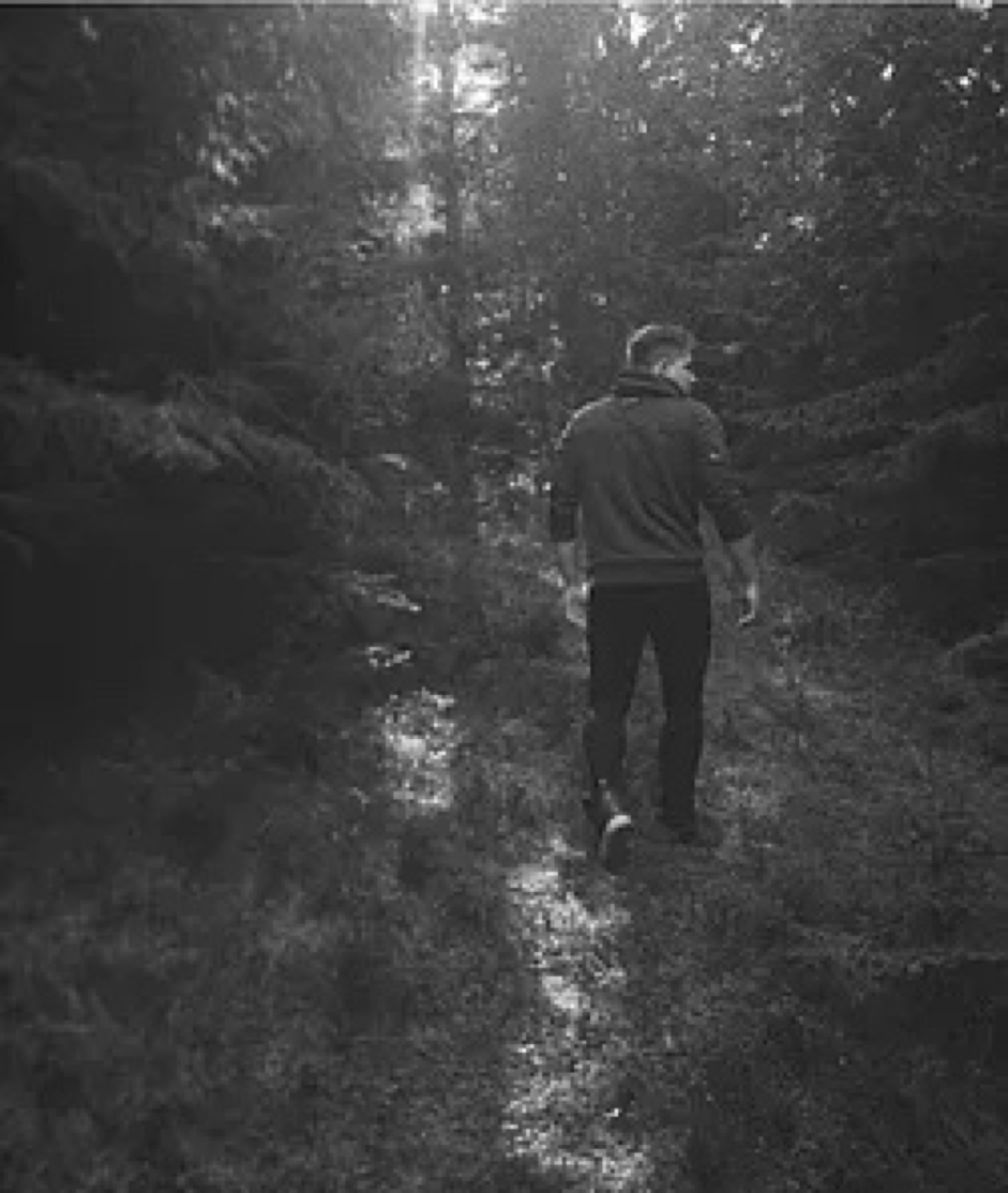
Casting
One actor, one photograph, one paragraph on why he fits. The moderator's note: "Evidence of casting. This is often missing from candidates' blogs."
Script, equipment, budget, call sheet
Each one its own dated post. The script came first, the call sheet last, and the dates prove the order.
What was criticised
A post on the big six studios sat in the planning section. The moderator: it belongs in research and should have shaped the idents. Position matters.
6 · The Creative Critical Reflection
Keep the evidence for these four questions as the project develops. Develop the complete Creative Critical Reflection during spring post-production, using evidence from the whole process and preparing it with the portfolio for the provisional March 26 internal target. Answer creatively, in digital formats; it is part of the final spring portfolio.
The four questions, in Cambridge's words
- How does your product use or challenge conventions and how does it represent social groups or issues?
- How does your product engage with audiences and how would it be distributed as a real media text?
- How did your production skills develop throughout this project?
- How did you integrate technologies – software, hardware and online – in this project?
Why the format matters
The published portfolios illustrate why creative presentation and evaluation both matter. The CCR is assessed for creative and technical skill under AO3 and for evaluation under AO2.
Choose digital forms that let you show and evaluate your work clearly. A range may support creative presentation, but the syllabus does not require four different formats or automatically deduct marks for reusing a tool.
Choose how to present each answer
Choose a possible format for each question. Reusing a format is allowed; explain why the choice suits the evidence.
7 · How you are marked
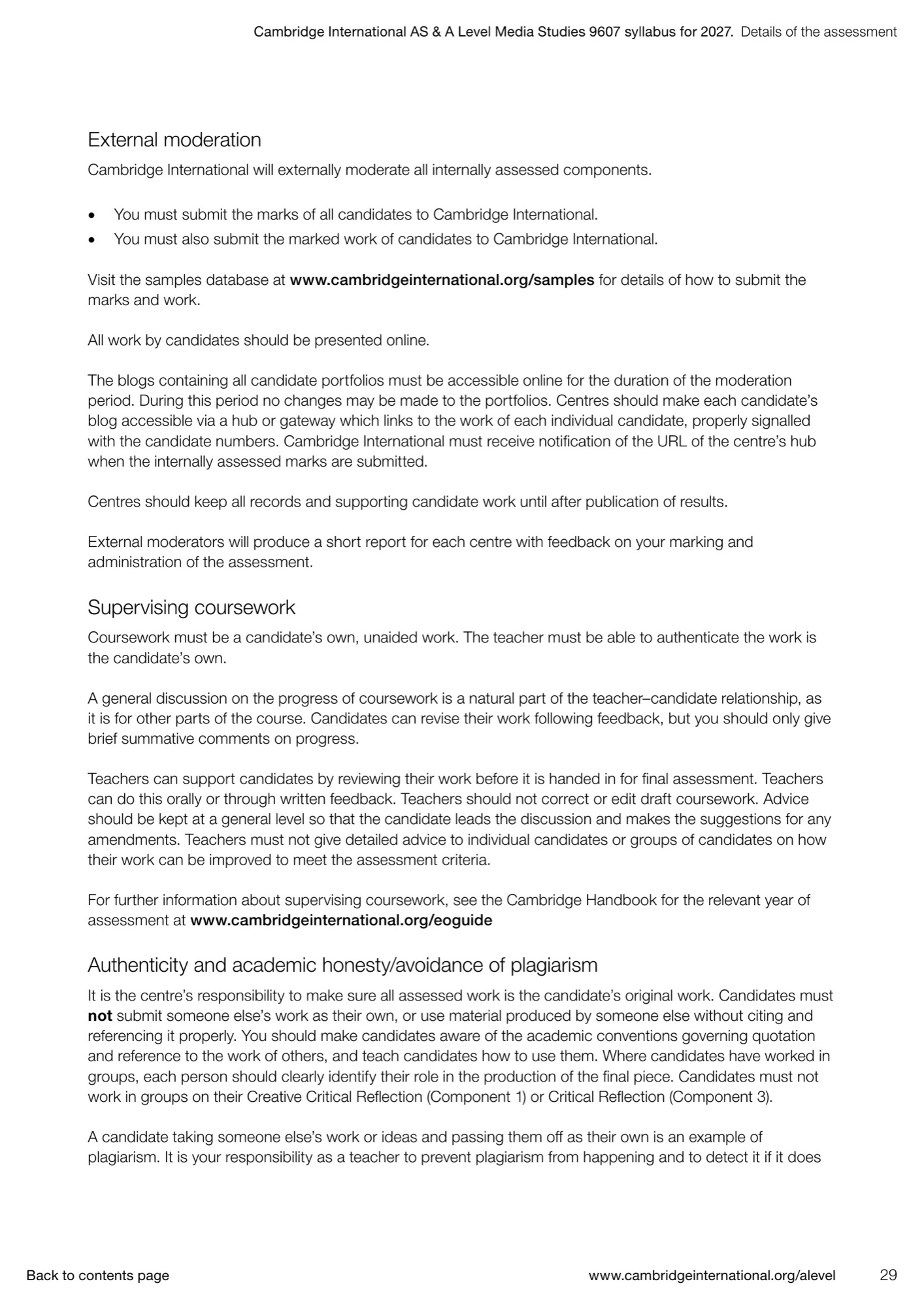
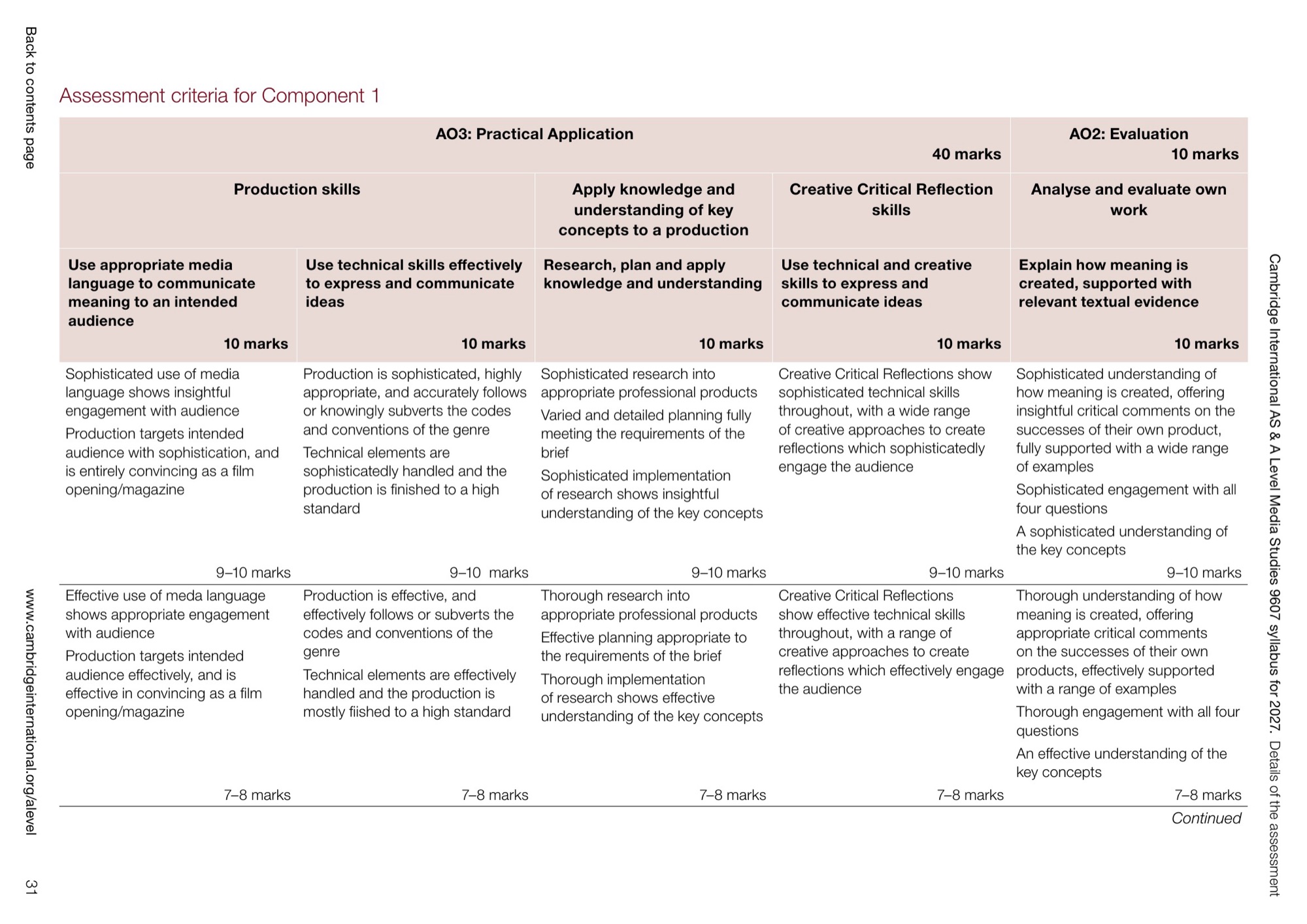
The finished spring Component 1 portfolio is marked on five strands, 10 marks each, 50 total. Each strand is banded separately. A3 in November uses a separate local 10-mark planning-and-pitch rubric. It informs C1 AO3 but is not a partial official component mark; use its own brief. Click a strand below to see the final portfolio bands.
8 · Two ways to lose marks you have already earned
Both of these happen to students who did the work. They are evidence problems, not effort problems.
The thin blog
Looks like: few posts, several written in one burst near the deadline, research that never reappears.
Why it caps you: the top band asks for research drawn on to inform the production. If the blog cannot show that happening, the mark is not available, however good the product is.
Guard: the dating rule. Post on the day, every time.
The misweighted blog
Looks like: plenty of posts, properly dated, but most of the weight sits in preliminary exercises and side material rather than the brief.
Why it caps you: this is what happened to one of Cambridge's published portfolios. Well dated, genuine progression, and still capped for carrying too much preliminary material and not enough on the set brief.
Guard: count, every few weeks. The counter below helps you review the balance; it is not a grading formula.
The ratio counter
Count your posts. Then count only the ones about the product you are being marked on: research in your genre, planning for it, production of it. Count purposeful preliminary work separately if useful, but judge its connection to the opening. Cambridge does not set a required percentage of posts.
9 · Submitting
A3: the planning portfolio and pitch
Pitch on Wednesday 25 November and submit the main blog address by Friday 27 November at 12:35. Check the direction, both research posts, genre contract, three beats, idea, audience, institution and ident, representation/casting decisions, script, storyboard and shot list, recce and risk sheet, test shots, and the pitch post with cards, verdict and revisions. The A3 brief gives the complete task and local ten-mark rubric: professional research 2, planning 4, implementation of research 2 and pitch 2.
Work published after 12:35 does not change the A3 mark. Continue improving the plan for the animatic and production gate, and record the changes.
The finished spring portfolio
Use the checklist below for the final film, blog and reflection at the end of spring week 5. The spring brief confirms the exact deadline and submission procedure.
- ✓Product exported and playableOpen it on a different machine than the one you edited on. For print: the PDF opens, every page, at full size.
- ✓Reflection posted, in its creative formatsAll four questions, embedded and working.
- ✓Blog complete, posts dated, contributions labelledNo gaps between the first post and the last. Final product and reflection clearly labelled as such.
- ✓Every URL checked from a signed-out browserIncluding embedded ones. Expired links are the classic failure.
- ✓URLs and files logged on the submission sheetConfirmation shown on screen, per group.