Designing a Meal as an Artwork
At a glance
| Field | Details |
|---|---|
| Dates | Not scheduled |
| Focus | Designing a Meal as an Artwork |
| Unit | The Table As Ethical Space |
Objectives
- Explain how seating, service and the option to decline affect participation. Revise one design choice in response to a possible difficulty for a guest.
Materials and resources
Use the works and source readings named below. Keep the full composition visible while looking.
Tasks
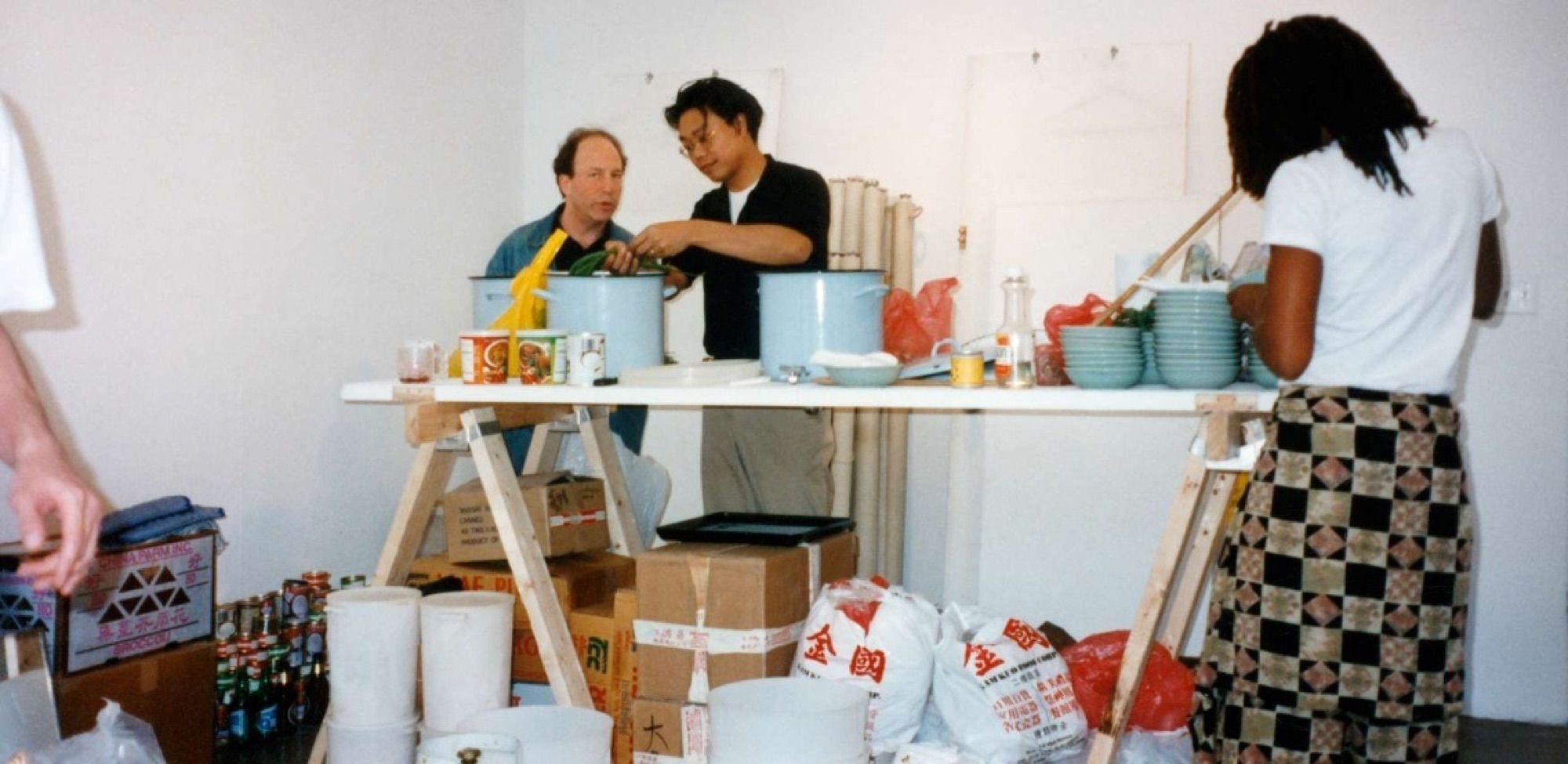
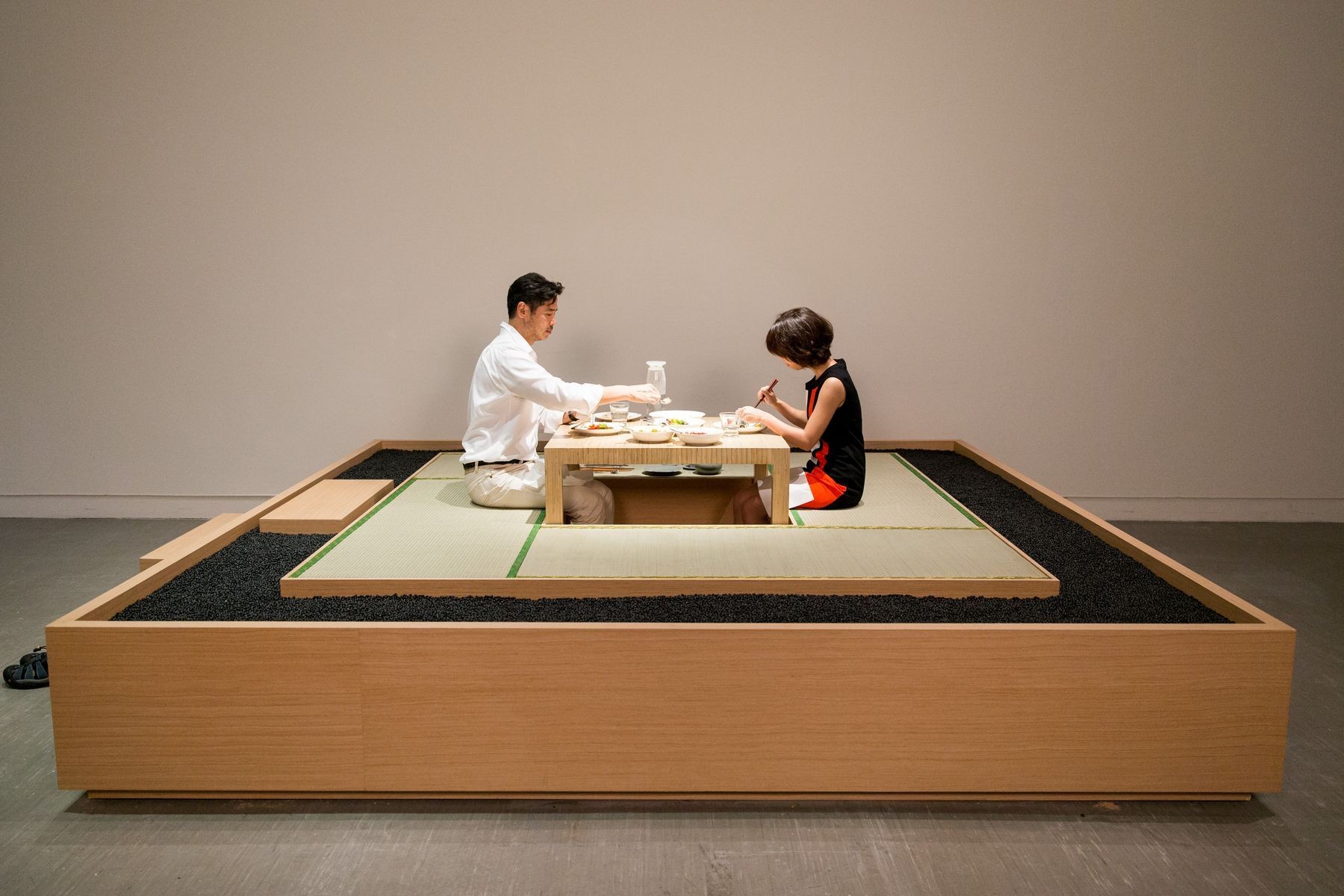
Meal as artwork. Work in pairs. Make a plan showing the setting, participants, menu or form of food, seating, service and cleanup. You may draw a plan with annotations or write it. For each major choice, explain the relationship you want it to create. Include a way for a participant to decline food or an activity without embarrassment. Exchange plans with another pair. Identify one possible difficulty for a guest, then revise one choice. Keep the plan with your board notes. This design task does not commit anyone to spending money or bringing food.
Assessment and homework
Ungraded design exercise. The later meal-plan discussion and hospitality seminar remain in the course bank.
Description
Design a meal as an encounter. Compare how Tiravanija and Lee Mingwei invite people to participate before deciding what a guest at your own meal could choose.
Teaching reference
Culinary Aesthetics and the Ethics of Care
Care is attention and action directed toward another person’s needs. Hospitality is receiving and caring for a guest. Neither word guarantees how the guest experiences an encounter. Obligation is something a person is expected or feels required to do. A generous invitation can create a sense that the guest must eat, stay, speak or repay it. Agency is a person’s ability to make choices and act on them. Looking for the guest’s choices makes the discussion concrete.
In Rirkrit Tiravanija’s Untitled (Free/Still), preparing and sharing food helps form the artwork. The documented installation redirects attention toward people occupying the gallery together. It is an example of participatory art, art in which participants’ actions help form the work. Relational aesthetics is an approach to art that treats relations between people as artistic material. The label does not prove that every participant feels welcome. Look at how the setting permits or limits participation. MoMA PS1 account.
Lee Mingwei’s The Dining Project (1997–present) organizes a one-to-one meal. Its scale differs from Tiravanija’s collective encounter. Compare selection, attention, privacy and host/guest roles. A smaller encounter may allow careful listening; it may also heighten pressure on a guest. These are interpretations to investigate through the work’s arrangement. A documentation photograph cannot establish the whole conversation or how everyone felt. Artist’s project account.
Use a two-column comparison of an ordinary meal and a gallery meal. Food, utensils and conversation may remain familiar while expectations, selection and the status of an encounter change. Later, Hyperreality and Paratheatre will provide further terms for examining this change; those terms are not prerequisites for the November 6 task.