The Table as Ethical Space
Whose work makes a meal possible, and who gets a place at the table?
Read the unit plan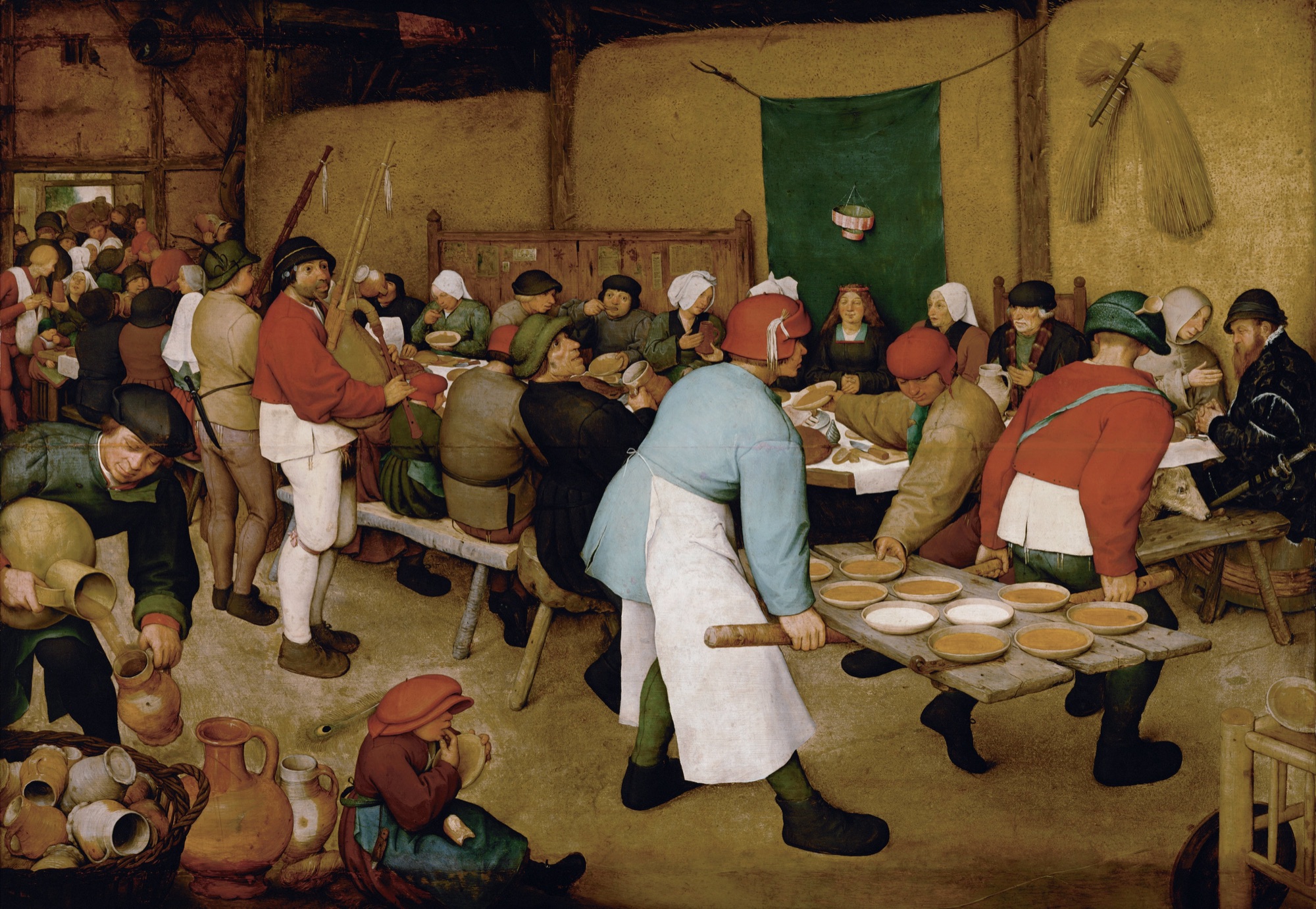
Lessons
All 15 lessonsWeek of October 19
Week of November 2
Week of November 9
Week of November 16
Week of November 30
Unit gallery
All 57 images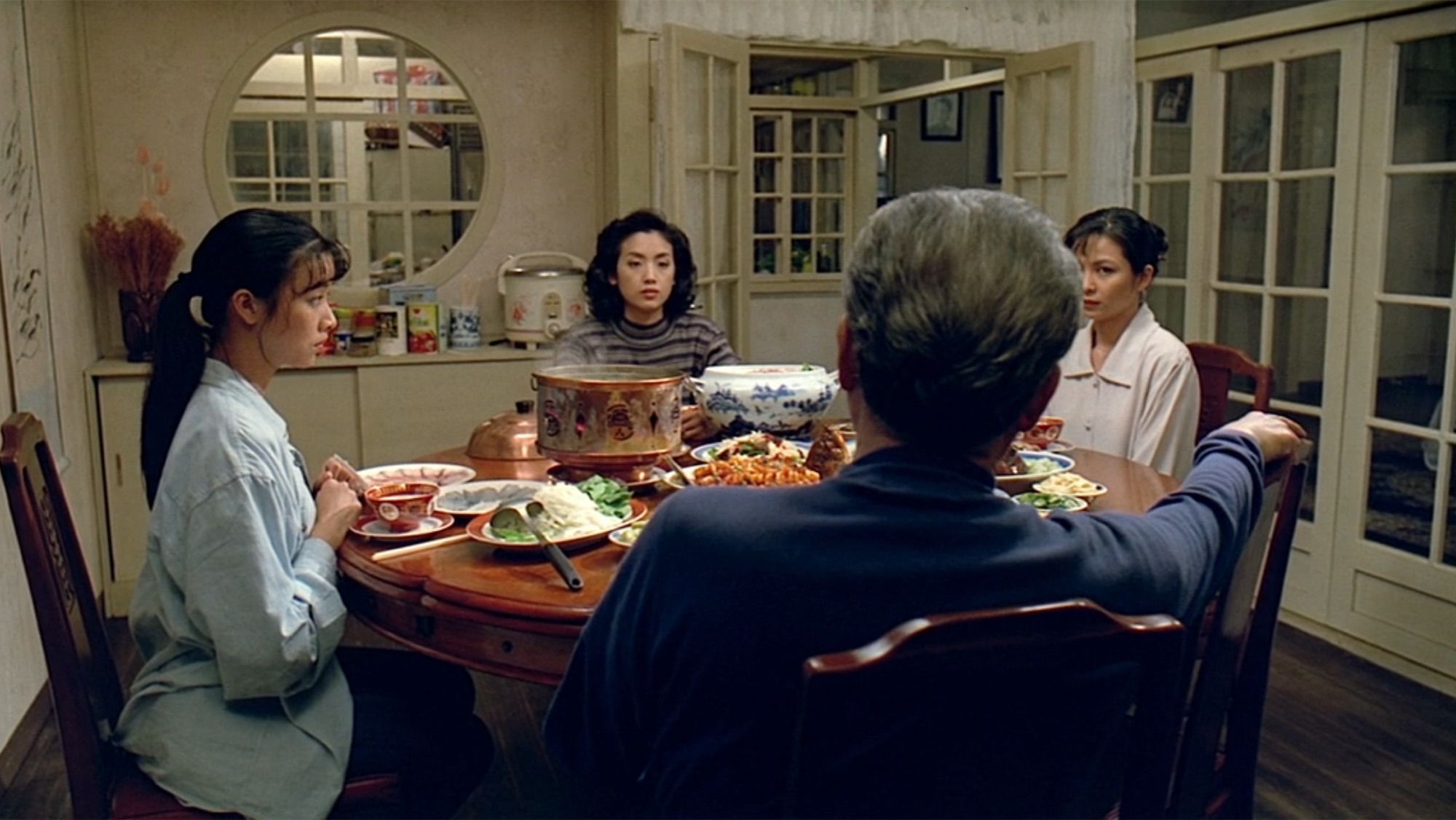
Assignments
Film DiscussionThe Food and Ethics BoardAll 2 assignmentsLessons
15 lessons · 1 project guide
- The Table as Moral Space
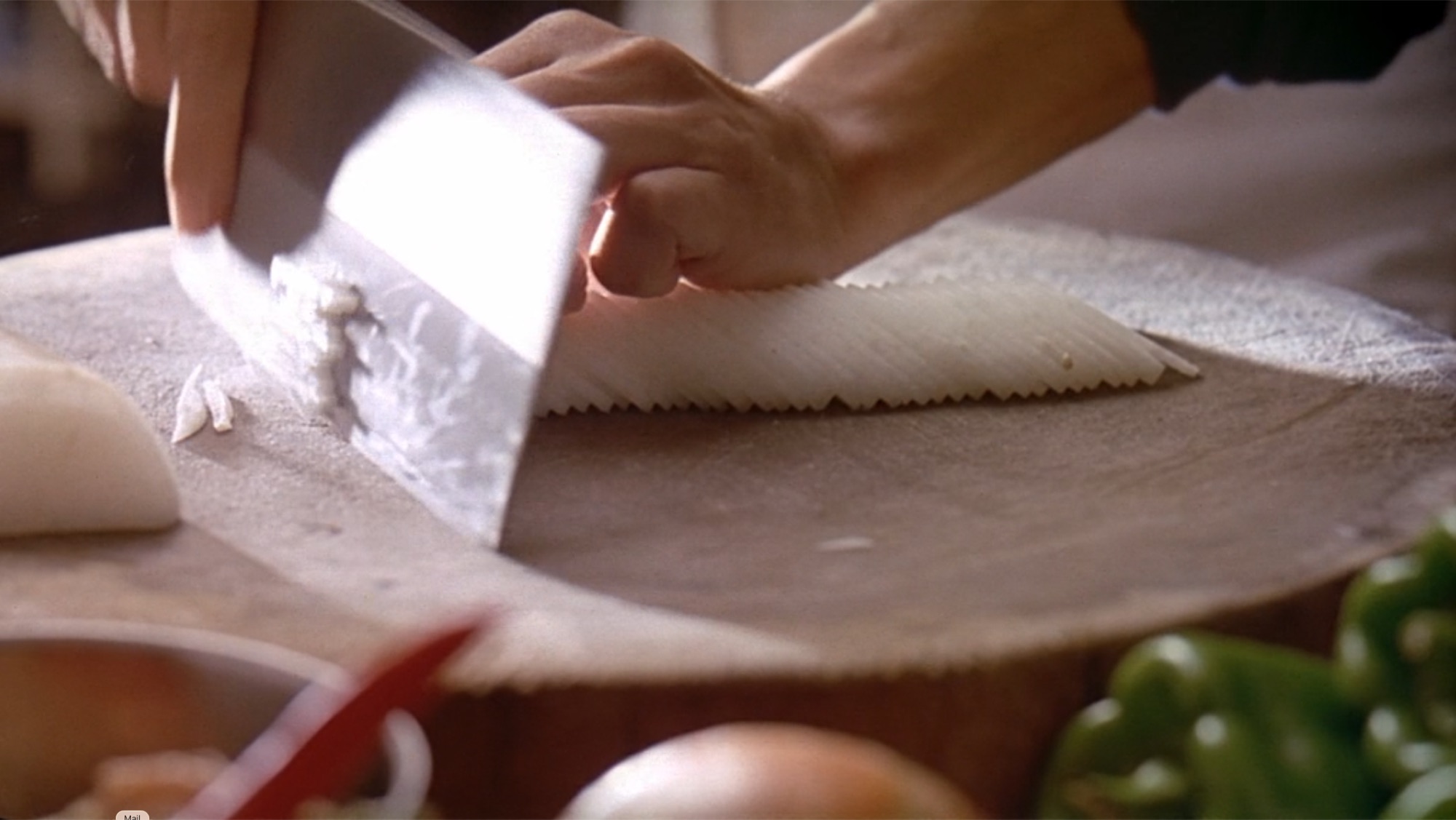
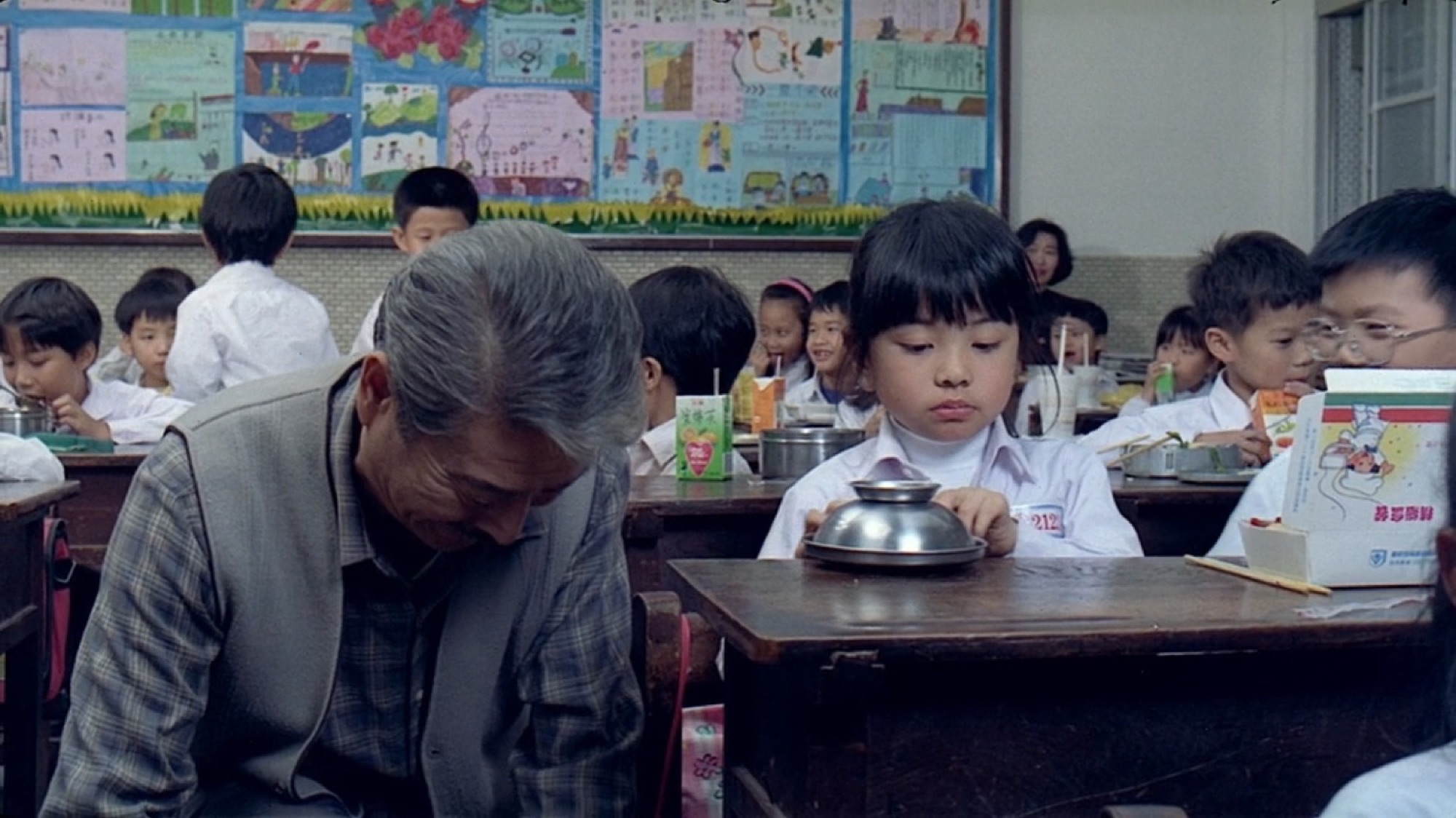
- Ang Lee’s Eat Drink Man Woman
Class dates and studies
- Sharing a Class Lunch
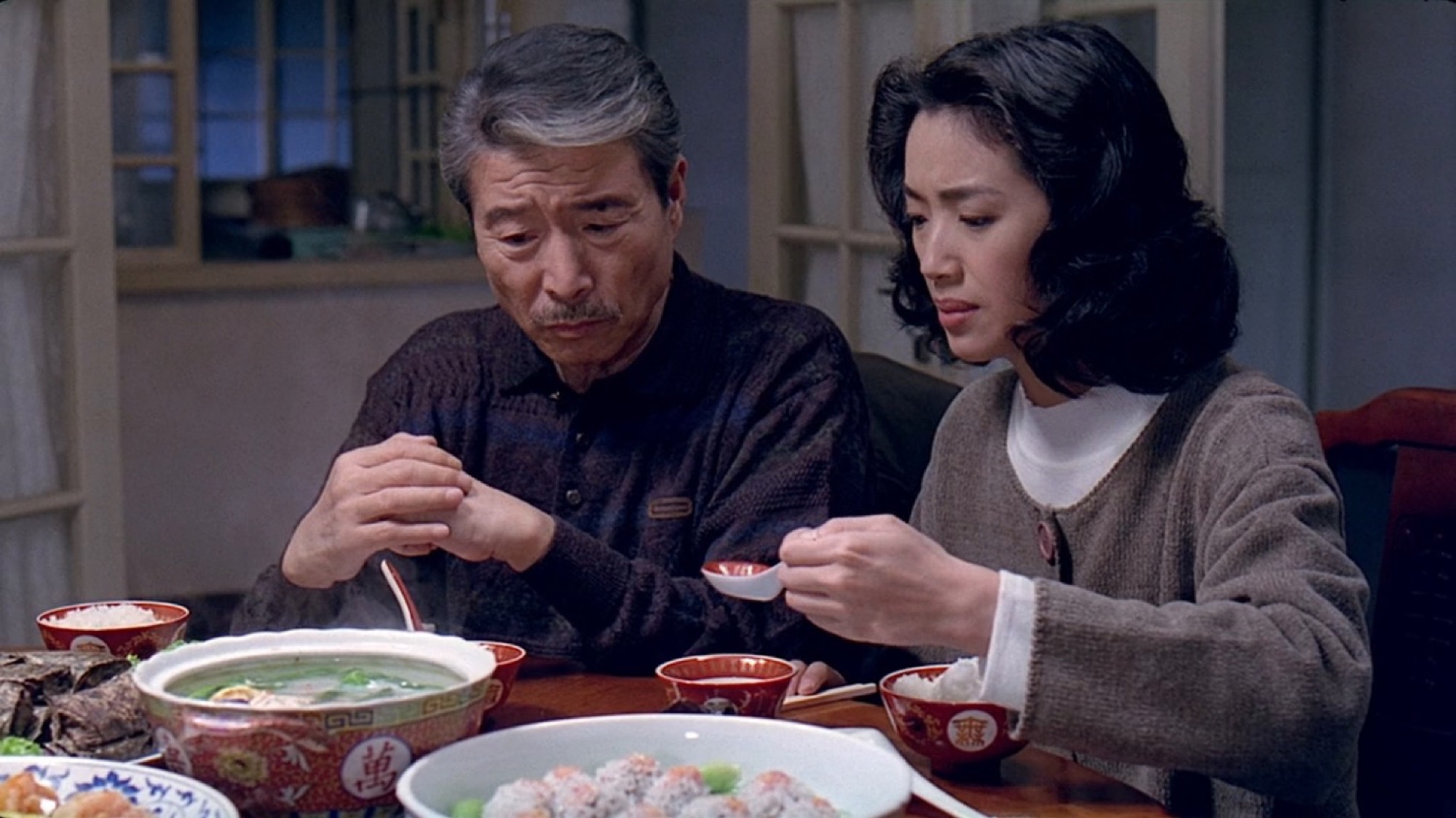
- Reading a Family Meal in Eat Drink Man Woman
Class dates and studies
- Heda: Possession and Labor
Class dates and studies
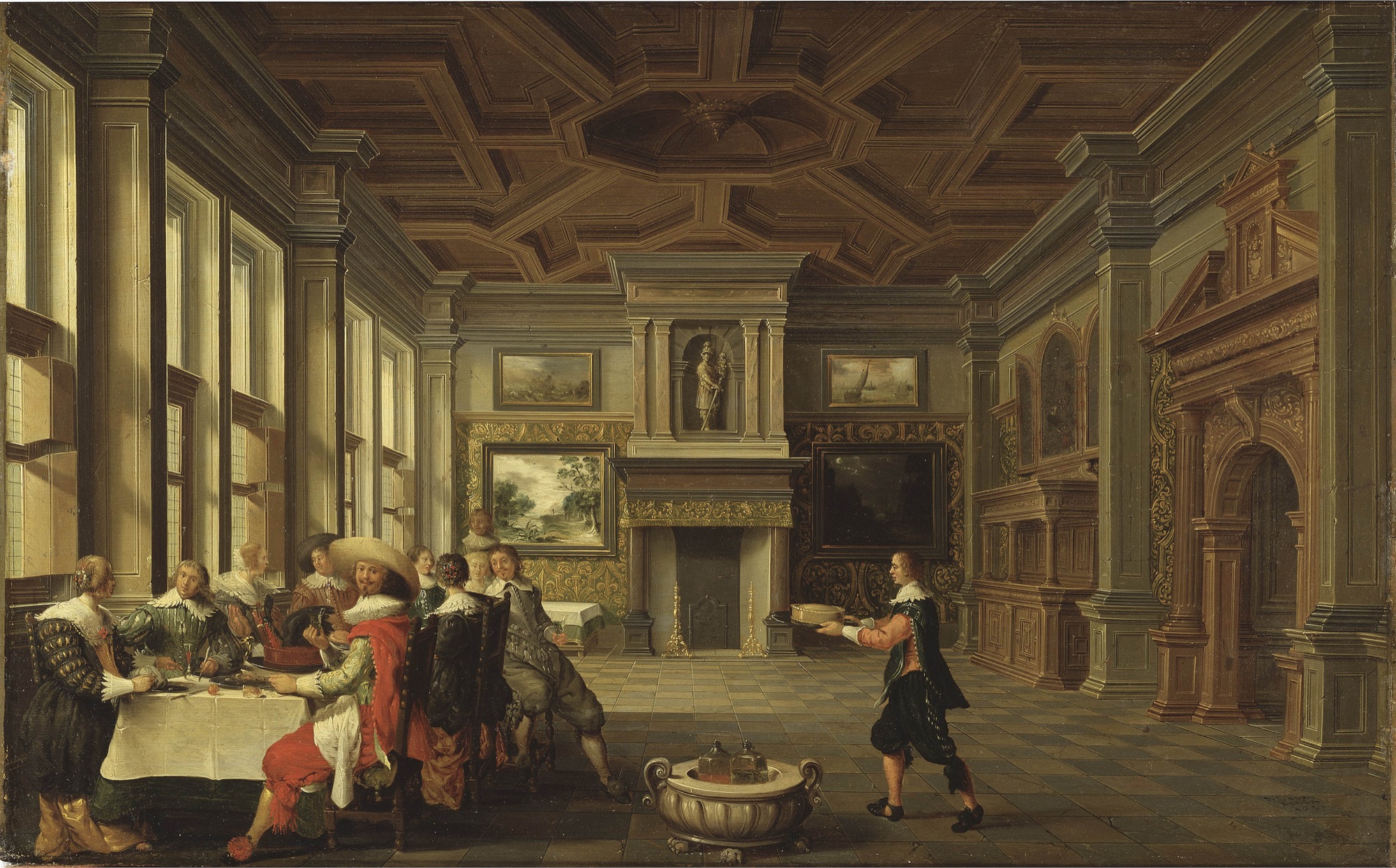
- Food, Class, and the Performance of Taste
Class dates and studies
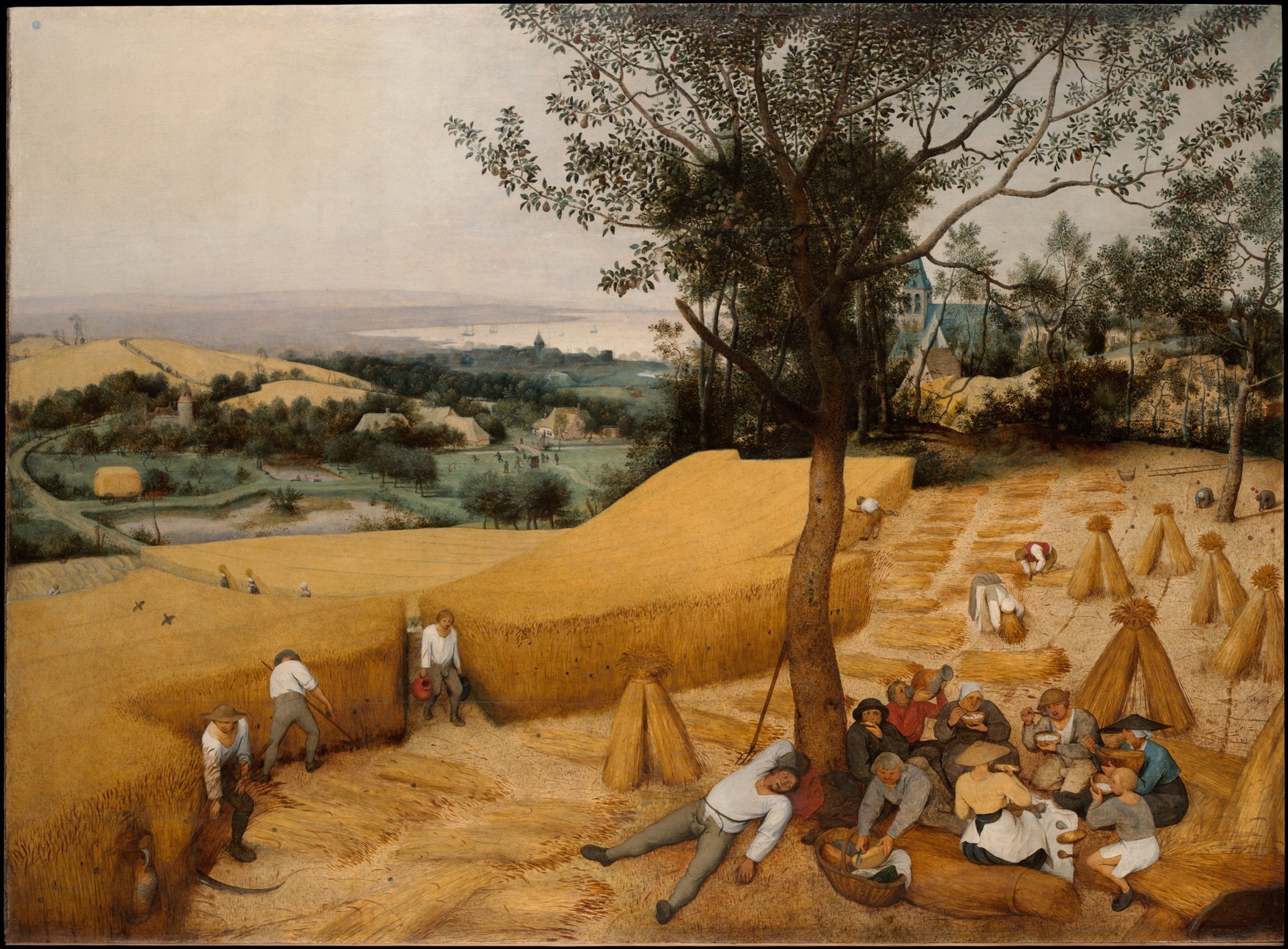
- The Table as a Social Form: Ceremony, Labor, and Belonging
- Millet and the Dignity of Labor
- Agnès Varda’s The Gleaners and I
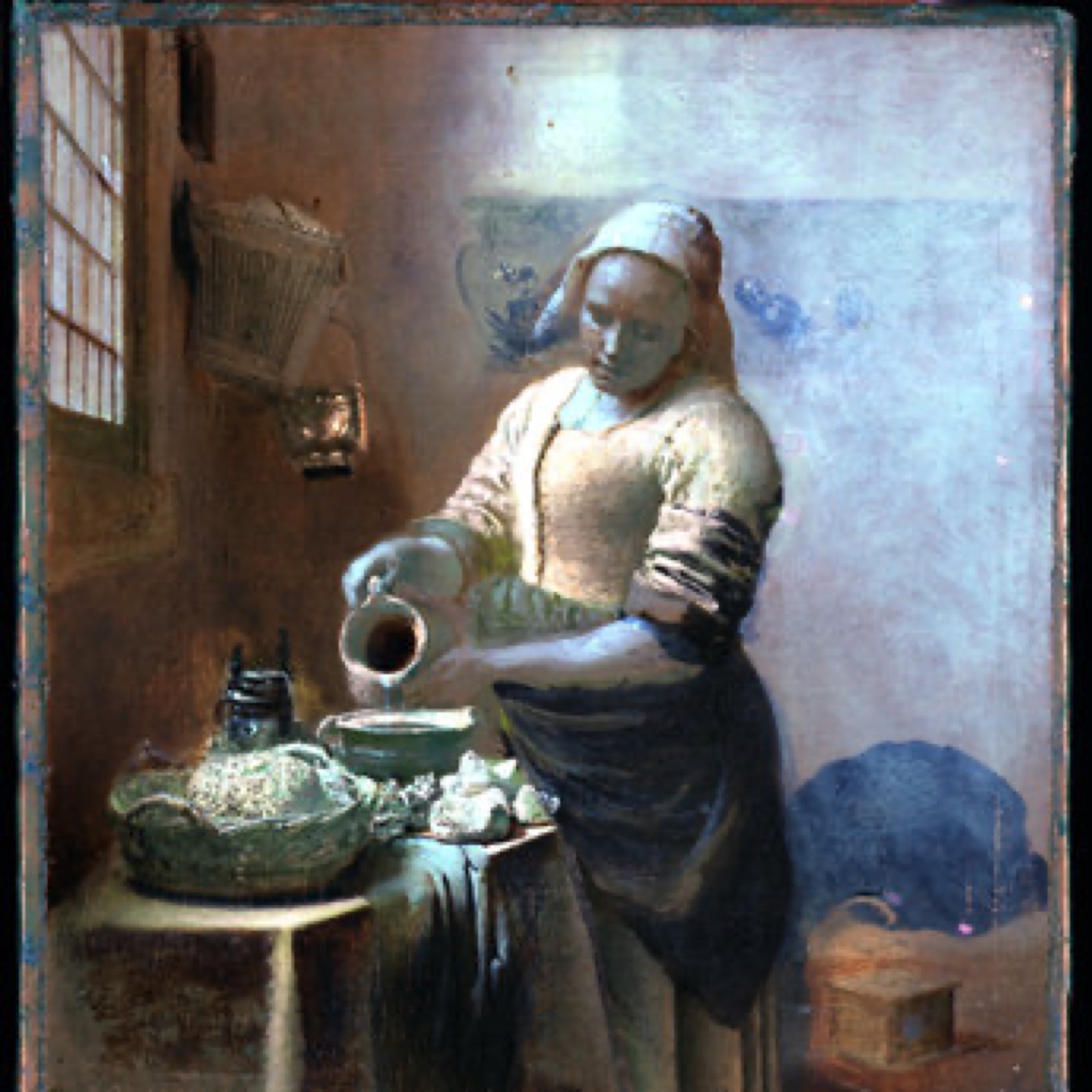
- The Milkmaid
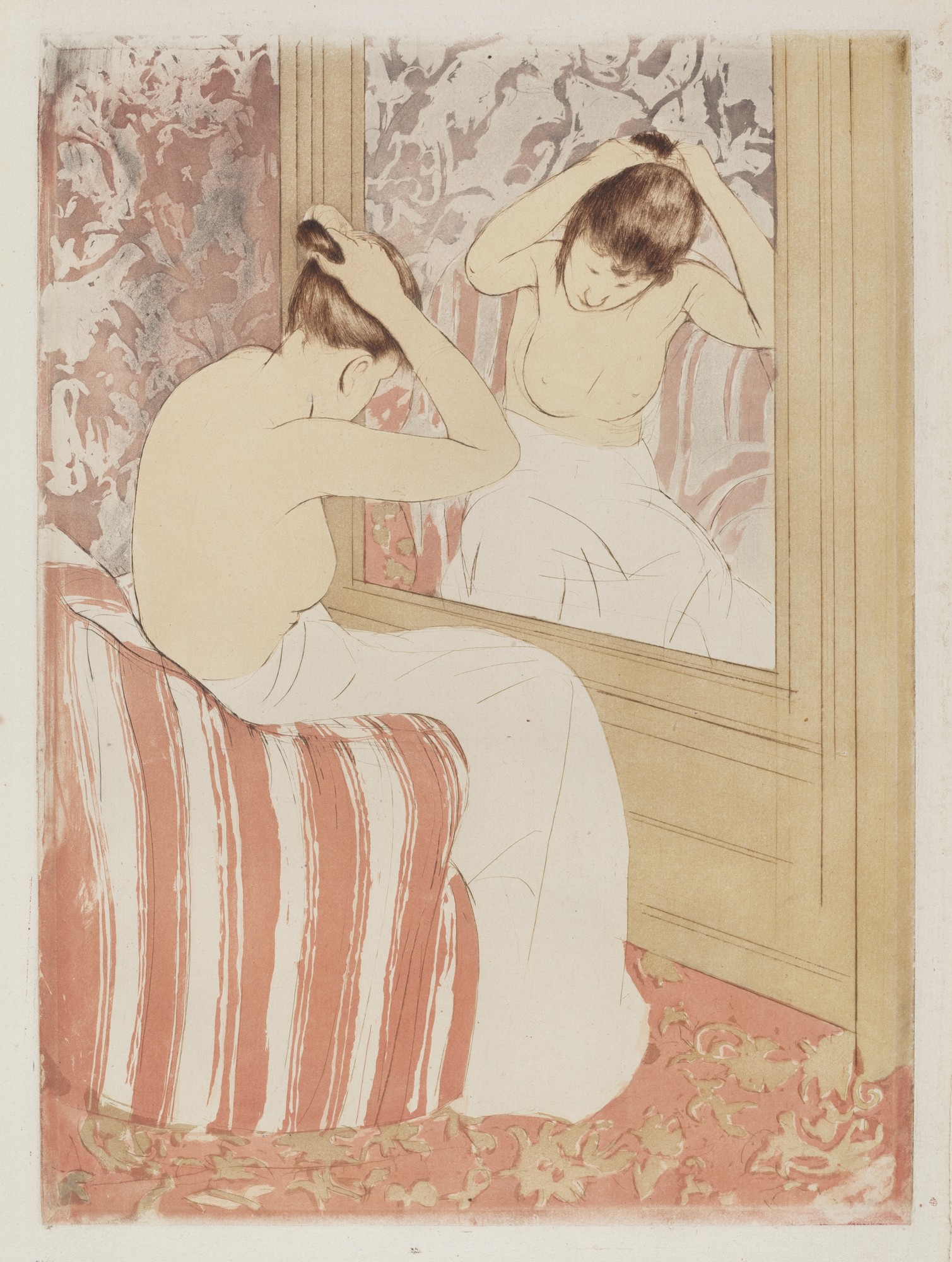
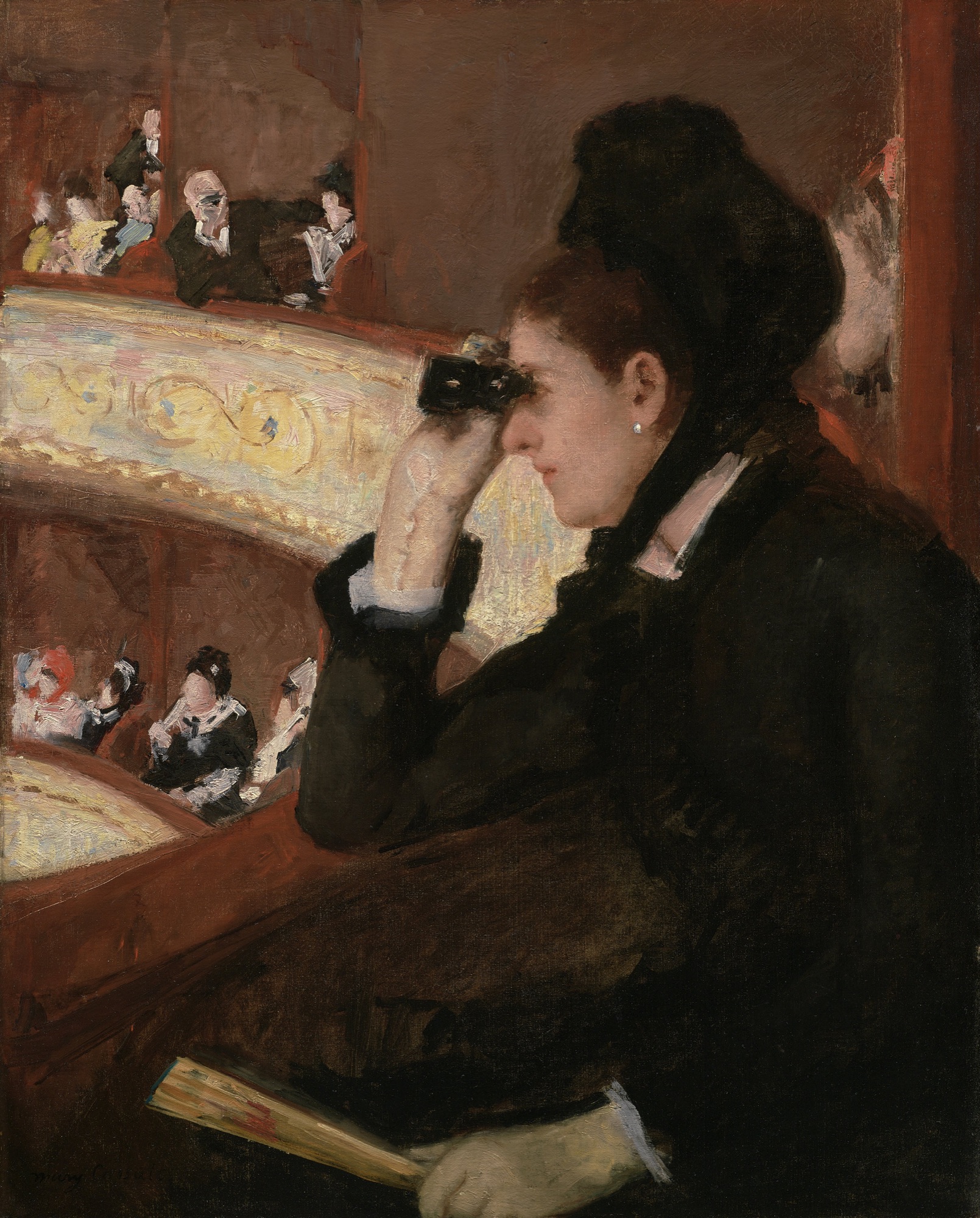
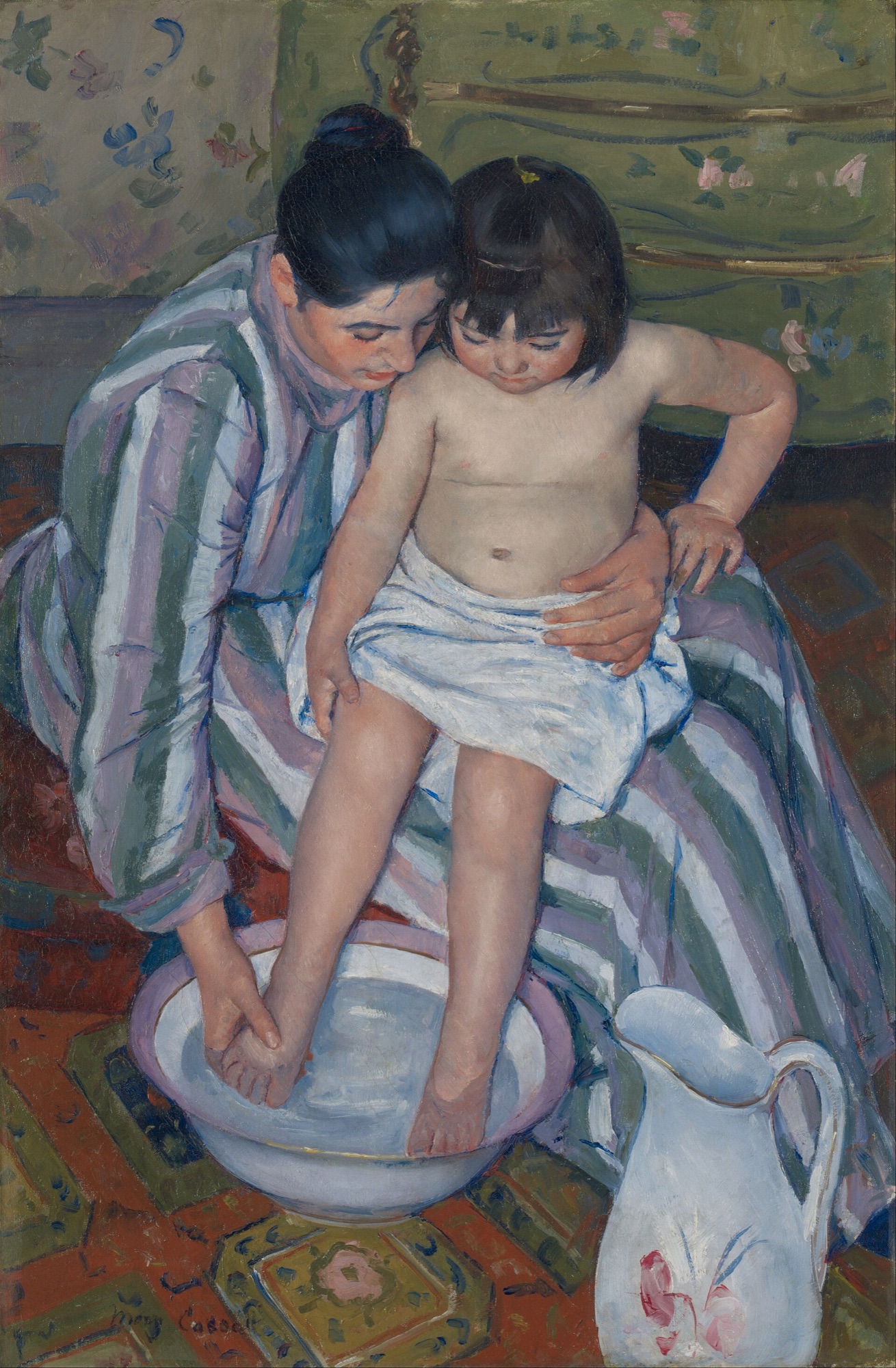
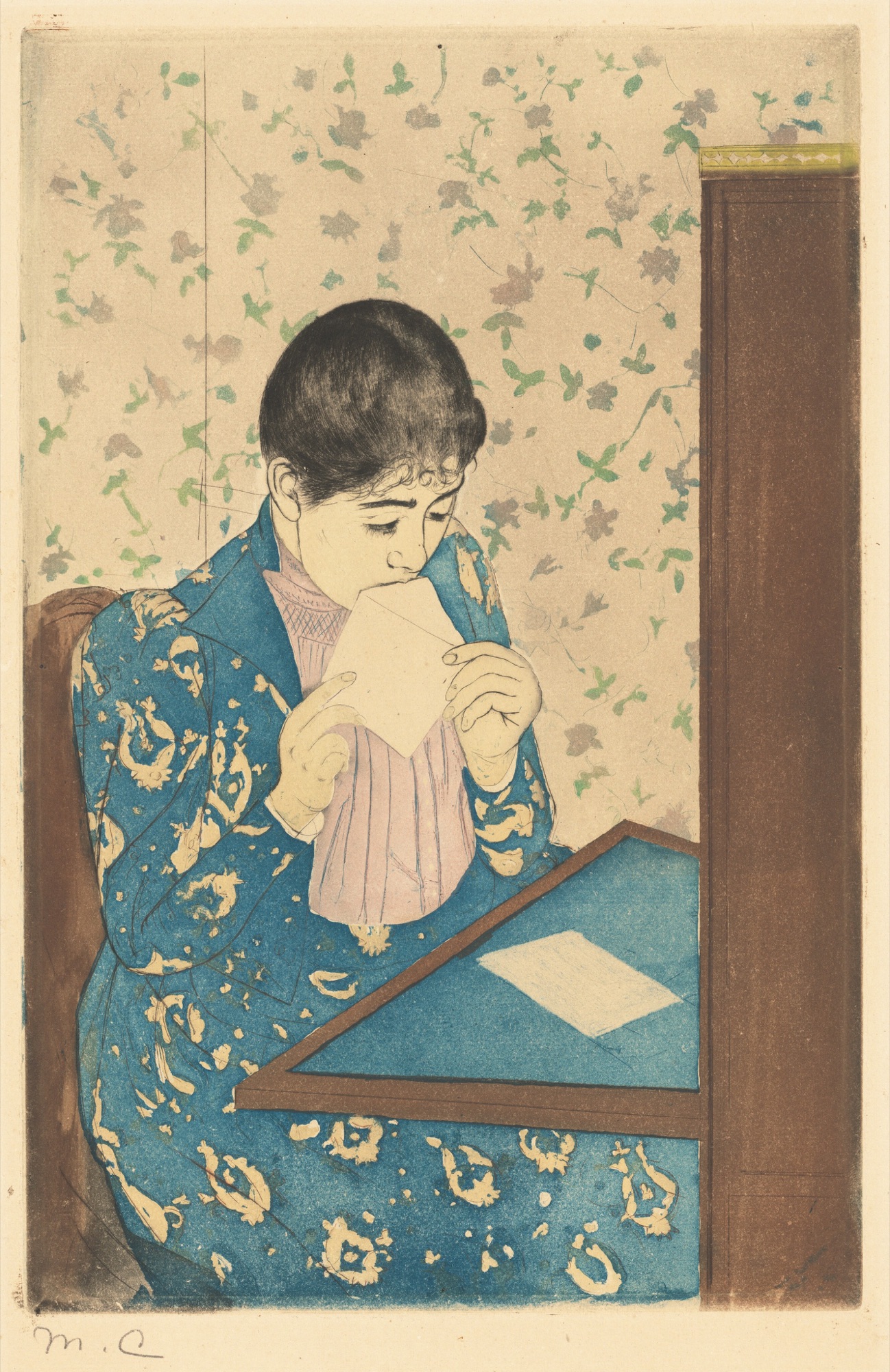
- Mary Cassatt: Domestic Ritual and Tension
Class dates and studies
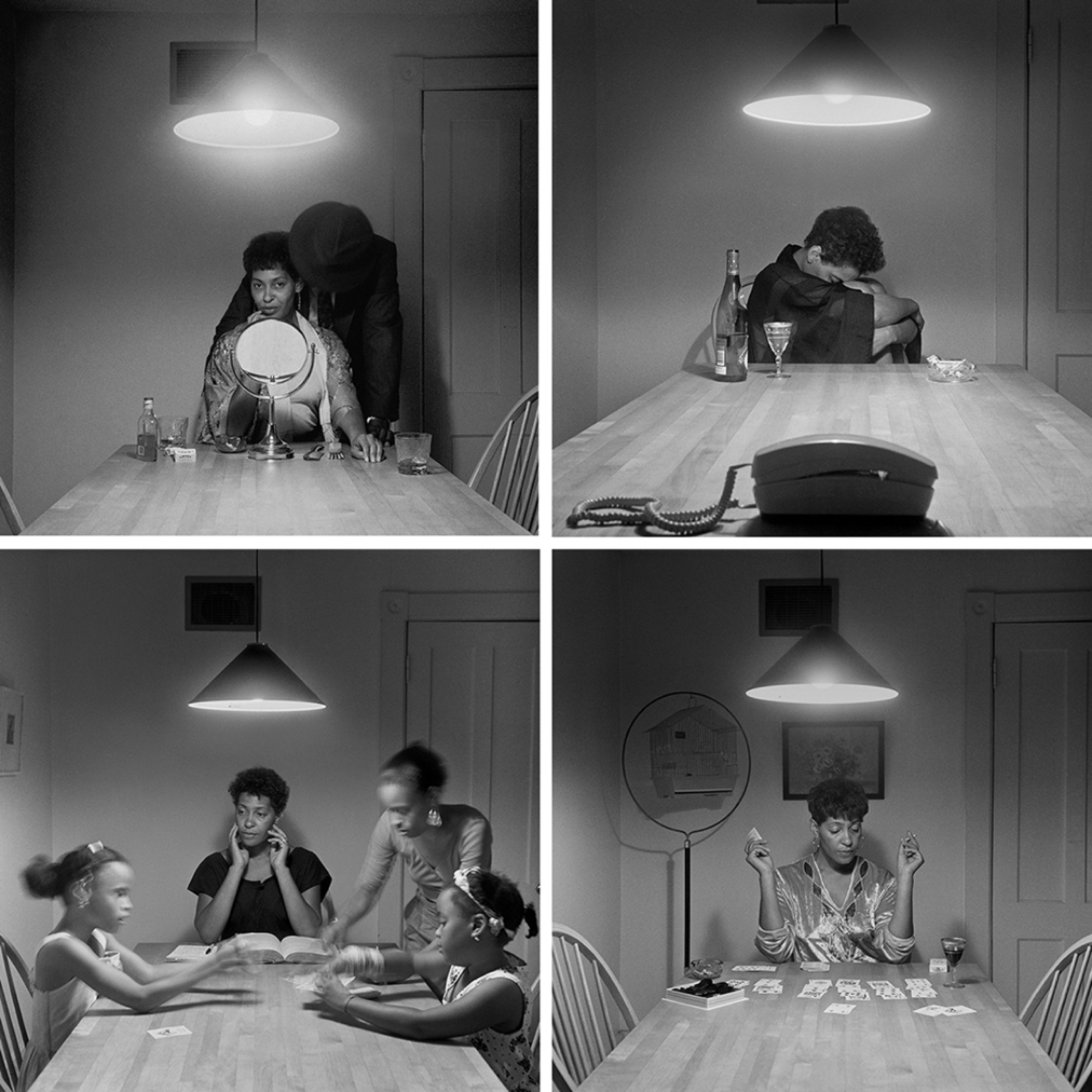
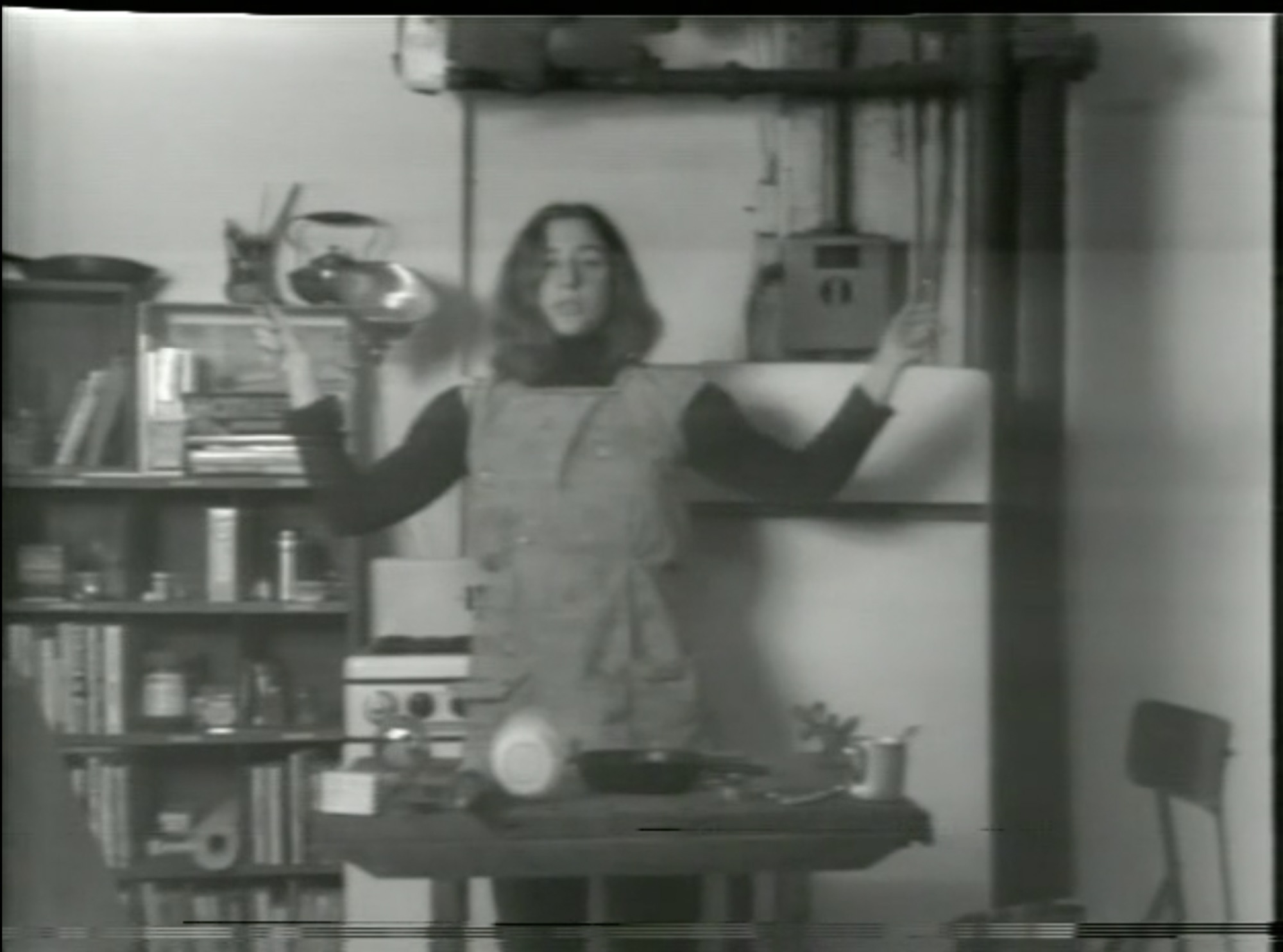
- Martha Rosler: Semiotics of the Kitchen
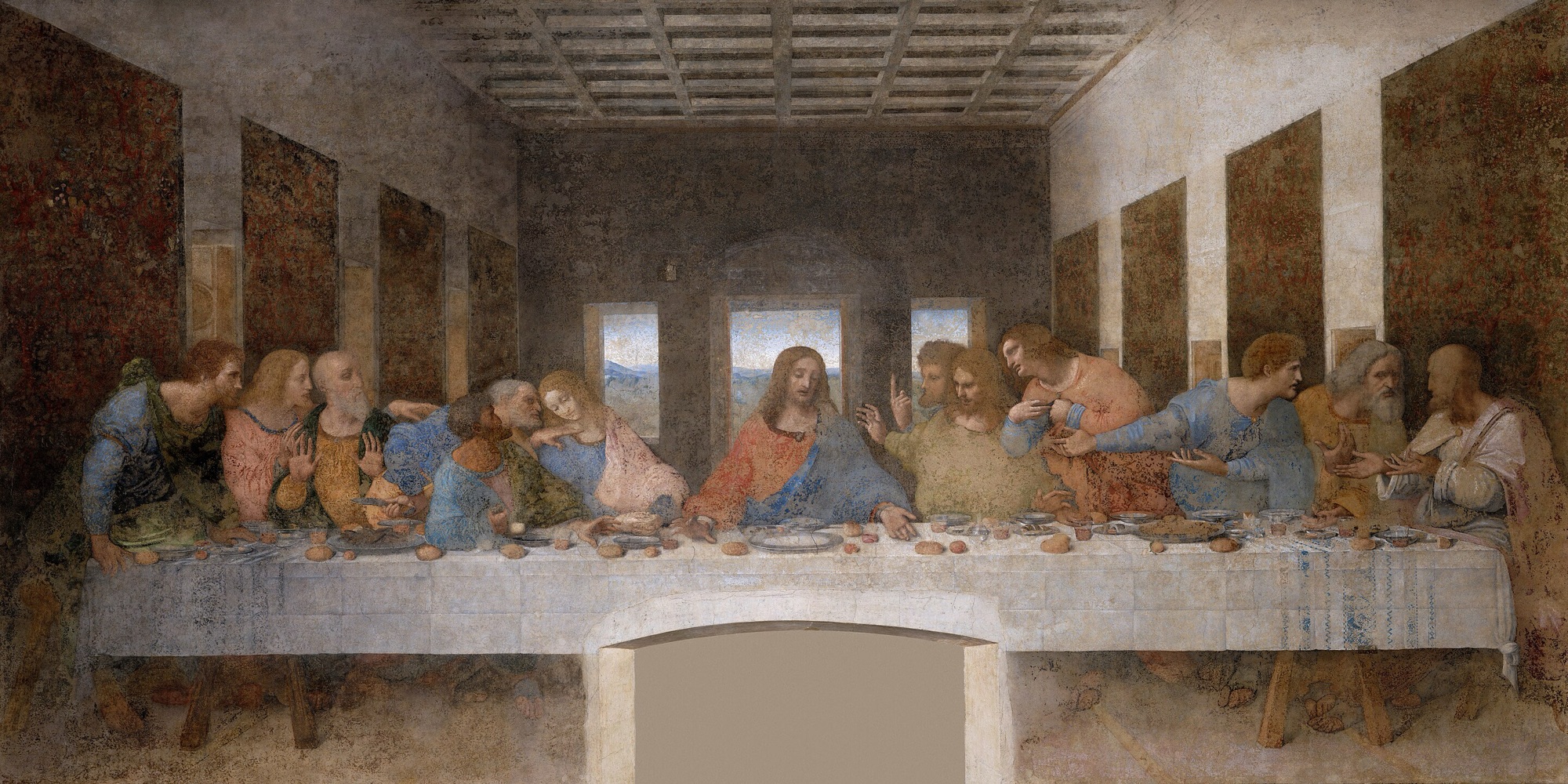
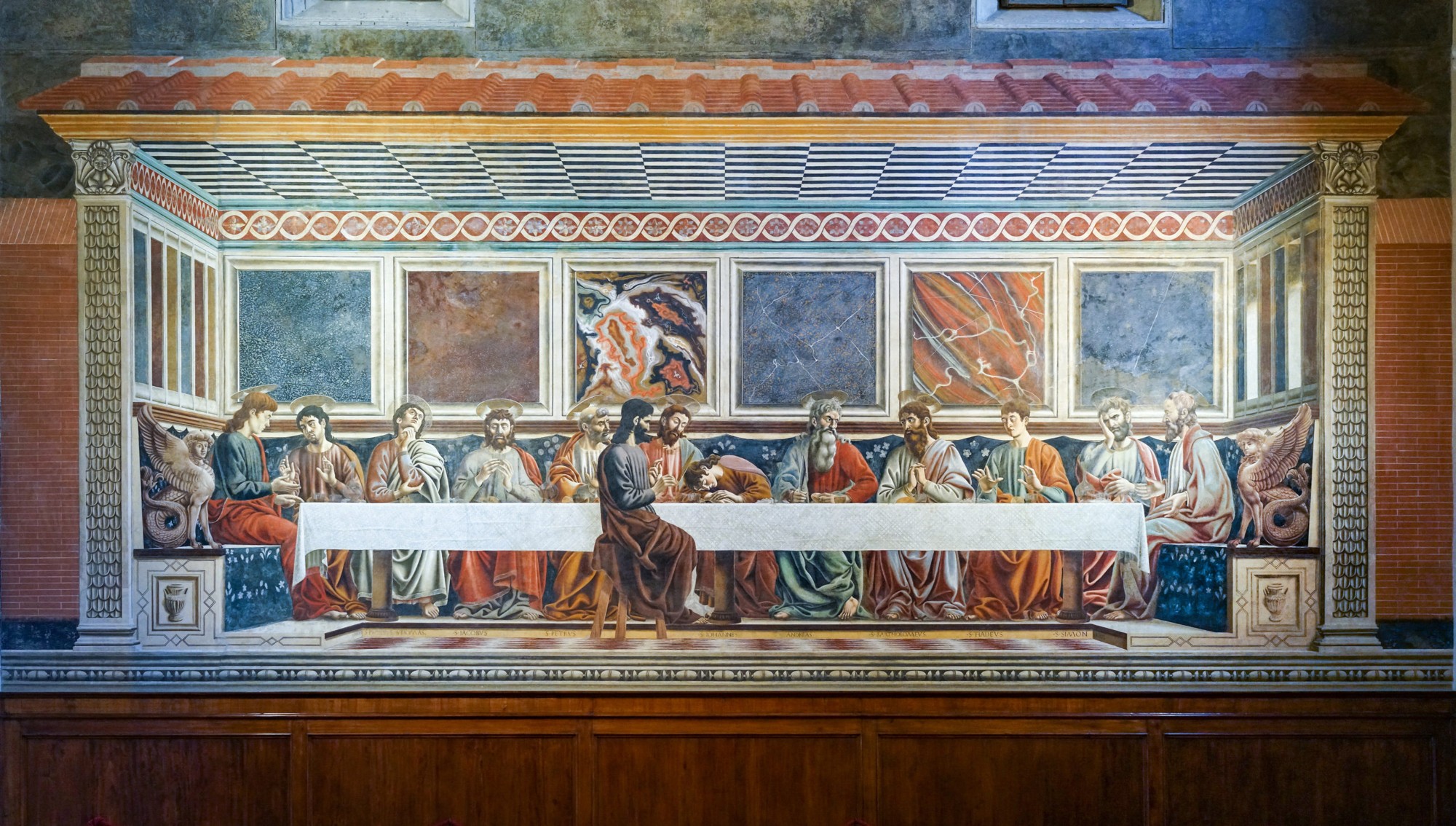
- Gesture and Pictorial Narrative in Leonardo’s Last Supper
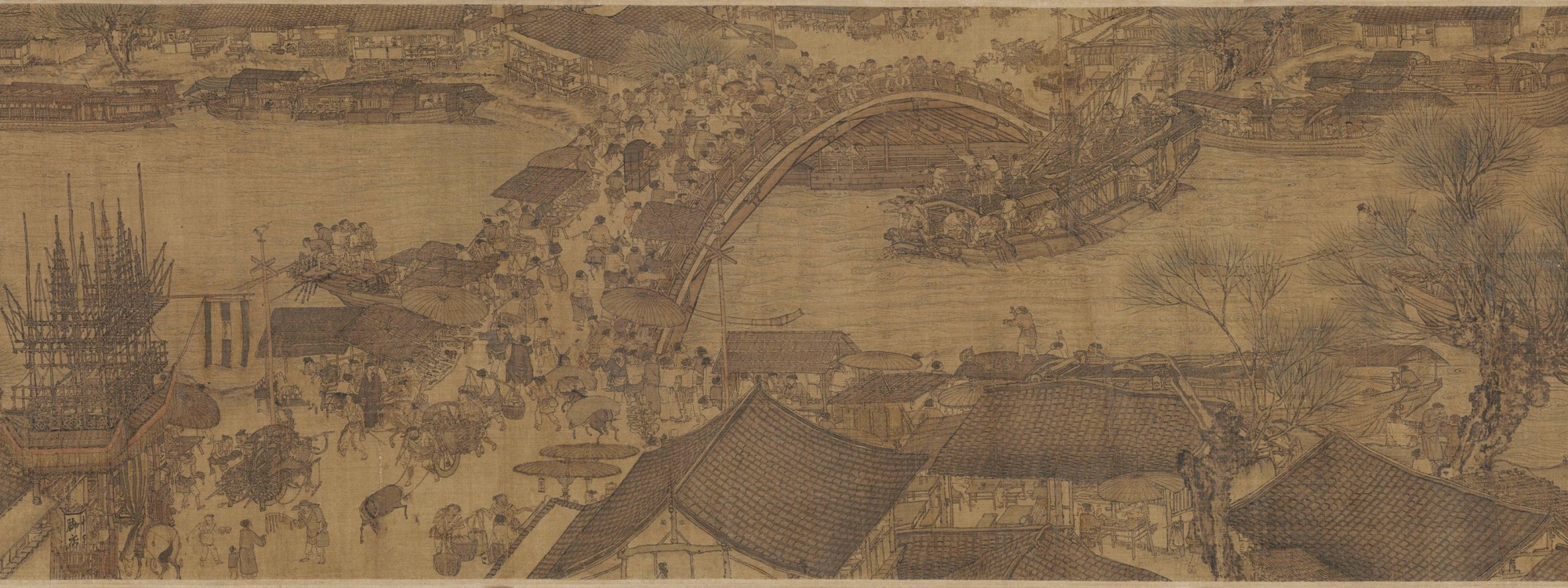
- Trade as Composition in the Qingming Scroll
- A3 Food and Ethics Board
Class dates and studies
Project guides
Designing a Meal as an ArtworkUnit gallery
57 images

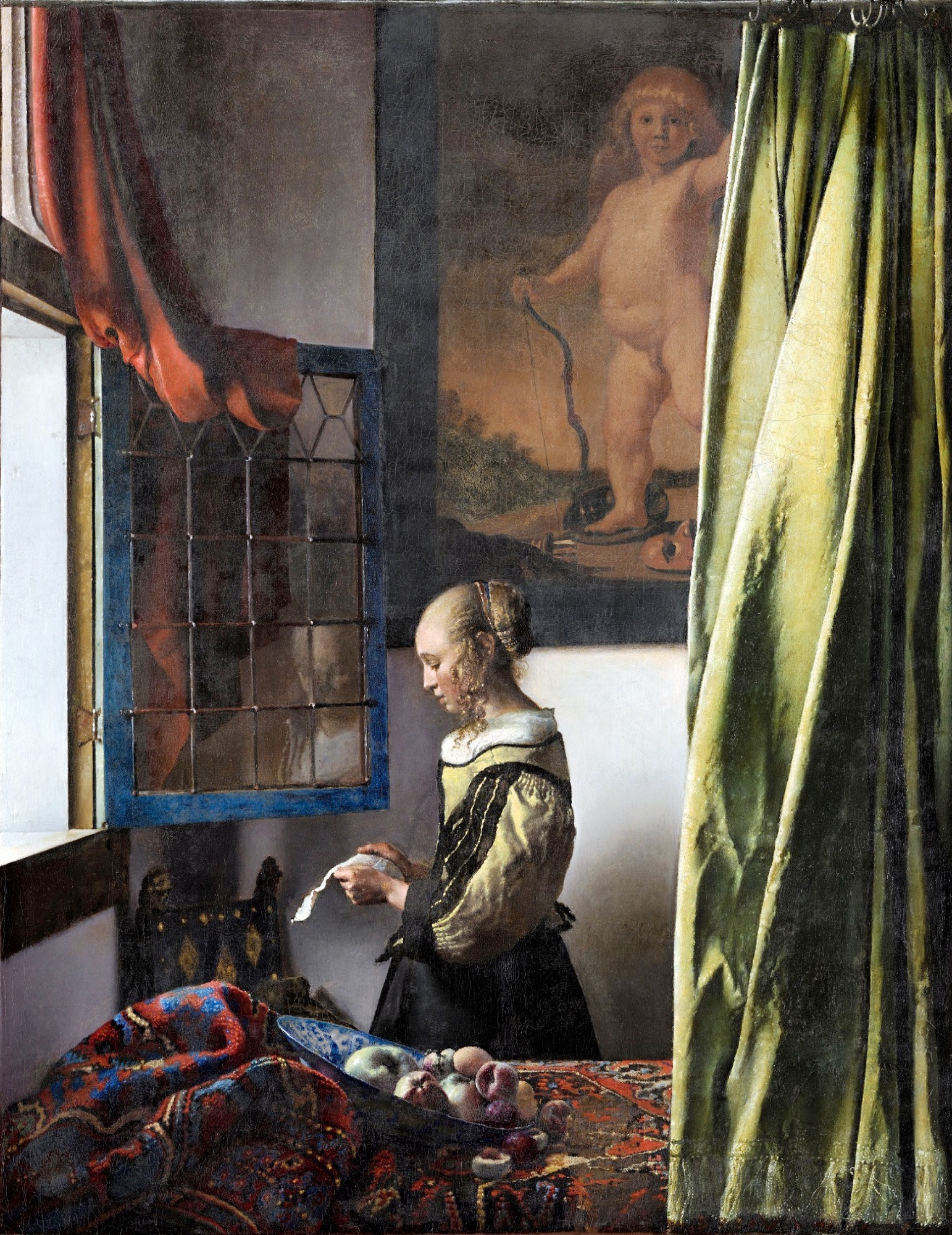
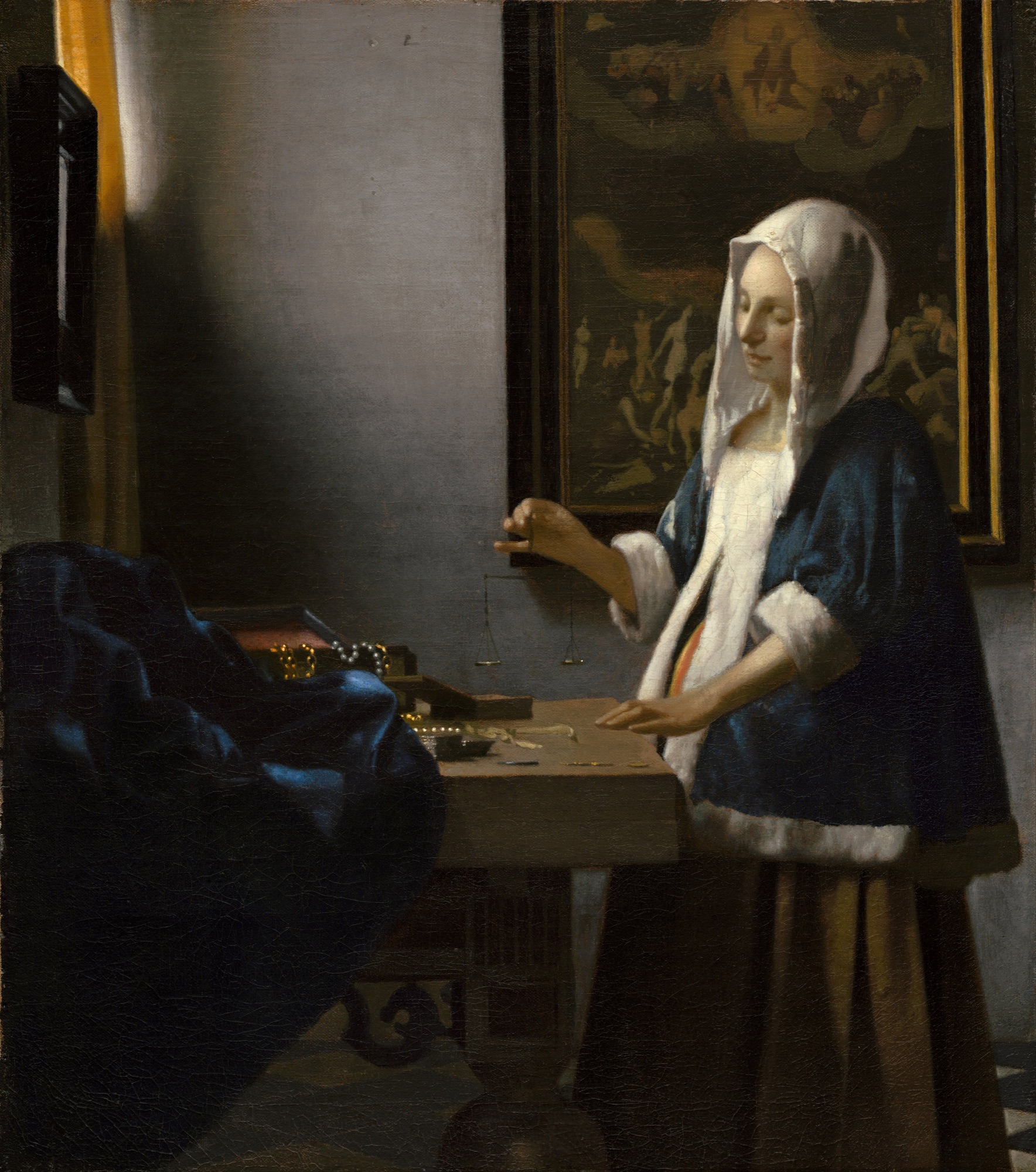
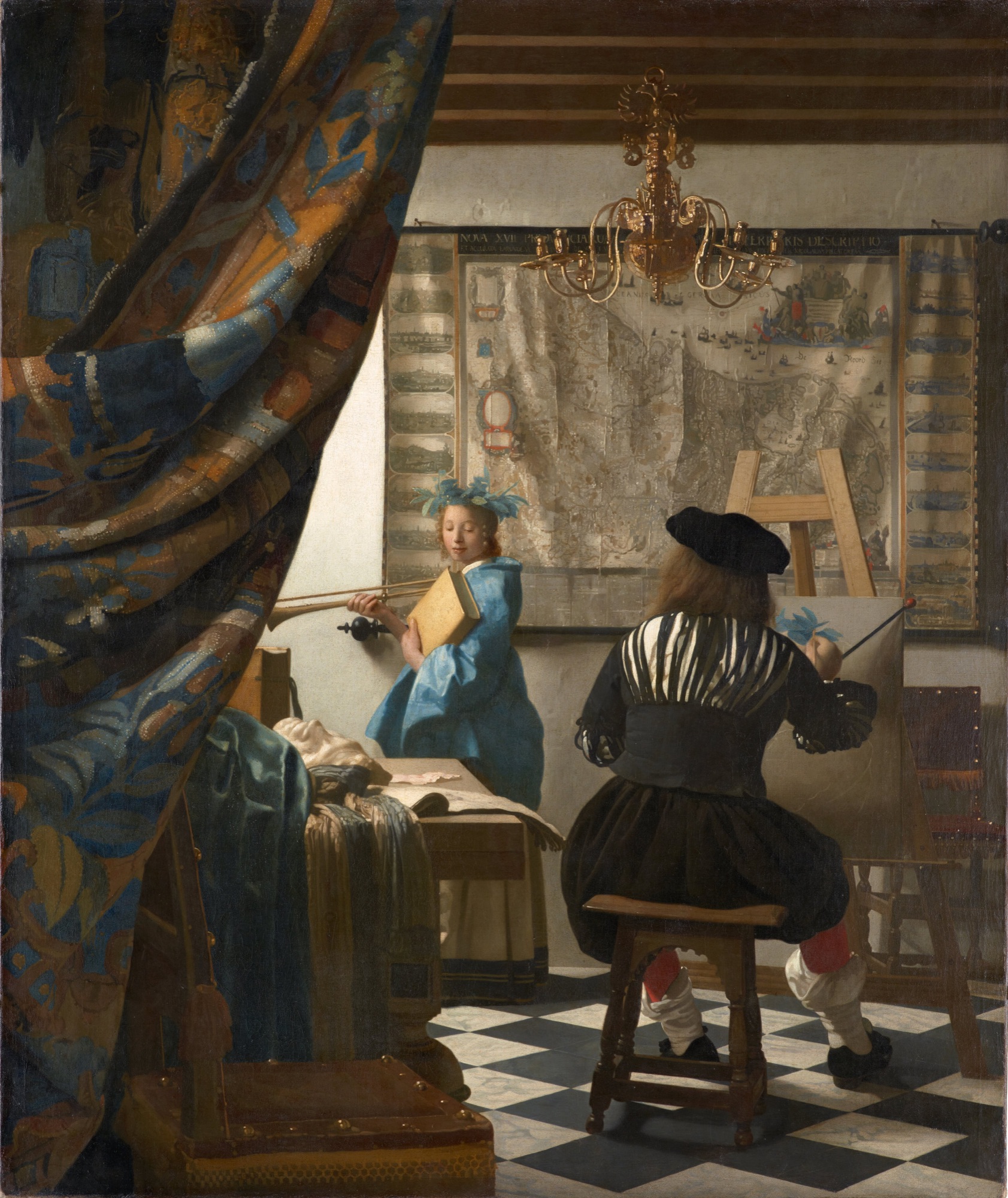
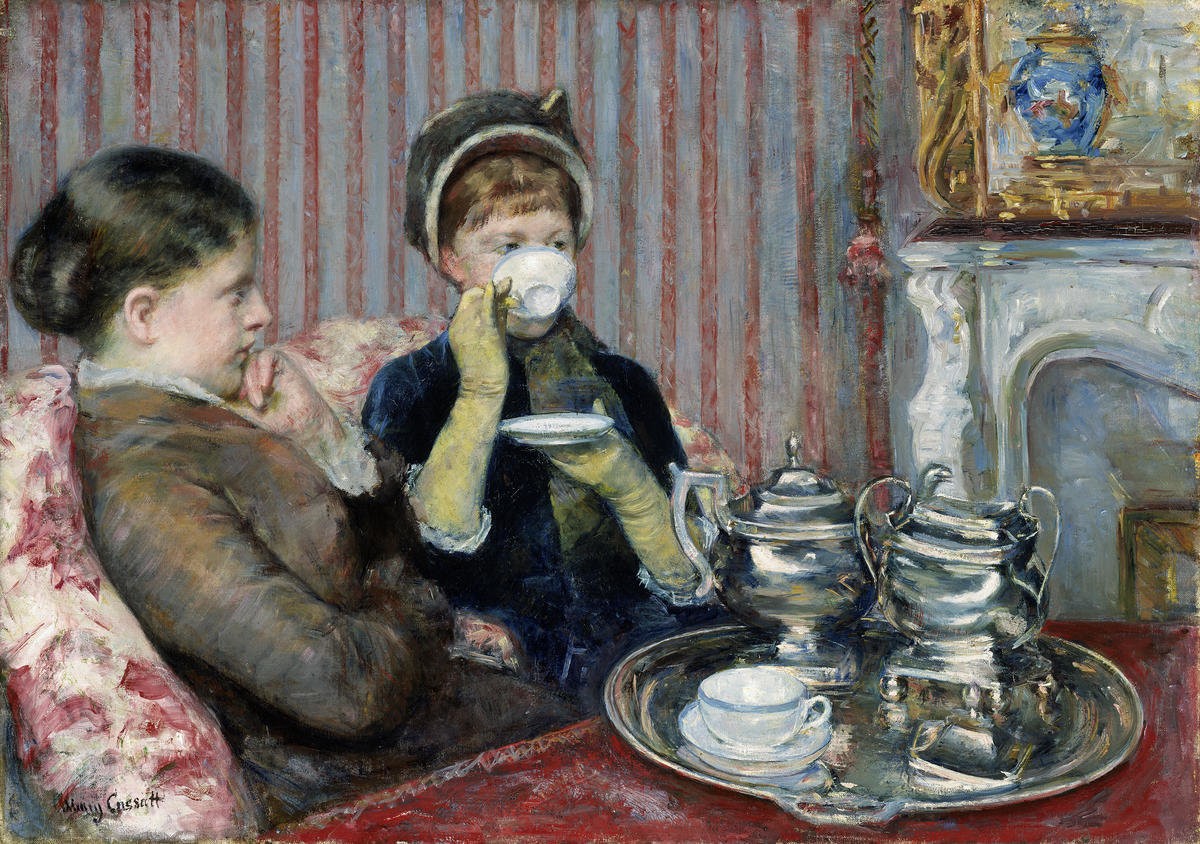
Assignments
2 briefs
Unit plan
Art Appreciation · Unit 3
From The Gilded Age and Bruegel’s meal and harvest paintings, follow Millet into Varda and Vermeer’s The Milkmaid. Semiotics of the Kitchen begins with Cassatt, Julia Child and Rosler. Leonardo and the Qingming scroll follow if time permits.

Art Appreciation · Course plan · Semester 1 schedule
Food and Ethics
Food meets a bodily need, but the ways people produce, prepare, share and represent it involve other people. A meal can express care, create obligation, display wealth or establish belonging. An image can show some of this activity while leaving other work outside the frame. This unit examines those choices through painting, film, photography, video and participatory art.


Ethics concerns how our actions affect others and what we owe them. This unit does not divide foods or people into morally good and bad categories. You begin with a visible action or arrangement, develop an interpretation and test it against another view. John Berger’s “The Eaters and the Eaten” supplies an argument about consumption, labor and class. You learn to explain his argument accurately and identify where an image or experience challenges it.
Monday’s introduction presents three fields of inquiry. These fields overlap. The teaching sequence returns to ideas rather than treating them as three separate blocks.
| Field of inquiry | Principal works and experiences | What you learn to examine |
|---|---|---|
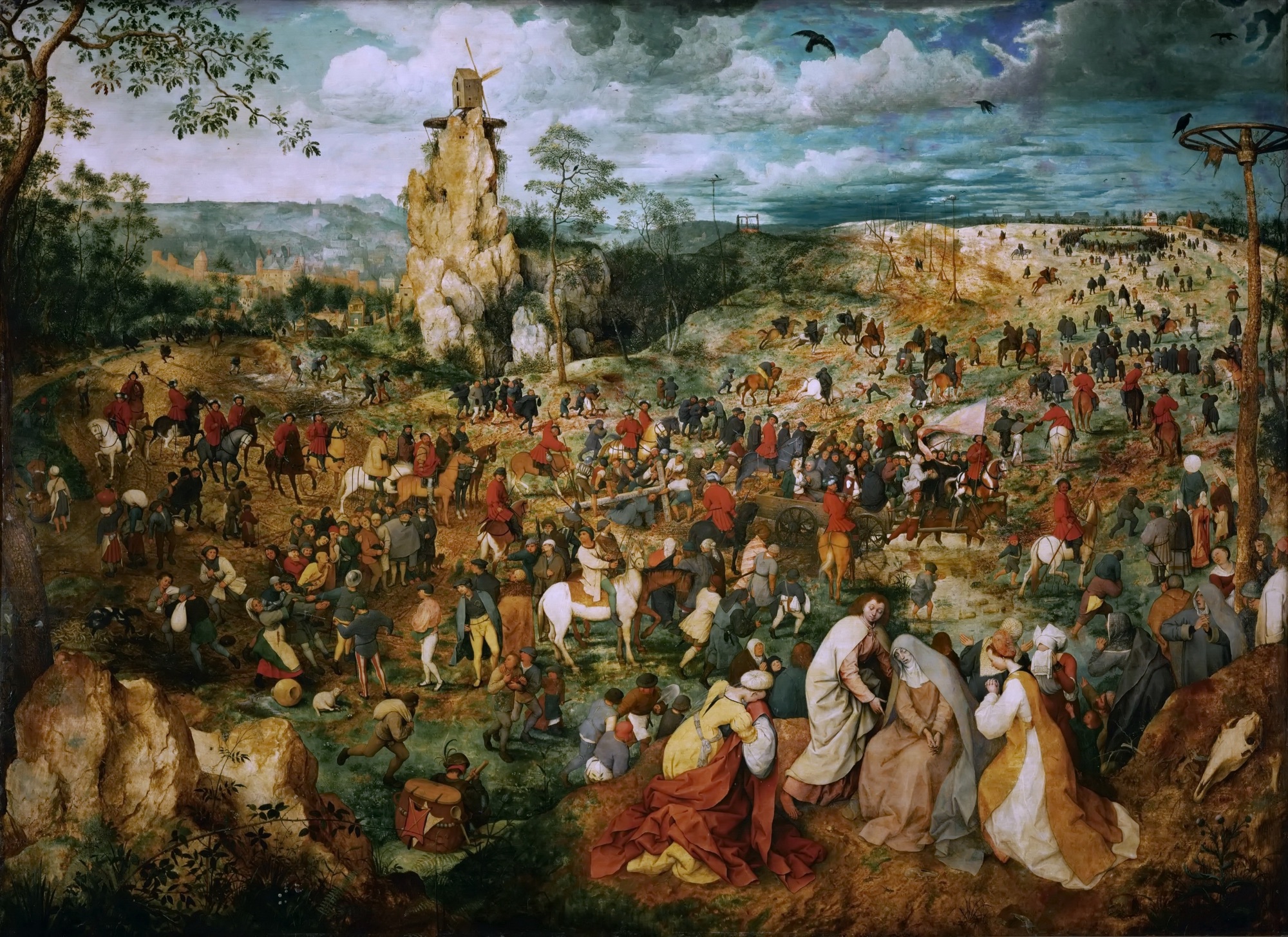
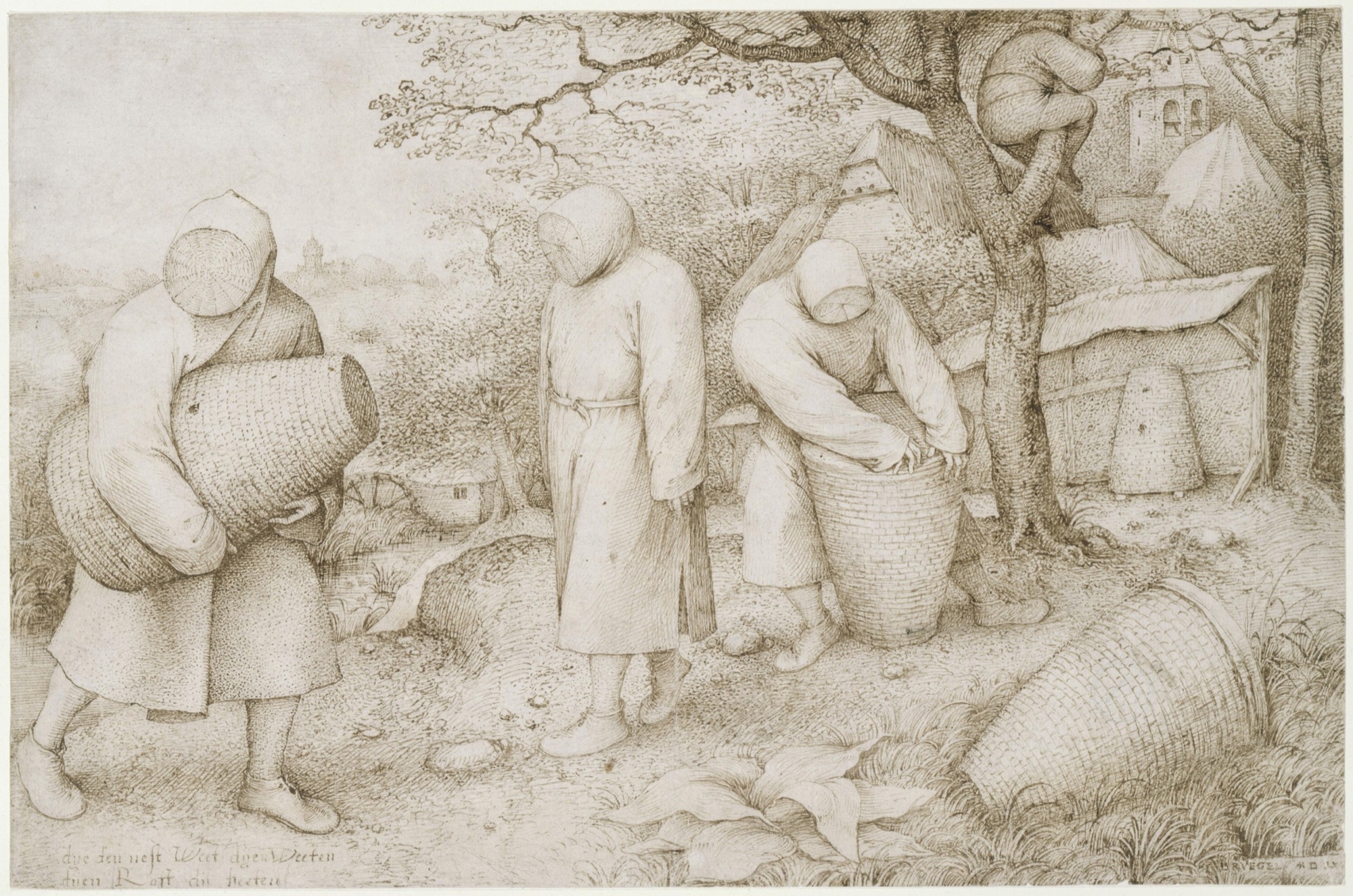
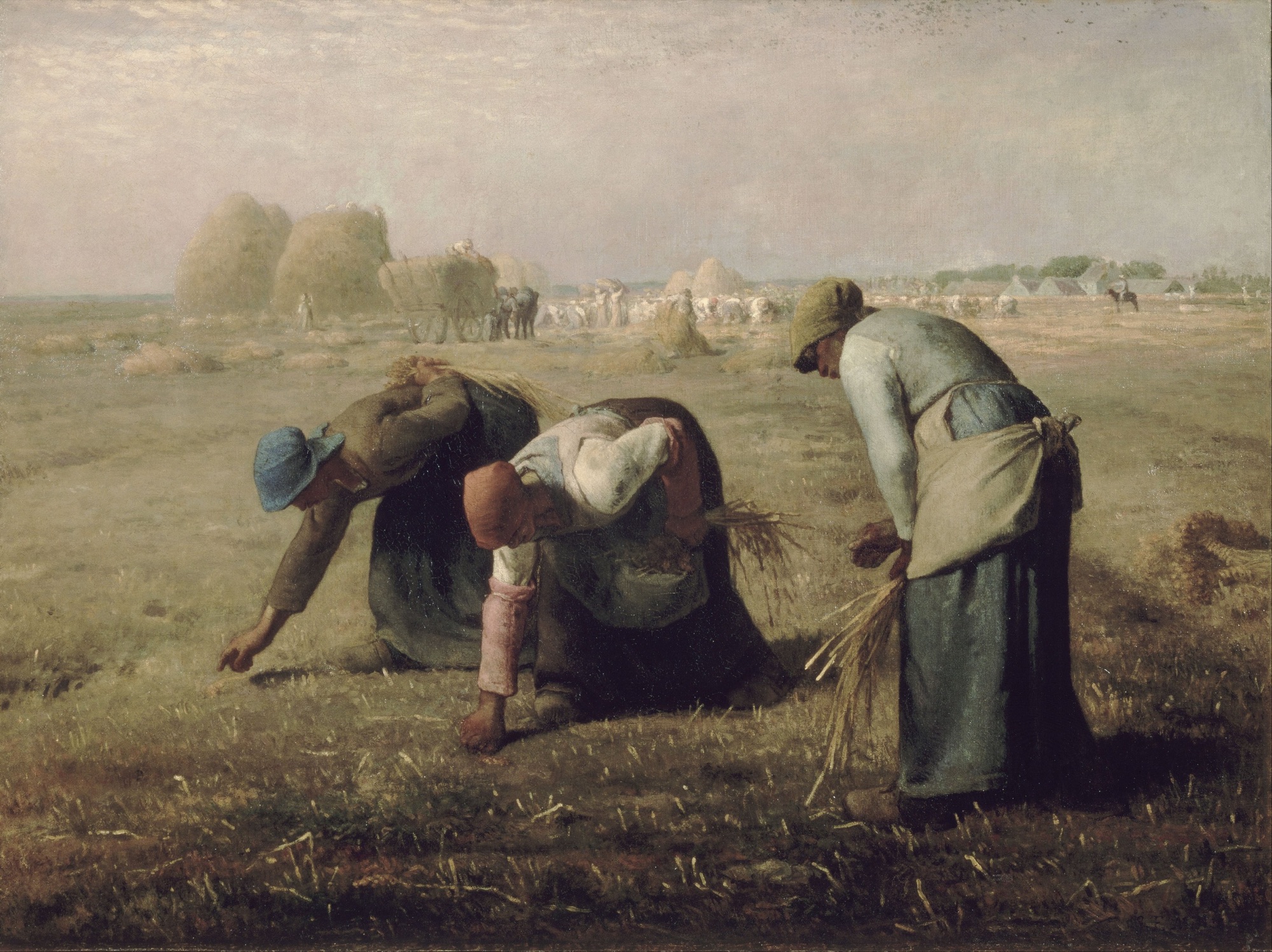
| The Shared Meal | The Gilded Age and the earlier meal scenes, Bruegel’s The Peasant Wedding and The Harvesters, Millet’s The Gleaners, Agnès Varda’s The Gleaners and I, and Vermeer’s The Milkmaid | Follow the change from dining etiquette to field labor, gleaning and domestic work. |
| Semiotics of the Kitchen | Mary Cassatt’s The Tea, Julia Child and Martha Rosler’s Semiotics of the Kitchen | Read domestic gestures across painting, television, video and photography. |
| If time permits | Leonardo’s The Last Supper, then Zhang Zeduan’s Qingming handscroll | Follow the gestures across Leonardo’s table and the movement of trade through Zhang Zeduan’s scroll. |
Learning progression
By the end of the unit, you can:
- Describe a precise detail before making a claim about class, care, gender or belonging.
- Explain how arrangement, light, gesture, sound, duration or sequence shapes a viewer’s interpretation.
- Use historical or artistic context with a named source, without treating an image as a complete record of society.
- Apply and question Berger’s account of eating, work and display.
- Compare an actual shared meal with representations of meals and artworks made through participation.
- Develop a visual argument supported by works studied in class, explain the image connections and respond to a competing interpretation.
The recurring method is look → record evidence → propose a reading → add context → compare → revise. Quiet looking and brief writing prepare you for discussion. You can rehearse with a partner before speaking to the class. In discussion, you have time to think and can disagree with a reading if you support your view with evidence. No prior expertise in art history is assumed. Each lesson explains its vocabulary.
Dates and teaching sequence
October 19–November 30. After the Cassatt and Rosler studies, a brief review of food introduces the new unit, Images, Signs and Reality, on November 18 P1. See the November 20 and 23 classwork guide for Friday P2 and Monday P4.
| Date and period | Lesson | What you do |
|---|---|---|
| Oct 19 · P4 | The Table as Moral Space | Study Berger through examples from the class. Test an idea about care, work or belonging against a pictured meal and say what the image leaves open. |
| Oct 20 · P6/P7 Oct 21 · P1 | Ang Lee’s Eat Drink Man Woman | Watch the film across three screening periods. Follow a recurring action, a sound and a change in who prepares or serves the family meal. |
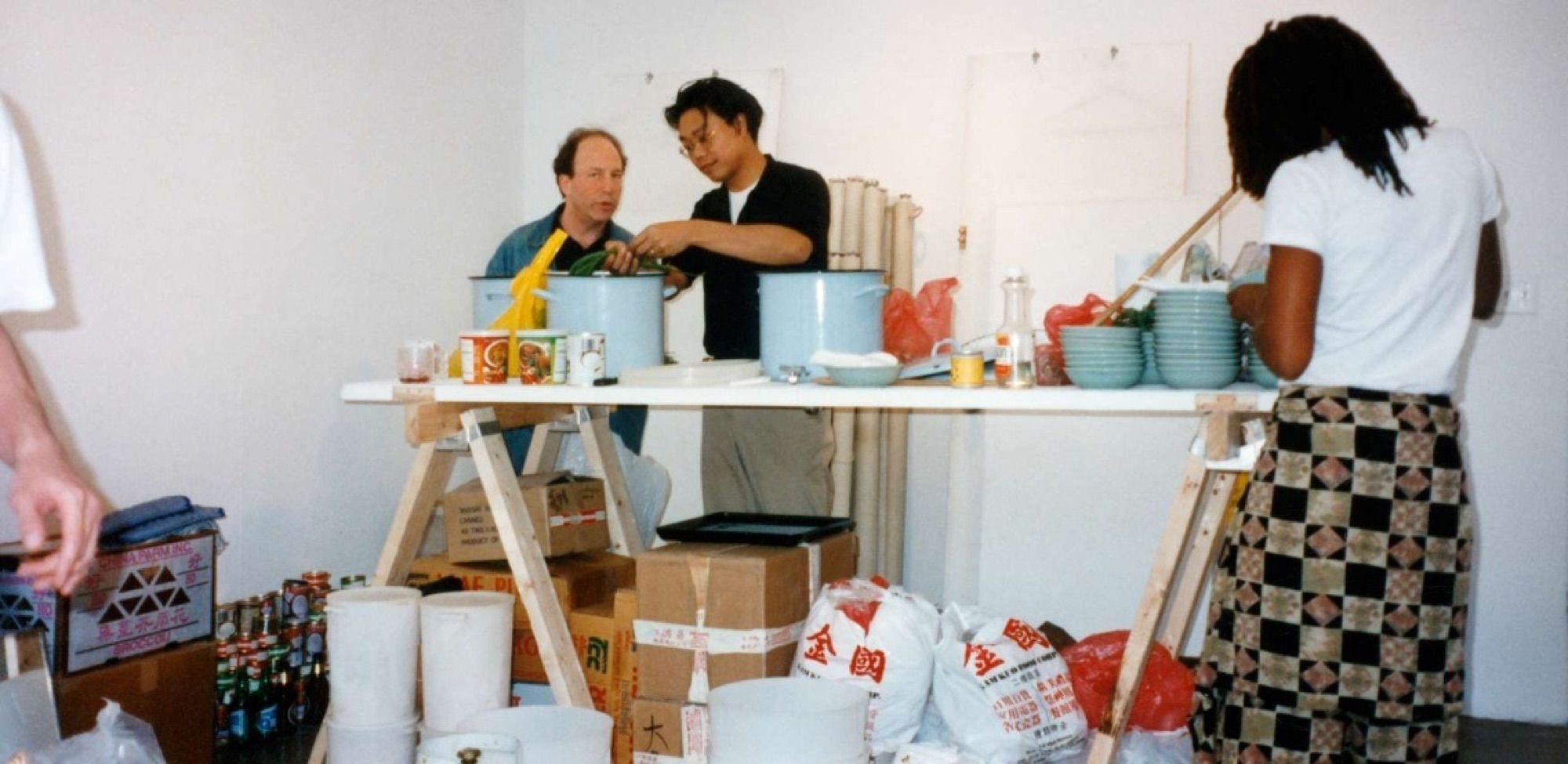
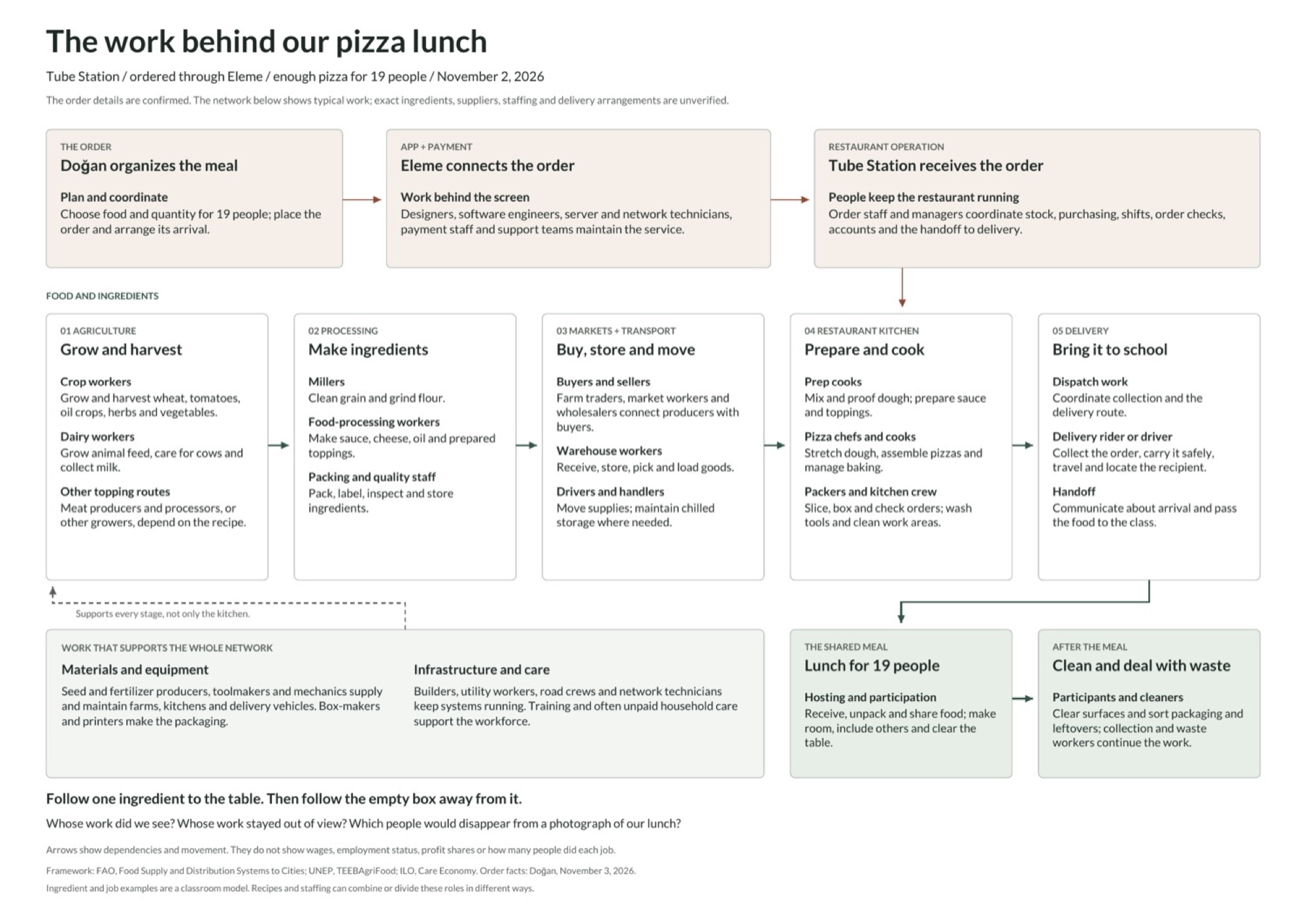
| Nov 2 · P4 | Sharing a Class Lunch | The class shared pizza ordered from Tube Station through Eleme. Examine whose work is visible at the table and whose work brought the meal there. |
| Nov 3 · P6/P7 | Reading a Family Meal in Eat Drink Man Woman | Replay one meal and revise a written interpretation in P6. In P7, test it against another reading. The writing is ungraded. The Film Discussion Minor assesses speaking and responding. |
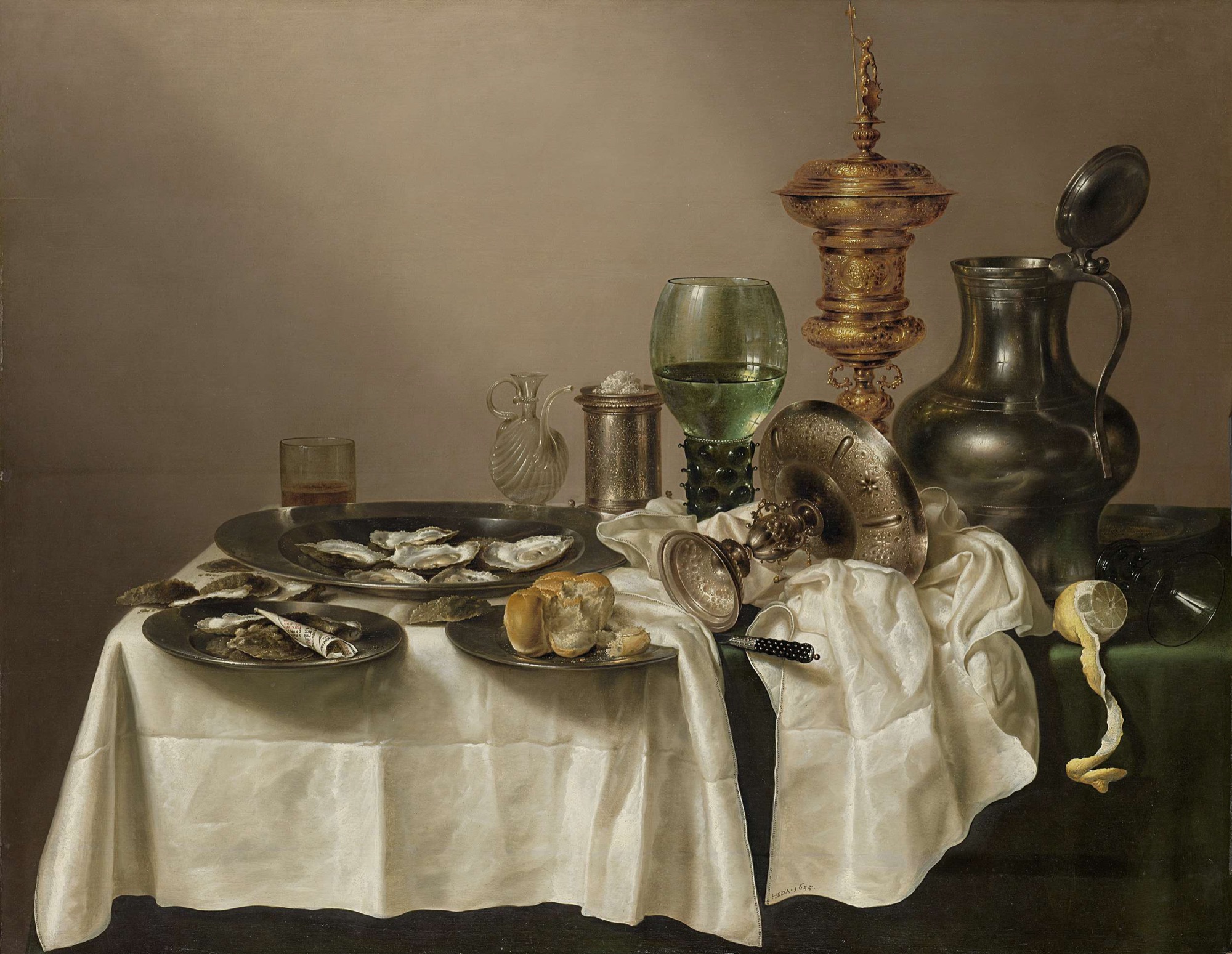
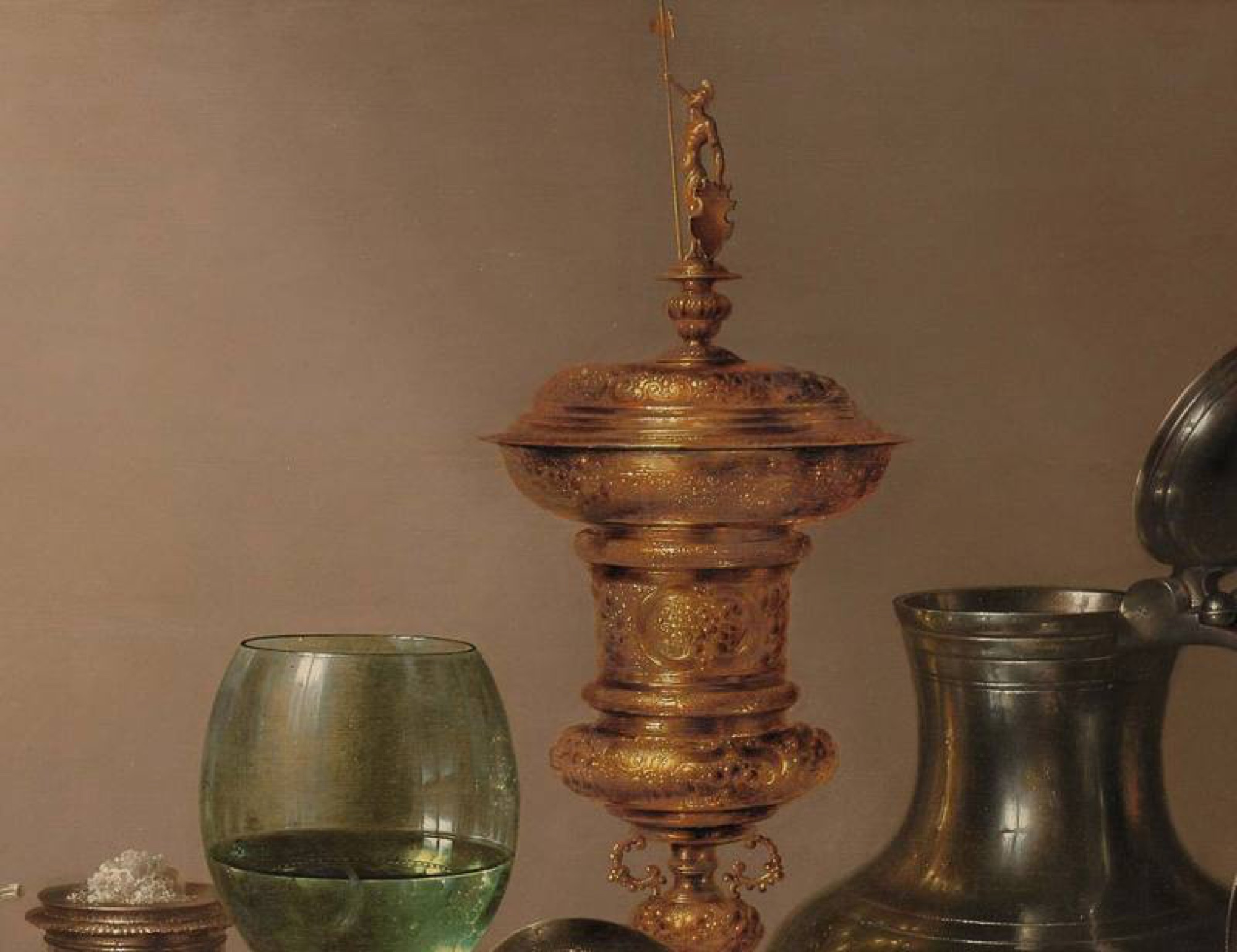
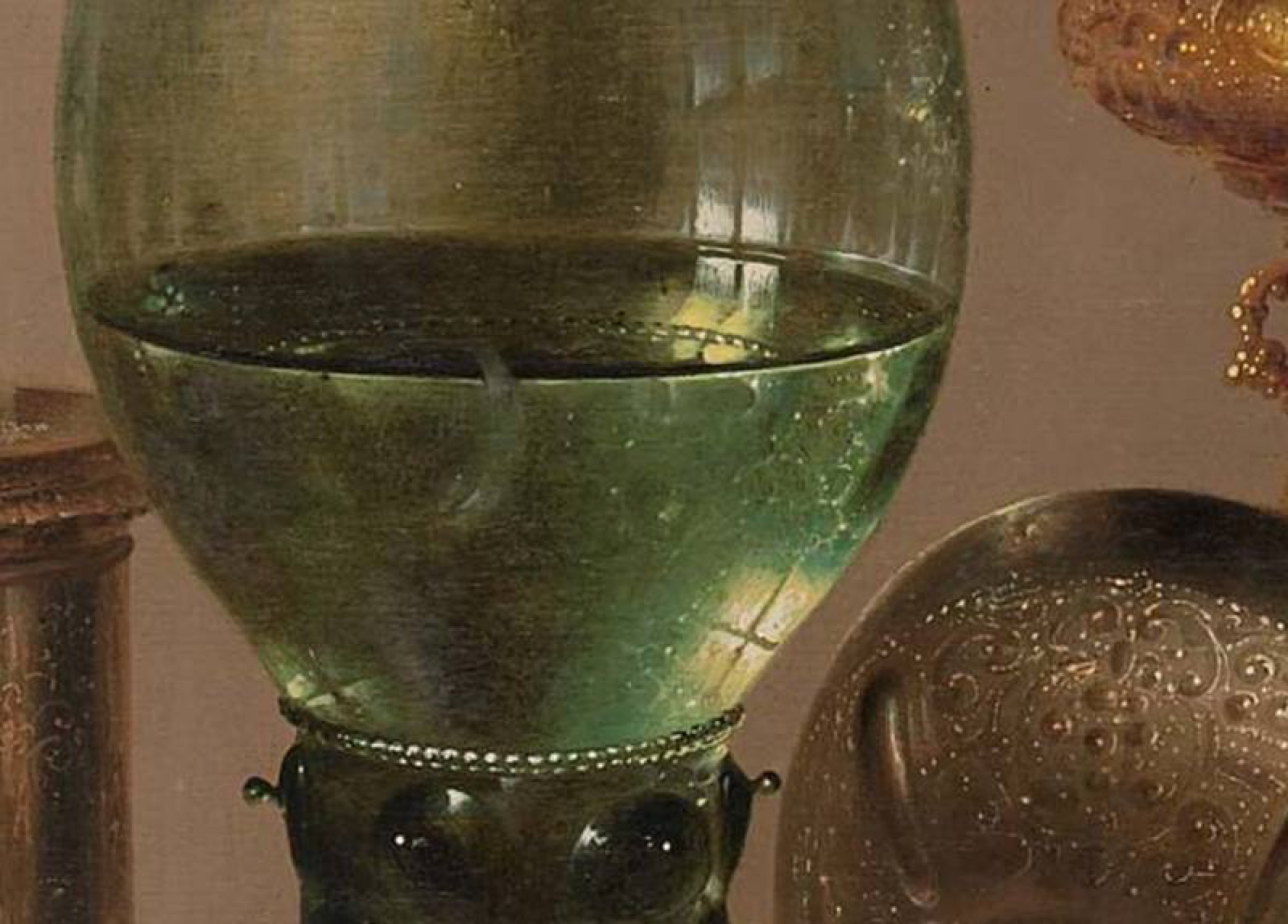
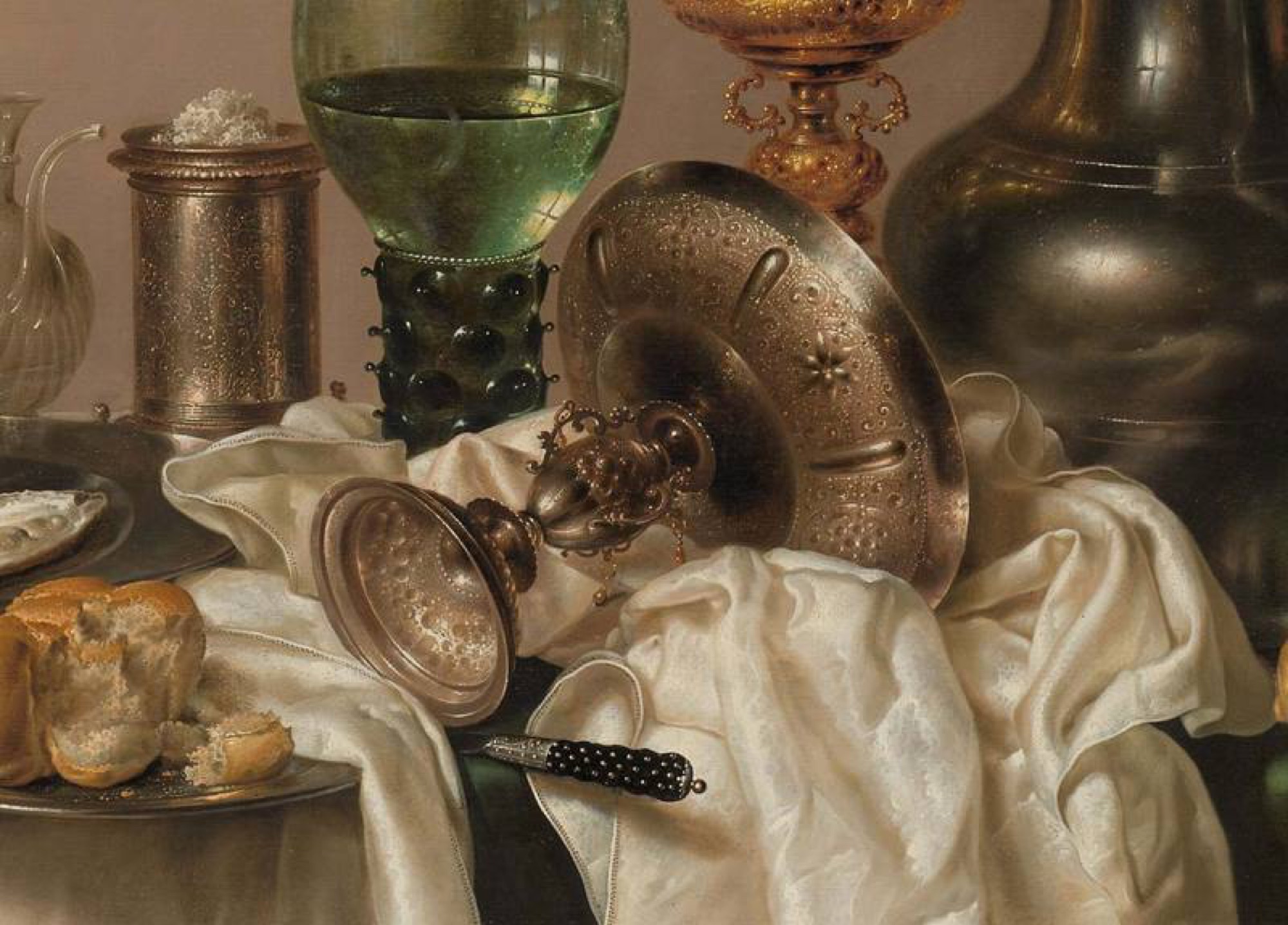
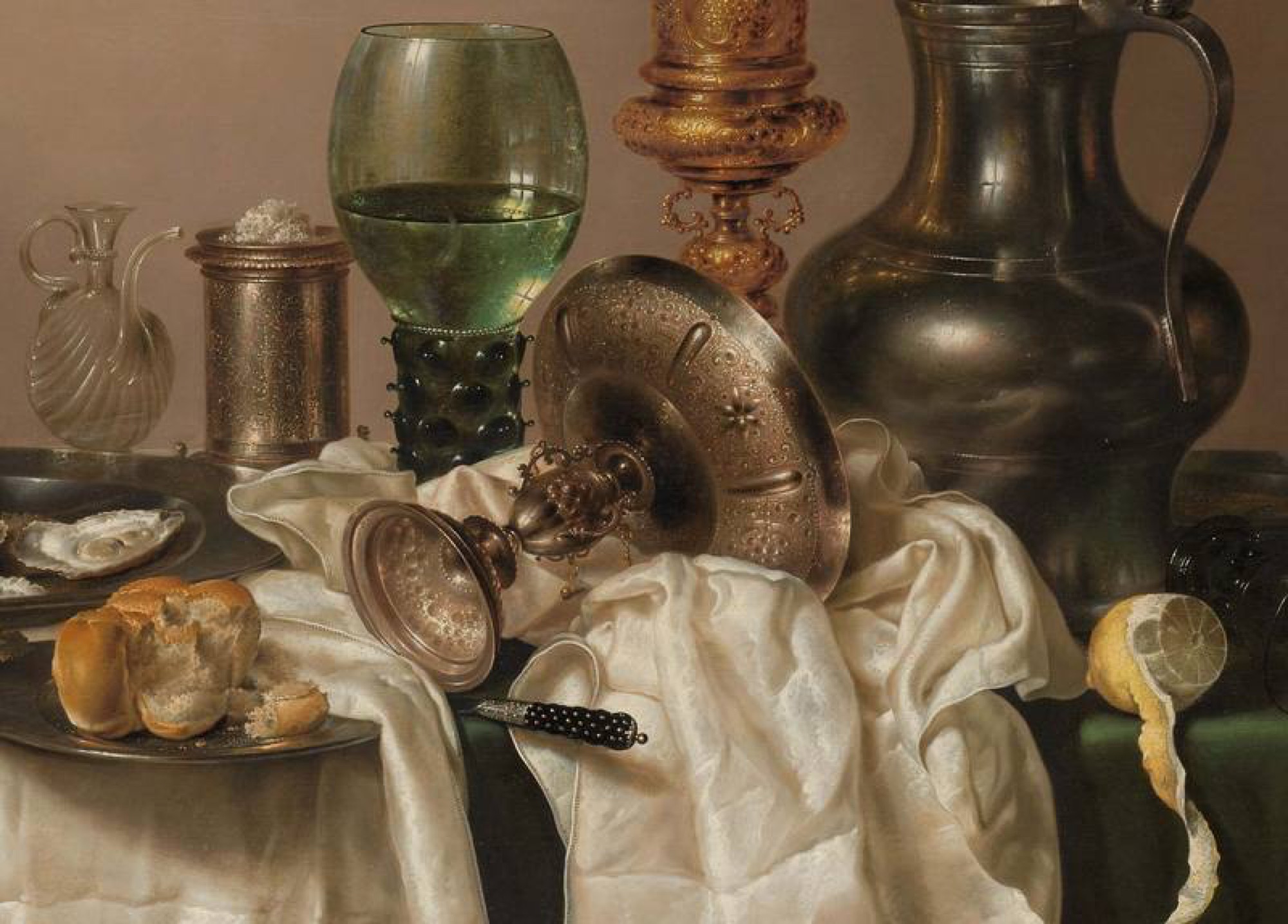
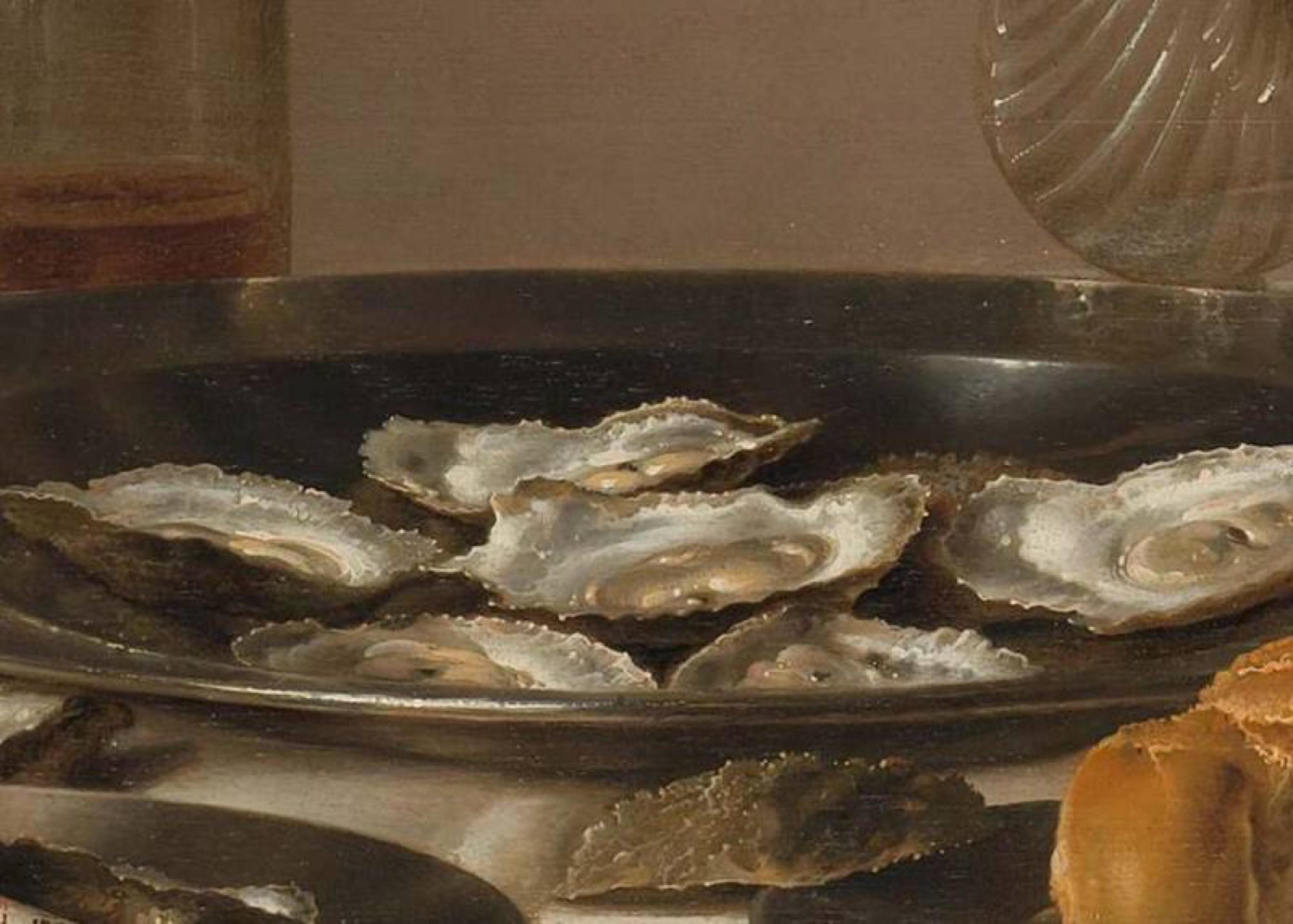
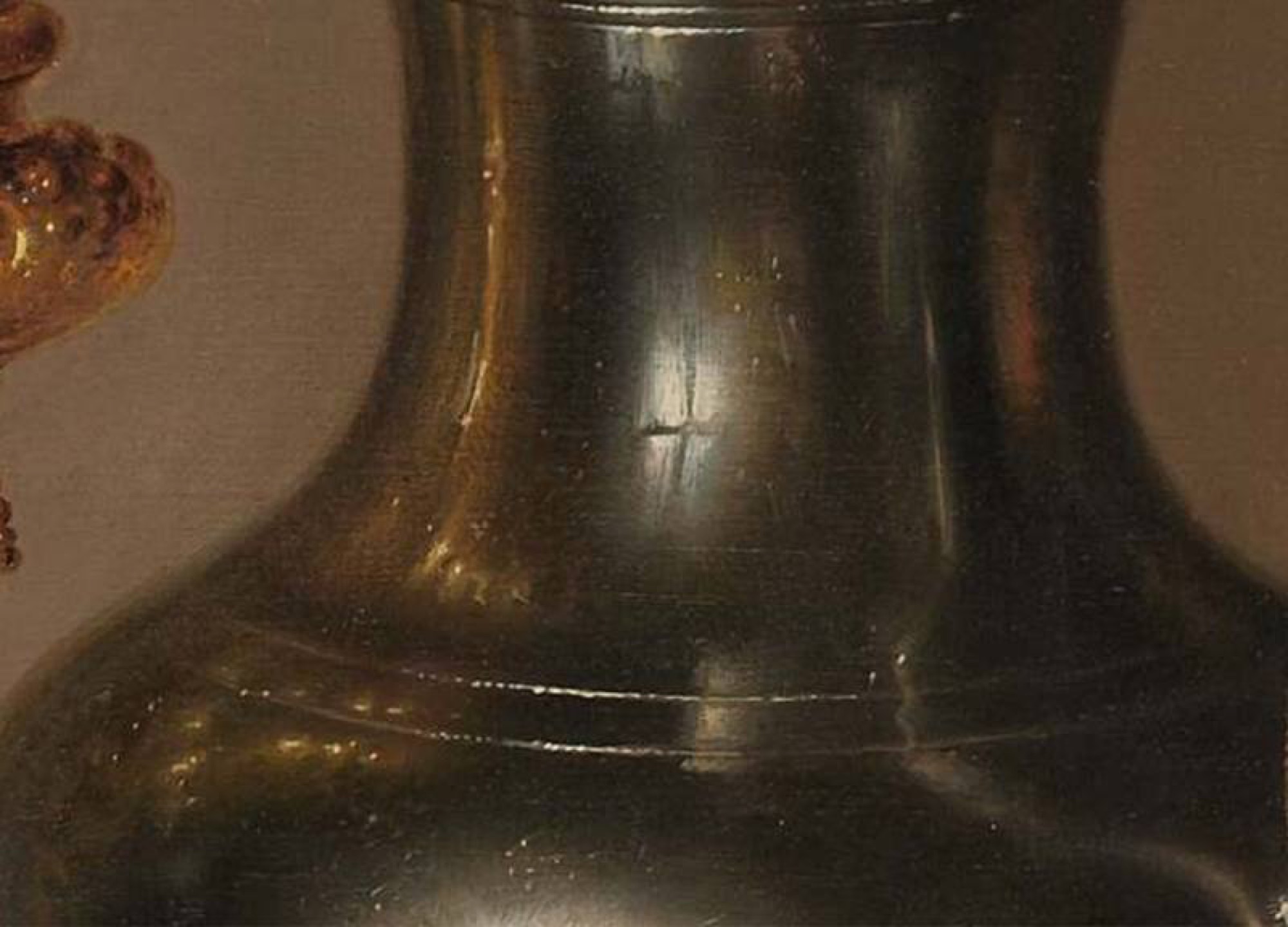
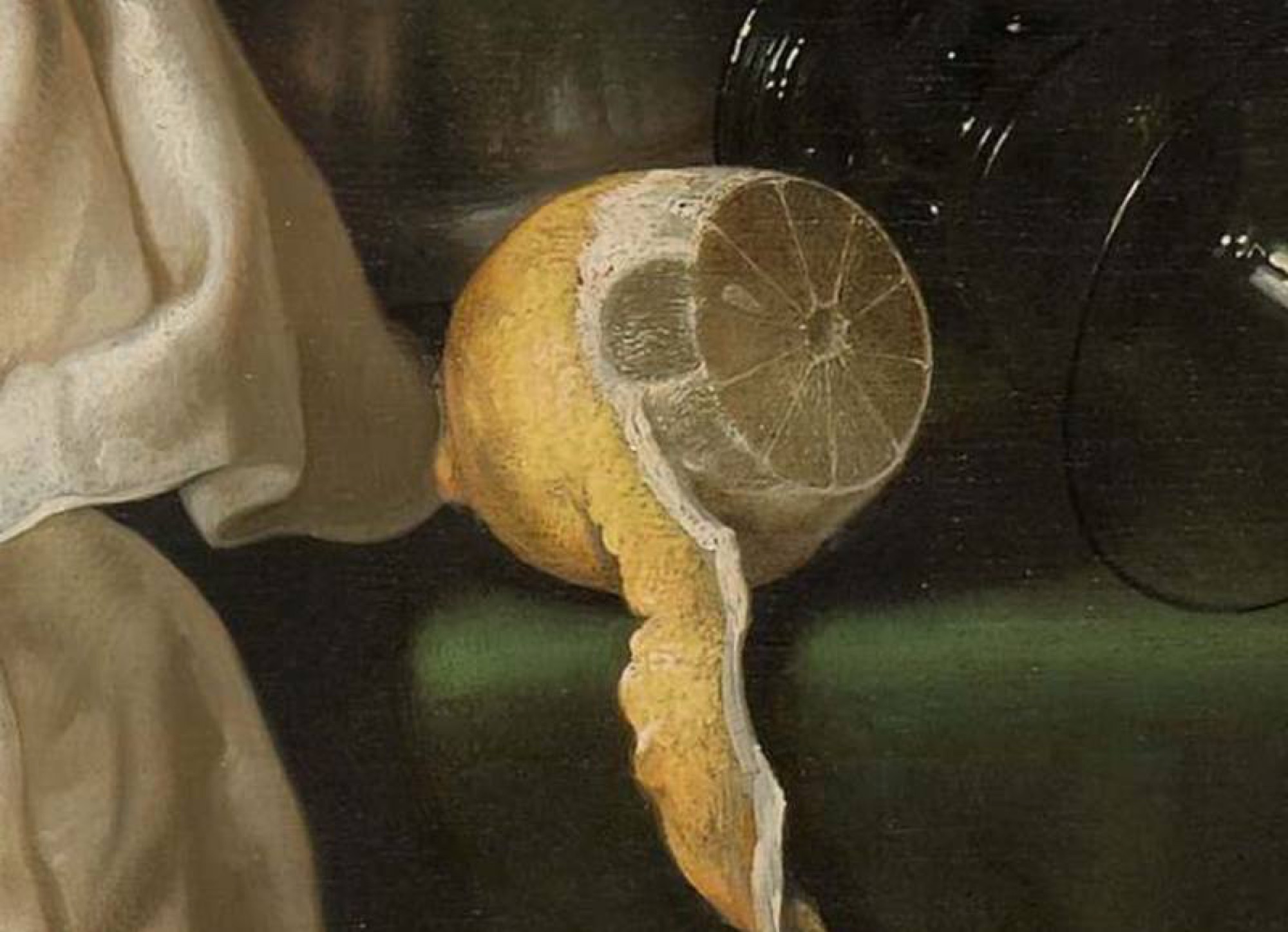
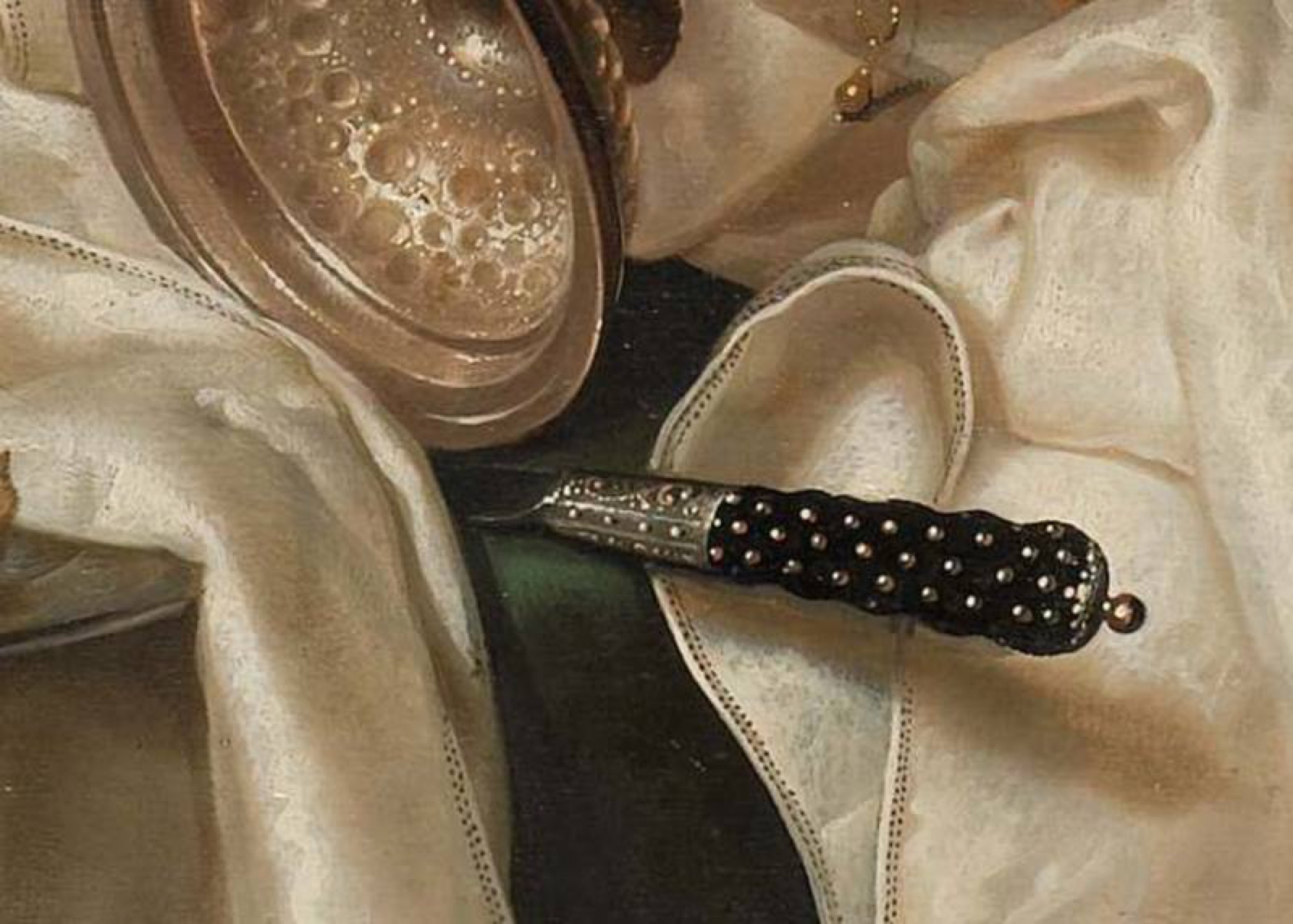
| Nov 4 · P1 | Heda: Possession and Labor | Look first at Still Life with a Gilt Cup. Trace the diagonal from bread to vessels. Distinguish what the painted objects show from what a source establishes about trade. |
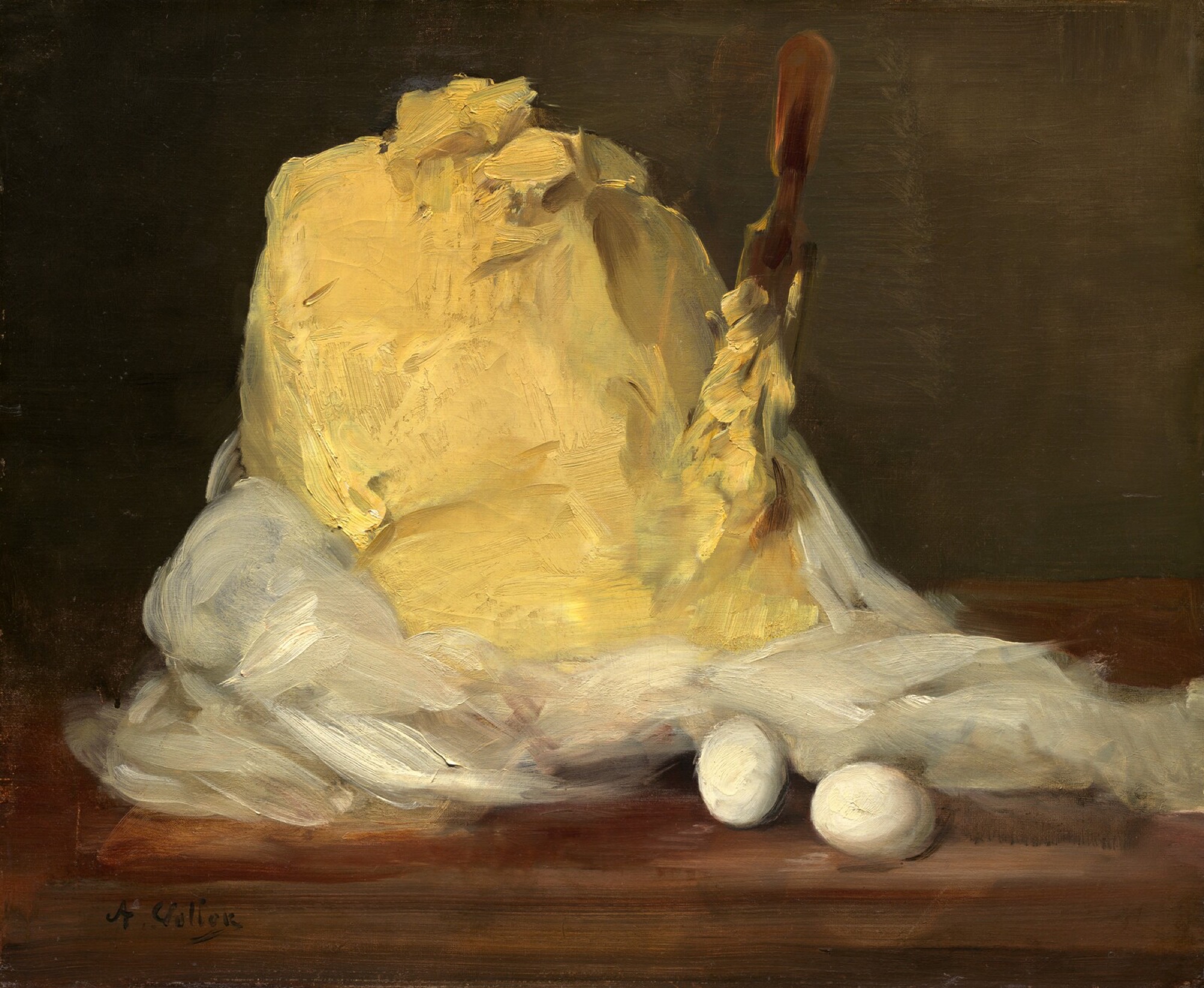
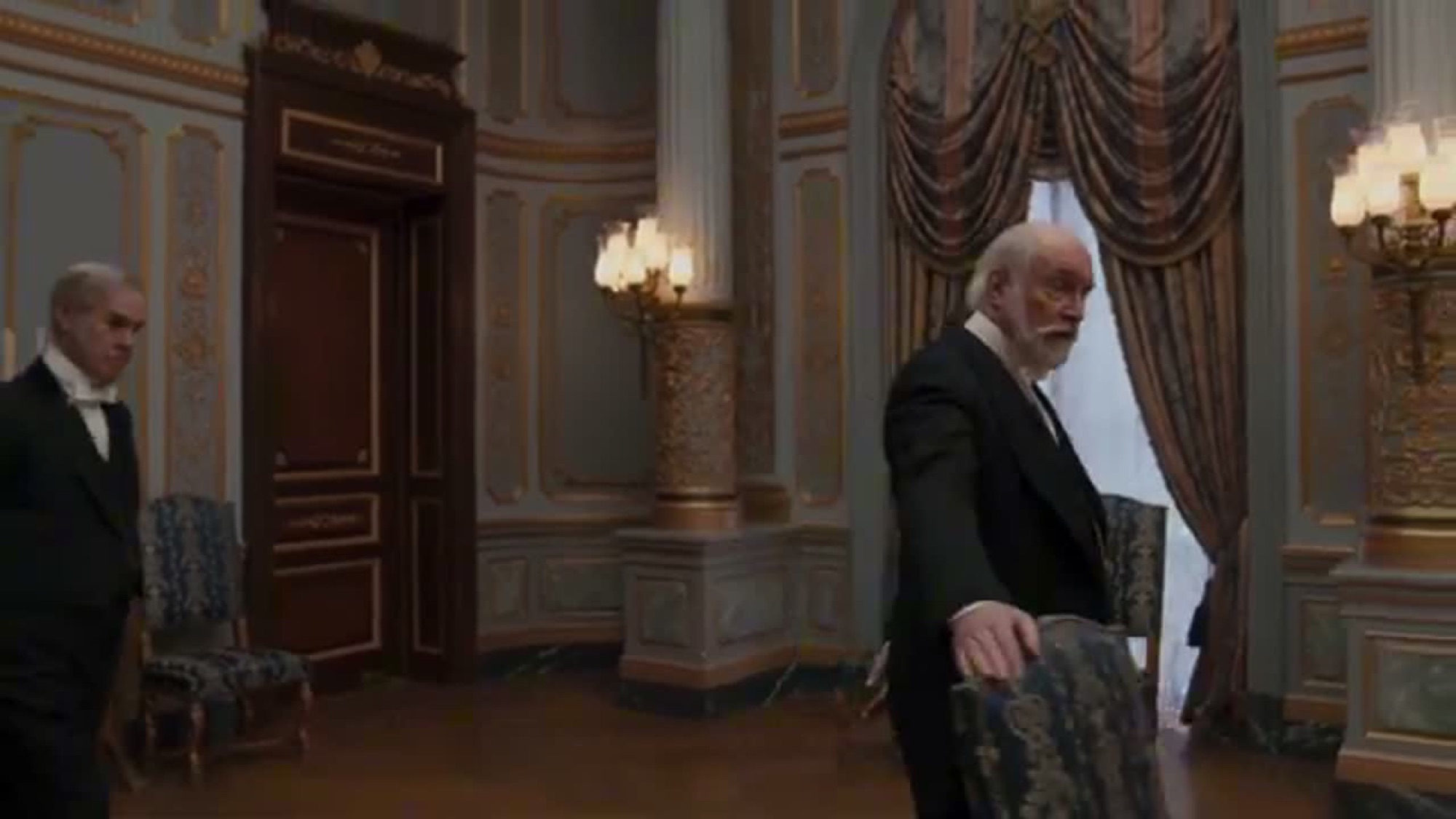
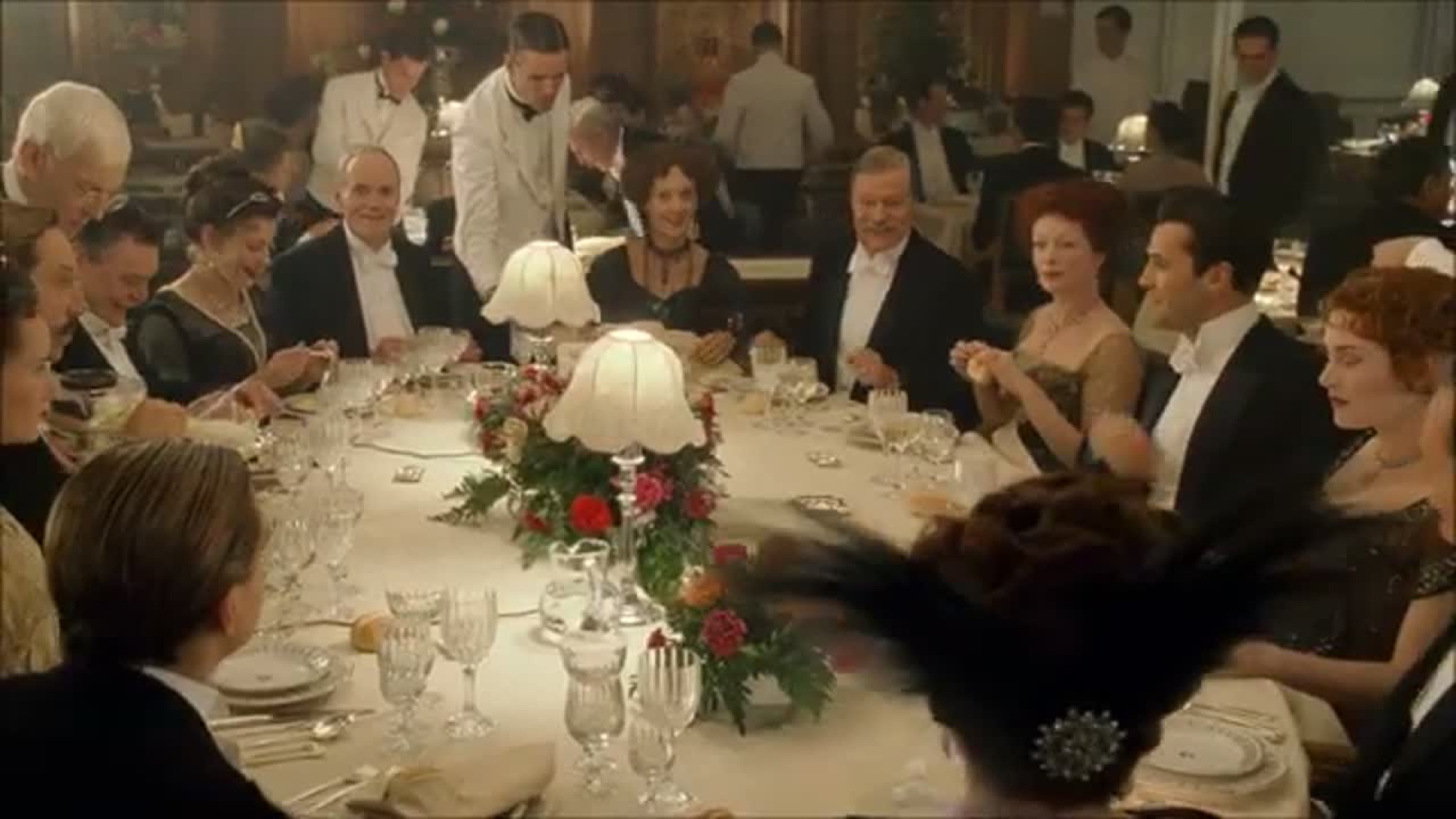
| Nov 6 · P2 | Food, Class, and the Performance of Taste | Compare Heda’s metal with Vollon’s butter. Use Titanic and The Gilded Age to discuss how an apparently correct place setting can mark someone as an outsider. |
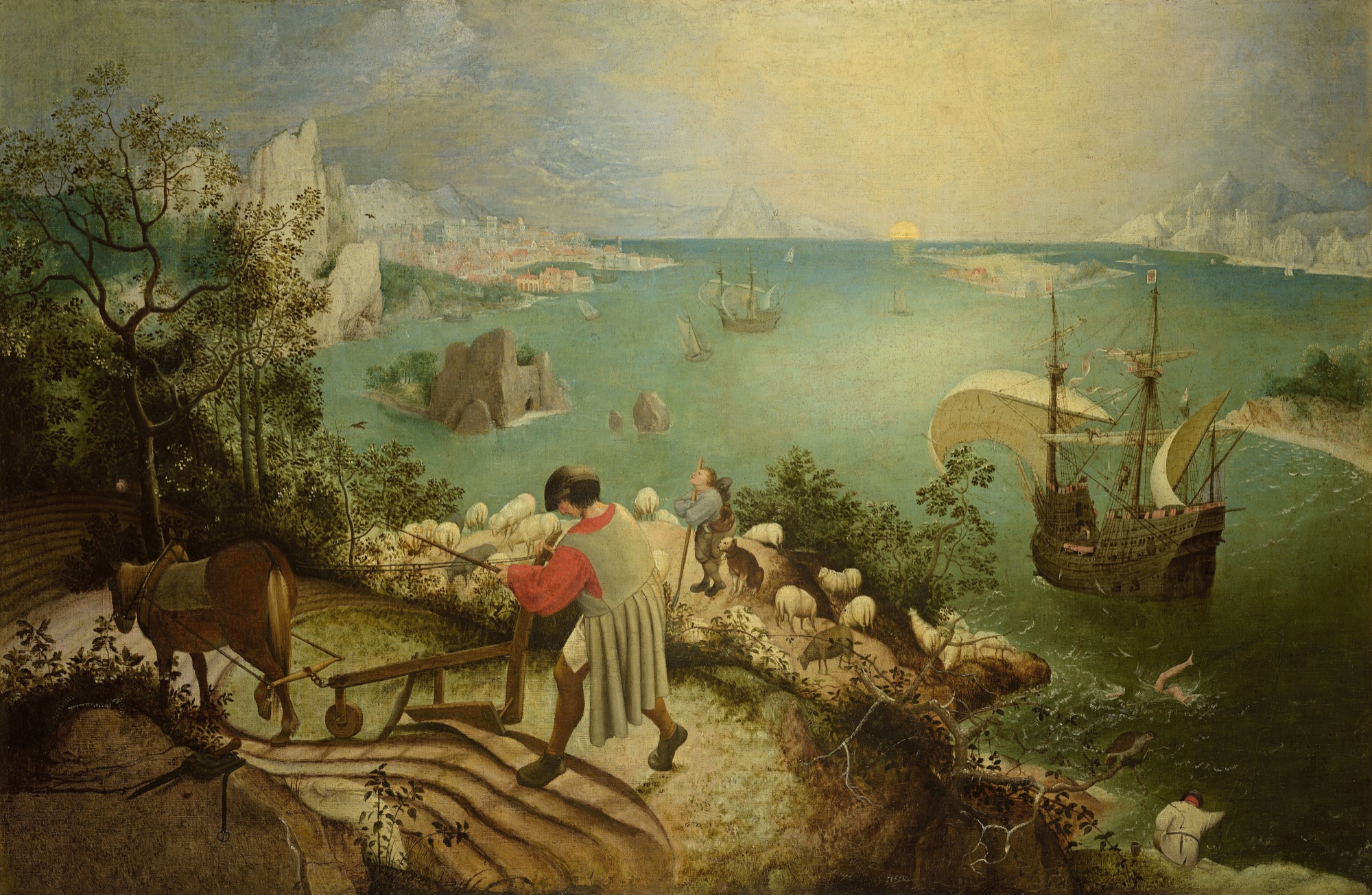
| Nov 9 · P4 | The Table as a Social Form: Ceremony, Labor, and Belonging | Look at both Bruegels before reading Berger. Trace who serves at the wedding. Save a first caption for the resting group in The Harvesters. |
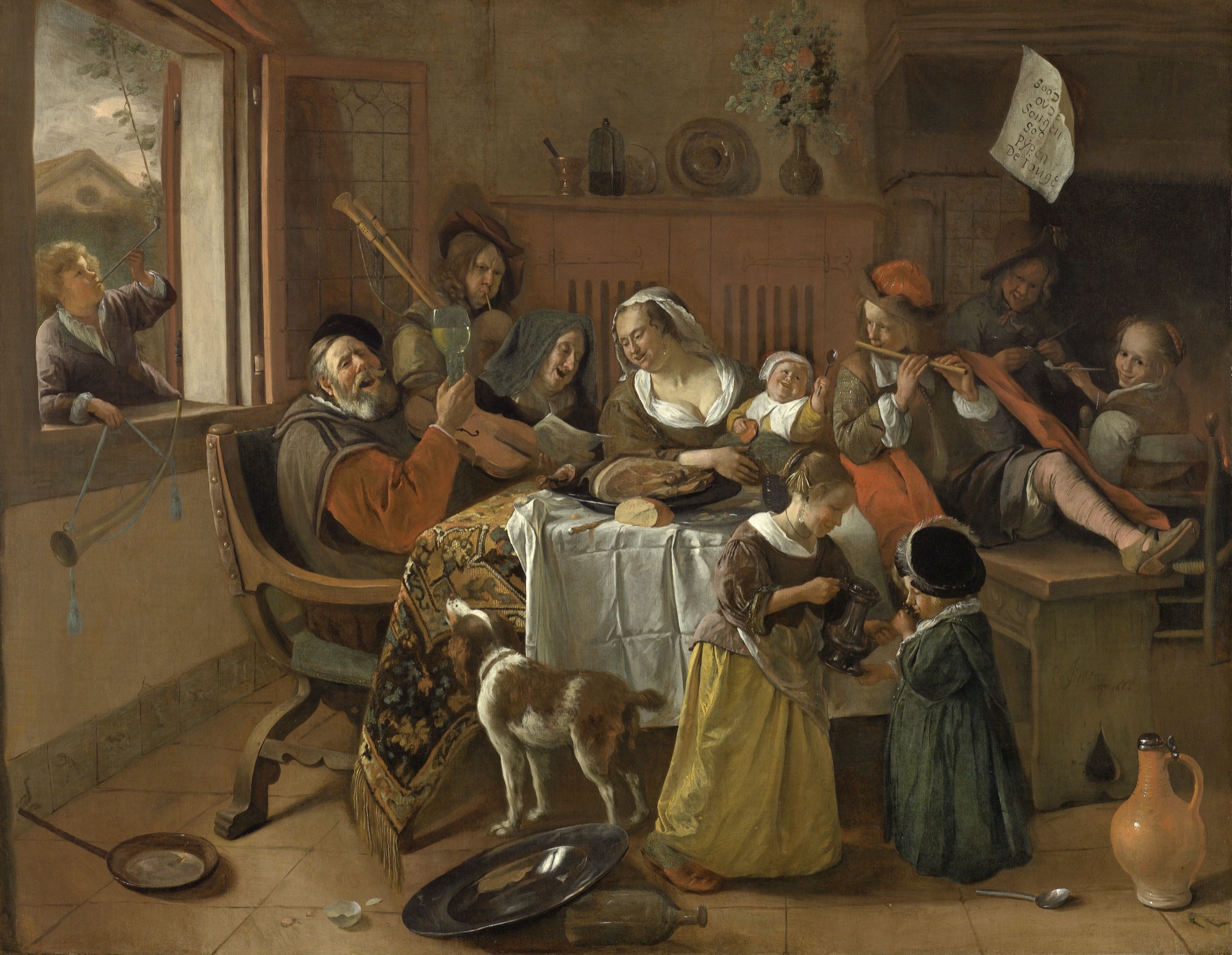
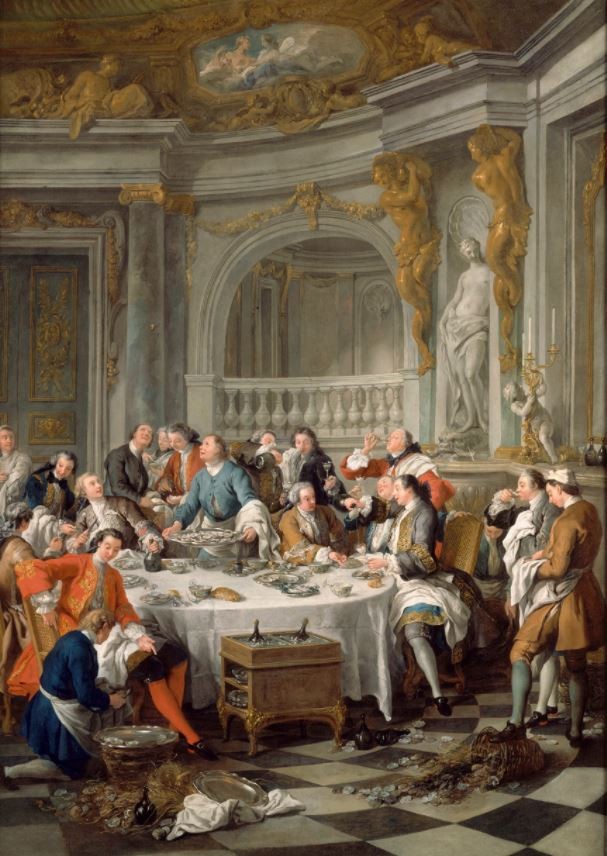
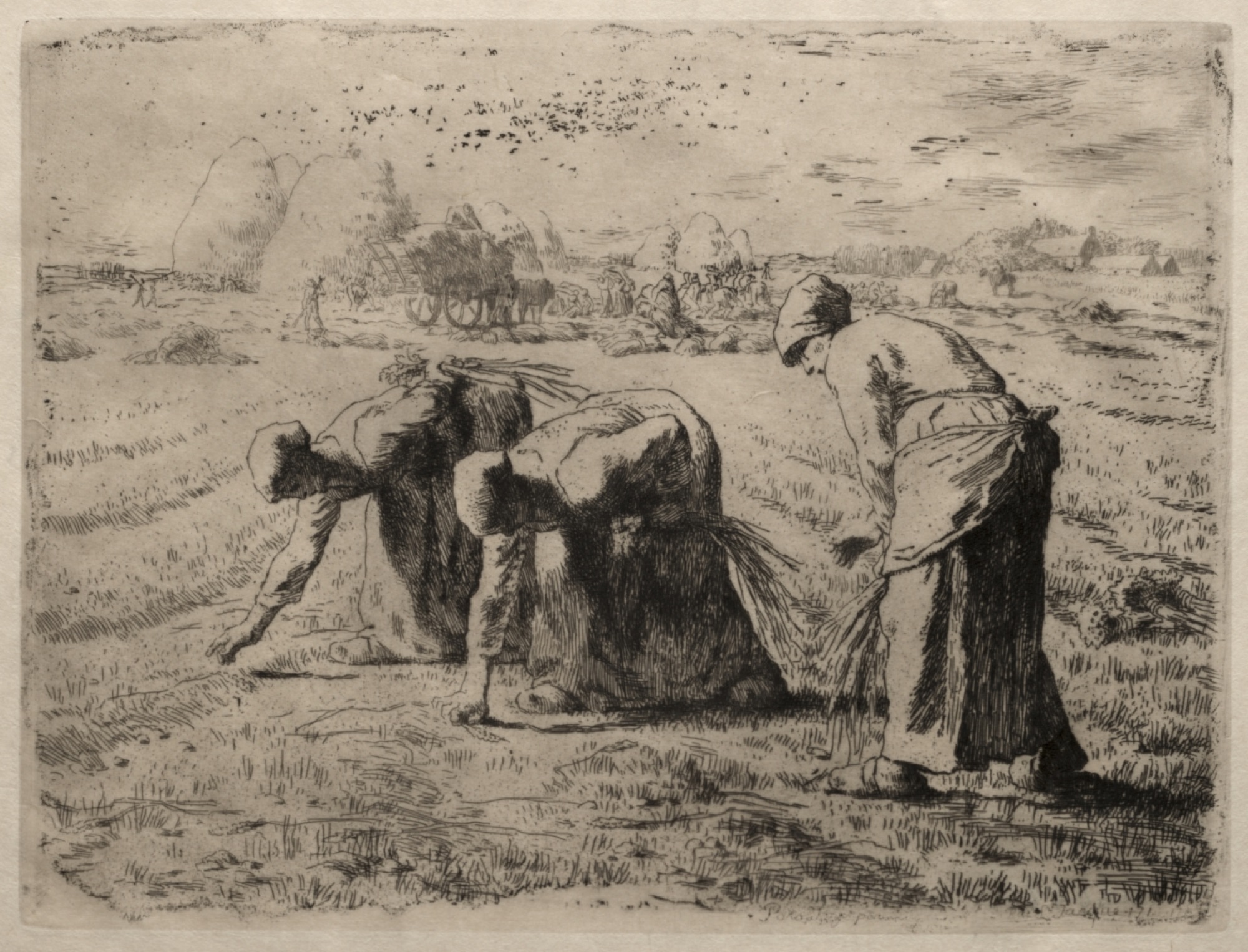
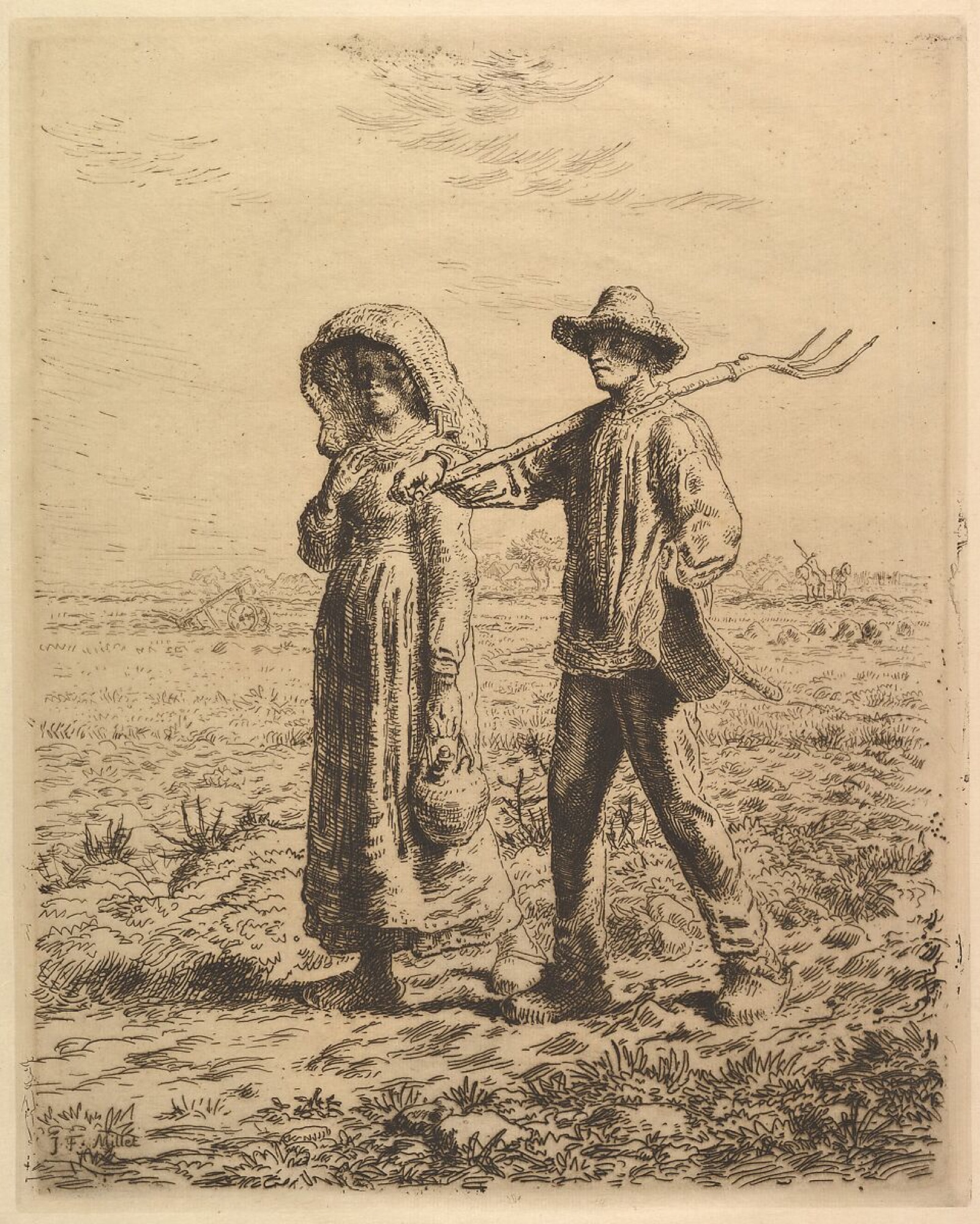
| Nov 10 · P6/P7 | Millet and the Dignity of Labor | Compare de Troy’s Luncheon with Oysters with The Peasant Wedding, then look independently at Millet. Consider how he gives dignity to labor while showing its hardship. Use Bruegel and Berger to test this reading. Briefly consider what changes when Varda’s gleaners speak. |
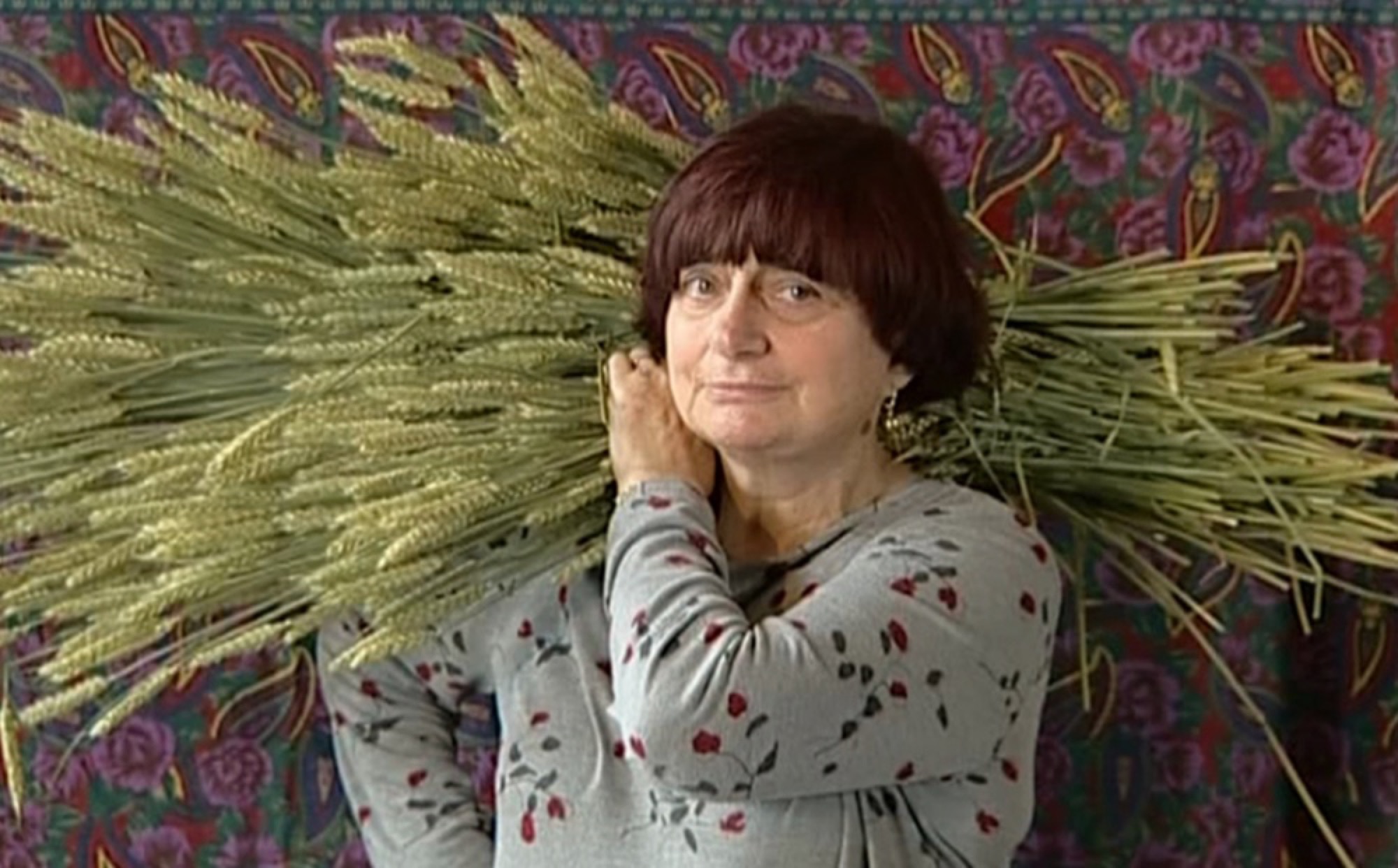
| Nov 11 · P1 | Agnès Varda’s The Gleaners and I | Watch the field, potato and market excerpts. Listen to the gleaners’ accounts and examine how Varda edits them. |
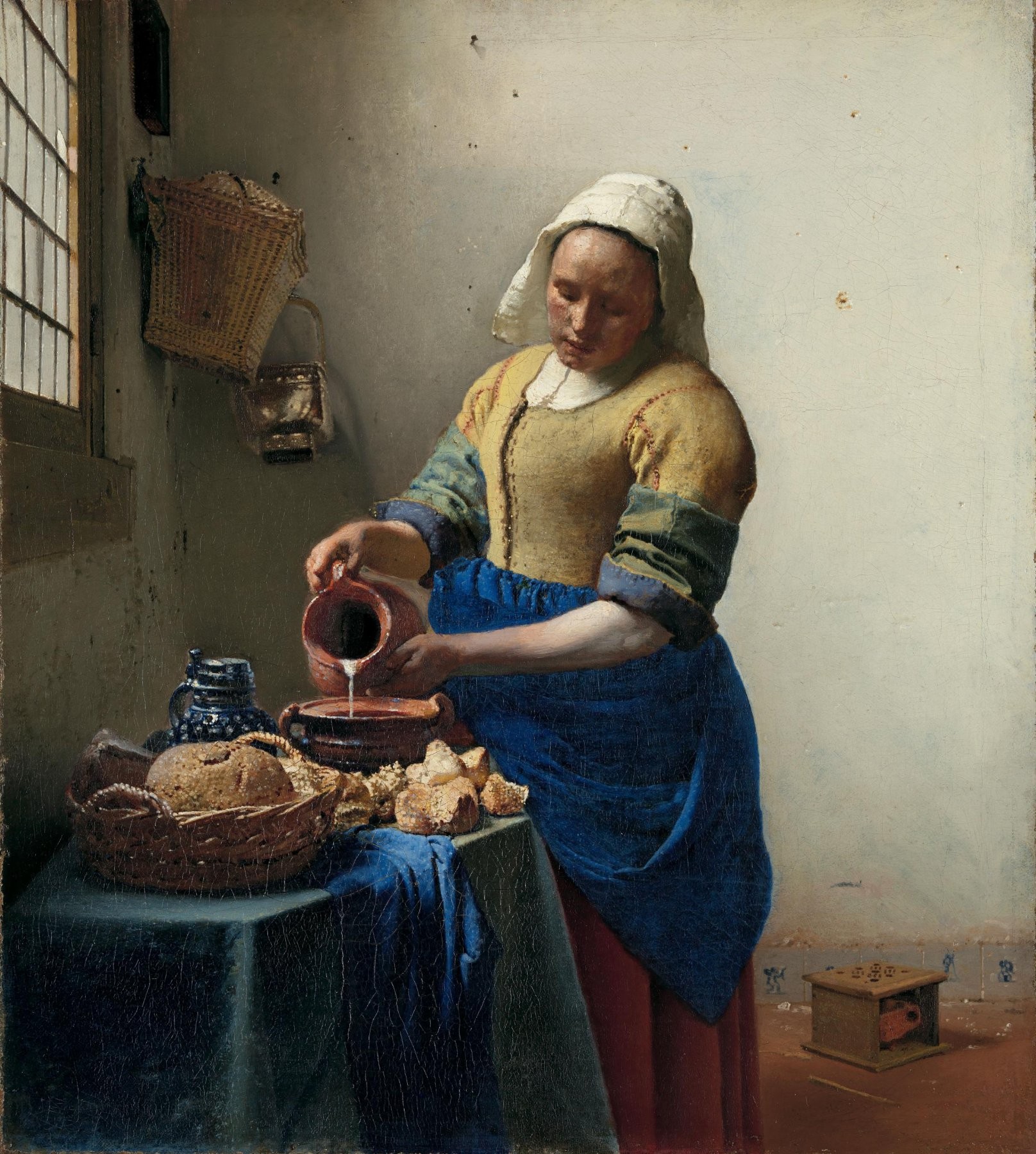
| Nov 13 · P2, completed | The Milkmaid | Compare dignity and labor with Millet. Study The Milkmaid through domestic context and Berger’s wider account of Vermeer’s people, rooms and time. |
Semiotics of the Kitchen
| Date and period | Lesson | What you do |
|---|---|---|
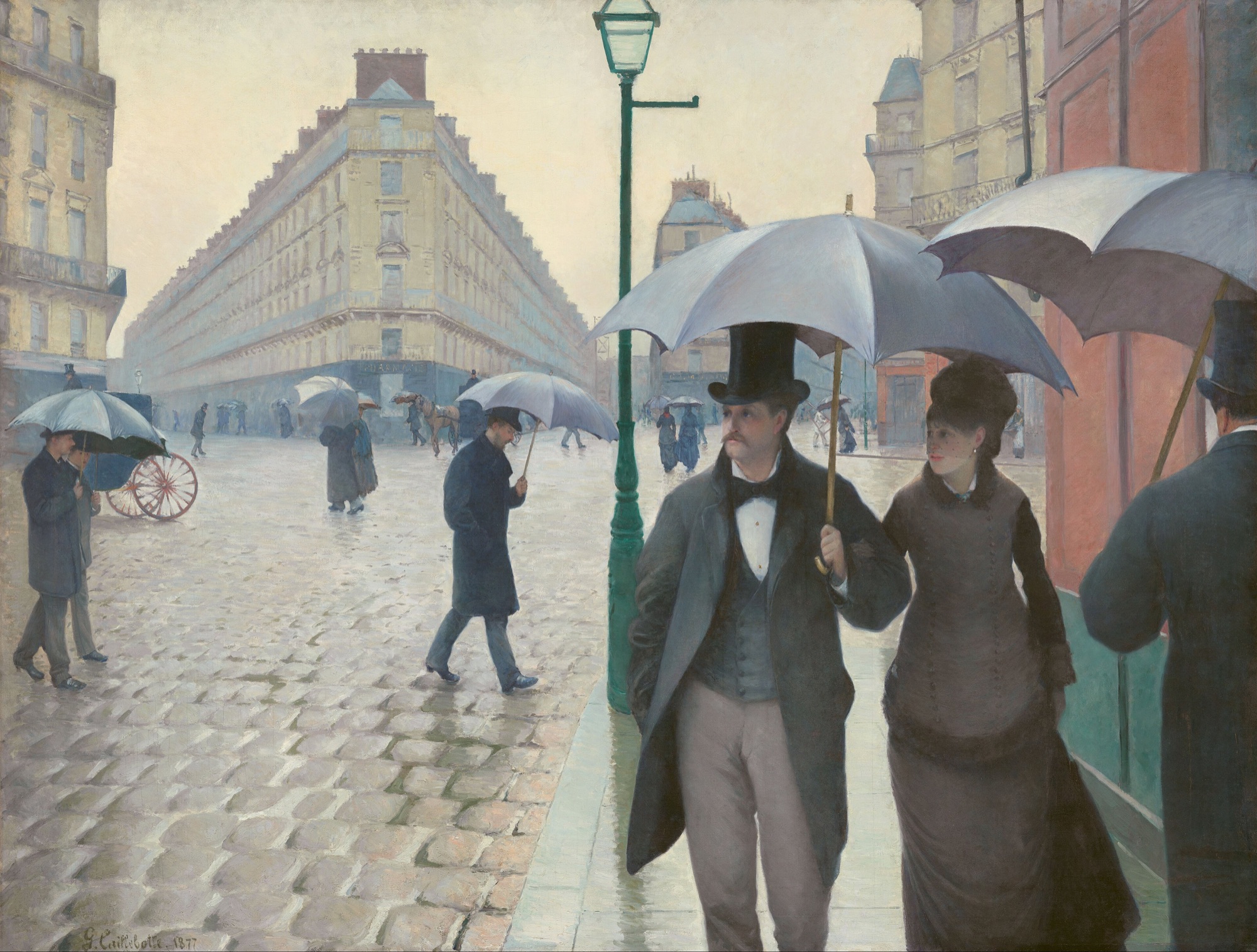
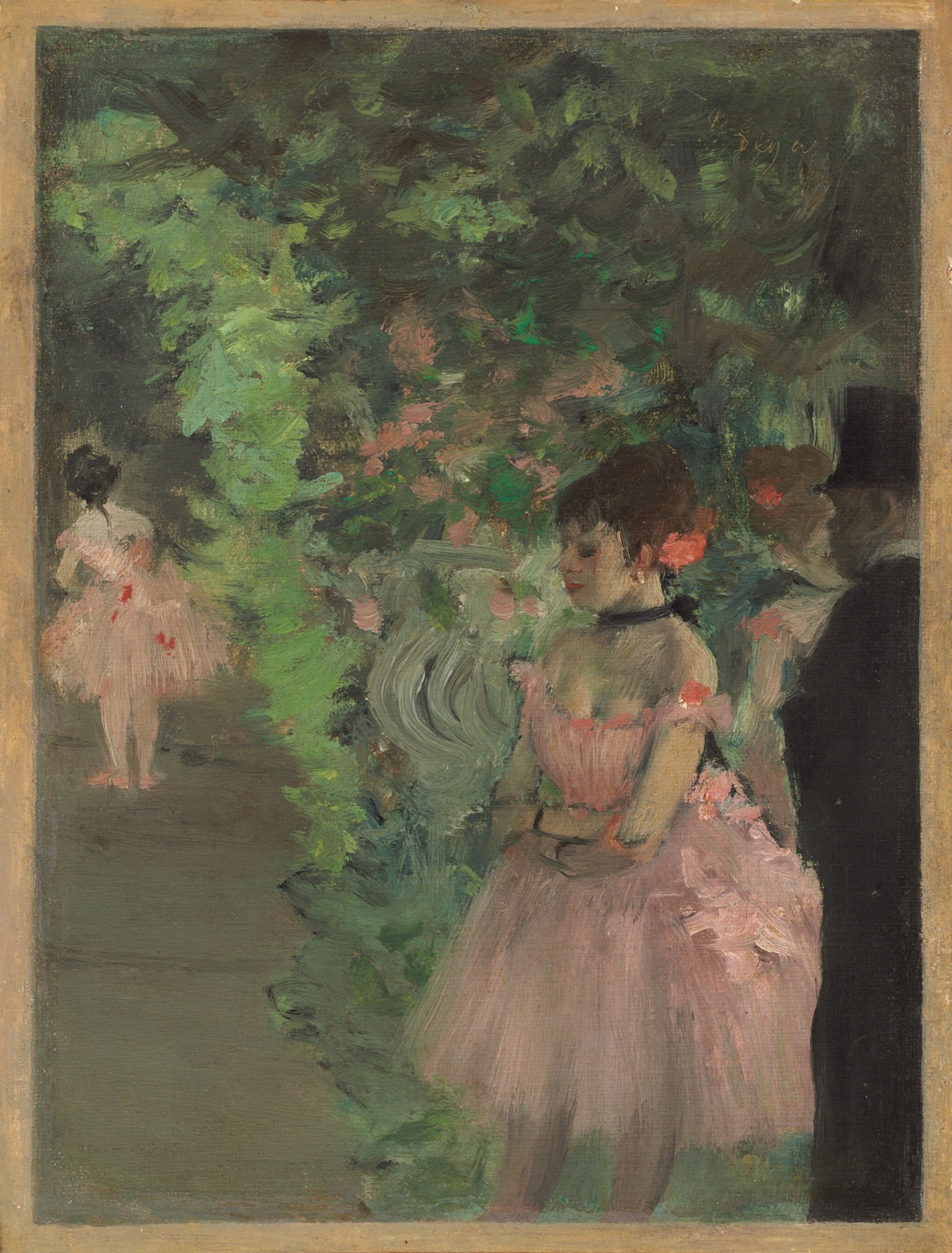
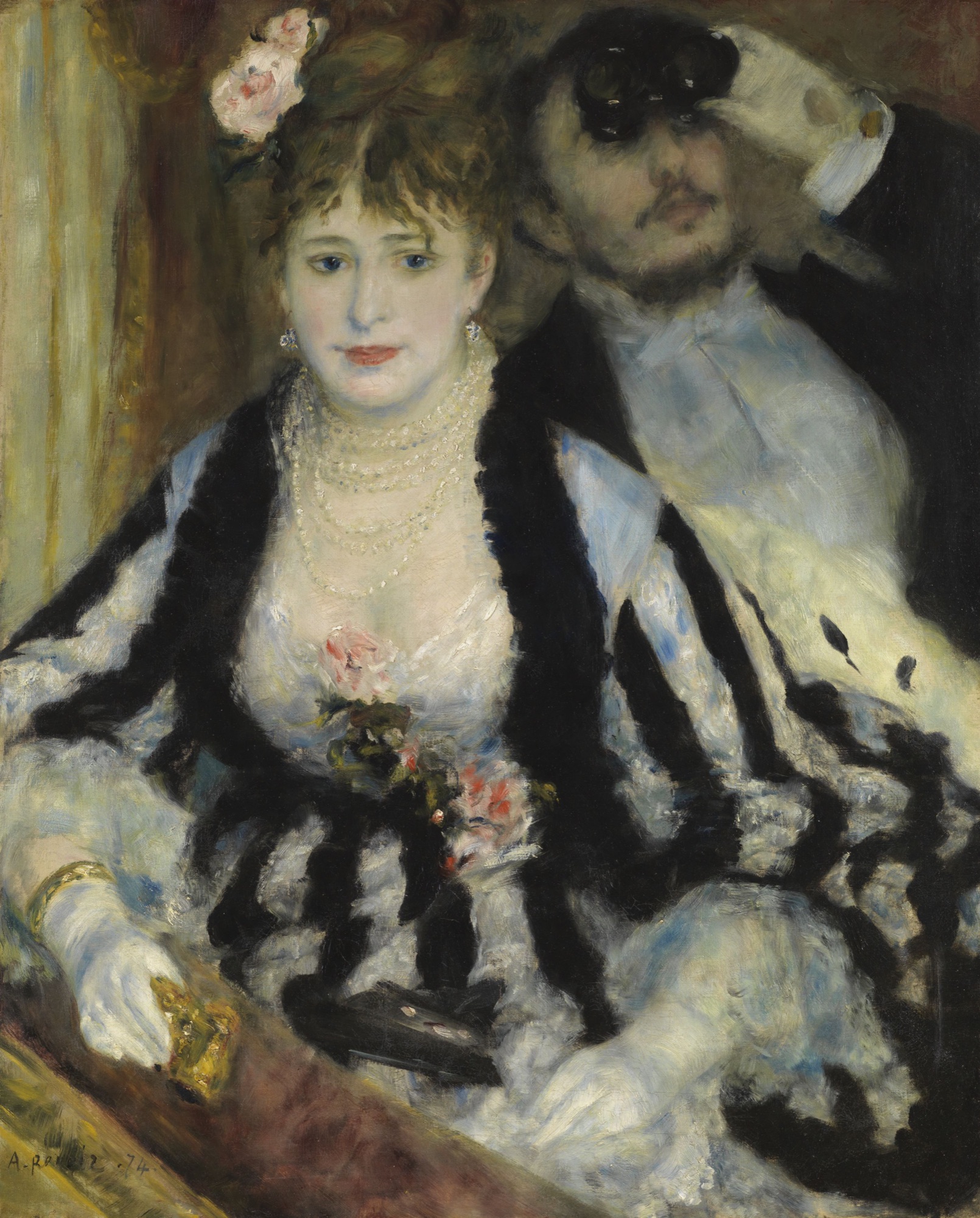
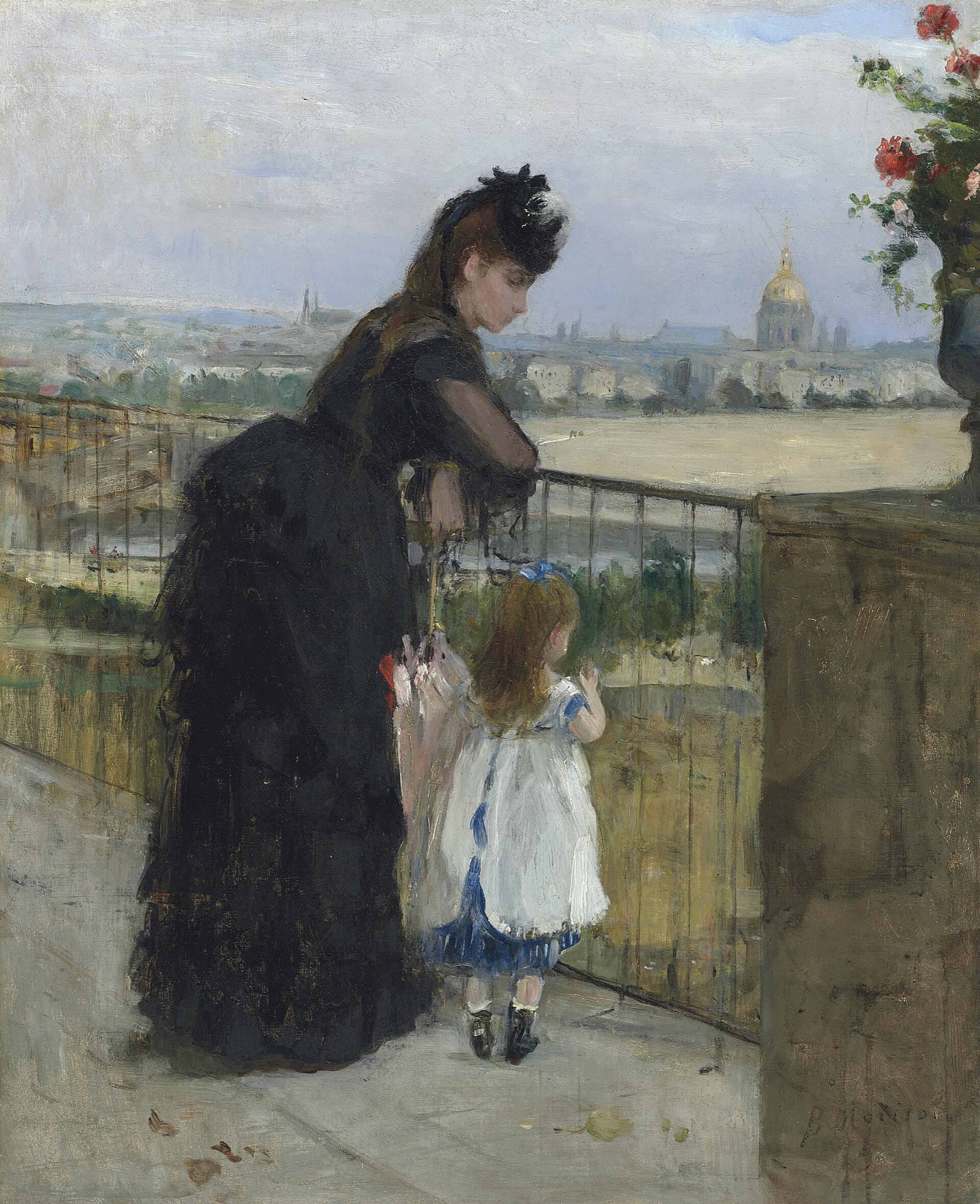
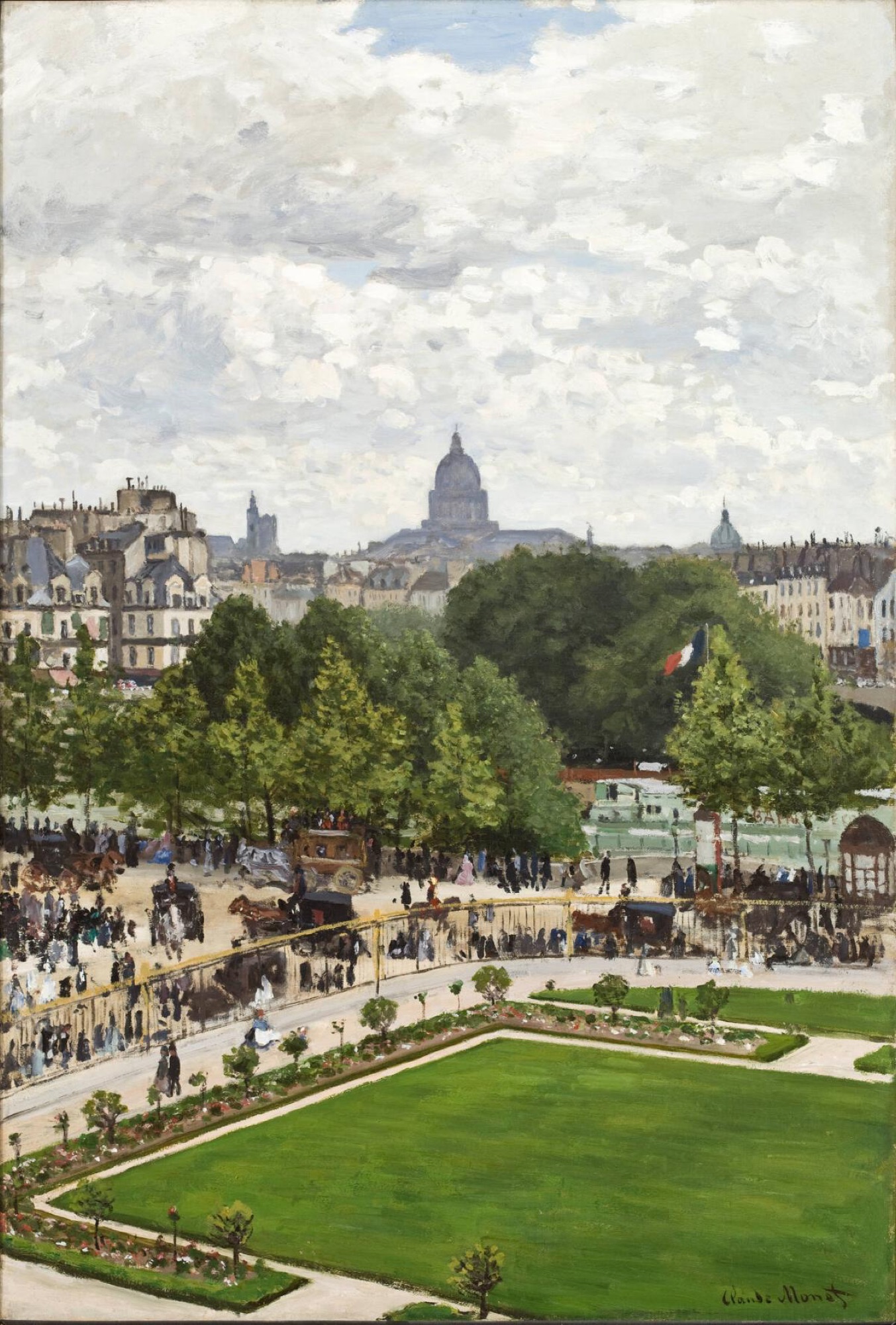
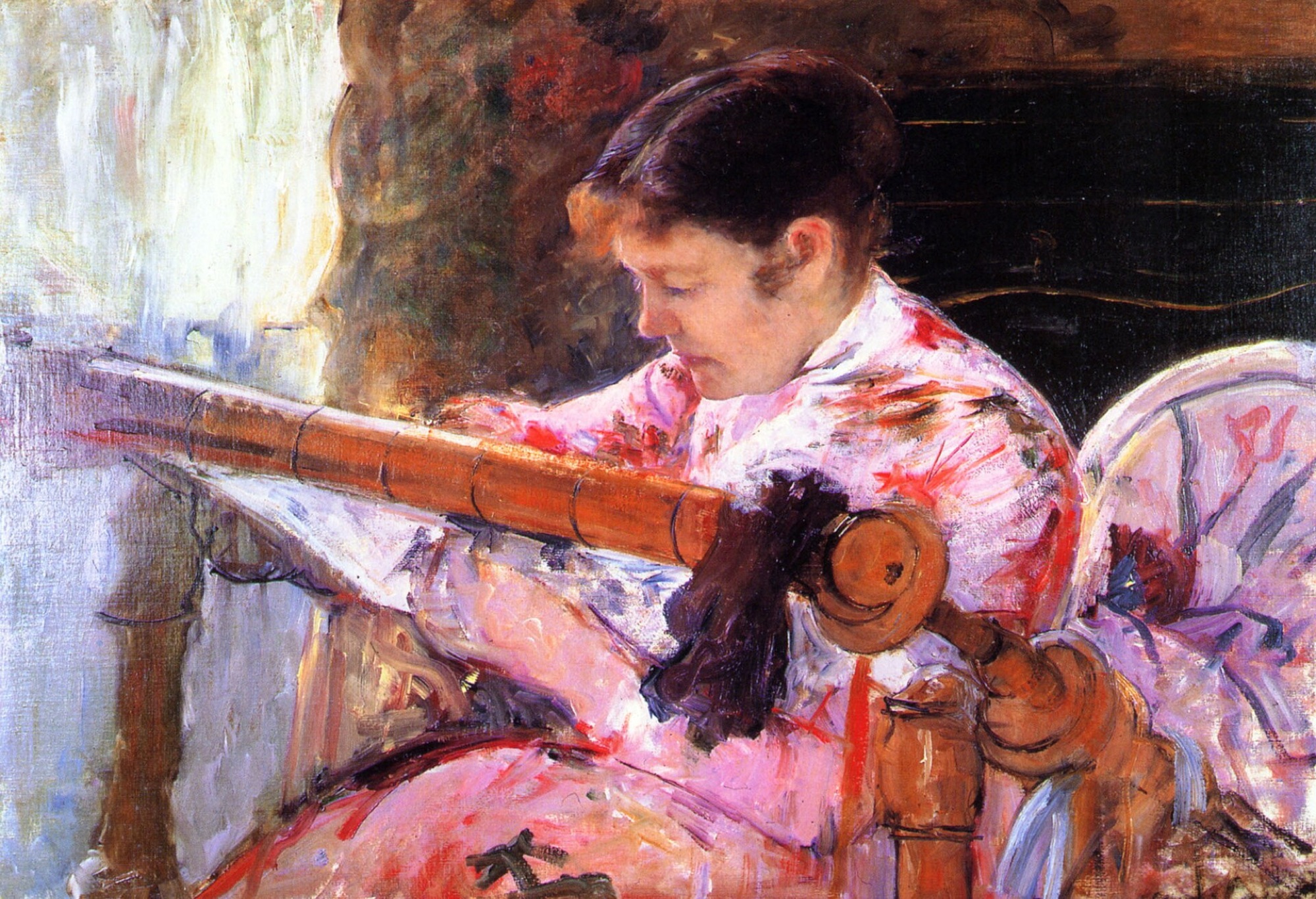
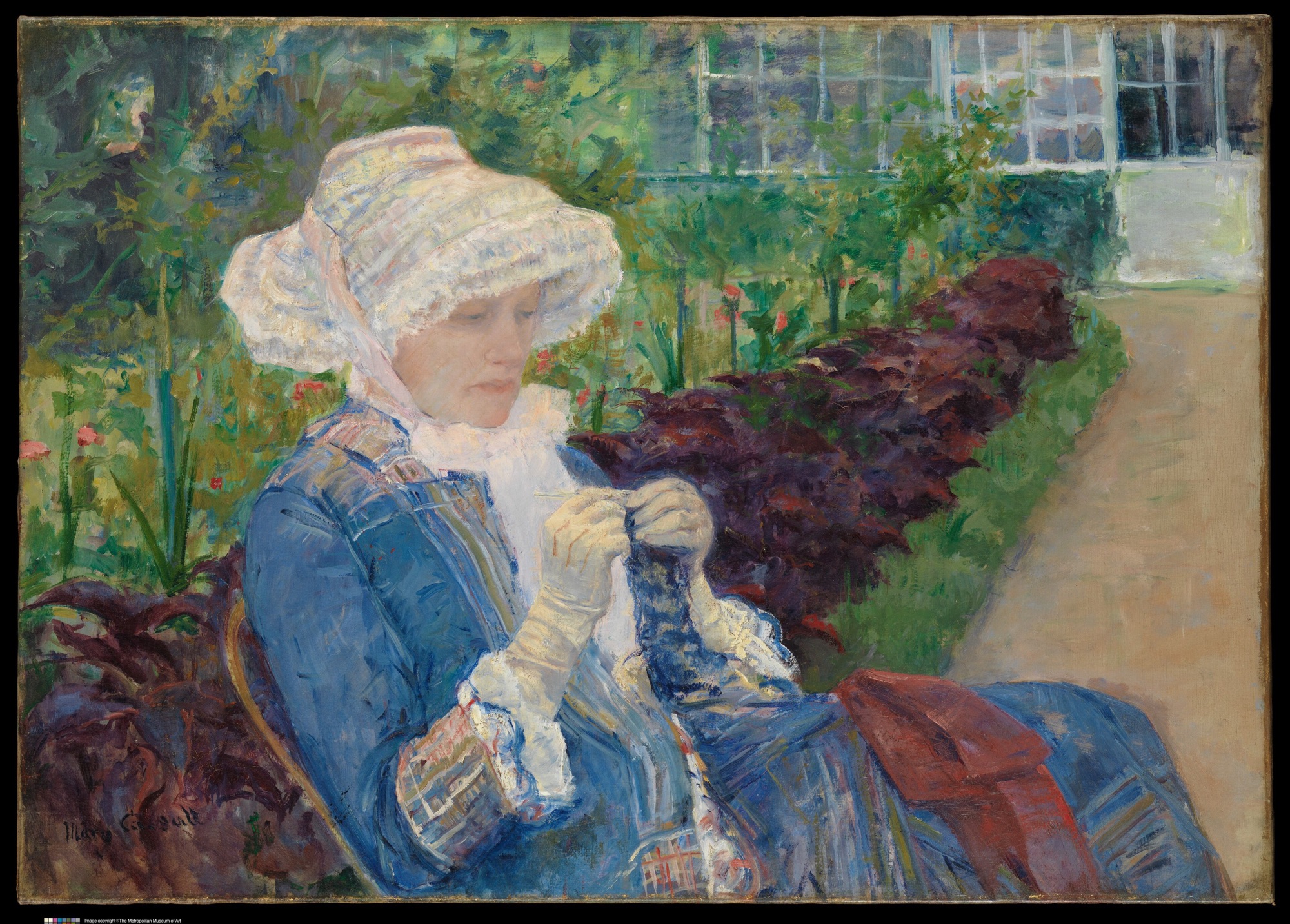
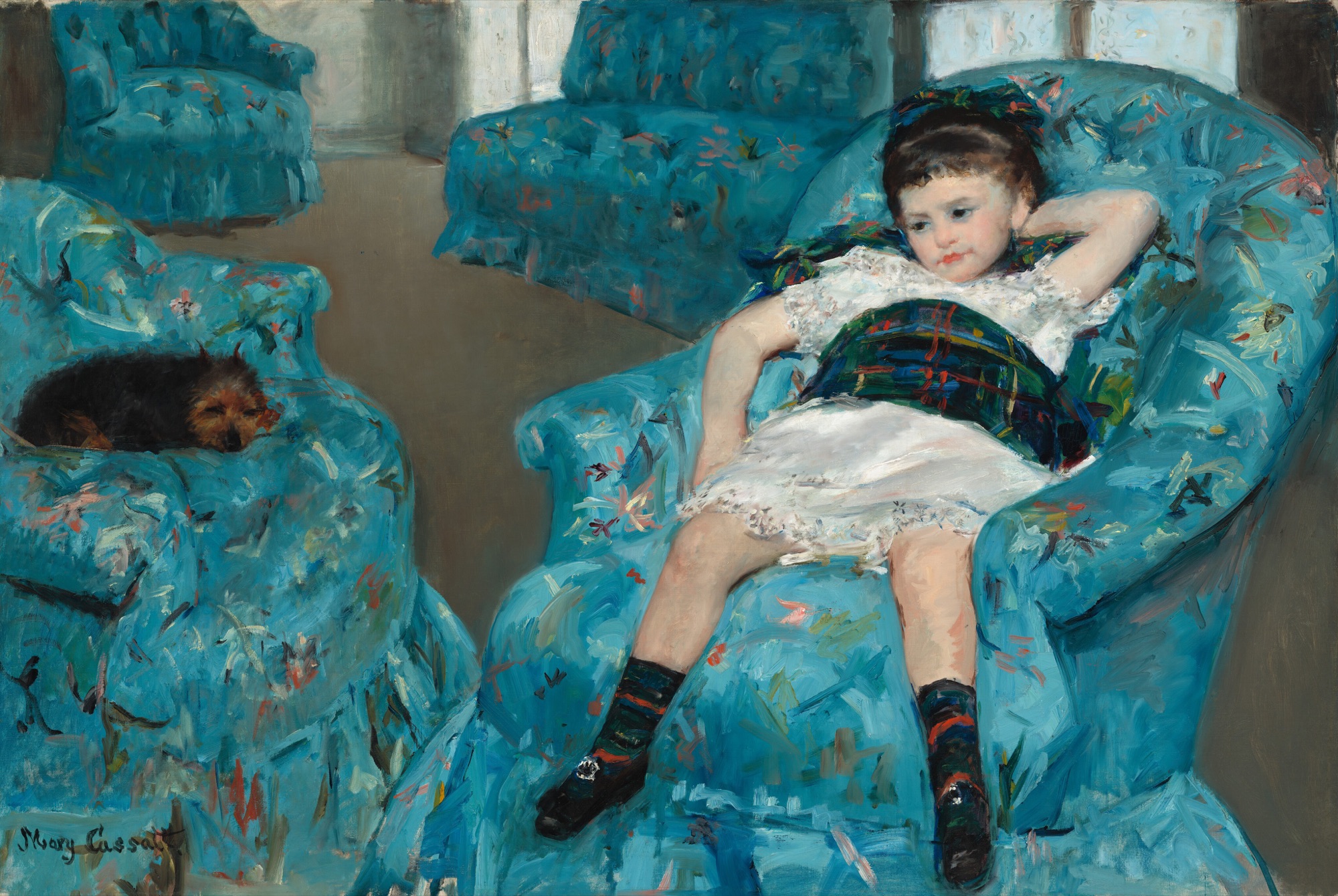
| Nov 16 · P4 and Nov 17 · P6, completed | Mary Cassatt’s The Tea | Read Pollock and compare Morisot, Monet and Cassatt. Support a claim about The Tea with visual evidence and state a limit to your reading. |
| Nov 17 · P7, completed | Julia Child and Martha Rosler | Compare gesture, voice and address to the viewer in a cooking demonstration and Rosler’s performance. |
| Date and period | Lesson | What you do |
|---|---|---|
| Nov 18 · P1 | Images, Signs and Reality | Brief introduction to Images, Mediation and Modernity. |
| Nov 20 · P2 and Nov 23 · P4 | November 20 and 23 classwork | Work on the Food and Ethics Board, read Chapter 1 of Ways of Seeing, or do both. Nothing is due November 24. |
| Nov 24 · P6/P7 | Images, Signs and Reality | Read Baudrillard’s four phases through Kosuth’s chair, Berger’s Van Gogh caption, Sherman’s film still and the Barbie DreamHouse. Revisit Disneyland to test the argument about reality and fantasy. Defend a reading of the fish meme, Gursky, or an image of your choice. Formative class work. |
Closing works, if time permits
| Date and period | Lesson | What you do |
|---|---|---|
| If time permits | Gesture and Pictorial Narrative in Leonardo’s Last Supper | Follow the movement of the announcement through the apostles’ hands and bodies. |
| If time permits | Trade as Composition in the Qingming Scroll | Follow the movement of people, boats and goods across the bridge. |
November 30 board review
| Date and period | Lesson | What you do |
|---|---|---|
| Nov 30 · P4, 10:45–11:30 | A3 Food and Ethics Board | Your individual board is due at 10:45. View and discuss the works together. |
The shared lunch
The lunch is a taught experience within The Shared Meal. You use the film and Berger to examine an actual meal, then compare what you expected with what happened. The experience includes preparation, serving, eating, conversation, cleanup and reflection.
The lunch took place on November 2 P4, 10:45–11:30, in room 702. The film discussion followed on November 3. Heda is studied on November 4 and compared with Vollon on November 6. The Bruegel study is on November 9, followed by Millet across both November 10 periods.
Assessment and feedback
Handouts (PDF): Eat Drink Man Woman · Heda and Still Life · The Shared Meal · The Moral Image of Work · Martha Rosler Intro · Semiotics of the Kitchen · Hyperreality + Paratheatre · Lunch and discussion · Culinary Aesthetics
| Item | Date | Evidence and current requirements |
|---|---|---|
| Film Discussion | Nov 3 · Tue P7 | Give a clear interpretation, a specific film example and a thoughtful response to another idea. Discussion performance only; nothing to hand in. |
| A3 Food and Ethics Board | Nov 30 · Mon P4, 10:45 | Develop an individual board across the month, using image relationships and short annotations to argue one idea. Claim, image evidence, connections/layout and explanation have equal weight. The full task is explained on November 6. |
Follow the assessment register and current briefs for assessment requirements. The A-Level and AP grading cohorts study the same material under their respective school grading schemes. The unit does not use Cambridge or College Board objectives.
The November 3 Film Discussion assesses your spoken contributions. Your individual A3 board is due November 30 at 10:45. No assignment is due in the November 13 class. Assessed work is returned within five working days.
Open the individual studies in the timetable above for the illustrated work and activities. Explore the complete Qingming handscroll.