A3 Food and Ethics Board
Lesson slides: Download the deck (PowerPoint, 29.7 MB) · image credits
At a glance
| Field | Details |
|---|---|
| Dates | Mon 30 Nov P4 · 10:45–11:30 |
| Focus | A3 Food and Ethics Board |
| Unit | The Table As Ethical Space |
Objectives
- Develop an argument through the placement of images on an individual board.
- Test a pairing against a classmate’s reading and justify the final arrangement.
Materials and resources
Use the works and source readings named below. Keep the full composition visible while looking.
Tasks
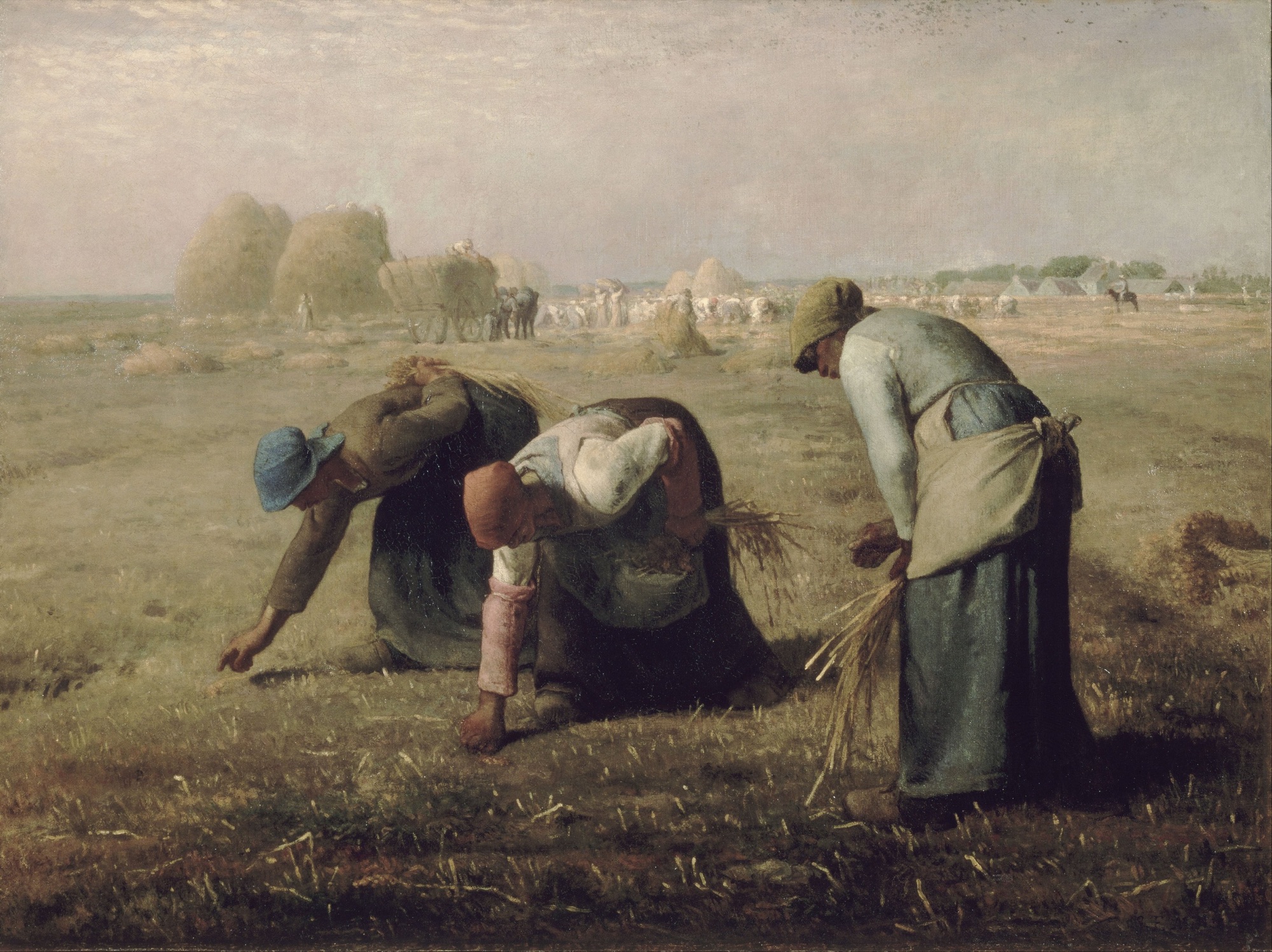
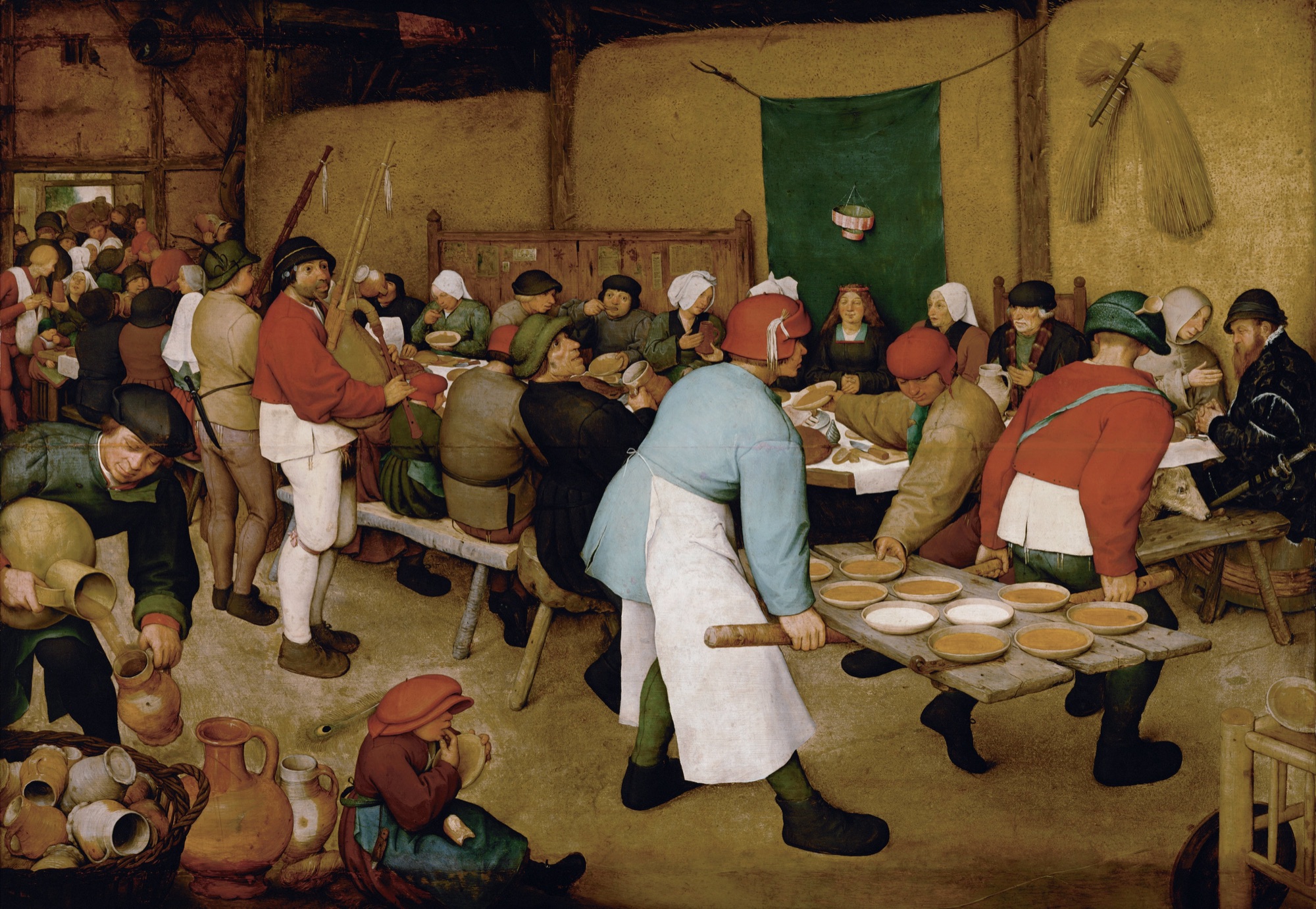
A3 · November 30 P4
Follow the Food and Ethics Board brief. Submit your own physical or digital board by November 30 at 10:45. Develop one idea about food, care, class, labor or power through selected images, their placement and short annotations. Use the period for viewing and formative review. The four equal criteria are the claim, image evidence, connections and layout, and explanation. Students may select works encountered by November 30. Weems is optional on the board.
Assessment and homework
Assessment
A3 is due Monday November 30 at 10:45, P4. Students develop their own Food and Ethics board across the month. The November 6 explanation introduces this format; the November 30 period is for submission and formative review. Return feedback within five working days and retain the December 2 review routine. See the complete board brief.
The four equal criteria are Claim, Image evidence, Connections and layout, and Explanation. The board and annotations carry the grade. No timed essay or graded presentation is required. Weems is optional on the board. The December 1 concepts are not required preparation.
The other lesson activities are formative. Board development is the existing major task, not an extra worksheet.
Description
Develop the individual board under the existing brief. Submit November 30 at 10:45, then view and discuss the boards.
Submit the completed individual Food and Ethics board by 10:45. Use the period to view and discuss the boards and identify a next step. The board and its short annotations carry the grade; there is no timed essay or separate presentation grade.
Teaching reference
Follow the complete A3 Food and Ethics Board brief for the task and four equal criteria. The board develops an argument through images and their placement, returning to the Atlas method introduced through Warburg.