Benjamin: Aura and Print Impressions
Lesson slides: Download the deck (PowerPoint, 3.0 MB) · image credits
At a glance
| Field | Details |
|---|---|
| Dates | Reading companion for December 2/4; no separate class period |
| Focus | Benjamin: Aura and Print Impressions |
| Unit | Images Mediation And Modernity |
Objectives
- Use Benjamin’s account of aura to examine an individual impression.
- Distinguish the repeatable design from evidence about the particular sheet.
Materials and resources
-
aura-and-the-poor-image.pptx
-
Source text
Tasks
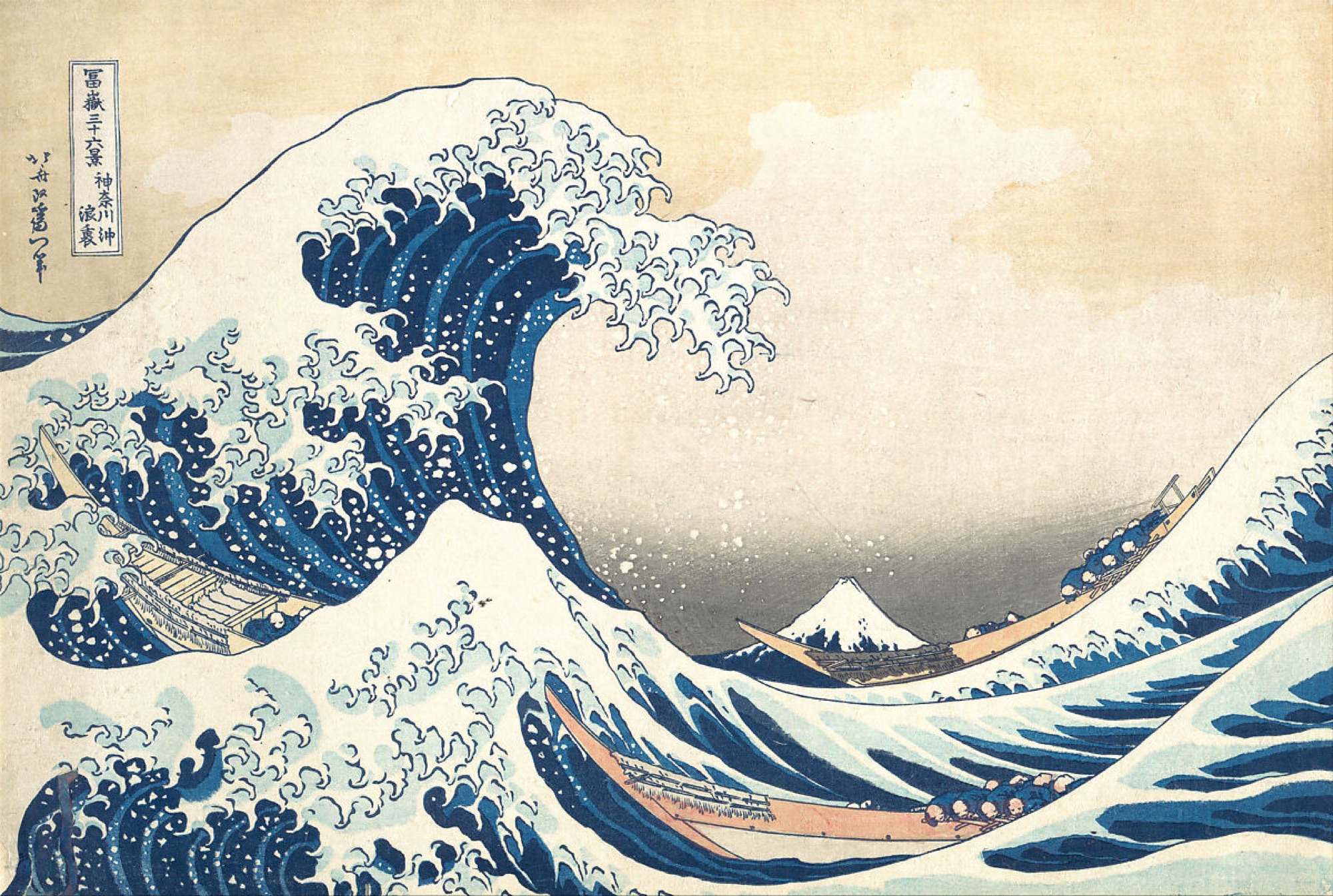
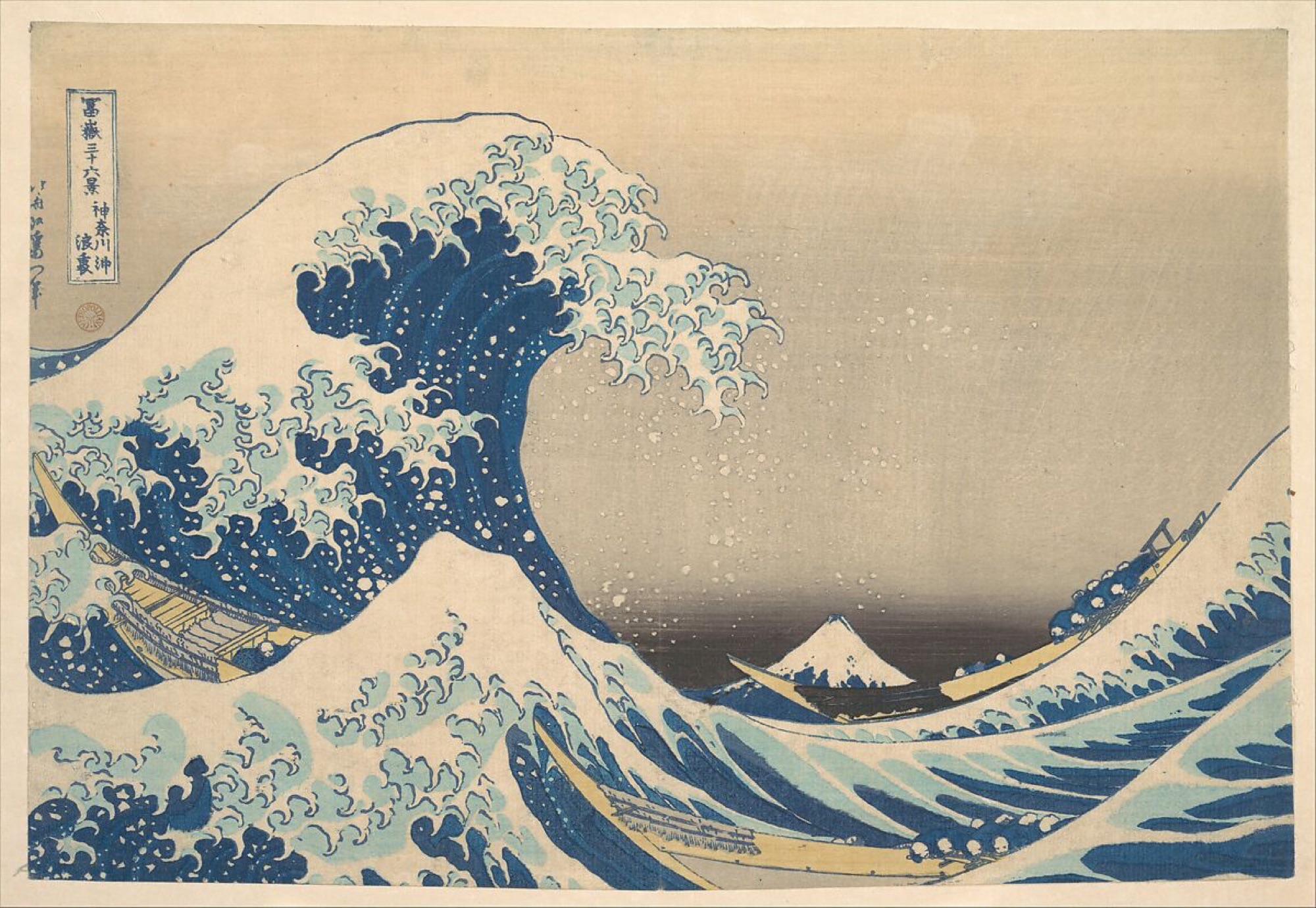
Use this guide during the scheduled Floating World inquiry. Underline a phrase about the physical object’s existence and history. Paraphrase it before testing it against a named impression and its digital image. Identify one thing the image shows and one fact requiring a source. Apply the distinction in the existing context comparison and exit response; no additional submission is required.
Assessment and homework
The bounded Benjamin reading is prepared December 2 for December 4 as part of the existing allowance. This companion has no separate graded task or calendar session.
Description
Use Benjamin’s account of here-and-now, aura and works designed for reproducibility to distinguish the design, block, individual impression and digital image. This supports the original ukiyo-e inquiry.
Teaching reference
Individual impressions and images designed to be reproduced
The print comparison challenges a simple division between one original and many inferior copies. A design can be made for repeated printing, while each impression remains a material object. The block, the design, the sheet and the screen image are not interchangeable. An impression may have a particular condition, ownership history and relation to a printing sequence. Those facts need records; visible differences alone do not establish the history.
The original Floating World lesson follows a print from its Edo audience into collecting, museums, textbooks and posters. A later setting can change the work’s use without changing every mark in the image. Commercial production does not make interpretation unnecessary, and museum display does not remove the earlier commercial history.
Benjamin: here-and-now and reproducibility
Benjamin connects authenticity to an object’s existence in a particular place and its passage through time. Reproduction can bring the image to a viewer who cannot encounter that object. It can enlarge detail and allow new comparisons. It cannot carry the same material history. Aura names a relation of presence, distance and tradition; it should not become a synonym for beauty or emotional intensity.
The second version of the essay also examines works made for reproducibility. A photograph, film or print is not adequately explained by treating every version as a failed attempt to reproduce a unique painting. Benjamin’s account describes historical transformations and makes an argument about them. Students should understand that argument before evaluating whether it explains the particular impression they are studying.
Source quotation
Walter Benjamin, The Work of Art in the Age of Its Technological Reproducibility: Second Version. Section III, printed page 21; provided PDF page 3. Source text.
In even the most perfect reproduction, one thing is lacking: the here and now of the work of art—its unique existence in a particular place. It is this unique existence—and nothing else—that bears the mark of the history to which the work has been subject. This history includes changes to the physical structure of the work over time, together with any changes in ownership.
Reading support: The here and now concerns this particular object’s existence and history. Compare a named physical impression with its digital image. Do not equate aura with beauty or a strong feeling.