Images, Mediation and Modernity
What changes when the same image reaches you on a different surface?
Unit plan
Follow images through print, photography and digital circulation, from Hokusai and Hiroshige to Warhol. Read Berger, Benjamin and Steyerl, then test how material, context and circulation affect meaning.
Read the complete unit plan
Art Appreciation · Full revised semester sequence · Reading guide and printable texts
What this unit does
Images reach us through materials, devices, people and institutions. These conditions affect what an image shows, who sees it and how it is understood. This is mediation. A painting reproduced on a phone, a woodblock design printed for sale, a photograph kept as a memory and a film edited with sound all let us examine it.
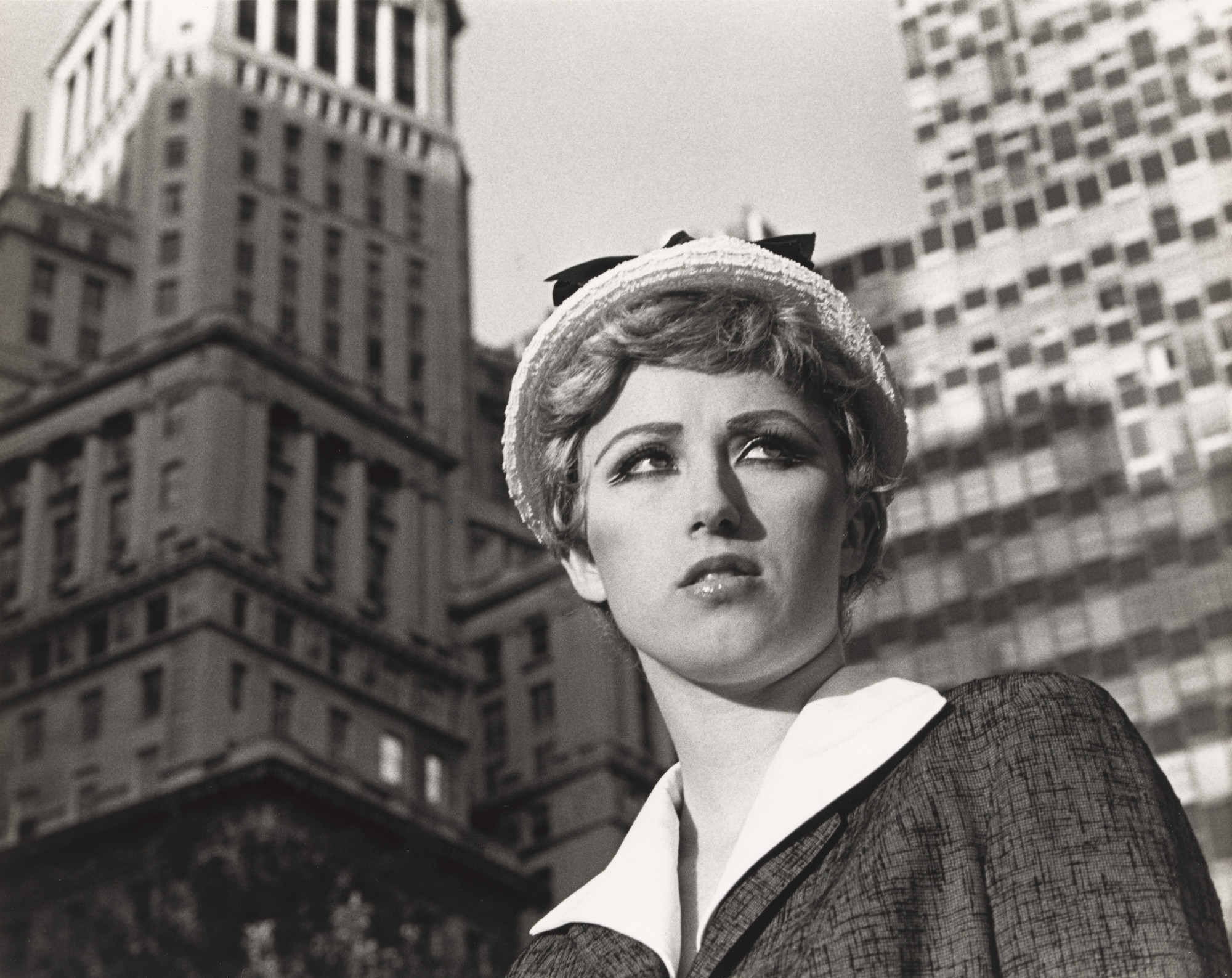
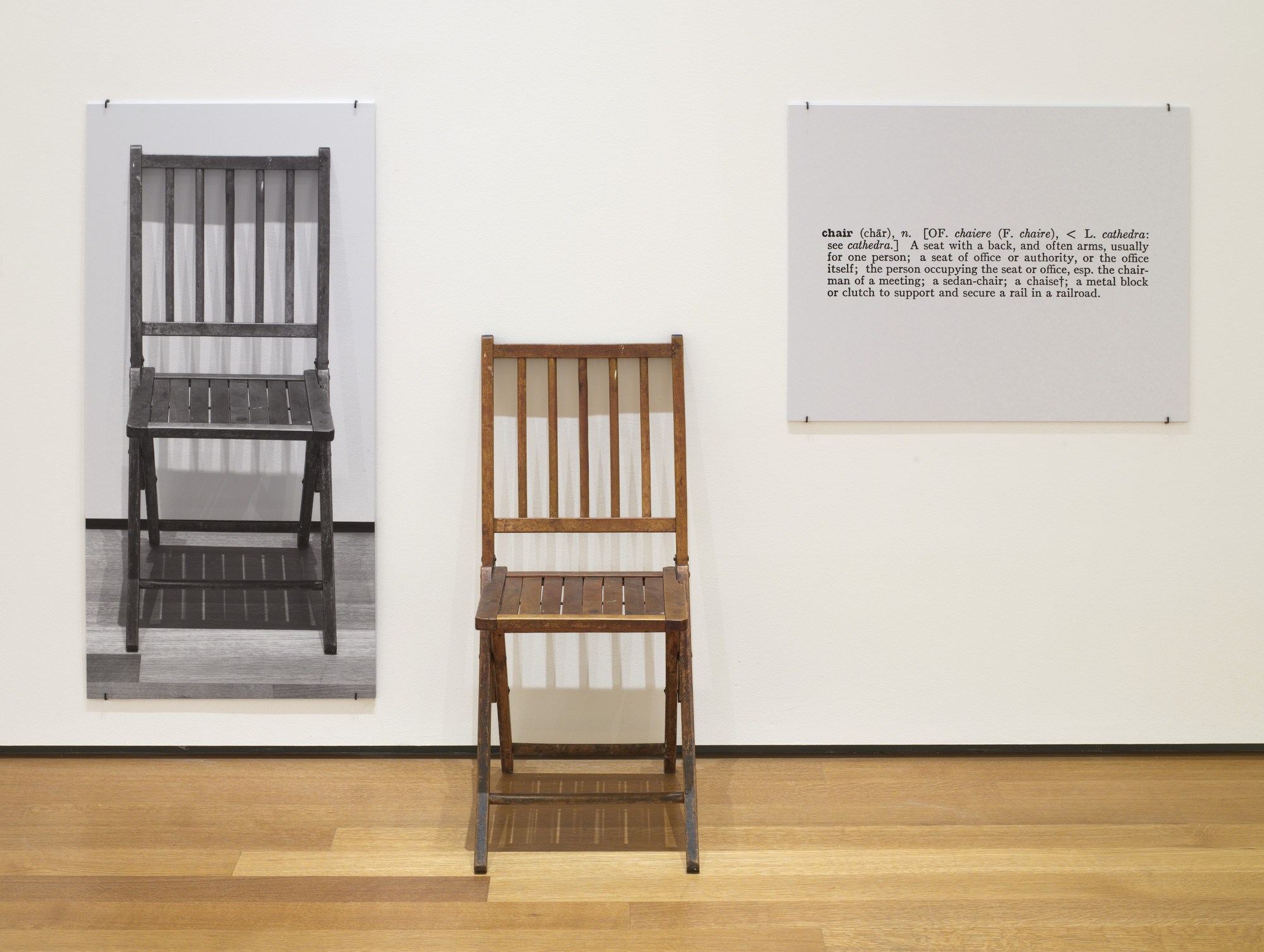
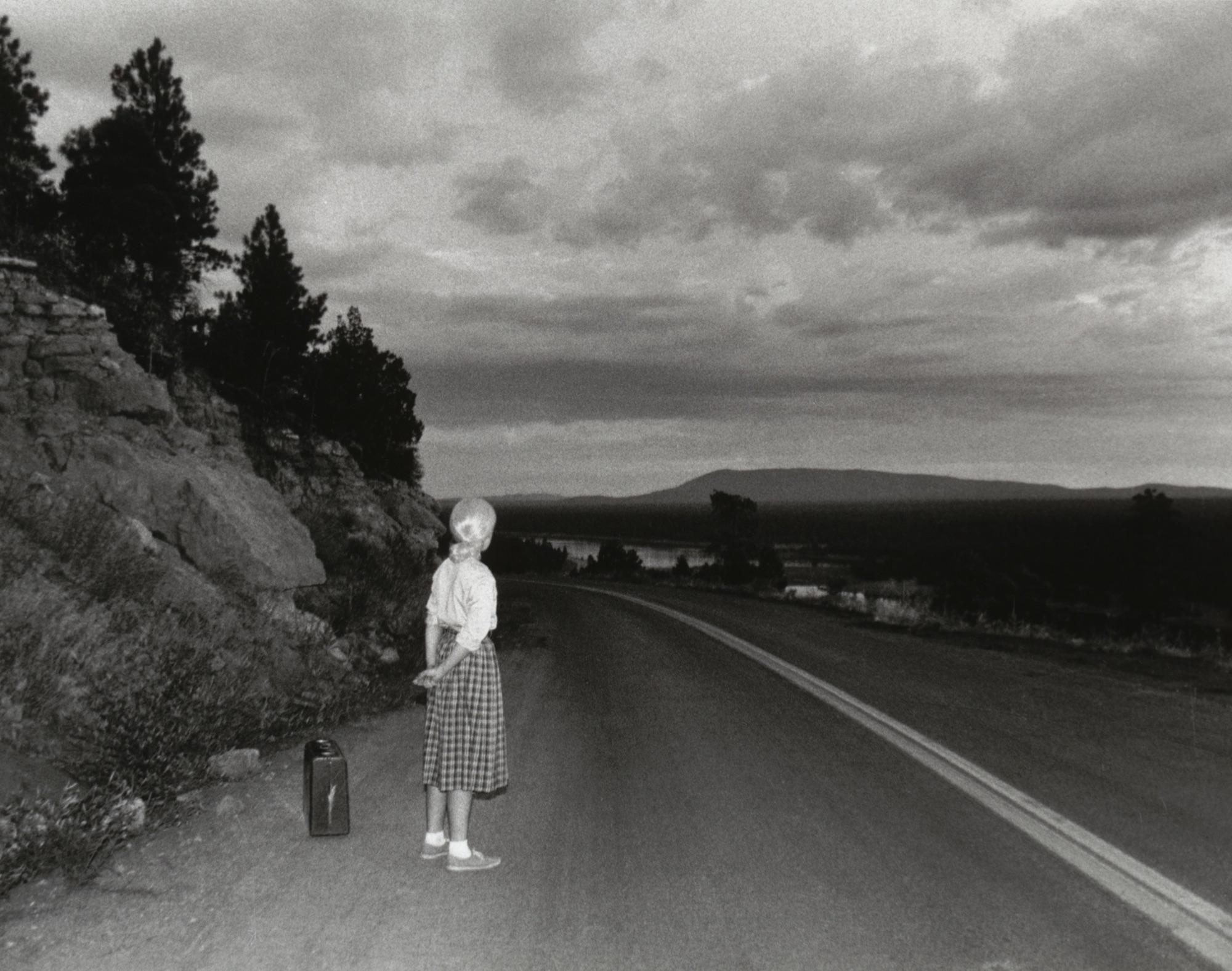
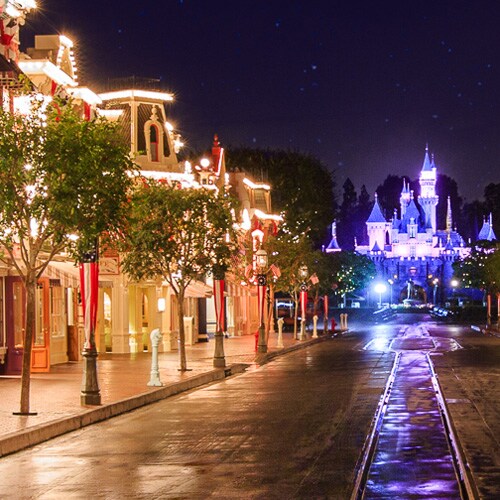
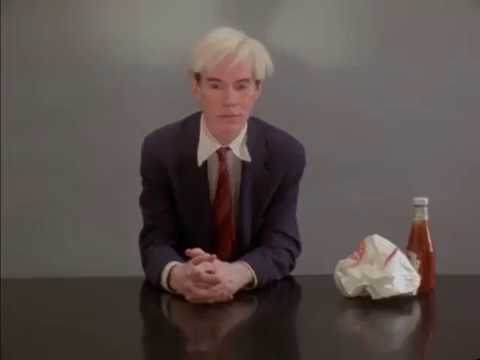
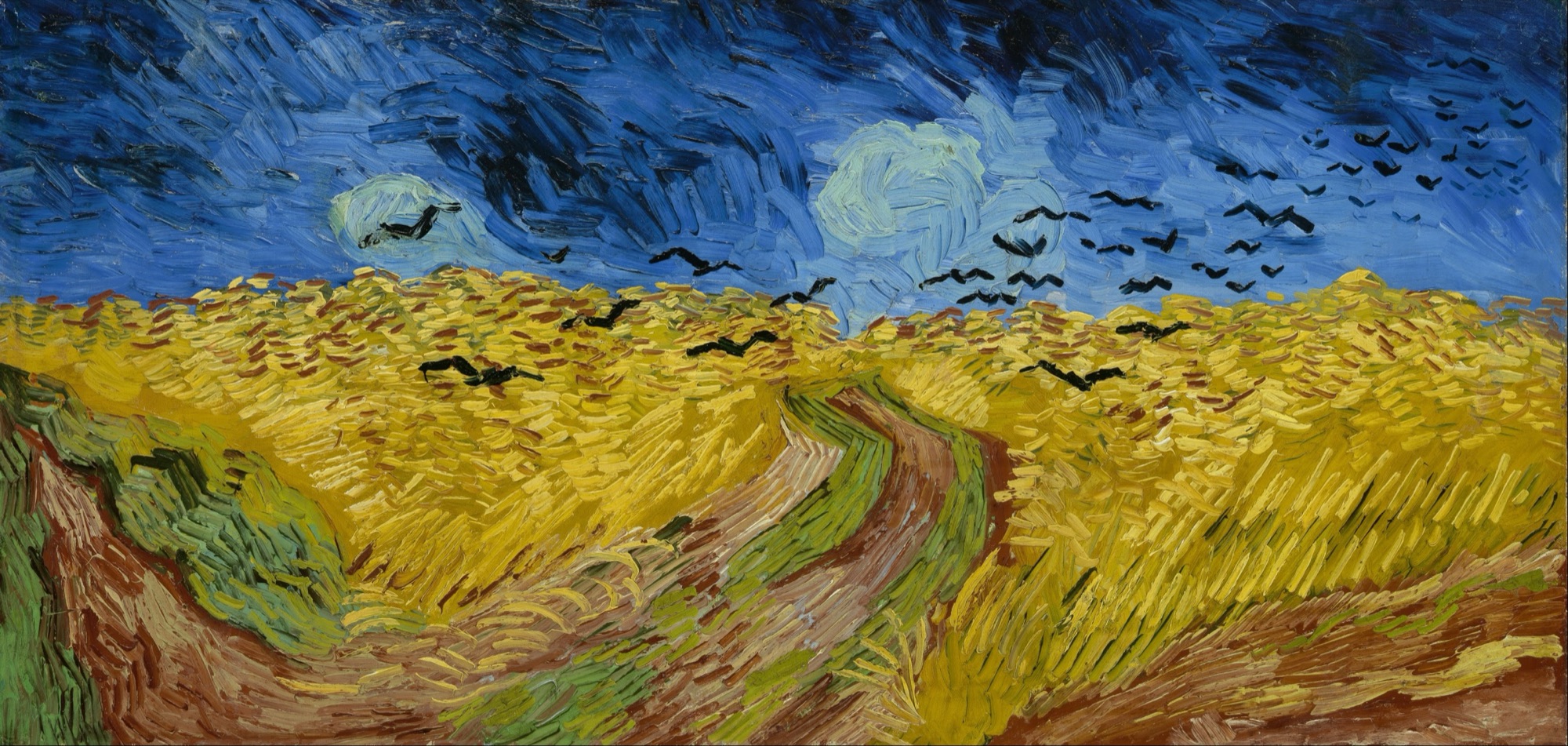
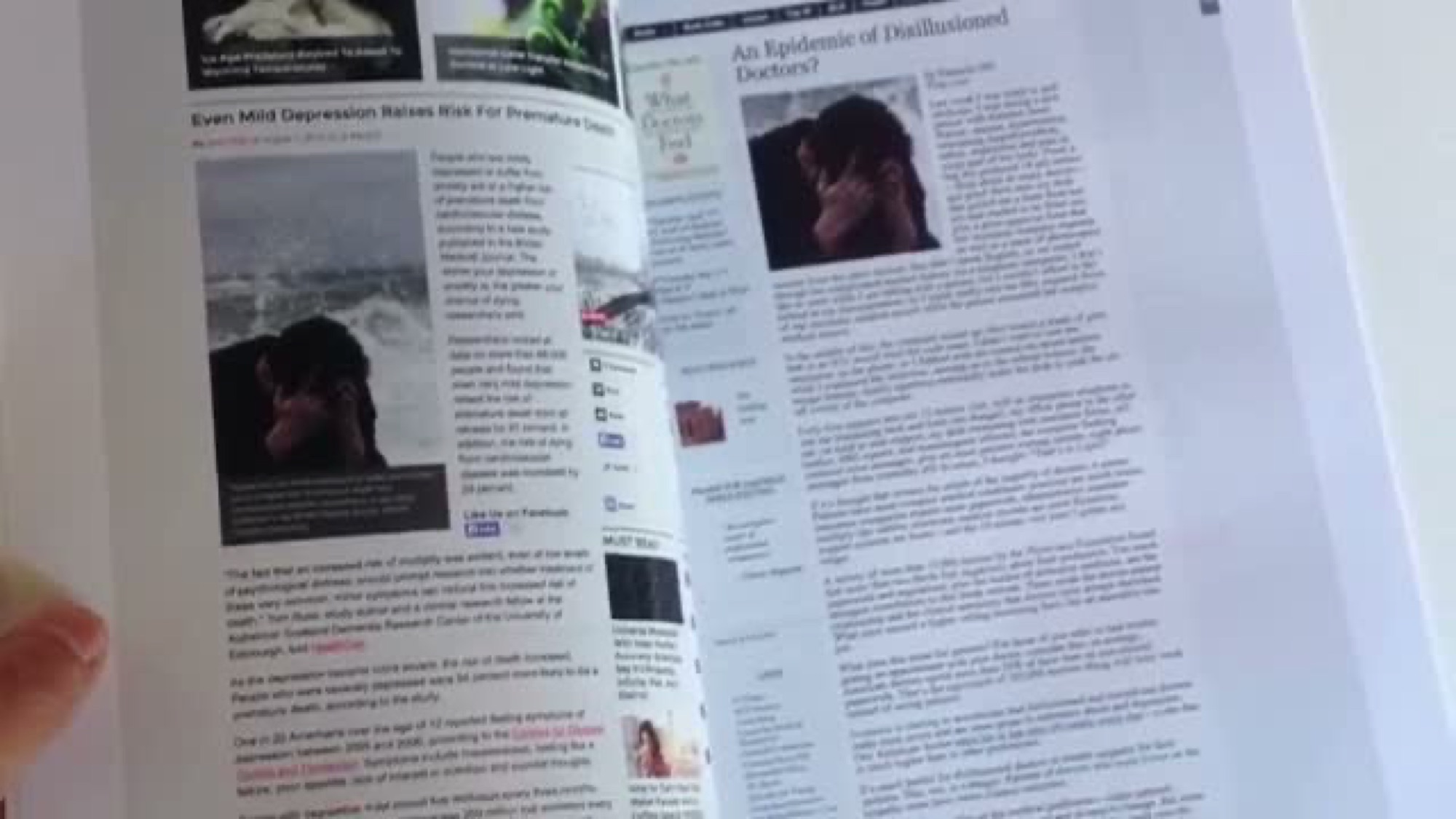
The unit begins with Images, Signs and Reality. You recall Rosler and the coffee-ad discussion to examine learned codes. Kosuth distinguishes word, image and object. Sherman and Baudrillard’s Disneyland example develop performed media roles and images used as models. A Warhol/Leth sequence tests how an actual action becomes a filmed presentation. Berger then helps you examine how a reproduction changes through its scale, caption and surroundings. You compare four classroom reproductions of the selected painting to see how each setting directs attention to its features.
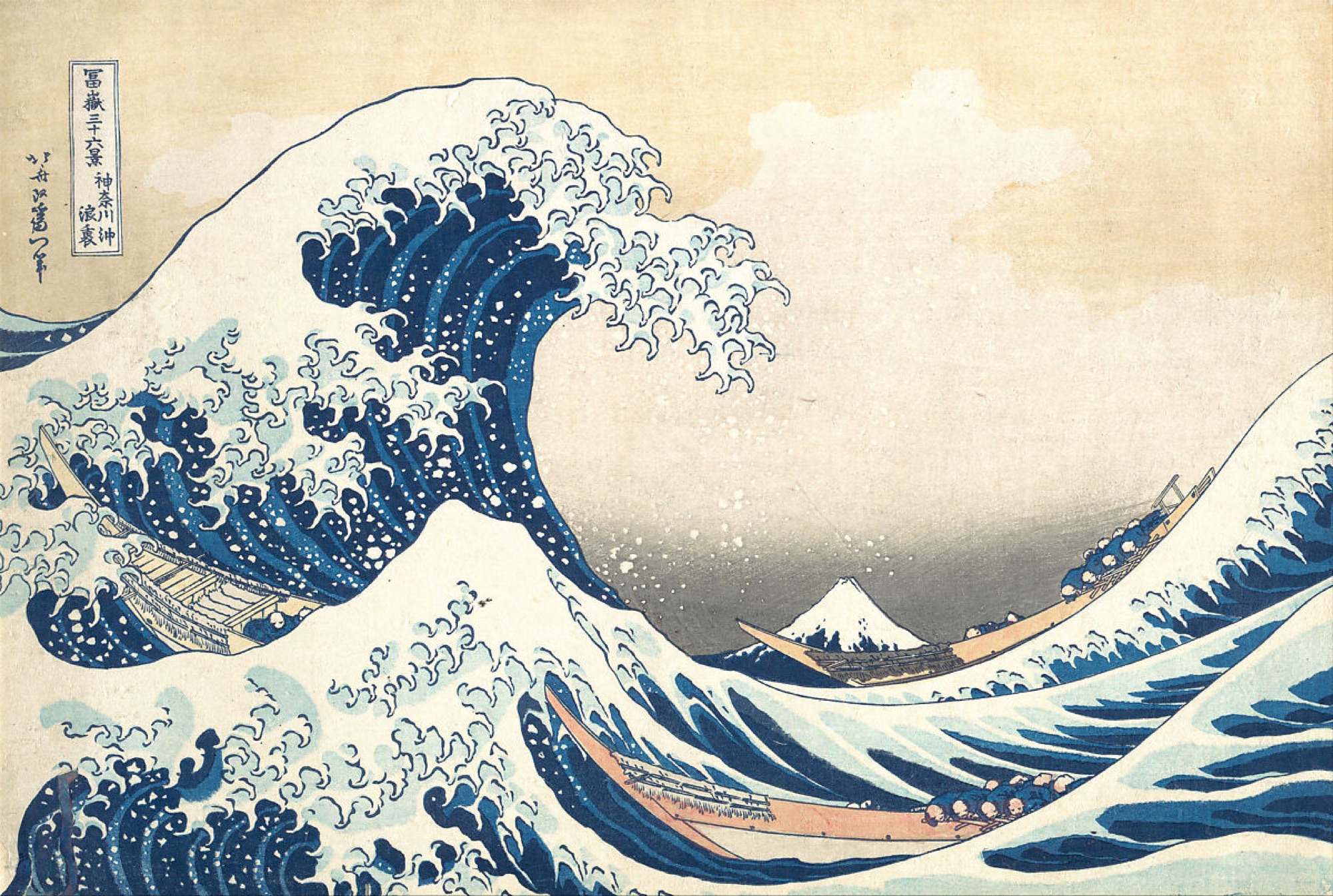
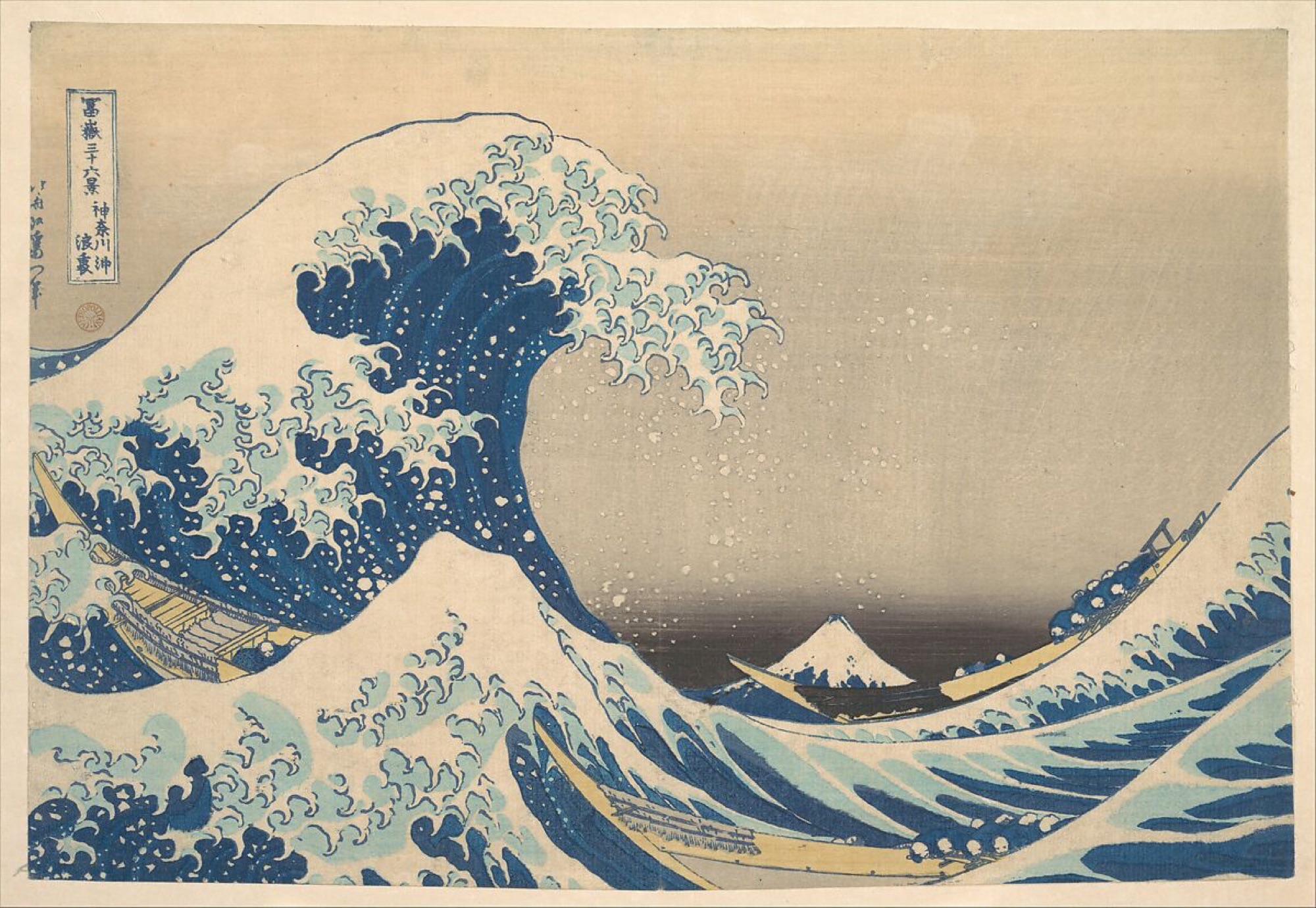
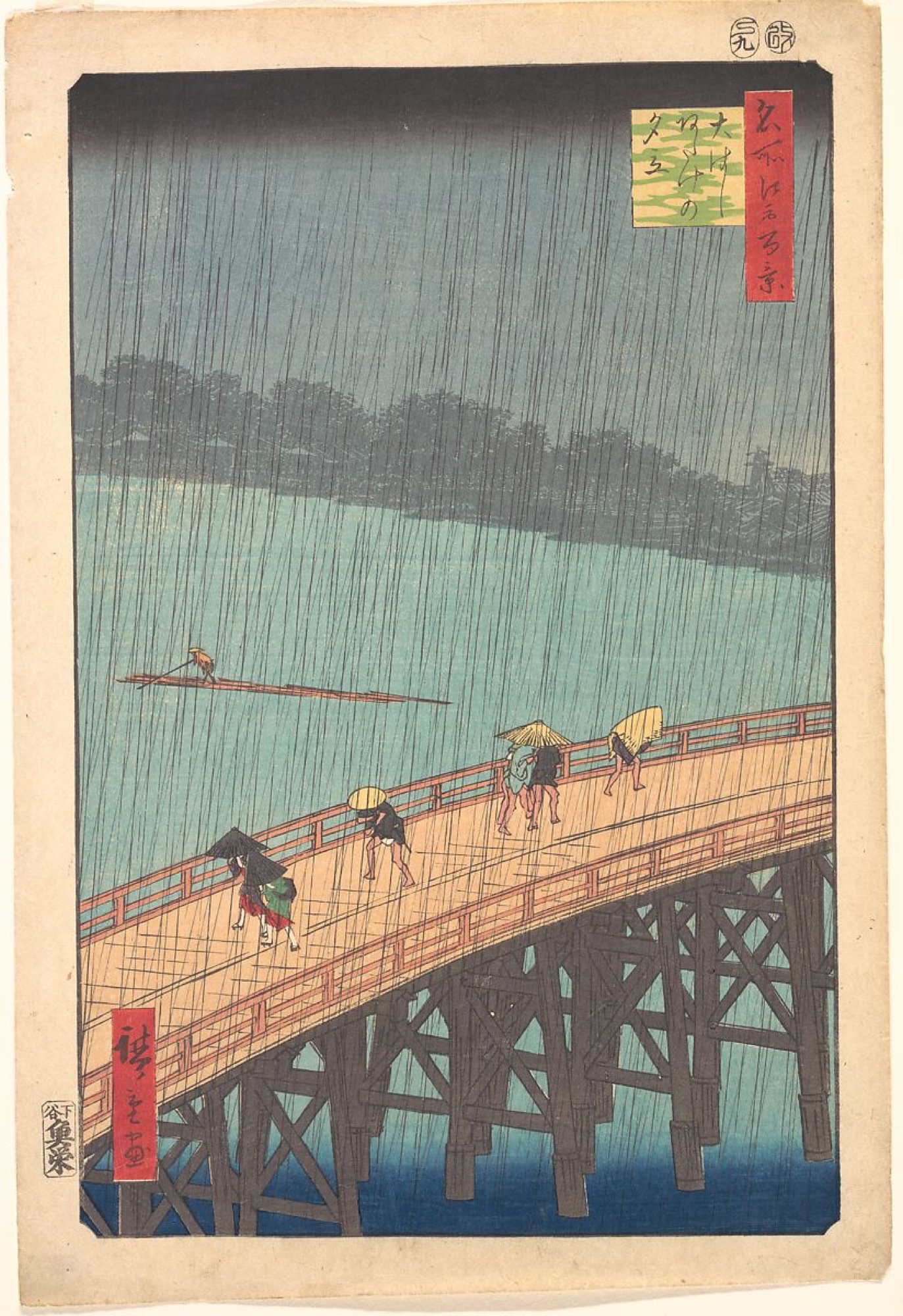
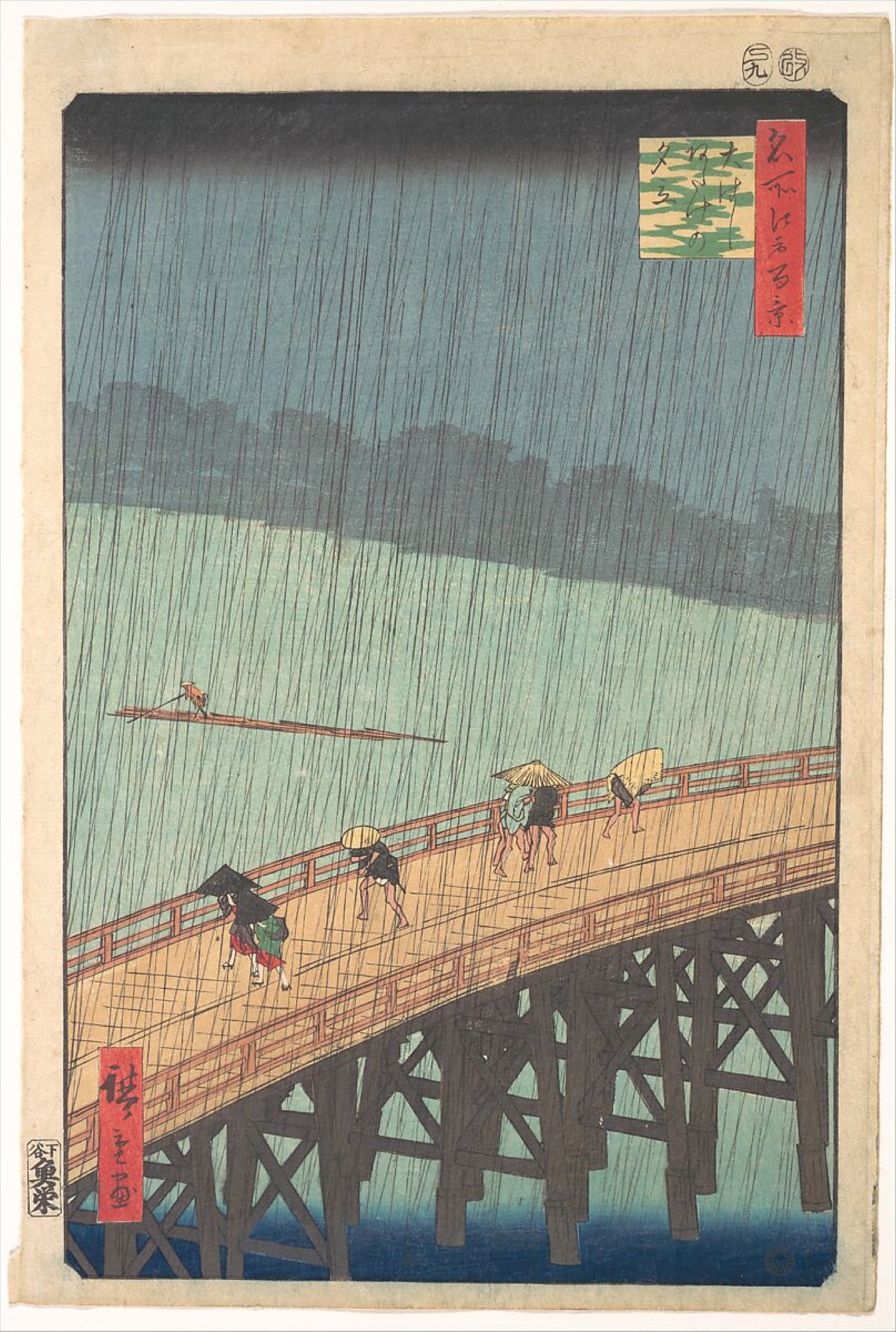
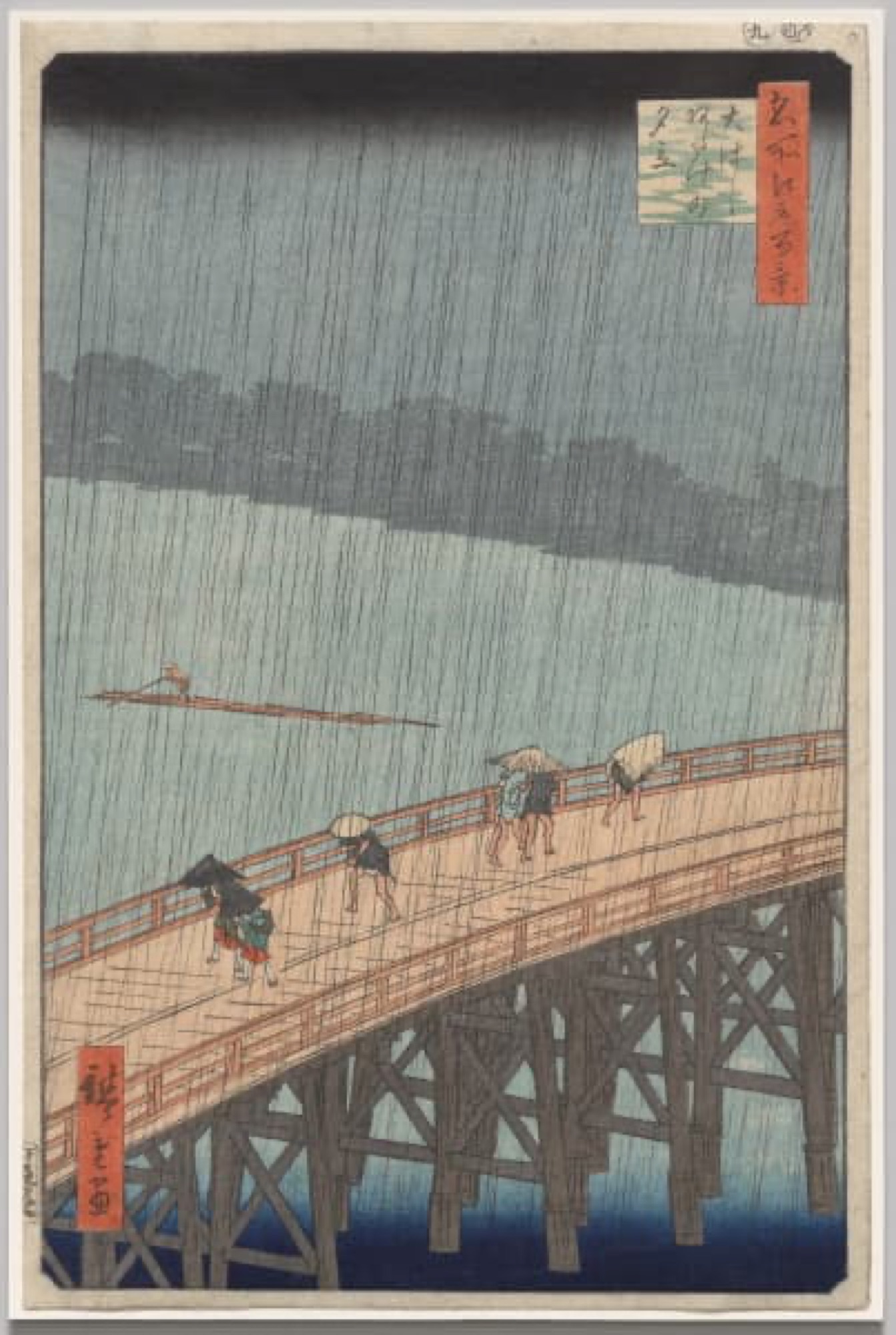
Ukiyo-e extends the inquiry to production and commerce. You learn the roles of the designer, carver, printer and publisher before the assessed Floating World seminar. You compare impressions of the same design and examine the difference between a design, a block and a printed sheet. Benjamin’s account of presence, history and reproducibility gives you terms for testing the value of an individual impression.
Godard and McLuhan connect the form of a medium to perception. Steyerl examines circulation, image hierarchies and unequal access. In the image biography, you trace changes in technique, meaning and audience across several contexts. You write a five-to-seven-sentence reflection on December 16. You also complete a technological-promises inquiry and an image constellation. Kissick tests whether wider circulation necessarily produces a stronger cultural exchange.
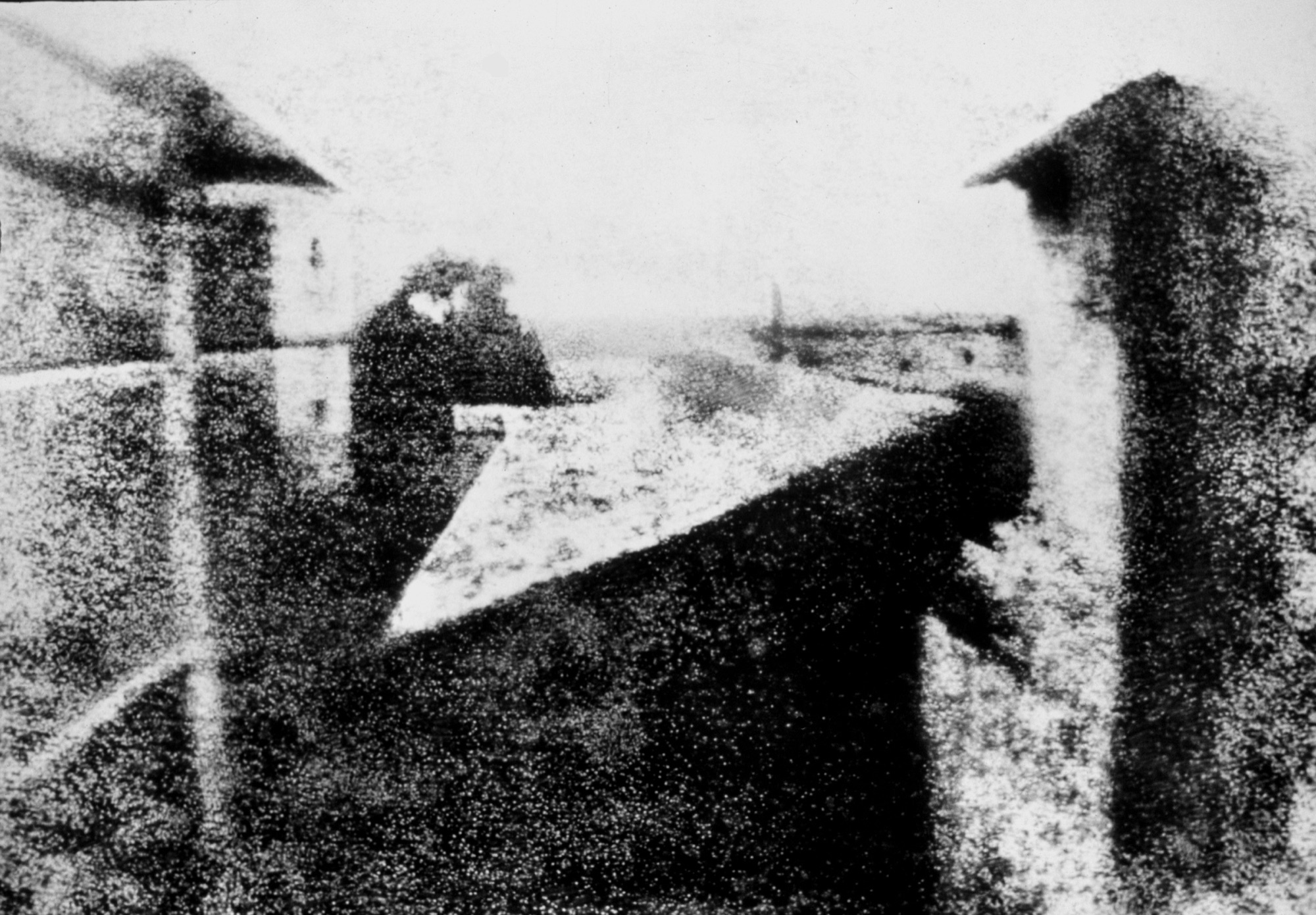
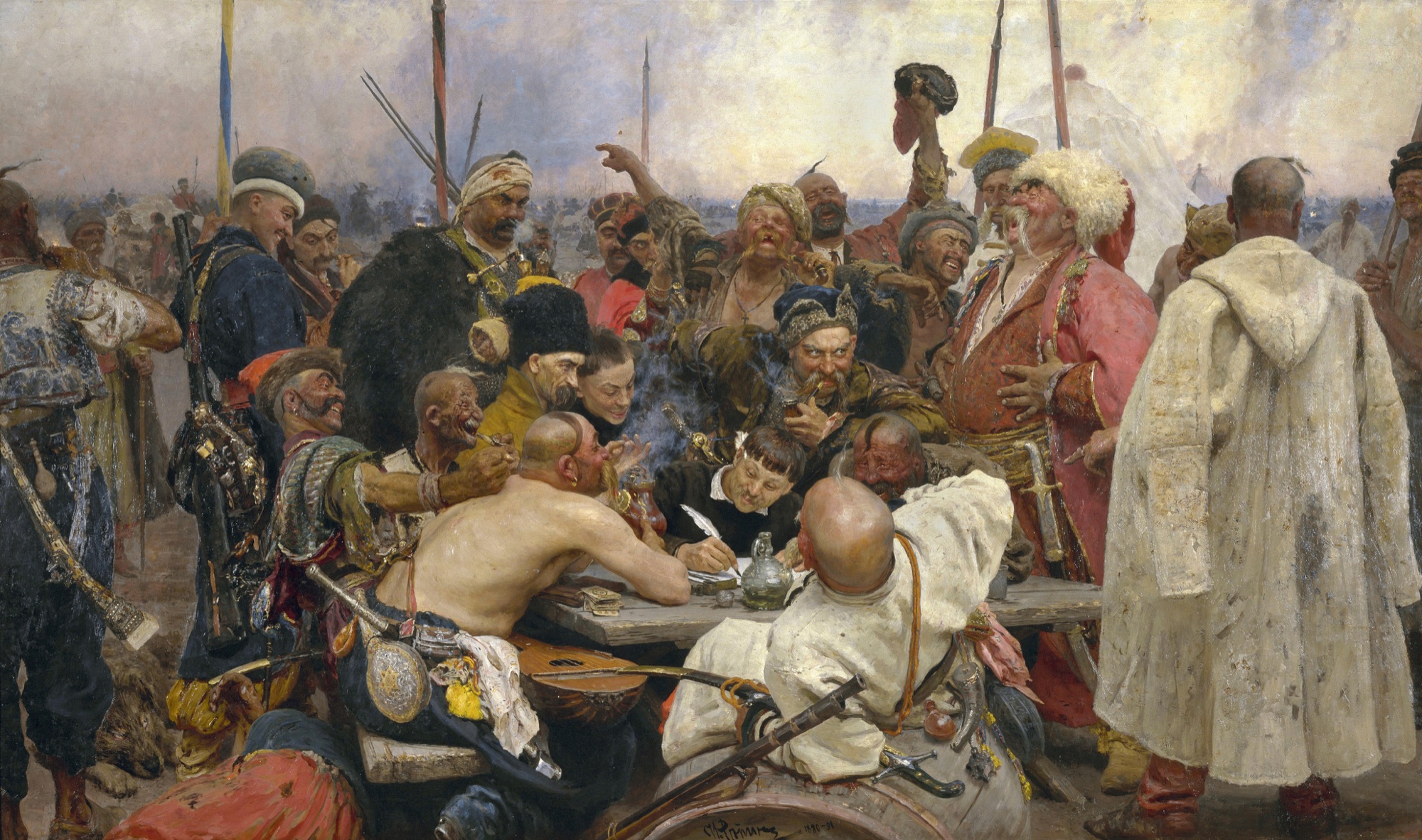
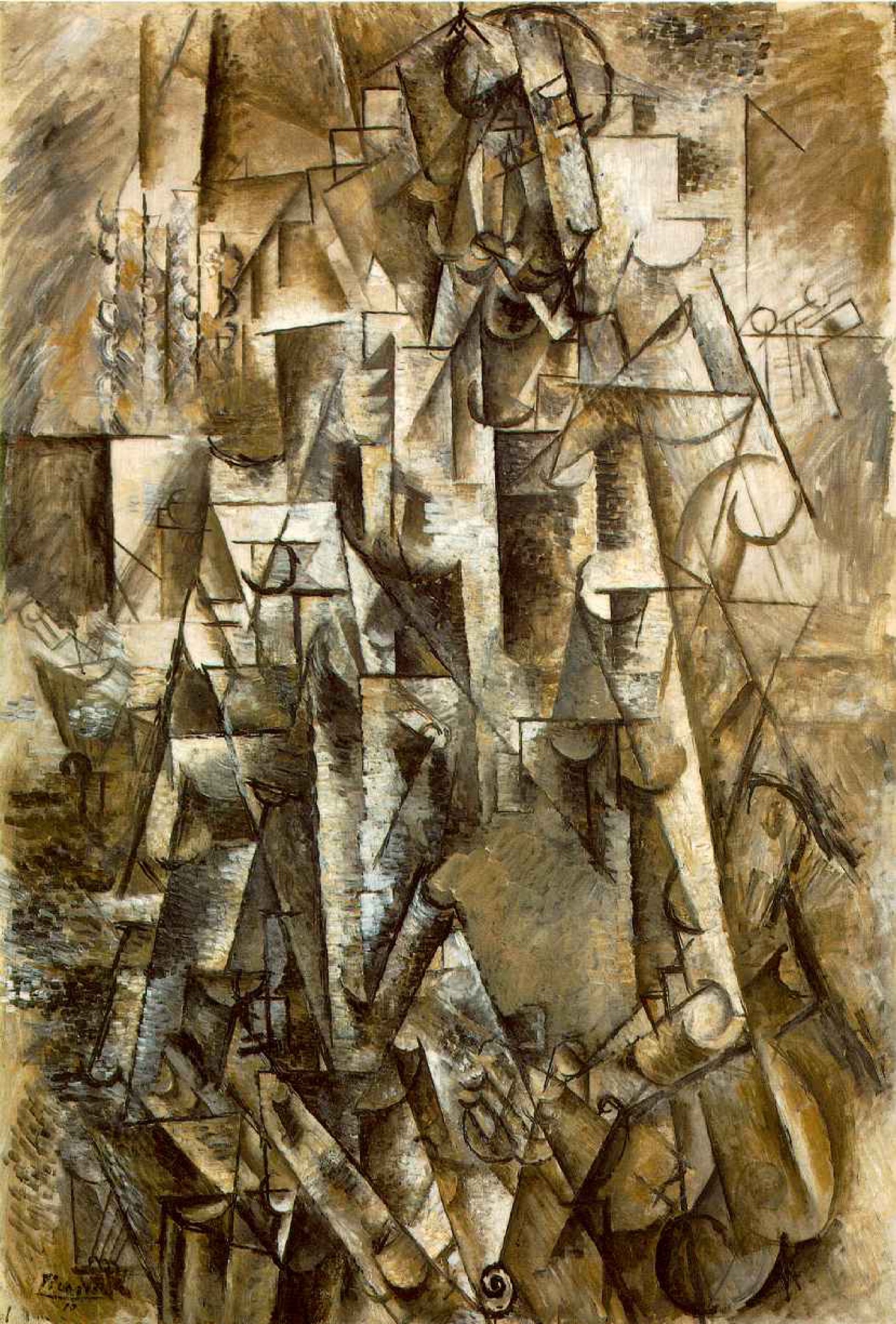
Photography leads into two connected histories. You consider changes in painting, including cropping and depictions of modern life. You also examine changes in social experience, including memory, identity and evidence. Sontag supplies a critical account of those uses. The culture-industry discussion tests standardization and apparent choice. Greenberg’s disputed comparison of Repin and Picasso prepares the question of artistic value. Danto, Warhol and Duchamp help you distinguish visual appearance from interpretation and historical context. The unit ends with pluralism: different practices coexist without having to follow one necessary direction.
You consider modernity through these changes in image production, distribution and everyday life. The sequence moves between periods to test connections. It does not claim that one invention caused all later art or that the whole history of art follows a single line.
Learning priorities
By the end of the unit, you should be able to:
- Support an interpretation of a reproduction with evidence from its form, surrounding text, setting and intended audience.
- Explain how an image’s production and circulation affect its meaning and value, distinguishing visible evidence from information that needs a source.
- Paraphrase a selected theoretical passage and test it against a specific work, including a plausible objection.
- Distinguish Berger’s context argument, Benjamin’s account of aura, Steyerl’s politics of circulation and Sontag’s account of photographic practice.
- Explain Danto’s definition problem and the end of one historical narrative without claiming that art stopped or that a museum’s approval alone makes something art.
You look or write independently before discussion. In pairs, you rehearse an interpretation and a reason before sharing. Brief individual checks help identify distinctions to revisit or alternative readings to develop. Speaking frequency is not evidence of stronger understanding.
Dates and span
November 18–December 22, with the feed investigation on January 6 in the closing unit. Images, Signs and Reality introduces the unit November 18 P1. Use the November 20 and 23 classwork guide for November 20 P2 and November 23 P4. Work on Cassatt/Rosler is complete. The November 24 double develops Baudrillard’s four phases of the image. The studies on December 9, December 15 P7 and December 18 each have a full period. All class teaching ends January 8. There are no classes December 24–January 3.
Lessons
| Date and period | Lesson | Work and assessment |
|---|---|---|
| Nov 18 P1 | Images, Signs and Reality | Brief unit introduction. |
| Nov 20 P2 and Nov 23 P4 | November 20 and 23 classwork | Work on the Food and Ethics Board, read Chapter 1 of Ways of Seeing, or do both. Nothing is due November 24. |
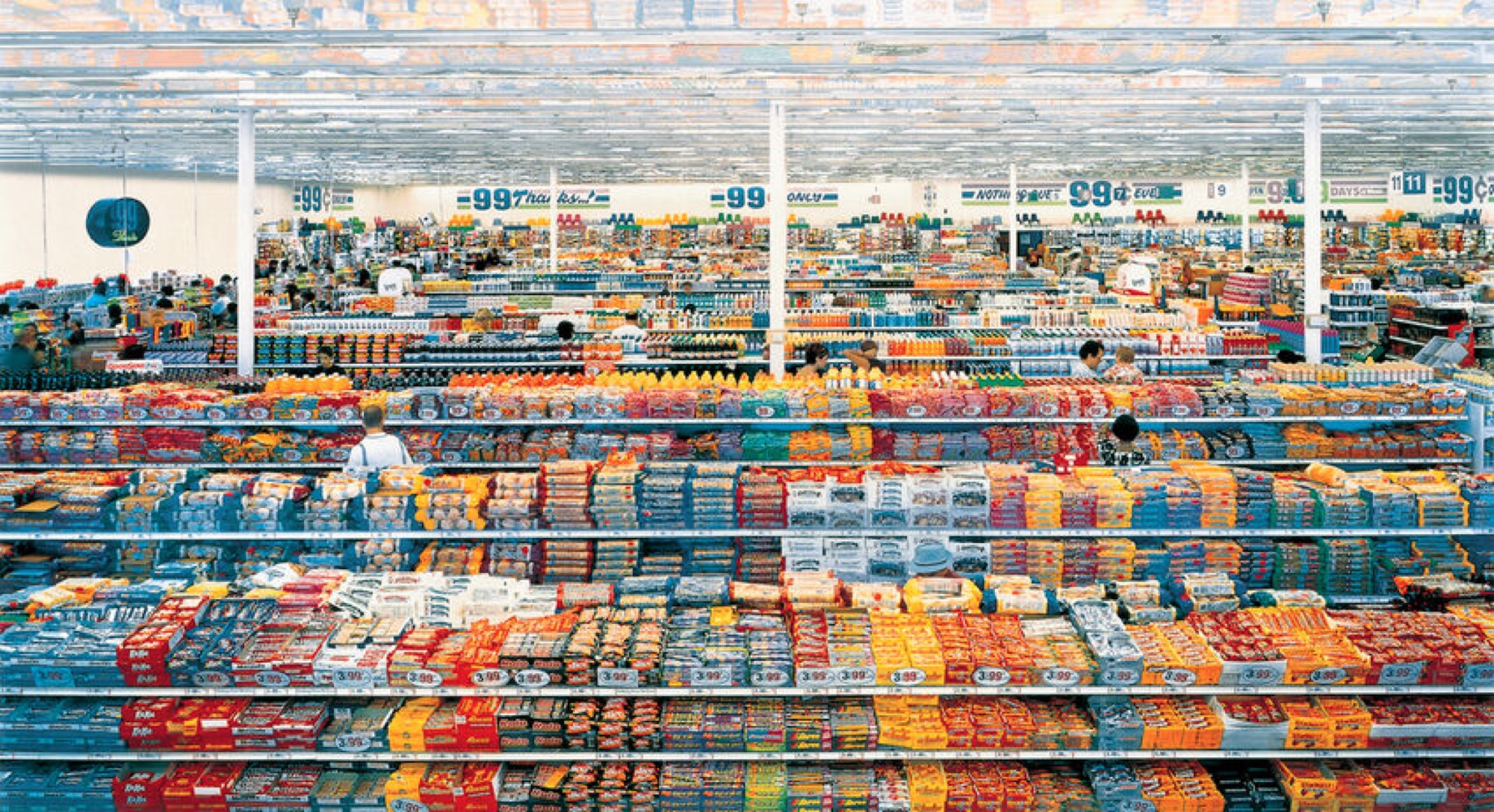
| Nov 24 P6/P7 | Images, Signs and Reality | Read Baudrillard’s four phases through Kosuth’s chair, Berger’s Van Gogh caption, Sherman’s film still and the Barbie DreamHouse. Revisit Disneyland to test the argument about reality and fantasy. Defend a reading of the fish meme, Gursky, or an image of your choice. Formative class work. |
| Dec 1 P6/P7 | Godard, Representation and Film Form | Full 3D screening and response, maximum two periods, with the normal interval. A4 is released after class. |
| Dec 2 P1 | A3 feedback and McLuhan; ukiyo-e opening | 10 minutes of feedback, 20 minutes on McLuhan and 15 minutes on ukiyo-e. Complete Benjamin preparation this evening. |
| Dec 4 P2 | Making and Selling Ukiyo-e | Complete the integrated inquiry, totaling 60 minutes with Dec 2. You receive the reflection brief. |
| Dec 7 P4 | Reproduction contexts and discussion preparation | Review Berger/ukiyo-e, complete a caption exercise and prepare a claim, evidence and objection. You receive the Floating World brief. |
| Dec 8 P6 | Copies and Reproductions | Assessed discussion, 12:35–13:20, using the existing criteria. |
| Dec 8 P7 | Steyerl and Kissick | Read and connect the texts to Godard. Examine circulation, access, work and value. |
| Dec 9 P1 | The Life of an Image | Full 45-minute biography of an image you choose, using at least three or four contexts and three distinct theoretical lenses. |
| Dec 11 P2 | The Floating World | Assessed discussion, 08:55–09:40, using the existing criteria. |
| Dec 14 P4 | Techno-utopianism | Full 45-minute inquiry comparing Apple/Google promises with conditions, followed by a connection to early photography. |
| Dec 15 P6 | high-image constellations | Select four to six images. Show nonchronological relationships with annotations and a brief explanation. This work is formative. |
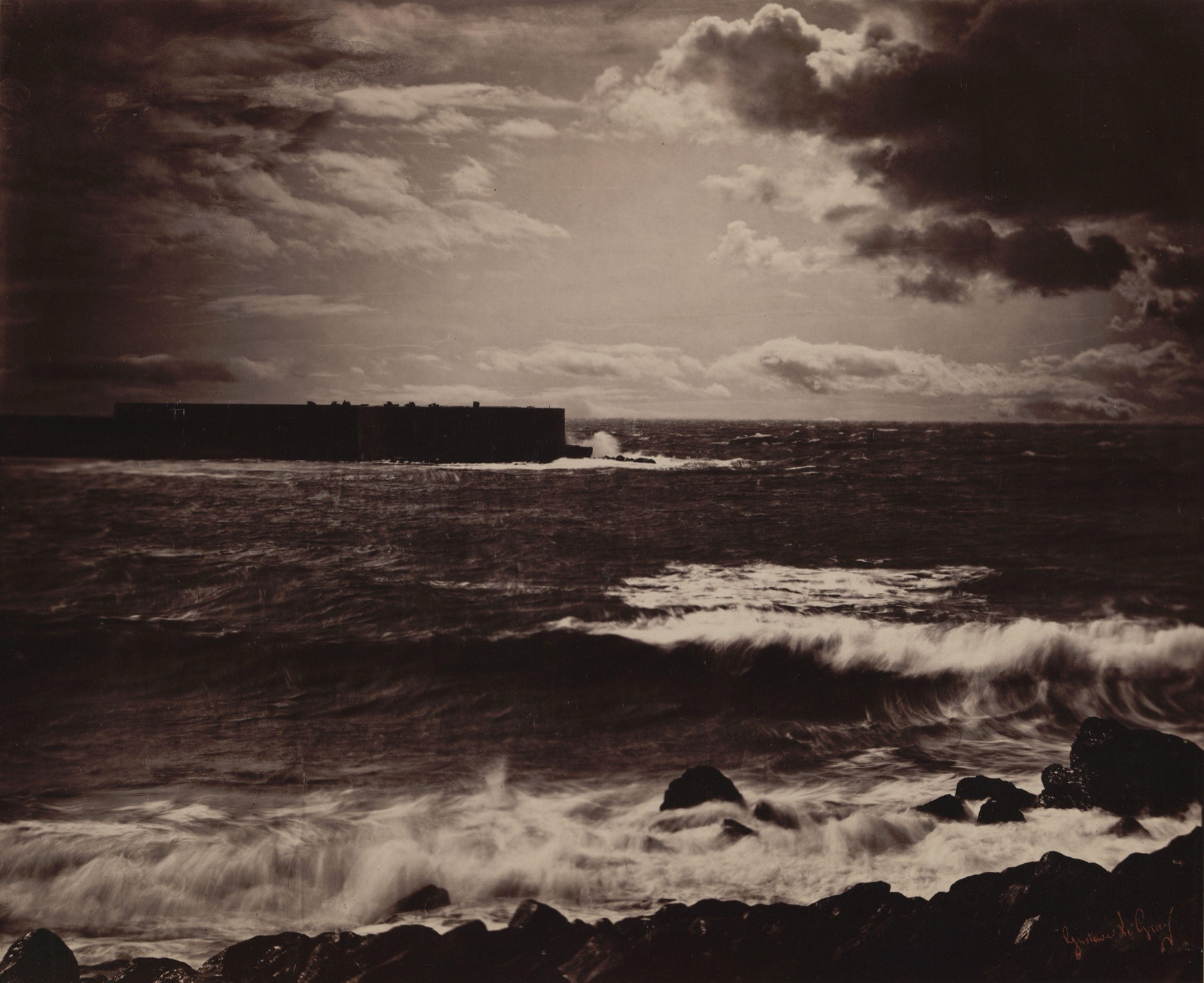
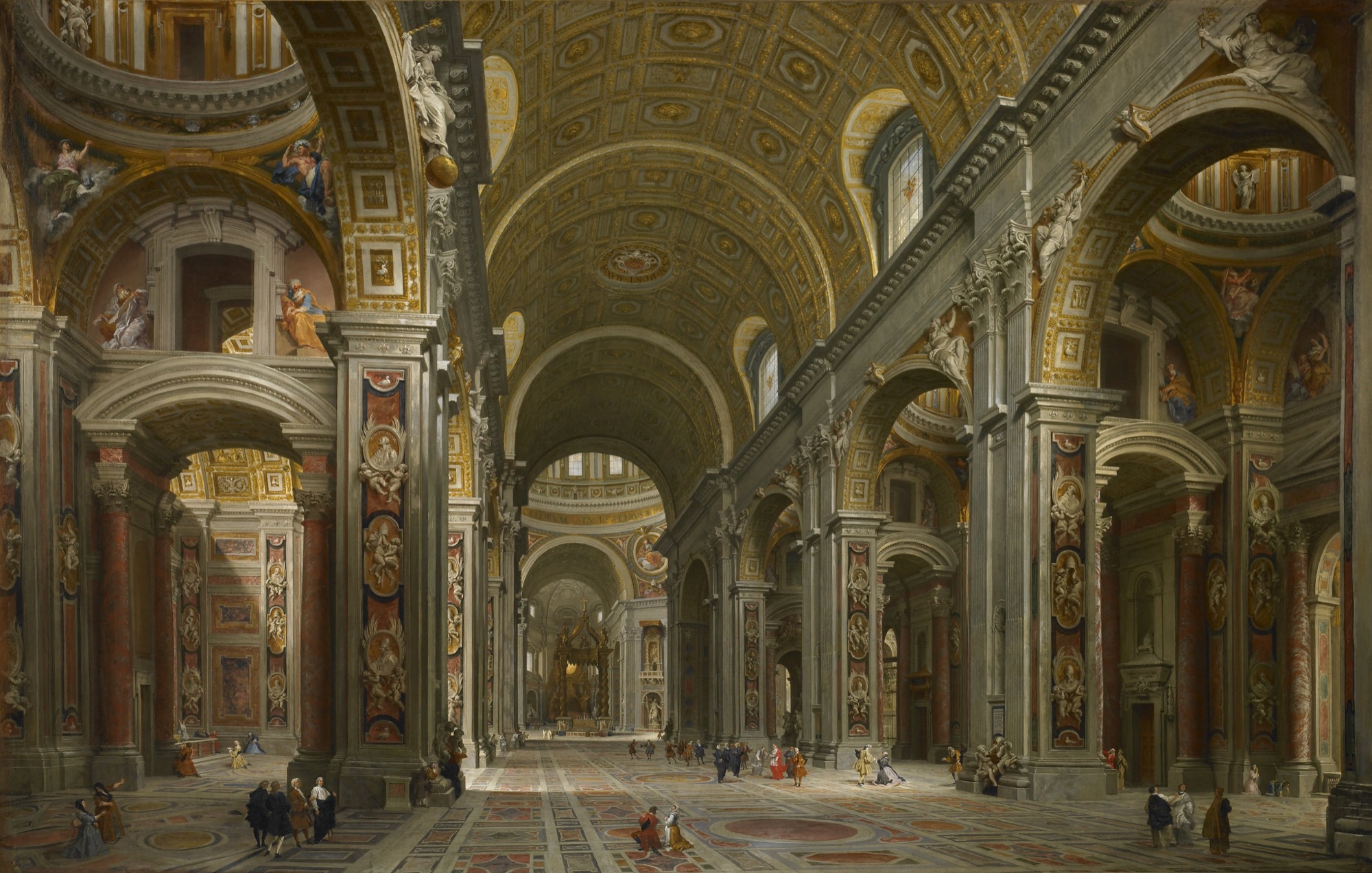
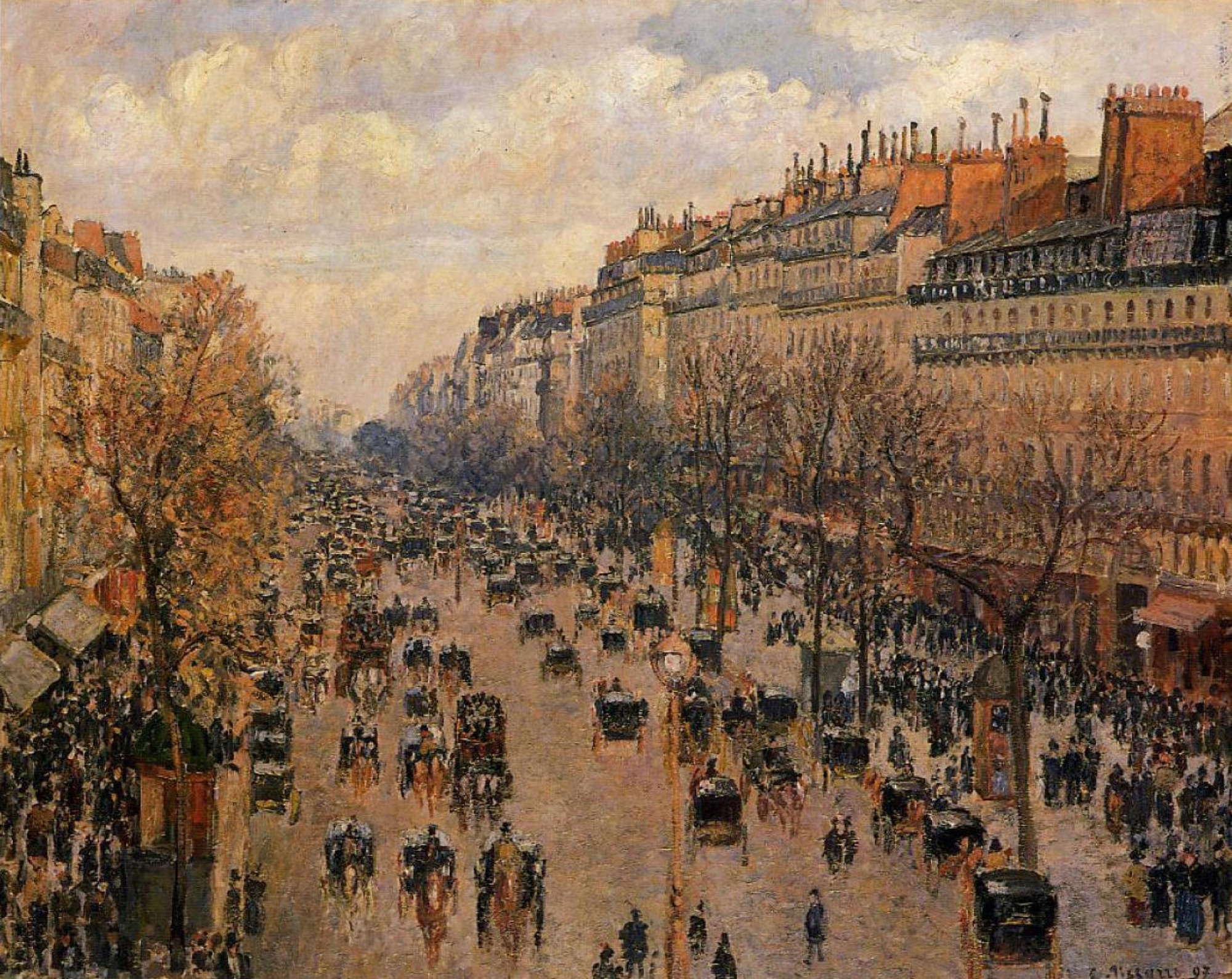
| Dec 15 P7 | Photography, Painting and Visual Evidence | Full 45-minute photography survey, Le Gray, Panini/Pissarro and evidence inquiry. |
| Dec 16 P1 | Image Circulation Reflection | Assessment at 08:00: 30 minutes of preparation and 15 minutes of individual writing, five to seven sentences. |
| Dec 18 P2 | Sontag: Photography, Memory and Possession | Full 45-minute study. Use Sontag/Jacobs and refine your essay objection. |
| Dec 21 P4 | Culture Industry and Artistic Judgment | A4 essay due before 10:45. Class covers culture industry for 20 minutes and Greenberg for 25 minutes. |
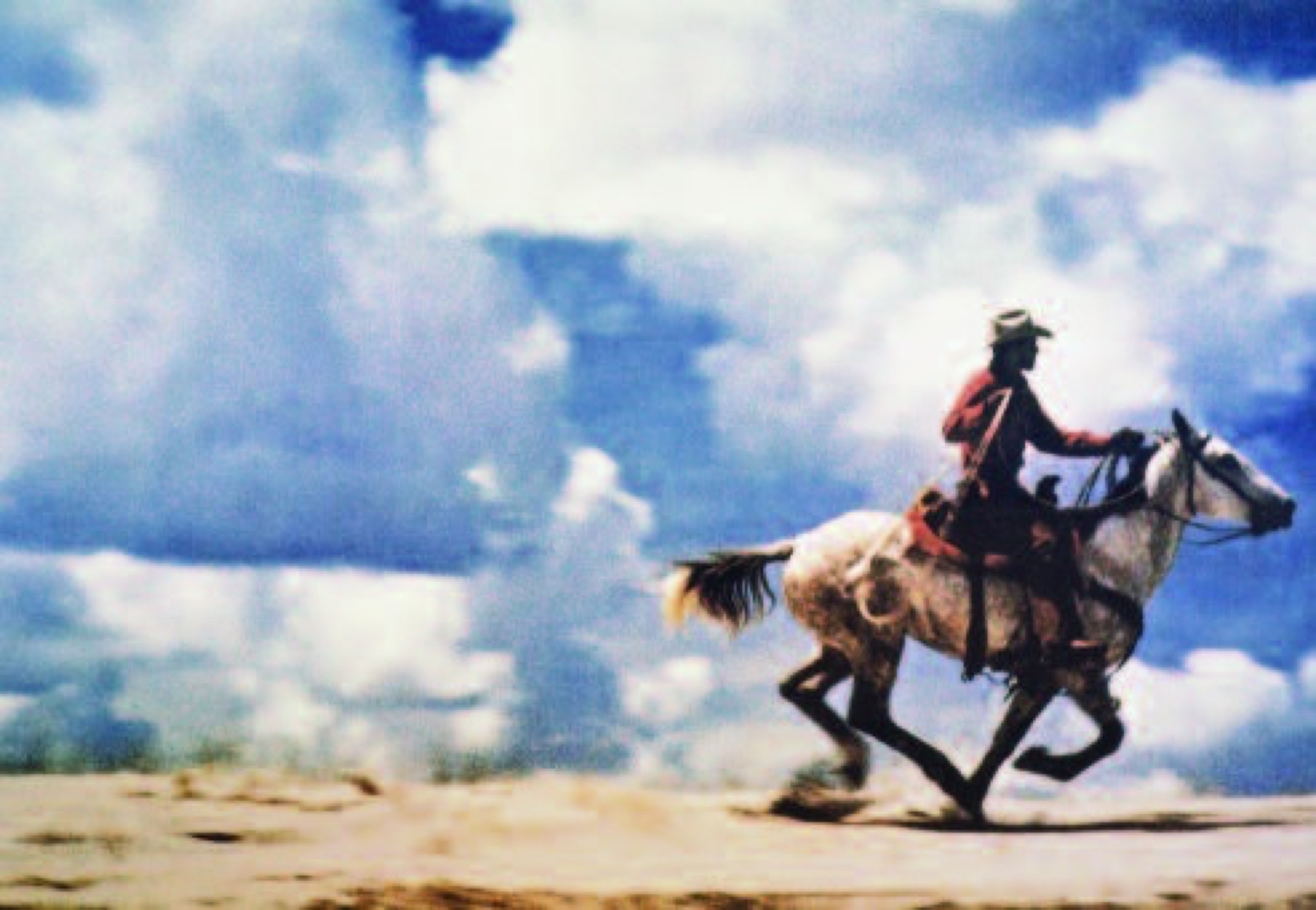
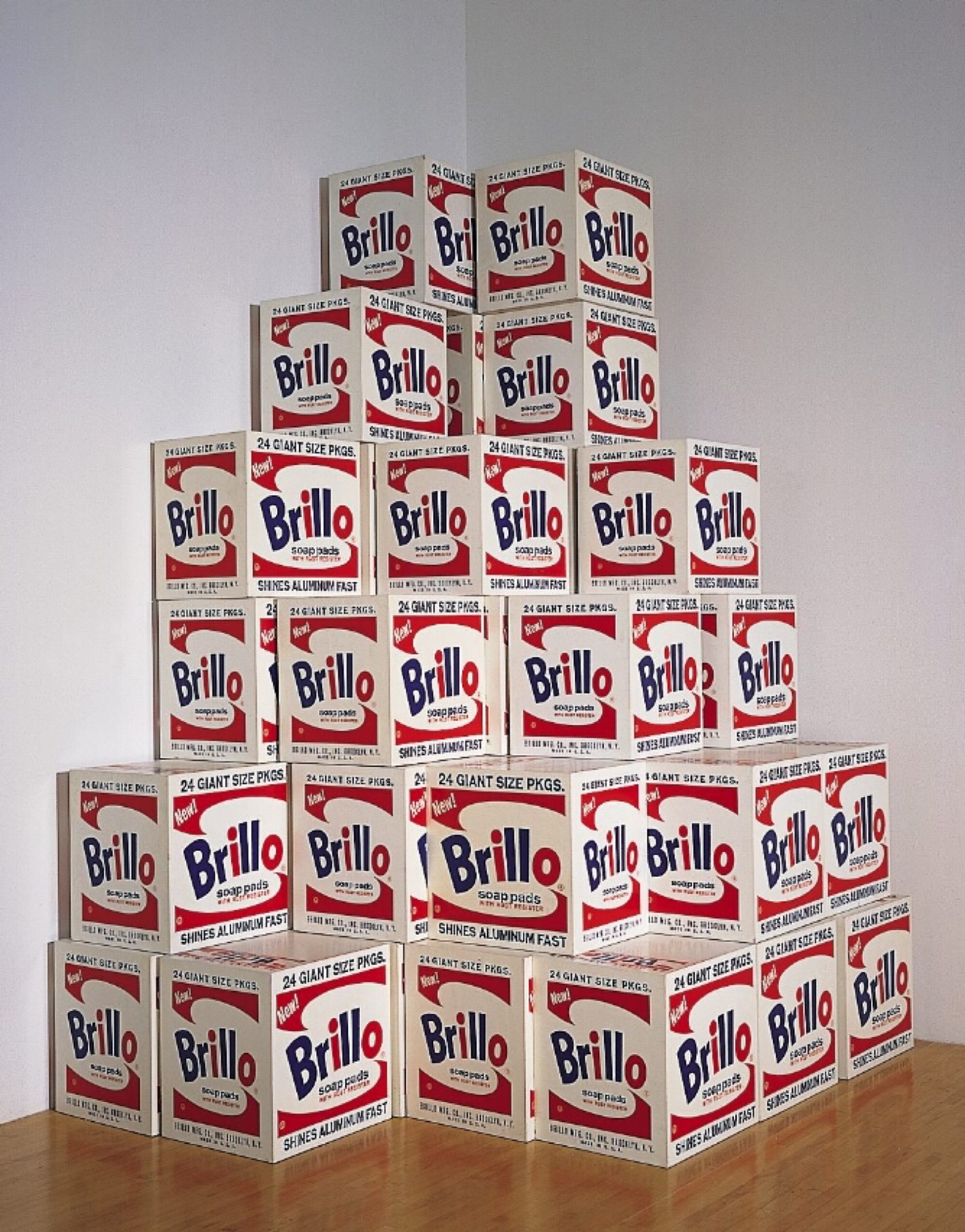
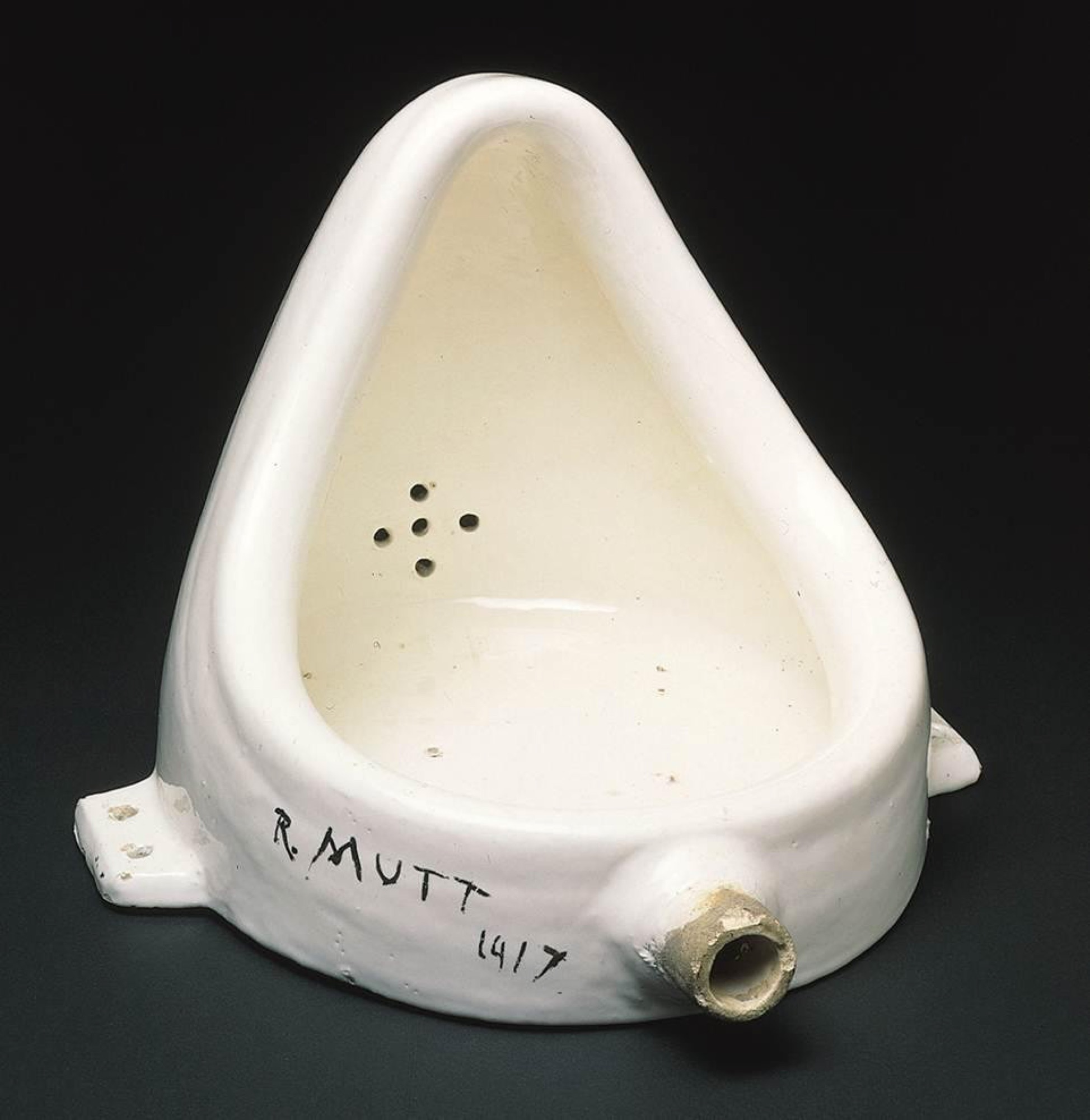
| Dec 22 P6/P7 | Danto: Warhol, Duchamp and the Artworld | Two full periods: Marilyn Diptych, Brillo, historical tensions, Black Square, readymades and Yi/Walker pluralism. |
Benjamin’s Aura and Print Impressions guide supports the integrated December 2/4 inquiry. It is not a separate lesson.
Readings and assessments
Follow the reading guide: Berger → Steyerl → Kissick → Sontag → Jacobs. Each has a supported handout. Finish the main reading by December 13. Use thirty minutes daily for reading and writing preparation: models December 8–10, drafting December 14–18 and revision December 19–20. The two full practice models use a reserved preparation question.
| Assessment | Date | Requirements |
|---|---|---|
| Copies and Reproductions | Dec 8 P6, 12:35 | Assessed discussion using the existing rubric |
| The Floating World | Dec 11 P2, 08:55 | Assessed discussion using the existing rubric |
| Image Circulation Reflection | Dec 16 P1, 08:00 | Minor/Course Skills record; 30 minutes of preparation and 15 minutes of individual writing, five to seven sentences |
| A4 Images and Mediation Essay | Dec 21 before P4, 10:45 | Individual essay of 1,000–1,200 words, with a choice of question, two authors, two visual cases and an objection; released Dec 1 |
A3 is November 30 P4, 10:45. The Semester Synthesis Board is January 5 P7, 13:30, worth 20%. You receive the brief December 23. Use the current register for assessment categories.
Lessons
- Images, Signs and Reality
Class dates and studies
- Berger: Reproduction and Context
- Godard, Representation and Film Form
Class dates and studies
- Making and Selling Ukiyo-e: The Floating World
Class dates and studies
- A Painting in Four Settings
- Steyerl and the Poor Image
- The Life of an Image
- Photography, Painting and Visual Evidence
- Sontag: Photography, Memory and Possession
- Culture Industry and Artistic Judgment
Class dates and studies
- Danto: Warhol, Duchamp and the Artworld
Class dates and studies
Project guides
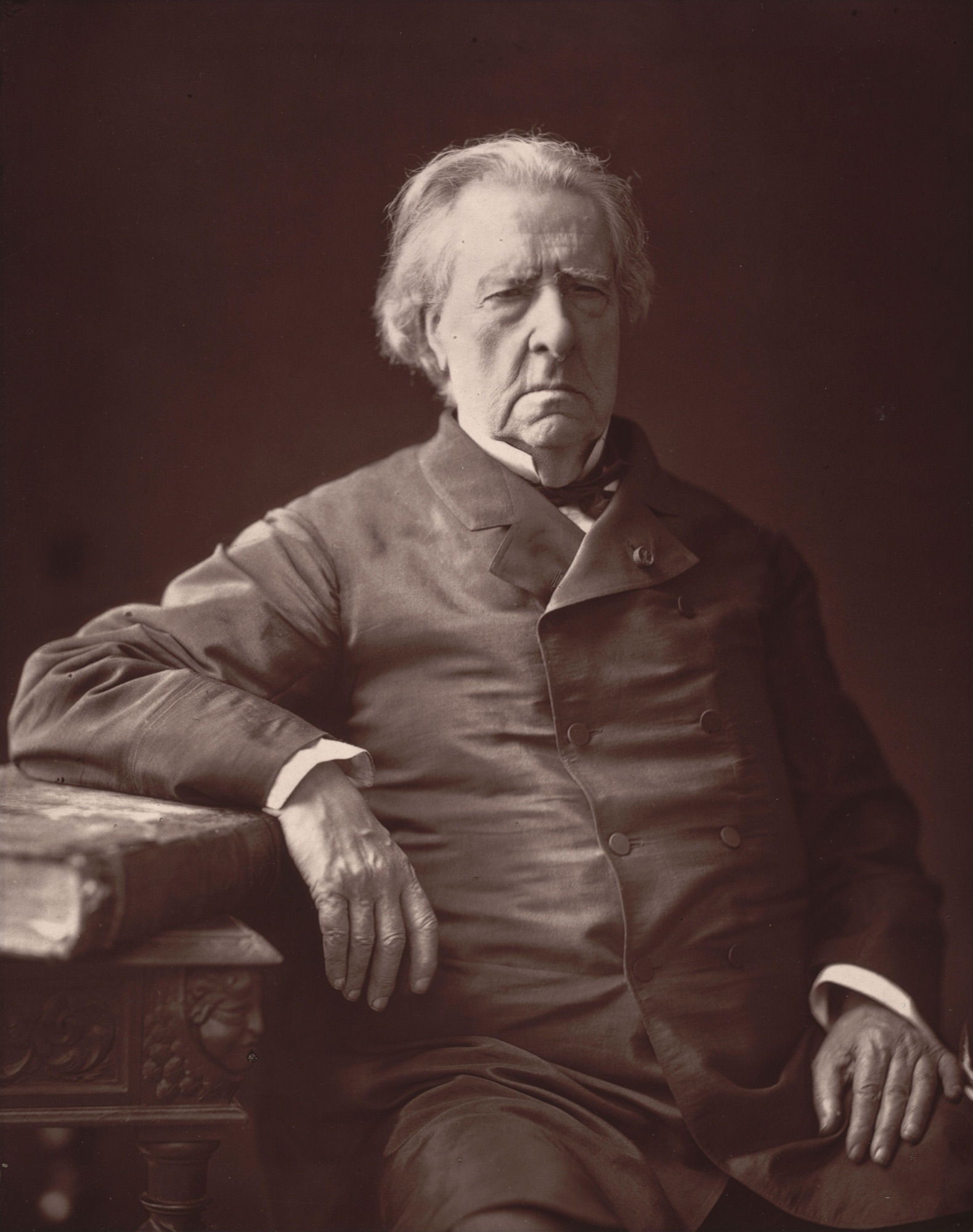
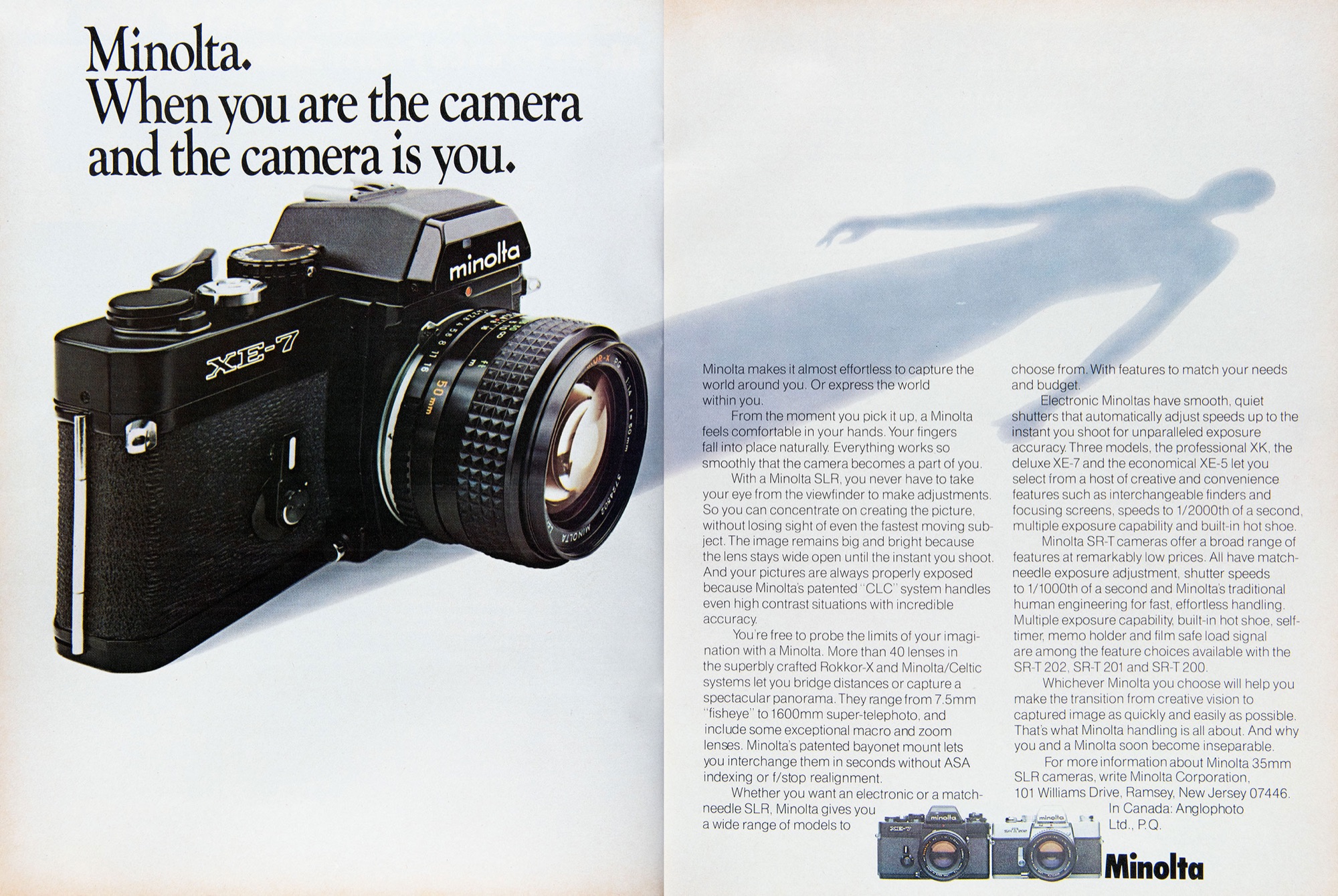
Unit gallery

Assignments
- Art Appreciation · S1: Copies and Reproductions · 8 Dec · 12:35
- Art Appreciation · S1: The Floating World · 11 Dec · 08:55
- Art Appreciation · S1: Image Circulation Reflection · 16 Dec · 08:00
- Art Appreciation · S1 A4: Images and Mediation Essay · 21 Dec · before P4