Danto: Warhol, Duchamp and the Artworld
Lesson slides: Download the deck (PowerPoint, 11.5 MB) · image credits
At a glance
| Field | Details |
|---|---|
| Dates | Tue 22 Dec P6/P7 · two full periods |
| Focus | Danto: Warhol, Duchamp and the Artworld |
| Unit | Images Mediation And Modernity |
Objectives
- Use Warhol and Duchamp to explain why visible resemblance cannot settle artistic status.
- Test criteria for two contemporary works with different aims.
Materials and resources
-
the-artworld-and-the-brief.pptx
Use the works and source readings named below. Keep the full composition visible while looking.
Tasks
Pop, appearance and interpretation · December 22 P6
Observe Marilyn Diptych: explain how repetition, screenprinting, celebrity and changing clarity affect a possible reading. Connect a visible decision with reproducibility or commodity culture; consider another interpretation.
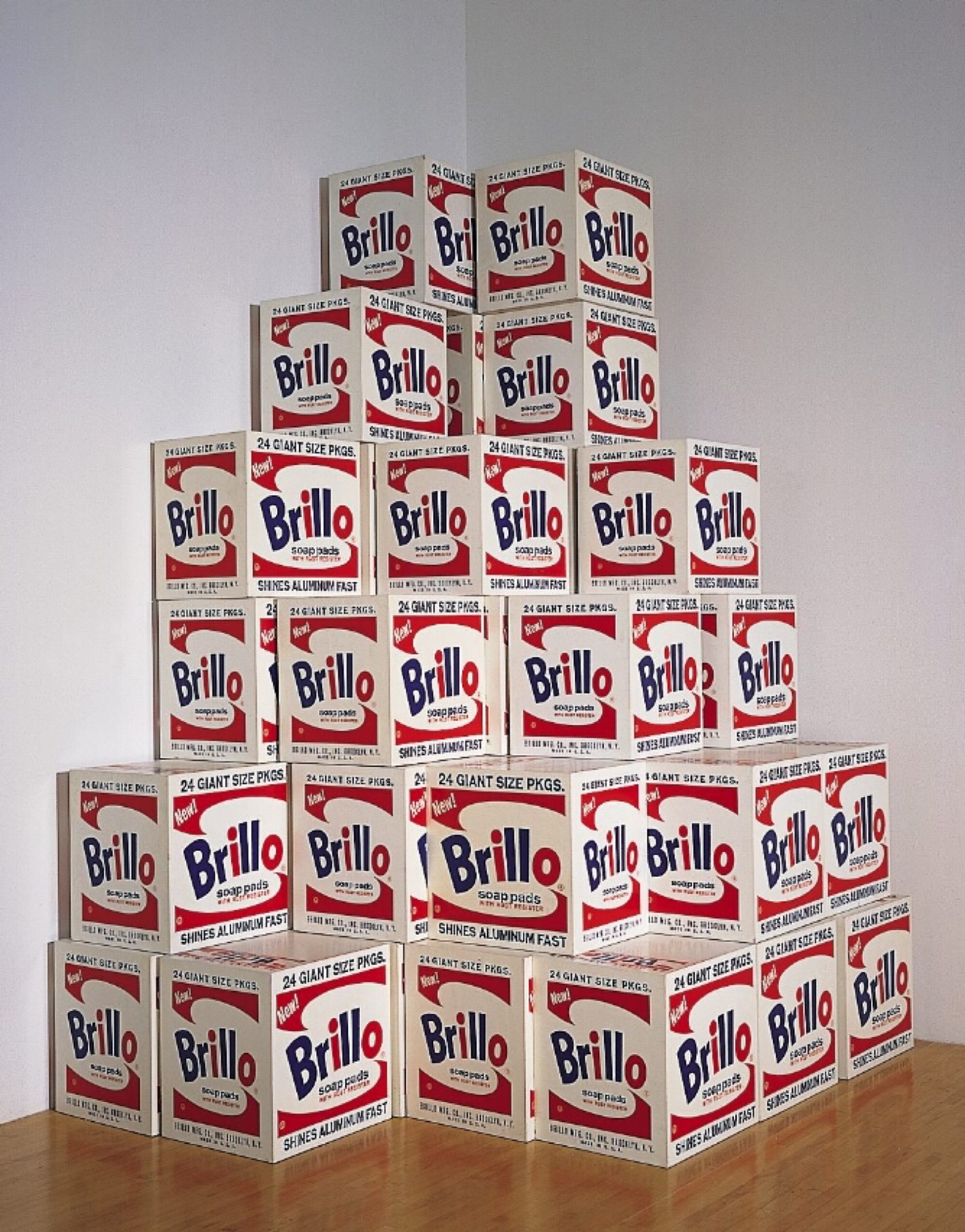
Compare Warhol’s Brillo Boxes with the documented commercial package. Describe what appears similar and what the source identifies as different. Explain why one may be understood as art, distinguishing a visible feature, a historical fact and an interpretation. Read Danto’s selected sentence and revisit your explanation. Test what theory and art history explain beyond a museum location.
Use photography, the Impressionist example, Black Square and Brillo Boxes to explain changing artistic aims. State what ends in Danto’s later account and what continues; do not describe all cultures as following one necessary path.
Readymades and pluralism · December 22 P7
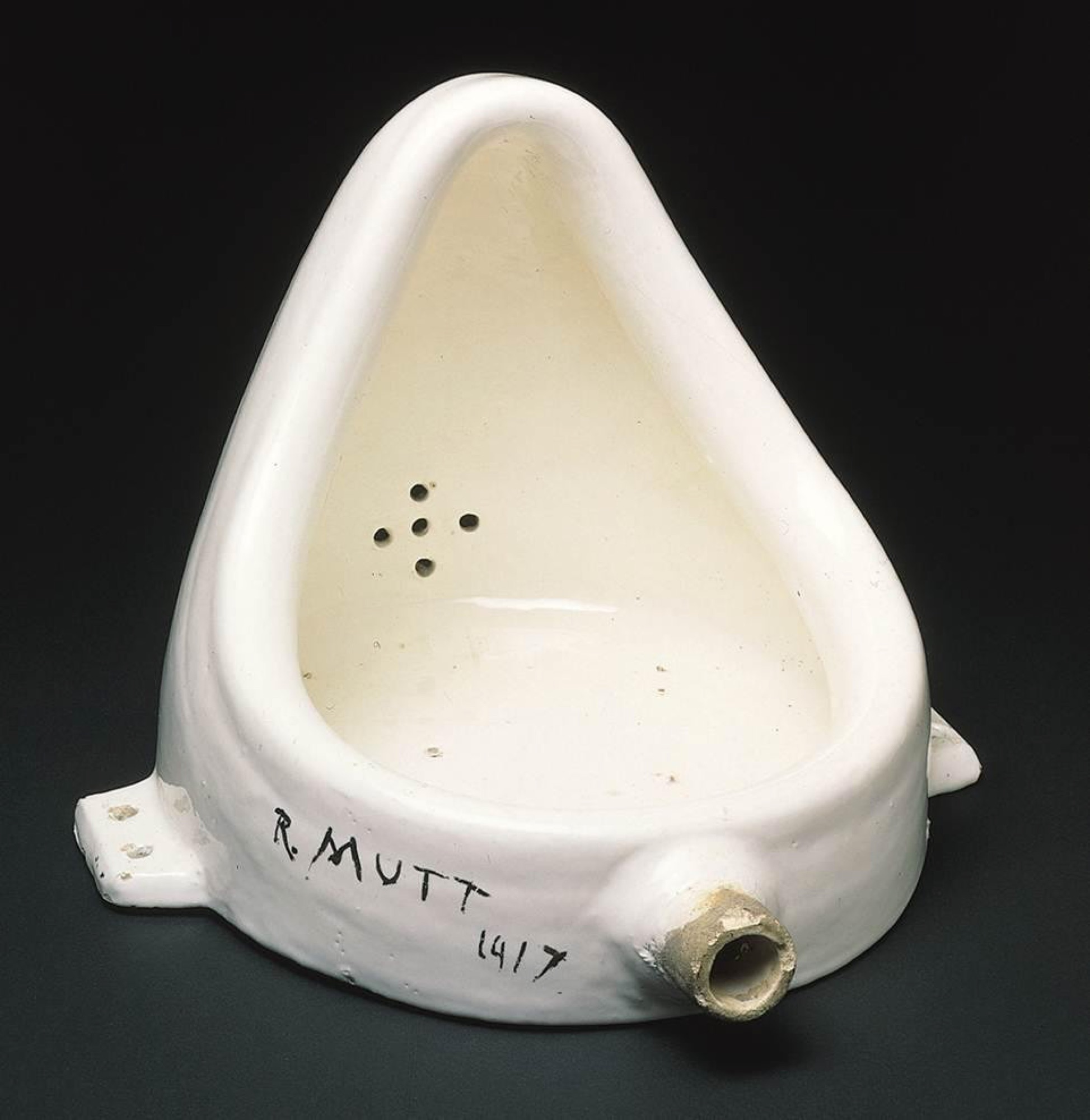
Compare Fountain, In Advance of the Broken Arm and Brillo Boxes. Explain making, choosing, titling or presenting through the actual captioned version. Discuss or write briefly: If a Brillo artwork and a store carton appear alike, what do medium, context and theory explain? Use relevant ideas from McLuhan, Berger or Steyerl.
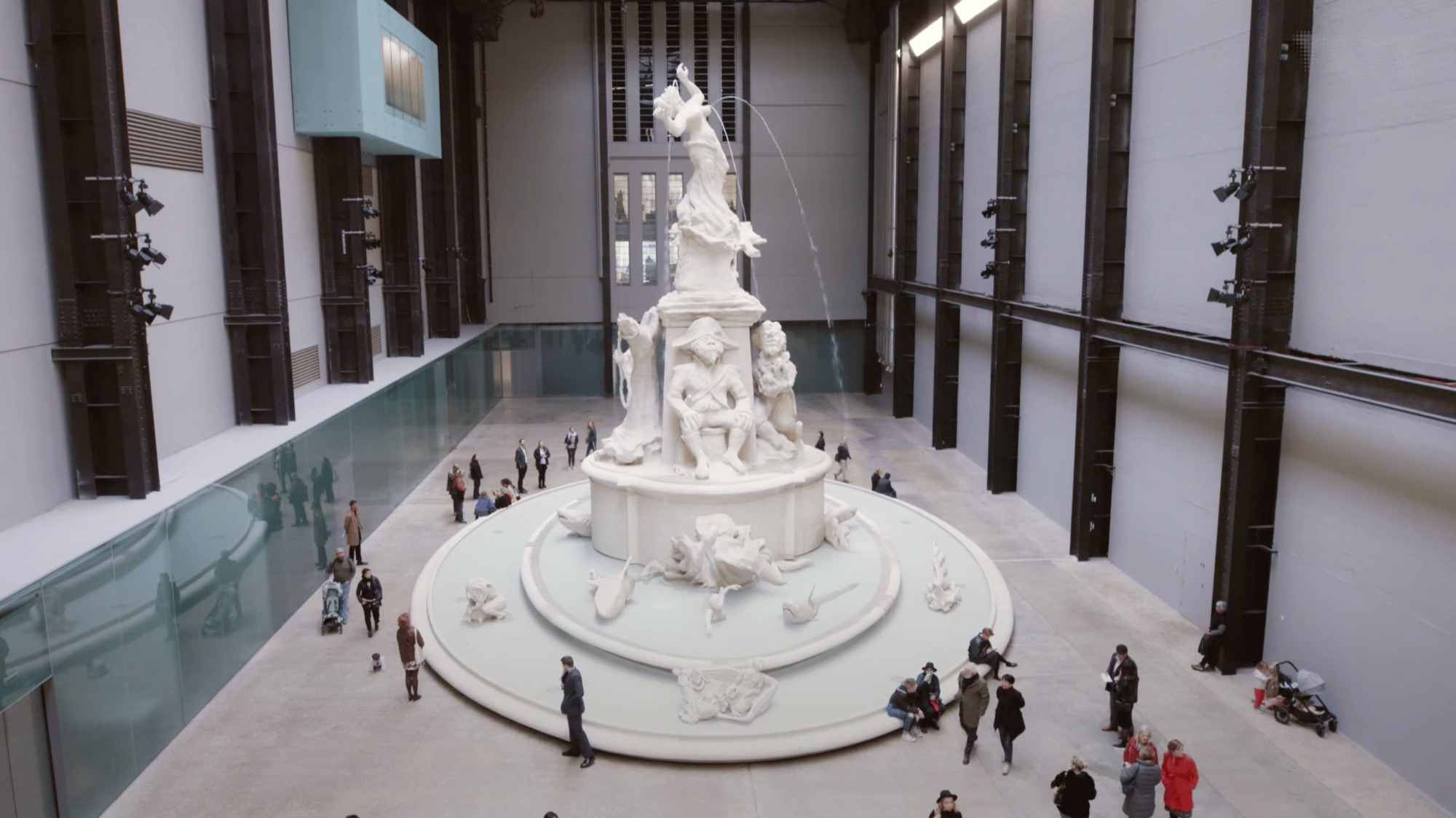
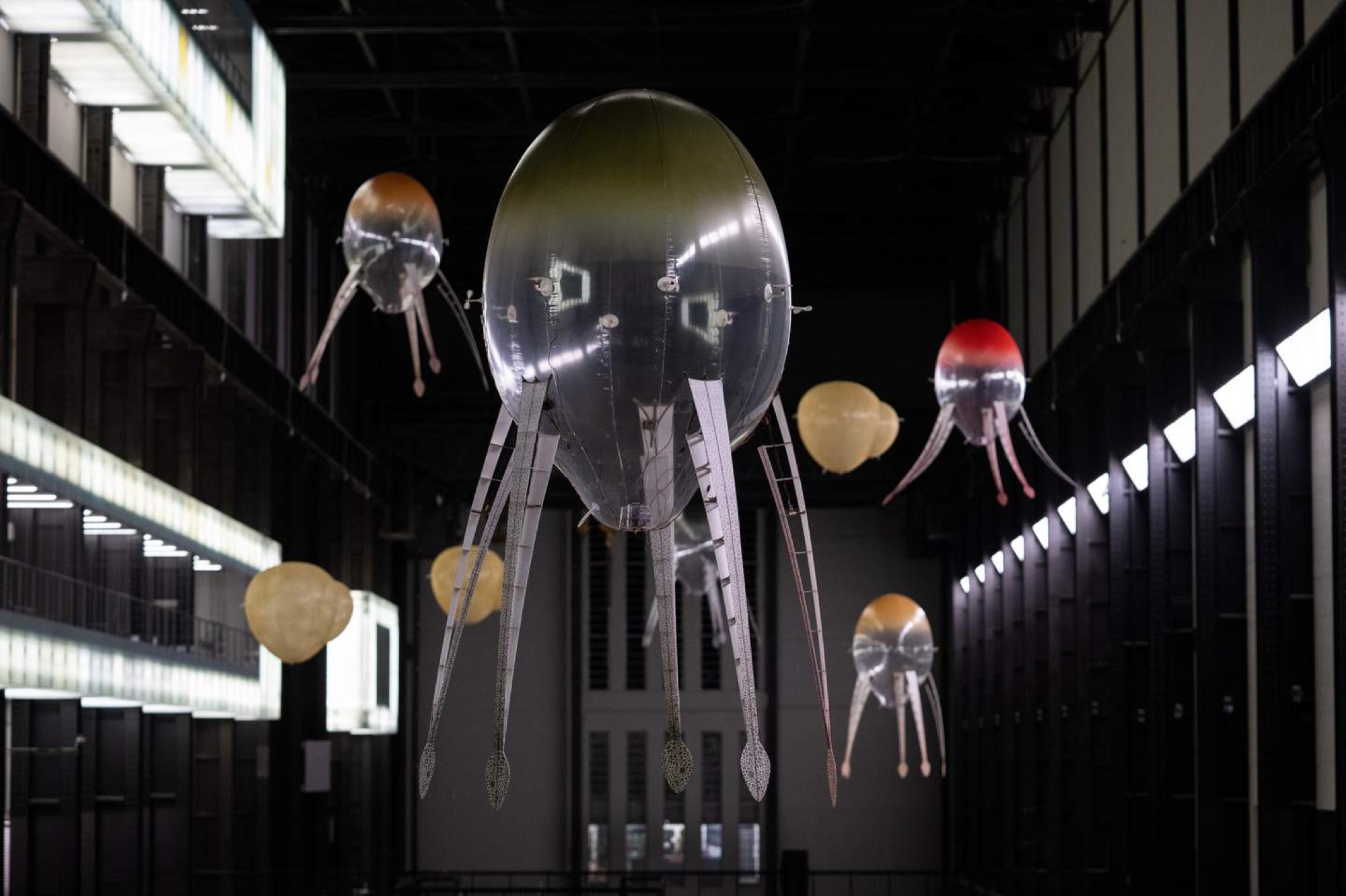
Look at Anicka Yi’s In Love With the World and Kara Walker’s Fons Americanus, then read the source accounts below. Propose three criteria relevant to one work’s aims. Test them on the other work and explain what changes. Each student supplies a reason. Use the difference to explain pluralism. Finish with one individual explanation and a limit. All work is formative.
Assessment and homework
Two full 45-minute periods. Original short writing/discussion and criteria comparison are ungraded; no added museum-label task. December 22 school activity availability remains unconfirmed.
Description
Examine repetition and celebrity in Marilyn Diptych, the Brillo definition problem, Duchamp’s readymades and criteria for Yi and Walker. Distinguish appearance, theory and history.
Teaching reference
Appearance and artistic interpretation
Warhol’s Brillo Boxes direct attention to a difference that visual inspection alone may not resolve. A commercial package and an artwork can resemble each other while carrying different meanings and histories. Their actual materials may differ; the philosophical problem does not depend on pretending otherwise. An account of the artwork identifies why an artist made or presented it and how the relevant artistic ideas became possible.
Danto’s artworld is an atmosphere of artistic theory and knowledge of art history. It does not mean that a museum can make anything art merely by placing it inside. Institutional settings matter to the example, but an explanation still needs the historical and interpretive context. A student can challenge Danto by testing that explanation against the ordinary package or another case.
Source quotation
Arthur C. Danto, The Artworld (1964). The Journal of Philosophy 61, no. 19 (15 October 1964), p. 581; PDF page 12. Source text.
It is the role of artistic theories, these days as always, to make the artworld, and art, possible.
Reading support: An artistic theory gives an object a possible meaning within a history of art. Explain how that helps with Brillo rather than treating museum approval as a complete explanation. The sentence comes from the 1964 essay; the later end-of-art argument is discussed separately.
A historical narrative and its limit
The original Notion lessons connect photography, Impressionism, modernism and conceptual art through tensions. Photography changes the conditions of depiction; painters pursue a range of aims; abstraction challenges the expectation that a painting must depict visible objects; a work like Brillo makes definition itself a problem. This is a route through selected practices, not a claim that every artist or culture followed the same path.
Black Square helps students distinguish a challenge to depiction from the Brillo problem of visually similar things with different meanings. A change in artistic aims is not automatically an improvement over everything before it. Danto’s end-of-art claim concerns the loss of one necessary direction through which art must progress. Art continues, but diverse practices can coexist without one succeeding all the others as the required next stage.
Duchamp and pluralism
Duchamp’s readymades ask viewers to consider selection, title, presentation and interpretation alongside fabrication. The source lesson compares Fountain and In Advance of the Broken Arm with Warhol to test different relations between ordinary objects and art. Source captions must distinguish an original, a later authorized version and a photograph of a work.
Anicka Yi’s In Love With the World (2021) and Kara Walker’s Fons Americanus (2019) provide the original lesson’s contemporary comparison, with named works recovered from the supplied Danto source deck. Their different practices make a shared realism-or-manual-skill rule inadequate. Students instead propose criteria relevant to what each work attempts and test whether those criteria explain an achievement. Pluralism permits different approaches; it does not remove the need for evidence, historical knowledge or judgment.
Two works for the pluralism comparison
Anicka Yi, In Love With the World (2021). Yi placed floating machines called aerobes in Tate Modern’s former power-station hall. Their forms draw on sea organisms and mushrooms. Changing scents referred to the site’s history. Her installation proposes a relationship between machines, living things and their environment. A photograph records appearance; it cannot reproduce movement or smell. Artist’s project account.
Kara Walker, Fons Americanus (2019). Walker made a working fountain for the same hall, using the Victoria Memorial outside Buckingham Palace as a reference. The fountain’s figures connect public commemoration with histories of slavery, colonial wealth and violence. Its familiar monumental form provides material for examining what a society chooses to remember. National Gallery of Australia, curator’s account.
Look before reading these accounts. Then use the source information to revise the initial interpretation. When proposing criteria, connect each standard to a decision in the work. A criterion about the experience of movement may help with Yi; a criterion about the treatment of historical memory may help with Walker. These are possible directions to test, not required answers. The class compares photographs and source accounts, not the complete sensory installations.