Reading Satire and Persona
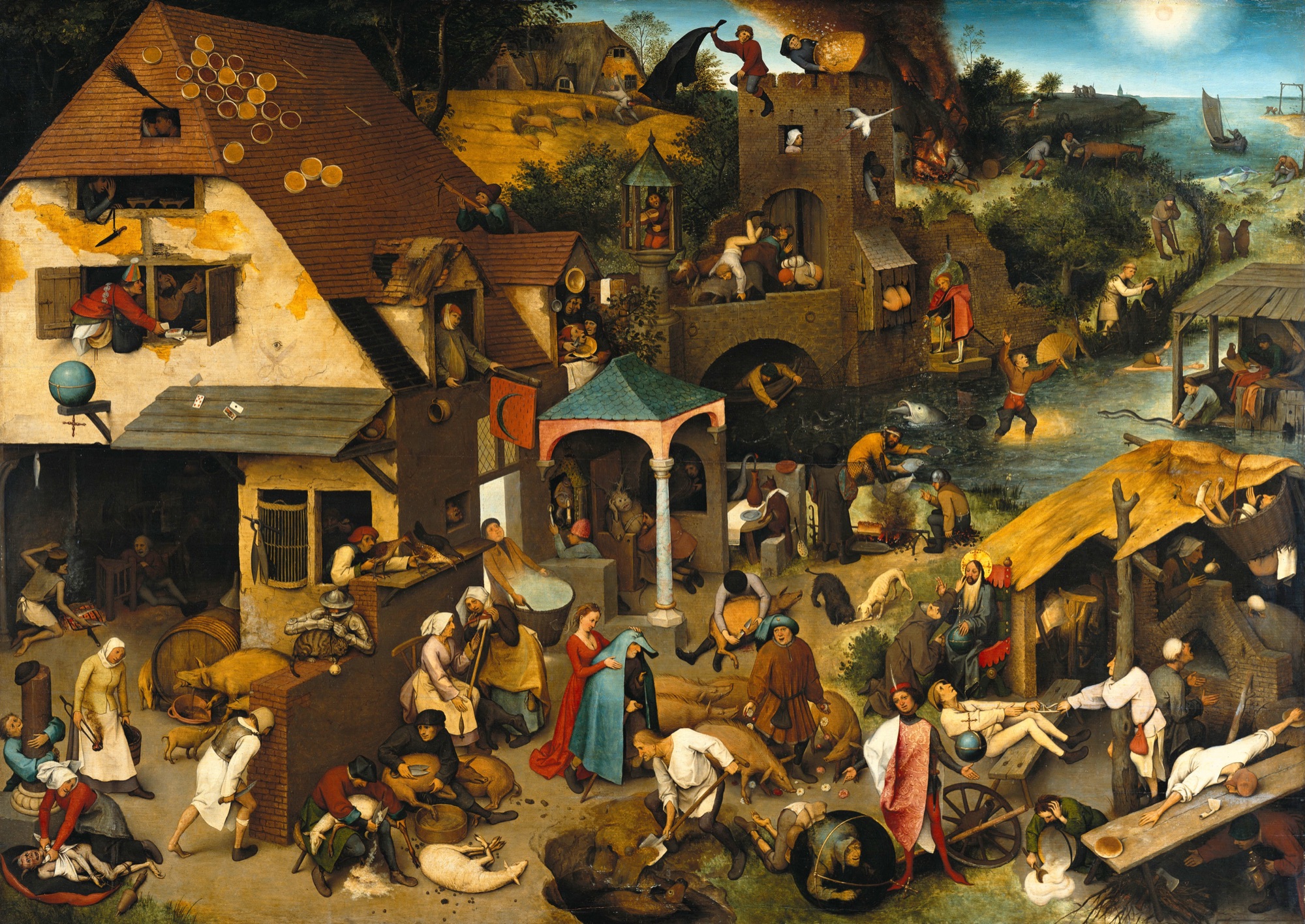
Lesson slides: How does the joke work (PowerPoint, 8.9 MB) · Who is the joke on (PowerPoint, 5.9 MB) · Post internet and persona (PowerPoint, 2.4 MB) · image credits
At a glance
| Field | Details |
|---|---|
| Dates | Not scheduled |
| Focus | Reading Satire and Persona |
| Unit | Narrative Myth And Allegory |
Objectives
- Locate the lesson on how the device works, who the joke targets, or how a performed identity changes a viewer’s reading.
Materials and resources
Use the works and source readings named below. Keep the full composition visible while looking.
Tasks
Assessment and homework
The three lessons above own their existing class activities.
Description
Follow the device in a joke, its target and audience, then the related question of a performed identity. Each link opens the complete lesson.
Teaching reference
A quotation
“For the first time ever, images of art have become ephemeral, ubiquitous, insubstantial, available, valueless, free. They surround us in the same way as a language surrounds us. They have entered the mainstream of life over which they no longer, in themselves, have power.”
John Berger, Ways of Seeing (1972), chapter 1. Use this passage, written fifty years before social media feeds, to discuss the loops, captions and shared images in Monday’s lesson.
Suggested reading
- Jörg Heiser, “Curb Your Romanticism: Bas Jan Ader’s Slapstick” (2006), in The Artist’s Joke (Documents of Contemporary Art), pp. 85 to 89. The argument that Ader’s falls are slapstick performed with a tragic face, and that his disappearance made a myth the work never asked for. It joins Tuesday’s question (how is the joke built?) to Monday’s (how does an artist’s story get built?).