Narrative, Myth and Allegory
How can a still image tell a story?
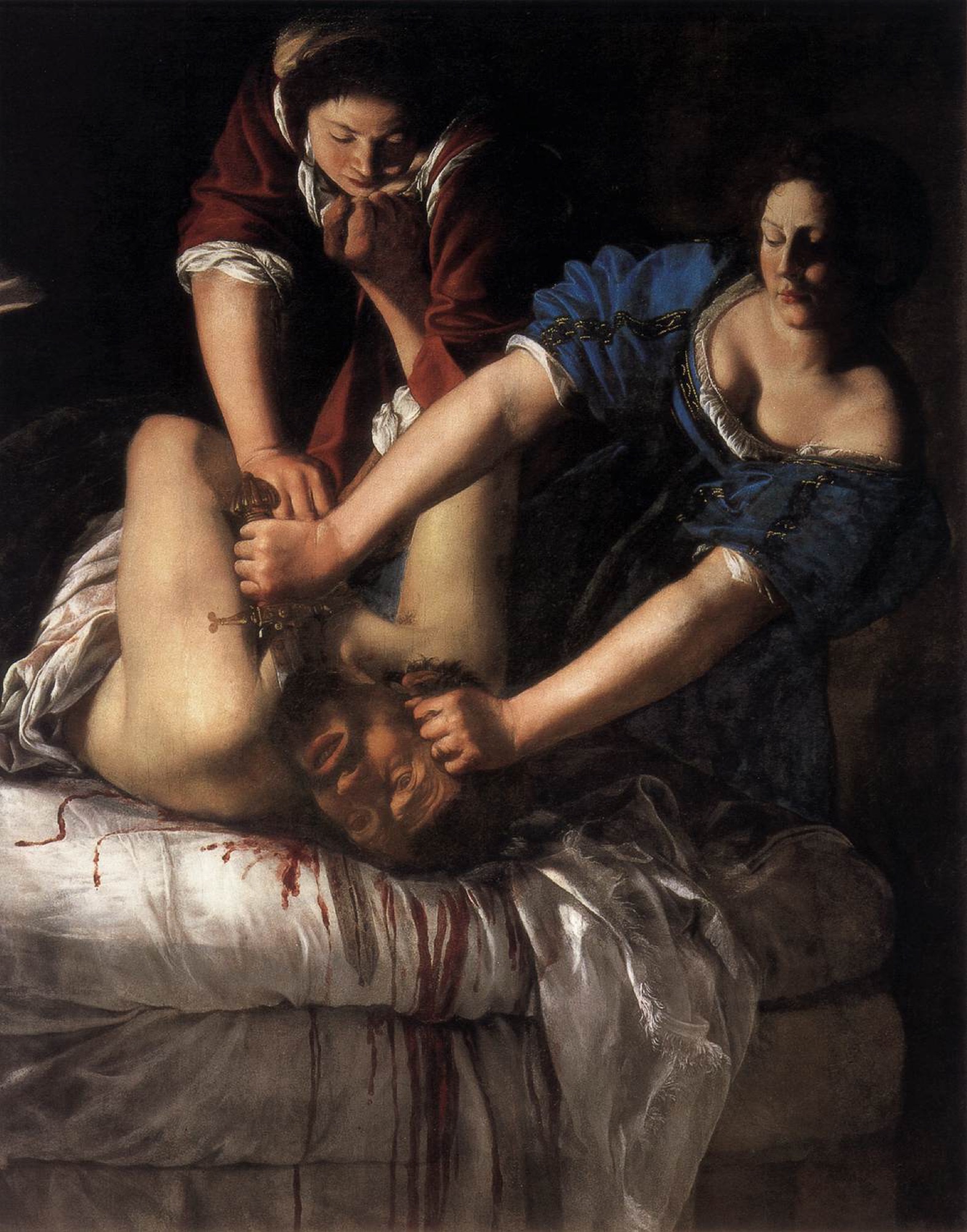
Unit plan
Read stories in Bosch, La Chimera and Bruegel. Compare the Judith paintings, Wiley and David, then Velázquez and Sargent to build an argument from visual evidence.
Read the complete unit plan
Art Appreciation · Semester 1 Plan · Origins and Ancestral Memory | The Table as Ethical Space
What this unit does
This unit examines how images tell stories without words. Narrative concerns how a still image represents time. Myth draws on a story the audience already knows. Allegory gives a depicted object or figure an additional meaning. A picture cycle tells a story across several images.
You begin with close looking at paintings, then study satire. Lesson 04 introduces the critique flow: describe, account, judge. The second half examines subversion of myth through comparisons of Judith paintings and Kehinde Wiley’s Napoleon, which copies David’s image and changes the man. You use these comparison skills in an unseen comparative essay about unfamiliar paintings.
Dates and span
- The unit opens early on Mon 14 Sep. It builds on the Fri 11 Sep seminar: Group 1 discussed time and changes of meaning in an image, Group 2 discussed the mythologizing of works after Barthes, and Group 3 discussed the ideal body and its standards. You begin with Bosch’s Garden of Earthly Delights, watch La Chimera in the Tuesday double, continue with a short lecture and discussion on Wednesday, and work on the main board on Friday. A1 is the narrative board, due Wed 23 Sep at 08:00.
- Weeks 4–7 run from Sun 20 Sep to Fri 16 Oct. There are 12 teaching days and 15 periods, divided into 9 and 6 periods by lesson. Tuesday is a double. This count includes the Sun 20 Sep extra school day but not the Sat 10 Oct extra school day.
- extra Sunday class day, Sun 20 Sep, follows the Tuesday timetable: P6+P7.
- Mid-Autumn Festival falls on Fri 25 Sep / Sun 27 Sep. The National Day holiday runs from Thu 1 Oct to 10-07, with twelve days out of the classroom around it.
- extra Saturday class day, Sat 10 Oct, has Sports Day after lunch.
- The Oxbridge application deadline is Thu 15 Oct.
- Foreign Culture Day is Fri 16 Oct. Lessons run that day, and A2 takes place in P2.
Lessons
| Date and period | Lesson | What students do |
|---|---|---|
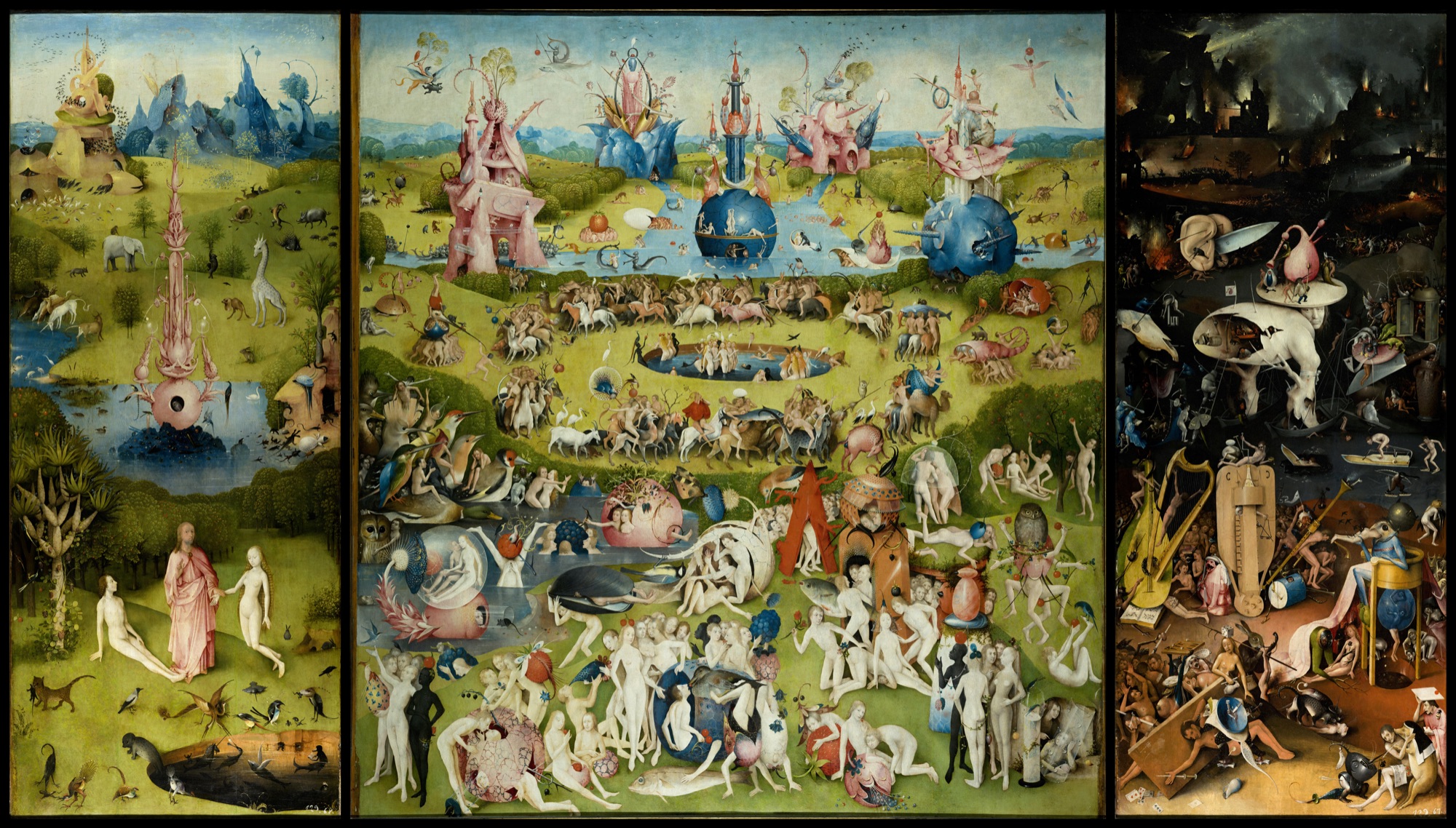
| Sep 14 · P4 | Narrative, Myth and Allegory in Bosch | Annotate the full-size Garden of Earthly Delights. Use a located detail to distinguish a pictured event, a familiar story and an allegorical reading. Begin the narrative board. |
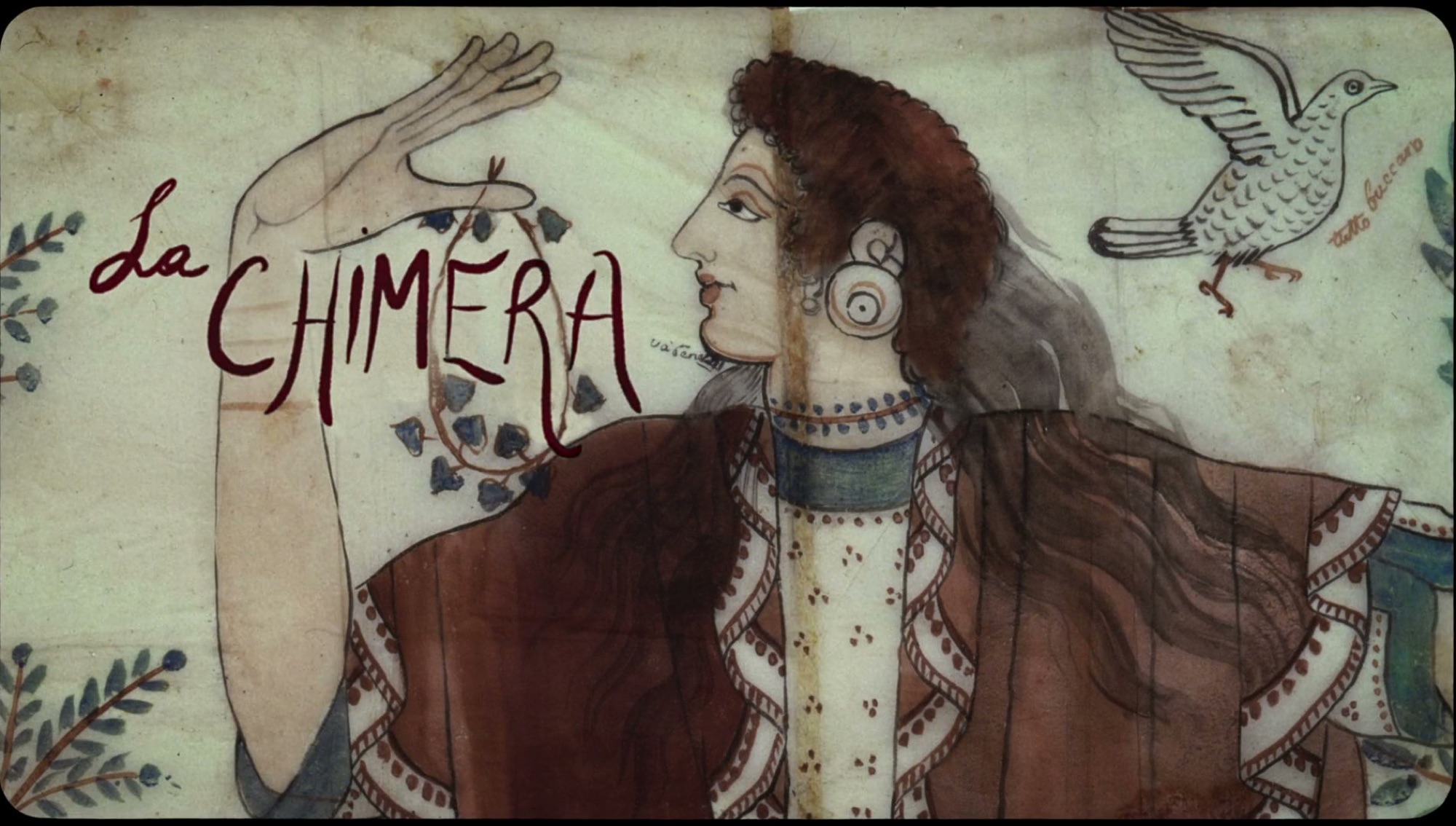
| Sep 15 · P6/P7 Sep 16 · P1 | La Chimera: Orpheus, the Red Thread and the Tomb | Watch and discuss the film. Follow the thread, the singer and the treatment of grave goods. The one-question film response was due September 21. |
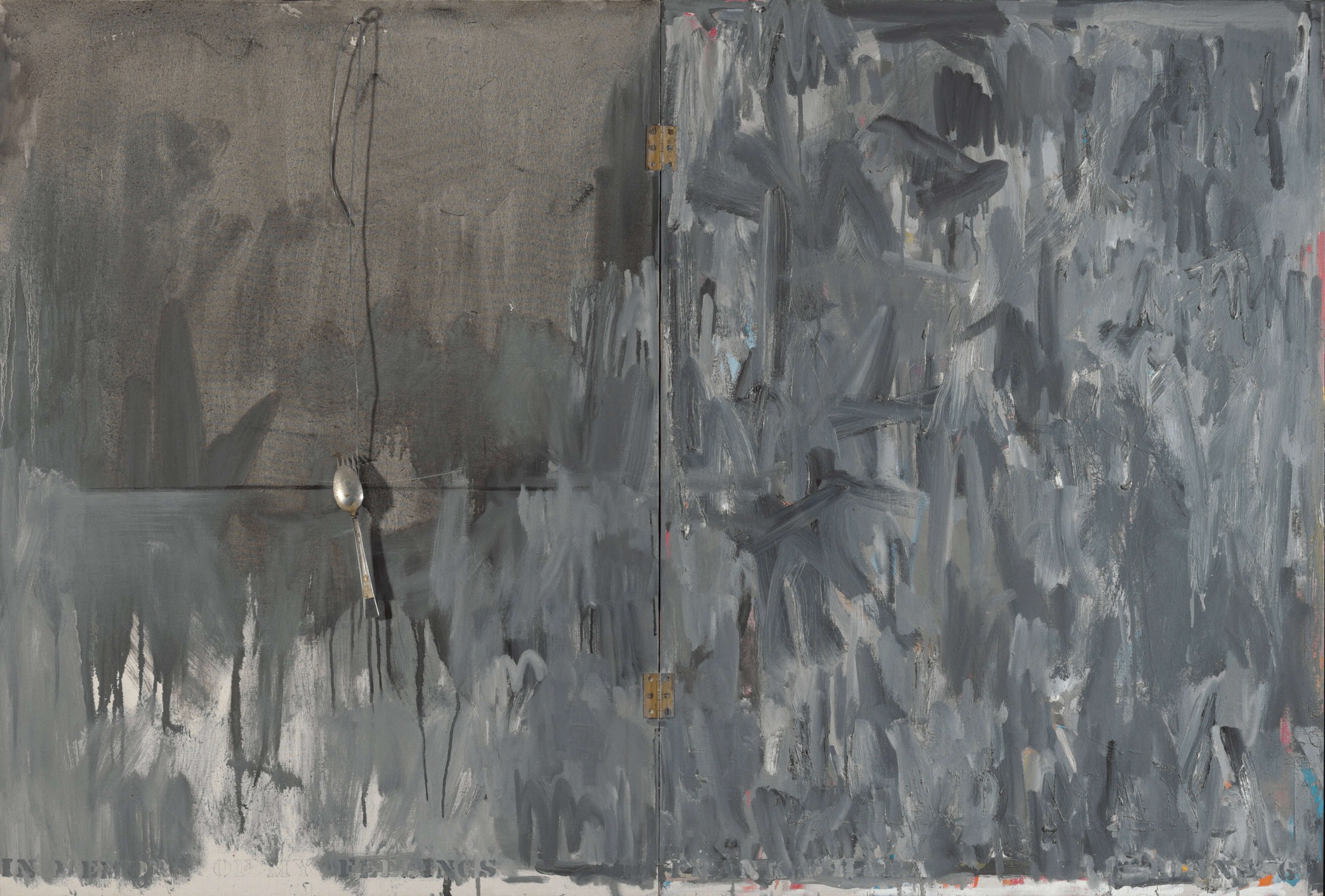
| Sep 18 · P2 Sep 20 · P6 | Jasper Johns: In Memory of My Feelings | Study the gray surface, fork and spoon, stenciled words and reference to O’Hara. Return to the same painting on Sunday before the board workshop after the break. |
| Sep 20 · P7 Sep 23 · P1 | A1 Narrative Board: Choosing and Defending a Pair | Use the Sunday workshop to test a placement. Individual boards were due September 23 at 08:00. In class, bring pairs from the finished boards onto the shared board. |
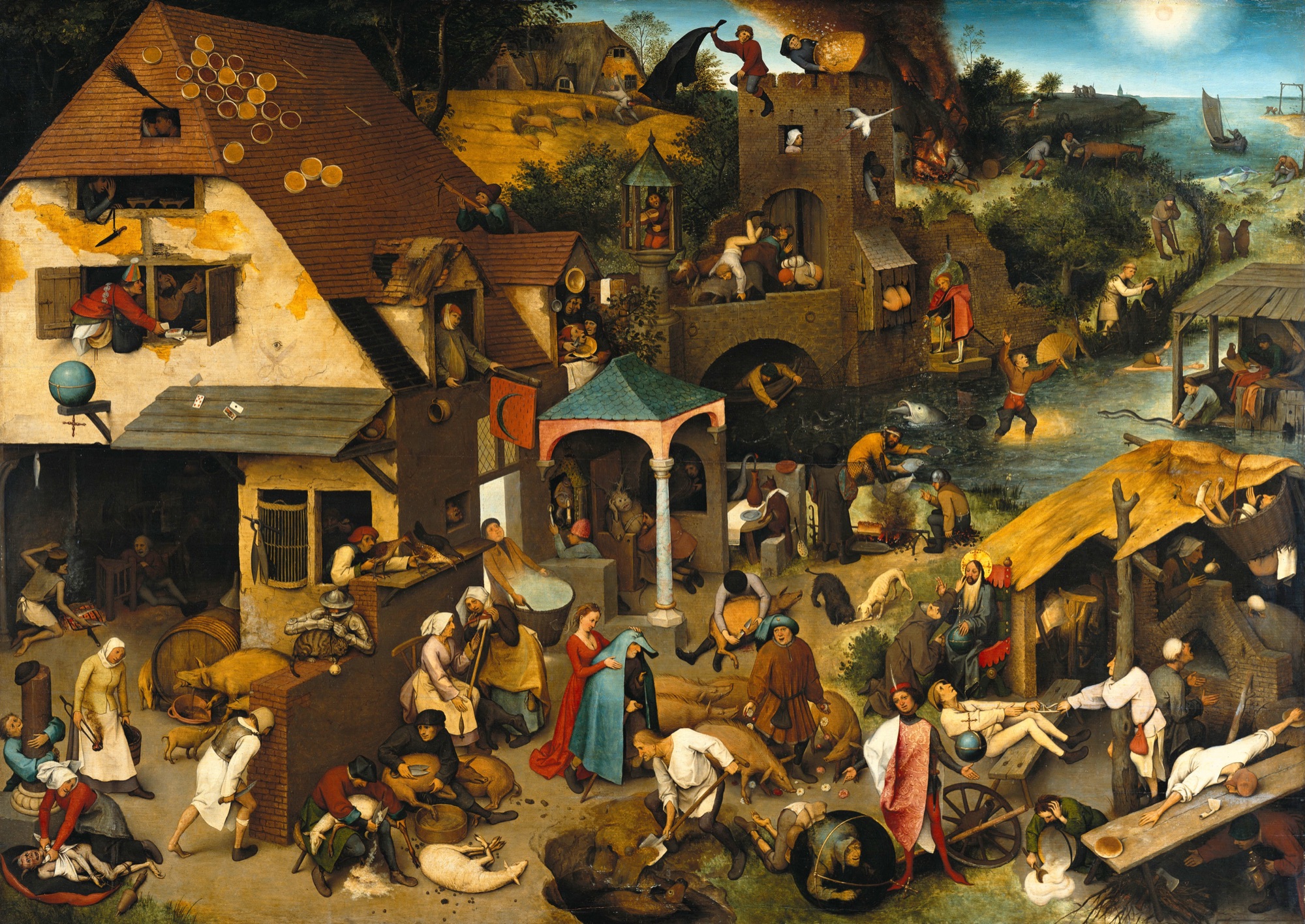
| Sep 21 · P4 | Bruegel’s Proverbs: Language and Collective Belief | Annotate the true-size Dutch Proverbs. Distinguish a literal action from the saying it enacts and a question that the picture leaves open. |
| Sep 22 · P6 | How Does the Joke Work? | Compare a student’s joke with an artist’s parody. Identify the device, the target and the effect. |
| Sep 22 · P7 | Who Is the Joke On? | Use the Nauman, Cattelan, Wurm and de Broin stations. Argue whether a work changes how its audience sees the target or simply invites people to laugh at it. |
| Sep 28 · P4 | Identity as Performance | The satire subsection ends today. |
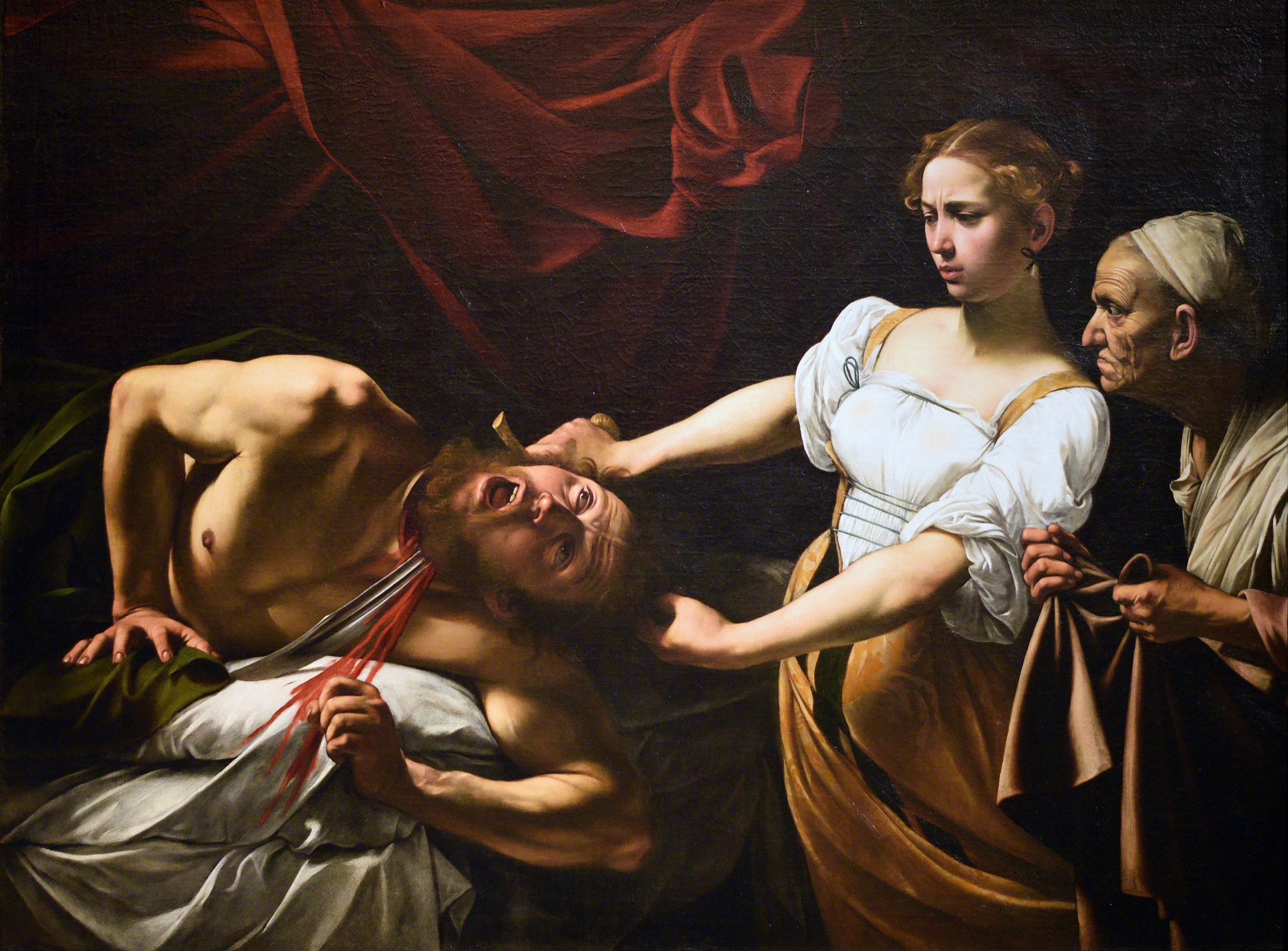
| Sep 29 · P6/P7 | Two Judiths: Violence and Female Agency | Compare Caravaggio and Gentileschi in P6. Use the evidence for the guided Two Paintings, One Claim paragraph in P7, marked complete or incomplete. |
| Sep 30 · P1 | The Unseen Comparative | Write independently about an unfamiliar pair. This rehearsal tests whether you can use the comparison method on your own. |
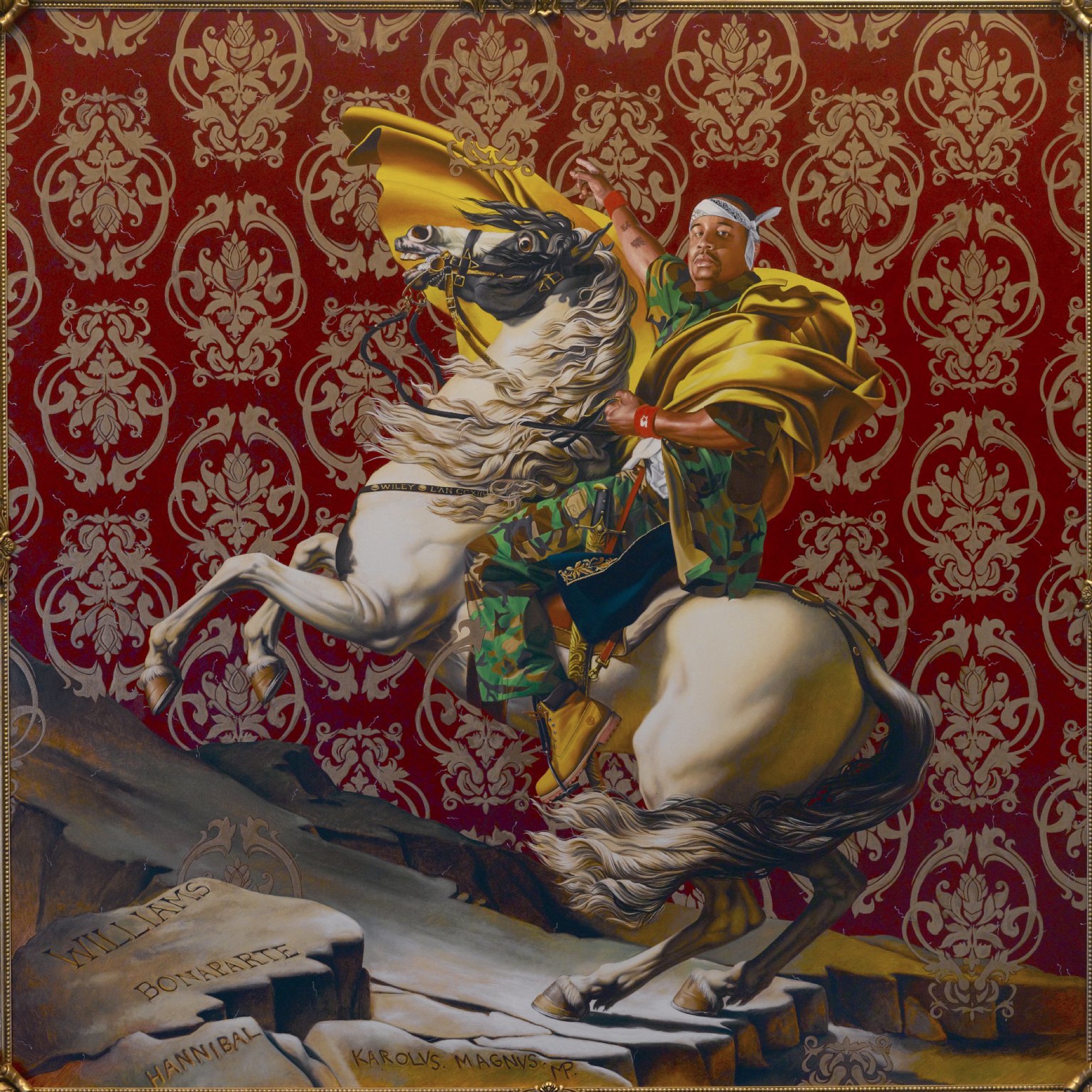
| Oct 9 · P2 Oct 10 · P1 | Kehinde Wiley: Who Inherits the Grand Portrait? | View An Economy of Grace, then compare Wiley’s and David’s Napoleon images. Consider what authority the pose gives a different sitter. |
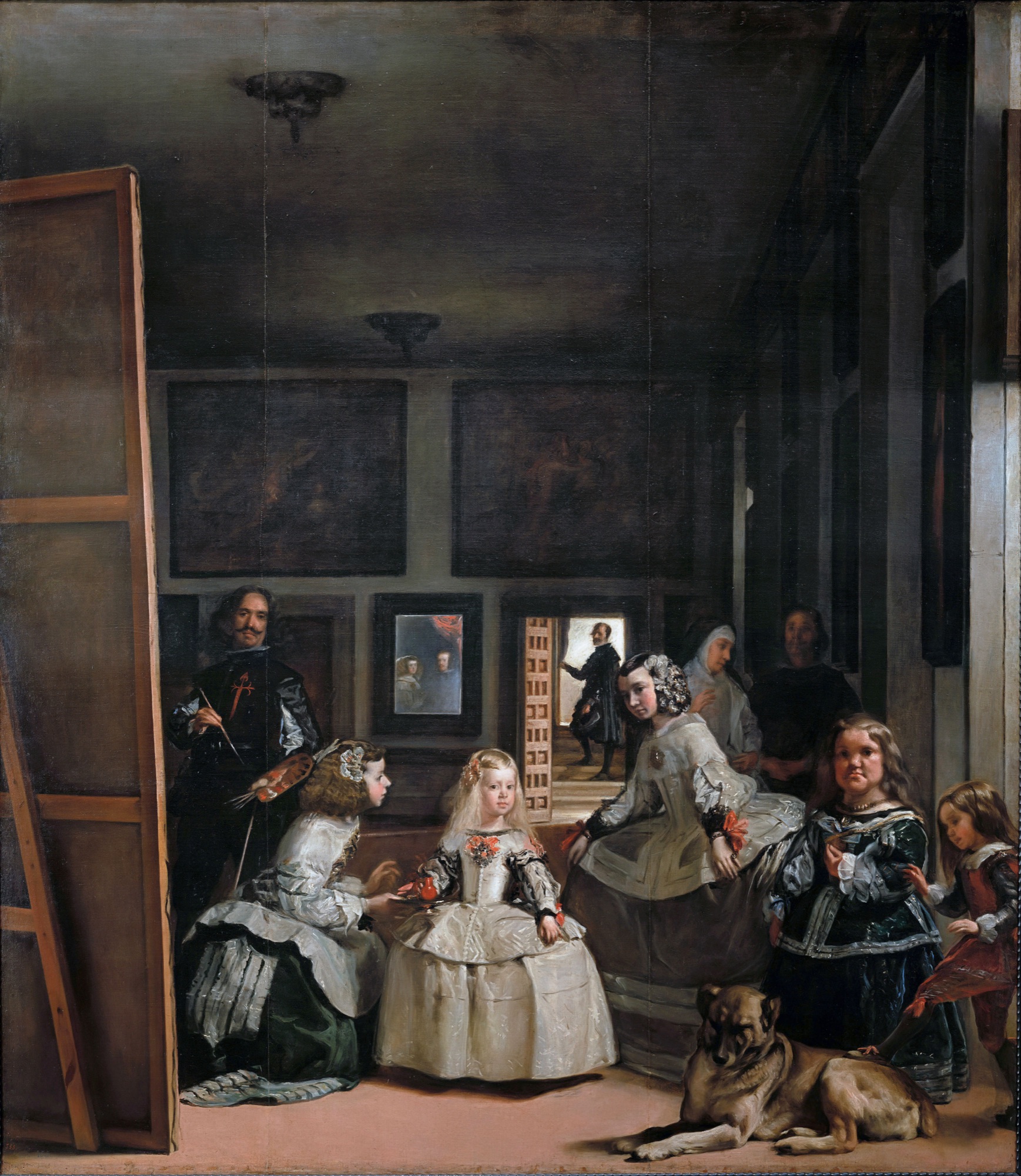
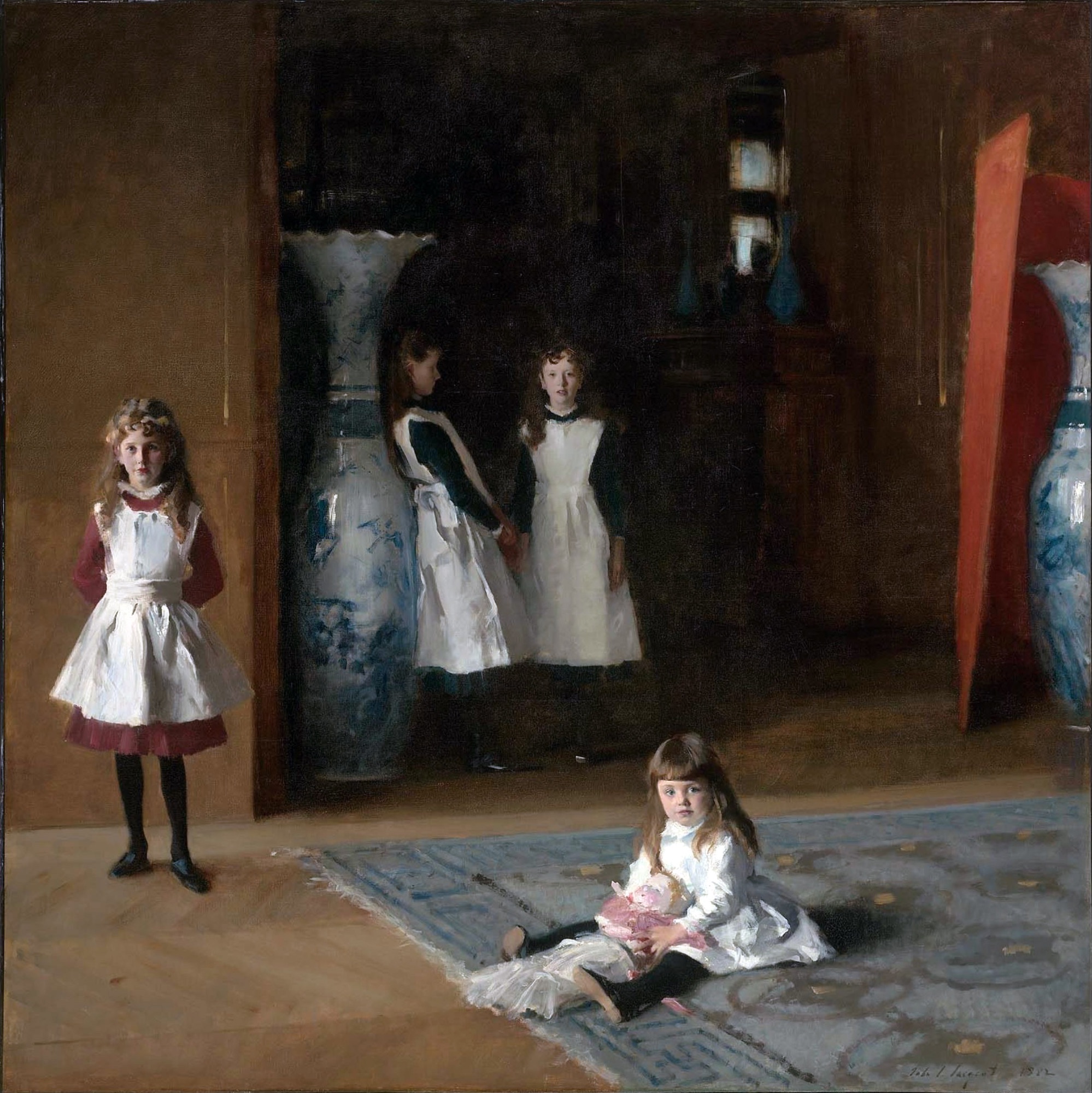
| Oct 12 · P4 Oct 13 · P6/P7 | Velázquez and Sargent: Looking into the Room | Use prints of Las Meninas and The Daughters of Edward Darley Boit to study the viewer’s position, childhood and rank through looking and discussion. |
| Oct 14 · P1 | Writing a Comparison of Velázquez and Sargent | Finish the individuality reading and examine a modeled interpretation. Then spend 30 minutes writing your response on social roles or the viewer’s position. |
| Oct 16 · P2 | A2 Unseen Comparison | The paintings are introduced when the assessment begins. You have five minutes to settle and forty minutes to write. |
Reading Satire and Persona contains the satire sources and is not a separate class.
Assessment
Full briefs (objectives, task, instructions, rubric): A1 The Narrative Board · A2 Unseen Comparison.
| Item | Date | What |
|---|---|---|
| A1 set | Mon 14 Sep | The narrative board is assigned. |
| A1 due | Wed 23 Sep, 8:00, before class | Submit your own narrative board with its written justification. In class on Wed 23 Sep, examine the finished boards and add pairs to the main board. |
| Two Paintings, One Claim | Tue 29 Sep, the second period of the double | Compare two Judith paintings without advance preparation. Build a claim together in the first period, then write one closed paragraph in the second. Course Skills, AP Minor, no number, complete or incomplete. |
| A2 set | Tue 29 Sep, at the close of the first period | A2 takes place 17 days later, on Friday October 16. There is no holiday homework. |
| Unseen Comparative | Wed 30 Sep, with a cover teacher | Write a short comparative essay about two unfamiliar paintings. Submit one page at most, typed or handwritten. It is marked out of 100 using A2’s four criteria. Course Skills, AP Minor. |
| A2 sits | Fri 16 Oct, P2 | Write an in-class unseen comparative essay. Choose one of two questions and use the supplied information sheet. The paintings, question sheet and information sheet are revealed when the assessment begins. No personal notes, books, phones or internet are allowed. |
A2 carries the mid-term grades, due Thu 29 Oct. It is marked within a week rather than the usual five days. See the full register for full details.
Subversion of Myth
This section runs from Tuesday 29 September to the essay. It begins with Judith: Gender and Agency. The days after the holiday form Lesson 05.
| Day | Session | What |
|---|---|---|
| Tue 29 Sep, double | Judith: Violence and Female Agency | Examine crops and then whole paintings by Caravaggio and Gentileschi. Use the checklist to consider what each keeps and refuses, then test a claim. In the second period, with a cover teacher, complete Two Paintings, One Claim on a guided worksheet. It is marked complete or incomplete. There is no holiday homework. |
| Wed 30 Sep, with a cover teacher | Unseen Comparative | Write a short comparative essay about two unfamiliar paintings. Submit one page at most. It is marked out of 100. |
| Fri 9 Oct | Kehinde Wiley: Appropriation and Representation | Watch the 40-minute film An Economy of Grace. |
| Sat 10 Oct | The same page | Receive your Judith essay back. Compare the two Napoleon images and hear a four-sentence account of Haiti. Consider whether Wiley takes the myth apart or wants its authority. |
| Mon 12 Oct | Velázquez | Use individual prints and close observation to discuss Las Meninas. Discussion reached the two paintings on the back wall. |
| Tue 13 Oct, double | Velázquez and Sargent continuation | Continue looking and discussing. The class completed Velázquez and most of Sargent. |
| Wed 14 Oct, P1 | Sargent reading and comparative writing | 08:00–08:45: finish the individuality reading for 10 minutes and examine a modeled interpretation for 5 minutes. Then spend 30 minutes responding to question 1 or 2 on the two-page practice worksheet. Submit the worksheet. |
| Fri 16 Oct, P2 | A2 | 08:55–09:40: settle for five minutes, then write the unseen essay from 09:00–09:40. Student contributions replace the Monday self-review. |
Lessons
- Narrative, Myth and Allegory in Bosch
- La Chimera: Orpheus, the Red Thread and the Tomb
- Jasper Johns: In Memory of My Feelings
- A1 Narrative Board: Choosing and Defending a Pair
- Bruegel’s Proverbs: Language and Collective Belief
- How Does the Joke Work?
- Who Is the Joke On?
- Identity as Performance
- Two Judiths: Violence and Female Agency
- The Unseen Comparative
- Kehinde Wiley: Who Inherits the Grand Portrait?
- Velázquez and Sargent: Looking into the Room
- Writing a Comparison of Velázquez and Sargent
- A2 Unseen Comparison
Project guides
Unit gallery

Assignments
- Art Appreciation · S1 A1: The Narrative Board · 23 Sep · before class
- Art Appreciation · S1: Two Paintings, One Claim · September 29, 2026
- Art Appreciation · S1: Unseen Comparative · 30 Sep
- Art Appreciation · S1 A2: Unseen Comparison · 16 Oct