Looking before Interpretation
Lesson slides: Download the deck (PowerPoint, 4.4 MB) · image credits
At a glance
| Field | Details |
|---|---|
| Dates | Wed 2 Sep P1 |
| Focus | Looking before Interpretation |
| Unit | Origins And Ancestral Memory |
Objectives
- Describe a visible detail before interpreting it.
- Compare your account with something a classmate noticed later.
Materials and resources
- opening-the-atlas.pptx
Use the works and source readings named below. Keep the full composition visible while looking.
Tasks
2. What is the describe drill, and what counts as breaking it?
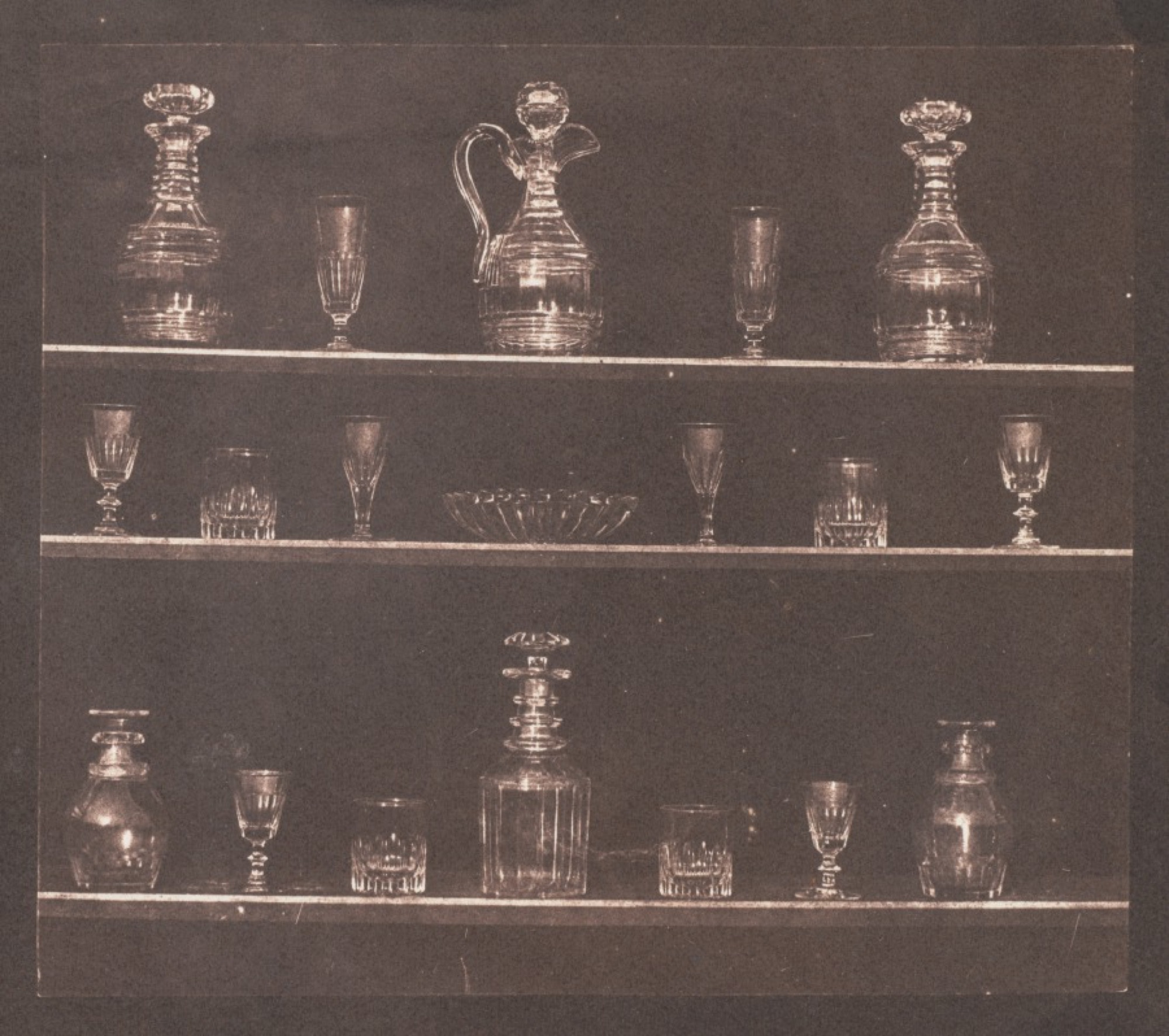
Answer: Describing an image for a full minute without interpreting it once. Interpreting is any word about meaning or feeling: sad, powerful, about loneliness. Describing stays with what is there: a figure, a light source, an edge. Looking runs out of easy things after twenty seconds. The drill is for what comes after that.
5. Repeat the looking exercise at home. Choose any image and cover its title. Look silently for ten minutes, then write a description for two minutes. Compare what you noticed in minute nine with what you noticed in minute one.
Assessment and homework
Ungraded description and exchange. The introduction surveys are collected at the door.
Description
Spend ten minutes with one untitled image. Describe a visible detail in writing, then find something a classmate saw that you missed.
surveys collected at the door. Look before you explain. Ten minutes silent on one image with the title withheld; describe round written for two minutes, then spoken. Close: what did someone else see that you did not.
Teaching reference
In the describe drill, a figure, an edge or a light source is something a second person can find. A word such as “lonely” makes a claim about what those details mean. Withholding the title gives you time to see what you would otherwise pass over.