Reading the Cave Wall at Chauvet and Lascaux
Lesson slides: Download the deck (PowerPoint, 2.4 MB) · image credits
At a glance
| Field | Details |
|---|---|
| Dates | Tue 8 Sep P6/P7 · Wed 9 Sep P1 |
| Focus | Reading the Cave Wall at Chauvet and Lascaux |
| Unit | Origins And Ancestral Memory |
Objectives
- Explain how surface, depth and neighboring marks support a reading of the cave wall.
- Distinguish evidence on the wall from a story the wall cannot confirm.
Materials and resources
- what-survives-and-why.pptx
Use the works and source readings named below. Keep the full composition visible while looking.
Tasks
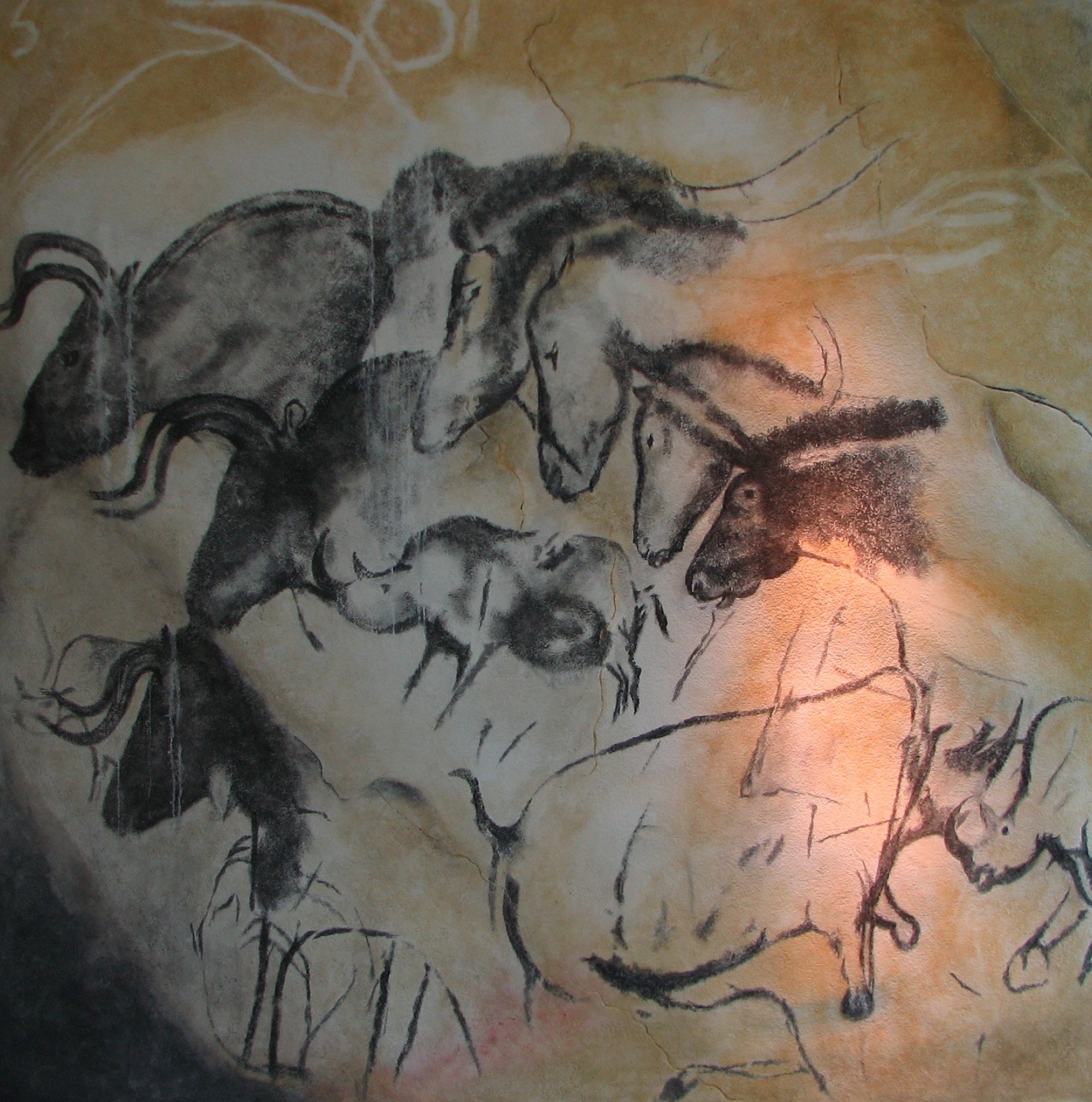
Look closely at the painted marks and the contour of the rock. Describe exactly where one follows or interrupts the other. Compare a second panel, then revise a claim about why this part of the wall was used. Distinguish an observation from a theory about purpose.
Assessment and homework
The Chauvet reading is set at the end of September 8 for September 9. The written panel comparison rehearses the board method; it is not an additional graded task.
Description
Move from the material wall, its animals and its marks to the position of one image beside another. The panel reading continues the same investigation across the two days.
Teaching reference
Goal
Study how images survive, how proximity changes their meaning, and what cave images can tell us without written records. Support interpretations with visible evidence rather than general anthropological claims. “The wall is the evidence” is the rule for these arguments.