Drawing From Memory
Lesson slides: Download the deck (PowerPoint, 2.4 MB) · image credits
At a glance
| Field | Details |
|---|---|
| Dates | Mon 7 Sep P4 |
| Focus | Drawing From Memory |
| Unit | Origins And Ancestral Memory |
Objectives
- Respond to the mark already on the sheet.
- Identify a gesture that survived several hands and use it to explain what changed.
Materials and resources
- opening-the-atlas.pptx
Use the works and source readings named below. Keep the full composition visible while looking.
Tasks
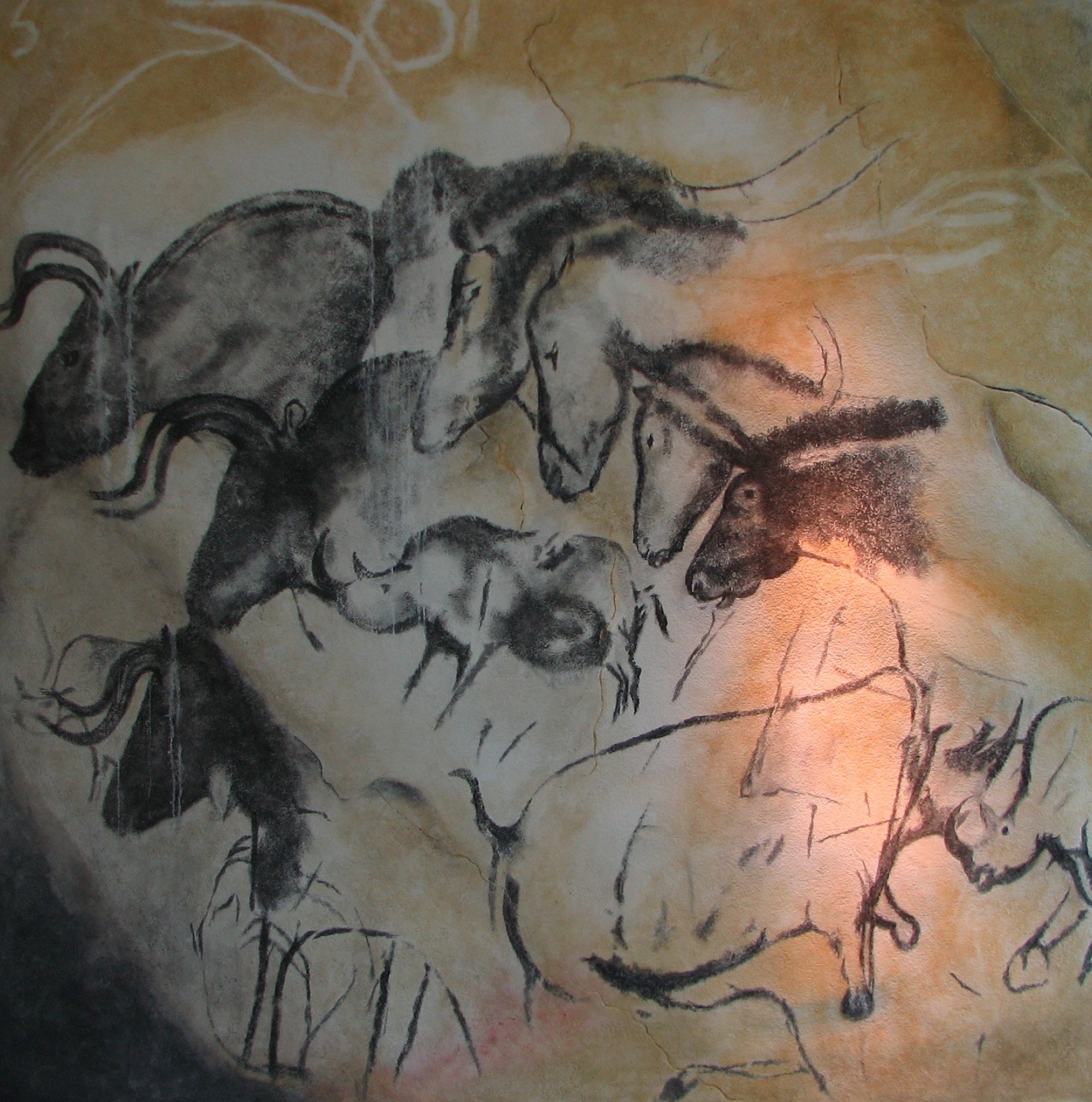
Look at the image for the agreed interval. Draw it from memory, cover the original and pass only your drawing to the next person. Compare the chain in order. Identify one feature that survived and one that changed. Choose one of the six questions in the brief for your 150–250-word response; attach a photograph of the sheet by September 8 at 12:35.
Assessment and homework
- Drawing From Memory: the chain drawing, made in class Mon 7 Sep (it did not fit on Fri 4 Sep); the written answer due Tue 8 Sep by 12:35. Three criteria, equally weighted: participation in drawing, response and gesture, written answer.
- Homework, and the only one this week: one question answered in 150–250 words from your own sheet, set Monday, due Tuesday before the double.
Description
Pass a drawing through several hands and look for the mark that survives. The existing written response belongs here and was due September 8.
Teaching reference
Use the examples and comparisons in the lesson tasks to test the interpretation against the work.