Sontag: Photography, Memory and Possession
Lesson slides: Download the deck (PowerPoint, 14.6 MB) · image credits
At a glance
| Field | Details |
|---|---|
| Dates | Fri 18 Dec P2 · 08:55–09:40 |
| Focus | Sontag: Photography, Memory and Possession |
| Unit | Images Mediation And Modernity |
Objectives
- Test Sontag’s account of photographic possession through the portrait and the advertisement.
- Distinguish the image’s use from what it shows about the sitter.
Materials and resources
-
photography-and-after.pptx
-
Source text
Tasks
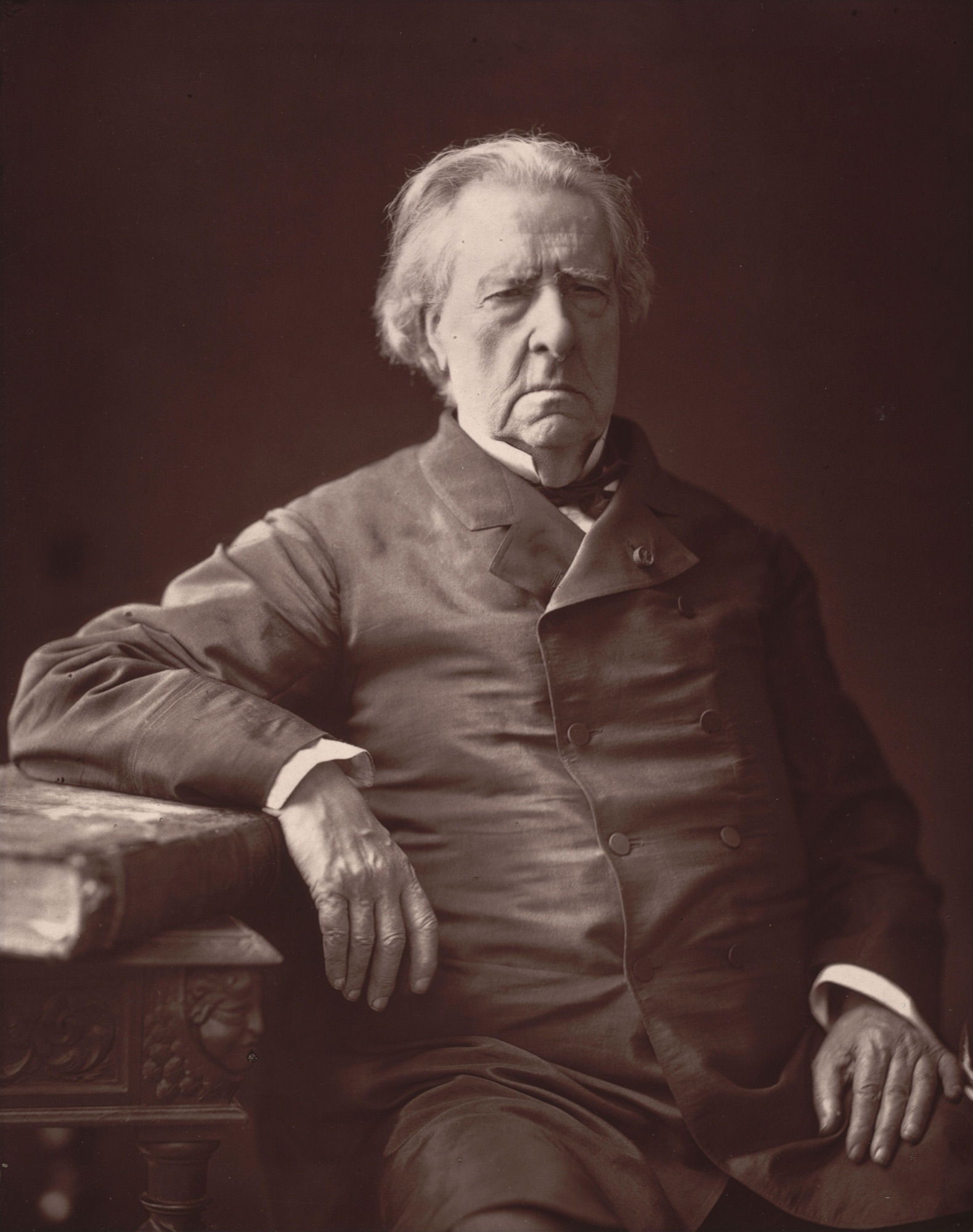
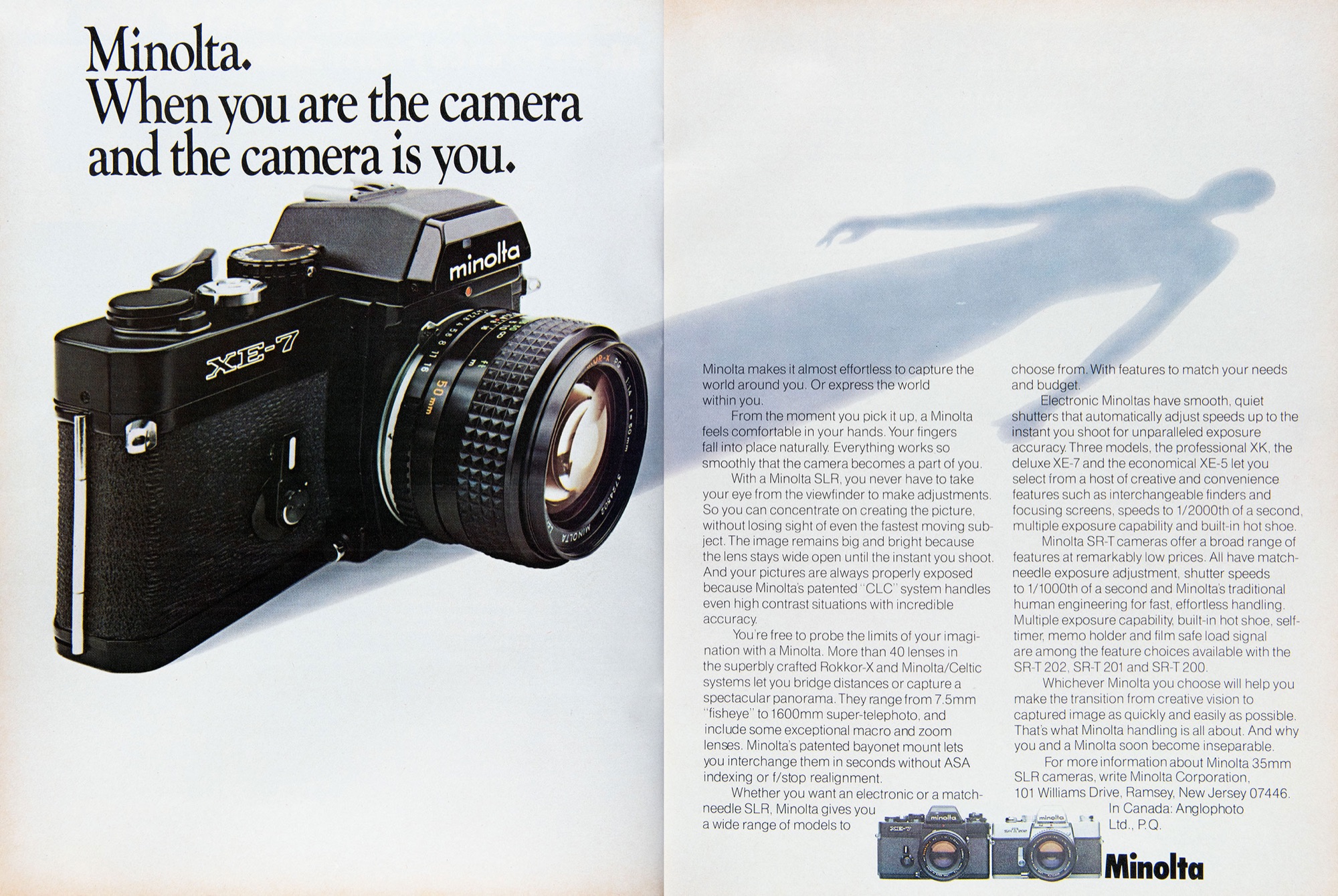
Sontag: photographs as social acts
Read the appropriation passage and explain it in your own words before deciding whether you agree. Compare Nadar’s portrait of Baron Isidore Taylor with the supplied Minolta camera advertisement. Describe a decision about taking, selecting, keeping or showing a photograph. Explain who may gain knowledge or control from that use, and identify what the image cannot tell you about the subject’s experience.
With a partner, test another reading. A photograph may support memory, attention or connection as well as possession. Finish by explaining how one specific use changes what seems important, memorable or believable. Use the source and the image; avoid a rule about all photographs.
Assessment and homework
Return to the Sontag handout read December 9–10 and the Jacobs companion read December 11–13. This complete 45-minute December 18 study refines the essay argument and objection before December 21; no extra submitted response is added.
Description
Read the existing In Plato’s Cave selection alongside Nadar’s portrait and the Minolta advertisement. Ask what taking or using a photograph lets a viewer claim about another person.
Teaching reference
Sontag: possession, memory and attention
Sontag’s claim about appropriation asks students to consider photographing as an action. Taking, keeping and presenting an image establishes relationships between subject, photographer and viewer. The image may offer knowledge and a sense of possession. It can also support memory or care. Those possibilities need to be considered through an actual use rather than settled by a general moral label.
Pseudo-presence describes an experience of someone or something absent through a photograph. It does not make the absent event available in full. Repeated images can affect what seems important and how people respond. The class tests those claims against the sources and examples; it does not infer an individual subject’s feelings or consent from the image alone.
Source quotation
Susan Sontag, On Photography, In Plato’s Cave (1977). Provided extract PDF page 2, headed On Photography 2, paragraph 2. Source text.
To photograph is to appropriate the thing photographed. It means putting oneself into a certain relation to the world that feels like knowledge—and, therefore, like power.
Reading support: Appropriate here means taking possession or making something one’s own. Sontag describes a relation between the photographer, the world and the viewer. Explain the claim before testing it with the portrait and advertisement; it does not establish any subject’s consent or feelings.