Photography, Painting and Visual Evidence
Lesson slides: Download the deck (PowerPoint, 14.6 MB) · image credits
At a glance
| Field | Details |
|---|---|
| Dates | Tue 15 Dec P7 · 13:30–14:15 |
| Focus | Photography, Painting and Visual Evidence |
| Unit | Images Mediation And Modernity |
Objectives
- Revise a claim about photographic evidence after examining Le Gray’s two negatives.
- Use Panini and Pissarro to test a related claim about painting.
Materials and resources
Use reproduction and the poor image to keep visible changes distinct from claims about context, access and history.
-
photography-and-after.pptx
Use the works and source readings named below. Keep the full composition visible while looking.
Tasks
Photography and its claims
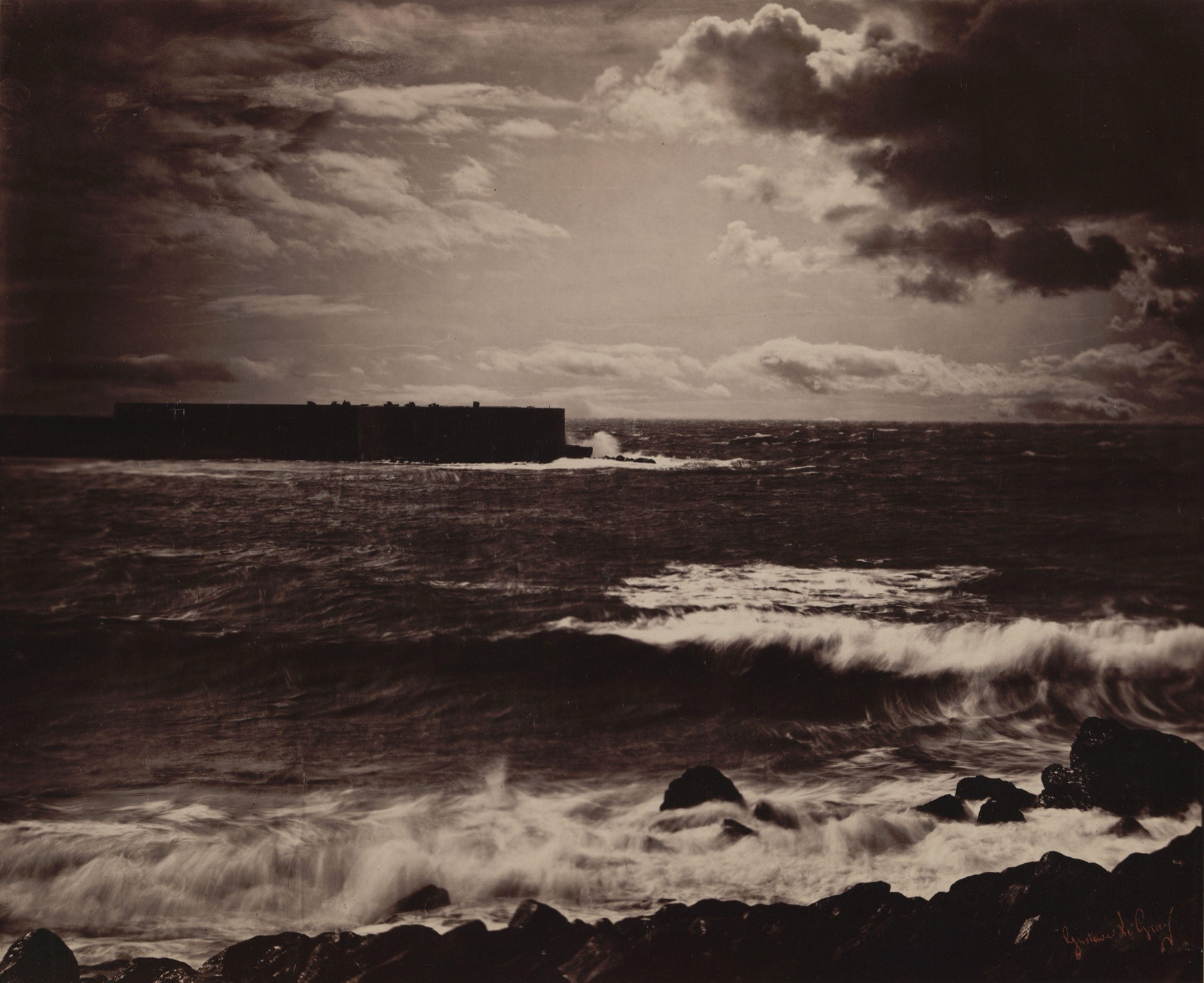
Look at a historical photograph before reading the caption. State what it appears to record and what you would need to know before treating it as evidence. Then examine the source record. For Le Gray’s The Great Wave, Sète, explain how the use of two negatives changes a claim that the picture records one direct view at one moment. A constructed photograph can still communicate observations about the world; specify which claim you are making.
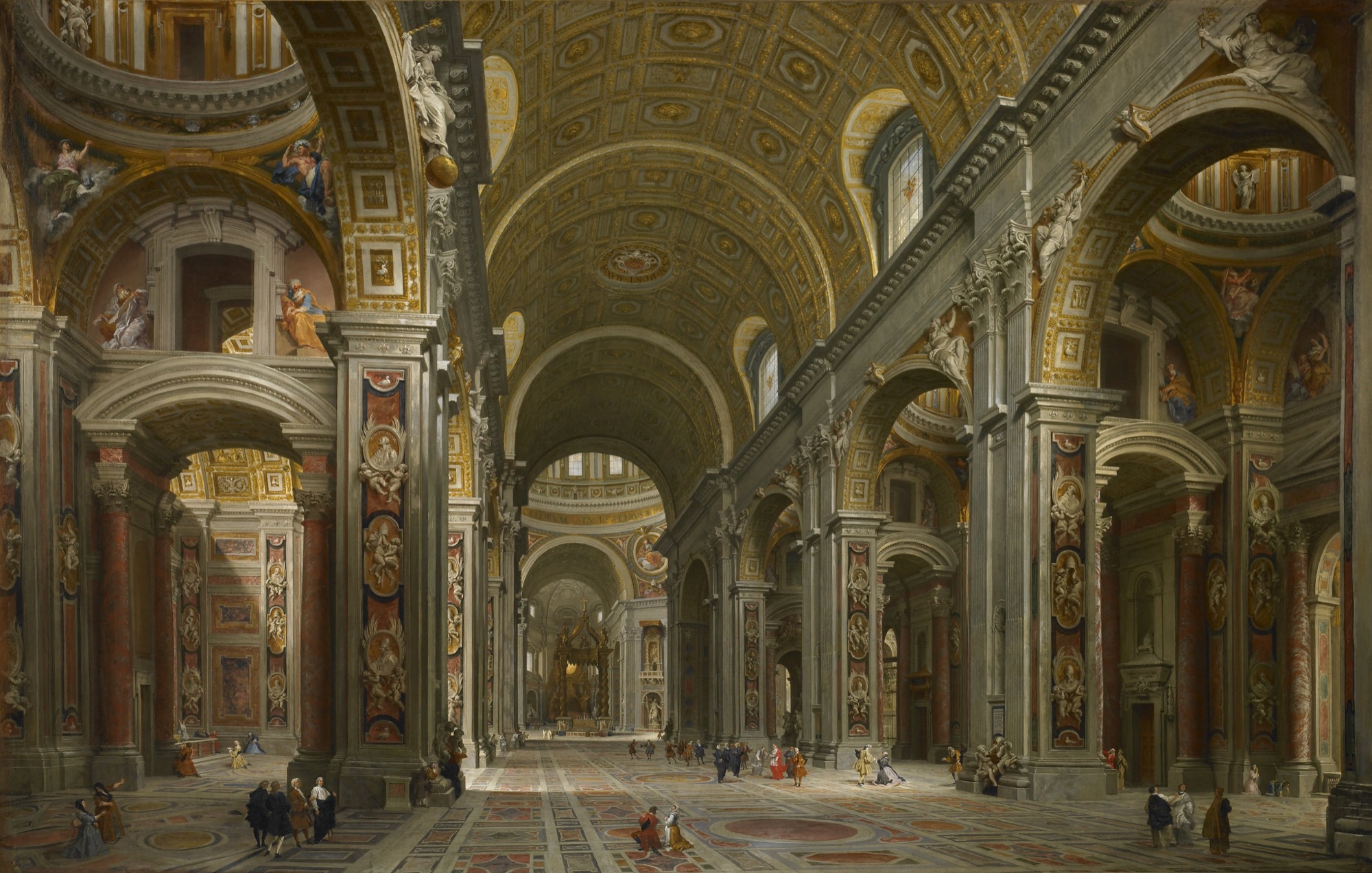
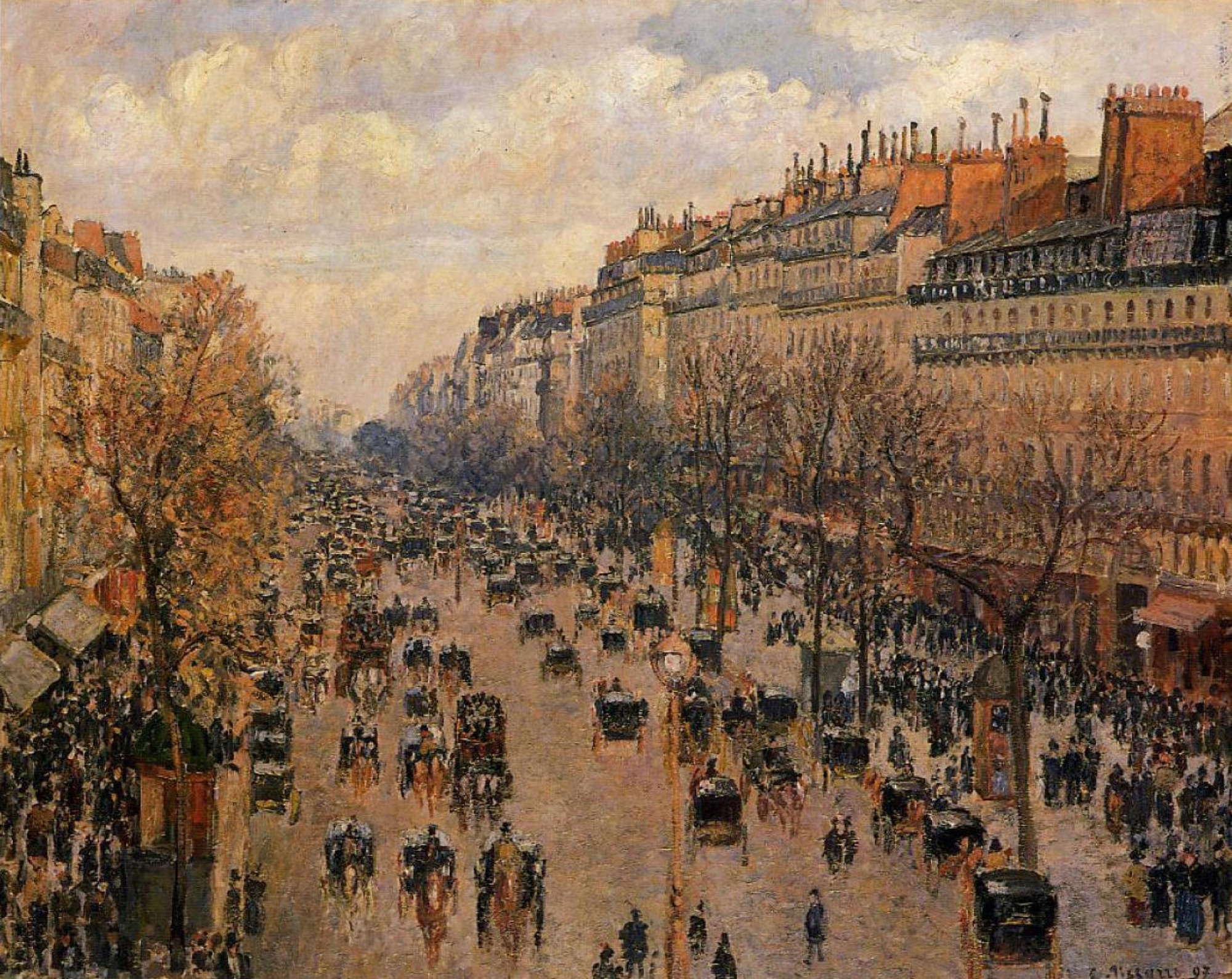
Compare Giovanni Paolo Panini’s Interior of St. Peter’s, Rome (1731) and Camille Pissarro’s Boulevard Montmartre, Afternoon, Sunlight (1897). Identify a visible difference in cropping, viewpoint, brushwork or the organization of a moment. Use the historical explanation to consider painting’s changing aims. Do not claim that photography alone caused every change in painting.
Review your A1 board and feedback. Identify one adjacency that needs a clearer reason and one change you could make to its arrangement.
Assessment and homework
Ungraded full 45-minute photography study on December 15 P7. Sontag was read December 9–10 and Jacobs December 11–13; no new reading response or second full Sontag assignment is added.
Description
Use Le Gray’s two-negative seascape to revise a claim about photographic evidence. Compare Panini and Pissarro to examine a related change in painting.
Teaching reference
Photography and the record
A photograph can have a physical relation to light from a scene. That relation does not determine its truth as a statement. Someone selects the frame, exposure, moment, process and use. Le Gray’s sea and sky drawn from two negatives help distinguish a plausible appearance from a single exposure. The appropriate conclusion depends on the claim: the picture may describe observed forms while not documenting one unchanged scene at one instant.
The original Photography lesson follows two linked histories. One concerns changing practices in painting, including crops, viewpoints and the representation of modern life. The other concerns photographs’ social uses. A comparison with Impressionist painting gives students evidence for the first history without making photography its only cause. The second history considers what a portrait, advertisement or personal photograph makes knowable, memorable or desirable.