The Unseen Comparative
Lesson slides: Two judiths (PowerPoint, 9.1 MB) · image credits
At a glance
| Field | Details |
|---|---|
| Dates | Wed 30 Sep P1 |
| Focus | The Unseen Comparative |
| Unit | Narrative Myth And Allegory |
Objectives
- Build one comparative claim independently about two unfamiliar paintings.
- Explain what a visible difference does in each.
Materials and resources
Use the works and source readings named below. Keep the full composition visible while looking.
Tasks
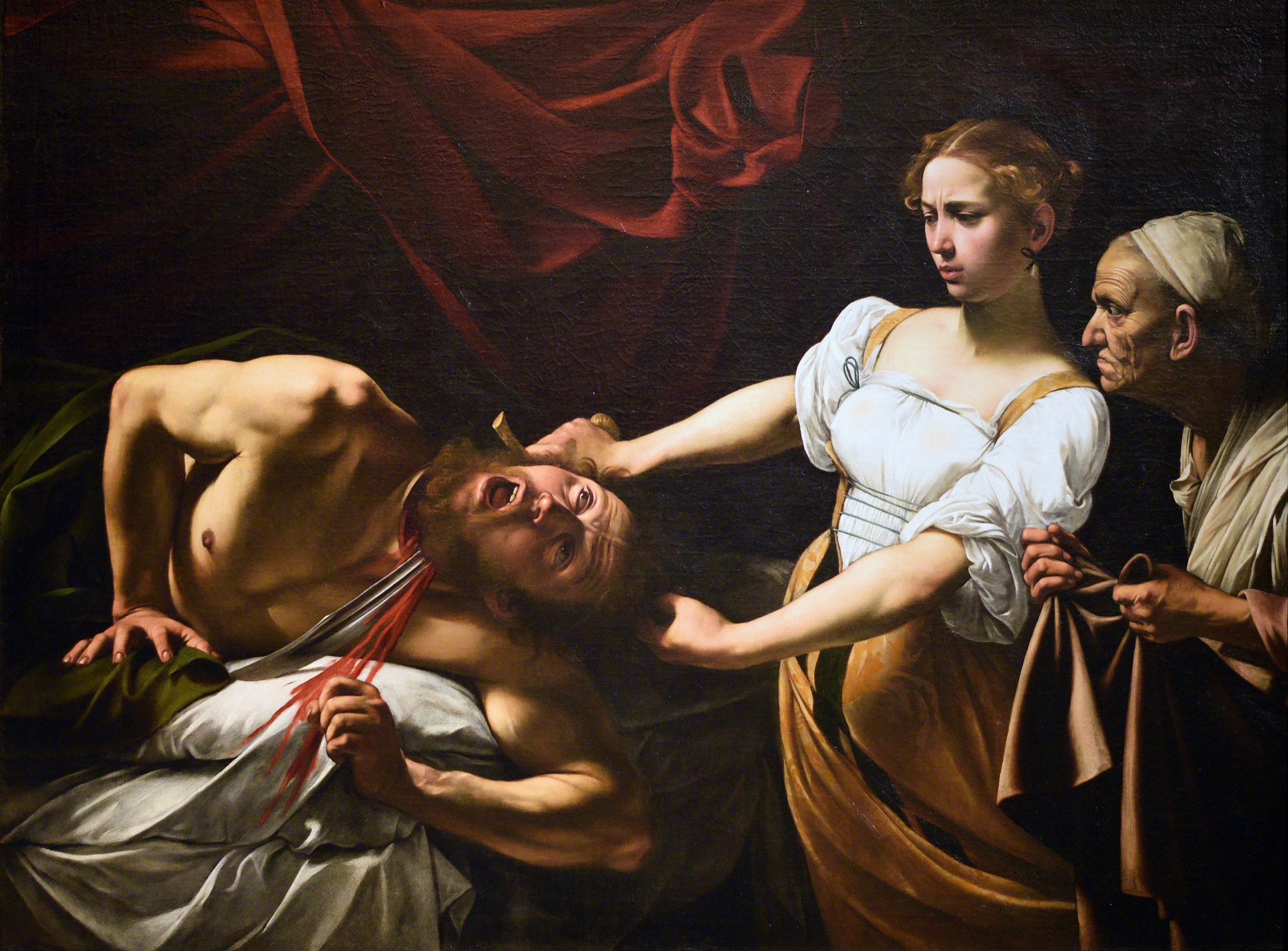
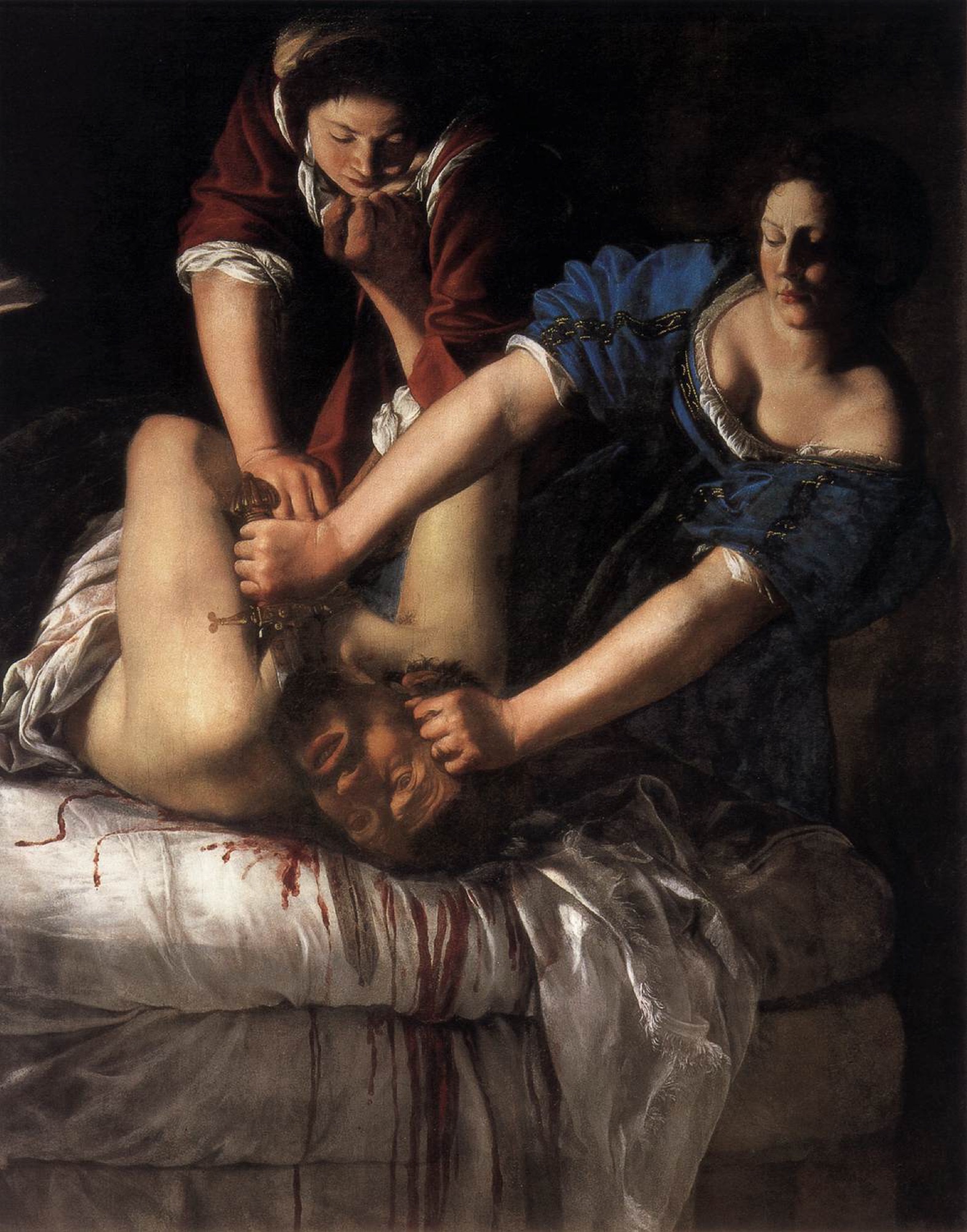
Use the provided guide to write independently about the two unfamiliar paintings. Compare one difference and explain what it does. Write a maximum of one page, typed or by hand.
1. What is the difference between a difference and a claim?
Answer: A difference is something you can see in both pictures, such as “one is dark and one is bright”. A claim says what that difference does, and it has a “so” in it. Test it two ways. Swap the two paintings in your sentence: if it is still true, it says nothing about either. Then ask whether a careful person could disagree: if nobody could, you have described and not yet argued.
2. What is the six-row checklist for, and what do you do with it once it is full?
Answer: It tells you what to notice before you decide anything: the moment, the distance and crop, and four more things you look for in both pictures. It stops you from deciding what the paintings mean before you have looked. Once it is full, you do not write about all six rows. You pick one difference and follow it all the way to what it does. Six differences is an inventory. One difference, followed through, is an argument.
Assessment and homework
- Unseen Comparative: Wed 30 Sep, in class. Course Skills, and a Minor for the AP class. A short comparative essay of one page at most on two paintings met for the first time, on your own, typed or by hand, out of 100.
- A2: the brief goes out on Tue 29 Sep. The essay is on Fri 16 Oct, on two paintings you meet after the holiday.
Description
Write independently about an unfamiliar pair. This rehearsal tests whether students can use the comparison method on their own.
Teaching reference
A myth is a story the viewer already knows. A painter can use that shared knowledge or change the familiar story. Compare how two painters represent it. Identify a change and explain how it affects the meaning.
Examine the unfamiliar paintings in pieces and then whole, using the six-row checklist for both. Choose one difference and develop a claim about its meaning. A claim has a “so” in it: not “one is dark and one is bright”, but what the darkness does. The guided paragraph develops that reasoning.
Wednesday’s unseen comparison tests the same reasoning independently, with less help.