Writing a Comparison of Velázquez and Sargent
Wednesday practice: Velázquez and Sargent practice (PDF, two pages)
Lesson slides: Lesson slides (PowerPoint, 2.5 MB) · Velázquez and Sargent comparison (PowerPoint, 46.9 MB) · Wiley subversion of myth and two napoleons (PowerPoint, 17.8 MB) · image credits
At a glance
| Field | Details |
|---|---|
| Dates | Wed 14 Oct P1 |
| Focus | Writing a Comparison of Velázquez and Sargent |
| Unit | Narrative Myth And Allegory |
Objectives
- Use a difference between the two interiors to argue about social roles or the viewer’s position.
- Support the interpretation with details from both paintings.
Materials and resources
-
art-appreciation-las-meninas-spectatorship-and-artistic-authority.pptx
-
Art Appreciation Velazquez Sargent Discussion.pdf
-
Four artist info sheets, with one page per artist supplying background about the artist, painting and context that students cannot establish by looking alone. The sheets use topic headings; the five-heading sequence remains in the discussion method.
-
The additional Velázquez deck and class discussion worksheet. Use slides 41–46 for Wednesday and the two-page Wednesday practice worksheet, with the existing interpretations supplement. The earlier four-page discussion worksheet remains a record of Tuesday’s planned sequence. The original Wiley and Two Rooms decks remain unchanged.
-
Wednesday practice worksheet
Tasks
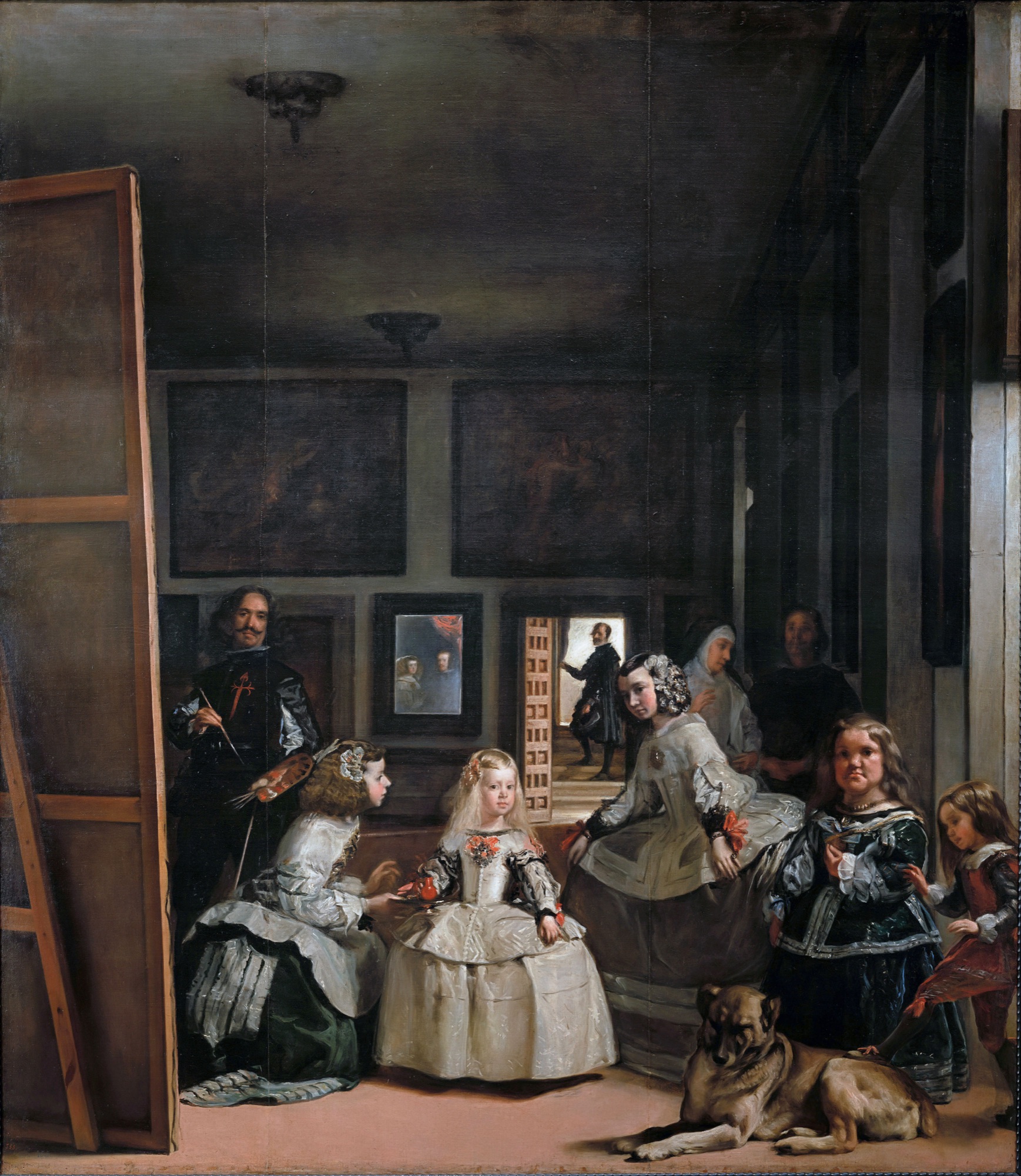
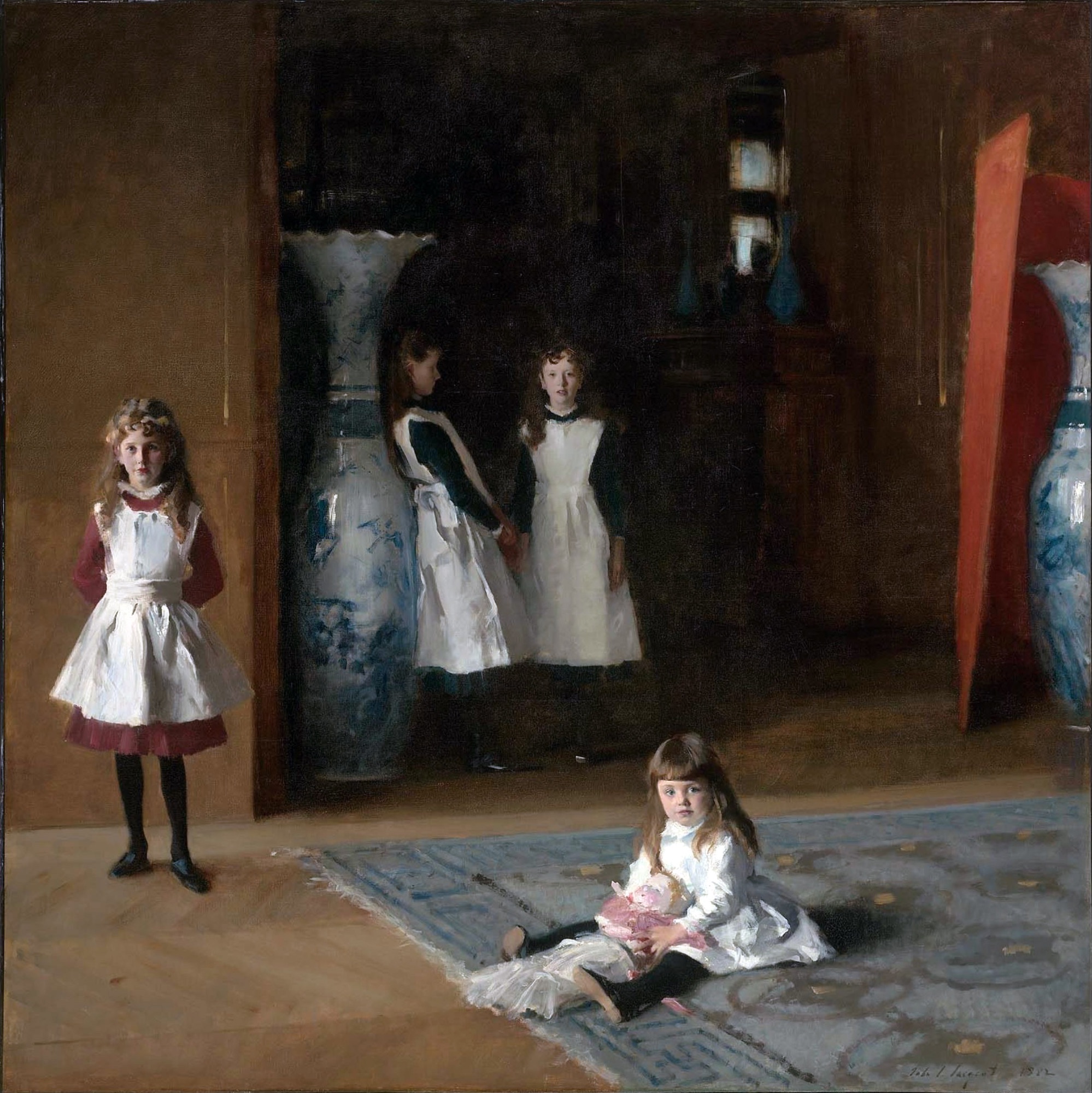
Read the final passage on individuality for ten minutes. Examine a modeled interpretation for five minutes. Choose one of the two comparative prompts on the worksheet and write for the full thirty minutes. Build a claim about both paintings, cite a detail from each and return to the claim after considering a second reading.
Assessment and homework
Collect the existing 30-minute comparative practice. Use the four criteria and the collected responses to inform the return to A2.
Description
Finish the individuality reading, examine a modeled interpretation and give students the full 30 minutes for their own response on social roles or the viewer’s position.
Teaching reference
The comparison checklist
Use these headings in order while studying the paintings:
- First Reaction: name and locate the first thing you notice; hold interpretation for later steps.
- Content: identify what is depicted.
- Form: explain how the work’s arrangement and visual choices create meaning.
- Historical Context: connect relevant facts about the period, society, patronage and audience to the work.
- Personal Context: connect documented facts about the artist’s life, training, influences and relationship to the subject to the work.
The detailed Monday comparison plan supplies the method and the Velázquez/Sargent context. Use the notes to develop one argument. A2 retains its existing requirements for an unseen pair; no biographical research or recall requirement is added.