A2 Unseen Comparison
Lesson slides: Download the deck (PowerPoint, 2.5 MB) · image credits
At a glance
| Field | Details |
|---|---|
| Dates | Fri 16 Oct P2 |
| Focus | A2 Unseen Comparison |
| Unit | Narrative Myth And Allegory |
Objectives
- Develop a comparative argument independently under the existing assessment conditions.
- Use details from both newly introduced paintings.
Materials and resources
Use the works and source readings named below. Keep the full composition visible while looking.
Tasks
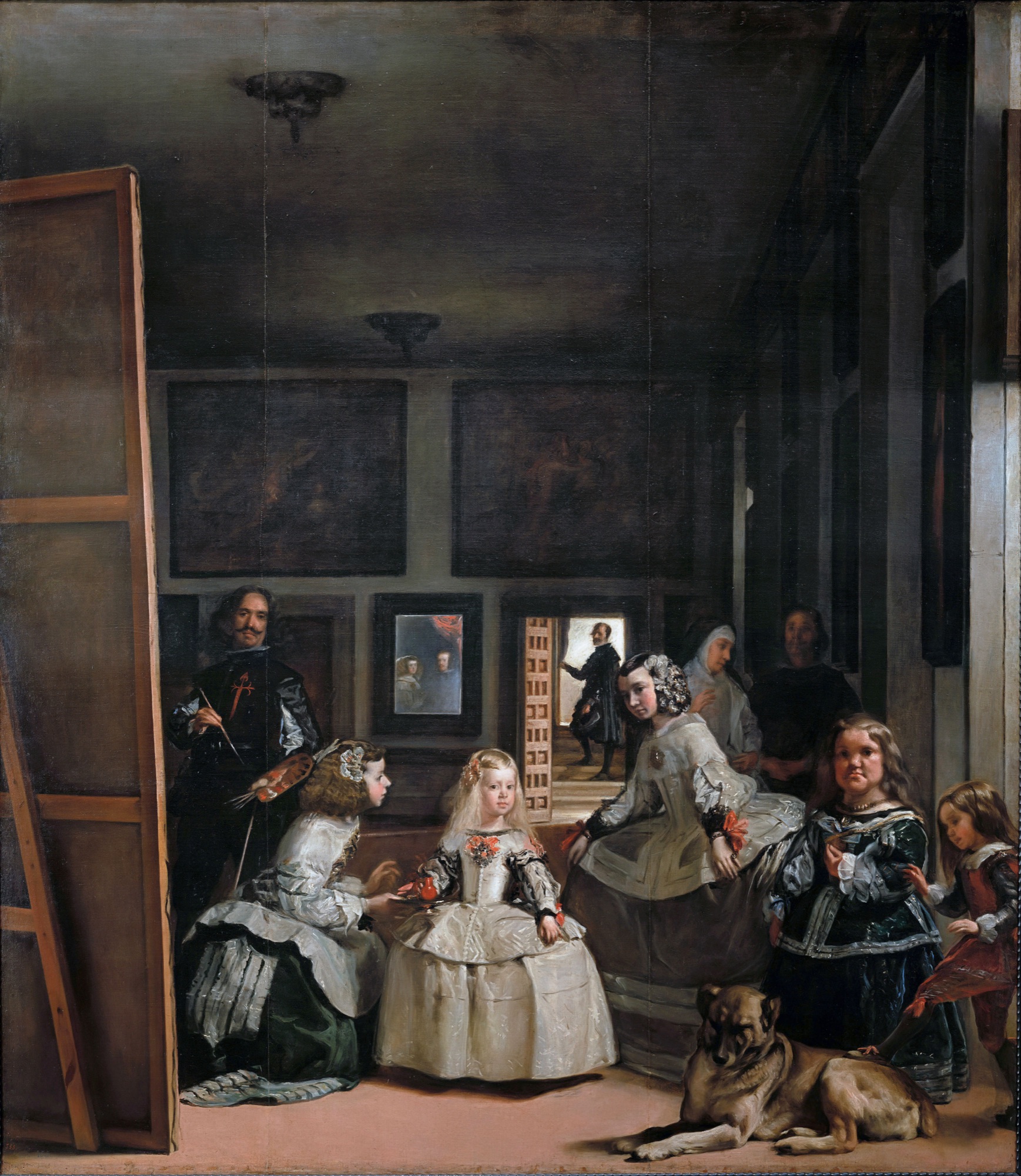
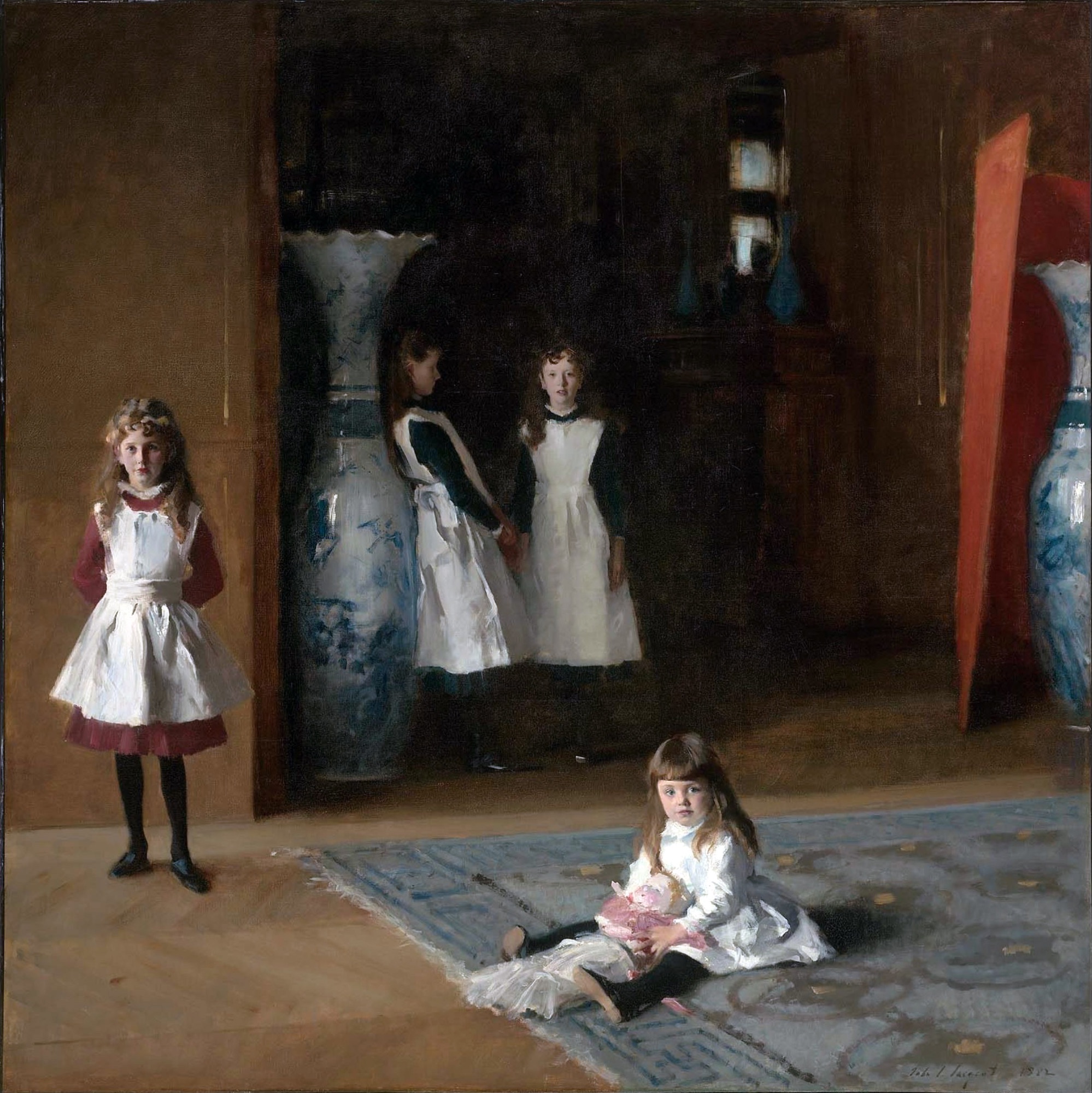
Meet the two assessment paintings at the sitting. Look at both before writing. Build a single comparative claim supported by details in each image. The Velázquez–Sargent pair illustrates the rehearsal, not the assessment pair.
Assessment and homework
A2 is the existing independent in-class unseen comparison. Keep the five minutes to settle and the full forty minutes for writing. Use the A2 brief and criteria.
Description
The independent assessment introduces the paintings at the sitting. Keep the five minutes for settling and the full forty minutes for writing.
· A2. Settle and distribute the two sheets face down, with lined paper, for 5 minutes. At 09:00 reveal the two unseen paintings, question sheet and information sheet. Students choose one of two questions and may use the supplied information sheet throughout the 40-minute response. No personal notes, books, phones or internet. Collect at 09:40. Foreign Culture Day: lessons run.
Teaching reference
The comparison checklist
Use these headings in order while studying the paintings:
- First Reaction: name and locate the first thing you notice; hold interpretation for later steps.
- Content: identify what is depicted.
- Form: explain how the work’s arrangement and visual choices create meaning.
- Historical Context: connect relevant facts about the period, society, patronage and audience to the work.
- Personal Context: connect documented facts about the artist’s life, training, influences and relationship to the subject to the work.
The detailed Monday comparison plan supplies the method and the Velázquez/Sargent context. Use the notes to develop one argument. A2 retains its existing requirements for an unseen pair; no biographical research or recall requirement is added.