Heda: Possession and Labor
Lesson resources: Heda: A Messy Table, A Map of the World · Heda trade-route map (large-format landscape PDF)
Lesson slides: Download the deck (PowerPoint, 2.5 MB) · image credits
At a glance
| Field | Details |
|---|---|
| Dates | Wed 4 Nov P1 |
| Focus | Heda: Possession and Labor |
| Unit | The Table As Ethical Space |
Objectives
- Trace the diagonal from bread to vessels and explain how it organizes the still life.
- Separate a visible surface from an attributed claim about an object’s trade route.
Materials and resources
-
heda-trade-map.pdf
-
Heda close-reading activity
Tasks
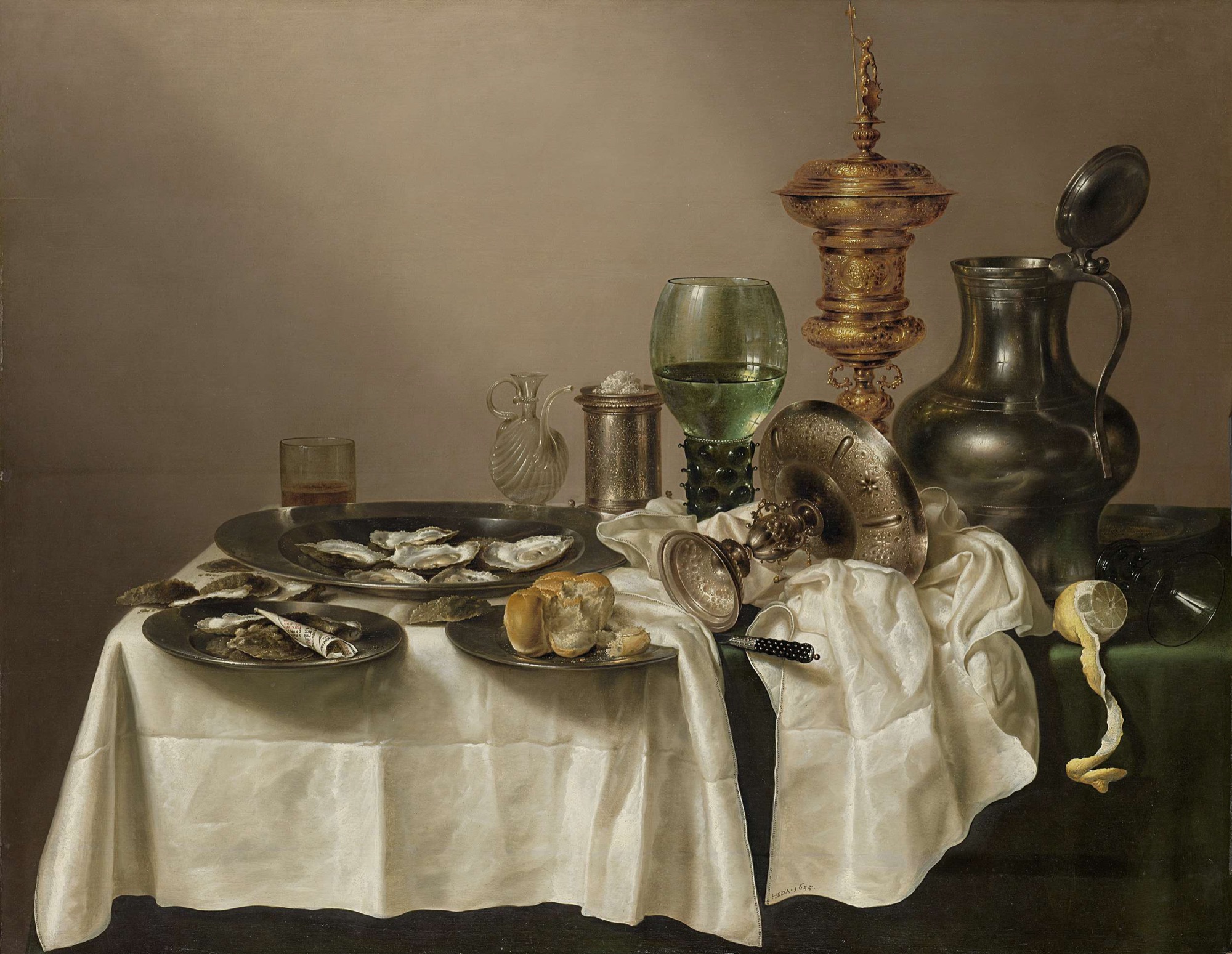
Use the supplied Heda close-reading activity and the A3 trade-route map.
First Heda look · November 4 P1
- Open the unchanged Heda activity on the whole painting. Before reading its labels, count and name the objects you can identify. Mark uncertain identifications with a question mark. Describe apparent materials and use one color for visible observations and another for inferences.
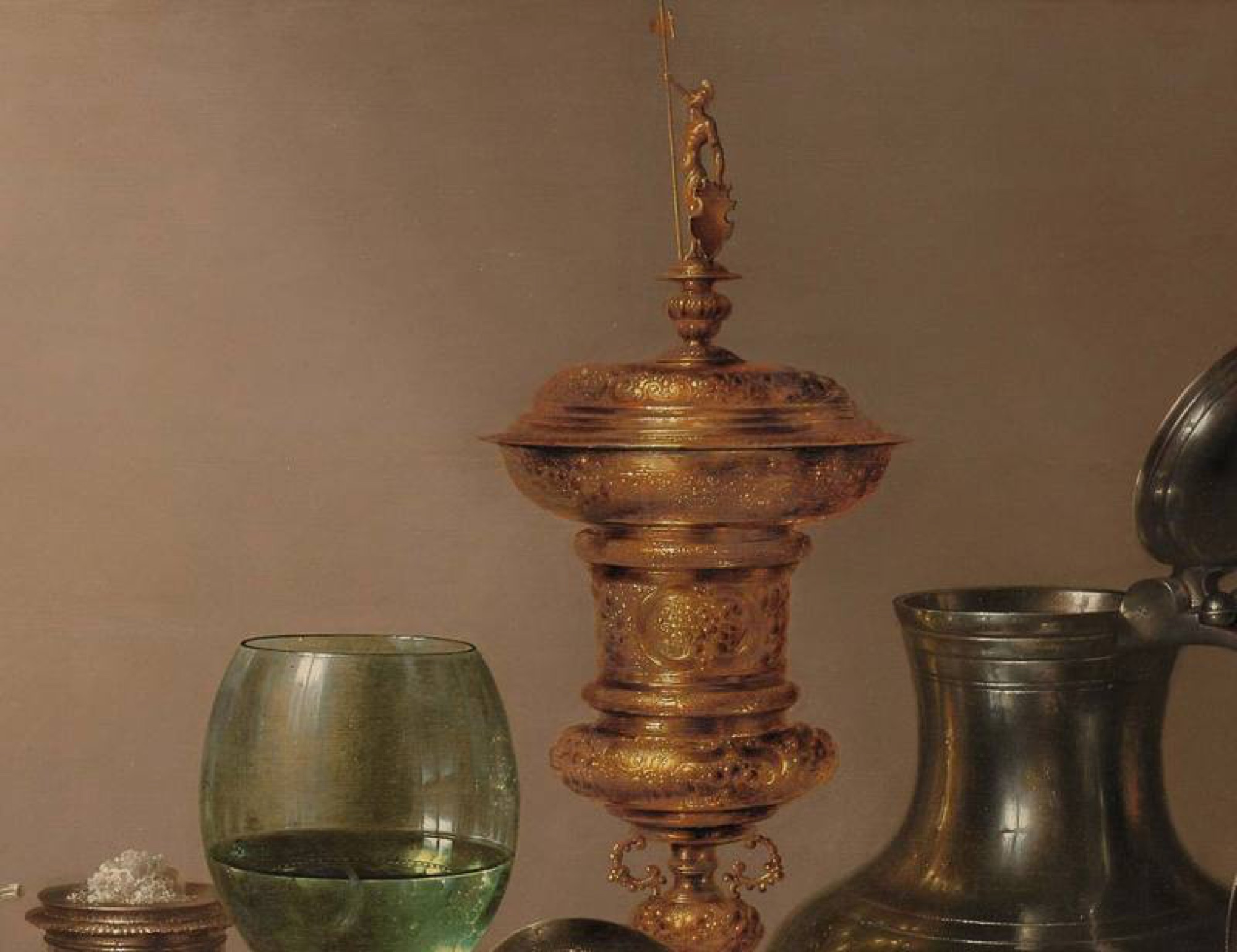
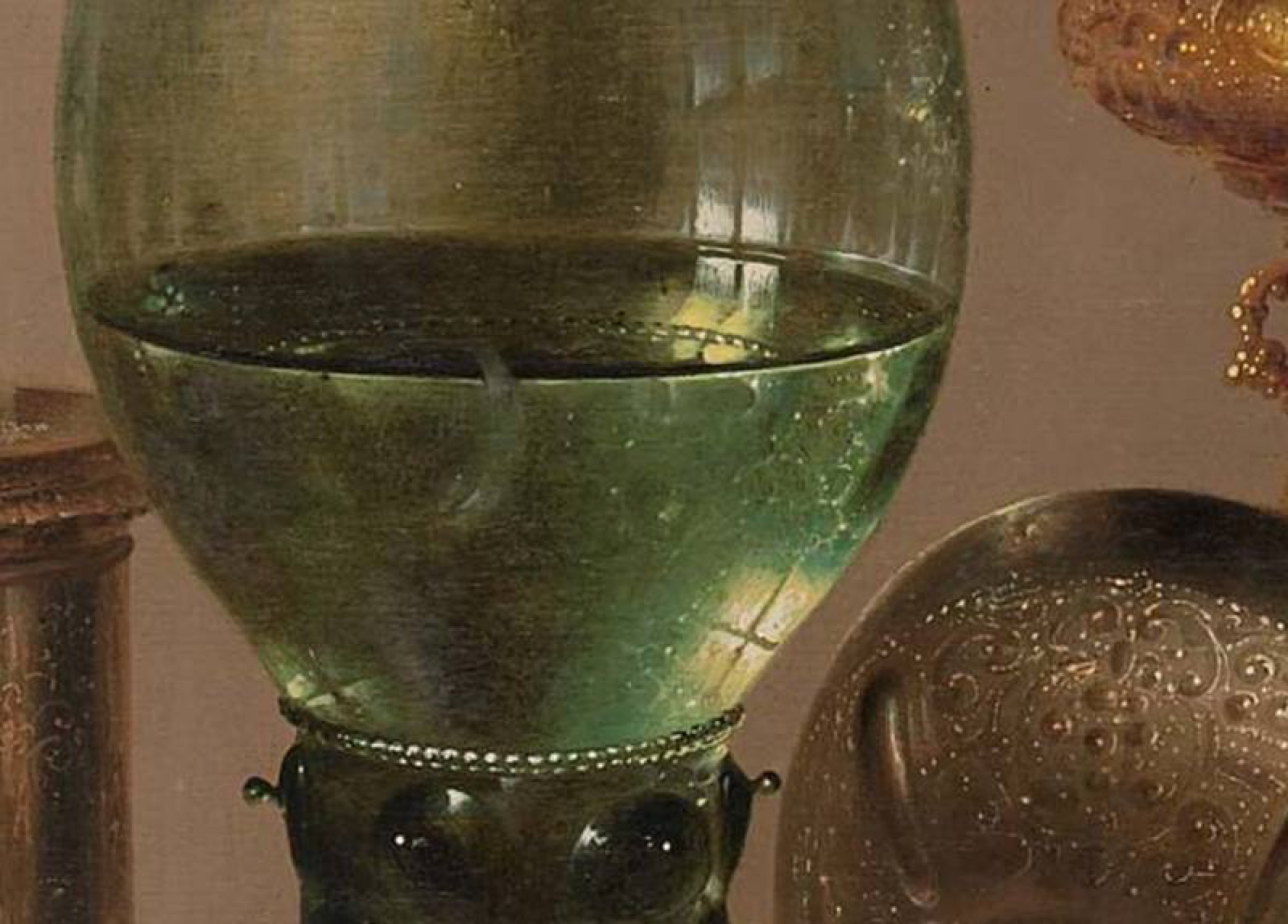
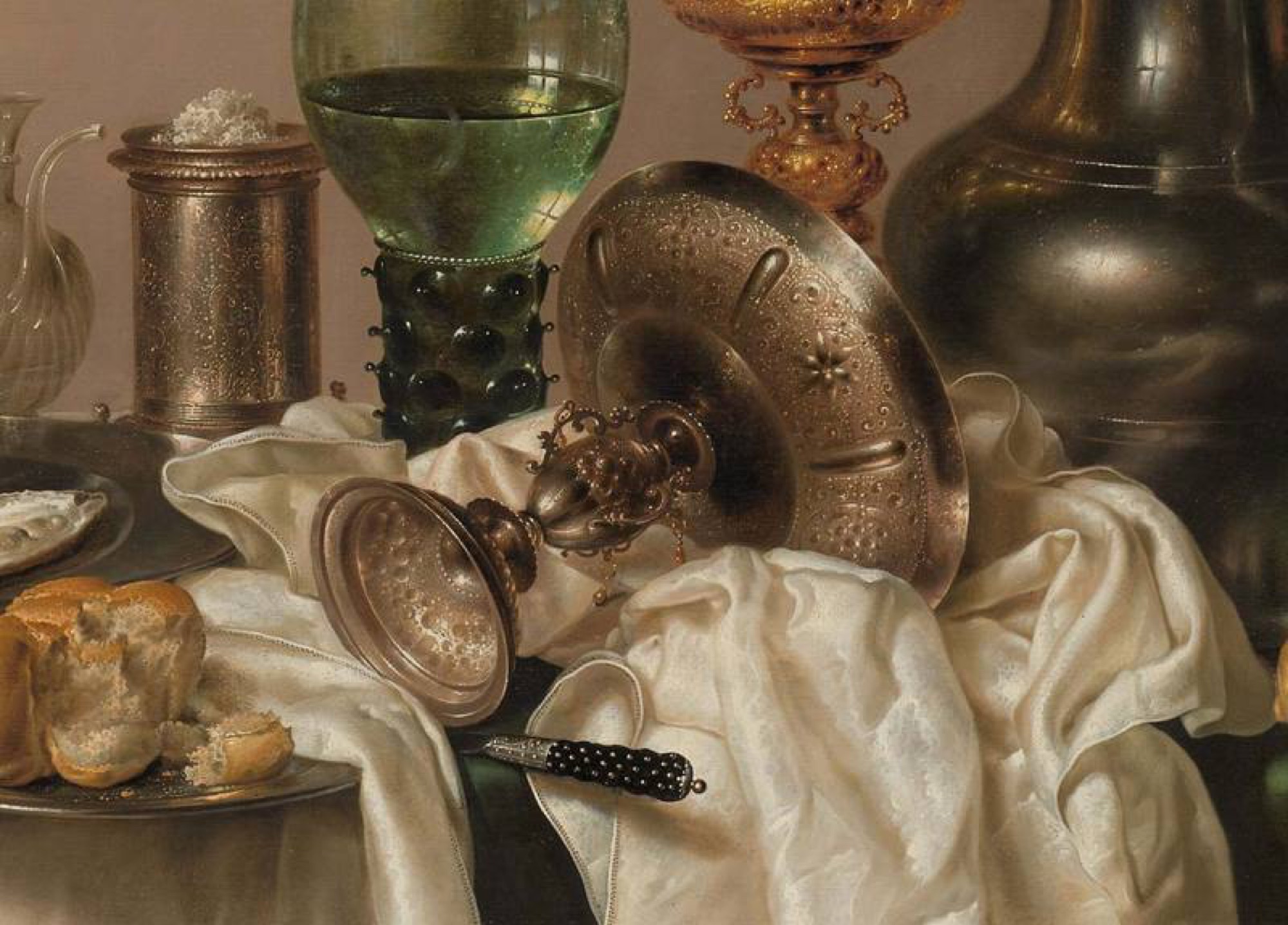
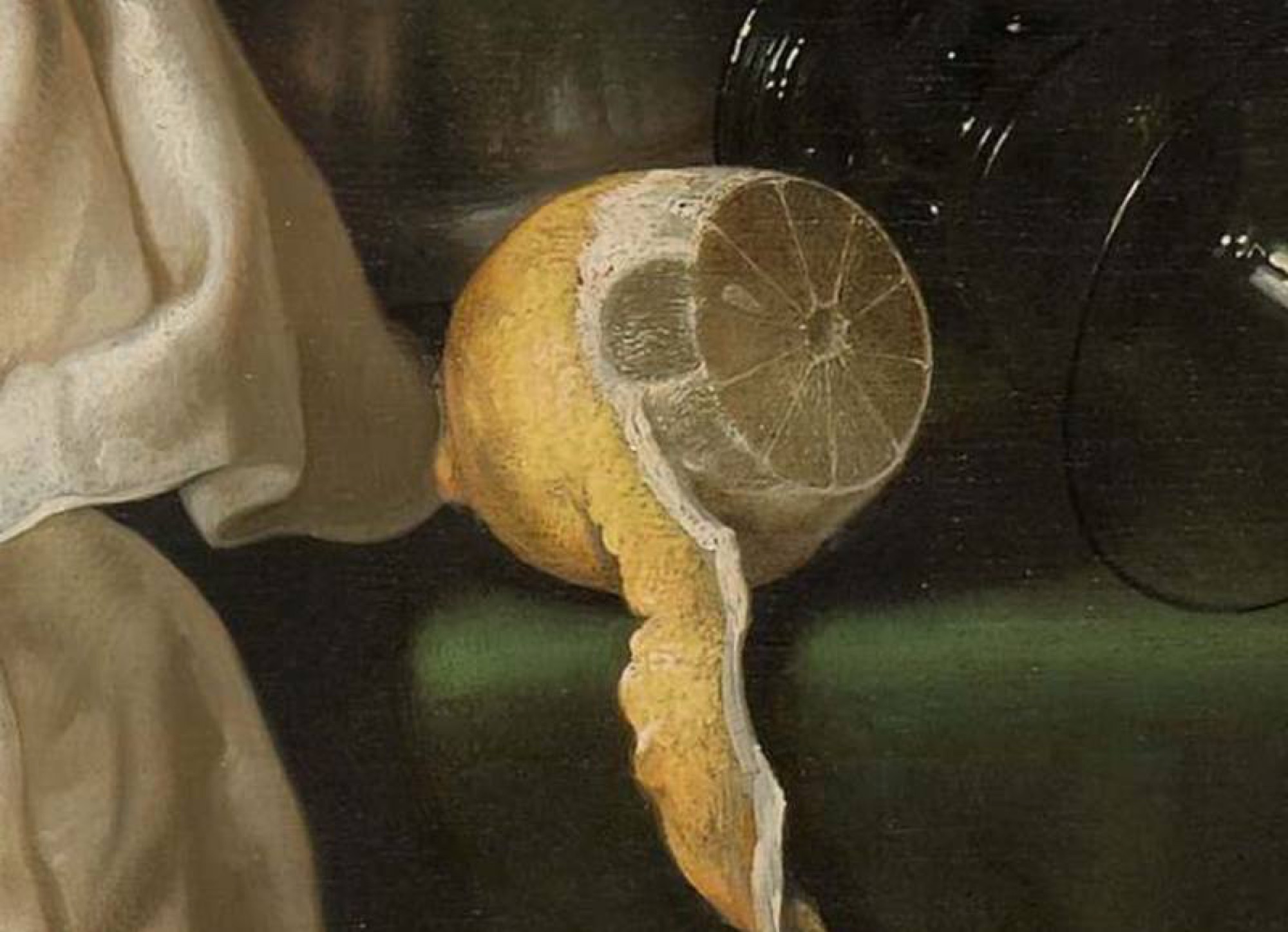
- Move through the close details of the gilt cup, oysters, Römer glass, pewter, overturned tazza, lemon and spiraling peel. Keep a four-column note: object · visible material or light · proposed origin or route · question. Explain one detail to a partner.
- Return to the composition view. Trace the table edge, the diagonal through the overturned tazza and the lemon peel. Compare upright and tipped forms. Explain how the arrangement holds balance and near-accident together.
- Write a provisional answer to How does Heda make trade visible? Connect one object, one formal choice and a possible relationship to making, exchange or value. Keep the annotated image and notes.
Trade-route preparation · reference
Use the existing map to revisit one route. Point to one familiar object and recall one possible route. Say which detail is visible in the painting and which information comes from the map.
Assessment and homework
Ungraded close reading and trade-route notes. The supplied activity’s old writing panel is not assigned. There is no separate paragraph to submit.
Description
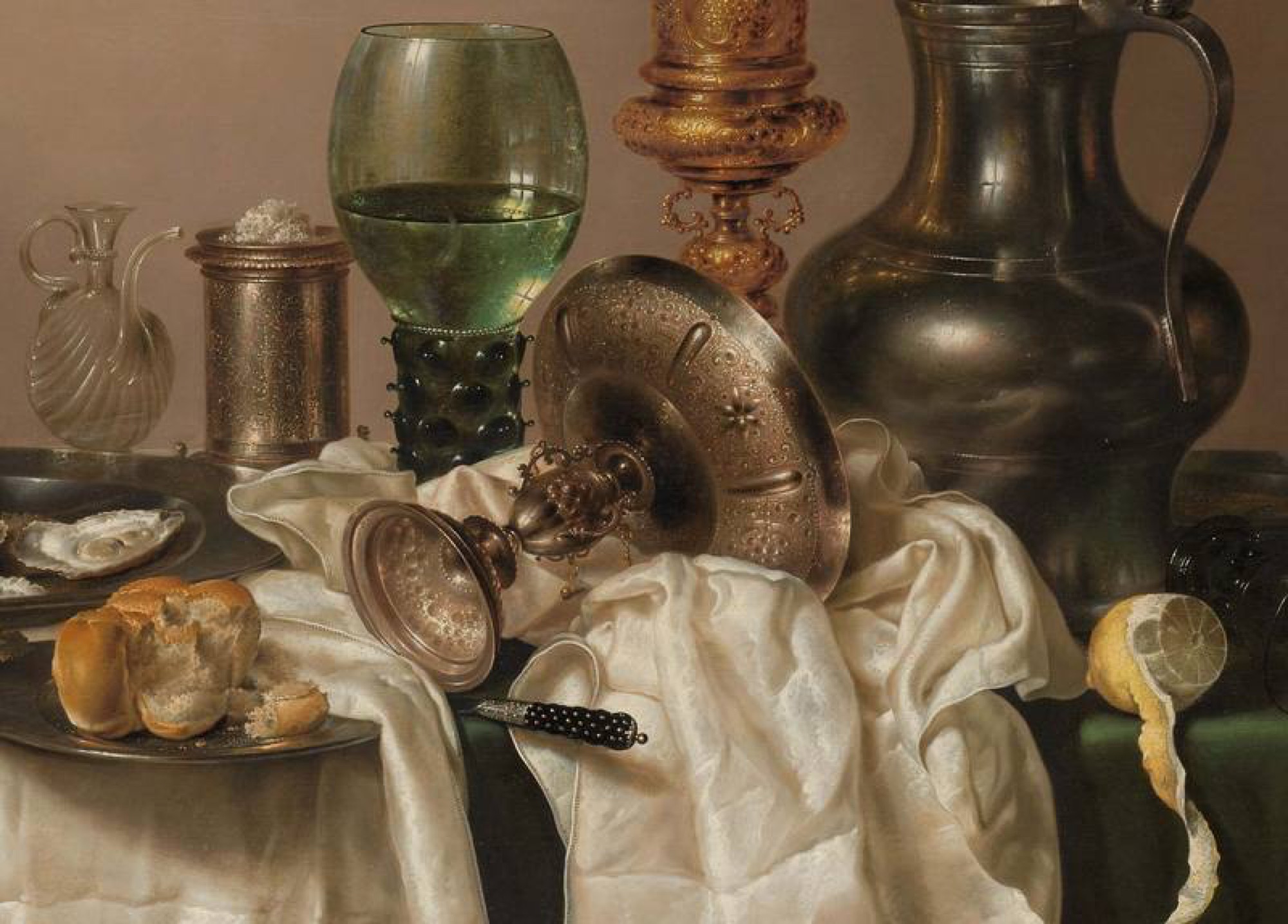
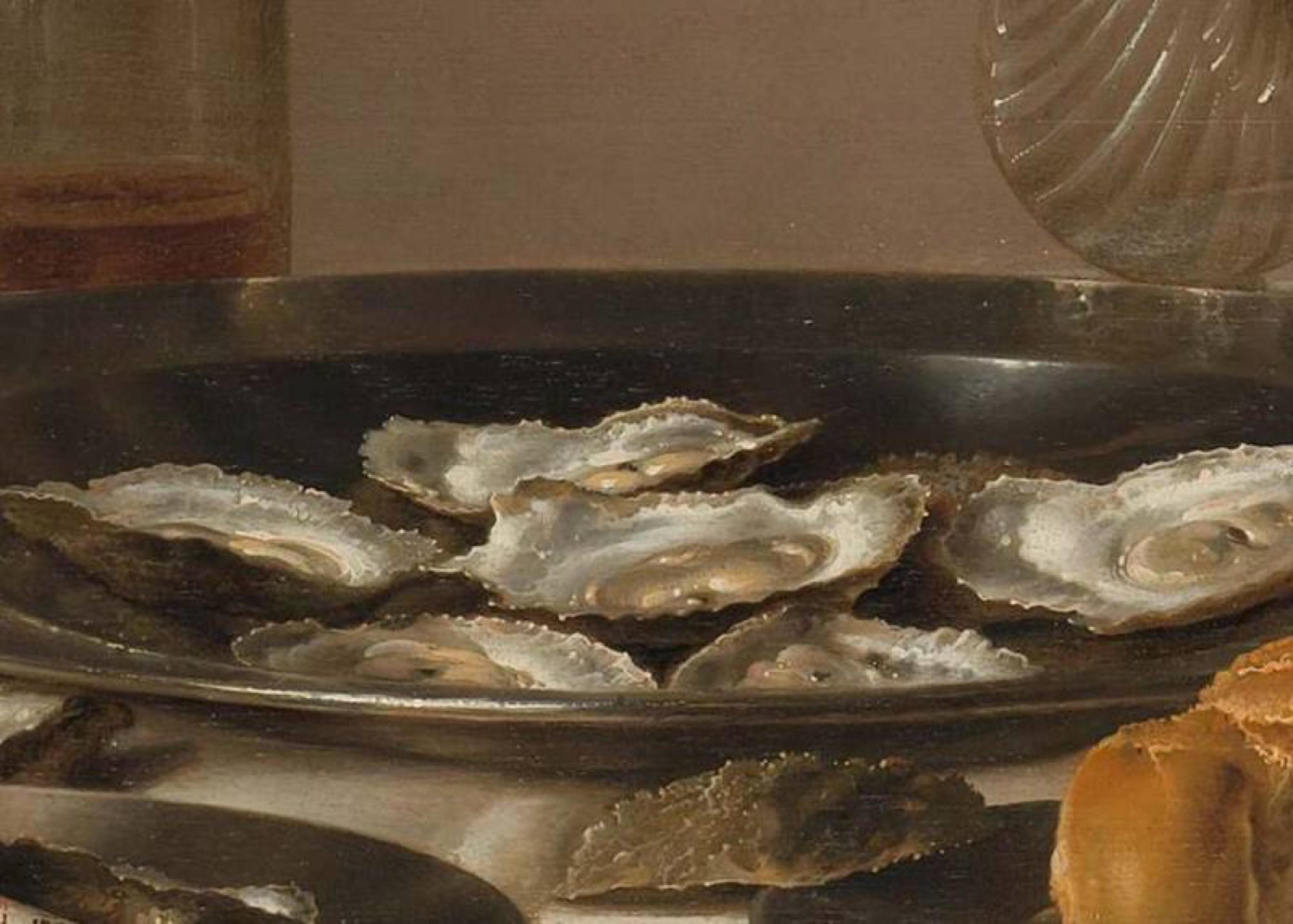
Look first at Still Life with a Gilt Cup. Trace the diagonal from bread to vessels. Distinguish what the painted objects show from what a source establishes about trade.
Teaching reference
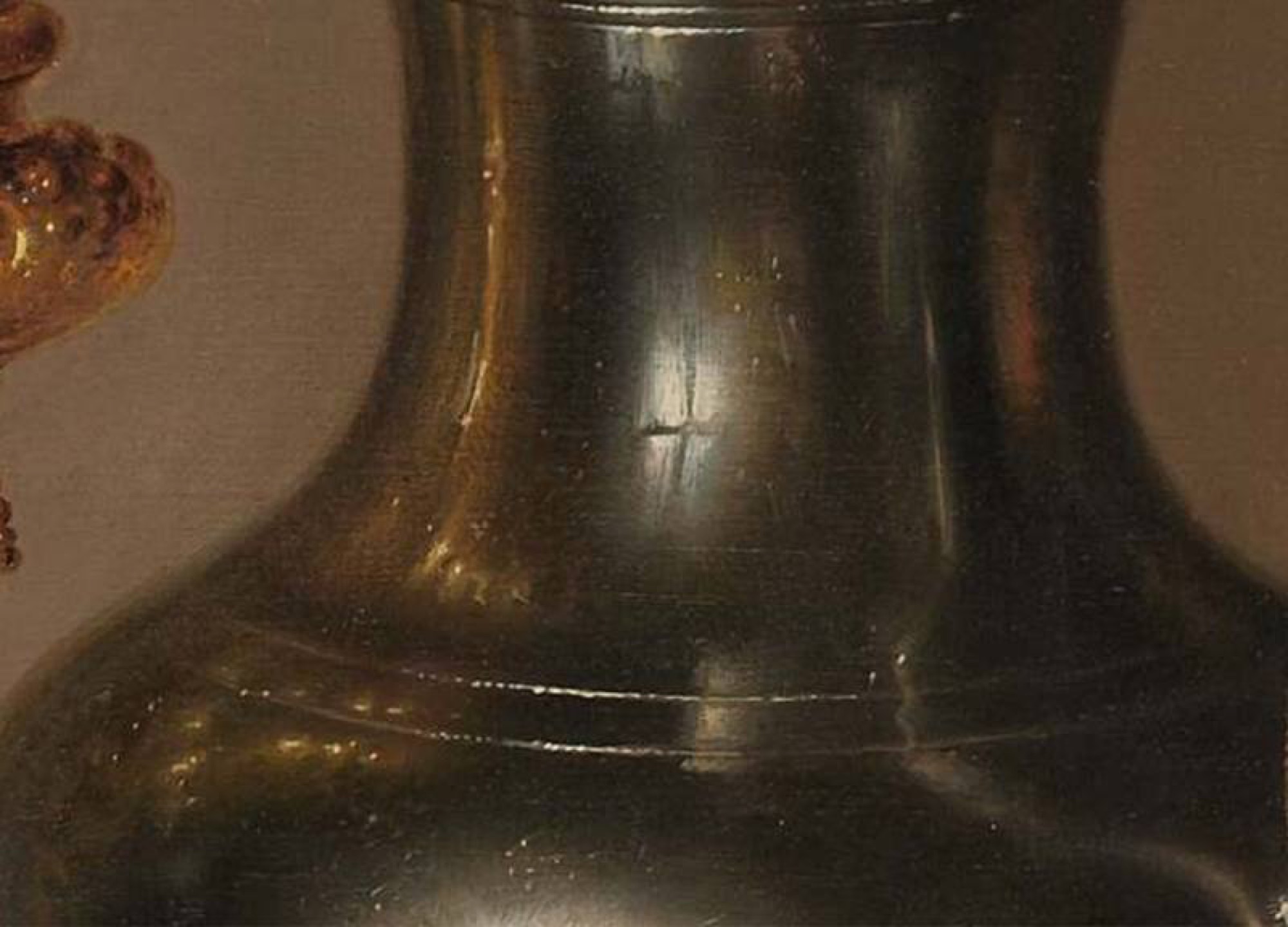
A still life as an image of trade
The activity supplies the sequence whole image → close details → object-and-route inventory → composition → Berger. The lesson turns that sequence into an evidence exercise. Trade is not only background information. The objects have proposed histories of making, cultivation, transport and sale. Heda brings those objects into one arrangement. A useful claim pairs a proposed route with a visible detail.
The activity proposes the following routes. They are claims to examine, not facts established by the painting alone.
| Object | Activity’s proposed connection | Visible detail to connect |
|---|---|---|
| Gilt standing cup | Silversmithed and gilded in a German or Dutch workshop; borrowed from the Haarlem civic guard for official occasions | Warm highlights and the cup’s upright position above the other vessels |
| Römer glass | Rhine valley production, with green color connected to iron in local sand | Green transparency and the reflected window in the wine |
| Lemon | Portugal or the Mediterranean, possibly Dutch Brazil | Yellow rind and the long peel descending from the table |
| Oysters | Zeeland coast; food associated with merchant-class prosperity | Wet shells facing different directions among pewter plates |
| Pepper | Java and the Spice Islands through the VOC | Peppercorns shown on the almanac page |
| Salt cellar | Silver vessel, probably German or Dutch; salt as a traded commodity | Bright metal beside the darker vessels |
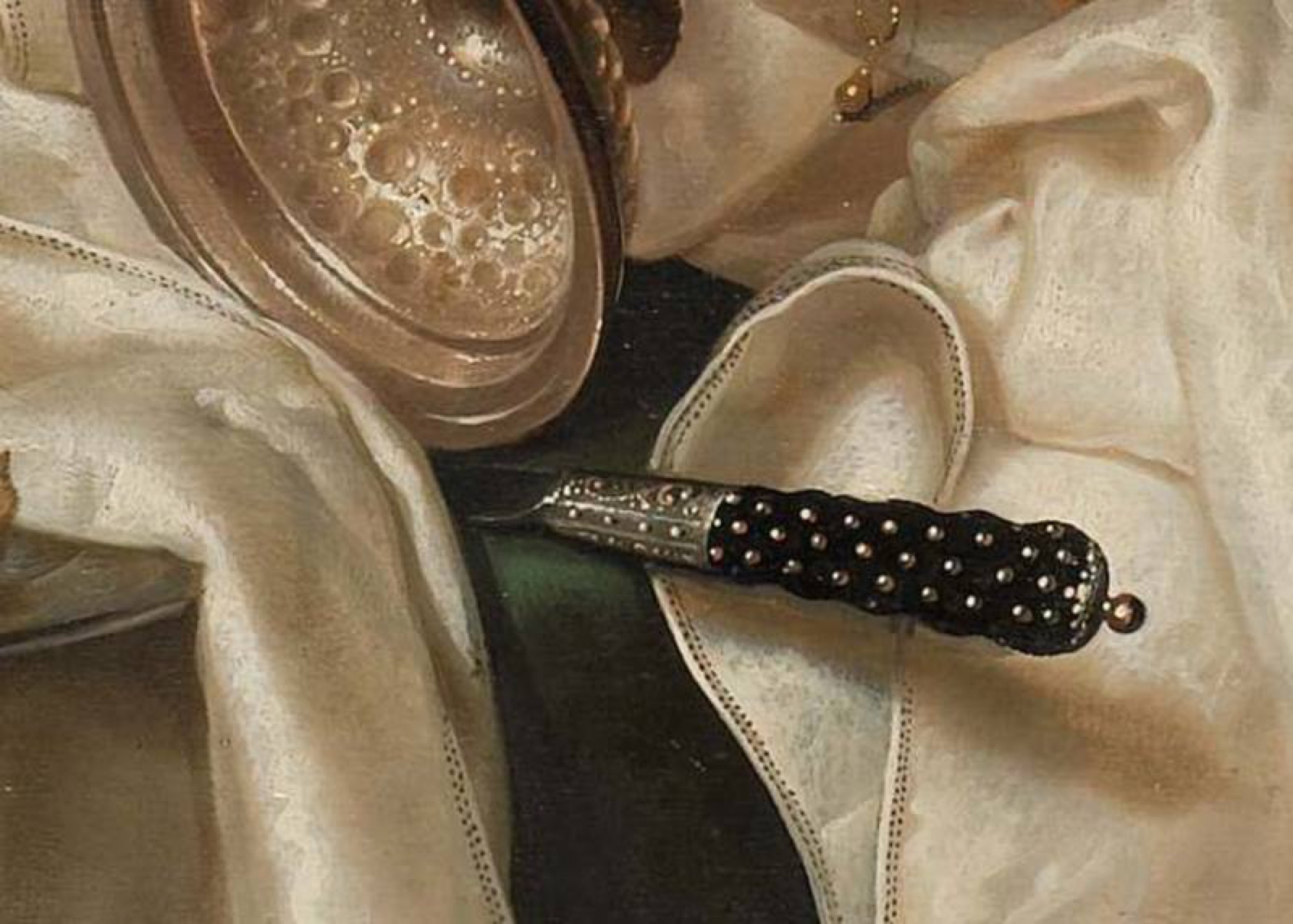
| Knife | Possible ebony or mother-of-pearl handle associated with Batavia; the activity leaves the material uncertain | Dark handle partly exposed beneath the napkin |
| Venetian cruet | Possible Venetian glasswork, probably used for vinegar | Delicate white ribs and transparent glass |
Use the selected Dutch still-life source to check one proposed route. Its account of Dutch trading companies also raises colonial power and the labor and violence behind luxury goods. That general history still does not establish the precise route of every object Heda depicts. State whether a source establishes the history of a kind of object or the origin of this particular depicted object. The teacher’s Heda page and artwork record supply the original route from objects to materials, form and value.
Berger: abundance as a claim about wealth
John Berger, “The Eaters and the Eaten,” in Selected Essays, pp. 372–373, six consecutive sentences from the assigned text:
The cultural explanation, however, is as important. If the scale of the meal is spectacular, all the eaters share in its achievement, and boredom is less likely. The shared achievement is not, fundamentally, culinary. The achievement is that of wealth. What wealth has obtained from nature is an affidavit that overproduction and infinite increase are natural. The variety, the quantity, the waste of food prove the naturalness of wealth.
Reading support: culinary concerns cooking; an affidavit is a formal statement offered as evidence. Berger argues that a spectacular meal can make wealth look natural. This is an argument to test. It does not prove that every abundant table has the same meaning. In Heda, connect the argument to the quantity, treatment and arrangement of objects, then attend to details that complicate it. The tipped vessels and partly consumed food can contribute to more than one reading.
Trade and the market for paintings
In the seventeenth-century Dutch Republic merchants invested in voyages for a share of the profits. Paintings also circulated through dealers and fairs. A buyer could acquire a picture of valuable goods as well as the goods themselves. The Dutch East India Company conquered the Banda Islands in 1621 to control the trade in nutmeg. Enslaved people subsequently cultivated it on plantations. This documented example of colonial control is distinct from the trade activity’s proposed route for Heda’s pepper. Dutch painting and its buyers · Rijksmuseum on nutmeg and slavery