Reading a Family Meal in Eat Drink Man Woman
Handouts (PDF): Eat Drink Man Woman: discussion notes (PDF)
Lesson slides: Download the deck (PowerPoint, 887 KB) · image credits
At a glance
| Field | Details |
|---|---|
| Dates | Tue 3 Nov P6/P7 |
| Focus | Reading a Family Meal in Eat Drink Man Woman |
| Unit | The Table As Ethical Space |
Objectives
- Revise a written interpretation of one filmed meal.
- In the discussion, use a detail of framing, action or sound to respond to another reading.
Materials and resources
-
eat-drink-man-woman-discussion.pptx
-
pizza-labor-map.pdf
-
Eat Drink Man Woman: discussion notes
Tasks
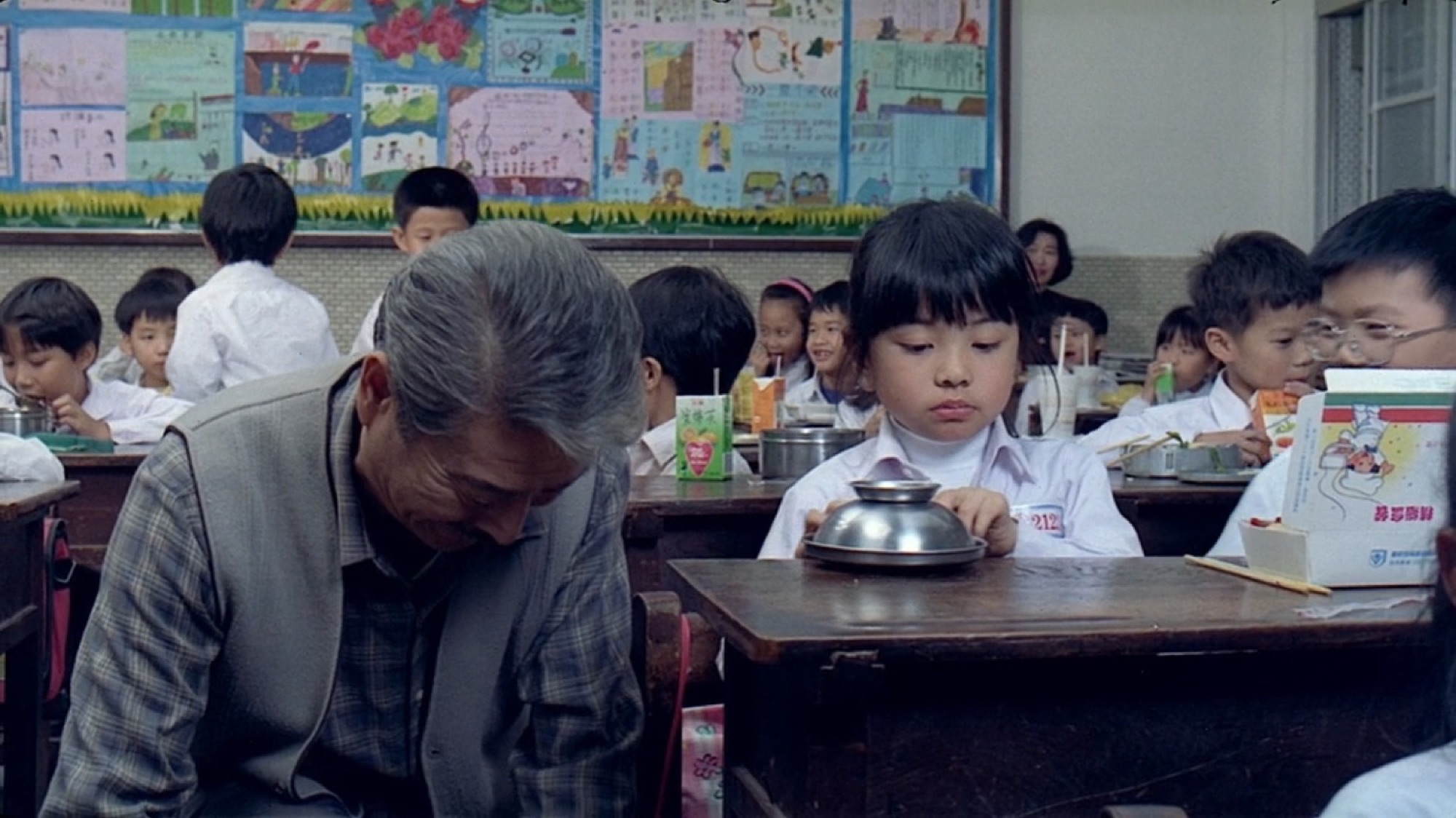
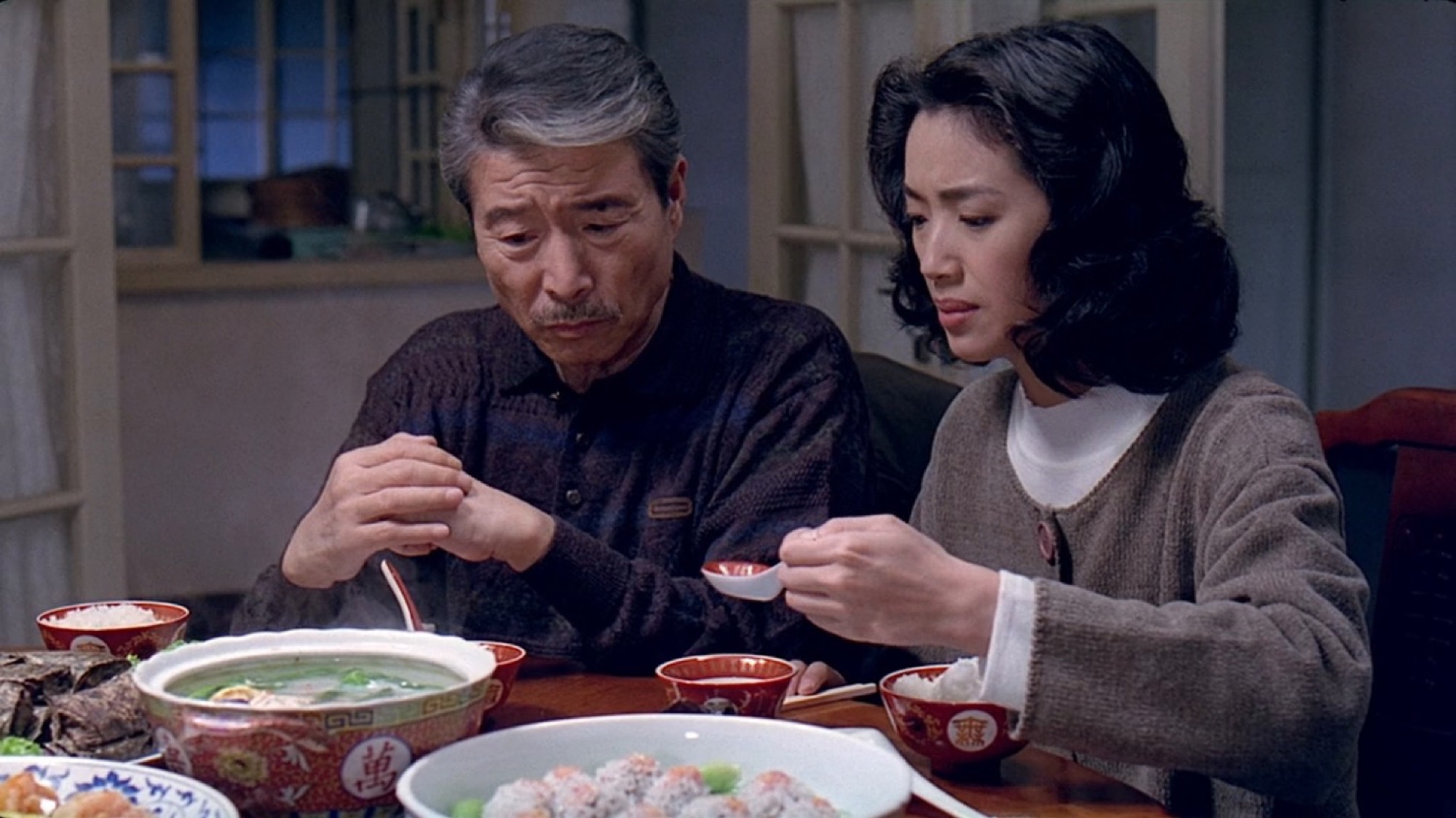
Written meal reading · November 3 P6
Complete the full activity in November 3 P6. October 21 P1 remains the planned third viewing period.
Choose the meal replayed in class. Write a connected reading that explains what the characters communicate through eating, serving or refusing. Make one claim about the relationship. Support it with at least two precise moments, including how the film presents an action through sound, framing, editing or duration. Explain how the evidence supports the claim. Then acknowledge one detail that permits a different reading.
Exchange with a partner. The partner marks one place where the interpretation needs clearer evidence. Revise that place. Complete the response in class. There is no fixed page or word requirement and this is ungraded practice.
Film Discussion · November 3 P7
Discuss Eat Drink Man Woman. Contribute a clear idea supported by a specific film example and respond thoughtfully to another interpretation. Your grade comes entirely from discussion performance. Listen and explain why you agree, disagree or change your view. Speaking more often does not raise the grade. There is nothing to hand in. Follow the Film Discussion brief.
Assessment and homework
The P6 written meal reading is ungraded. The P7 Film Discussion Minor assesses speaking and responding only. Keep the existing criteria and performance record.
Description
Replay one meal and revise a written interpretation in P6. In P7, test it against another reading. The writing is ungraded. The Film Discussion Minor assesses speaking and responding.
Teaching reference
Reading a filmed meal
The table as moral space means a meal examined through its social rules and relationships. It can show affection, conflict, duty or exclusion. These possibilities are investigated through evidence, rather than treated as qualities of every meal. Ethics concerns how our actions affect others and what we owe them. Class concerns differences in wealth, work and social position.
In Eat Drink Man Woman, cooking can communicate care even when conversation is difficult. Repetition also allows us to examine duty and control. An unspoken argument is a disagreement communicated through actions rather than direct speech. To read it, follow what happens before and after an offer or refusal. A ritual is a repeated action with shared social meaning. A repeated family meal may maintain a bond while exposing disagreement about that bond.
Film form contributes to the reading. Mise-en-scène is the arrangement of people, objects, costume and space within a scene. Framing is the selection and arrangement of what appears inside the image. A close-up can direct attention to a hand or dish; an edit can connect an action to a response; a pause can hold an uncomfortable exchange. These are possibilities to test in the actual sequence, not a predetermined account of a character’s feelings.
Use the film to complicate Berger’s two historical categories. Consider care and obligation alongside class. An inference is a conclusion drawn from evidence rather than directly seen. A viewer can infer a relationship from a gesture, but should acknowledge another plausible interpretation. The person cooking is not automatically powerless, and the person eating is not automatically indifferent.
One door connects with his own daily life; through it he has entered in order to be served with food. The second door connects with the kitchen; through it the food is brought out and the waste is taken away. Thus, in the dining-room, food is abstracted from its own production and from the ‘real’ world of his daily activities. Behind the two doors lie secrets: secrets of recipes behind the kitchen door; professional or personal secrets, not to be discussed at table, behind the other.
Berger, p. 372. Reading support: distinguish visible dining from the preparation and cleanup that the diner may not see.
Dining and social performance
Abstracted, framed, insulated, the eaters and what is eaten form an isolated moment. This moment has to create its own content out of the air. The content tends to be theatrical: the décor of the table with its silver, glass, linen, china, etc.; the lighting; the relative formality of dress; the careful seating arrangements whenever there are guests; the ritualistic etiquette of table manners; the formality of serving; the transformation of the table between each act (course); and, finally, the leaving of the theatre together for a more dispersed and informal setting.
Berger, p. 372. Reading support: locate one concrete choice about objects, clothing, seating or service before interpreting its social meaning.
Abundance and wealth