Food, Class, and the Performance of Taste
Lesson slides: Download the deck (PowerPoint, 2.5 MB) · image credits
At a glance
| Field | Details |
|---|---|
| Dates | Fri 6 Nov P2 |
| Focus | Food, Class, and the Performance of Taste |
| Unit | The Table As Ethical Space |
Objectives
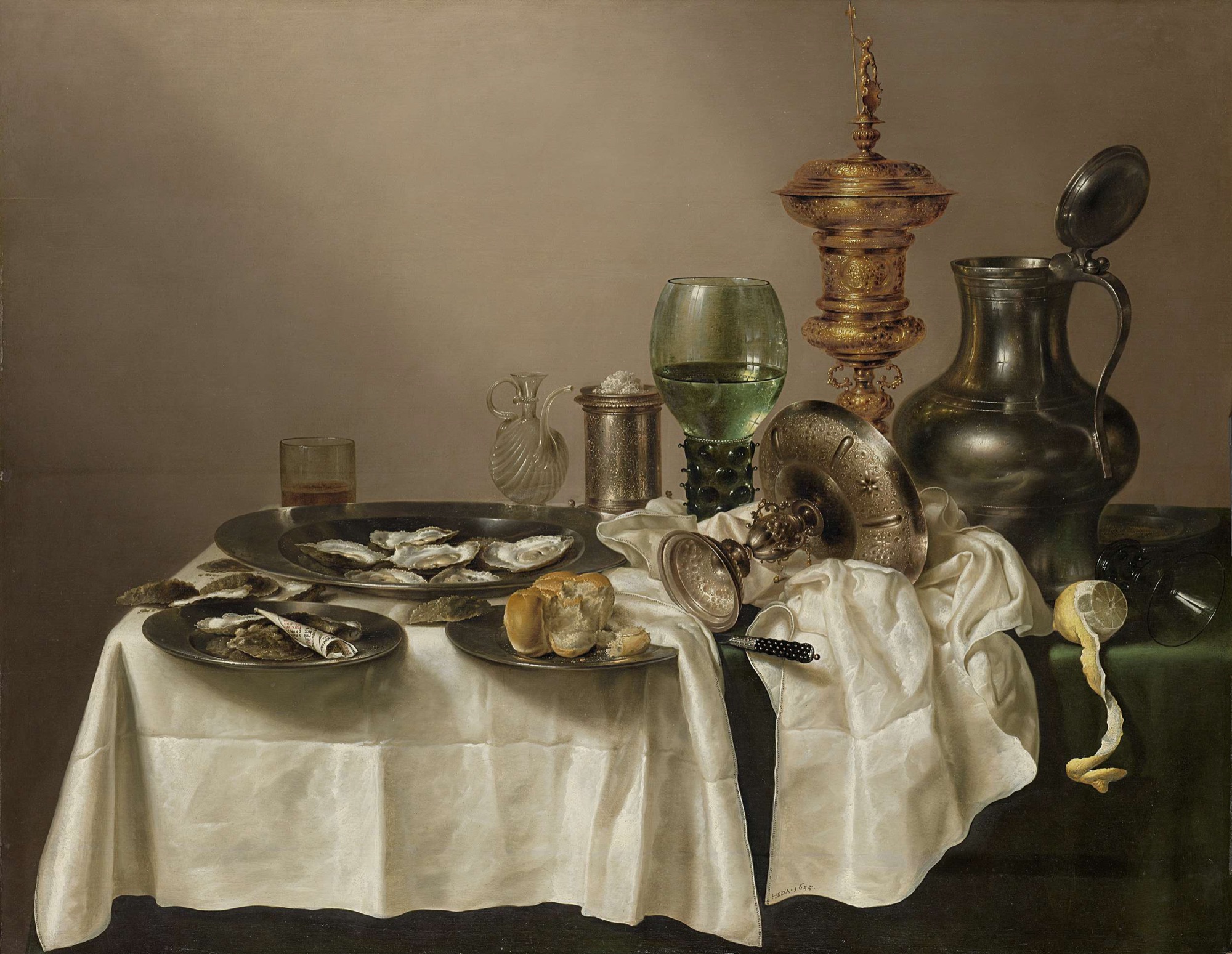
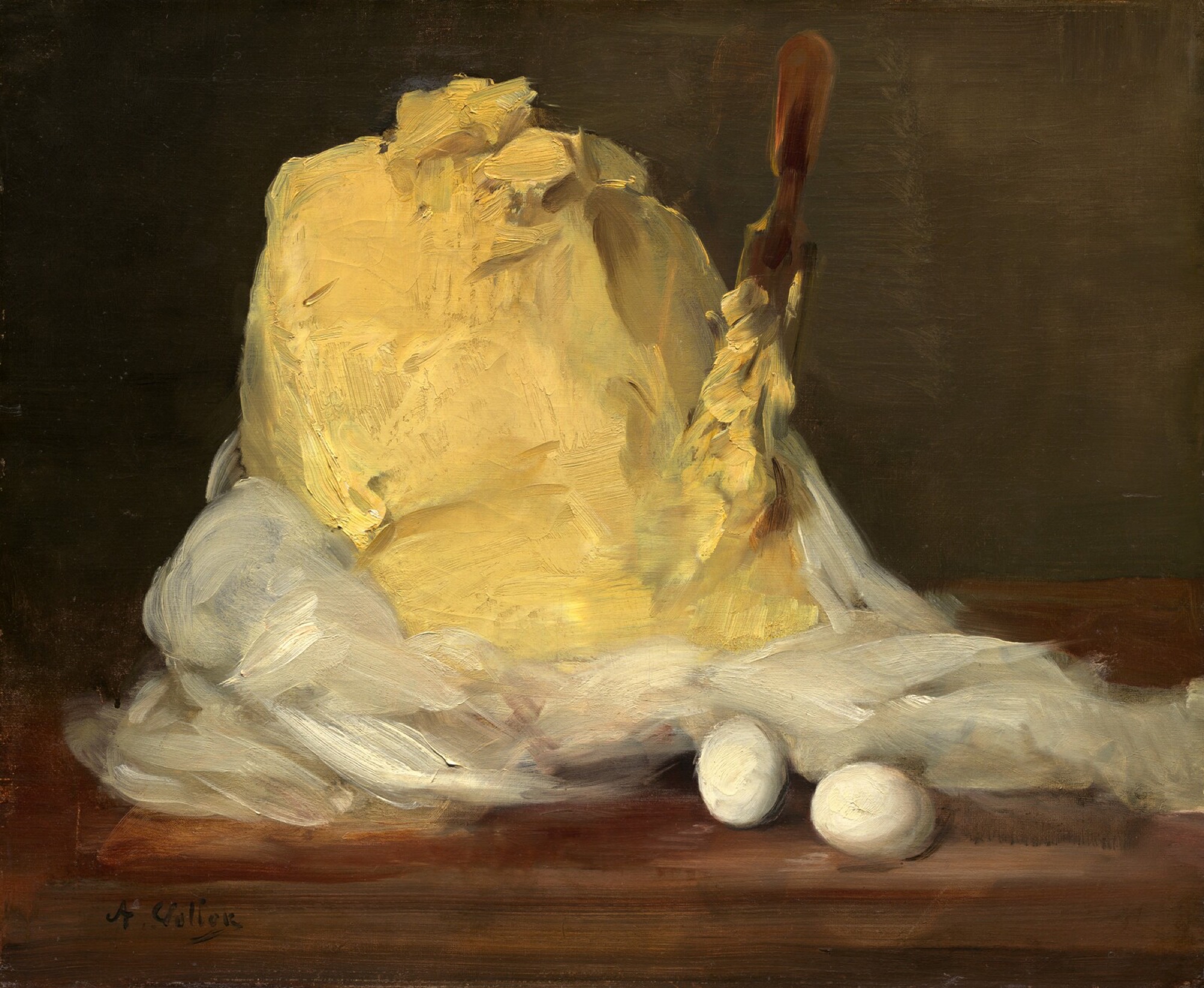
- Compare the way light describes Heda’s metal and Vollon’s butter.
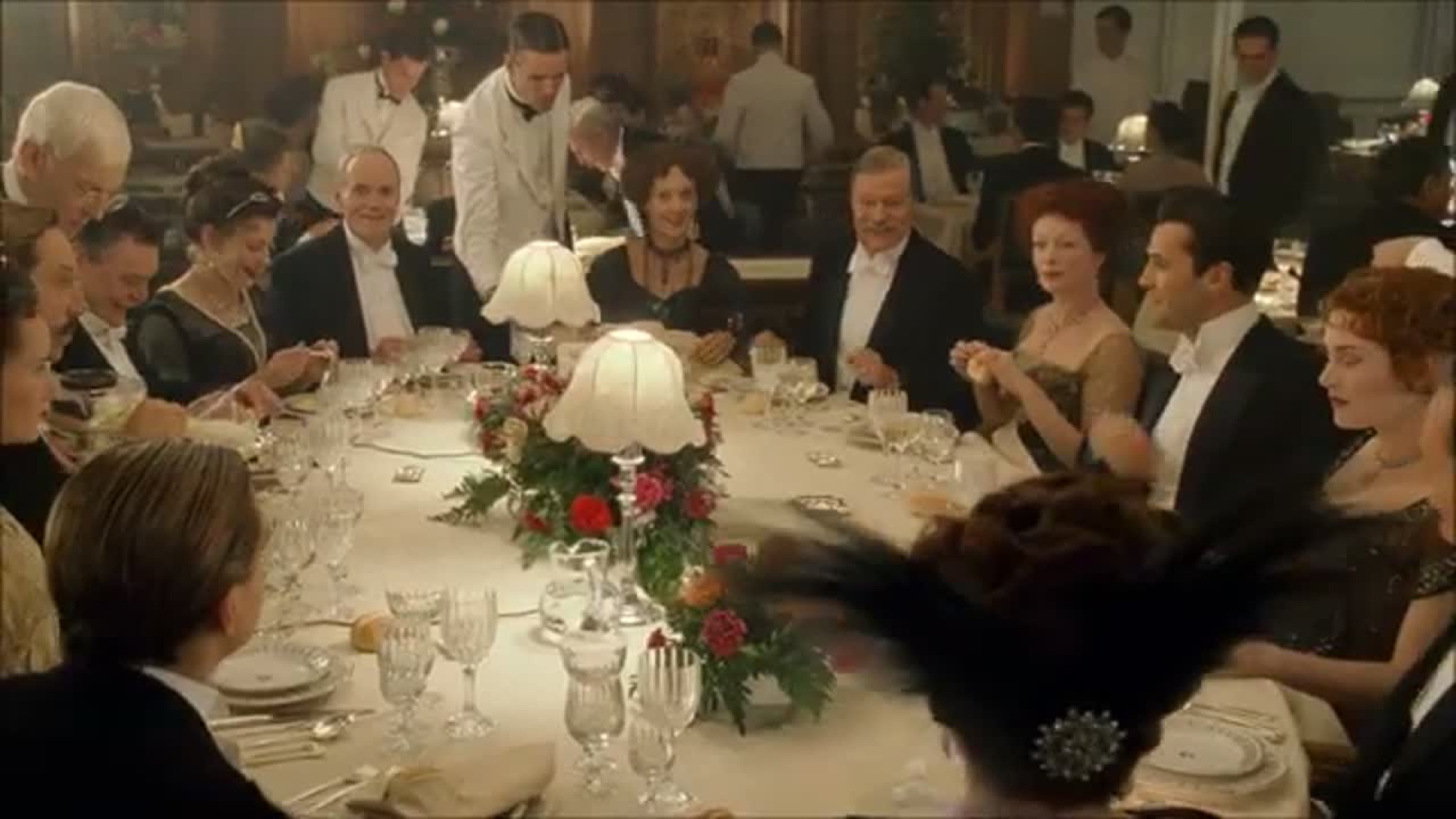
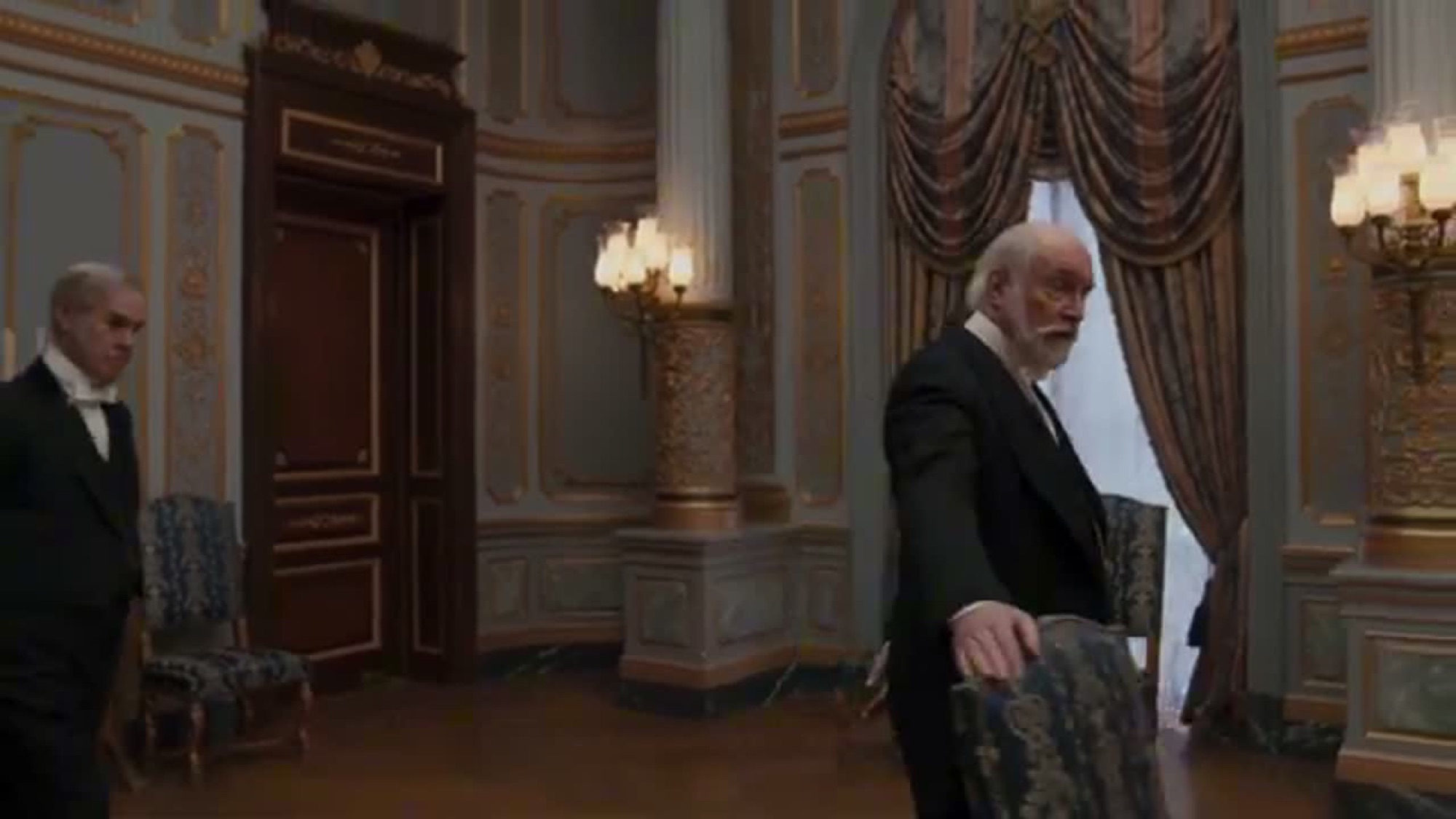
- Use a detail from the screen dinners to explain how etiquette can mark an outsider.
Materials and resources
-
vollon-mound-of-butter.jpg
-
The Eaters and the Eaten
-
Portraits
-
Titanic, first-class dinner
-
The Gilded Age, A Matter of Taste
-
Home Alone, the family orders pizza
Tasks
Food, Class, and the Performance of Taste · November 6 P2
Revisit one detail that might make Heda feel cold or Vollon feel energetic. Test the class’s reading of ownership and dignity against the paint. In the two screen dinners, distinguish what a place setting helps someone do from what it tells other people about them. This was an ungraded discussion.
Assessment and homework
Ungraded class work. Use the existing response to check the evidence and reasoning; no additional submission is required.
Description
The class compared Heda’s metal with Vollon’s butter, then used Titanic and The Gilded Age to discuss how an apparently correct place setting can mark someone as an outsider.
Put Heda’s Still Life with a Gilt Cup (1635) beside Antoine Vollon’s Mound of Butter (1875–1885). In our discussion, Vollon’s butter felt energetic and Heda’s table felt a little cold. We read Heda’s objects as commodities, things a buyer could acquire and display. We thought Vollon gave an everyday food dignity by attending so closely to it. Follow a reflection on Heda’s metal and a ridge of yellow paint in Vollon. Which detail supports that reading? Where might another viewer disagree?
We then watched the first-class dinner in Titanic and the English table-setting scene in The Gilded Age. We used John Berger’s “The Eaters and the Eaten” to consider what a meal means to different eaters. Berger connects the peasant’s food to the physical work that sustains life. The class found dignity in that necessity. In the bourgeois dining room, a meal can become a public performance of taste.
The class took the argument a step further. A table can be laid in several ways that work equally well for eating. When one arrangement counts as correct, knowing the convention can make someone appear to belong. Someone who never learned it can be judged for getting it wrong. Who has to learn the choreography of the meal? Whose knowledge gets recognized as good taste?
Teaching reference
Reading excerpts for the Monday discussion
John Berger’s “The Eaters and the Eaten” (1976), in Selected Essays, pp. 370–374, compares two historical ways of valuing food. He begins with what a meal means to the eater, rather than the difference between hunger and plenty. A worn pocketknife, bread passed on and a meal in the middle of the working day connect eating to handling familiar things (p. 371). In his bourgeois dining room, purchased food and separate cutlery arrive in the right order. A door keeps the kitchen out of the diners’ sight (pp. 371–372). Of that setting he writes, “The theatrical invitation of the scene often provokes family dramas at meal times.” (p. 372) The field meal gives time back to a worker as rest. A feast, by contrast, marks “a special recurring moment or an unrepeatable occasion” (p. 373) and uses food saved for it. On p. 374 he asks what one can possess through eating and cautions against idealizing peasant life. Test his comparisons against a detail of your choice. The bought pizza can feel familial. Bruegel’s wedding can feel generous while the carriers work and the bride waits. Those are readings of these scenes, not Berger’s verdicts on them.
Working bodies at the wedding. In “The Suit and the Photograph” (1979), p. 34, Berger considers August Sander’s photograph of three young men dressed for a dance. He asks what kind of body a professional suit is cut for. “The physical contradiction is obvious. Bodies which are fully at home in effort, bodies which are used to extended sweeping movement: clothes idealising the sedentary, the discrete, the effortless.” Try his idea with the men who carry Bruegel’s dishes and the guests who can sit down.
An optional question about who learns the rules. Veblen writes about dress in chapter VII of The Theory of the Leisure Class (1899). “Elegant dress serves its purpose of elegance not only in that it is expensive, but also because it is the insignia of leisure.” An insignia is a visible sign. John T. Molloy’s 1988 dress manual asks this question.
For which professionals are bow ties acceptable—and often preferred—attire?
Imagine being judged on an answer you were never taught. Who is in that position when the butlers inspect the glasses? The quotation and the separate quiz appear together in Lapham’s Quarterly, Fashion (Fall 2015), p. 154.
Two further voices on table manners. Choose one if a student asks who gets to define taste. Pierre Bourdieu writes, “Taste classifies, and it classifies the classifier.” Ask what the butler’s judgment of the glasses reveals about the person making that judgment. Thorstein Veblen says that “good breeding requires time, application and expense”. Ask whose time and practice have gone into a setting for which the host may receive the credit. These are optional discussion sources. Bourdieu, Distinction, trans. Richard Nice, introduction to the first edition, p. xxix in Routledge Classics (2010) · Veblen, The Theory of the Leisure Class (1899), ch. III, “Conspicuous Leisure”
Berger: food and the work that makes it possible
John Berger, “The Eaters and the Eaten,” in Selected Essays, p. 371, three consecutive sentences from the assigned text:
To the peasant all food represents work accomplished. The work may or may not have been his own or that of his family, but if it isn’t, the work represented is nevertheless directly exchangeable with his own work. Because food represents physical work, the eater’s body already ‘knows’ the food it is going to eat.
Reading support: Berger is connecting eating to an embodied understanding of physical work. His peasant/bourgeois comparison is broad and historical. It does not establish that all agricultural workers grow everything they eat, or that food preparation belongs to one social group. Use it to ask what a work makes visible about production and what remains beyond the frame.