Berger: Reproduction and Context
Lesson slides: Download the deck (PowerPoint, 4.7 MB) · image credits
At a glance
| Field | Details |
|---|---|
| Dates | Fri 20 Nov P2 · 08:55–09:40 |
| Focus | Independent work. See the November 20 and 23 classwork guide. |
| Unit | Images Mediation And Modernity |
Objectives
- Explain reproduction, context and image as argument through a specific comparison.
- Paraphrase Berger, test the claim against an image and identify a limit.
Materials and resources
-
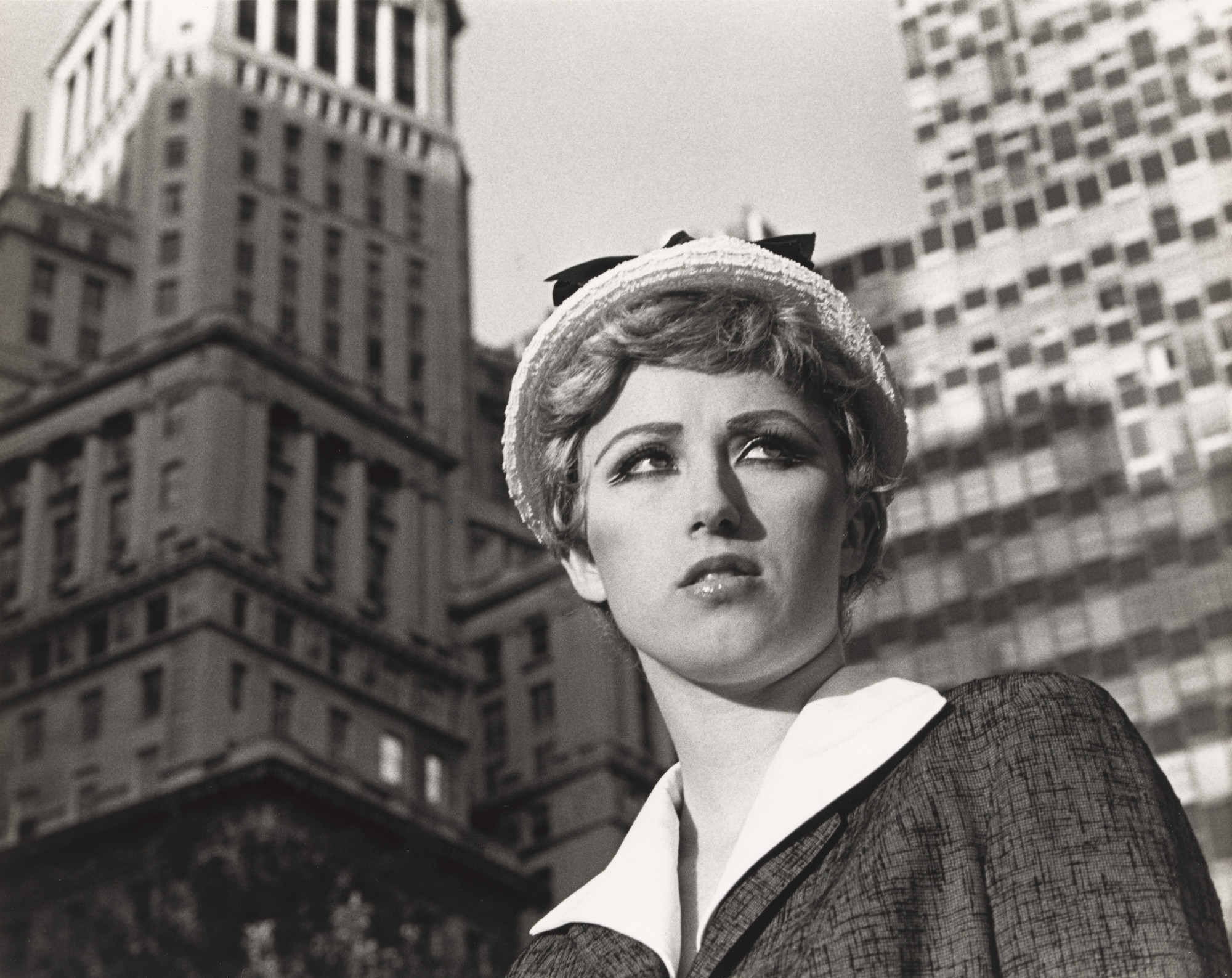
Cindy Sherman, Untitled Film Still #21, 1978, complete view, MoMA; © Cindy Sherman.
-
berger-and-the-reproduction.pptx
-
Source text
Tasks
November 20 and 23 classwork. Work on the Food and Ethics Board, read Chapter 1 of Ways of Seeing, or do both. Nothing is due November 24.
For a later class discussion
Use the Berger selection. Choose a sentence, paraphrase it and test it against an image. Compare what surrounding text, scale or setting directs you to notice. Distinguish the image’s visible features from facts supplied by a caption.
Return to Sherman’s photograph. Explain something its visible arrangement establishes and a story or role that a viewer supplies. Show how a different caption could guide that reading. Finish with four to five sentences applying Berger to that image or an everyday photograph, with a concrete detail and a limit. This is formative class work.
Assessment and homework
The paraphrase, comparison and short reflection belong to the later discussion. You can use the reading time on November 20 or 23 for Chapter 1. The board is due November 30 at 10:45. A3 feedback remains December 2, 08:00–08:10. Copies and Reproductions retains December 8 P6, 12:35.
Description
Develop the mediation inquiry through reproduction, context and image as argument. Test Berger through a changed setting, then return to Sherman’s performed cinematic role.
Teaching reference
From performed role to reproduced image
Sherman’s #21 uses clothing, pose, viewpoint and an urban setting to suggest a cinematic situation. The photograph can circulate as an artwork while a viewer invents a possible narrative. A caption that calls the figure a newcomer, a professional or an endangered character guides attention differently; label such captions as classroom inventions. This retrieval builds on the November 18 introduction. It does not claim there is a source film or require students to learn Baudrillard again.
Berger: reproduction, knowledge and context
Berger asks readers to examine how looking is shaped by knowledge and belief, and how an image carries a maker’s choices. Reproducing a painting changes the conditions in which viewers encounter it. A small screen, a page of explanation and a sales image can make different aspects prominent. The original painting does not cease to exist, and a reproduction is not automatically deceptive. The task is to explain what changes in this particular version.
Source quotation
John Berger, Ways of Seeing, essay 1 (1972). Provided PDF page 8, left panel, printed web-page number 15/31; paragraph beginning This is vividly illustrated. Source text.
This is vividly illustrated by what happens when a painting is shown on a television screen. The painting enters each viewer’s house. There it is surrounded by his wallpaper, his furniture, his mementoes. It enters the atmosphere of his family. It becomes their talking point. It lends its meaning to their meaning. At the same time it enters a million other houses and, in each of them, is seen in a different context. Because of the camera, the painting now travels to the spectator rather than the spectator to the painting. In its travels, its meaning is diversified.
Reading support: A reproduction enters a new setting. Berger argues that its meaning changes through that setting. Explain his claim in your own words, then test it against Sherman’s photograph. This supplied printout uses web pagination, not the original book pages.