The Life of an Image
Lesson slides: Download the deck (PowerPoint, 14.6 MB) · image credits
At a glance
| Field | Details |
|---|---|
| Dates | Wed 9 Dec P1 · 08:00–08:45 |
| Focus | The Life of an Image |
| Unit | Images Mediation And Modernity |
Objectives
- Trace three or four contexts of a student-chosen image, marking unknown origins or transfers.
- Explain technical, contextual and audience changes through distinct ideas from Steyerl, McLuhan and Berger.
Materials and resources
Use reproduction and the poor image to keep visible changes distinct from claims about context, access and history.
-
photography-and-after.pptx
Use the works and source readings named below. Keep the full composition visible while looking.
Tasks
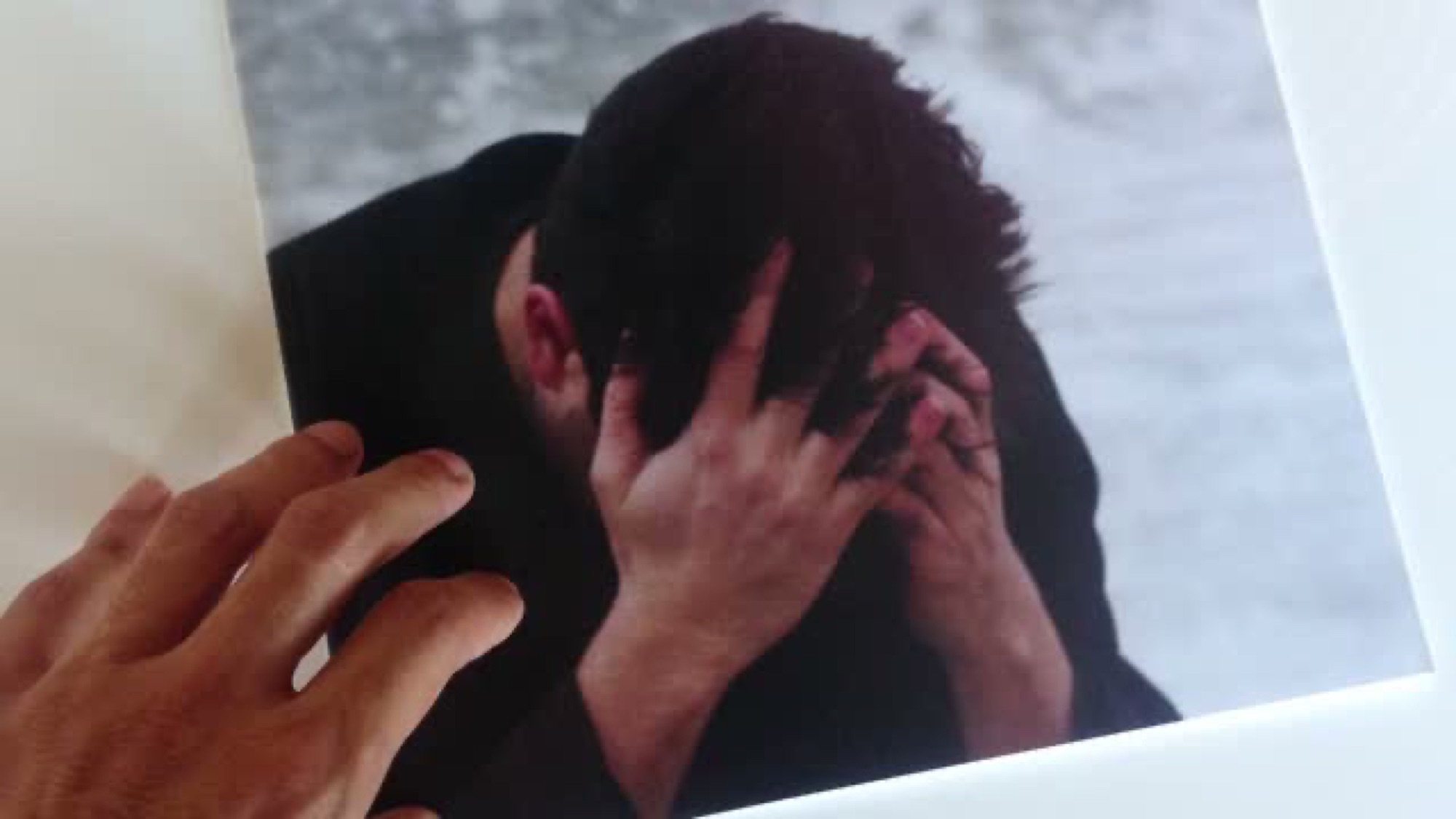
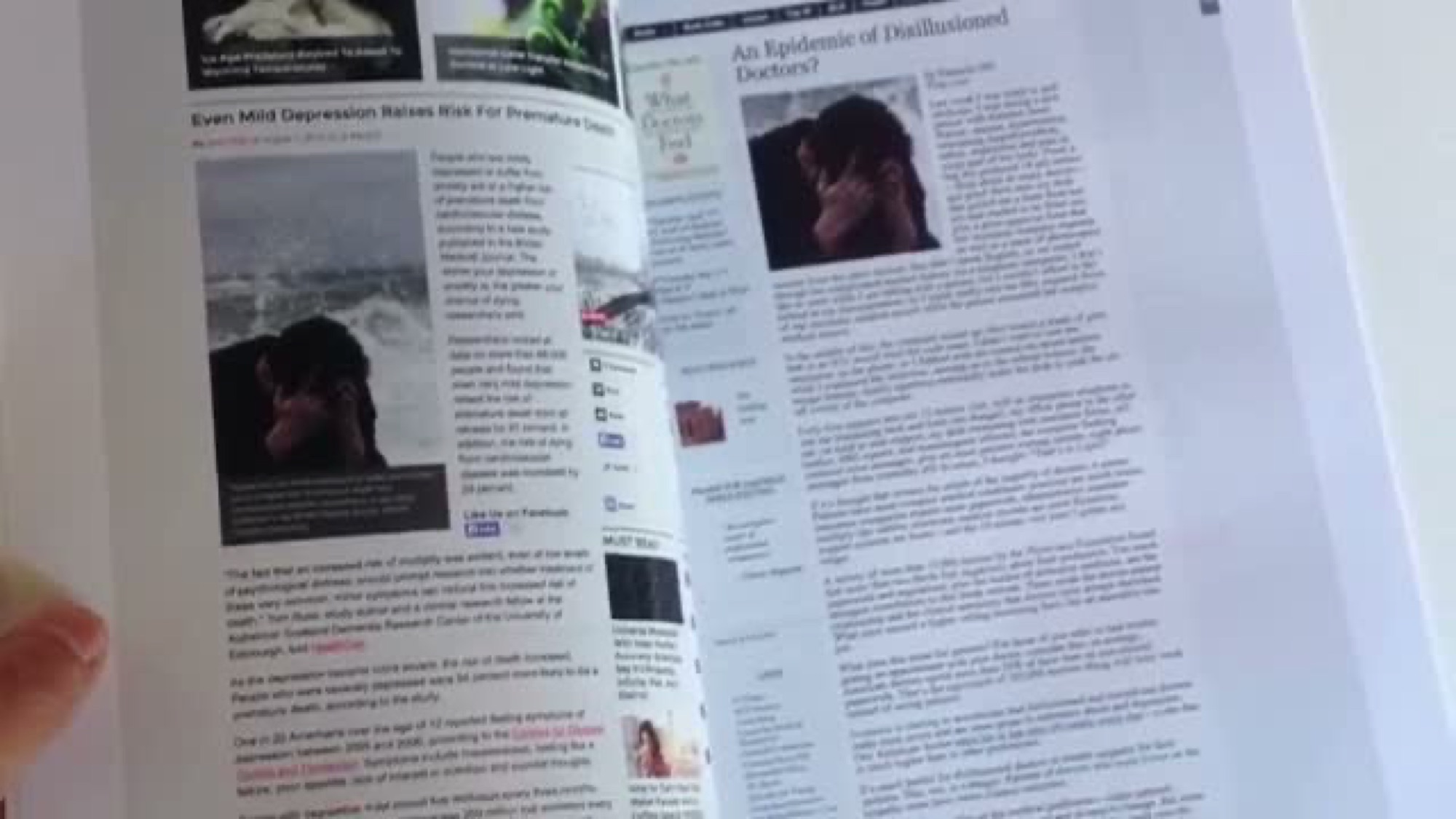
Bring one or two images or versions already available to you and choose one to investigate. You may use the supplied Horvitz case if access, evidence or privacy makes that more useful. Describe the image before deciding what its history means.
Map at least three or four contexts. Include its original setting if known, versions or edits, platforms and later uses. At each stop record technical evidence, meaning/use and likely audience. Identify sources and write unknown or sequence unknown where the route is not established. Do not invent compression, reach or a chain of reposts.
Annotate the map with Steyerl for circulation, access, work and value; McLuhan for how a medium organizes the encounter; and Berger for captions, cropping and surroundings. With a partner, explain one transformation and check the evidence. Keep the map for the December 16 individual reflection. Today’s investigation is formative.
Assessment and homework
Full 45-minute formative investigation on December 9. The same map supports the existing December 16 reflection; no new grade or biography submission is added. Read Sontag December 9–10 within the shared allowance.
Description
Choose an image and trace three or four contexts through changes in technical state, meaning and audience. Apply Steyerl, McLuhan and Berger while marking gaps in the evidence.
Teaching reference
A biography requires evidence
Horvitz’s Mood Disorder provides a documented case of an image acquiring different functions. The publisher describes a self-portrait made available through Wikimedia Commons and Wikipedia, then used as a stock image by more than one hundred mental-health and wellness websites and collected in a 2015 book. The photograph’s appearance, article headings, screen layout and book arrangement provide different evidence. They do not prove the exact order in which every site acquired the image. The map therefore shows documented contexts and known relationships, with gaps marked openly. New Documents, Mood Disorder.
Berger helps explain how surrounding words and images direct interpretation. McLuhan directs attention to the encounter organized by a website, book or feed. Steyerl asks how access, circulation, work and value are related. Applying all three does not require them to make the same argument.
Digital promises and platform conditions
Historical account for the classroom comparison: The original Notion lesson reads Apple’s 1984 advertisement as a promise that personal computing can resist authoritarian control. It connects that promise with freedom and individuality. Google’s historical motto, “Don’t be evil,” presents ethical conduct as part of a technology company’s identity. These are corporate claims. They do not establish how a platform actually distributes images or treats its users. This written account supplies the comparison without assuming that students have already watched the advertisement. Original techno-utopianism lesson.
Compare the promise with an actual condition without treating technological change as always liberating or harmful. A network can make an image available while also shaping visibility, collecting data or deriving value from users’ work. Use the documented case and identify where further evidence is needed.