Ang Lee’s Eat Drink Man Woman
Lesson slides: Download the deck (PowerPoint, 887 KB) · image credits
At a glance
| Field | Details |
|---|---|
| Dates | Tue 20 Oct P6/P7 · Wed 21 Oct P1 |
| Focus | Ang Lee’s Eat Drink Man Woman |
| Unit | The Table As Ethical Space |
Objectives
- Follow one repeated action or sound across the family dinners.
- Locate the moment when its meaning changes.
Materials and resources
- Eat Drink Man Woman Discussion Guide.docx
Use the works and source readings named below. Keep the full composition visible while looking.
Tasks
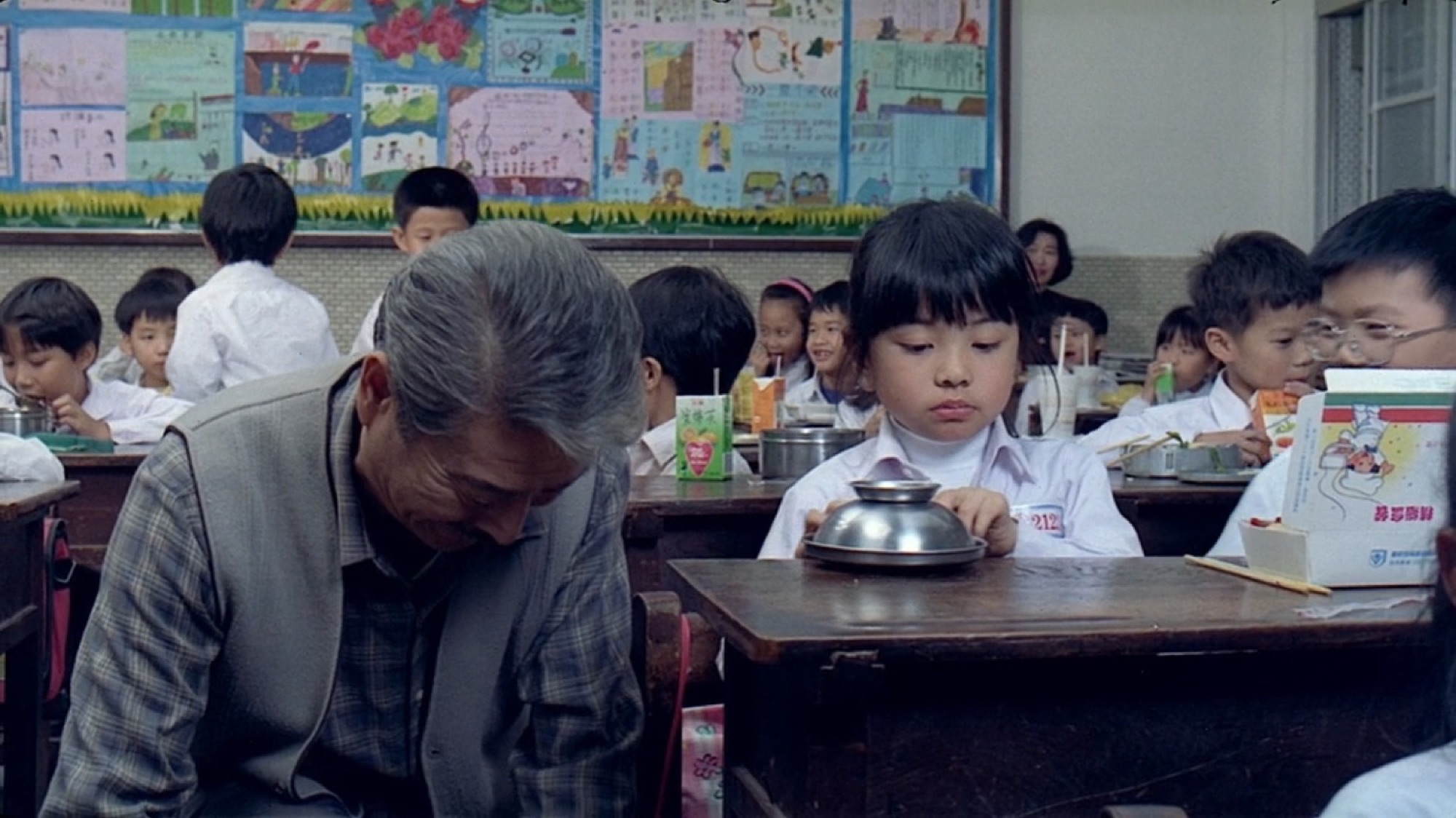
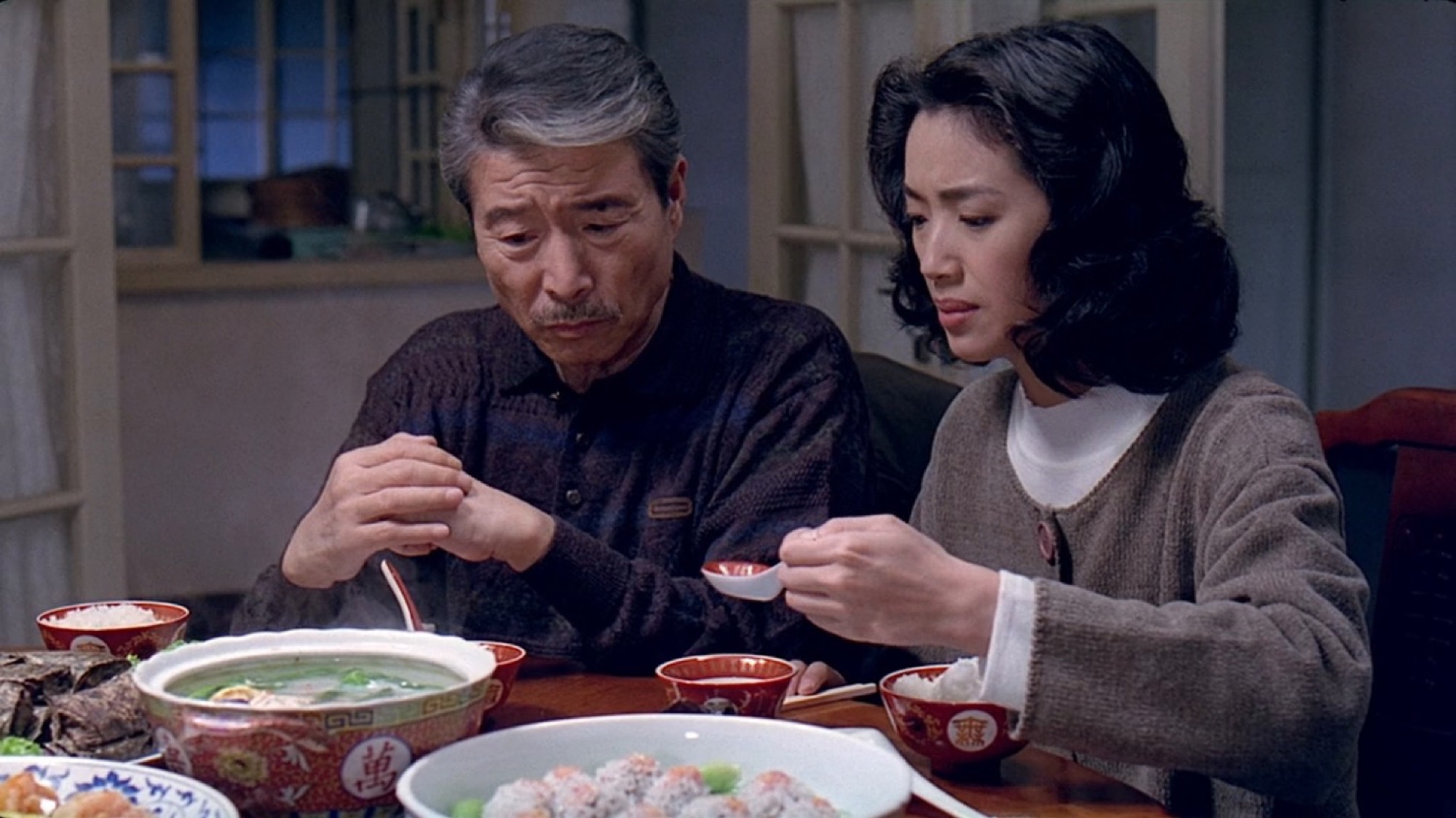
Film viewing guide · October 20–21
Keep three short sets of notes while watching. For each, record a specific action or moment that you can find again.
| Viewing focus | What to notice |
|---|---|
| Food as communication | An offer, refusal, repeated action or response to a dish that expresses something about a relationship. |
| Care, duty and control | Who prepares, serves, waits, decides or leaves; whether another person accepts or resists the arrangement. |
| Film form | A sound, close-up, cut, pause or arrangement of people that directs your attention. |
You are gathering evidence, not completing a plot summary. A character’s action can support more than one reading. The planned screening uses October 20 P6–P7 and October 21 P1. Resume from the recorded stopping point in the third period; there is no assigned home finish.
Assessment and homework
Keep brief viewing notes for the November 3 meal reading and discussion. The screening notes are ungraded.
Description
Keep the three planned screening periods together. Follow a recurring action, a sound and a change in who prepares or serves the family meal.
Teaching reference
Reading a filmed meal
The table as moral space means a meal examined through its social rules and relationships. It can show affection, conflict, duty or exclusion. These possibilities are investigated through evidence, rather than treated as qualities of every meal. Ethics concerns how our actions affect others and what we owe them. Class concerns differences in wealth, work and social position.
In Eat Drink Man Woman, cooking can communicate care even when conversation is difficult. Repetition also allows us to examine duty and control. An unspoken argument is a disagreement communicated through actions rather than direct speech. To read it, follow what happens before and after an offer or refusal. A ritual is a repeated action with shared social meaning. A repeated family meal may maintain a bond while exposing disagreement about that bond.
Film form contributes to the reading. Mise-en-scène is the arrangement of people, objects, costume and space within a scene. Framing is the selection and arrangement of what appears inside the image. A close-up can direct attention to a hand or dish; an edit can connect an action to a response; a pause can hold an uncomfortable exchange. These are possibilities to test in the actual sequence, not a predetermined account of a character’s feelings.
Use the film to complicate Berger’s two historical categories. Consider care and obligation alongside class. An inference is a conclusion drawn from evidence rather than directly seen. A viewer can infer a relationship from a gesture, but should acknowledge another plausible interpretation. The person cooking is not automatically powerless, and the person eating is not automatically indifferent.
Source quotations
John Berger, “The Eaters and the Eaten,” in Selected Essays, pp. 370–374. The essay is dated 1976. These consecutive excerpts were checked against the assigned scan. Read a passage, paraphrase its claim, test it against an image, and identify a limitation. The final three passages are optional further reading.
Eating and culture
‘The consumer society’, so often and widely discussed as if it were a relatively new phenomenon, is the logical outcome of economic and technological processes which began at least a hundred years ago. Consumerism is intrinsic to nineteenth-century bourgeois culture. Consumption fulfils a cultural as well as an economic need. The nature of this need becomes clearer if we look at the most direct and simple form of consumption: eating.
Berger, p. 370. Reading support: eating can communicate identity, care or social position as well as meet hunger. Test that distinction against an example.
Labor and consumption
To the peasant all food represents work accomplished. The work may or may not have been his own or that of his family, but if it isn’t, the work represented is nevertheless directly exchangeable with his own work. Because food represents physical work, the eater’s body already ‘knows’ the food it is going to eat.
Berger, p. 371. Reading support: Berger connects food with an embodied understanding of the physical work that produced it.
Dining and production