Agnès Varda’s The Gleaners and I
Study slides: Varda (study slides, PDF)
Lesson slides: Download the deck (PowerPoint, 3.0 MB) · image credits
At a glance
| Field | Details |
|---|---|
| Dates | Wed 11 Nov P1 · 08:00–08:45 (coverage reported) |
| Focus | Agnès Varda’s The Gleaners and I |
| Unit | The Table As Ethical Space |
Objectives
- Distinguish the gleaner’s testimony from Varda’s choice of shot and sequence.
- Use Nichols to explain how the later classroom scene changes a first reading.
Materials and resources
-
Teaching slides: Varda (editable PowerPoint)
-
Varda study slides (PDF)
-
Chris Darke’s interview with Varda, BFI / Sight and Sound, optional reading.
-
class-gesture-and-documentary-voice.pdf
-
food-millet-gleaners.jpg
-
1 · The woman in the field
-
2 · Who chooses the potatoes?
-
3 · The market and the evening class
Tasks
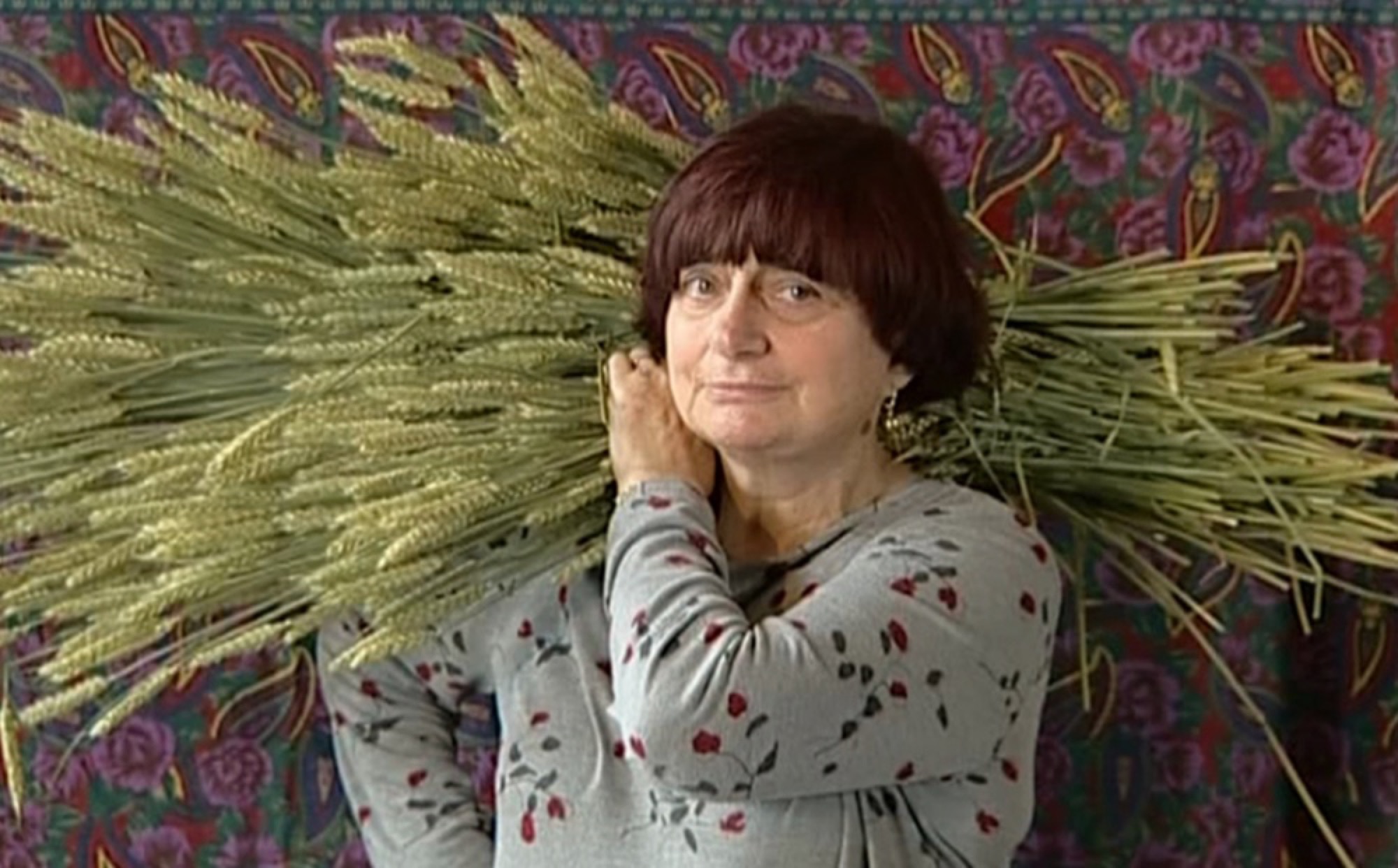
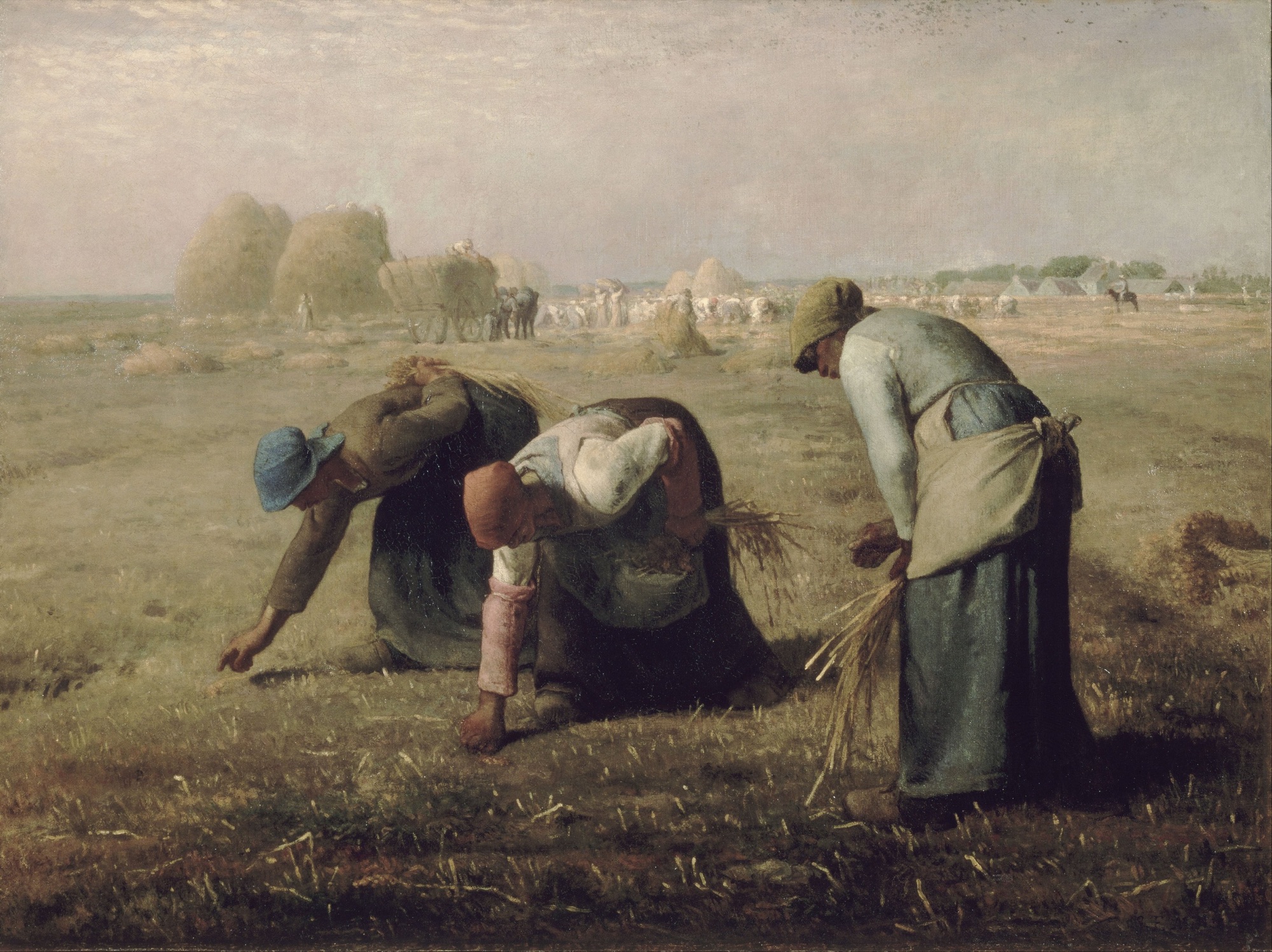
Completed November 11 study. Listen to the woman in the field and use her words to revisit the bent figures in Millet. Keep your sentence on Millet beside you. Read your question for a gleaner to a neighbor. Mark what the painting led you to expect. If you need a starting question, try “What would you want a viewer to understand about your work?”
Further viewing within the study. Reopen the question. Watch who chooses the potatoes, then listen to the gleaner at the market and watch the evening class. Separate what he told you from what the order of the scenes led you to infer.
After the evening class. In her 1981 essay on documentary photography, Martha Rosler puts two accounts of Dorothea Lange’s Migrant Mother side by side. Roy Stryker, who directed the photography project, said, “You can see anything you want to in her. She is immortal.” Florence Thompson, the woman photographed, told the Associated Press, “That’s my picture hanging all over the world, and I can’t get a penny out of it.” (Documentary, ed. Julian Stallabrass, pp. 126–127.) What does Thompson tell us that a viewer could never learn from her face? Return to the parsley. What did the man tell you that you could never learn by watching him pick it up?
Bill Nichols calls the point of view a film creates through its arrangement of images and sounds its documentary voice. Varda says, “you’re at the service of the people you film.” What would the film say about the market gleaner if the evening class came first? The readings are optional. Nichols, “The Voice of Documentary” (1983) · Varda in conversation with Chris Darke
Assessment and homework
Ungraded response to the opening question.
Description
Return to the Millet question through three excerpts. Test Bill Nichols’s idea of documentary voice against what the market gleaner says and Varda’s decision to show his evening class later.
Teaching reference
Berger: food and the work that makes it possible
John Berger, “The Eaters and the Eaten,” in Selected Essays, p. 371, three consecutive sentences from the assigned text:
To the peasant all food represents work accomplished. The work may or may not have been his own or that of his family, but if it isn’t, the work represented is nevertheless directly exchangeable with his own work. Because food represents physical work, the eater’s body already ‘knows’ the food it is going to eat.
Reading support: Berger is connecting eating to an embodied understanding of physical work. His peasant/bourgeois comparison is broad and historical. It does not establish that all agricultural workers grow everything they eat, or that food preparation belongs to one social group. Use it to ask what a work makes visible about production and what remains beyond the frame.