Making and Selling Ukiyo-e: The Floating World
Lesson slides: Download the deck (PowerPoint, 4.7 MB) · image credits
At a glance
| Field | Details |
|---|---|
| Dates | Wed 2 Dec P1 · 08:30–08:45; Fri 4 Dec P2; Fri 11 Dec P2 |
| Focus | Making and Selling Ukiyo-e: The Floating World |
| Unit | Images Mediation And Modernity |
Objectives
- Diagram the roles of designer, carver, printer and publisher.
- Use documented differences between impressions to defend a claim about making or selling.
Materials and resources
-
berger-and-the-reproduction.pptx
-
The Making and Evolution of Hokusai’s Great Wave
Tasks
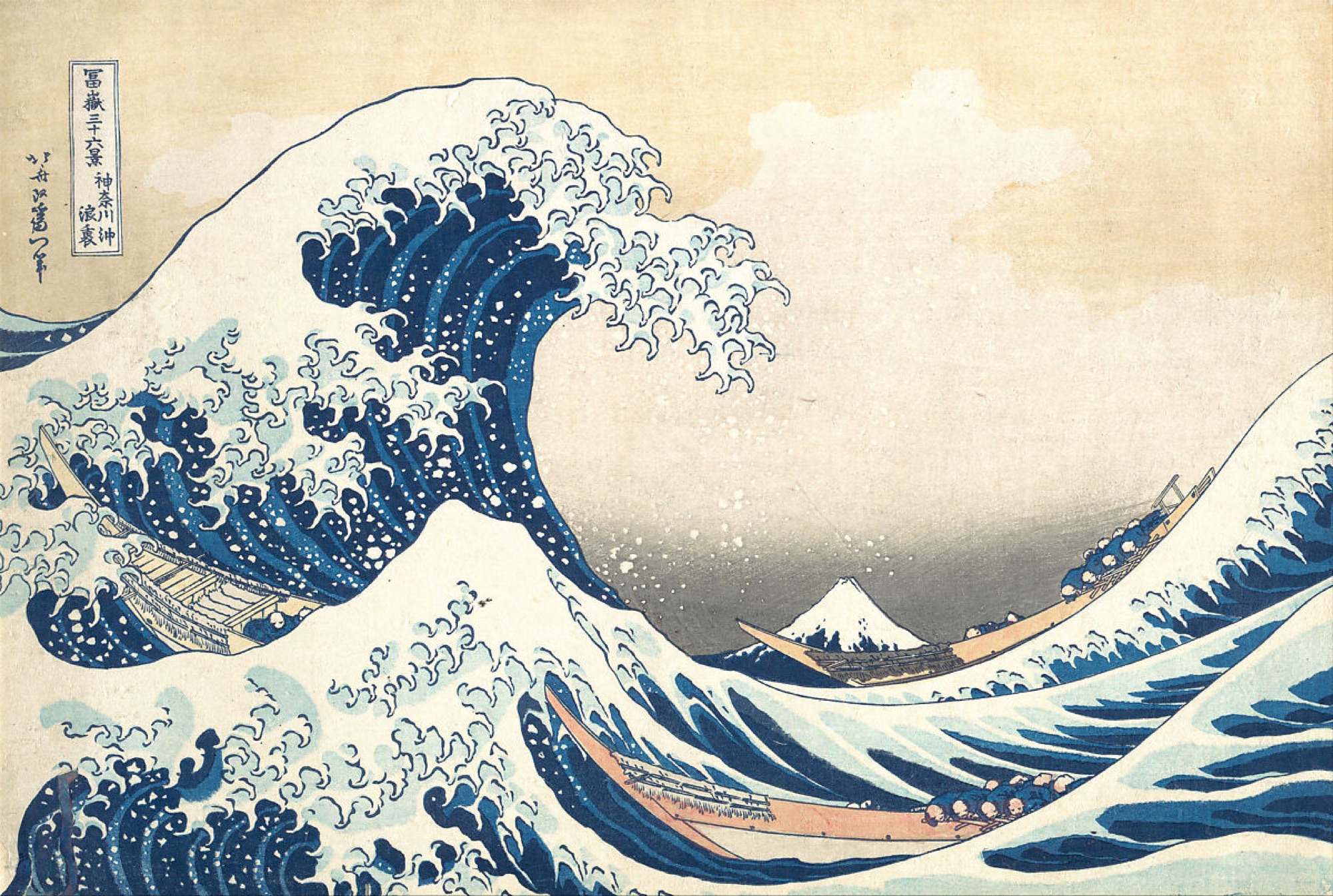
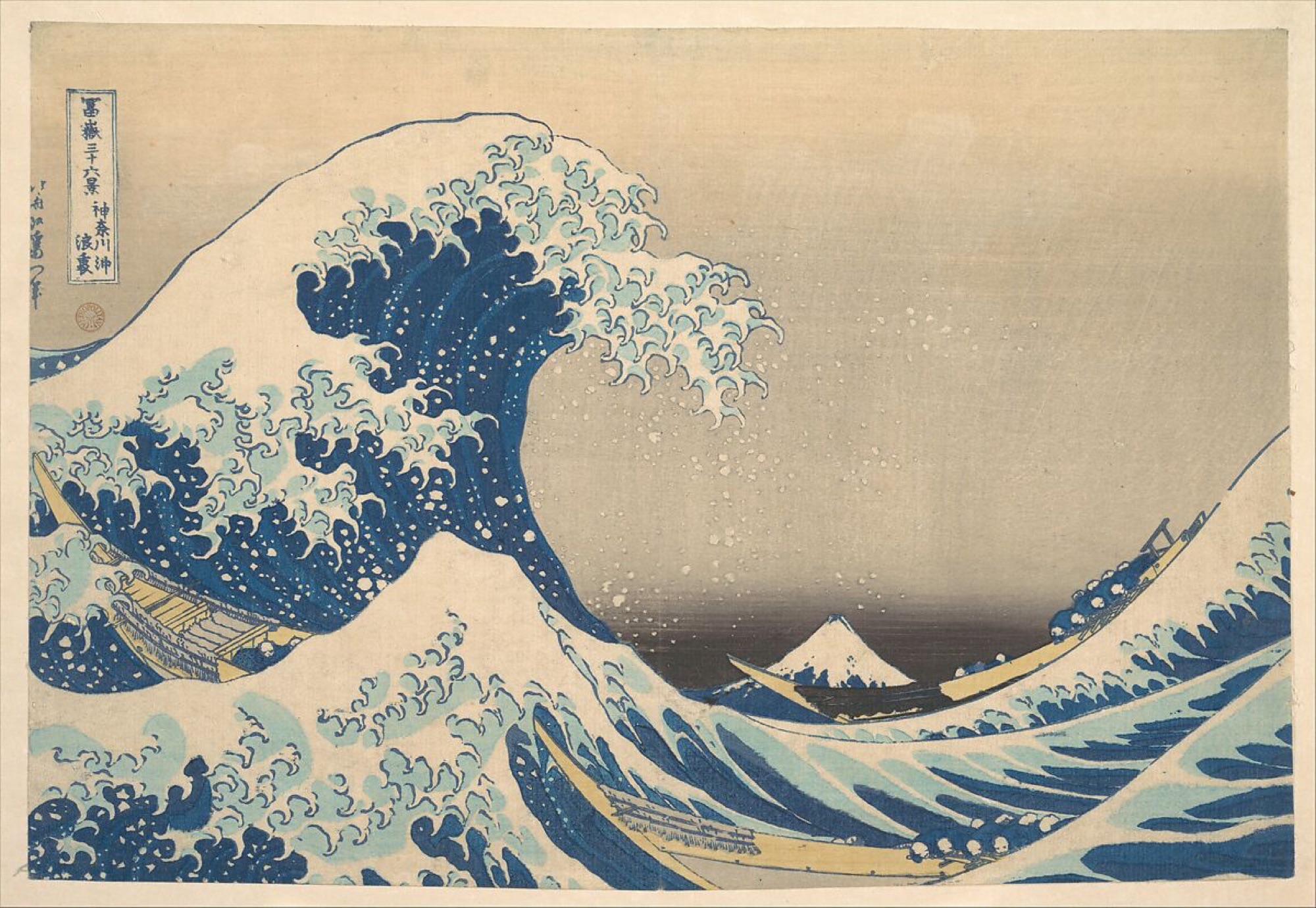
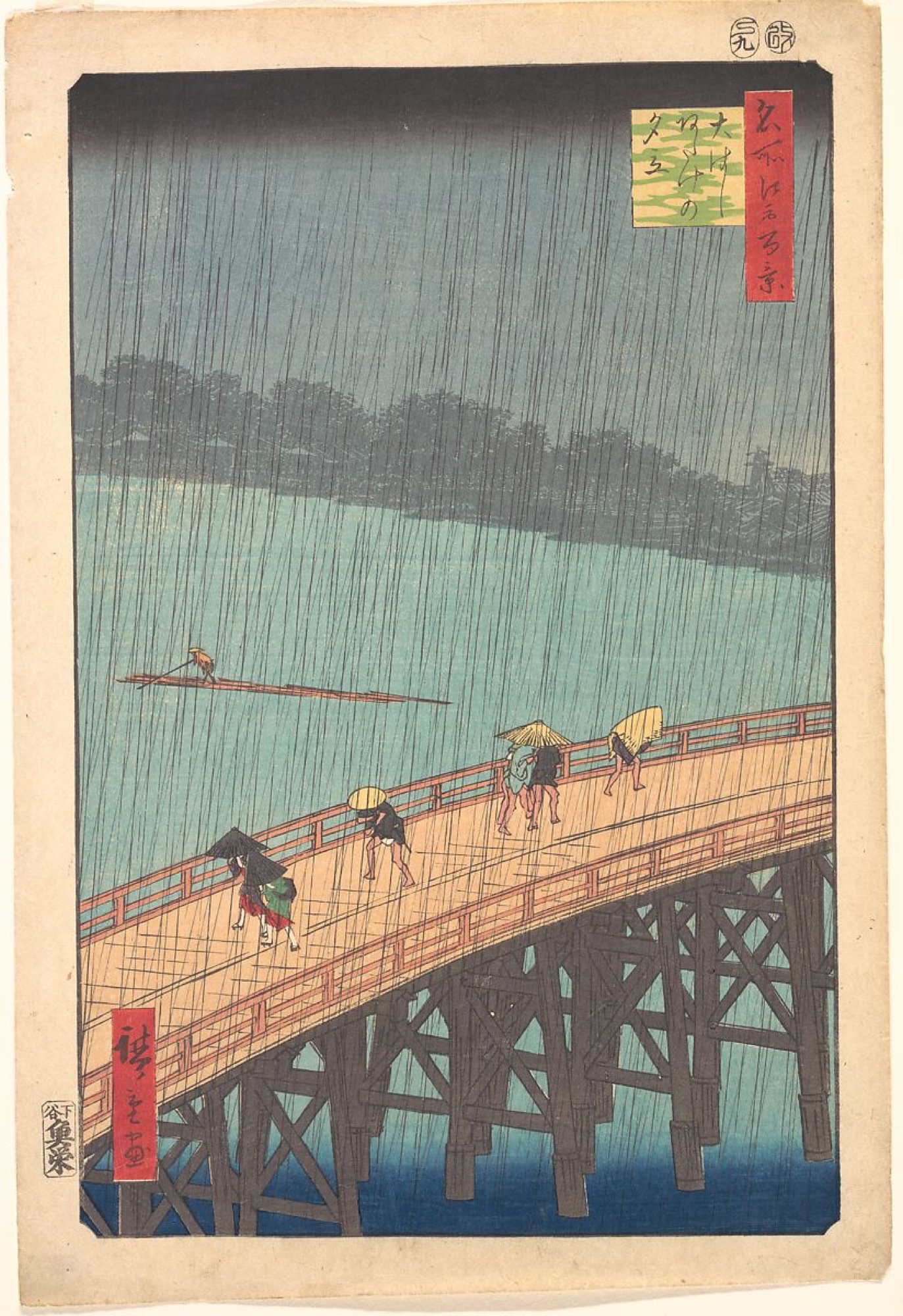
December 2/4 · The Floating World
Look at an unfamiliar print before the explanation. Write five to seven sentences about what you notice, the world it represents and a possible audience. Then identify the work of the designer, carver, printer and publisher. Read the short production account below and compare the named impressions. Record a visible difference, any documented cause and what remains uncertain.
In groups, follow one image through three contexts. Compare audience, purpose, surroundings and meaning. Explain a change using Berger, then annotate the short Benjamin passage for here-and-now, aura and designed reproducibility. Distinguish the design, carved block, physical impression and digital reproduction. Finish with four to five sentences comparing two contexts through at least two unit terms. These activities are formative.
December 11 · Floating World discussion
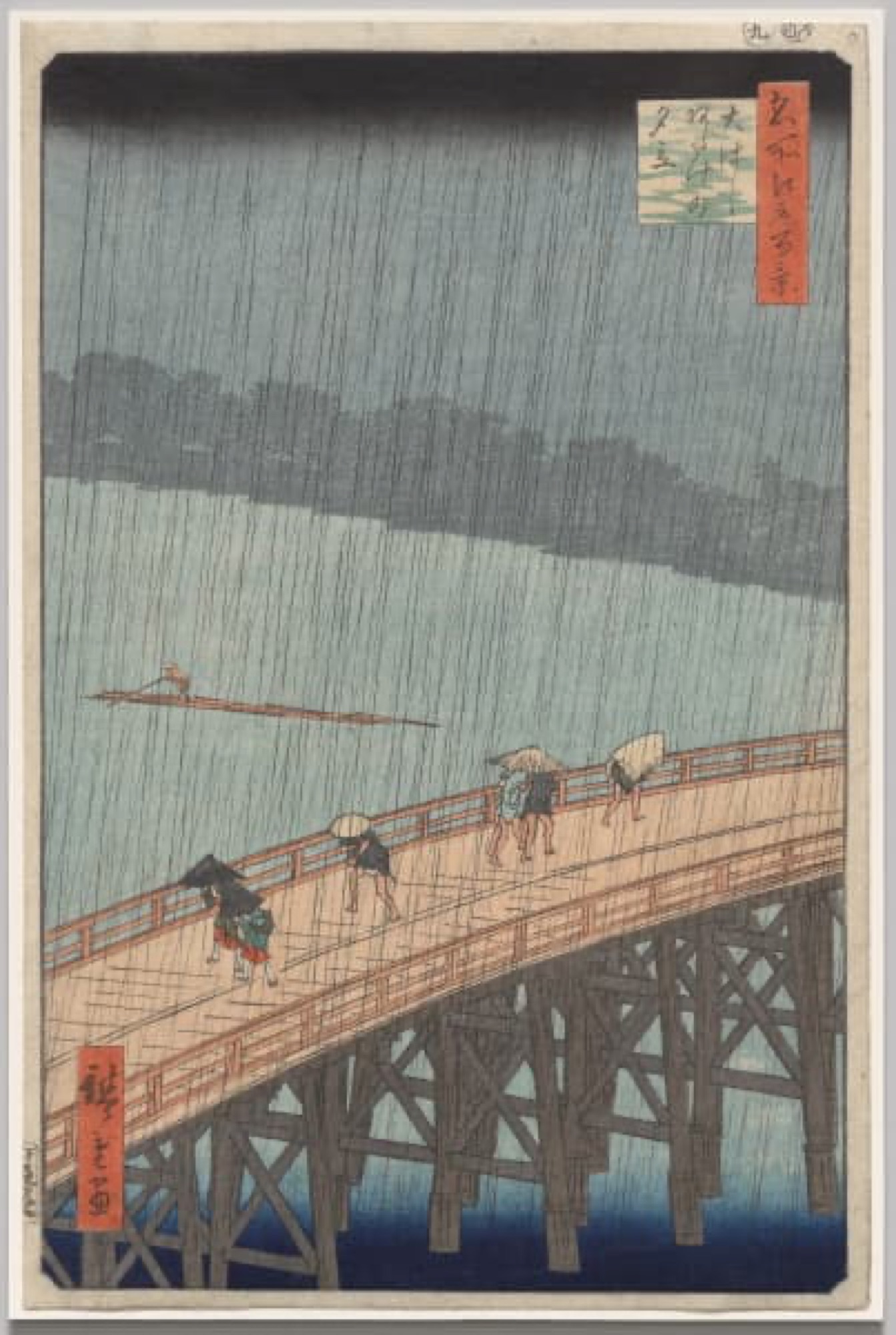
Use Hokusai’s Under the Wave off Kanagawa or Hiroshige’s Sudden Shower over Shin-Ōhashi Bridge and the prepared impressions. Make a claim about a documented production or selling mechanism, explain its effect on the work and respond to another position with evidence. Nothing is handed in. The existing assessment brief and rubric govern the sitting.
Assessment and homework
Read the bounded Benjamin selection December 2 within the shared thirty-minute allowance. Steyerl is read December 3–4, Kissick December 5–7. Issue the Floating World discussion brief December 7; assessment remains December 11 P2, 08:55, full 45-minute slot. The image-biography/reflection brief is issued December 4.
Description
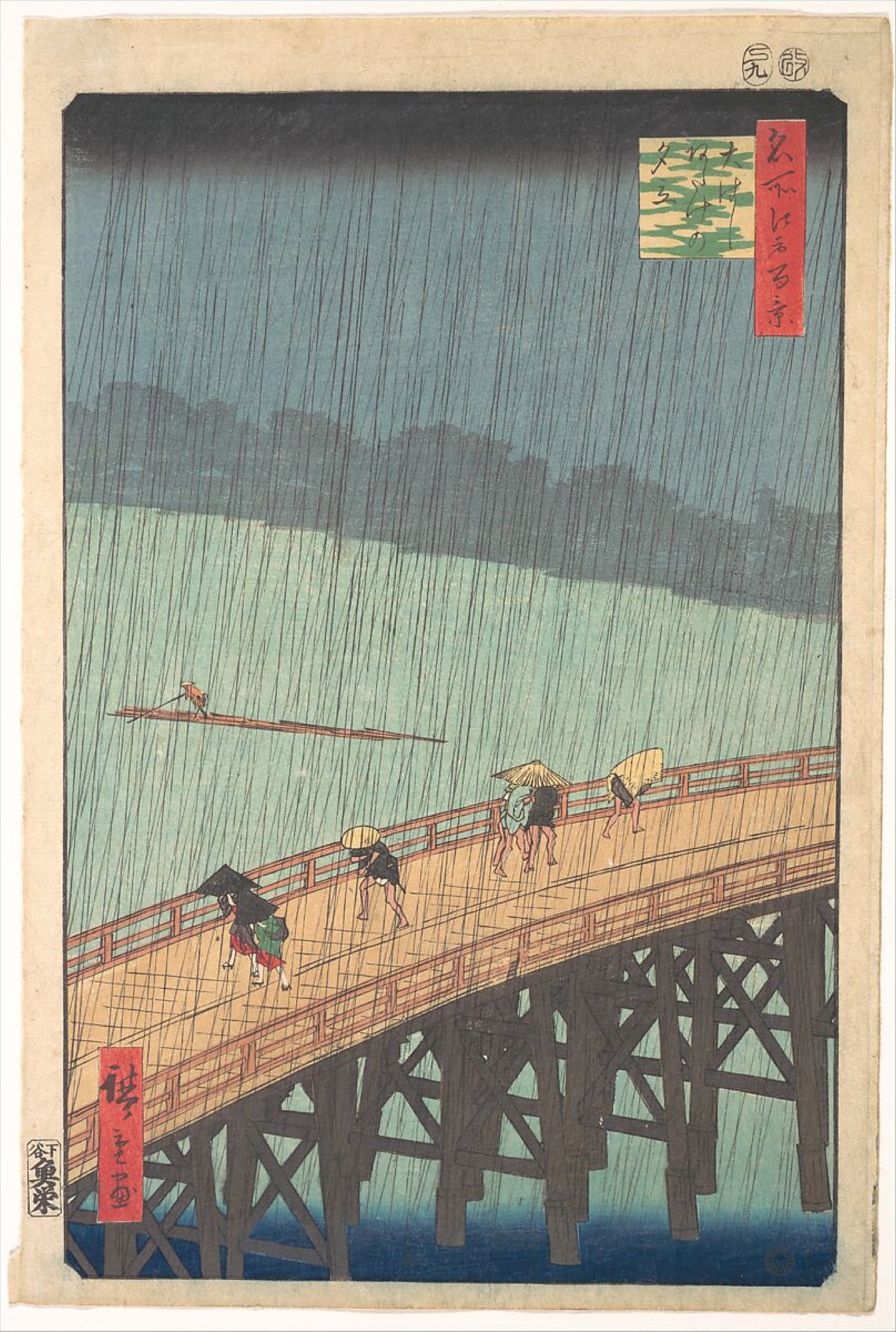
The original sixty-minute ukiyo-e inquiry joins Edo urban print culture, collaborative production, three changing contexts and Benjamin’s account of aura. The December 11 assessed discussion follows the teaching.
Teaching reference
Print production before the Floating World seminar
Ukiyo-e prints are designed for multiple impressions. Their production involves different kinds of work: the designer composes the image, carvers prepare blocks, printers transfer the design, and publishers organize production and sale. The source lesson places actors, fashion, pleasure districts, landscapes and famous places within an urban market. A print can be commercially produced and still require skilled artistic decisions.
An impression is a physical object with its own condition and history. Several impressions of one design may differ through printing decisions, wear, pigments, paper, later damage, photography or digital reproduction. The class must distinguish a visible difference from a supported account of its cause. A censor’s seal, price or buyer’s role requires contextual evidence; students should not guess it from a general idea about commerce.
The prepared comparison uses Katsushika Hokusai’s Under the Wave off Kanagawa (c. 1830–1832), Metropolitan Museum of Art impressions JP1847 and JP10. The museum dates both to c. 1830–1832. Its records identify different physical sheets: JP1847 measures 25.7 × 37.9 cm; JP10 measures 24.4 × 35.7 cm. Keep the accession numbers beside the images. Students can establish a visible difference in color, line or crop, then distinguish that observation from a claim about its cause. Digital color, paper condition, printing choices, trimming and block history need different evidence; do not label every difference as wear or assign a print sequence from overall brightness.
For a documented example of block wear, compare the right-hand wave line in Hokusai JP10 with the earlier intact line. Capucine Korenberg’s The Making and Evolution of Hokusai’s Great Wave, page 2, figure 2, identifies the break as woodblock damage. This is a specific supported explanation, not a rule for every difference. Her page 24, figure 28, also discusses a retouched title cartouche. Use these details to connect repeated production to the material condition of the block.
Show the Hiroshige design as three separate physical impressions: Met JP2522, Met JP644 and Cleveland 1921.318. Keep their museum identities visible and compare the rain, sky, outlines and crop before reading their records. All are dated 1857. Record uncertainty where the object records do not establish the reason for a visible difference.