Intention and Shot Design
Current task guidance, October 17: the Film Letter is now A1. Its original October 8 at 08:00 deadline remains unchanged; outstanding work is late. Earlier dates in the September teaching record are historical. Direction/design now develops through the October workshops and November 2 review, with the November 13 Course Skills research checkpoint. The assessment register and current task brief govern submission.
Media Studies · Film Form and Production · Project guide · Video Letter overview | Sound, Voice, and Meaning →
How can your shots communicate a letter to one person?
Lesson slides: Download the deck (PowerPoint, 2.8 MB) · image credits
At a glance
| Teaching sessions | Mon 21 Sep P6; Wed 23 Sep P6, first period of the double. |
| Unit | Film Form and Production |
| Work | One stage of A1. The A1 brief holds the complete requirements and rubric. |
Objectives
- Turn your ideas into a seven-line shot list with the six shot types and one moving shot.
- Film in landscape with focus and exposure controlled.
- Compare takes and reshoot the weakest shot.
Learn
The models are the openings of Sans Soleil (Chris Marker, 1983) and The Gleaners and I (Agnès Varda, 2000), introduced at the end of Cinematography and Visual Meaning. The letter is addressed to one person. Its voice adds something the pictures cannot say alone. Include a moment where voice and picture differ in meaning.
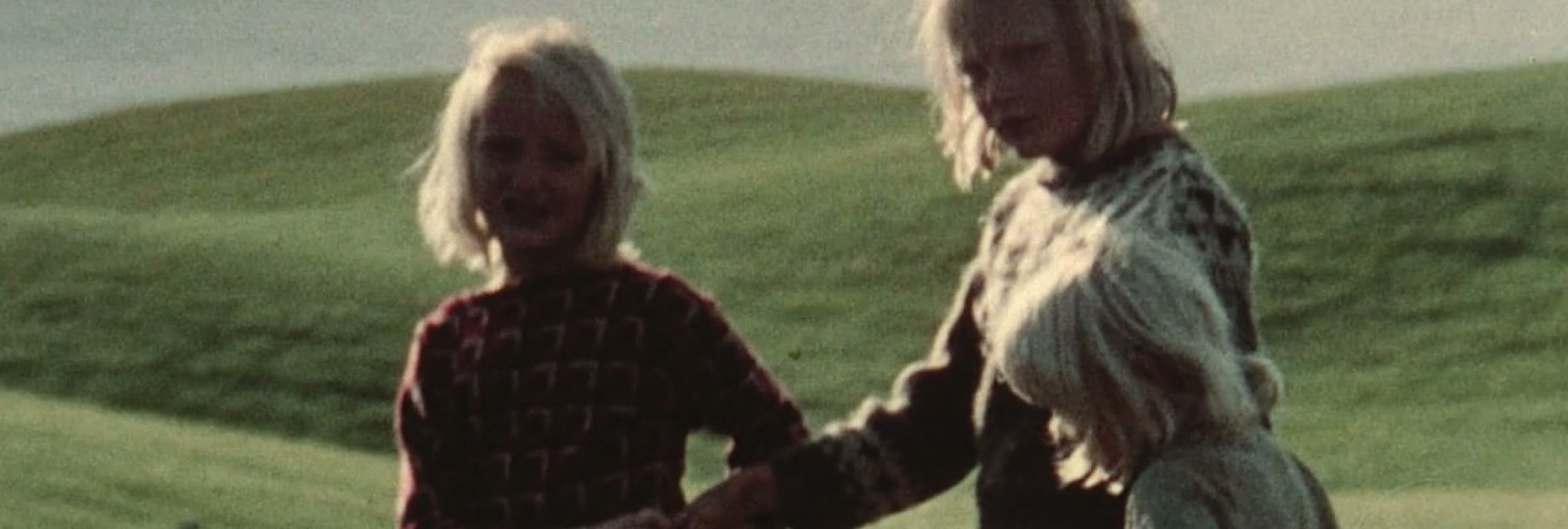
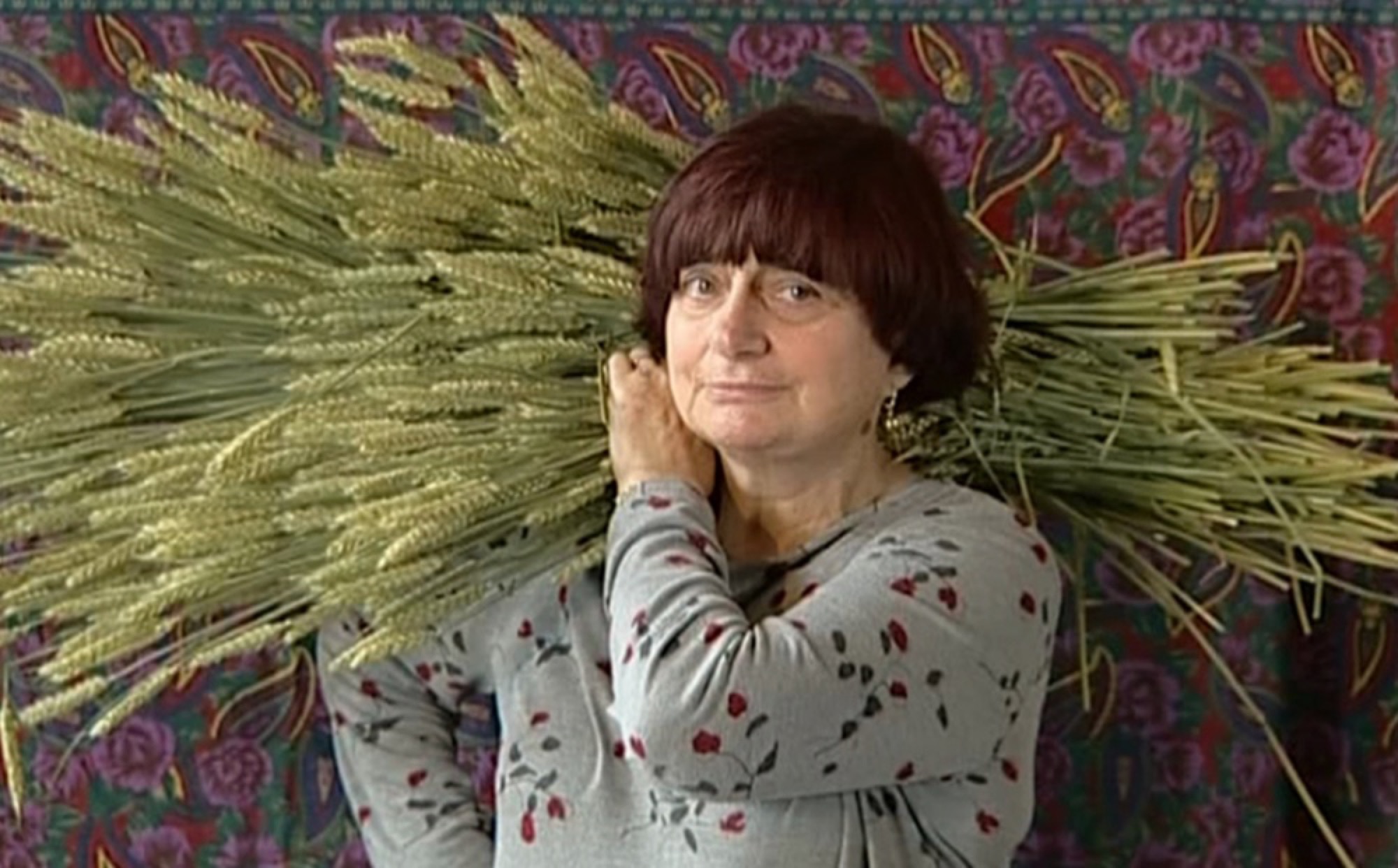
Your shot list connects each shot type to a real subject in a real place. The held-shot demonstration compares a steady ten-second take with a drifting phone. Record enough material to trim later. A tracking shot moves with the subject; a pan turns from a fixed position.
How it runs
Mon 21 Sep: from ideas to a shot list, then the first shoot
Collection (3 min)
The Parasite post links on ManageBac, task 27576261. Check that each blog includes six frames with their times. This is W4’s graded item. Do not read the posts aloud.
The shot list (10 min)
Each student turns Friday’s three ideas into one page: the six shot types and the moving shot, each written against a real subject in a real place. The list has seven lines.
Doğan reads each list as it is written. A list with no object for the close-up or no person for the low angle goes back to the student for one more line.
One thing shown (5 min)
The held shot. Doğan films one subject for ten seconds without moving, then the same subject with the phone drifting.
Play back both takes.
Explain the rule for the week: every shot is held for at least 8 seconds even if it will be cut to 2, because a cut can shorten a shot and nothing can lengthen one.
The shoot (25 min)
The students shoot their lists, on their own, in and around the classroom.
Pairs hold the camera for each other when a shot needs the student in frame, but each student shoots their own list.
The establishing shot first, the close-up on the object last. Shoot in landscape. Lock focus and exposure on the face, as in Friday’s drill.
Close (2 min)
The letter is homework: 80 to 140 words, to one person, written and brought on Wednesday. Wednesday needs a phone with a recording app, an editing app installed, and headphones.
Wed 23 Sep, first period: finish the pictures
The list checked (5 min)
Each student marks which of the seven shots exists on the phone. Most lists lack the moving shot and the point-of-view shot.
One thing shown (5 min)
The moving shot. Doğan walks a tracking shot beside a subject, then a pan across the room from a fixed spot, saying what each does: the track goes with someone, the pan looks for something. Hold either moving shot for at least three seconds.
The shoot (35 min)
Students independently shoot the shots still missing from their lists.
A student whose list is complete reshoots the weakest shot from Monday, chosen from playback.
Check your progress
Mark which of the seven planned shots you have. Choose the weakest take from playback and reshoot it. Bring your 80 to 140 word letter, phone, recording app, editing app and headphones for Wednesday.
Source quotation
An establishing shot usually shows a location.
Cambridge International AS & A Level Media Studies coursebook, §2.2, Camera, p. 22.
Suggested reading
Coursebook §2.2, Camera, p. 22, alongside the A1 brief.