Cinematography and Visual Meaning
Current assessment route, October 11: this page retains the earlier teaching sequence. The Film Letter is A1; timed analysis is A2 on October 28; the research checkpoint is Course Skills on November 13; A3 is November 27 and A4 is December 16. Earlier task codes and deadlines in this teaching record are historical. Opening direction now develops through the supported October workshops and November 2 review. Use the current register and opening workshops for present requirements.
First of the four technical elements. Camera · Sound · Mise-en-scène · Editing, then integration.
Related ideas: Composition · Framing · Visual Evidence.
Lesson slides: Download the deck (PowerPoint, 4.8 MB) · image credits
At a glance
| Days | 4 · Mon single, Wed double, Thu single, Fri single |
| Dates | Mon 14 Sep · Wed 16 Sep (double) · Thu 17 Sep · Fri 18 Sep |
| Unit | Film Form and Production |
| AO focus | AO1 + AO2 + AO3 |
| The film | Parasite (Bong Joon-ho, 2019), 132 minutes, Korean with English subtitles. About 90 minutes in the Wednesday double, the rest at home that night, before Thursday 8:00 |
| Deliverable | Photo Story: the ten photographs from Friday’s outing with the six shot types inside them, chosen, captioned and posted Mon 14 Sep in class with the contact sheet · Parasite Frame Analysis: six frames named and read, plus one paragraph on what the camera does to the two families, set Thu 17 Sep, due Mon 21 Sep before P6 on the blog, the link on ManageBac · A1, the film letter, opened Fri 18 Sep: the brief and its models in twenty minutes, then the six shot types demonstrated outside; shot, recorded, cut and screened in The Video Letter: Personal Address; its original October 8 at 08:00 deadline remains unchanged; outstanding work is late · the caption photograph posted the same Monday: one frame from Friday’s shoot with a caption that changes how it feels, dated, not graded |
| Feeds | C1 production · A2 · A4 · Component 2 Section A |
| Carries forward | The C3 major video task (music promotion, film promotion, documentary, short film) is shot on this vocabulary |
| Homework | Mon: none, the story and the caption are posted in class · Wed: finish Parasite (about 40 minutes) · Thu: the Parasite post on the blog, about an hour, due Mon 21 Sep before P6 · Fri: decide who your letter is to, and bring three ideas for scenes, events or things to shoot, each with a place, for Monday |
Print: Parasite, the discussion: the guide for Thursday, with 24 frames from the film (PDF, six pages)
Objectives
By the end of this lesson, students should be able to:
- Name shot, angle, movement and composition accurately at speed, from the syllabus’s own list
- State the effect as well as the term, in the form “low angle: he towers, I am small”
- Explain how camera choice constructs a representation of a person, place or event, not just a mood, with Parasite’s two families as the case
- Choose ten frames from Friday’s shoot that carry the six named shot types, in an order that reads as an opening
- Post the photo story to the C1 blog, dated, with its contact sheet, one caption each in the shape choice then effect
- Post the caption photograph from Friday’s shoot, with the caption that changes how it reads and a line on the reading before and after
- Read a frame from a film in three lines: what the camera did, what it does to you, who it is about
Goal
Camera is the syllabus’s first technical element. Students practice explaining the effect of a shot and making that choice themselves.
Use Parasite to examine how camera choices suggest relationships of power. One family lives in a semi-basement and looks up at the street; the other lives at the top of a hill and looks down at a lawn. The stairs give students visible lines to examine in the frame. Cambridge’s own camera exercise asks who is shot from below, who from above, who gets the close-ups and who stays in the wide, and students can examine all four questions in the film’s first ten minutes. The film will not be set as an exam text. Students use it to practice the terms and analytical skills required by the exam.
Monday’s post records the practice phase of Component 1. The Scheme of Work organizes the Foundation Portfolio into research, practice, planning, production and reflection. Date the post and include a rationale so it provides evidence of that practice. Each technical lesson in this unit produces the same kind of evidence.
How it runs
D1 · Mon 14 Sep: the annotated texts, then the story and the caption posted
Collection and the bridge (8 min)
The Annotated Media Text out on the desk (most will be pages from the text pack), peer-checked against the exemplar (six accurate labels is the bar), then collected.
Then the four code families said once, technical, symbolic, written, audio, as the two-year checklist. Explain that the technical family is taught through four practical lessons, beginning here.
Post 0 checked at the door: a blog that does not open from a signed-out browser is fixed before the posting, not after.
The six, named (7 min)
The story page and Friday’s frames on the desk. The six shot types on the board in the syllabus’s words, the checklist the ten must contain: establishing, mid-shot on a character, close-up on an object, low angle on the character, point-of-view, over-the-shoulder. One frame each on the projector, one line each on what it does.
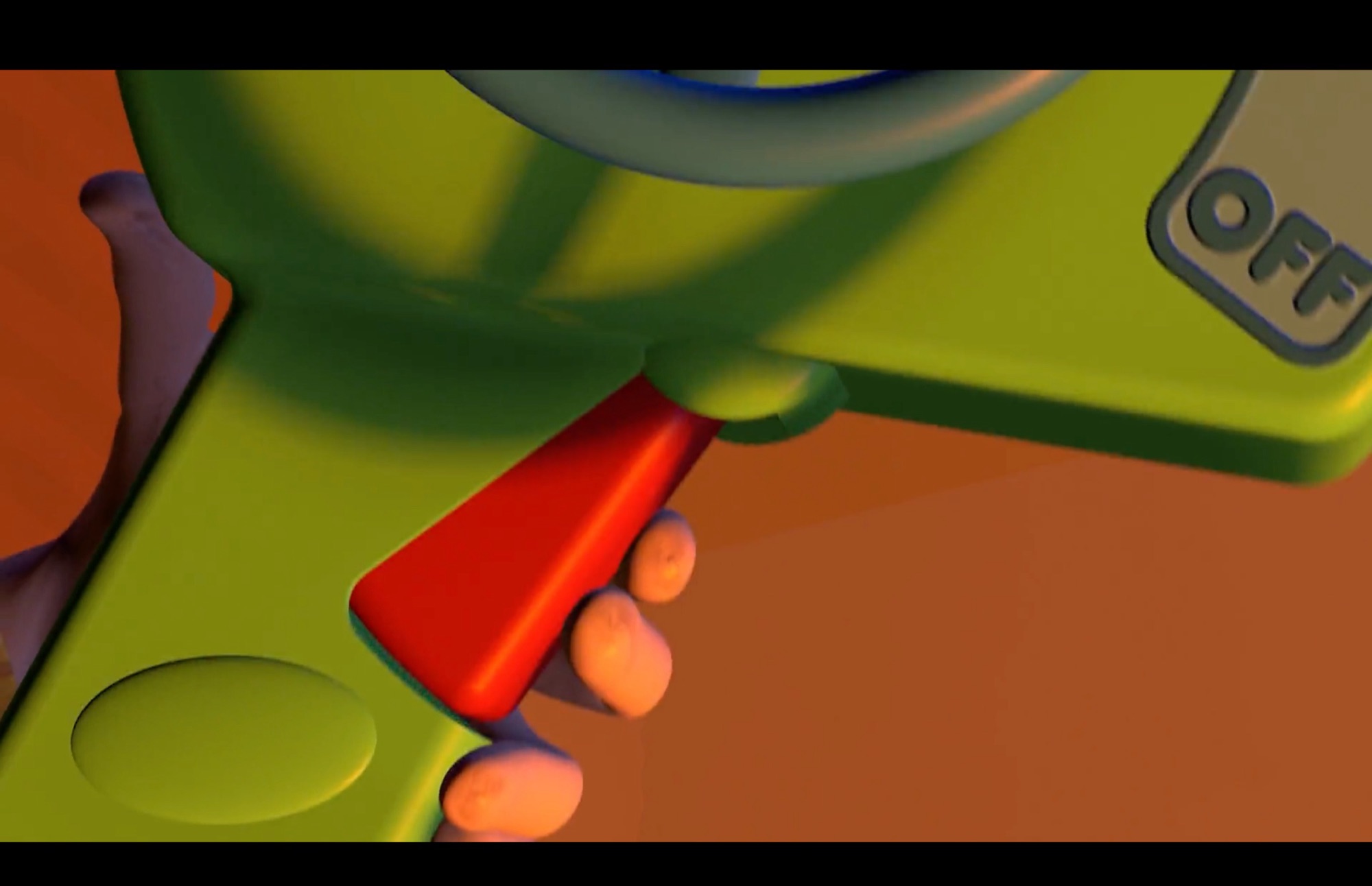
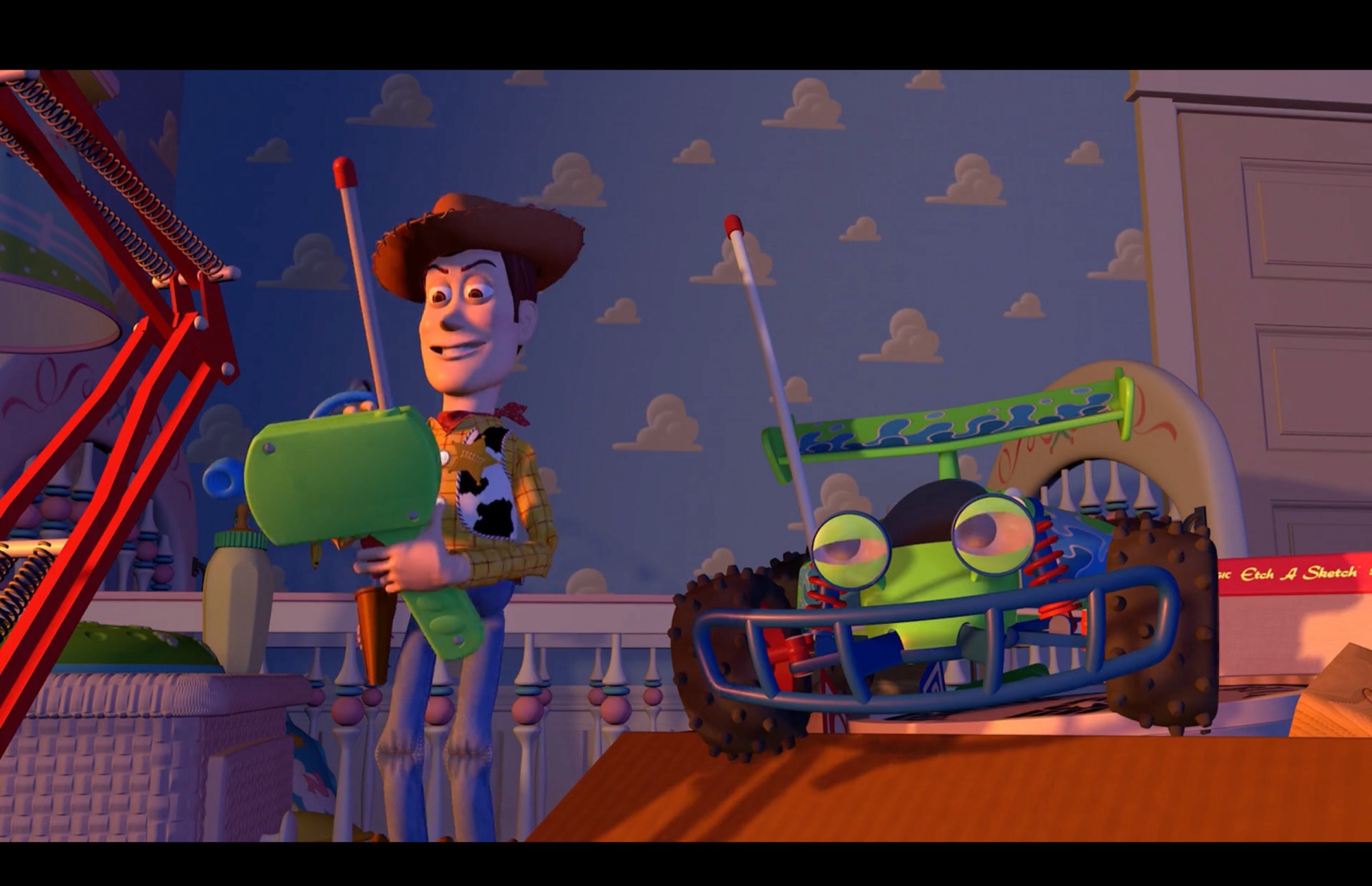
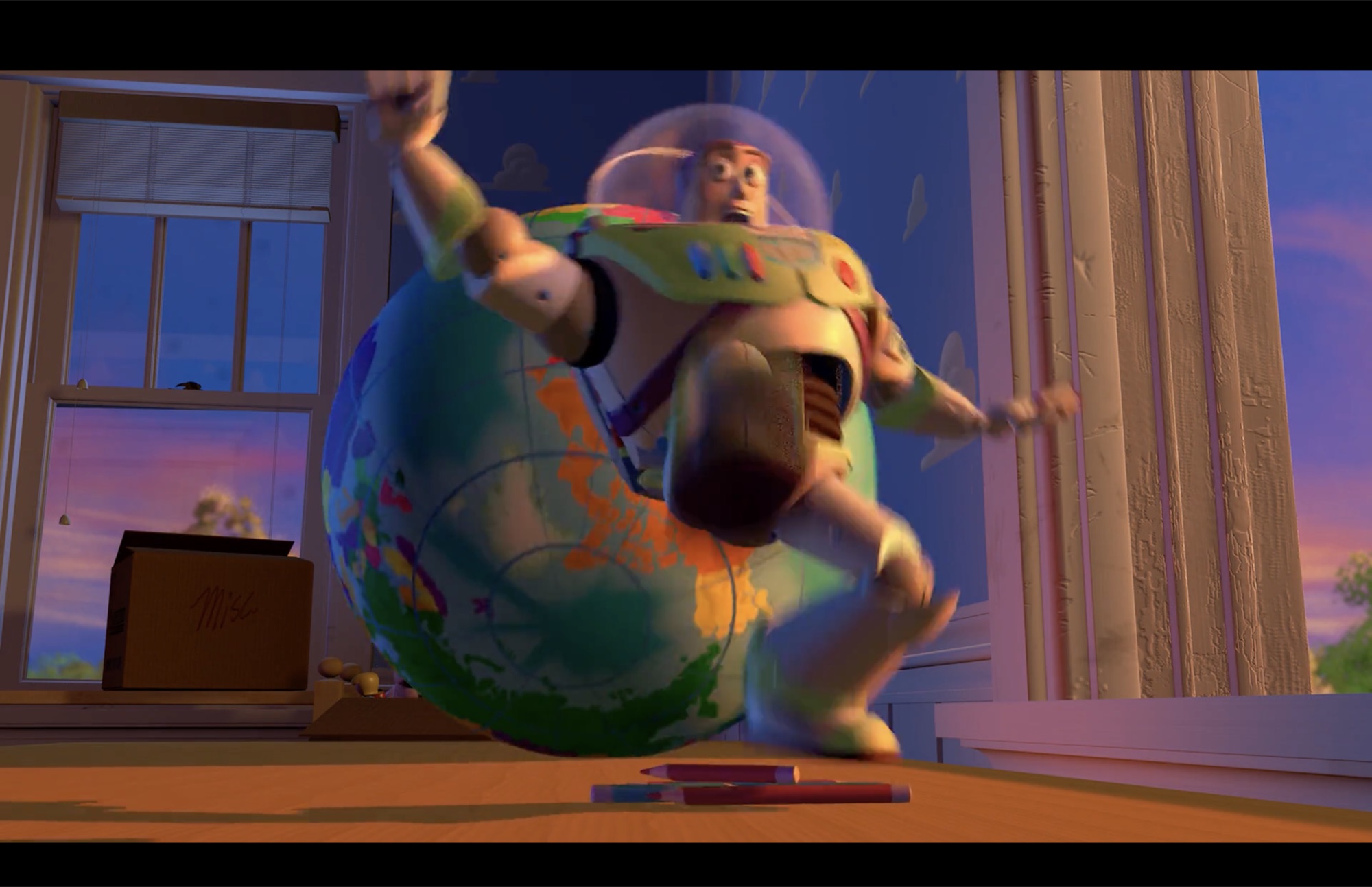
Three controls, non-negotiable and each a marking point: hold focus, expose for the face (tap to lock, not auto), frame to the thirds. The full lexicon waits for Thursday; today they need six words and three habits.
Choose and caption (20 min)
Friday’s frames on the phone: thirty or more, ten chosen, in an order that reads as an opening with something withheld. The six named types found among the ten and named in their captions. If a shot type is missing, allow five minutes to photograph it in the corridor. The post still needs all ten frames. One caption each in the shape choice then effect.
The contact sheet made: the camera roll’s grid view, screenshotted. Teacher circulates with one question: what is that shot doing to the frame after it?
Post (10 min) · two posts, both dated today
First the story onto the blog, titled Preliminary exercise 1: the photo story: the ten in order, the contact sheet, one caption each in the syllabus’s terms, closed with one sentence on what the story teaches the opening or the magazine. Brief: the Photo Story.
Then the second post, Anchorage: one photograph, one caption: the photograph chosen from Friday’s shoot, the caption that changes how it feels, and one line each on what it read as before and after. Not graded, but dated, because it is Wednesday’s anchorage turned into evidence.
Anyone not posted by the bell posts tonight; the date on the post is today’s.
D2 · Wed 16 Sep (double): Parasite
- Lights, subtitles on, play at 12:35. One sentence before it starts: watch where the camera puts you, and who it puts you below. Nothing else. No sheet to fill in; the film is the input and Thursday is the reading.
- Run through the changeover; 90 minutes of period plus the ten-minute gap reaches about 1:30 of film. Stop at the walk down through the rain, the one long descent from the house on the hill to the flooded street, which is the film’s camera argument in a single sequence and the cleanest cut before the end.
Homework, said before they leave
Finish the film tonight, about 40 minutes, before 8:00 tomorrow. Do not read about it. Thursday starts from the frames, and a student who has read the stairs essay will bring the essay instead of the frames.
D3 · Thu 17 Sep: the film, read back
The session runs from the discussion deck (classes/media-studies/decks/media-studies-s1-lesson-03-camera.pptx, with one large frame per slide, 37 slides) and the printed discussion guide, which carry the same content. The guide includes twenty-four frames from the film, each with its time.
The deck has more material than fits in 45 minutes. Select questions for class and leave the others available in the printed guide. The deck no longer carries the task slide: the Parasite post is set from its page in the last five minutes.
What happens (10 min)
Begin by checking that students can follow the story. Two or three of the eleven story questions, in four groups: the plan, the house, the line, the ending. The room agrees on who got which job, what the doorbell in the rain changed, and what happened at the party before any term is used.
The big questions (10 min)
Discuss one or two questions. Require a specific scene to support each claim:
- who is the parasite;
- whether anyone is a bad person;
- whether money makes people kind (Chung-sook’s line about money as an iron);
- whether a life can be planned (Ki-taek’s line in the shelter);
- what cannot be washed off;
- whether anyone can climb.
The frames (20 min)
At least one slide per element, in the order the course teaches them:
- camera (the first shot, the low angle into the Parks’ garden, the interview over Mrs Park’s shoulder, the back seat, the underpass, the shelter),
- sound (the doorbell, the Parks talking above the hidden Kims, the rain, the peach montage’s score),
- mise-en-scène (the rock three times, the raised toilet, the glass wall, the bunker corridor, the tent, the portrait wall, the headdresses) and
- editing (the rehearsal cross-cut with the car, the walk home, the last cut back to the window).
For every frame the room names the technique in the syllabus’s word first, then the effect, then the question on the slide; the Ladder sprint scoring from the routines if the room needs pace.
The camera list, for the post
The words the camera frames and the Parasite post both use, said once before the task is set.
Shot types
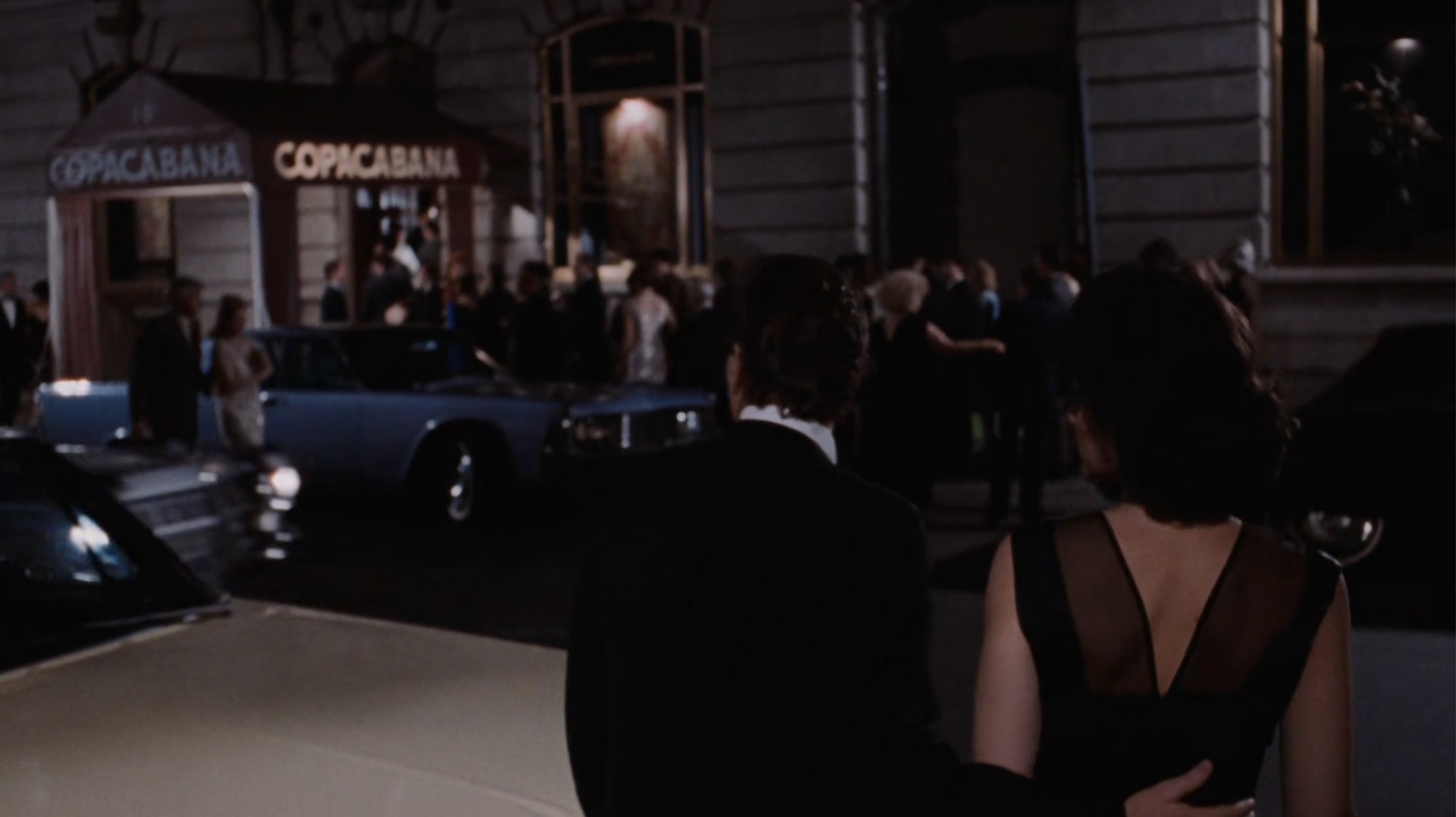
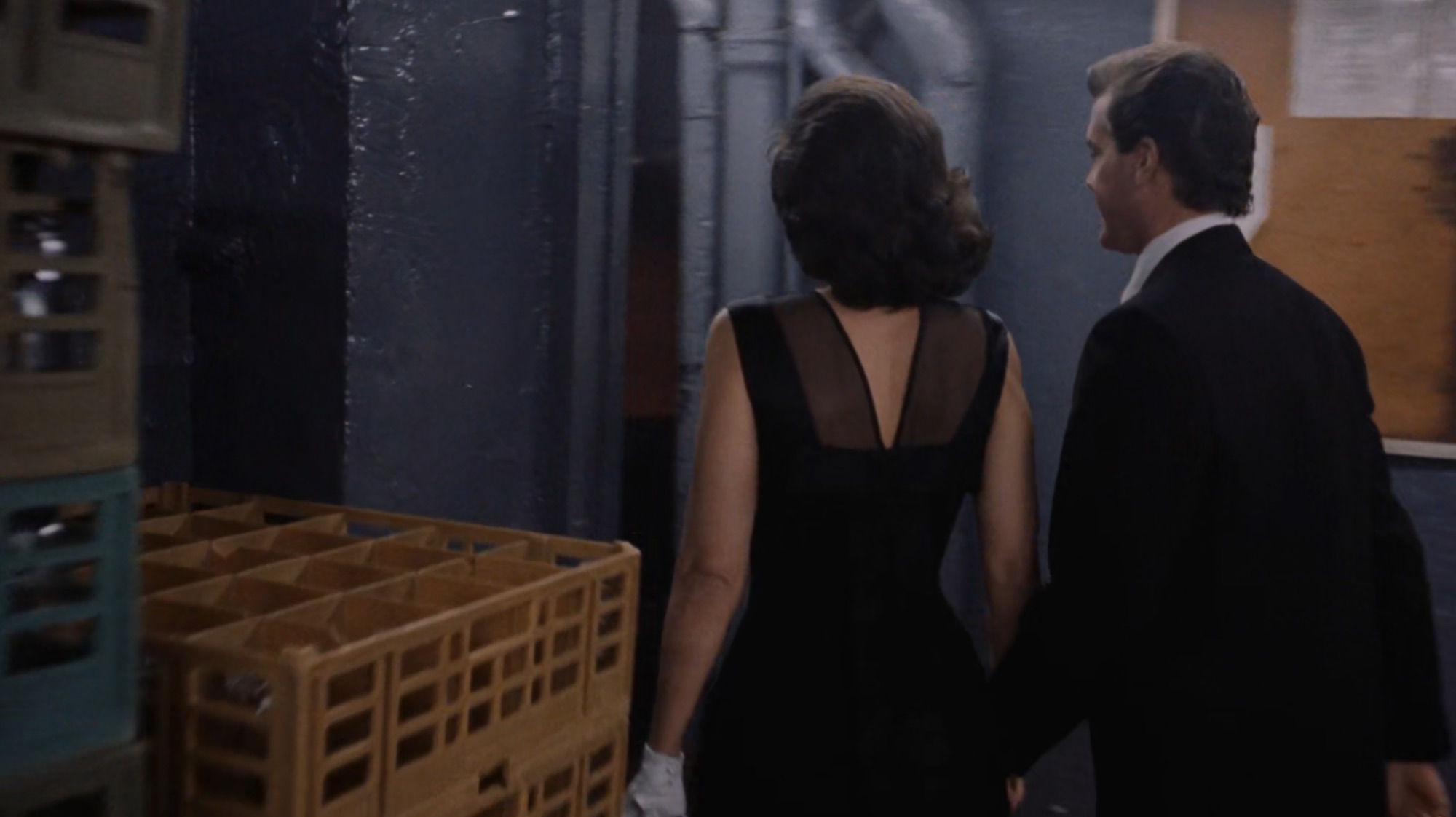
establishing shot, mid-shot, close-up, two-shot (two people in one frame), over-the-shoulder shot, point-of-view shot.
Angles
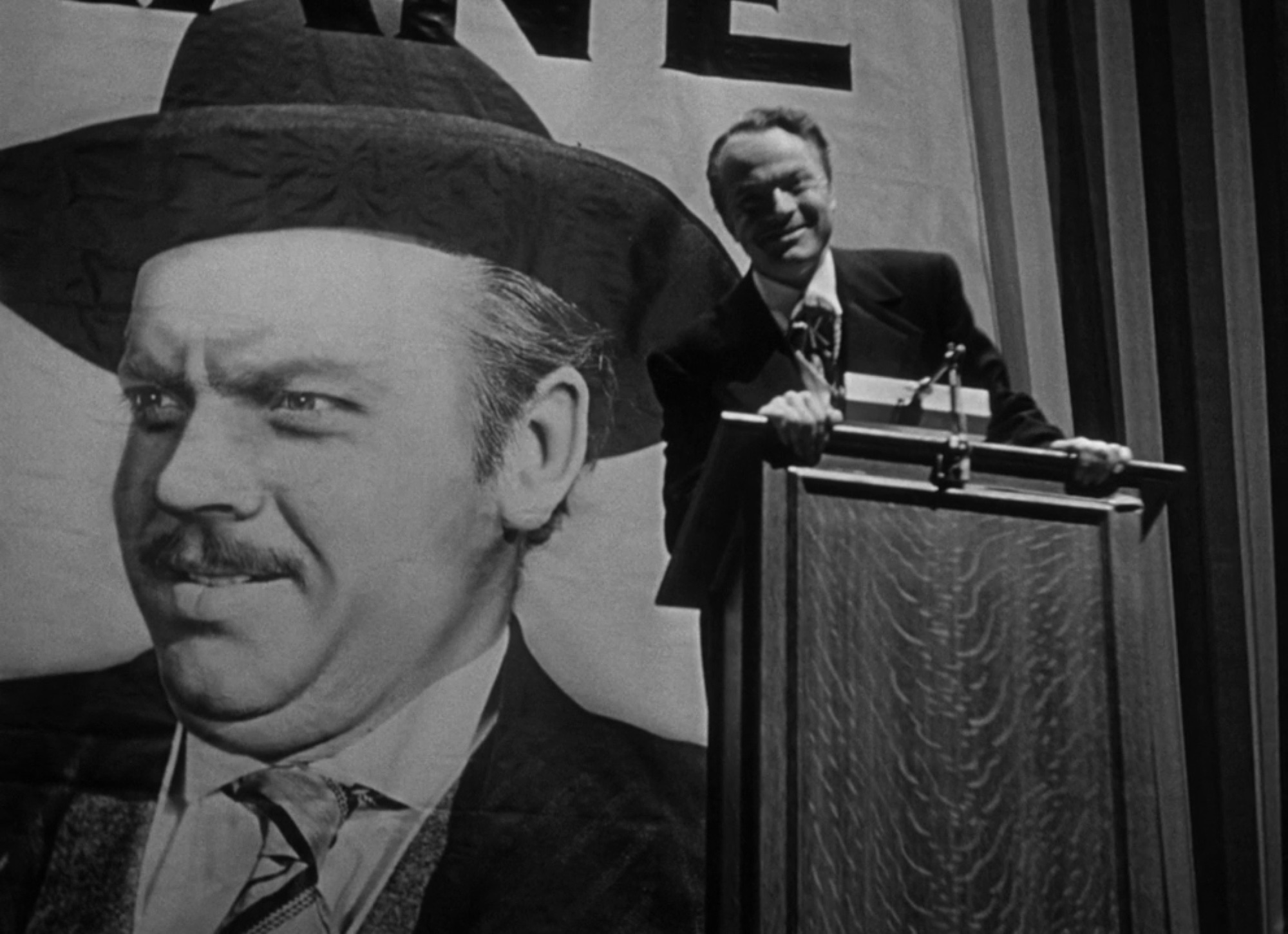
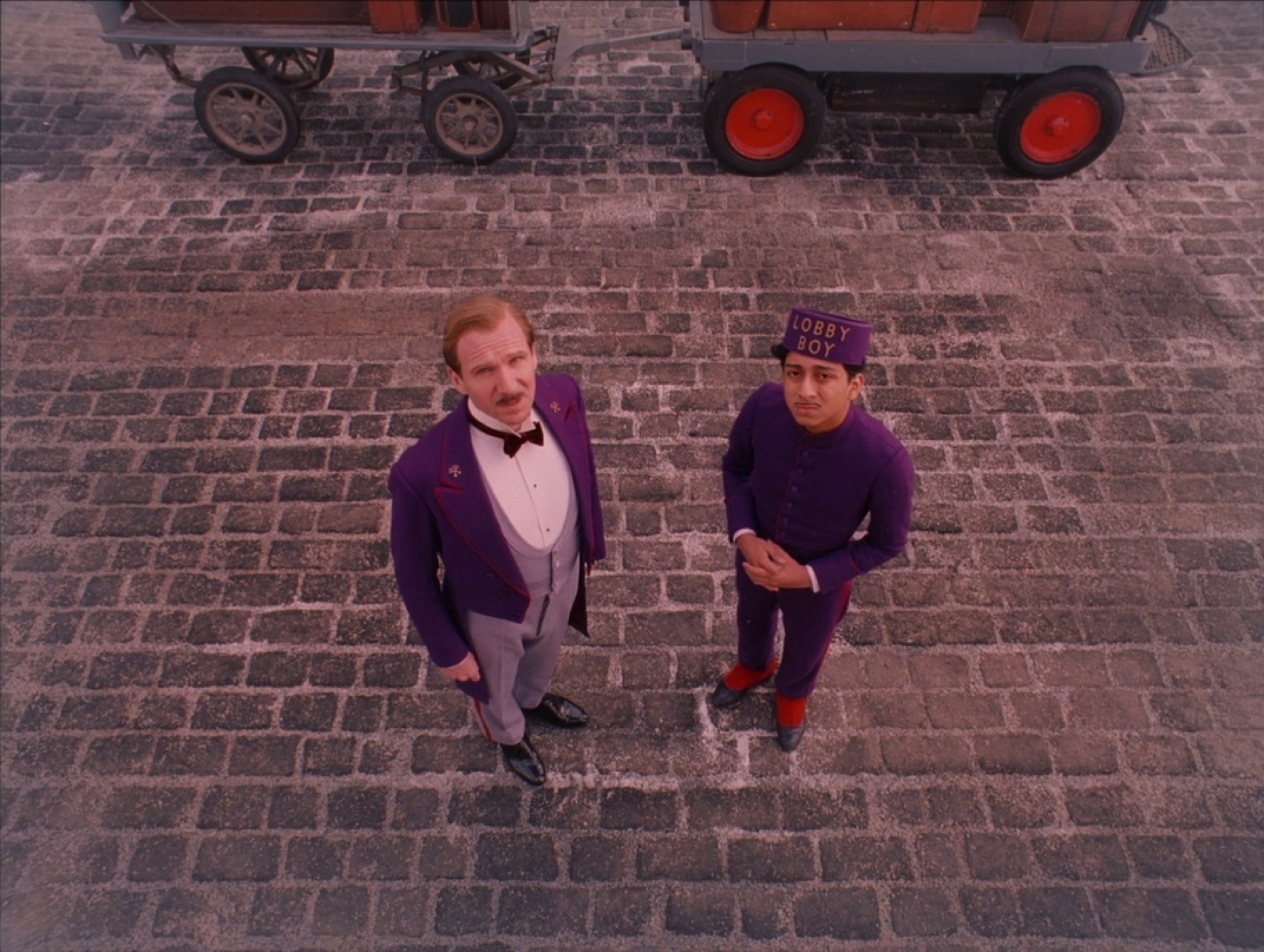
high angle (the camera looks down, so the subject looks small or exposed), low angle (the camera looks up, so the subject towers), canted frame (the frame tilted off level).
Movement
tracking shot (the camera travels with the subject), pan, tilt, handheld (the frame loses its steadiness).
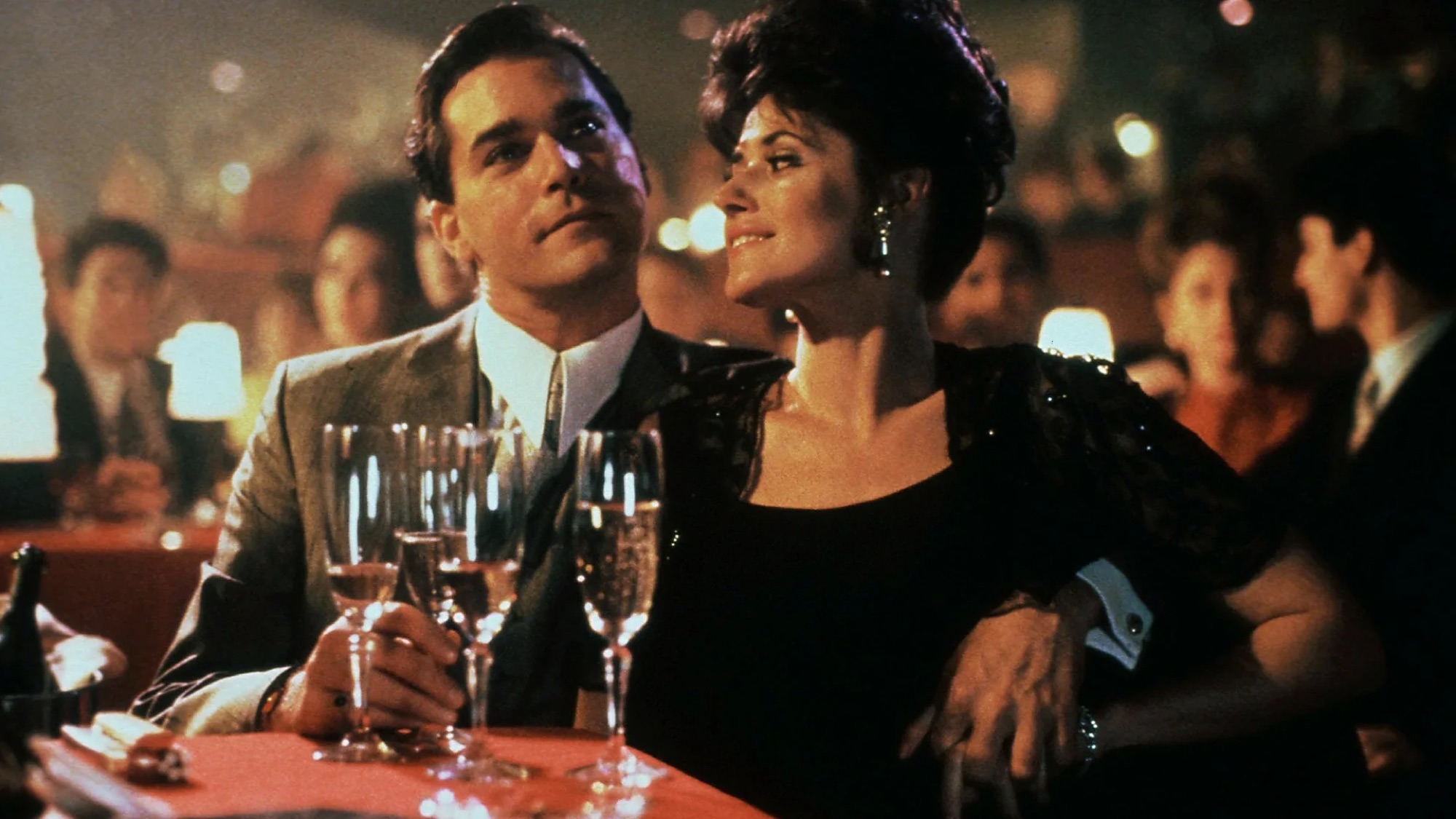
Composition
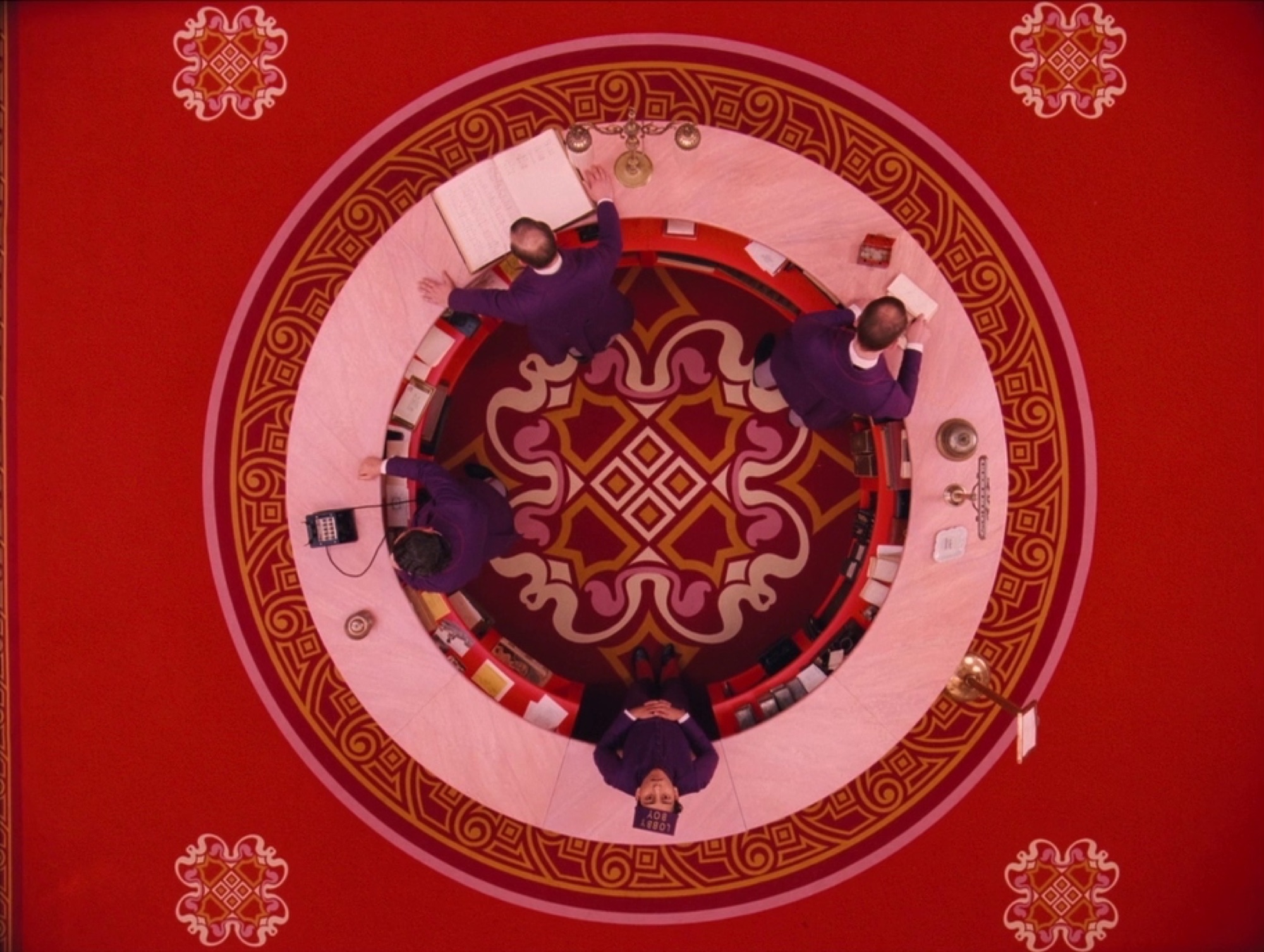
The rule of thirds, shallow focus (the subject sharp, the background soft) and deep focus (foreground and background both sharp).
Every frame asks the same question: who is above whom, and who put you there.
The task (5 min)
The Frame Analysis set from the page: six frames, three lines each, one paragraph on how the camera builds the difference between the families; one of the six may be read for sound as well. Due Monday before P6, as a post on the blog, with the link on ManageBac task 27576261.
The model for the paragraph is read aloud, once: one paragraph of Cambridge’s 21/25 specimen answer (the 2028 specimen booklet, Component 2, Industry S1 E1), so students can hear how it names a syllabus technique, identifies a moment and explains its effect on the viewer; then the same move is shown on one Parasite frame from the deck, the low angle into the Parks’ garden, in the same four steps.
That paragraph is the first of the four Parasite paragraphs the technical band collects. The frame pack goes on the class drive tonight.
D4 · Fri 18 Sep: the video letter opened, then the camera outside
Friday no longer teaches movement and composition from the film and no longer sets the direction post. It opens A1, the film letter, which the whole of The Video Letter: Personal Address then shoots, records, cuts and screens.
First, two things Thursday left undone (5 min)
The Parasite post was not set on Thursday (the transcript has no mention of it); set it now from its page, due Mon 21 Sep before P6, six frames with their times and the paragraph.
The brief (15 min, no more)
The A1 page on the projector, read as a student: a letter to one person, a voice over pictures that says what the pictures cannot, the six shot types, one moving shot, a voiceover, a diegetic sound, a sound perspective, a sound bridge, and a rationale.
The original September deadline is superseded. The original October 8 at 08:00 deadline remains unchanged; outstanding work is late. October 10 was editing. Subsequent Film Letters are screened as they arrive; the already-discussed film does not repeat its critique.
Then the models, each with one question, what does the voice say that the picture cannot? The opening of Sans Soleil was already shown on Thursday (the transcript: the Iceland children, the black leader, the jet fighters, the Yamanote line), so today it is the reminder, not the screening; one line on what the voice did.
The opening of The Gleaners and I (Agnès Varda, 2000): a voice that speaks to someone about what it is looking at, about two minutes.
If time allows, one short student essay film of about a minute, so that the scale looks reachable. Say once that an essay film is practice in picture and sound, not a model for their film opening.
The camera, outside (25 min)
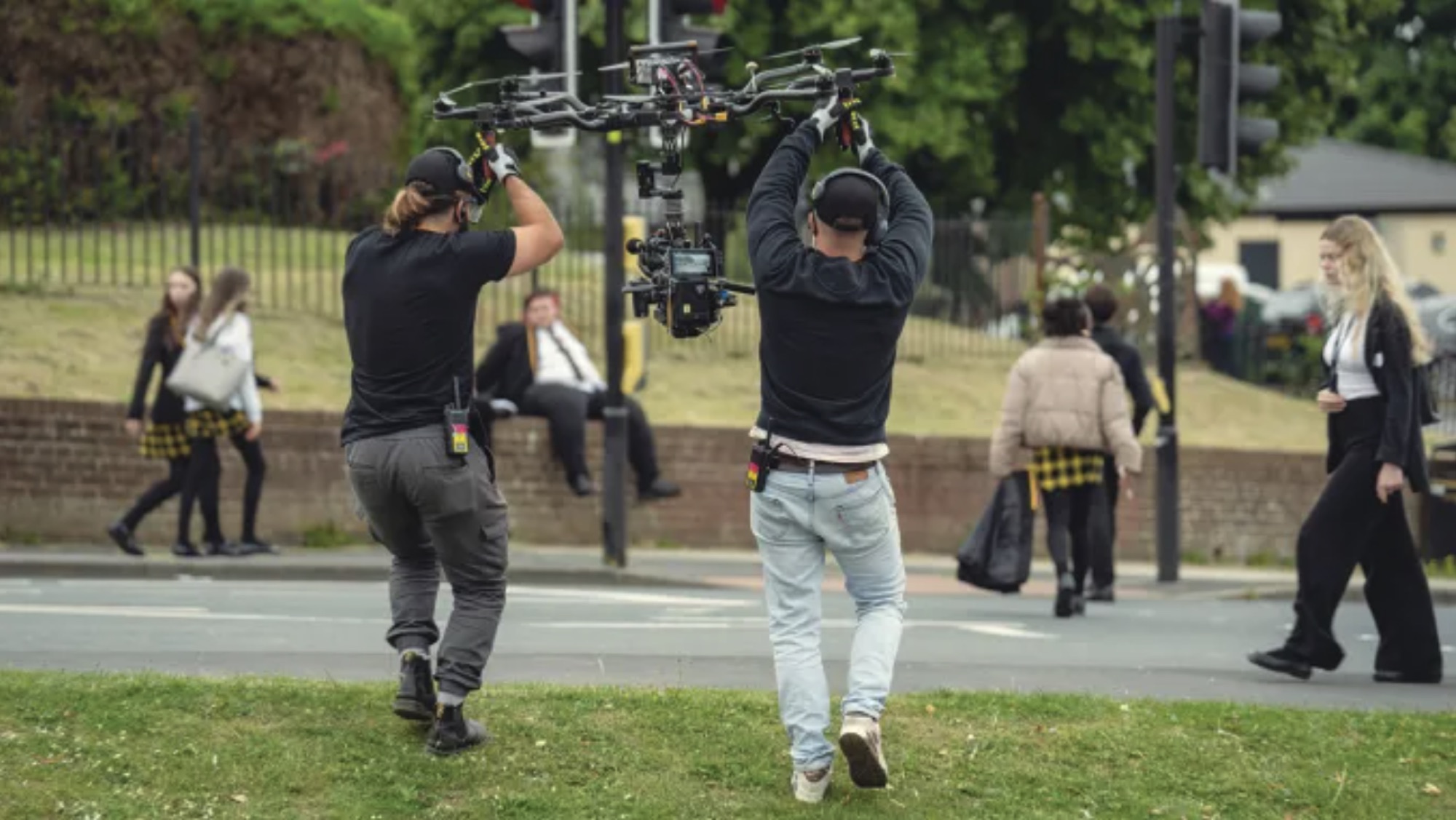
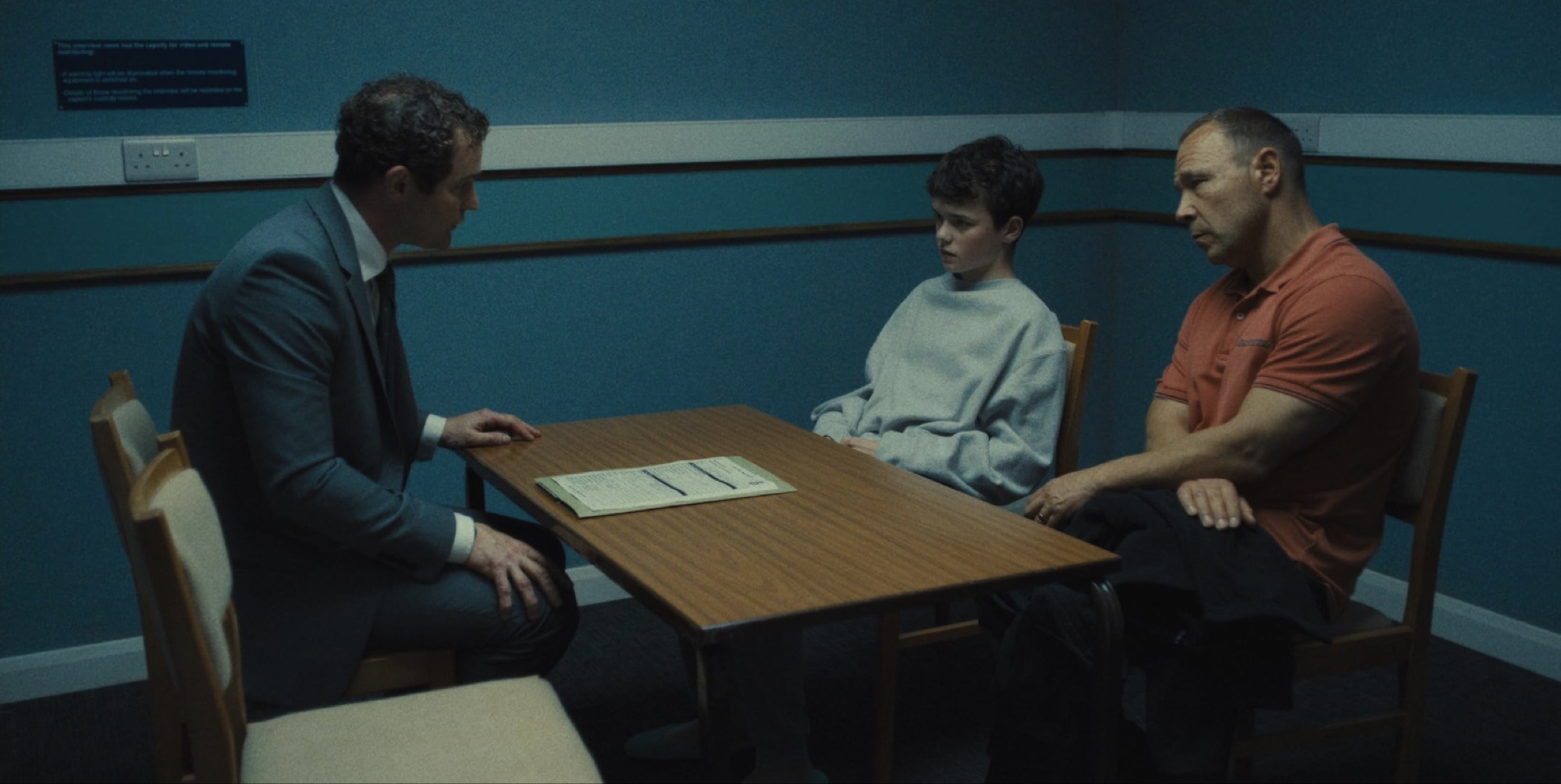
The class goes out of the room. Doğan demonstrates the six shot types on one subject in one place, in order: the establishing shot, the mid-shot, the close-up on an object, the low angle, the point-of-view shot, the over-the-shoulder shot. Then one moving shot: a tracking shot beside the subject. Each shot is named as it is framed and its effect said in one line, in the shape low angle: she towers, I am small. The students film the demonstration on their phones as their reference.
Focus and exposure locked on the face, as Thursday’s frames showed; the backlit-face drill from the old Friday is folded into the demonstration, one minute on a subject with the window behind them.
Homework, said on the way in
Decide who the letter is to. Bring three ideas for scenes, events or things to shoot, each with a place you can reach. Monday turns them into a shot list and shoots.
Assessment
| Item | Date | What | AO |
|---|---|---|---|
| Photo Story | Mon 14 Sep, in class | The ten-frame story with its contact sheet, the six shot types inside it, shot on Friday’s outing and posted Monday; captions in the shape choice then effect | AO1 + AO3 |
| Parasite Frame Analysis | set Thu 17 Sep · due Mon 21 Sep before P6 | Six frames from Parasite, each named and read for its effect, plus a paragraph on what the camera does to the two families; one frame may be read for sound as well; on the blog, the link on ManageBac task 27576261 | AO1 + AO2 |
| Direction and design | October workshops; provisional review November 2; Opening Research Checkpoint November 13 | Develop the existing idea through opening research and a provisional concept note. Script and storyboard work follows November 18–19; relevant production tests follow from November 20. | Formative preparation feeding the Course Skills research checkpoint, with no separate October 12 grade. |
The photo story is marked on three things and no others: terms used accurately, the three controls held (focus, exposure, thirds), intention stated per shot. Camera operation quality is not separately marked in this local photo task. The syllabus does not assess the acting of performers in coursework; students remain responsible for their assessed creative and technical decisions. The frame analysis is marked on terminology, the effect sentence, and the paragraph’s claim. The caption post is not marked at all: it is dated blog evidence for the developing portfolio and LB1’s blog punctuality; the current Opening Research Checkpoint brief identifies the selected evidence. See the full register.
Practice
Camera terms are defined in the media vocabulary glossary and listed in full on the technical elements page.
1. The camera looks up at a character from below. Name the angle, then name what it does to you.
Answer: A low angle. The figure towers and you are made small. That second half is the part the mark scheme rewards: not just the term, but the effect on the audience.
2. What is the difference between a track and a zoom?
Answer: In a track, the camera body itself moves through space. In a zoom, the camera stays still and the lens magnifies. They feel different on screen, so naming the right one matters.
3. Which of these is filed under composition rather than shot type?
- a) Over-the-shoulder
- b) Shallow focus
- c) Aerial
Answer: b) Shallow focus, part of depth of field. Composition covers framing, the rule of thirds, depth of field and focus pulls. Over-the-shoulder and aerial are shot types.
4. In Parasite, one family is filmed looking up through a window at street level and the other looking down at a lawn. Write one sentence on what the camera has done to those two families before anyone speaks.
Answer: The camera has put one family below the world and the other above it, so height reads as status before the plot confirms it. That move, technique to representation, is the whole of Section A, and it is the claim your frame analysis paragraph makes.
5. Name the canted angle’s other name, and one thing it signals.
Answer: The Dutch tilt. It signals dissonance, instability, something wrong in the world of the frame.
6. Re-shoot one frame from your photo story a second way: same subject, opposite angle. Post both and write one sentence on what changed for the viewer. Nothing teaches the effect half faster than shooting the same thing twice.
Source quotation
An over the shoulder shot is usually used during a conversation.
Cambridge International AS & A Level Media Studies coursebook, §2.2, “Over the shoulder shot”.
Suggested reading
Read the coursebook section cited above alongside this lesson’s examples and visible vocabulary.