Recording & Sustained Study for the Personal Investigation
Unit plan
Complete the recording and sustained-study stage under AO1 Record, using C3 specialist language. Arrange your recording pages so another reader can follow your thinking.
Read the complete unit plan
What this unit does
Complete the recording and sustained-study stage under AO1 Record, using C3 specialist language. Arrange your recording pages so another reader can follow your thinking. Develop two observed studies, each across a two-day sequence without restarting.
Annotate what each study teaches you about your theme. Make and annotate original photographic references. This unit completes the recording sequence and includes A1, the semester’s first attainment.
Dates & span
Weeks S4–S5, 10 sessions. See the semester plan.
Sequence of work
| Code | Session | Focus |
|---|---|---|
| U2·L1 | Compose the Stage 1 page | Make your thinking clear to another reader |
| U2·L2–L3 | Studio: sustained study 1 (2-day session) | Sustain one study without restarting |
| U2·L4 | Critical annotation | Explain what the study taught you about the theme |
| U2·L5 | A1: Recording milestone | Everything recorded so far, marked against AO1 |
| U2·L6 | Feedback and targets | Name three specific actions from the feedback |
| U2·L7–L8 | Studio: sustained study 2 (2-day session) | Develop the second study beyond the first |
| U2·L9 | Photography and annotation | Make your own reference and annotate what you see |
| U2·L10 | Studio: build the recording pages | Sequence the pages so the AO1 evidence is clear without explanation |
Assessment
A1, Fri 19 Mar, is the recording milestone. It includes your approved intention, Stage 1 pages, first sustained study, and supporting recording. It is marked against AO1, with C3 specialist language also considered.
There is one CS task in this unit: CS3, Fri 26 Mar. This recording pages build check brings together your actions from A1 feedback. See the full register.
Key content
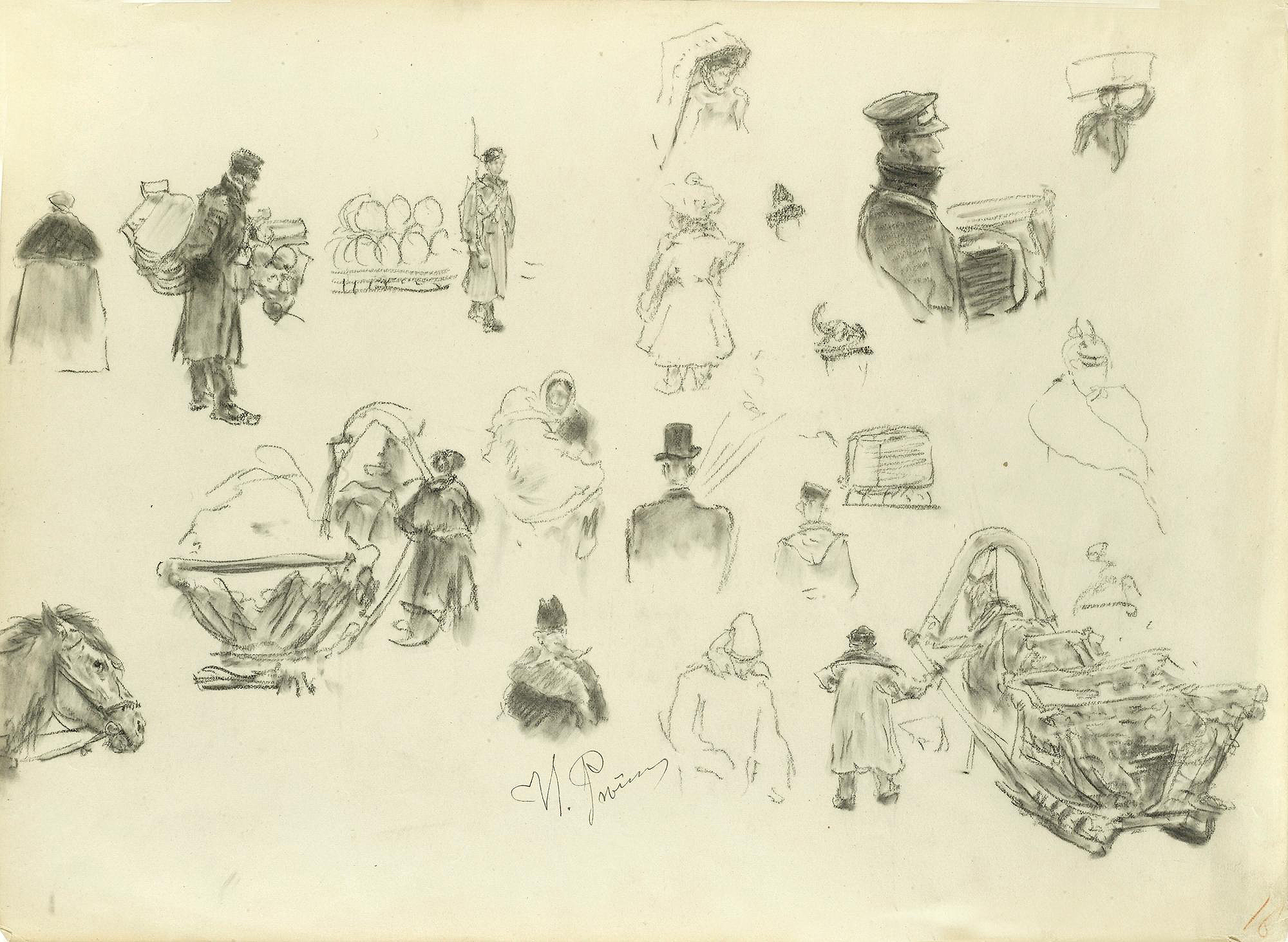
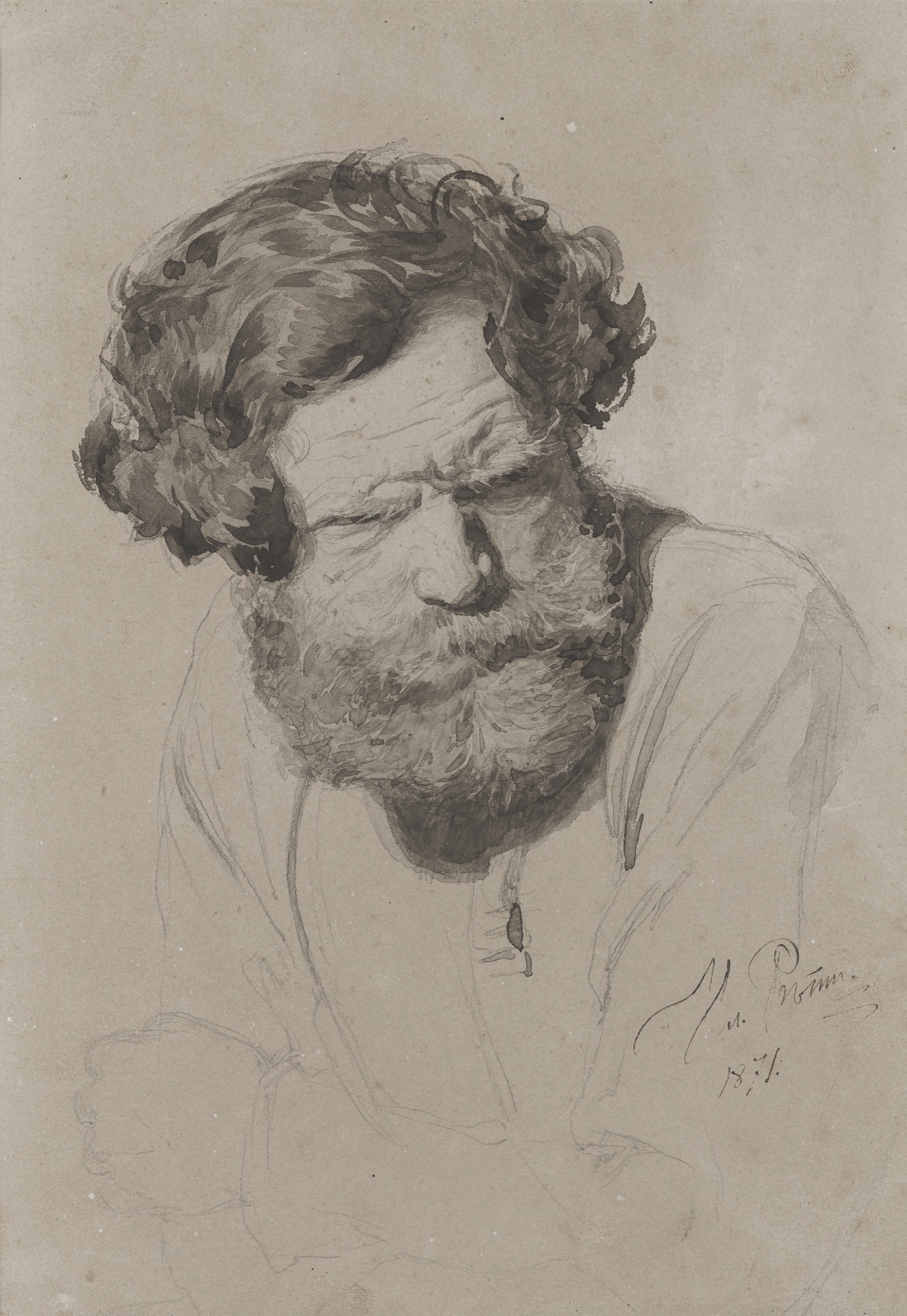
- Both sustained studies must show work developed over time through layered decisions, rather than completed in single sittings.
- AO1 rewards effective recording and critical reflection, which means considering what your work and progress teach you. Description alone may not provide evidence of reflection. Your complete evidence is judged against the current C3 descriptors, without an automatic cap for description alone.
- Use first-hand observation and original photography as central sources. Relevant, credited artist, contextual, and secondary sources are also valid. Cambridge does not exclude these sources as a group.
- Turn your A1 feedback into three named actions. Show how you have acted on them by CS3.
Lessons
Unit gallery