Montage and Cinematic Time
Media Studies · Editing, sound and the viewer
Related ideas: Montage · Visual Sequence · Visual Evidence.
Lesson slides: Lesson slides (PowerPoint, 4.8 MB) · Authority in the Hotel (Monday, October 19) (PowerPoint, 2.1 MB) · image credits
At a glance
| Dates | Fri 16 Oct P6 · Mon 19 Oct P6 |
| Time | 45 minutes per taught session. There is no class on Friday October 23. |
| Bring | Monday: the existing Wes Anderson worksheet and C2 writing file. Existing Film Letter material remains available for later practical comparisons. |
| Outcome | Monday: one independently written and revised paragraph connecting precise evidence to representation. The earlier practical comparisons remain reference activities. |
| Next use | Opening research and storyboard; independent Section A practice in L08. |
Objectives
- Explain how shot order and duration change the viewer’s understanding.
- Make and compare two versions using the same available footage.
- Explain one sound-image relationship with precise evidence.
- Use a test and feedback to revise a practical decision.
Learn
Editing selects and combines images and sound. The same shots can suggest a different relationship when their order or duration changes. Explain which cut matters, what the viewer knows before it and what changes afterward.
Monday: Authority in the Hotel
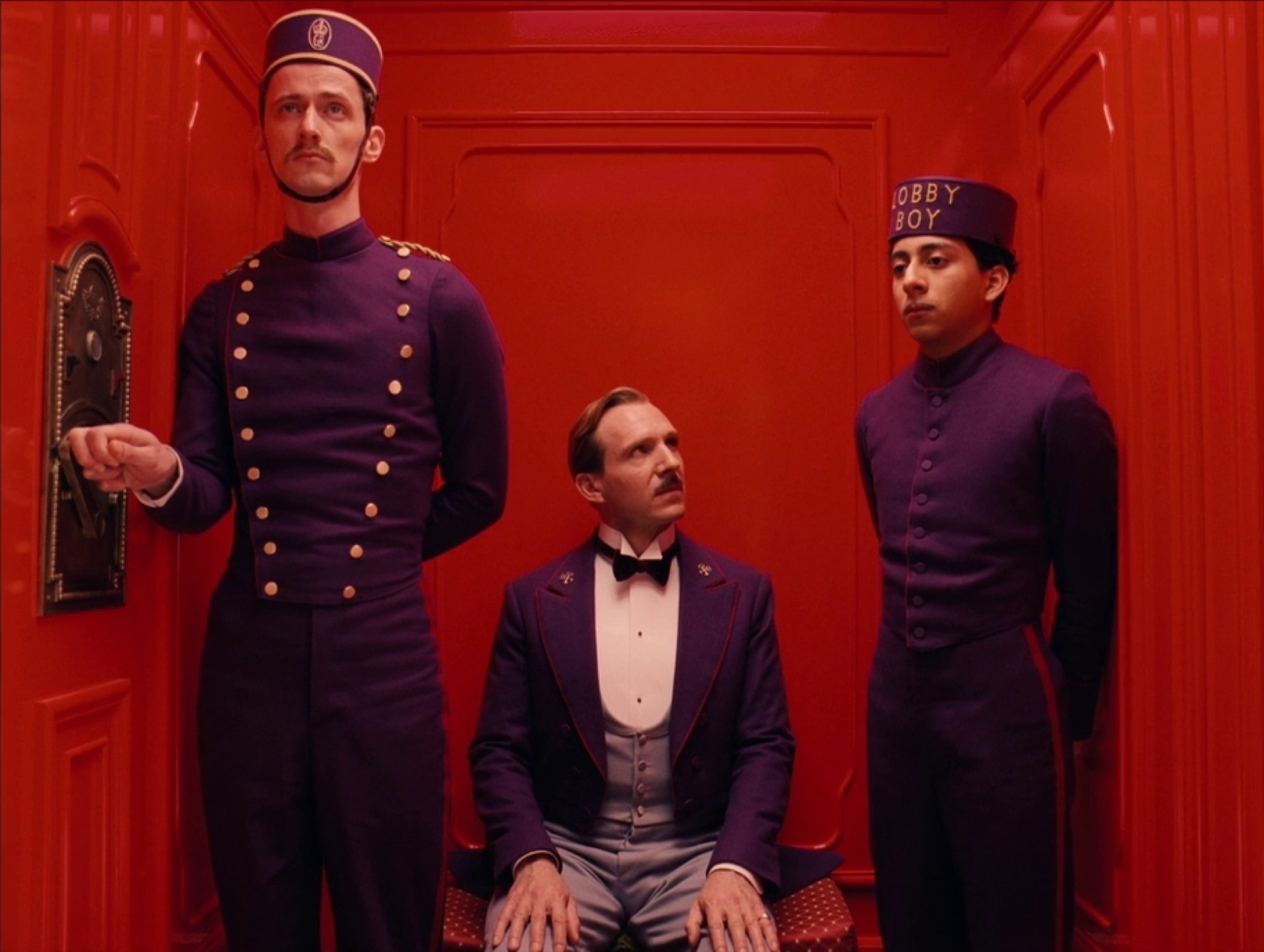
Monday October 19 completes the Wes Anderson work with the original Grand Budapest interview. Connect camera, costume, editing and dialogue to the representation of the workers. Then write and revise an independent paragraph about Zero as a new worker. Use exact moments and explain the connection between each detail and the interpretation. Unfamiliar TV-drama practice begins on October 21.
Pace, time and connection
Compare short passages from Parasite’s plan montage and the storm-night sofa sequence. Count cuts in equal-length passages, then explain what the durations allow viewers to notice. A cut count is evidence, not an explanation by itself. Montage can compress time or build an idea. Crosscutting connects separate lines of action; parallel editing can suggest that actions occur at the same time. A match cut links images through shape or movement. A jump cut makes a break in time or action noticeable. Dissolves, fades, wipes and superimposition also affect how shots connect. Identify a technique only when the viewed example supports it.
A long take allows an action to develop without a cut. Slow motion extends its displayed duration. Both can affect pacing; explain the effect in context instead of treating a terminology category as the argument.
Match cuts and jump cuts
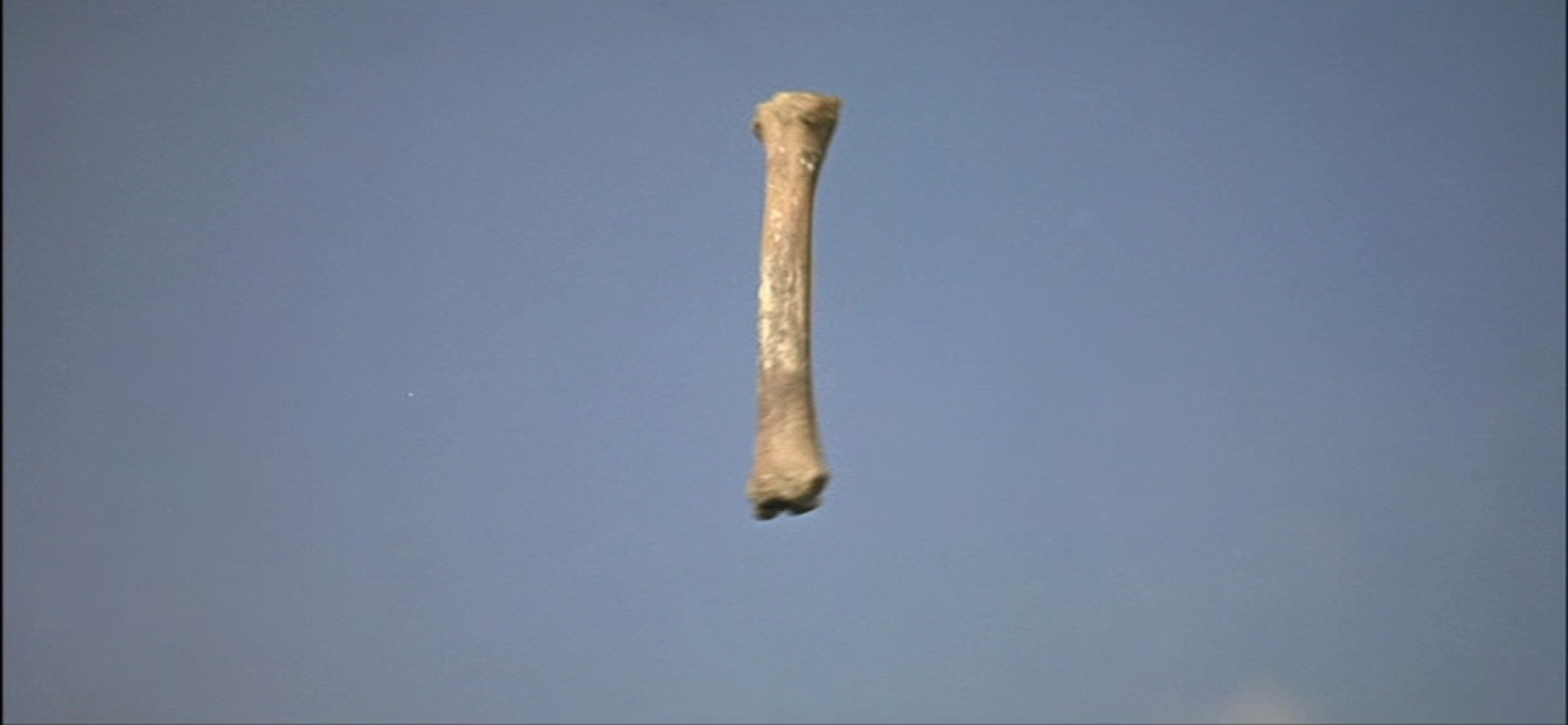
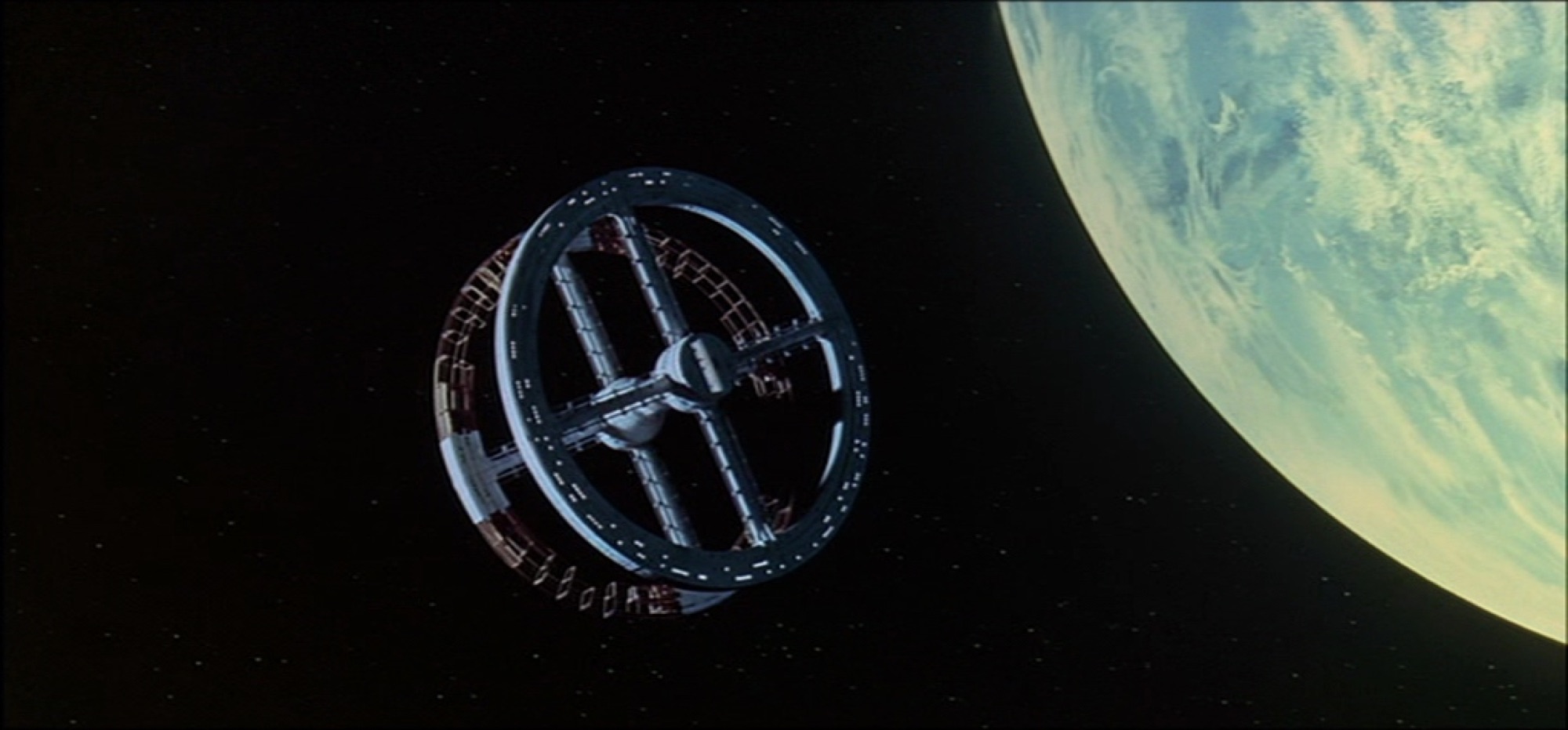
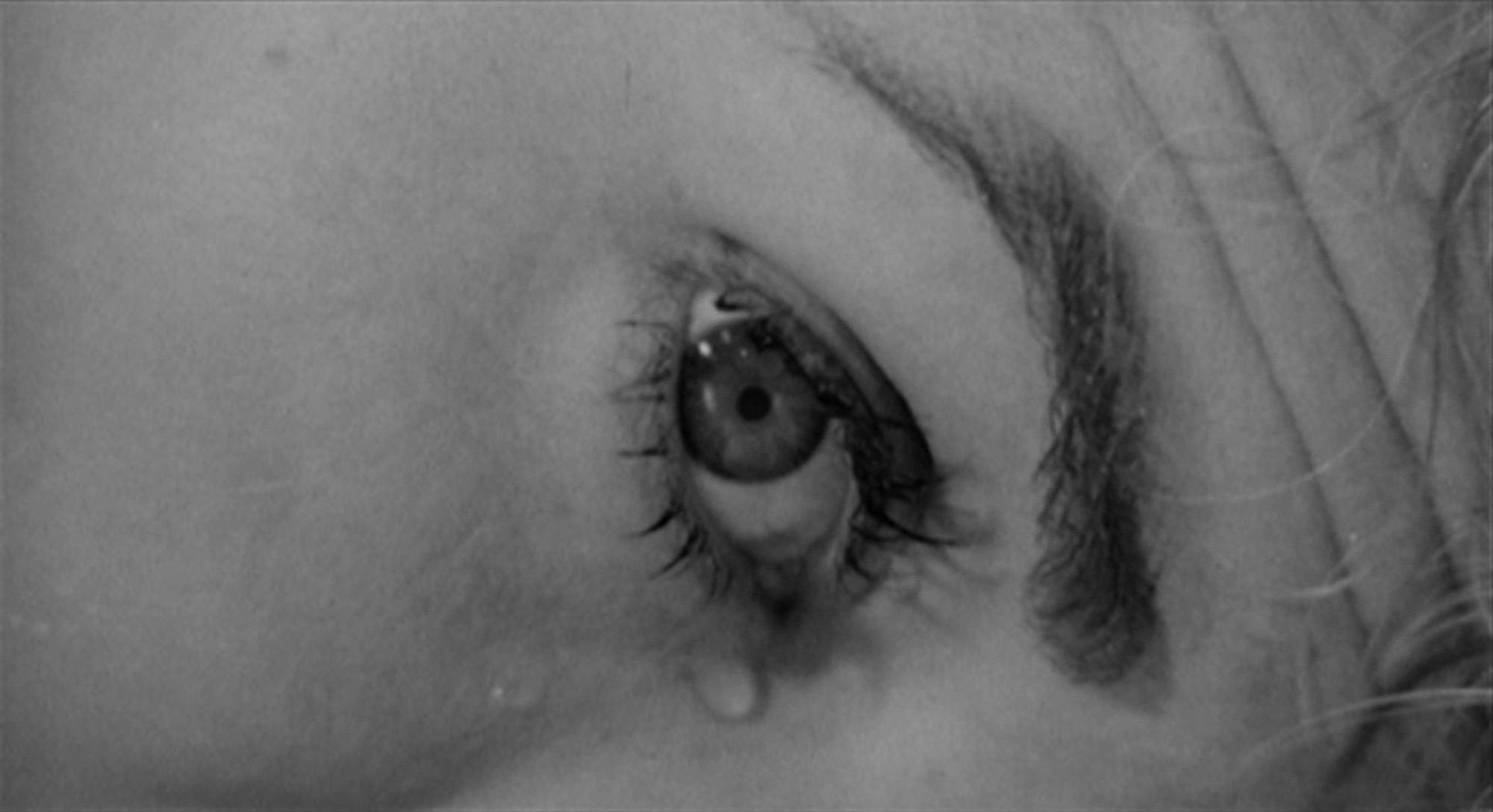
A match cut links two images through a shared shape or movement. Compare the bone and satellite in 2001: A Space Odyssey, or the circular forms around the eye in Psycho. The frame pair points to a connection; view the actual transition before naming its effect.
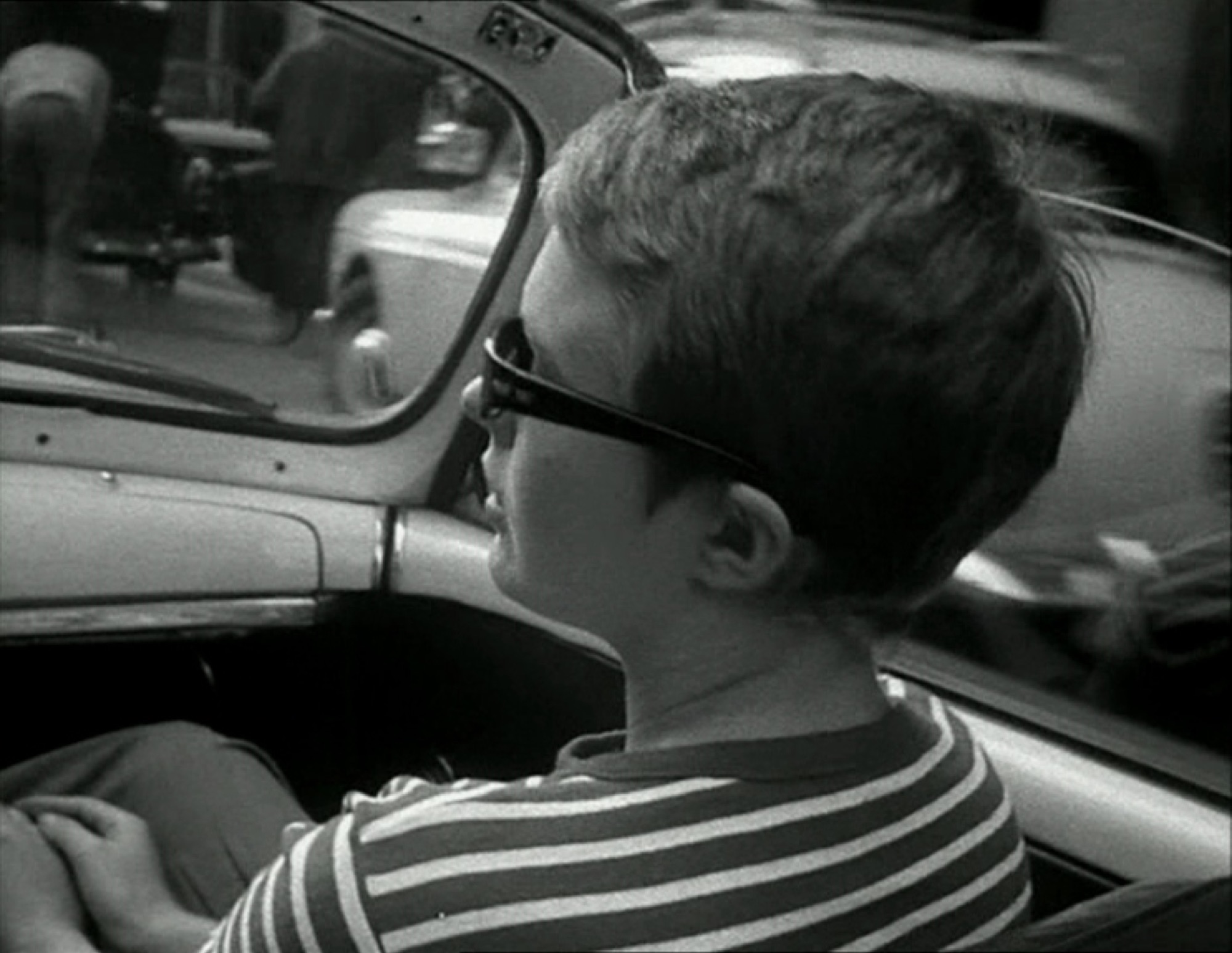
A jump cut skips part of the action and makes a discontinuity in time visible. The Breathless frame is a reference to this technique. A single still cannot demonstrate the jump by itself; locate the changed action in the moving passage when using the example.
Continuity and the line
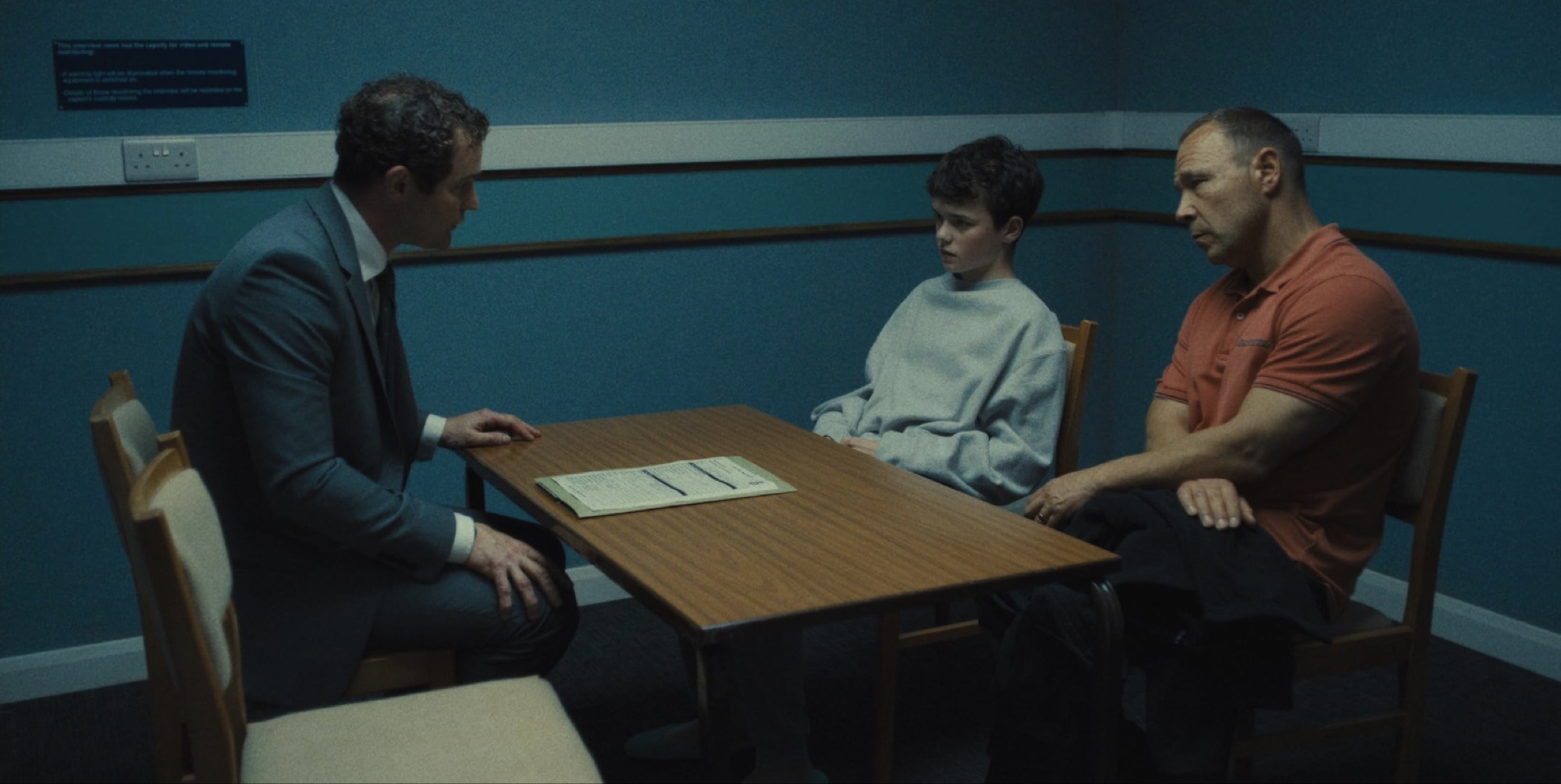
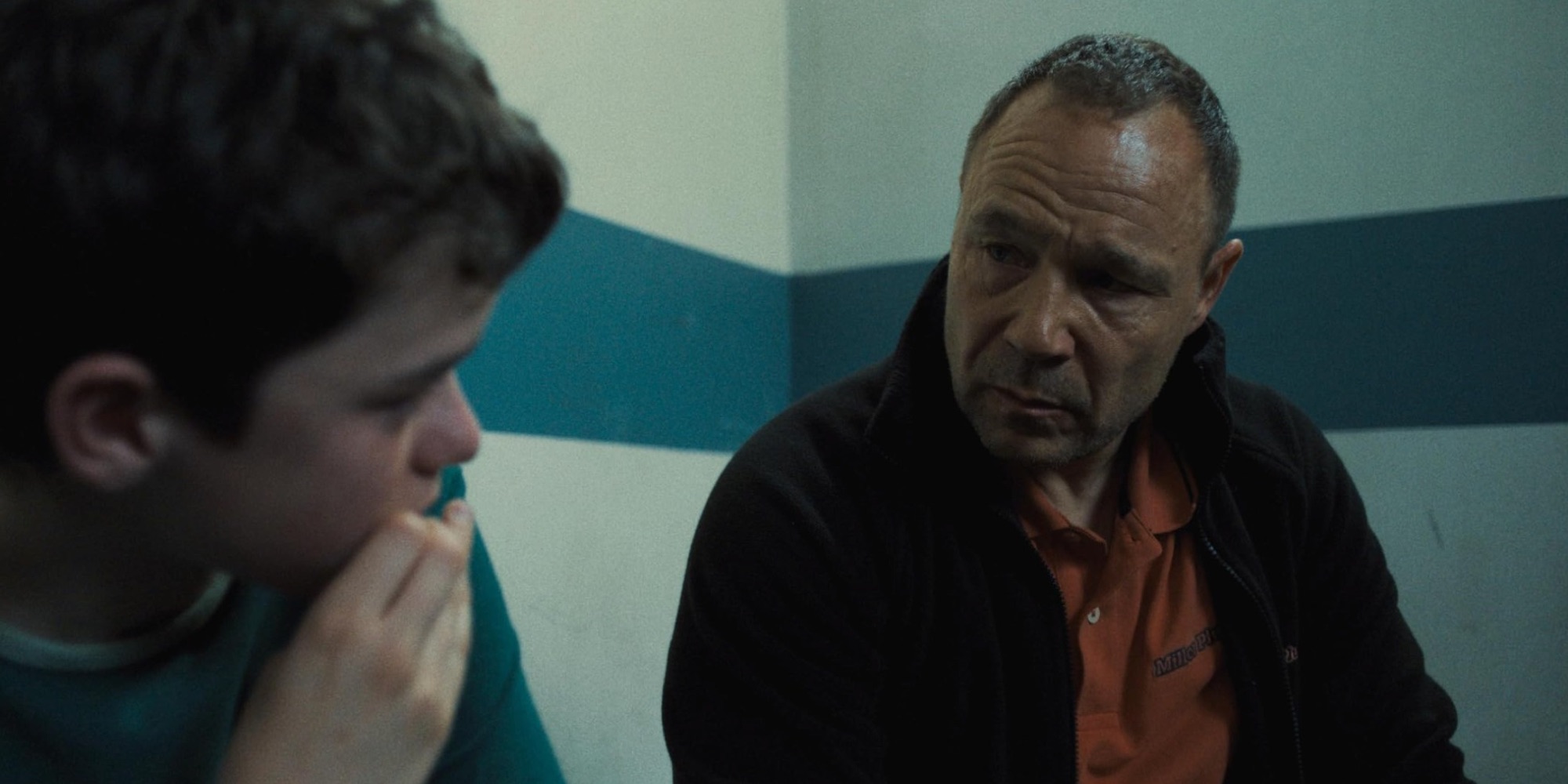
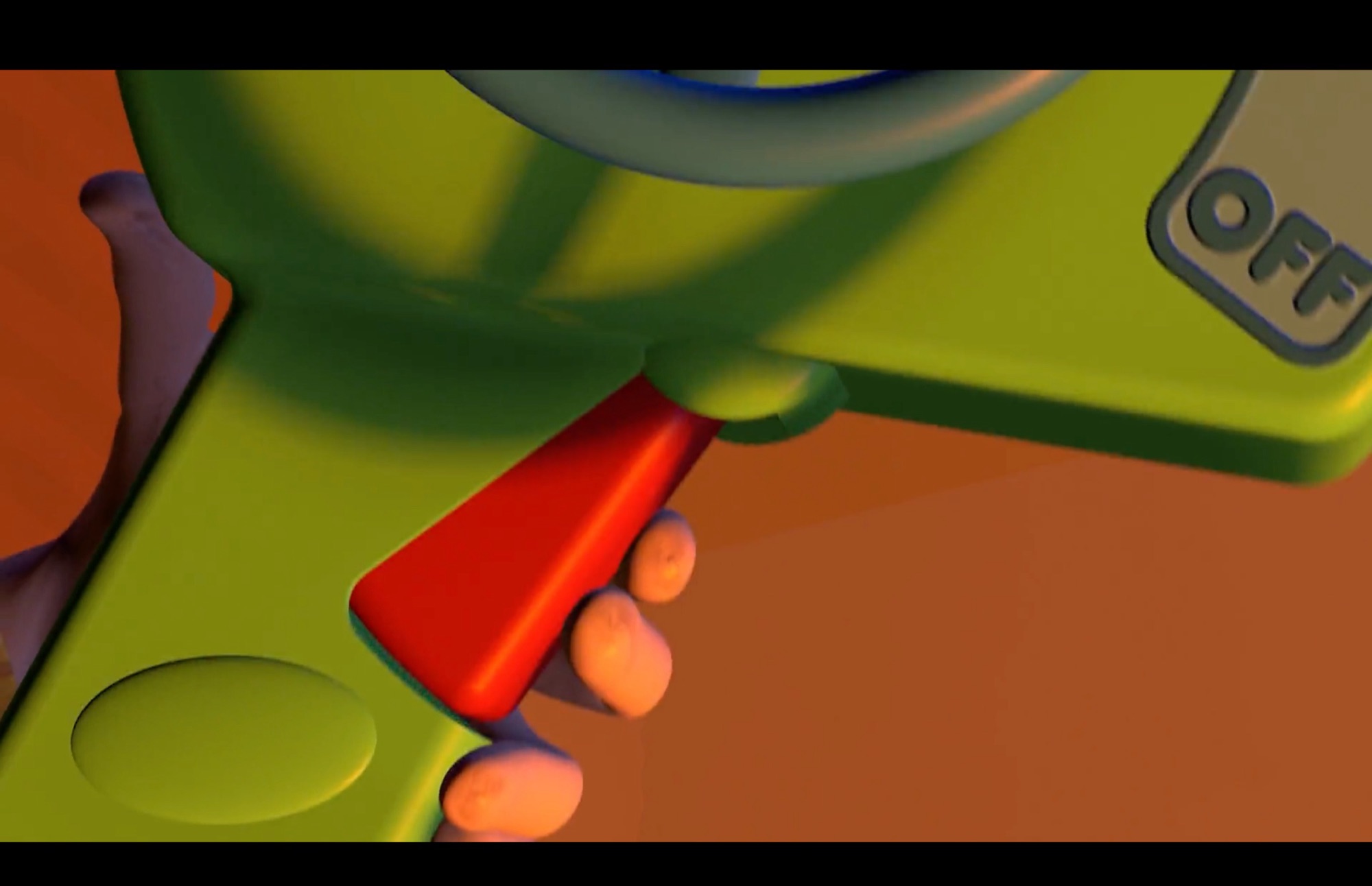
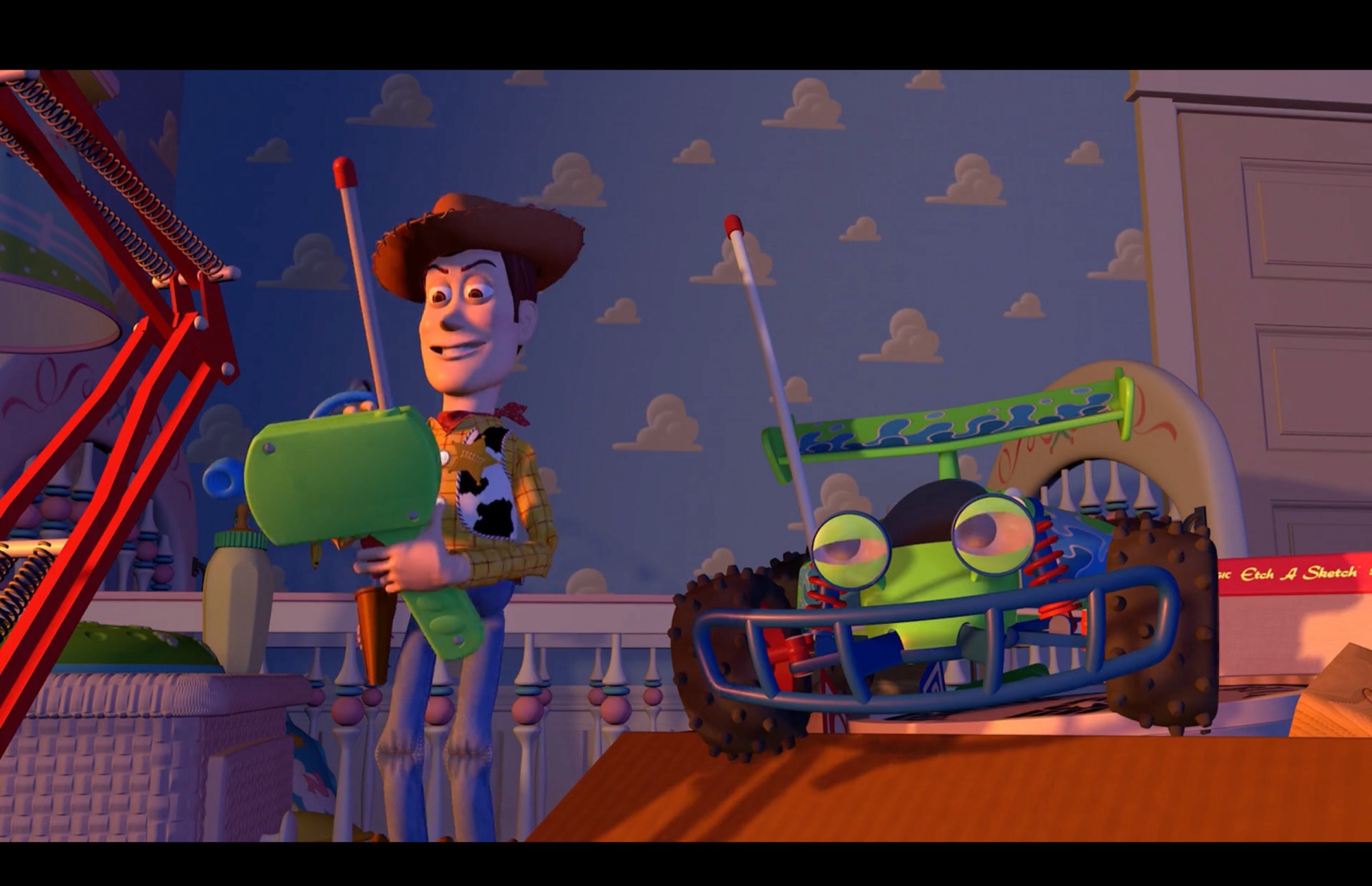
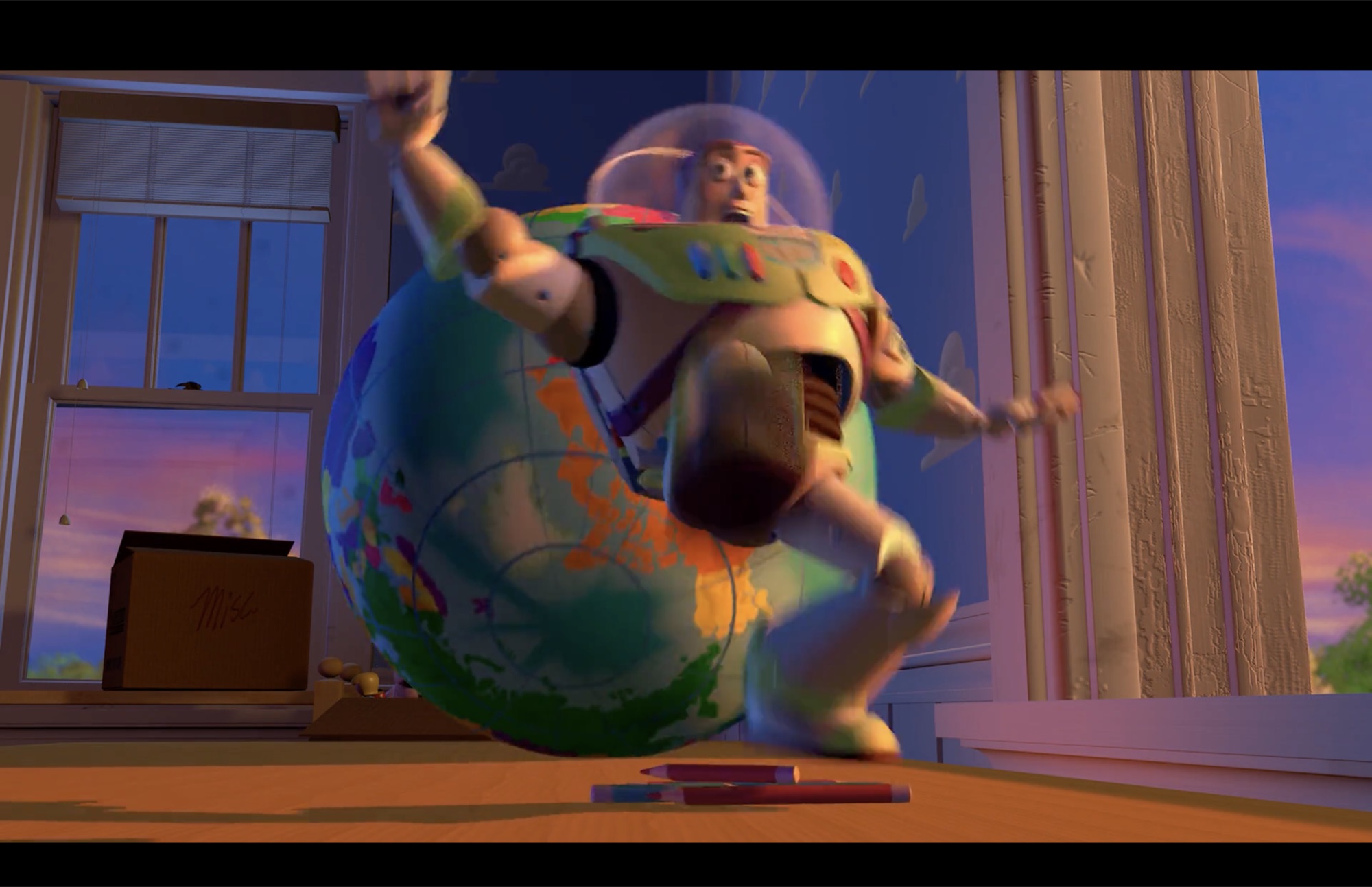
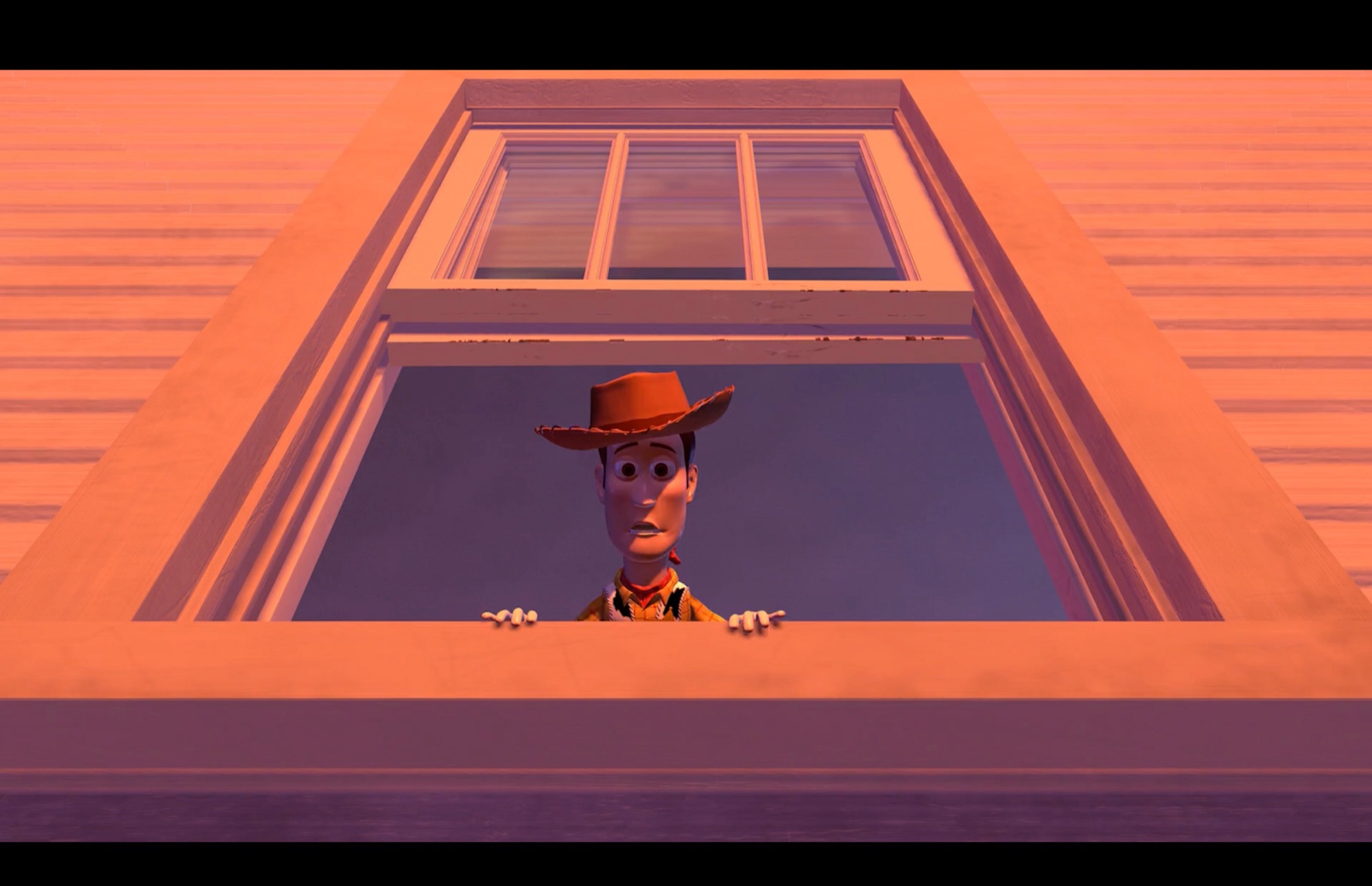
Continuity editing means assembling shots so that action, screen direction and space remain coherent for the viewer. The 180-degree rule means keeping the camera on one side of the line of action so that subjects retain consistent screen positions. A cut from someone looking to the object of that look is an eyeline match. The Toy Story frames illustrate a coherent action sequence; the Adolescence interview frames illustrate screen positions and eyelines through reframing. These choices help a viewer build a sense of space. A deliberate break may create uncertainty, but an accidental break may make the action difficult to follow. Relevant continuity tests follow the November 18–19 script/storyboard, from November 20.
Sound and meaning
Listen to a short Parasite passage before looking at its image. Name the voice, effects, ambience and music you can hear. Diegetic sound belongs to the story world; non-diegetic music is added for the audience. Off-screen sound can make us infer an unseen space or action. Sound perspective suggests our distance from its source. A sound bridge can connect two shots. Describe the audible detail and how it changes the reading of the image.
For your test, compare the same image with two sound arrangements, or two shot durations with the same sound. Change one main variable so you can explain the difference. Record the viewer’s response before explaining your intention. Keep your own original recording where practical; acknowledge sourced material and check the coursework sound rules before final production.
Practice
Use existing Film Letter footage or the teacher’s supplied editing demonstration. No footage needs to be shot for this lesson. If your existing material cannot support the comparison, analyze the two demonstrated edits and write a short evidence-to-meaning comparison in your C2 writing file. Do not film your opening before its November script/storyboard.
Use an existing two-shot or three-shot sequence from your tests or Film Letter. Make a second version that changes order, duration or the point where sound enters. Label the versions clearly. Ask a partner to describe the action and their response. Record one difference supported by a moment in the sequence, then choose the version that better serves your intention.
If your editor is not ready, compare two orders of still frames with a simple sound recording. The purpose is to test meaning; a polished export is not required. Retain the technical terms below as reference for later analysis.
Focused analysis before A2
Friday’s comparison practices editing. Explain how one cut, change in order or shot duration changes your understanding of an action or relationship. Identify what is visible before and after the cut, then explain the connection. Use the selected Parasite passage or the supplied two-version demonstration. Counting cuts alone is not an explanation.
Keep each response brief and use it in the existing comparison, peer-response and final-record blocks. Choose one error to revise. No extra paragraph submission is added.
Check your progress
Can another viewer describe what the edit communicates? Can you name the cut or sound decision that produced that response? If the reading differs from your intention, choose a precise revision rather than adding several effects at once.
Assessment and homework
Camera, Mise-en-scène and Meaning is due October 16 before P6. Submit Thursday’s original and revised Grand Budapest paragraph, or the permitted earlier Downton route. It is the week’s Course Skills assignment and practices C2 Section A.
Today’s comparison uses existing preliminary work to develop C1 editing judgment, or a supplied demonstration to practice C2 analysis. It receives feedback, with no separate upload or grade. The Film Letter deadline remains October 8 at 08:00; outstanding work is late. There is no additional paired homework or filming task.
Source quotation
Non-continuity is the disruption of time and space, and is often used to provide backstory or jump through time.
Cambridge International AS & A Level Media Studies coursebook, §2.5, p. 50.
Suggested reading
Coursebook §2.5, pp. 48–58, especially sound perspective, continuity, transitions and editing pace. WS 2.3 remains the 22-term reference sheet. Use the full lexicon selectively when a viewed detail needs naming.