Close Viewing and Visual Evidence
Writing reference: Component 2 Section A writing steps (PDF, two pages)
Media Studies · Unit 3: Genre, Narrative, and Textual Analysis
Students learn to connect precise evidence with an interpretation, then apply that reasoning independently. Their permitted unfinished responses provide material for revision and extension before attainment. An optional introduction connects close analysis to genre expectations and narrative information.
Related ideas: Visual Evidence · Framing.
Lesson slides: Lesson slides (PowerPoint, 1.7 MB) · Film Openings: the Cambridge brief and modern examples (PowerPoint, 7.0 MB) · Film Openings: process, structure and approaches (PowerPoint, 8.5 MB) · Genre, Narrative and Textual Analysis: introduction and sentence workshop (PowerPoint, 1.1 MB) · Mad Men sentence revision and Cambridge exemplar (PowerPoint, 1.1 MB) · image credits
At a glance
| Dates | Wed 21 Oct P6+P7 · Thu 22 Oct P1 · Mon 26 Oct P6 · Wed 28 Oct P6+P7 · Thu 29 Oct P1 |
| Work | Guided practice, sentence revision, answer completion, exemplar study, A2 timed analysis, and film-opening process, structure and approaches. |
| A2 | October 28. Four screenings followed by the existing 60-minute classroom writing allowance. Later practice uses the authentic 45-minute answer. |
| Bring | Technical lexicon, practice writing and corrections. The sealed assessment is supplied on the day. |
| Homework | October 19–23: TV Drama Analysis Practice, collected in class October 22 at 08:45; Wednesday sentence revision and Monday feedback are ungraded and there is no Friday submission. October 26–30: A2 is the attainment, with no additional weekly submission. |
Objectives
- Gather precise evidence across camera, sound, mise-en-scène and editing.
- Develop a claim about meaning or representation from that evidence.
- Sustain an independent answer through the extract’s scenes or stages in order, and identify where the explanation needs work.
- Revise a sentence independently after comparing actual examples, then explain how the revision improves the evidence or interpretation.
- When the introduction runs, distinguish genre from narrative and explain how the order of the hotel periods shapes a reading, using specific evidence.
- Compare how film openings establish audience expectations, then justify a provisional C1 opening choice with specific film evidence. Distinguish Cambridge requirements from optional creative structures and styles.
The immediate priority is the link between evidence and meaning. The October 21–28 sessions develop Component 2 Section A: AO1 concepts, contexts and terminology, and AO2 analysis supported by examples. October 29 applies that reasoning to C1 AO3 research/planning and later AO2 evaluation, under the 2027 syllabus.
Learn
The viewing protocol uses four screenings. Watch the first without notes. Use later viewings to record precise observations and check missing elements. Organize the notes by camera, sound, mise-en-scène and editing. The grid is a scaffold; the argument explains how choices work together.

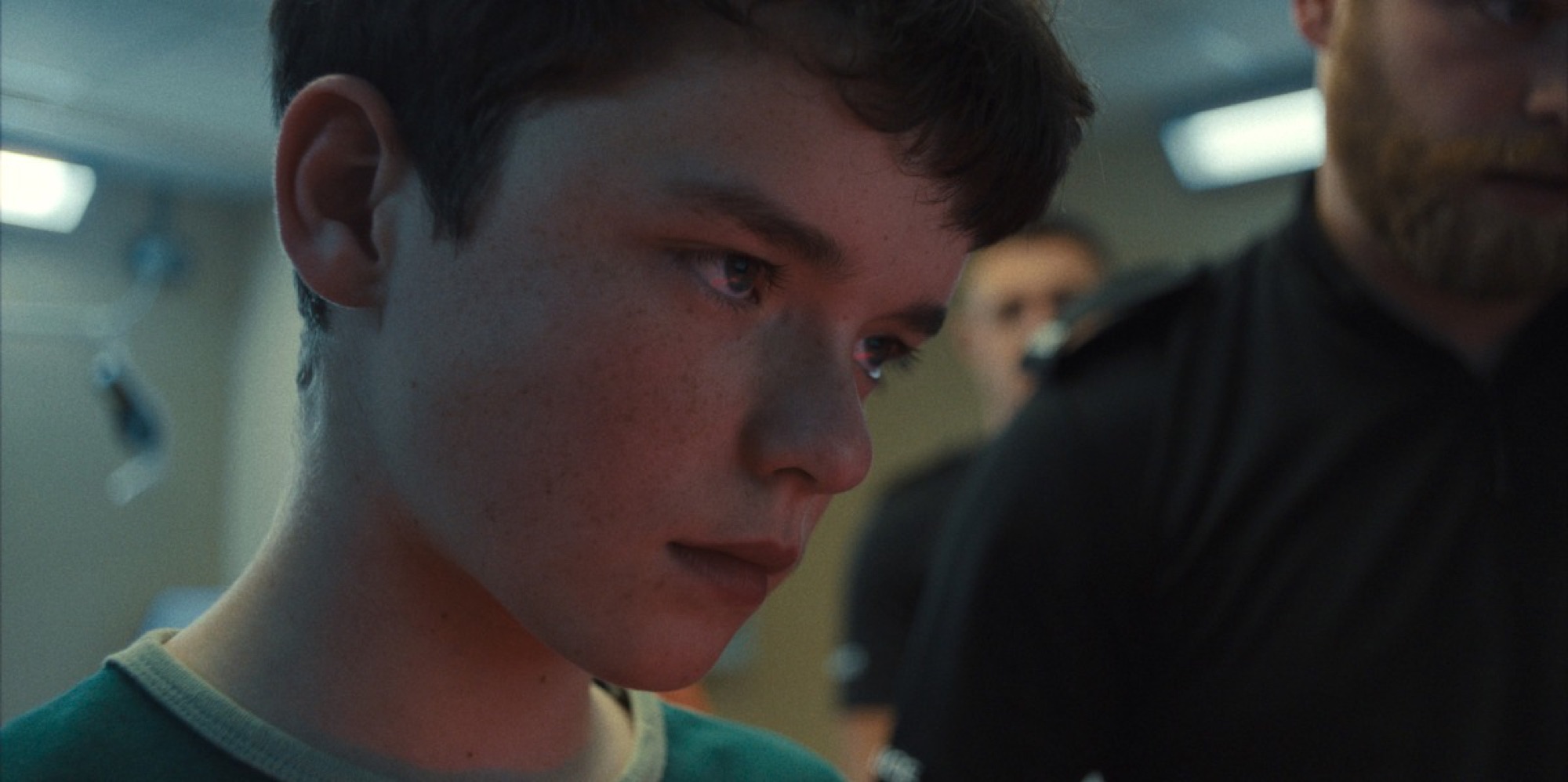
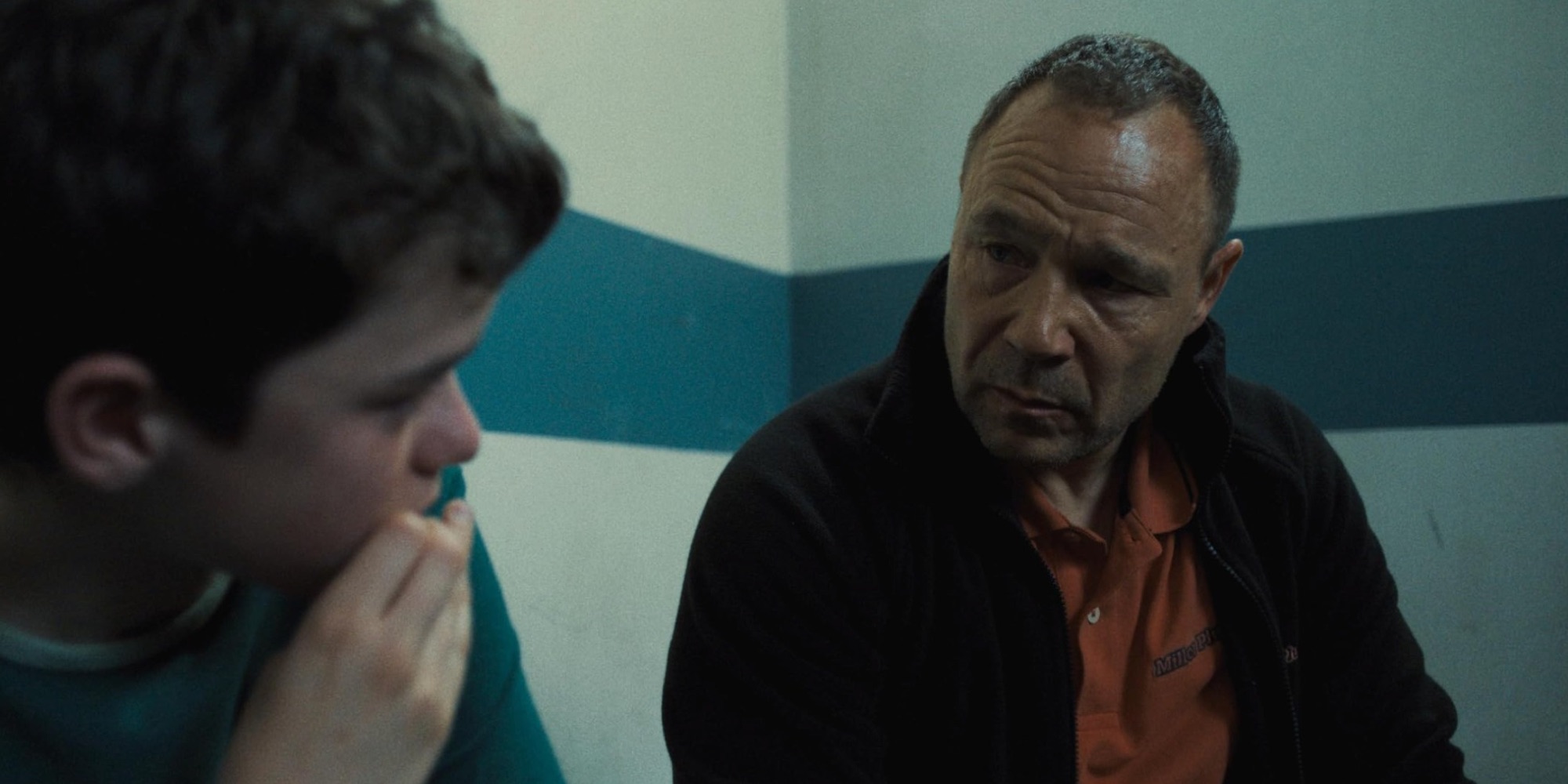
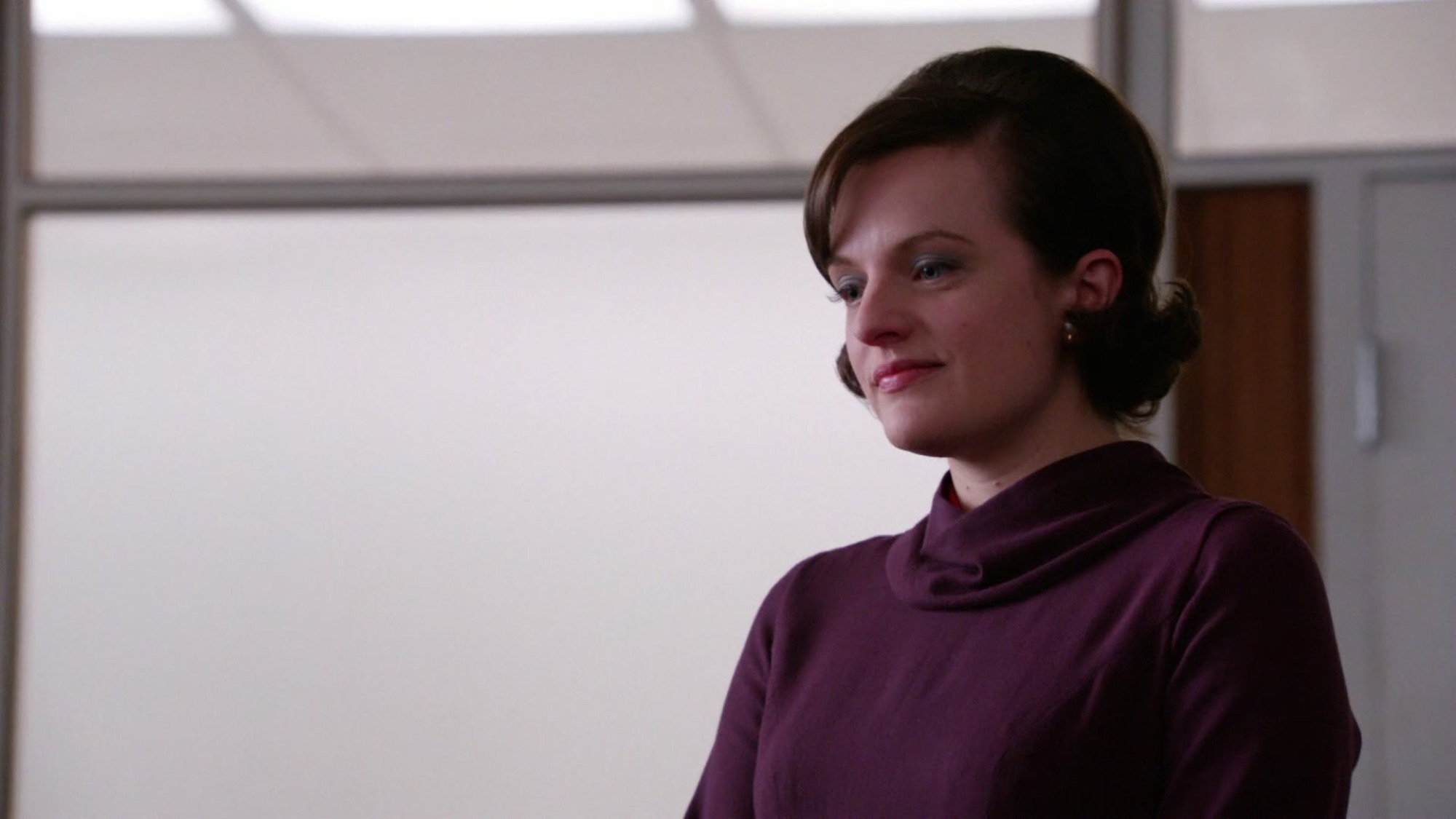
An analytical paragraph needs a claim and evidence. PEEM names one useful sequence: Point, Example, Effect, Meaning. State your interpretation, identify the visible or audible detail, explain what it directs the viewer to notice, and connect it to the representation of a person, place, event or idea. You can combine these moves where the sentence remains clear. A technique does not guarantee an effect in every context.
For the whole answer, follow the main scenes or stages in the order they appear in the extract. Within each stage, explain how relevant technical choices work together to construct meaning or representation. This follows the coursebook’s chronological approach (§4.3, pp. 97 and 101). PEEM remains optional paragraph support; it does not replace that organization or require four separate sentences.
Separate camera angle, the upward or downward view of the subject, from blocking, the arrangement and movement of performers, and performance, their gestures, expressions and posture. A standing character can appear uncertain while a seated character remains assured. Explain the particular combination you observe. Likewise, closer framing makes different details available; it does not automatically establish equal power. Locate the change in shot size or the cut to a reaction and explain how it works with the action or dialogue.
During revision, repair the connection between a claim and its evidence before adding more examples. Then choose a different stage that tests or develops the claim. An asserted earlier state needs evidence too; do not turn an imagined backstory into the basis of a comparison.
Cambridge’s real June 2021 Killing Eve answer, marked 22/25, shows an opening argument and a developed contrast between sound and setting. Read pages 6–8 of the original Example Candidate Responses with the examiner’s comments. The response still contains an inaccurate editing term and could develop its final scene further. Learn how the writer explains evidence, then check the limitations Cambridge identifies. The Section A writing steps develop this into a viewing, planning and writing method. These are teaching choices, not a required answer formula.
The optional Unit 3 introduction connects close analysis to genre and narrative. Recurring conventions help audiences form expectations. Narrative controls when information is revealed, including through a flashback. Use specific evidence to explain either idea, and distinguish an interpretation from a fact. The coursebook supplies these concepts in §3.1–3.2.
Film openings: process and structure
For Component 1 under the 2027 syllabus, create the titles and opening of a new fiction film, with a maximum running time of two minutes including titles. Research comparable professional openings, develop the situation and plan how film choices will communicate it. Produce usable footage and sound, then test and revise the edit. Keep an individual blog showing research, decisions and significant changes. The Production Craft and Narrative pages connect these methods to the course’s wider work.
An opening can establish a world, direct attention toward a character or relationship, set a tone and leave something to develop. Exposition supplies information about the situation. An enigma is a question created by withheld information. Continuing interest can also come from behavior, a relationship, atmosphere or a developing pattern. A mystery or violent incident is not compulsory.
Common arrangements include a scene with credits over its action, a cold open before the main title sequence, a title montage combining selected shots, and a prologue supplying an introduction before the main narrative. These descriptions can overlap. The timed outline in the slides is one teacher model, not a prescribed Cambridge structure. Research title roles and order in relevant professional examples; plan readable type, placement and duration within the overall runtime.
Cambridge expectations and modern examples
The alternative deck separates the finished opening from the evidence of its development. The five marking strands each carry ten marks: media language, technical skills, research and planning, creative skills in the CCR, and evaluation. Show how research informs decisions, how tests change a plan and how the final film communicates to an intended audience. An account of what happened needs an explanation of what improved and the evidence for that judgment.
Research commercial title roles and conventions, then test readability, placement and timing. Cambridge Candidate B’s title drafts and storyboard show why planning should make decisions visible. The moderator wanted more camera, sound, dialogue, lighting and credit-placement detail in that particular storyboard. These examples do not prescribe a document count or one correct design.
Past Lives (Celine Song, 2023) uses a three-person relationship to create uncertainty; Aftersun (Charlotte Wells, 2022) makes a recorded viewpoint part of its opening; Hunt for the Wilderpeople (Taika Waititi, 2016) introduces a place and an uncertain arrival. Locate a precise detail before explaining what it suggests. These are research possibilities, not genres or structures you must copy. Your opening remains a new fiction film, including titles, within two minutes.
Rear Window: visual exposition
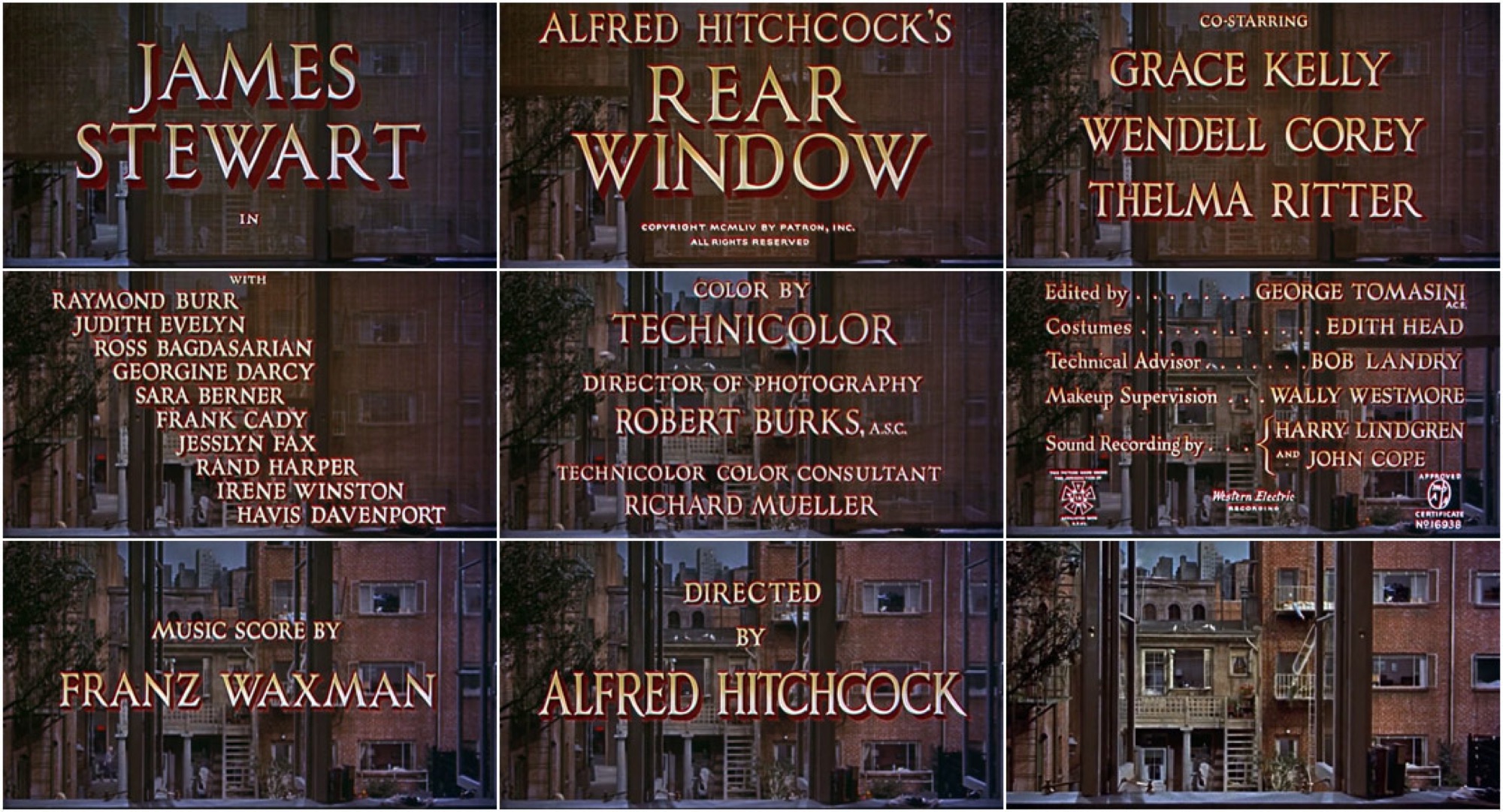
Rear Window (Alfred Hitchcock, 1954) introduces a courtyard through a window. The rising blinds and survey of the surroundings can suggest that watching other people will organize the film’s action. Test that interpretation against the actual sequence. The title-frame contact sheet illustrates the setting and credits; the fuller apartment survey supplies additional information. Sequence source.
The Graduate: movement and music
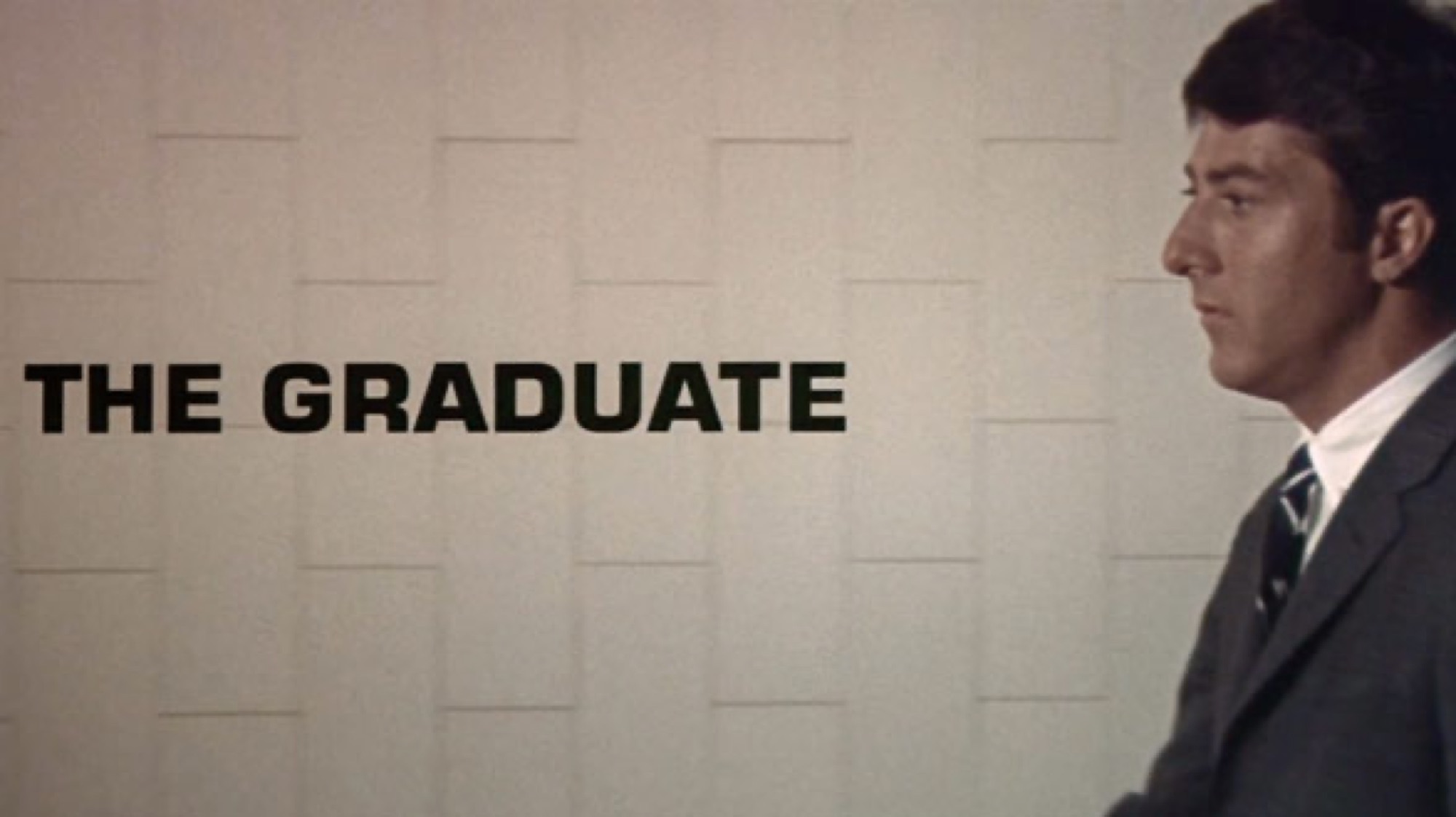
The Graduate (Mike Nichols, 1967) holds Ben’s nearly still figure against a moving airport setting. That relation may suggest uncertainty, passivity or disconnection. Check the movement and soundtrack in the sequence rather than treating a still as proof of either. Non-diegetic sound comes from outside the story world. Sequence source.
Catch Me If You Can: graphic narrative
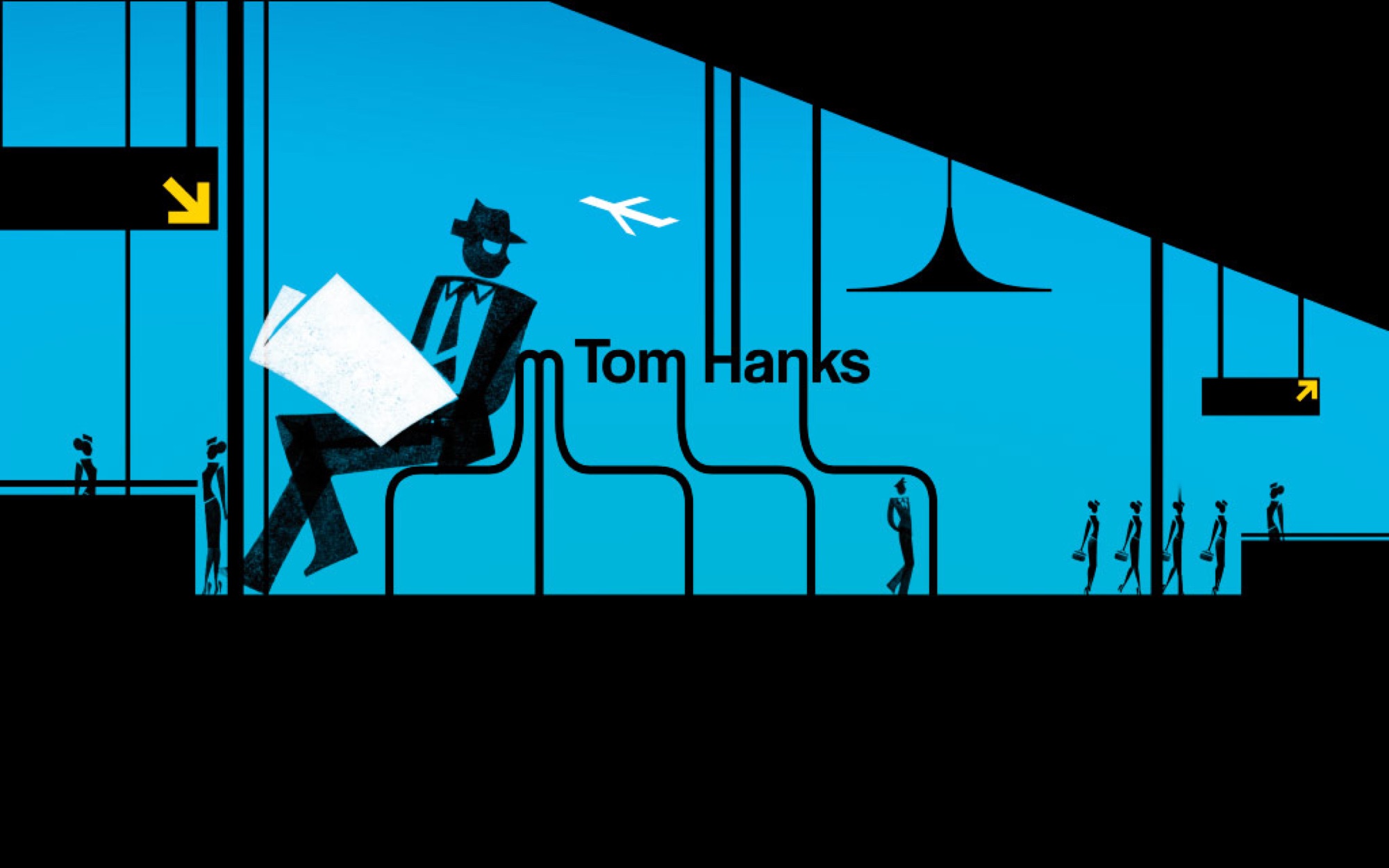
Catch Me If You Can (Steven Spielberg, 2002) uses animated silhouettes, changing roles and connecting lines within its main titles. The airport, hospital and road images sample the developing pursuit. They are not presented as three consecutive shots. A possible reading is that the design introduces disguise and pursuit before the live-action story develops. Compare a precise figure, transition or credit before supporting that reading. Sequence and designers’ production account.
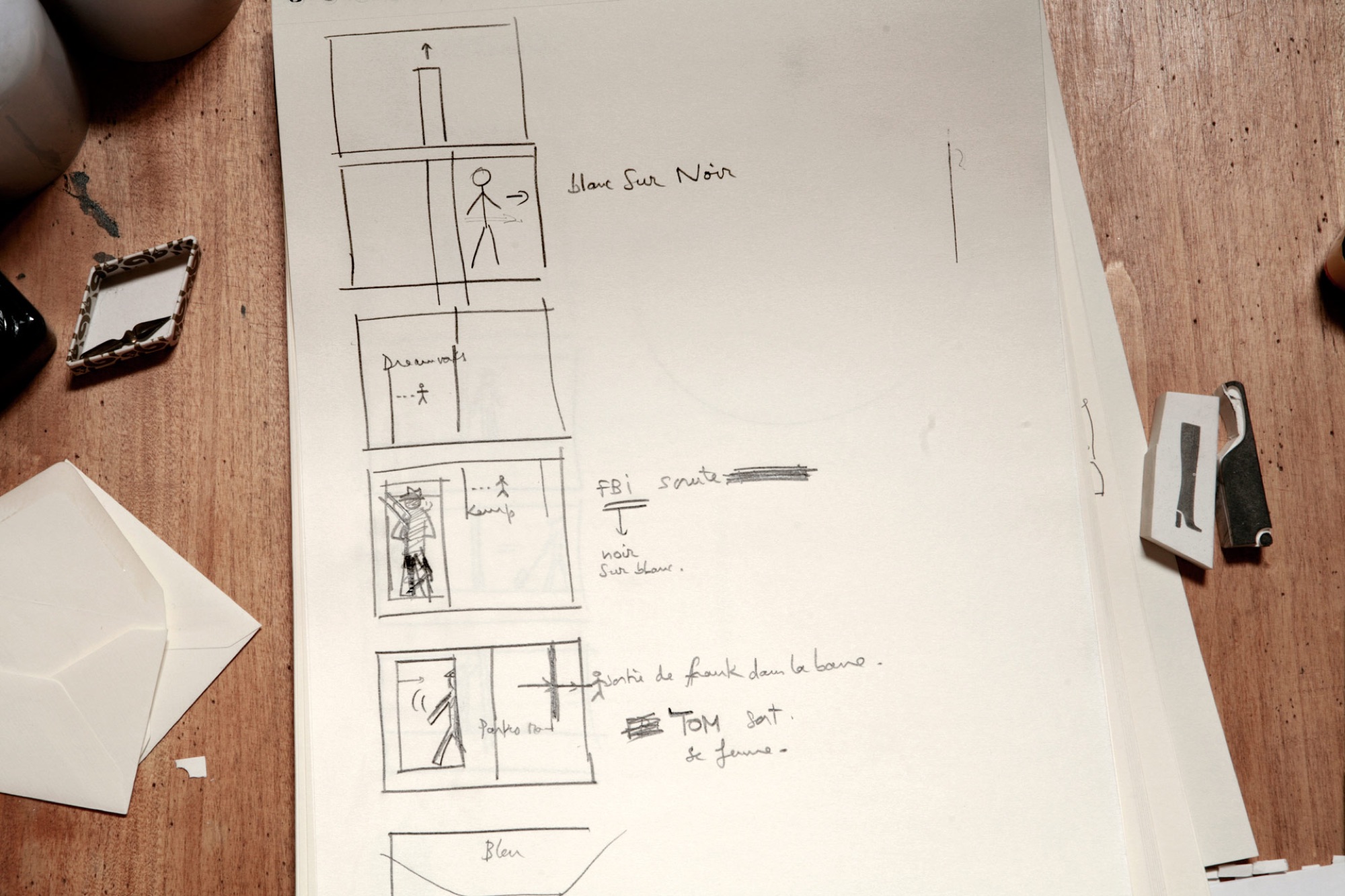
Kuntzel + Deygas show original storyboard sketches, hand-carved stamp parts and printed figure tests. Compare those documents with the final title frames to see how a design develops into a sequence. Their process combined handmade figures with precise computer layouts. The classroom comparison demonstrates planning and testing; it does not require students to copy professional animation or follow four separate linear stages.

Do the Right Thing: performance and rhythm
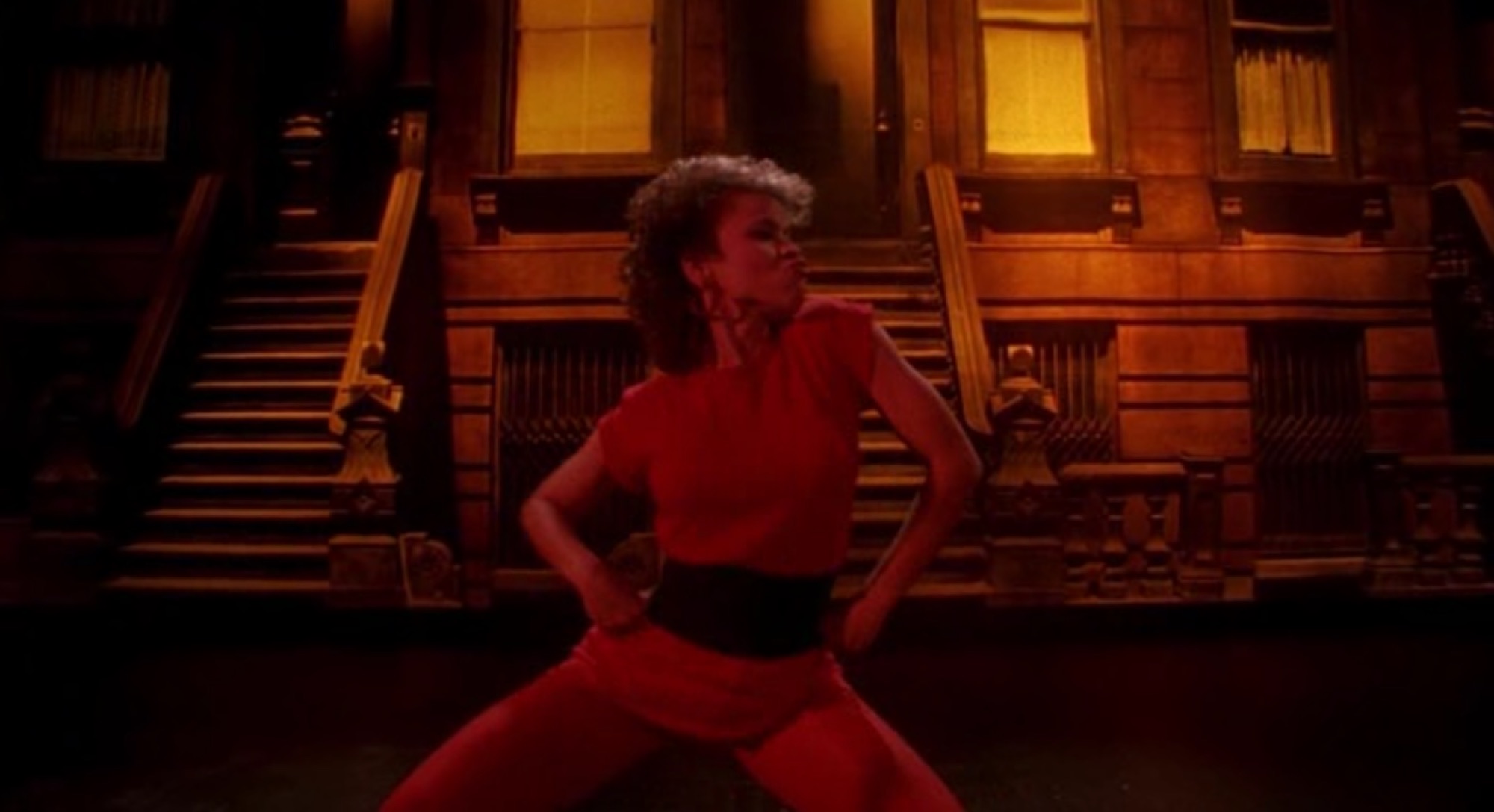
Do the Right Thing (Spike Lee, 1989) begins its main titles with Rosie Perez’s dance, strong color and an insistent soundtrack. The relationship between gestures, music and editing can establish defiance or pressure before ordinary story exposition. Support or qualify that reading through a specific moment. Sequence and production sources.
Use the reference bank’s three approved questions for every comparison. Professional openings offer possibilities for research. They are not styles every student must imitate, and their lengths do not replace the two-minute brief.
The classroom A2 uses a longer writing allowance and a technical checklist. Its grade records those supported conditions. A4 and later exam rehearsals use the authentic 30-minute viewing/note window and 45-minute Section A answer. A whole Paper 2 also includes 45 minutes for Section B.
Practice
Sentence revision and completion
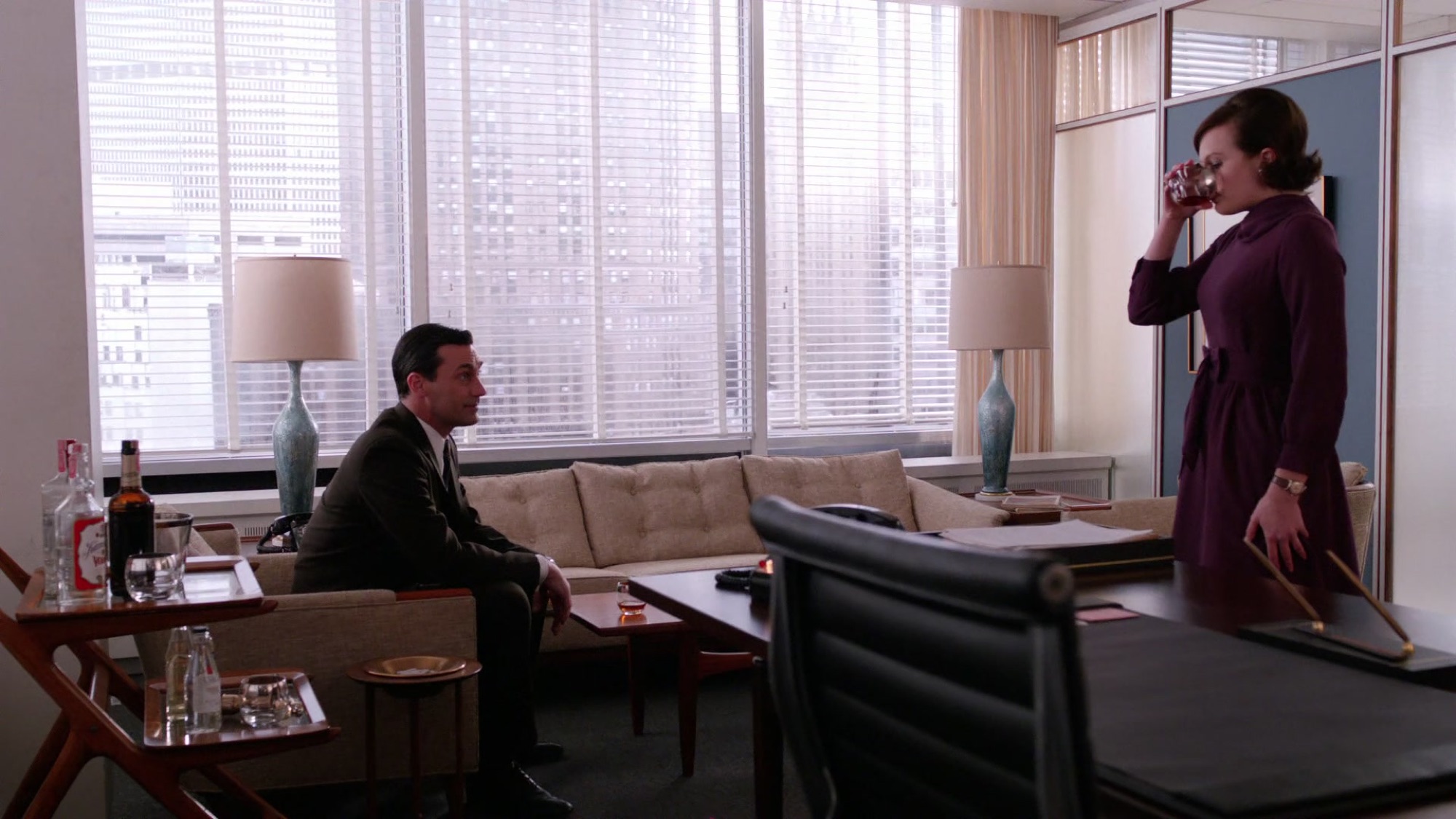
Use precise Mad Men evidence to explain your interpretation, then revise and continue your existing answer.
- Revise the reasoning16 minutes
Work through four examples together for 12 minutes. Then spend 4 minutes revising a different marked claim on your own paper.
- Replay and continue18 minutes
Use the 6-minute replay to check evidence. Continue your existing answer for 12 minutes through the next stages in extract order. Combine relevant technical choices within each stage to develop its meaning.
- Compare and prepare11 minutes
Spend 9 minutes on selected Cambridge exemplar passages and the chronological writing method. In the final 2 minutes, identify the changed reasoning in your revision and write one process target for A2.
Bring your original practice response, notes and technical lexicon.
Keep your original, revision and continuation together. This is ungraded practice, with no additional home submission.
On Monday October 26, work through selected sentences from the returned Mad Men responses. For each, identify the useful idea, check the evidence and explain the technical choice more precisely. Then revise the different claim your teacher has marked on your own paper. Keep the original legible and explain what your revision changes.
Watch the extract again, check any uncertain evidence and continue your existing answer through the next scenes or stages in the order they appear. Within each stage, combine relevant camera, sound, editing and mise-en-scène choices and explain how they develop the relationship. The areas do not need equal space or a fixed number of examples. Follow the extract from opening to ending rather than writing a separate section for each technical area.
After the writing block, examine selected passages from a Cambridge candidate response and use the Section A chronological writing steps to identify a process you can apply in your next response. Keep your original, revision and continued writing together. The permitted unfinished draft remains practice, with no separate revision grade or extra home submission.
Use the full Killing Eve candidate transcription and examiner commentary alongside the Section A writing guide. The writing-steps PDF is available with this lesson’s downloads.
Film openings: process, structure and approaches
Explain how an opening creates expectations through precise film choices, then justify a choice for your own idea.
- Process and structure18 minutes
Review research, planning, production and editing. Compare ways to organize an opening and place its titles. The timed outline is one possible model.
- Compare approaches20 minutes
Use specific moments from Rear Window, The Graduate, Catch Me If You Can and Do the Right Thing to explain what each opening leads you to expect. Compare your observations with a partner before discussion.
- Apply and explain7 minutes
Develop an existing opening idea in a short note or sketch. Explain one film choice and support your reasoning with a precise reference detail.
Bring your current opening ideas and a notebook.
Keep the note with your opening research. This is ungraded class practice, with no additional home submission.
These short prompts practice parts of one analytical answer. A2 is one unseen-extract analysis, not a series of separate worksheet questions. Build coverage across camera, sound, editing and mise-en-scène in the whole answer. Each paragraph should develop relevant evidence; it does not need all four areas.
| Date | Focus | Work to check |
|---|---|---|
| October 15 | Name camera and mise-en-scène choices precisely in Grand Budapest. | Two locatable details, an interpretation and a visible revision. |
| October 16 | Explain a cut, shot order or duration using L06’s Parasite passage or editing demonstration. | What changes between shots, and how that changes meaning. |
| October 19 | Final Wes Anderson period: returned worksheet review. | The independent paragraph did not run; do not count the planned activity as completed. |
| October 21 | Sample-text feedback and Mad Men introduction. | Completed these only; no clip screened and no viewing notes produced. |
| October 22 | TV Drama Analysis Practice, Course Skills. | Viewing/planning 08:00–08:20; independent writing/checking 08:20–08:45. Collect response, notes and plan at 08:45. |
| October 26 | Revise claims from the responses and finish the known-text answer. | Four live examples 12, different marked claim revised individually 4, replay 6, completion 12, exemplar and method 9, final check 2. |
| October 28 | A2 timed analysis. | Existing four screenings, checklist and 60-minute writing conditions. |
Use the same process with different passages: observe, name the choice, explain its effect in this situation, and revise. A sentence frame is support while learning, not a compulsory answer format. Connect representation, genre or audience expectations to the actual evidence when relevant. Do not add a theory or production fact simply to fill a category.
Check your progress
Underline the evidence in one paragraph. Circle the term. Identify the sentence that connects them to meaning. If that sentence could describe any extract, make it more specific. Keep the earlier and revised versions together.
Assessment and homework
A2 timed analysis is October 28. Its existing task identity and sealed paper remain unchanged. The normal return target is November 4, with discussion at the next available class after Juniors Days. October 29 develops C1 opening research and provisional creative choices. The opening discussion is ungraded and does not depend on marked A2 scripts. The November 13 research task is Course Skills and is not A2.
For October 19–23, complete TV Drama Analysis Practice with viewing and writing on Thursday October 22, collected at 08:45. Wednesday sample-text feedback and Monday October 26 revision receive no additional grade or submission; Friday has no class. Other practice and diagnostics receive feedback without a separate grade for each. Use the weekly assignment route. Each normal teaching week has one Course Skills assignment or an attainment. Use existing classwork where the brief allows it. Every task produces material for the student’s own C1 portfolio or practices a C2 response. Other class exercises receive feedback without another submission.
Source quotation
You should view your media text extract numerous times.
Cambridge International AS & A Level Media Studies coursebook, §4.1, p. 86.
Suggested reading
For the optional introduction, coursebook §3.1–3.2, pp. 61–70. Coursebook §4.1, pp. 84–88, on the task and viewing; §4.2, pp. 89–94, on observing and analyzing; §4.3, pp. 95–104, on shaping an answer. The Exam Answer Guide carries the writing structures. WS 4.1 is optional terminology calibration; WS 4.5 supplies pairing-sentence practice; WS 4.6 supports feedback. The technical self-check is available for diagnosed gaps, not another compulsory homework block.