Film Openings and Audience Address
Unit plan
C1 production/research and C2 writing continue within the same timetable. The parent Media Language page is a reference, not a separate scheduled unit.
Read the complete unit plan
Semester 1 Plan · assessment register
At a glance
| Dates | October 12–19 |
| Focus | You compare professional openings, study mise-en-scène and develop a concept note covering person, place, action, tone, information and a research question. October does not require a storyboard or filmed opening test. Keep developing an existing viable idea rather than restarting. |
C1 production/research and C2 writing continue within the same timetable. The parent Media Language page is a reference, not a separate scheduled unit.
Dated lessons and project sessions
| Date | Unit | Lesson and work |
|---|---|---|
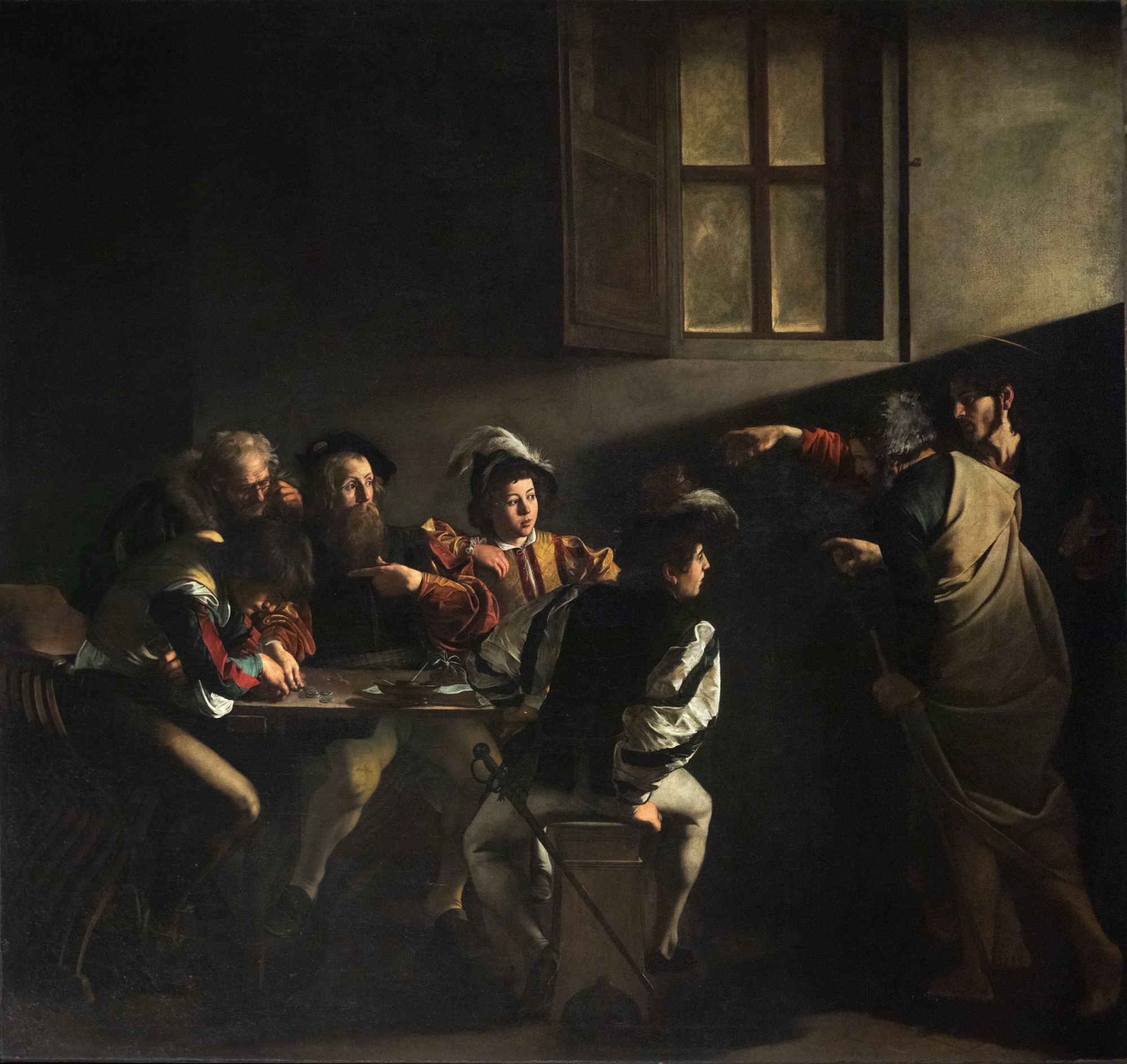
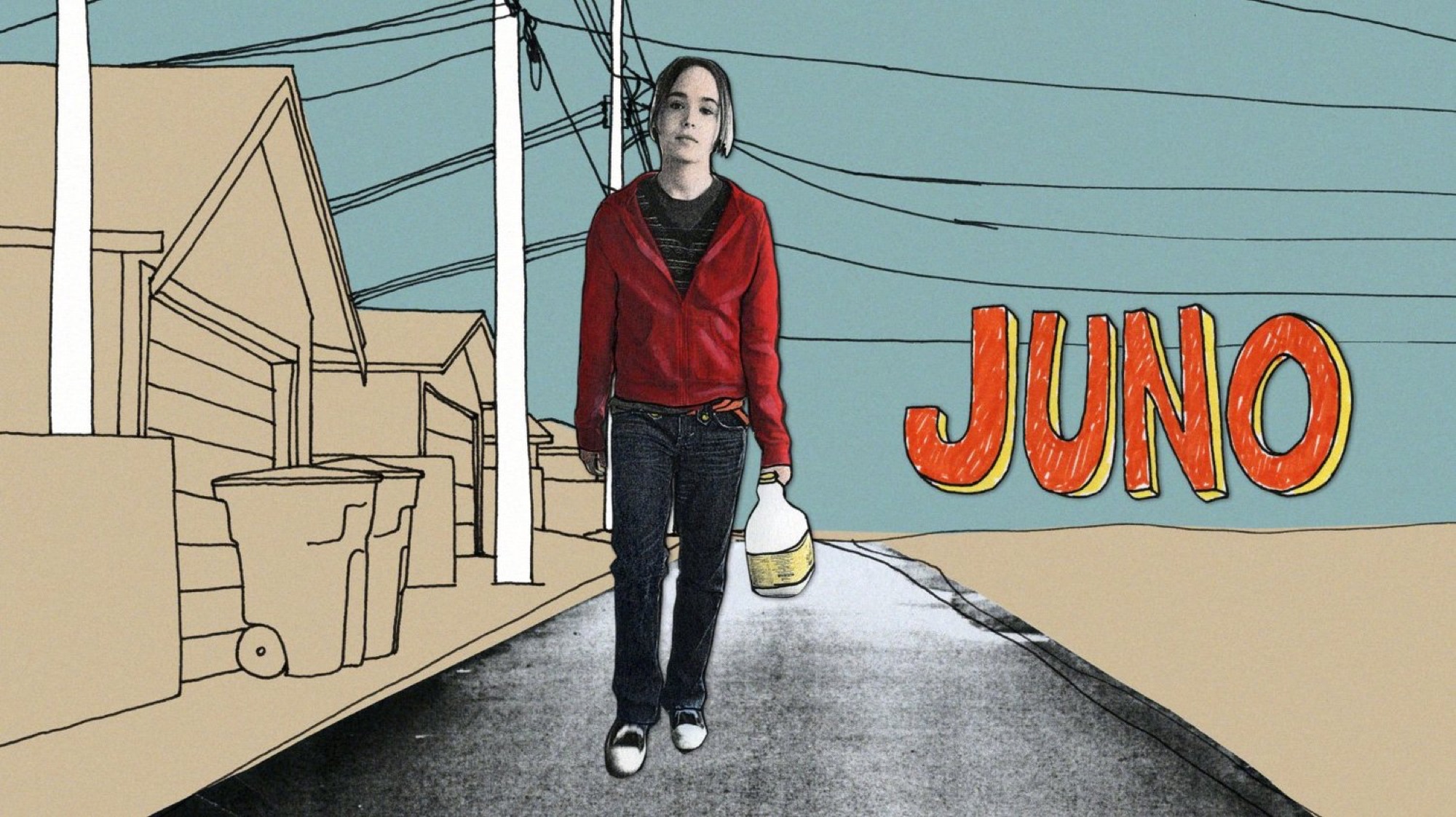
| Mon 12 Oct | U2B | Mise-en-scène and Film Analysis: Study opening expectations. Review current ideas for 5 minutes, study F for Fake/Office Space extracts for 8 minutes and discuss universal questions for 10 minutes. Develop concept notes for 17 minutes, with Film Letter checks during this work. Review for 5 minutes. |
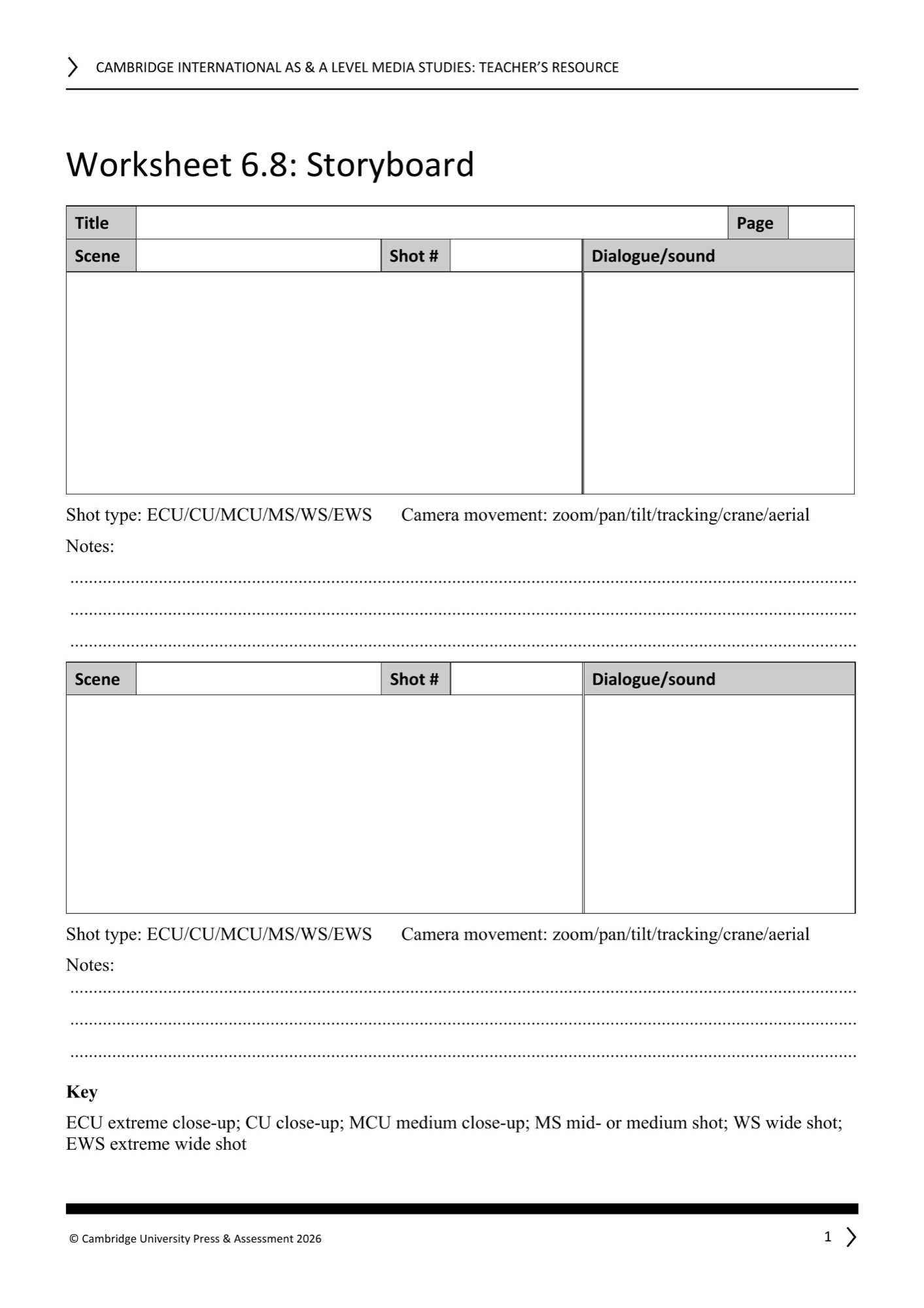
| Wed 14 Oct | U2B | Mise-en-scène and Film Analysis: Study Phantom Thread only and complete page 1. Complete page 2, Question 2 for homework and bring it back October 15. |
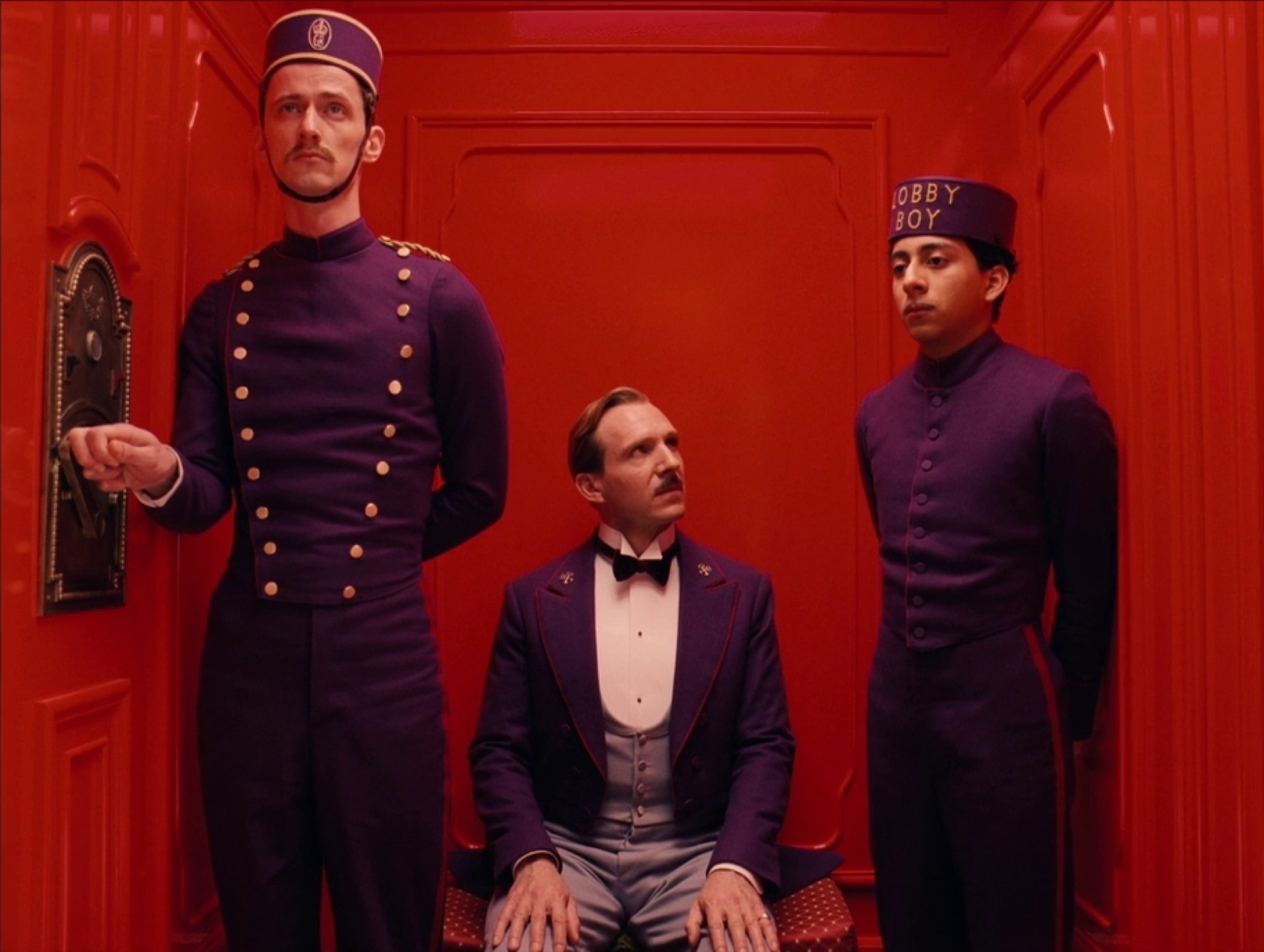
| Thu 15 Oct | U2B | Mise-en-scène and Film Analysis: Study Grand Budapest using the new two-page sheet. Check homework for 5 minutes, study selected passages, a model and notes for 10 minutes, and write an independent camera/mise-en-scène paragraph for 15 minutes. Use 8 minutes for feedback and 7 minutes for revision. This paragraph is your existing October 16 Course Skills submission. |
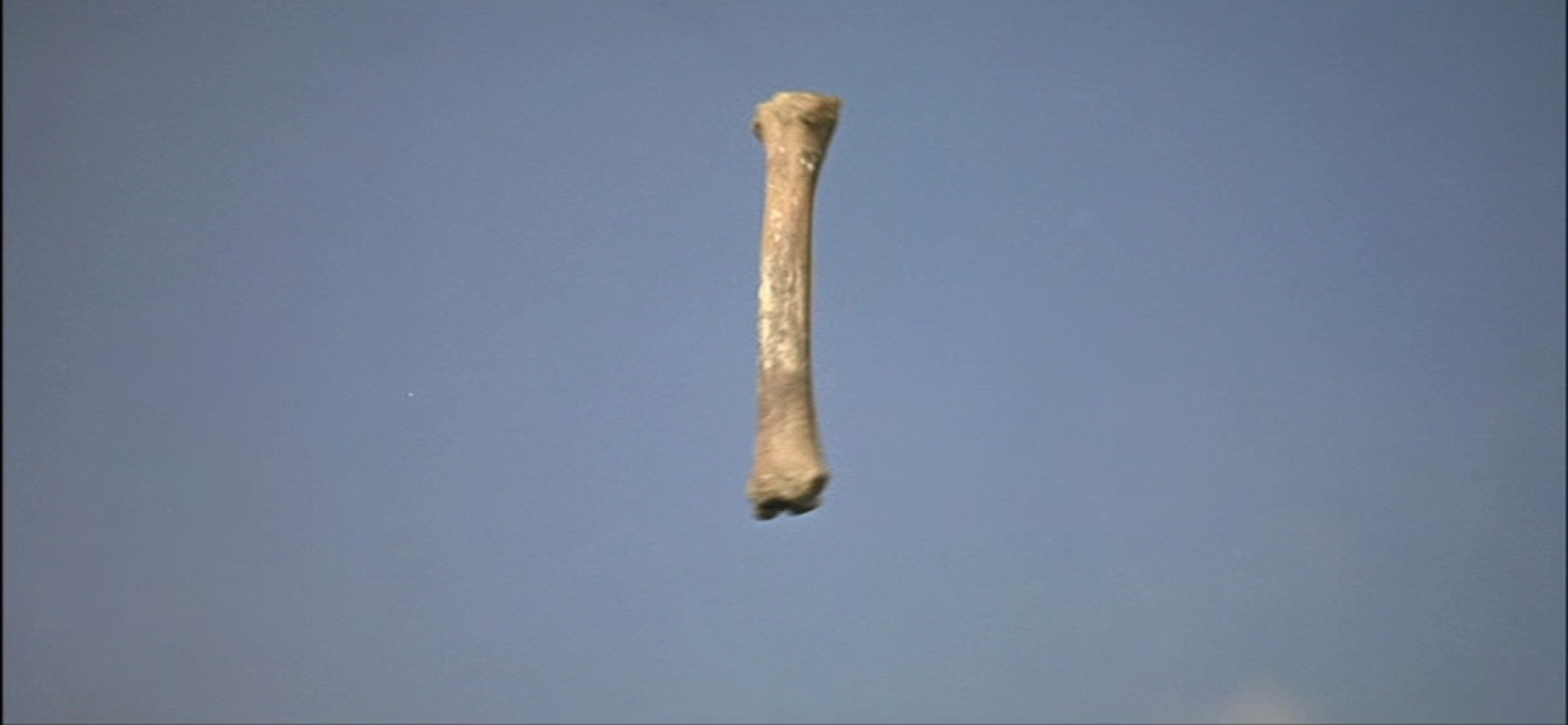
| Fri 16 Oct | U2B | Montage and Cinematic Time: Study how editing creates meaning using existing Film Letter footage or the teacher demonstration. Spend 5 minutes on the problem, 8 on the model, 20 on comparison, 7 on your response and 5 recording your findings. Camera, Mise-en-scène and Meaning is due before P6. No new filming is required. |
| Mon 19 Oct | U2B | Montage and Cinematic Time: In the final Anderson period, study technical evidence and representation, write an independent paragraph, and use feedback to revise it. Begin planning your opening with a private planning sheet. Late Film Letters keep their original task. |
Progress and assessment
A2 is timed analysis on October 28. The Opening Research Checkpoint is Course Skills on November 13, without an attainment code. It requires three openings with three selected frames each, nine frames in total, plus titles and applied choices. A3 planning/pitch is November 27. A4 authentic Section A is December 16. Completed work and grades remain intact.
The weekly register identifies the graded C1 or C2 output. Other direction/design work, relevant practical tests, paragraphs and rolling critiques receive feedback without separate grades. Guided Section A is December 9. Timed Section B is January 6. Thursday’s normal 5+25+8+7 writing cycle continues. October 15 uses the 5+10+15+8+7 scaffolded Grand Budapest sequence above. Research feedback on November 20 and A3 feedback on November 30 support your next production decisions.
Independent work and next use
Use the weekly assignment route. Each normal teaching week has one Course Skills assignment or an attainment. Use existing classwork where the brief allows it. Every task produces material for your C1 portfolio or practices a C2 response. Other class exercises receive feedback without another submission.
Your provisional direction/design is reviewed on November 2. Shoot approval is on December 23, with a January 8 repair opportunity. Principal photography is January 24–February 21. Earlier approved late-December filming may suit school-dependent resources. Spring post-production targets March 26 internal completion and April 23 readiness. These dates remain provisional in the spring plan.
Lessons
- Mise-en-scène and Film Analysis
Class dates and studies
- Montage and Cinematic Time
Project guides
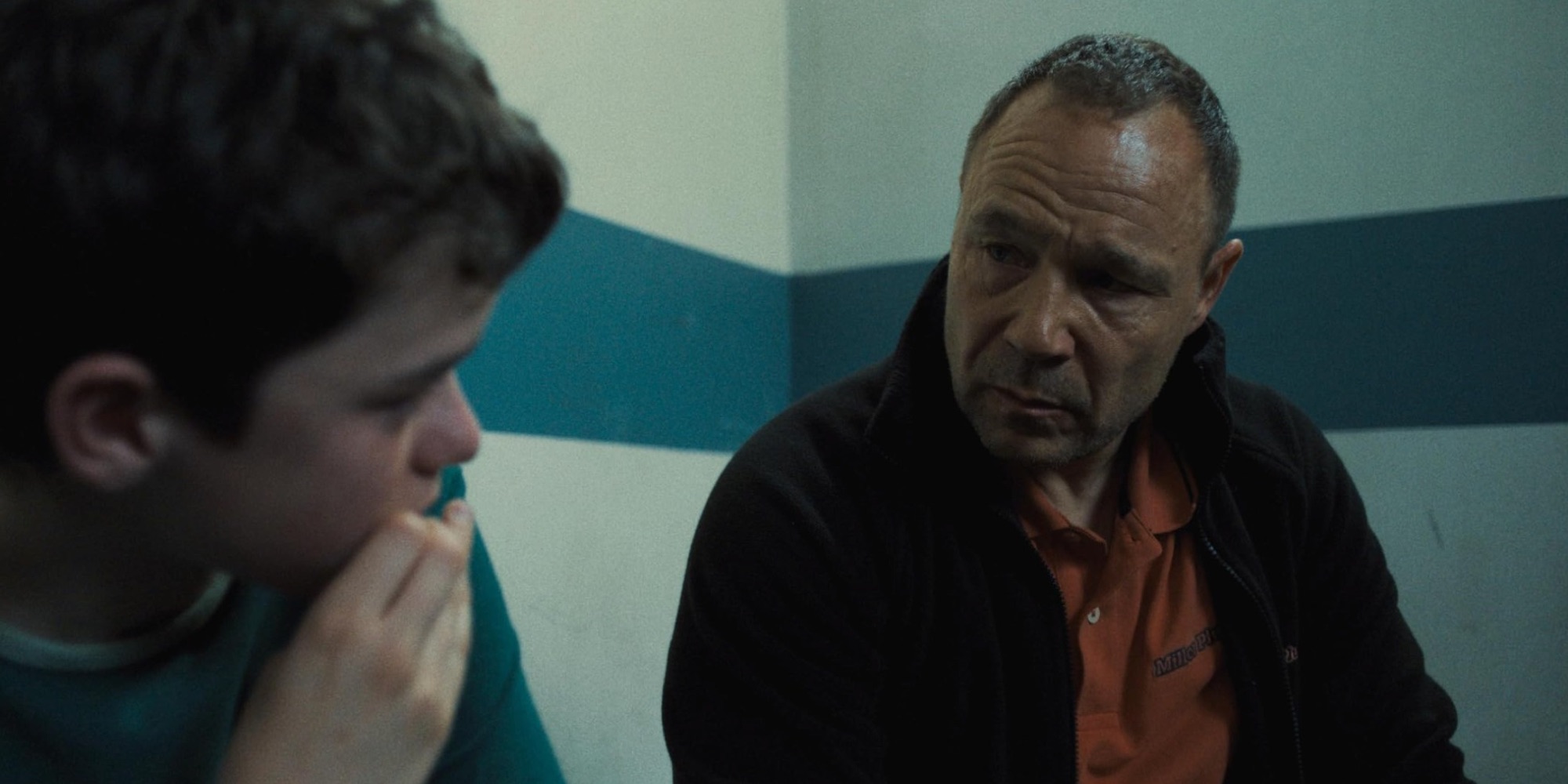
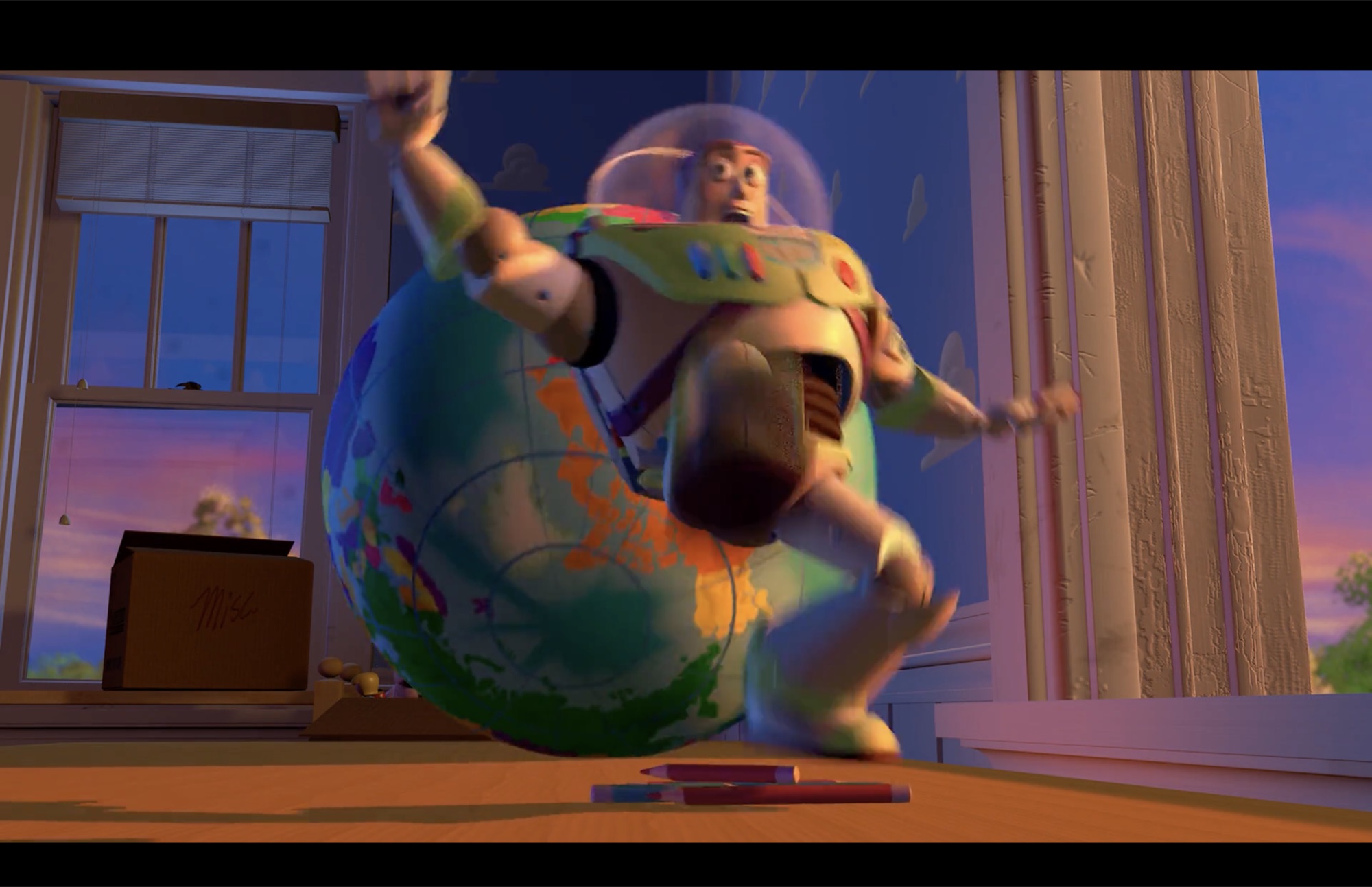
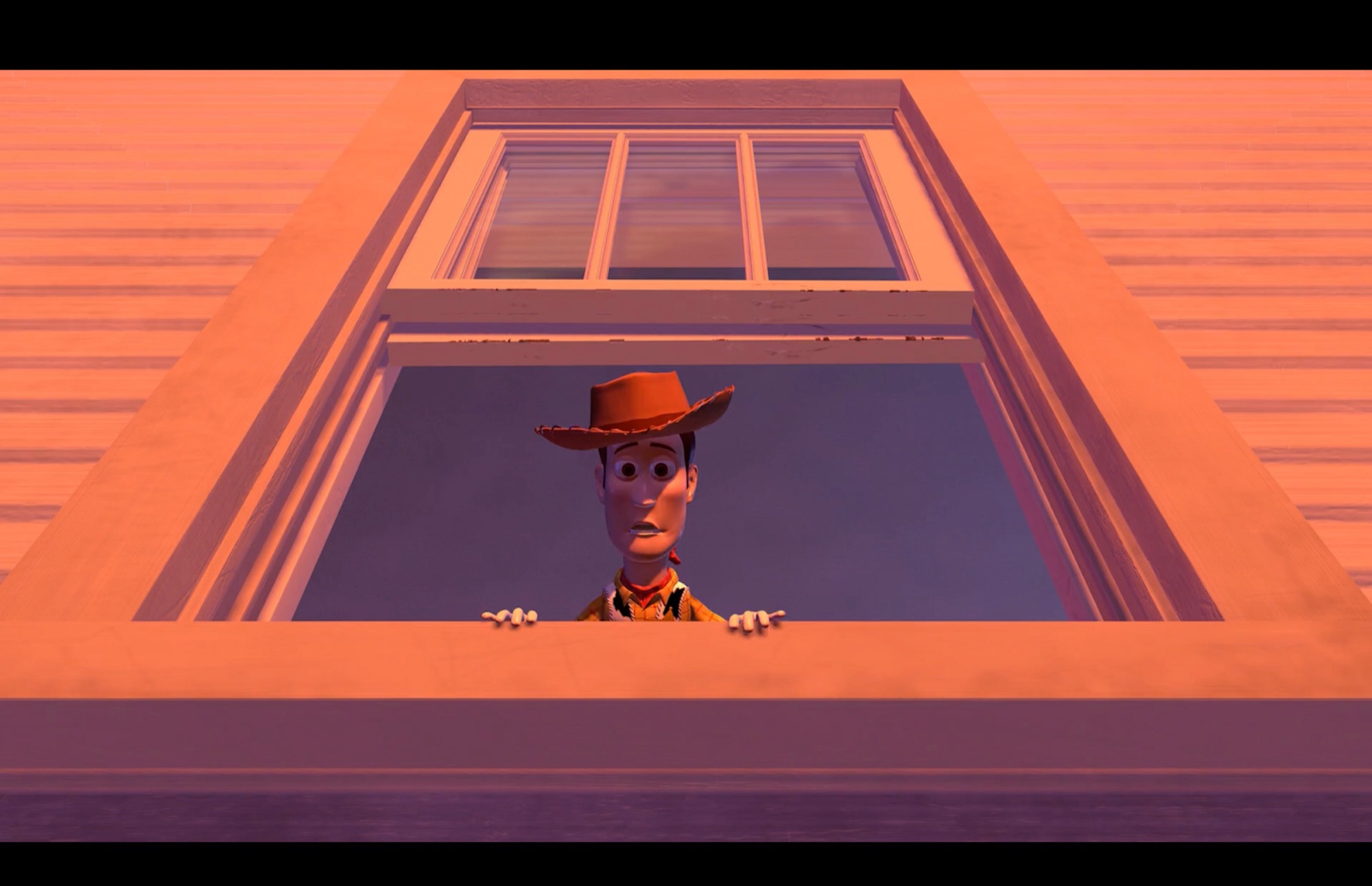
Unit gallery



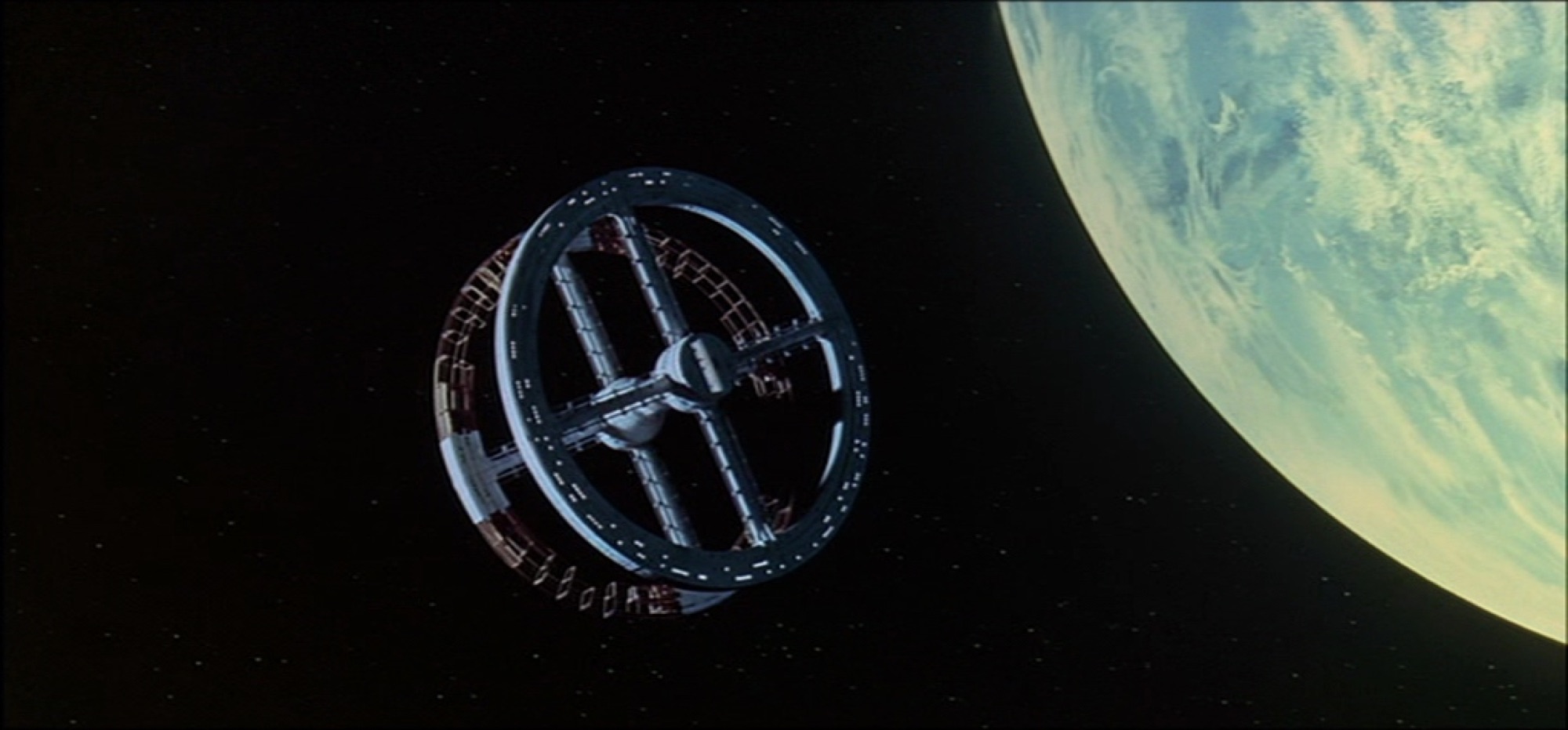
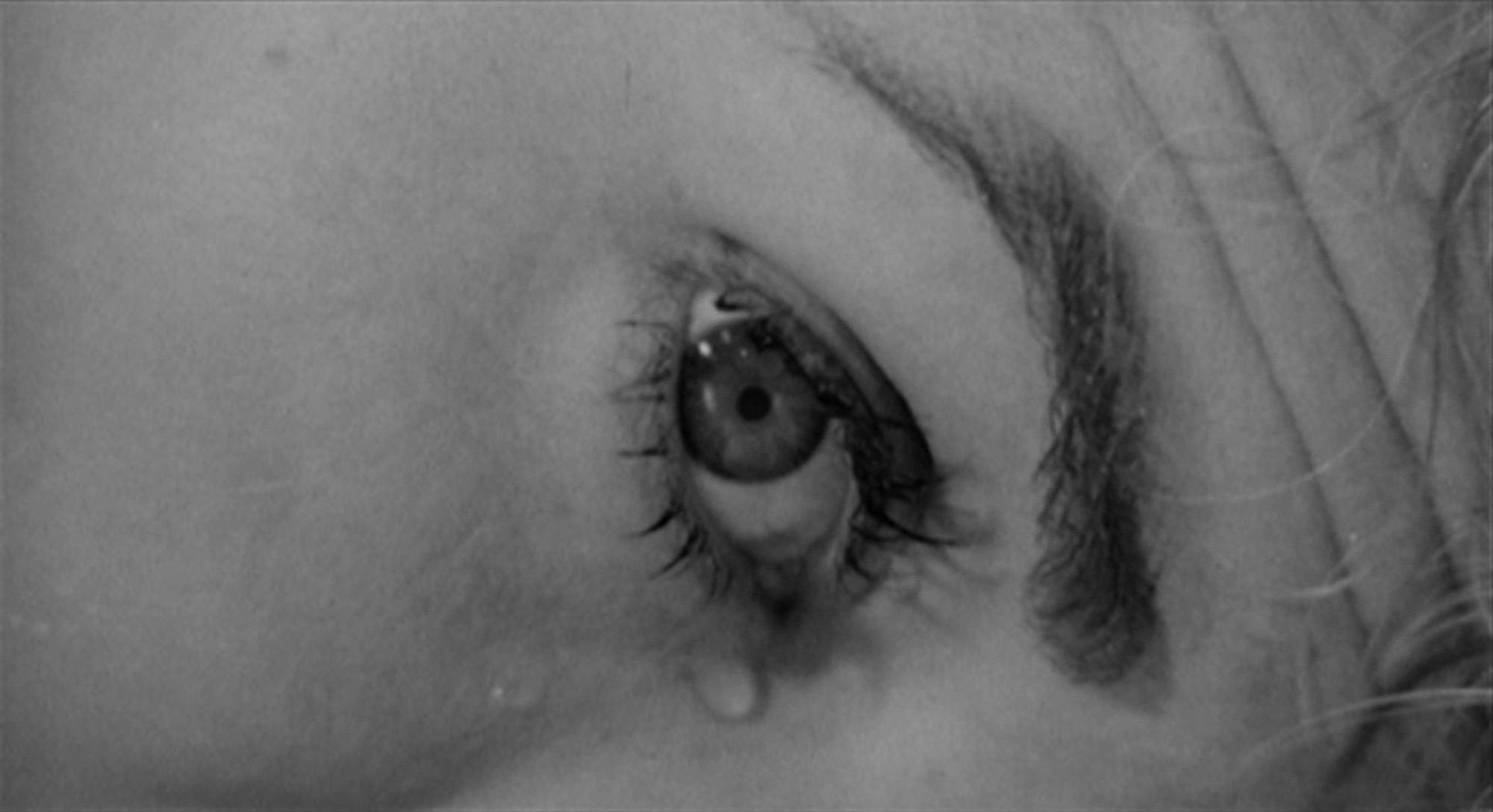
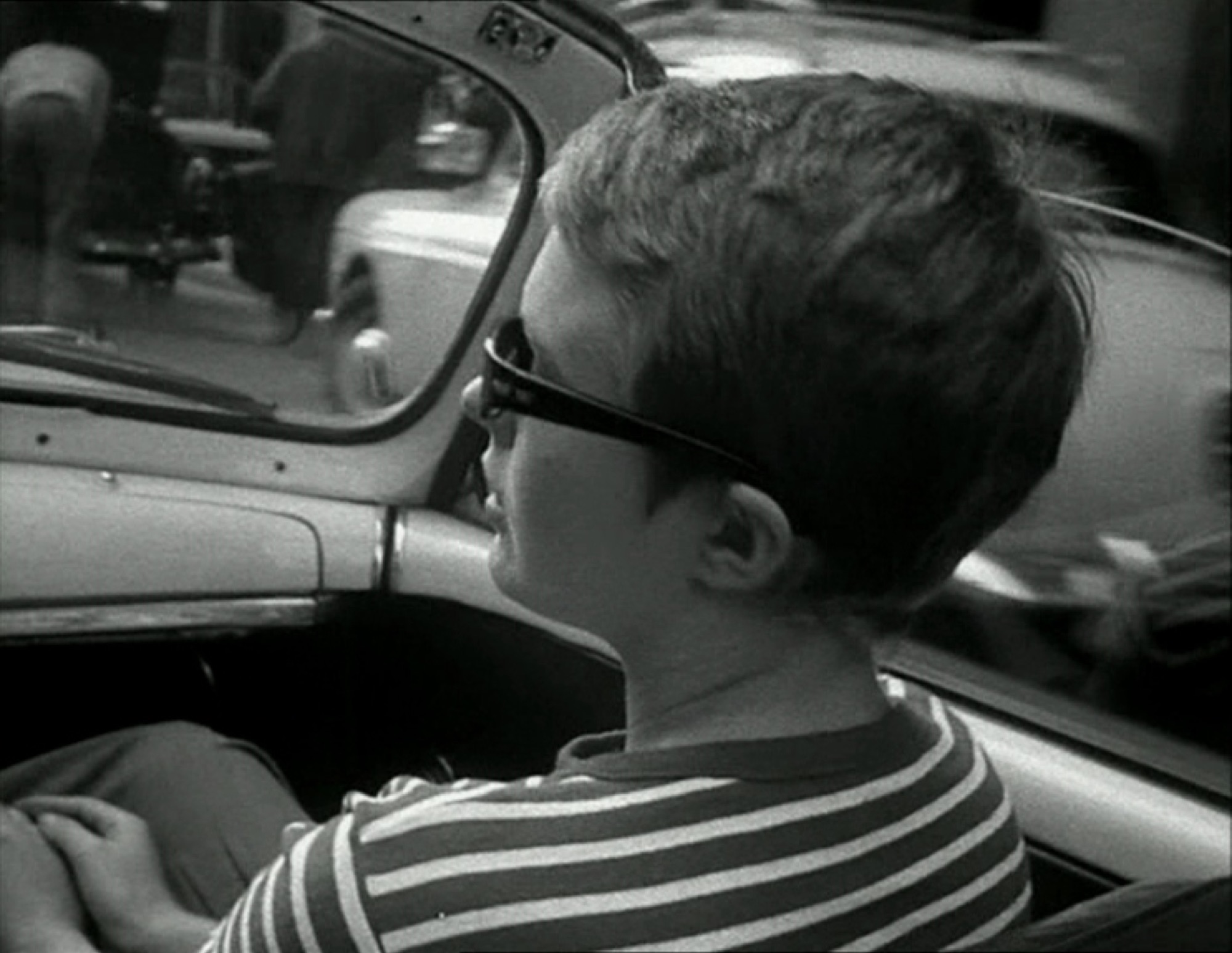
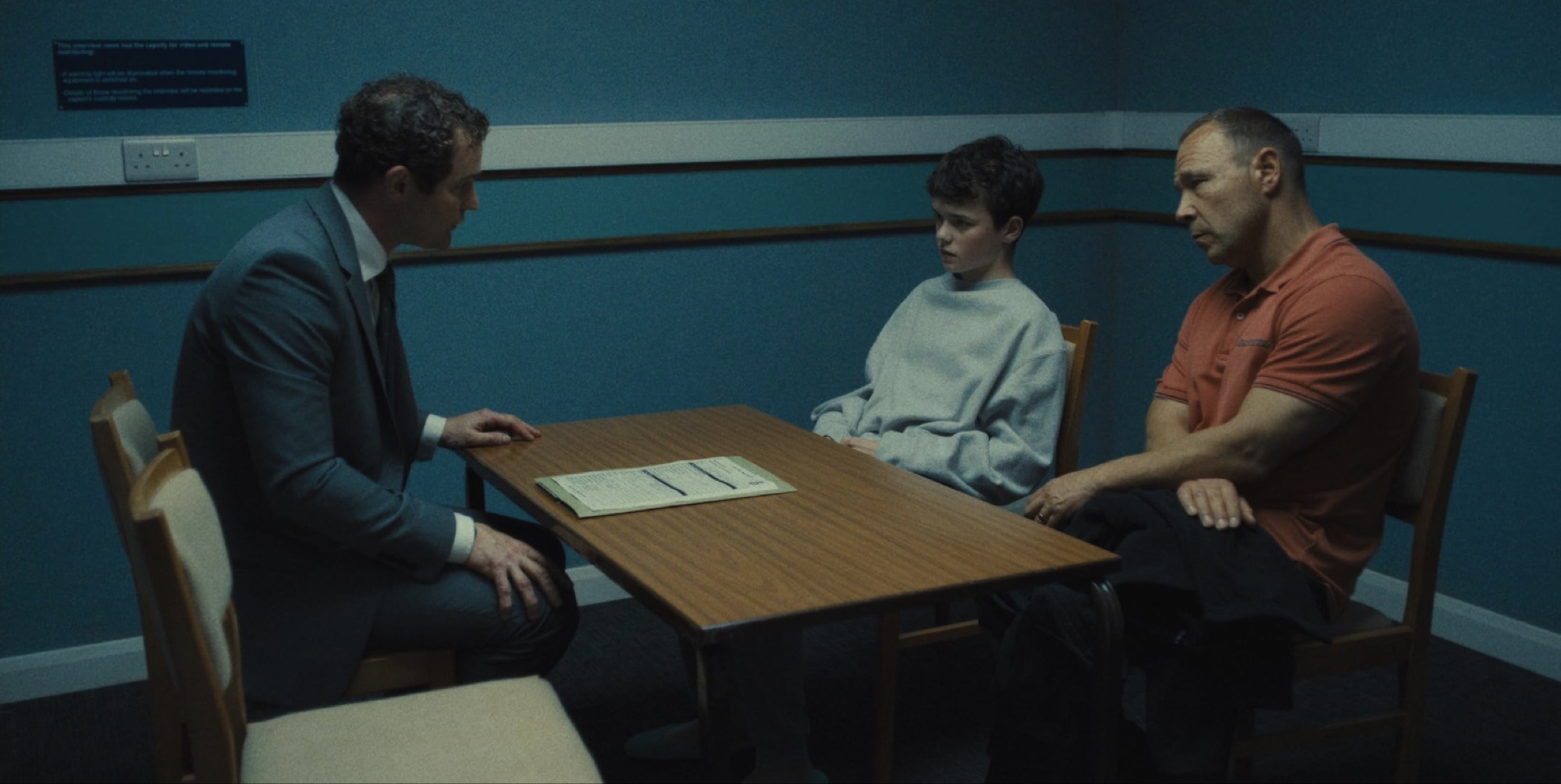

Assignments
- Camera, Mise-en-scène and Meaning · 16 Oct