Genre and Audience Expectations
Section B case-study pack: Barbie and La Chimera: complete printable pack
Media Studies · Genre, industry and audience
Lesson slides: Lesson slides (PowerPoint, 3.5 MB) · Opening Choices and Revision: survey and A2 workshop (PowerPoint, 2.0 MB) · image credits
At a glance
| Dates | Fri 30 Oct P6 · Mon 2 Nov P6 |
| Time | Two 45-minute sessions. No G11 classes November 4–6. |
| Work | Friday develops a film-opening idea from the direction survey. Monday reviews submitted surveys, revises the timed TV drama analysis and sets Two Possible Beginnings homework. |
| Next use | Two Possible Beginnings, Course Skills, November 9; research checkpoint November 13; planning portfolio/pitch A3 November 27; Section B writing. |
Objectives
- Explain a genre expectation through a precise convention and a useful variation.
- Connect a choice in your own opening to precise evidence from an opening you have studied.
- Apply research to a feasible opening and identify what the viewer learns or wonders.
- Use your interests, intended audience feeling and available resources to explain a provisional opening choice.
- Revise an analytical passage so precise evidence and accurate technical terms support an interpretation of meaning and representation.
- Compare two beginnings for your own film and justify a feasible choice using a precise reference detail.
Learn
Repetition and difference
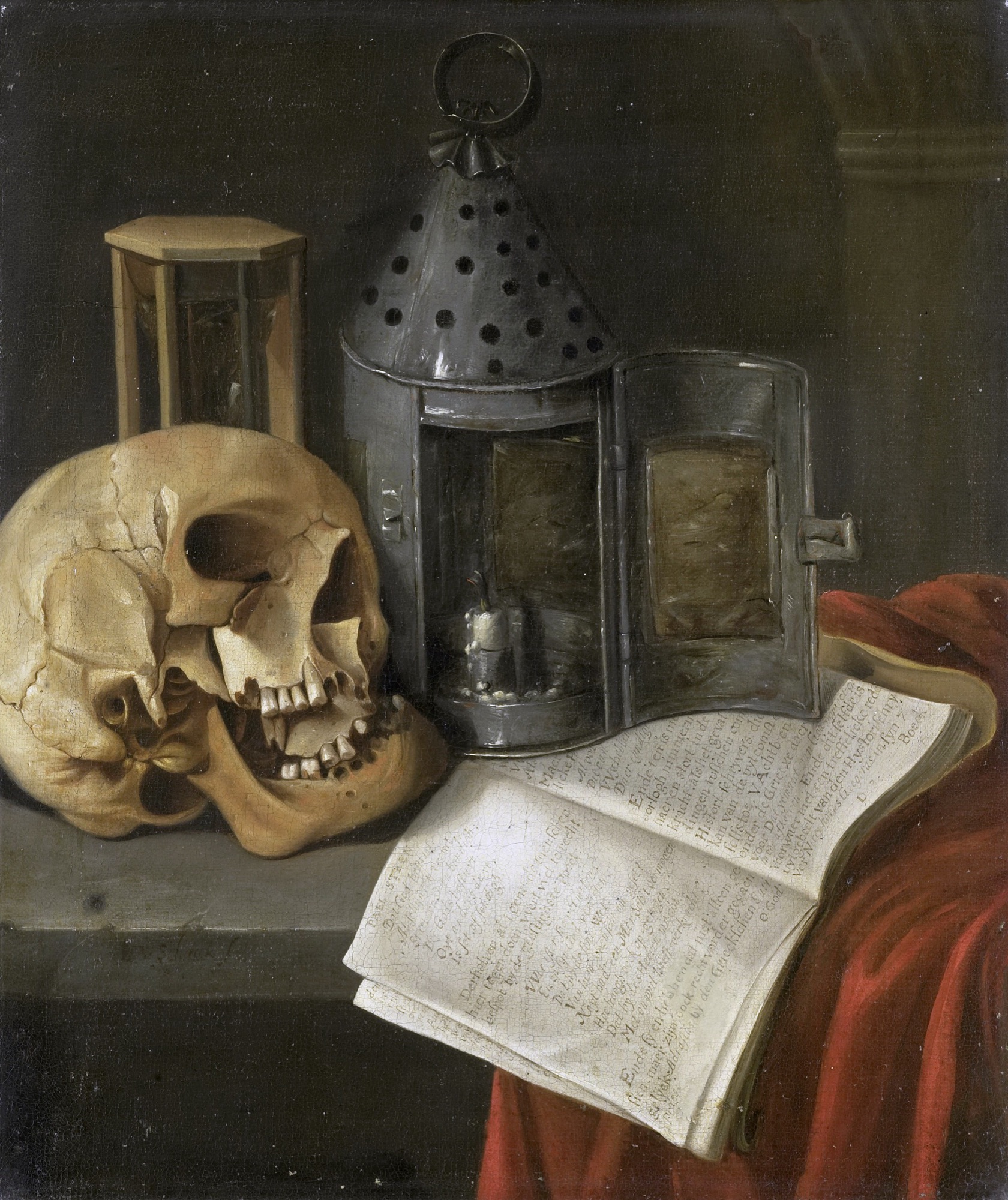
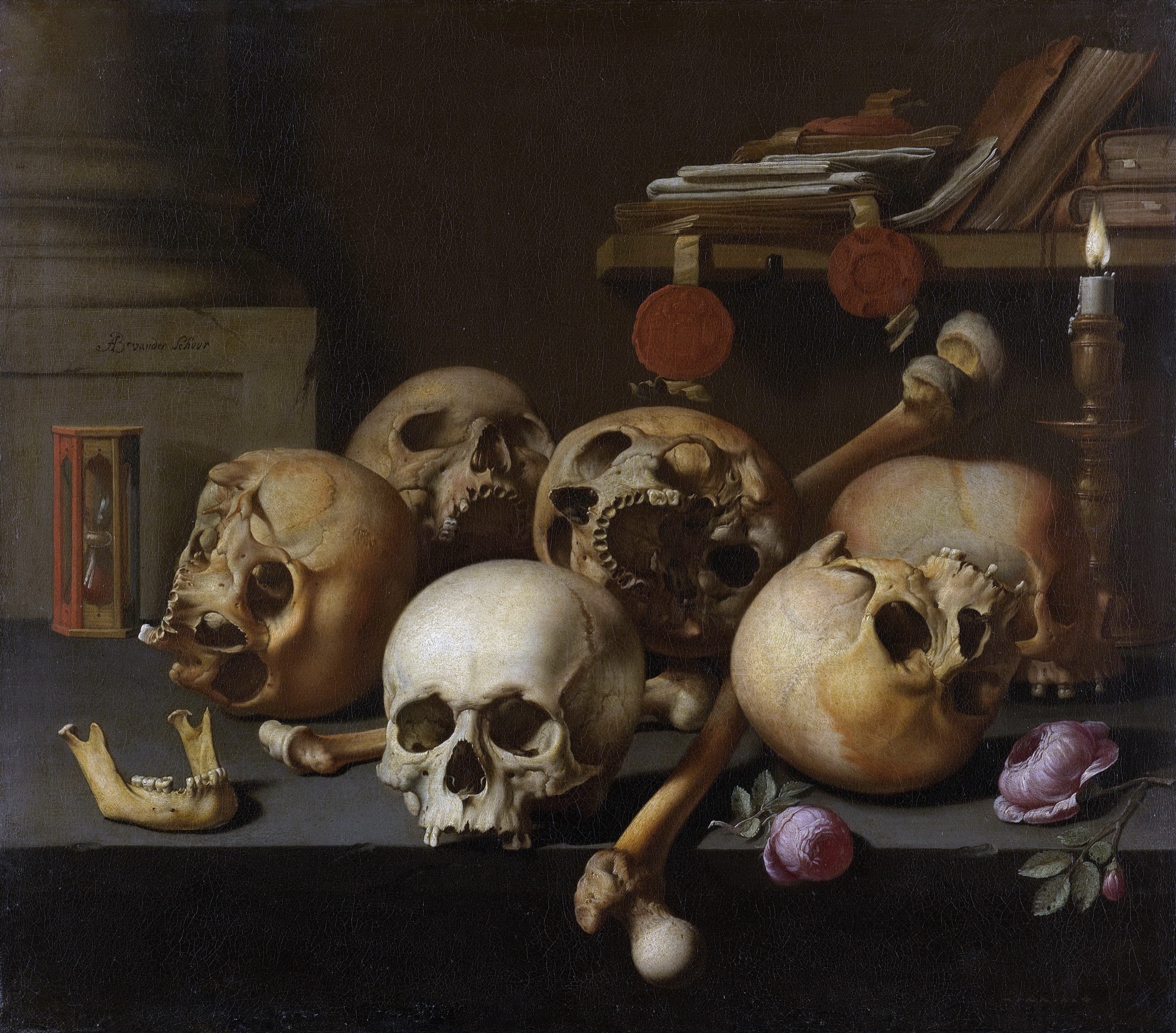
Genre groups texts through recognizable conventions and audience expectations. Compare the two paintings of skulls and candles: shared objects help identify a tradition despite differences in the images. In film, Lacey’s repertoire of elements is the checklist of what a genre reuses: settings, characters, iconography, narrative patterns and style. Neale’s repetition and difference describes familiarity together with variation. A genre can offer a promise of pleasure, with room for surprise.
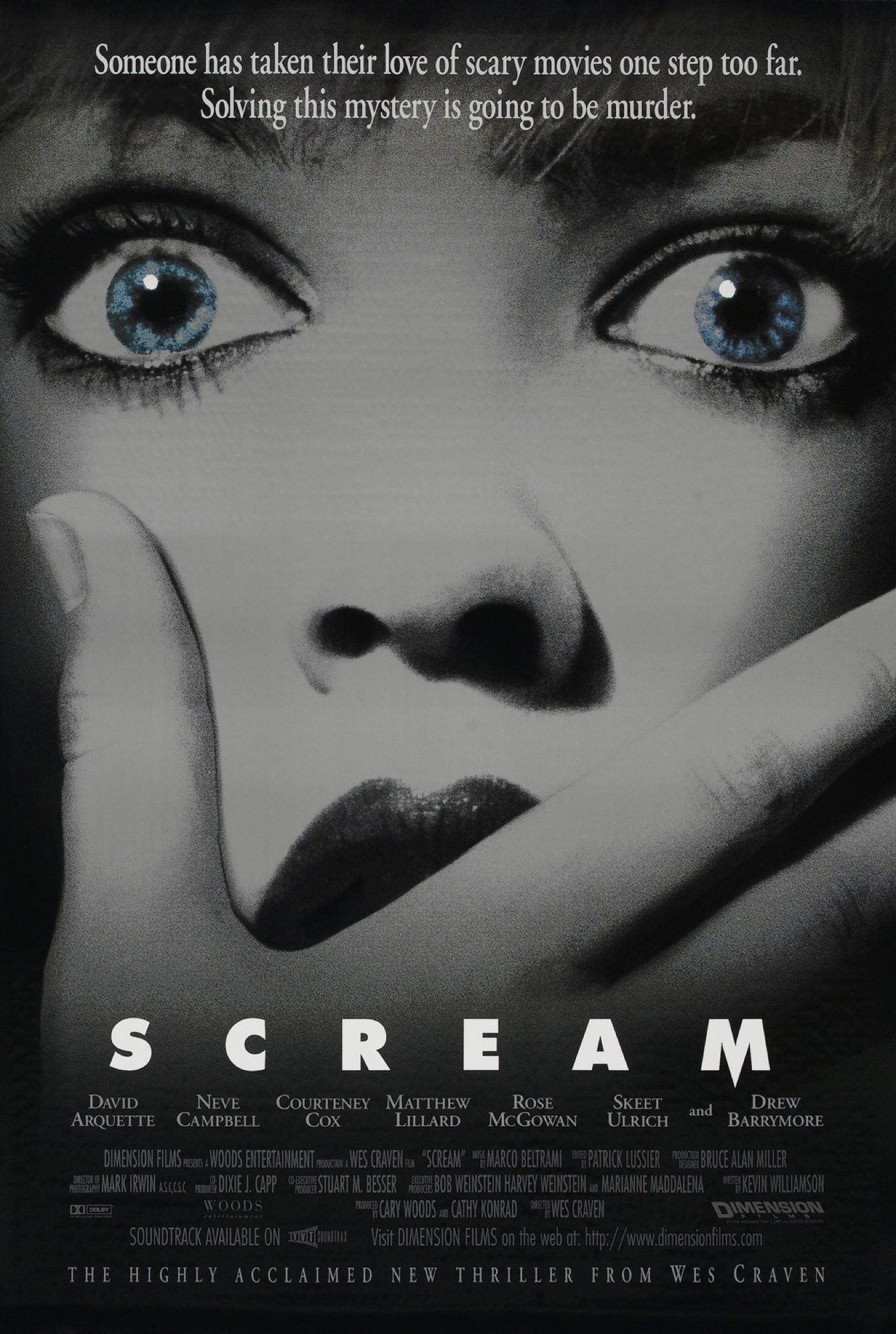
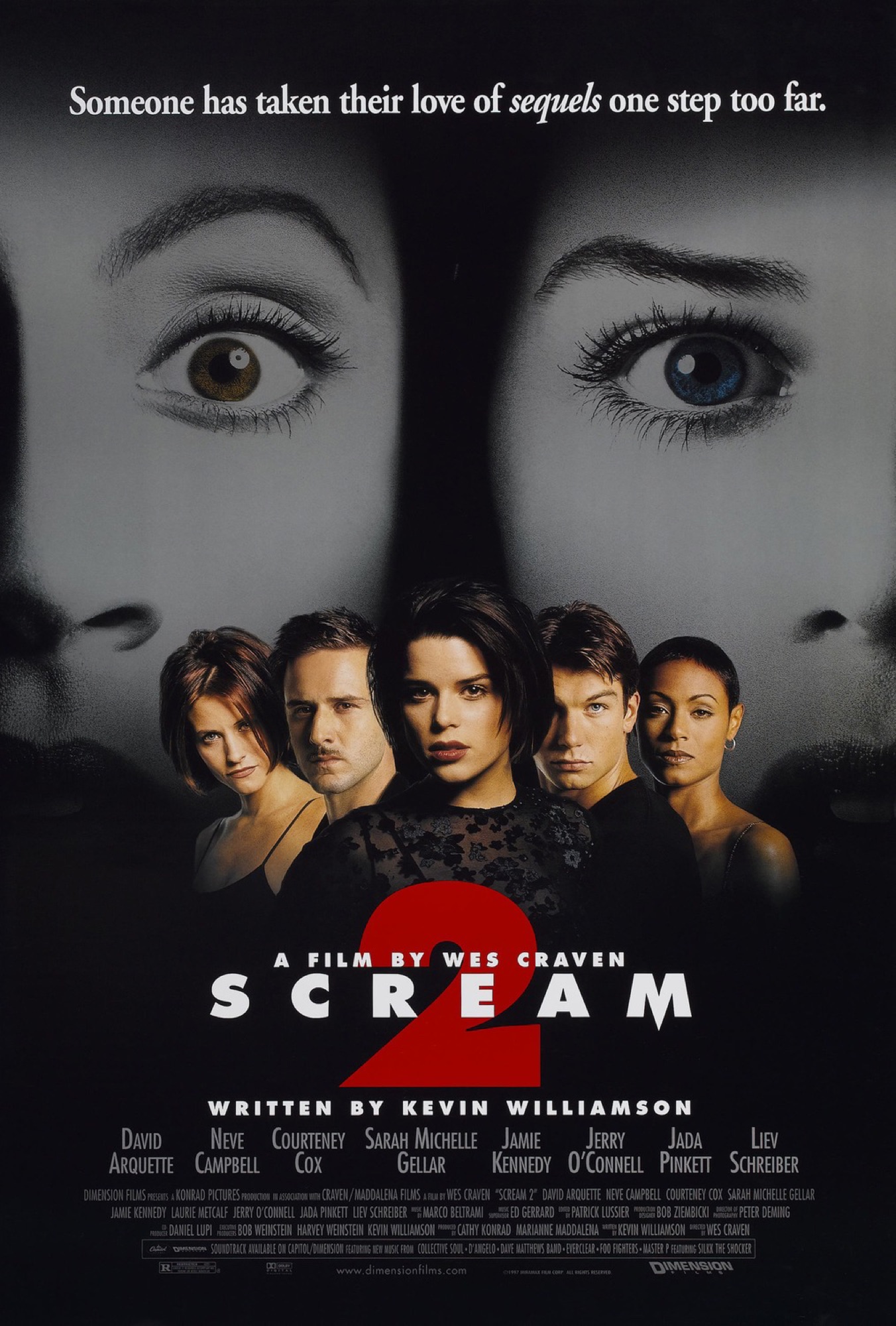
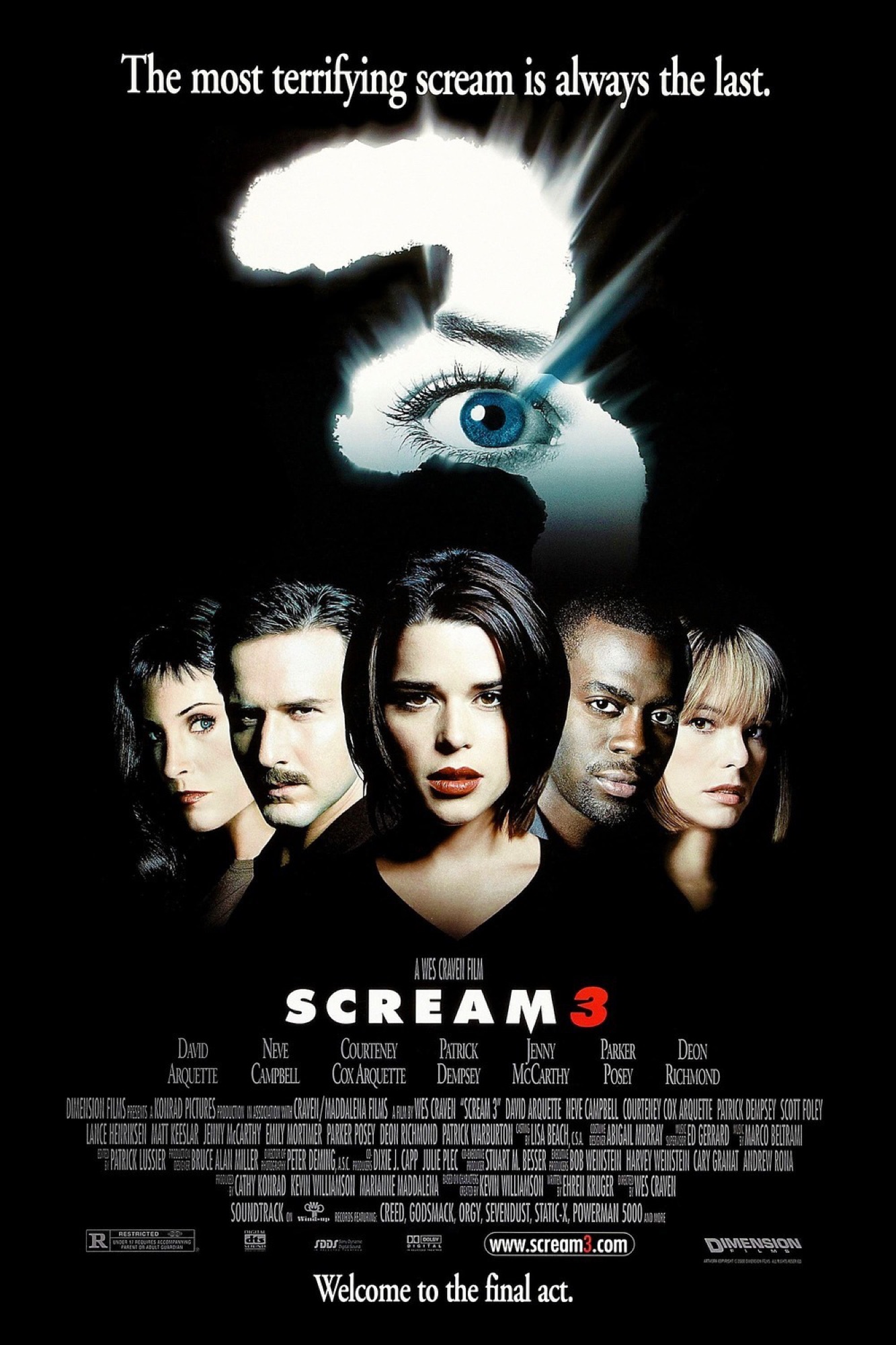
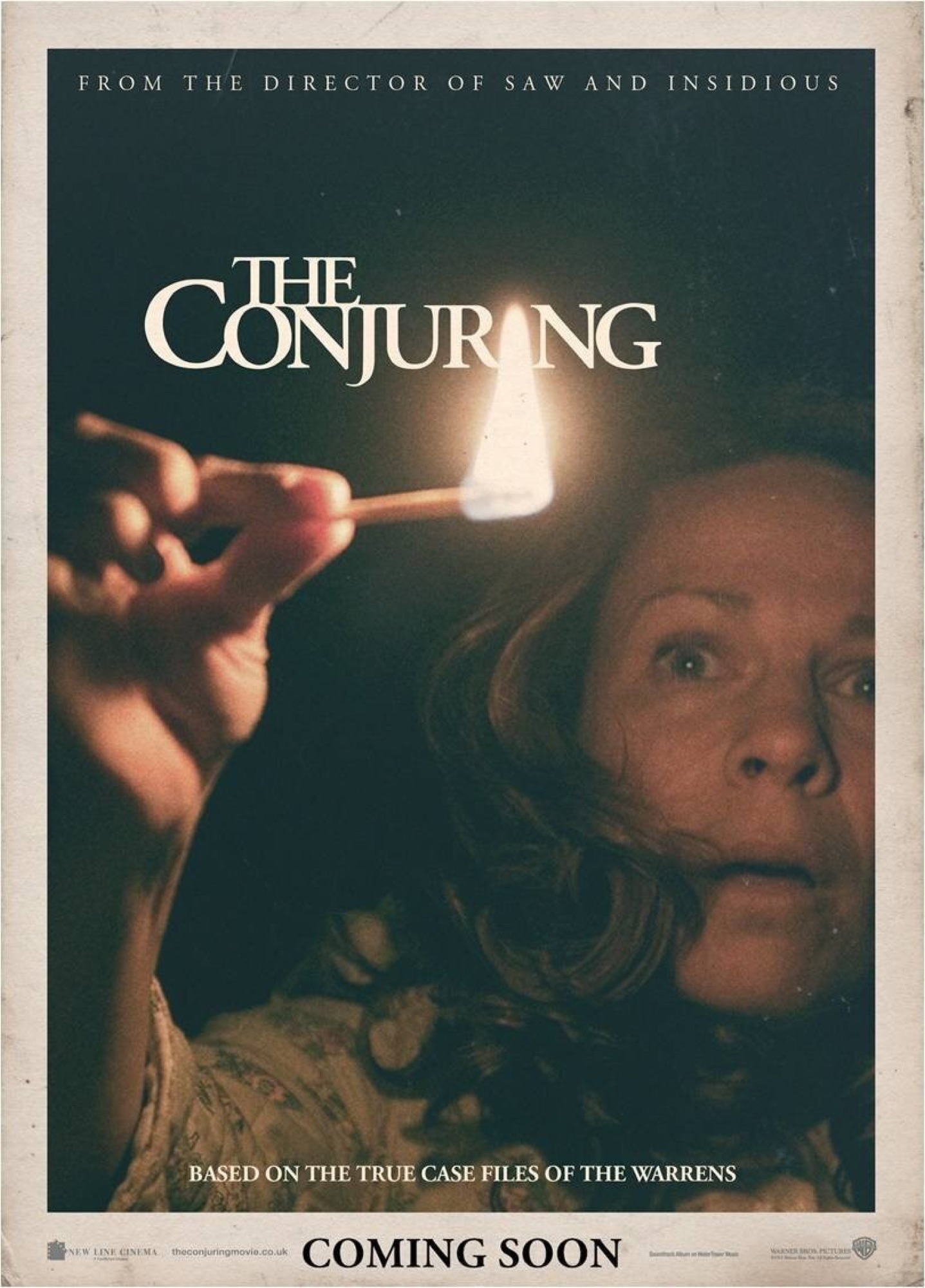
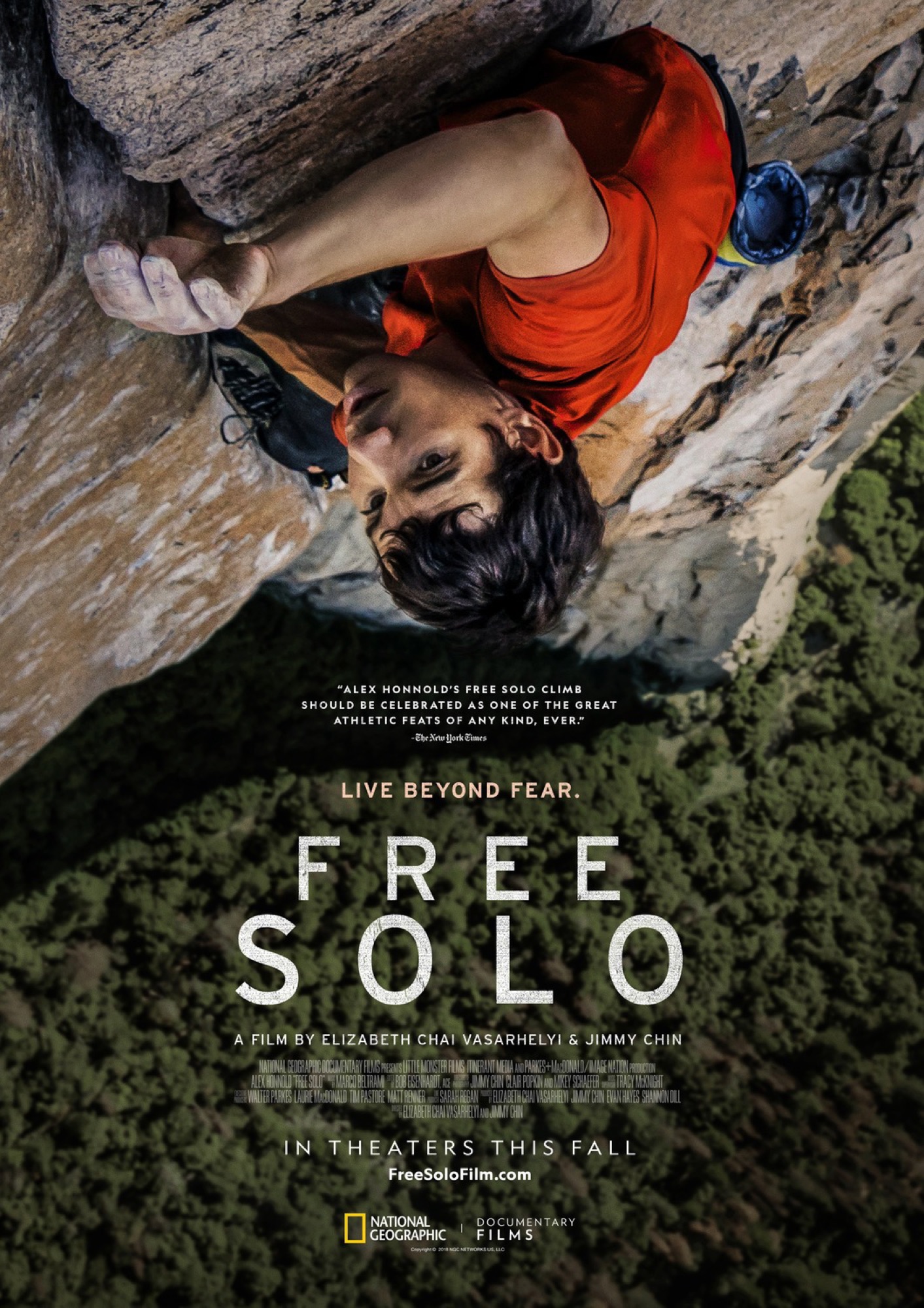
Use the Conjuring and Free Solo posters to distinguish a genre claim from a general claim about film. The Scream poster sequence supplies a further comparison of a repeated identity. These are recognition examples; study the actual openings when making decisions for your own opening. A poster alone cannot demonstrate editing or sound.
A provisional genre contract states what the opening offers its audience, which choices carry that expectation and what varies. The choices should follow from your references and concept notes. You can revise the contract as the idea becomes clearer.
Film-industry evidence for later study
A screen text lets us study how a product addresses an audience. A production or distribution claim needs additional evidence. Record the company, product, publication or event date, source link, specific fact and the claim it supports. Distinguish a source’s statement from your interpretation. A trailer alone does not prove a budget, ownership structure or audience response.
Build the shared film case around production, distribution, marketing and consumption. Include ownership and funding, technology, synergy/convergence, and local/global audiences as the file develops. Most texts studied should first have been published within approximately five years of the 2027 exam, roughly 2022 onward. Older examples can supply context. Retain source and publication dates so evidence can be checked.
Section B asks for an argument supported by detailed industry and audience examples. Read the actual question rather than assume every paper offers one purely industry and one purely audience question. The established past-paper question bank is practice material; original papers govern wording.
Practice
Develop your film opening
Use your survey answers to develop an opening that another person can follow, then revise a choice using their response.
- Complete or review your survey15 minutes
If you have not submitted, complete the direction survey, including your decision, and press Send my answers to Doğan. Check the confirmation. If you already submitted, review your answers, note any changes and begin your opening outline.
- Choose and develop the opening20 minutes
Use the first 5 minutes to connect your interests, intended feeling and available resources to a direction you want to explore. You can adapt a survey suggestion or choose another direction. Then spend 15 minutes outlining the first image and sound, what happens next, what becomes clear and what remains unresolved. Explain how a detail from an opening you studied informs a choice.
- Test and revise10 minutes
Spend 7 minutes exchanging outlines. Your partner explains what they understand before hearing your intention. In the final 3 minutes, revise one choice and record your reason and next research question.
Bring a device for the survey, your current idea, opening-research notes, and paper or a device for your outline.
Send the survey through its form. Keep the outline and revision with your project work. Both are ungraded; there is no separate outline upload.
Survey review and analysis revision
Review your submitted opening-direction survey, then improve a passage from your timed TV drama analysis.
- Review your survey
Explain your current opening direction, intended feeling and available resources. Discuss your answers and record a choice to clarify or a question to research. You can adapt a survey suggestion or choose another direction.
- Revise your timed analysis
Use your existing answer, the question and feedback to choose a passage to improve. Check the relevant moment in the extract. Rewrite the passage with precise evidence and accurate technical terms, explaining how the choices create meaning and representation. Keep it in the order of the extract.
- Explain the improvement
Compare the original and revision. Identify what now supports your claim more clearly and retain a target for your next analytical answer.
Bring your survey answers, existing timed analysis (A2) and feedback.
Keep the revised passage with your existing answer and your survey notes with your opening research. The classwork is ungraded. Complete Two Possible Beginnings for the small Course Skills grade, due November 9 at the start of class. The research checkpoint remains November 13. No Film Industries paragraph is due today.
Begin with the direction survey. Complete and send it if you have not submitted; otherwise review your earlier answers and note any changes. Use your interests, intended feeling and access to people, places and equipment to explain a provisional direction. The suggested directions are options, and the choice is yours.
Develop your film-opening idea from those answers. Describe what the audience first sees and hears, what happens next, what becomes clear and what remains unresolved. Use prose, sketches or both. Choose a person, place and action you could realistically film.
Let a partner read or hear your outline before you explain your intention. Ask them to describe what they understood and what they expect next. Revise a choice where their reading shows a useful problem. Explain how a detail from an opening you have studied informs your choice. You can adapt a reference without copying its story or style.
On Monday, review your submitted survey and record the choice or research question that follows from the discussion. Then revise a passage from your existing timed TV drama analysis using the question, feedback and extract. Compare the before/after passage and explain how the revised evidence, terminology and analysis support your interpretation. Keep the revision with your answer and retain a target for the next analytical task.
The opening belongs to a continuing fiction film. It can begin with a situation, relationship, routine or action. You do not need a chase, shock or complete ending. Keep the final maximum of two minutes, including titles, in mind. Full script and storyboard work follows in its scheduled lessons.
This develops production craft through a connection between research, intention and a specific film choice.
Check your progress
For the opening work, a partner should be able to describe the action or relationship and support their reading with a detail. Explain how your survey answers and reference research inform a choice. For Monday’s timed-analysis revision, show where a precise detail and an accurate technical term support your interpretation of meaning and representation. Explain the improvement rather than only naming a technique.
Homework
Two Possible Beginnings is set in the Monday November 2 lesson and is due Monday November 9 at the start of class. Compare two beginnings for the same idea, using short paragraphs, rough sketches or both. Show the first image, sound and action, and what the viewer understands or wonders. Choose one and explain why, using a precise detail from an opening already studied and realistic people and a place. Add the alternatives and decision to your existing opening-research entry and submit its link. Aim for about 20 minutes. This is Course Skills, marked out of 10 and converted to a percentage.
Continue the same research record toward November 13. Keep the analytical revision with your A2 answer; that classwork remains ungraded. No Film Industries paragraph is due on November 2.
Source quotation
Genre is a way of categorising media texts.
Cambridge International AS & A Level Media Studies coursebook, §3.1, p. 61.
Suggested reading
Coursebook §3.1, pp. 60–65, on genre and expectations; §3.2, pp. 66–75, for narrative reference. Use the existing case-study template and WS 5.3 model with film evidence, not an unrelated media-area switch.