Genre, Narrative, and Textual Analysis
Unit plan
C1 production and research and C2 writing continue within the same timetable. The Media Language page is a reference, not a separate scheduled unit.
Read the complete unit plan

You develop technical analysis, revise a timed answer and use opening research to clarify your own production. A twenty-minute genre and narrative session on November 16 comes before the storyboard workshop in the next unit.
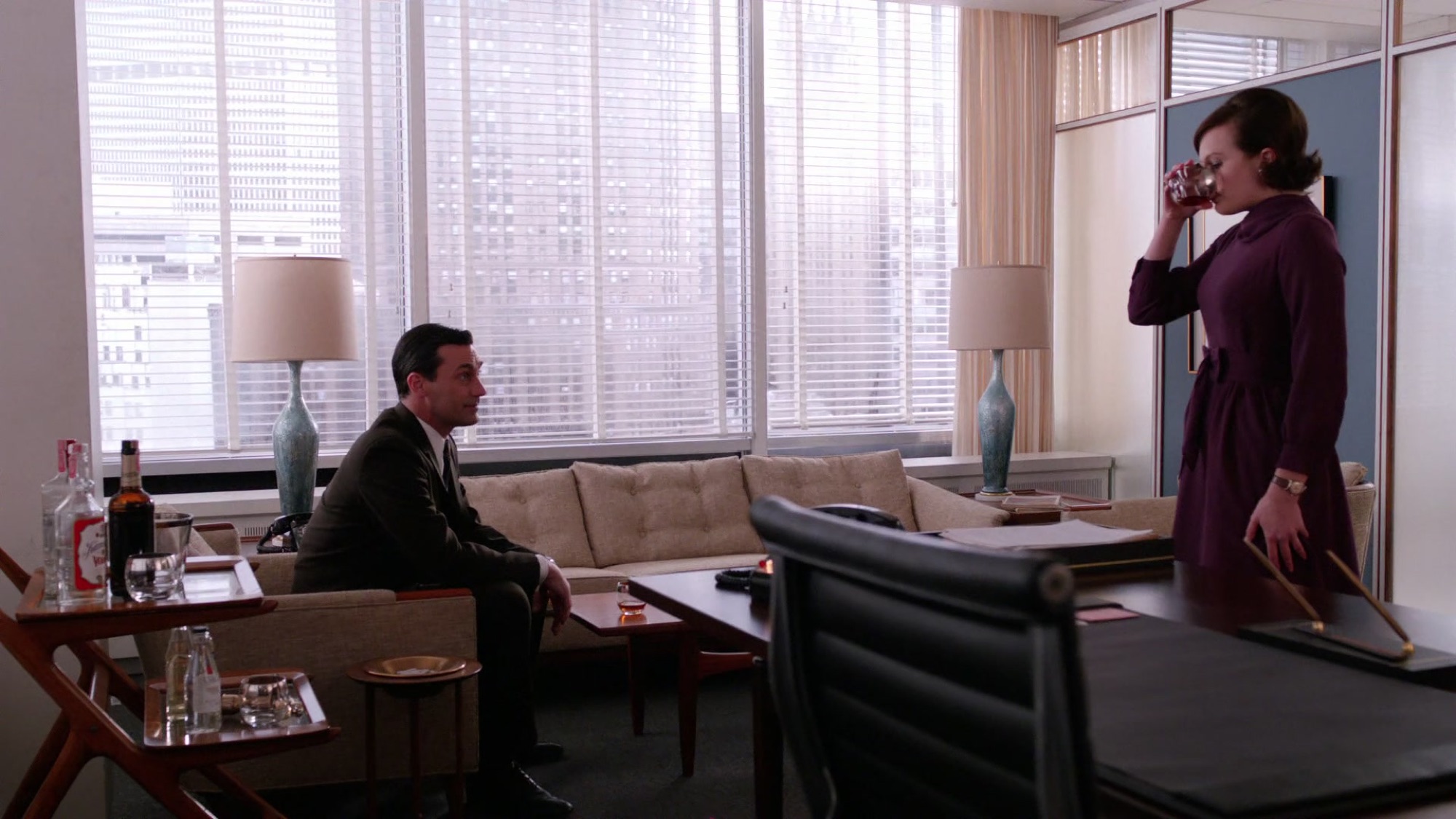
On October 21, you received sample-text feedback and an introduction to Mad Men. No clip was screened. On October 22, viewing and planning run from 08:00–08:20, followed by independent writing from 08:20–08:45. This is shortened classroom practice. The submission deadline is 08:45. Feedback follows on October 26, and A2 is on October 28.
Semester 1 Plan · assessment register
At a glance
| Dates | October 21–November 2 |
| Focus | You apply the four technical elements independently, revise written analysis and develop a provisional opening through genre and audience expectations. The November 9 representation lesson begins the next unit. |
C1 production and research and C2 writing continue within the same timetable. The Media Language page is a reference, not a separate scheduled unit.
Next unit: Representation and Social Meaning
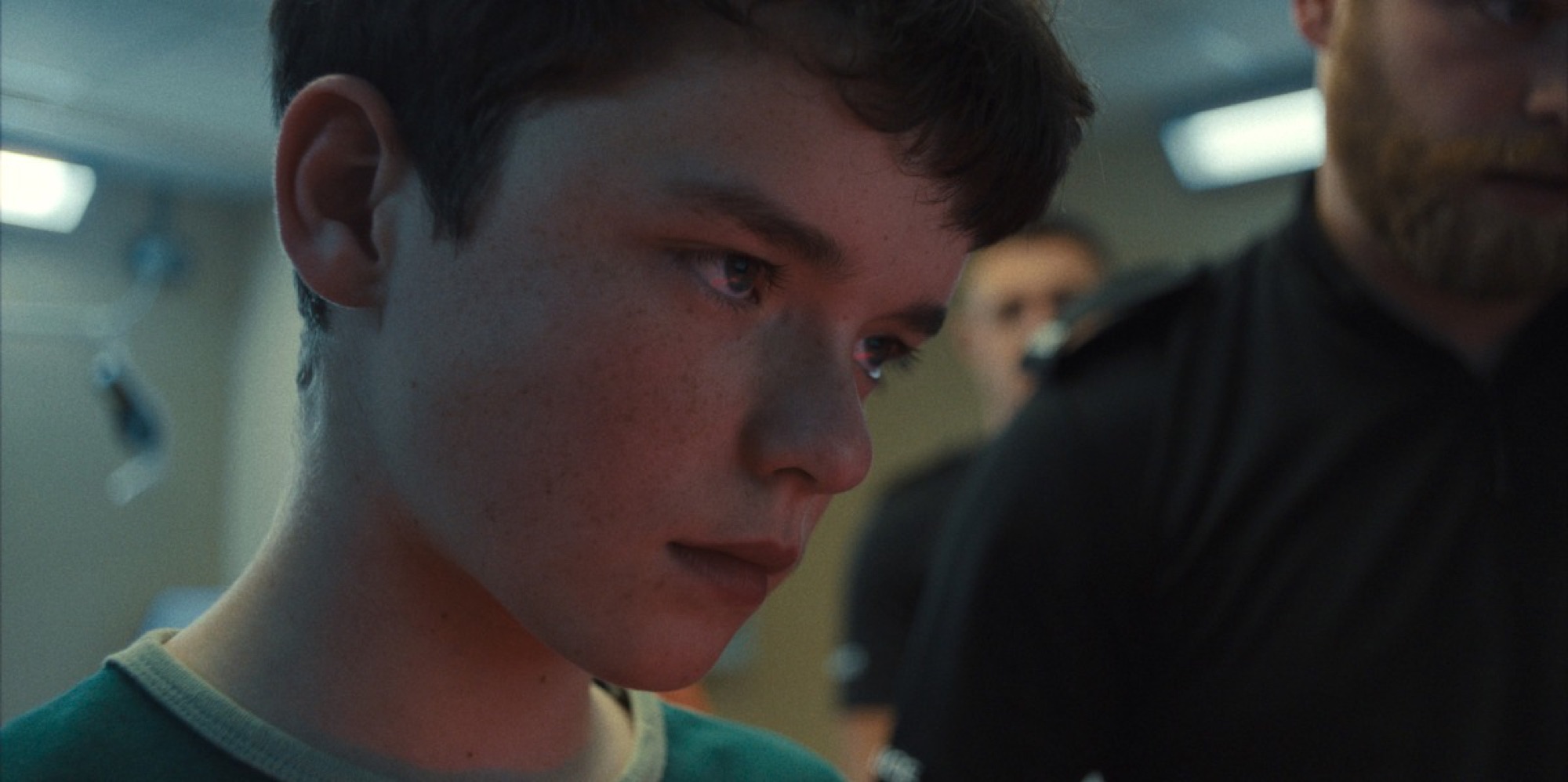
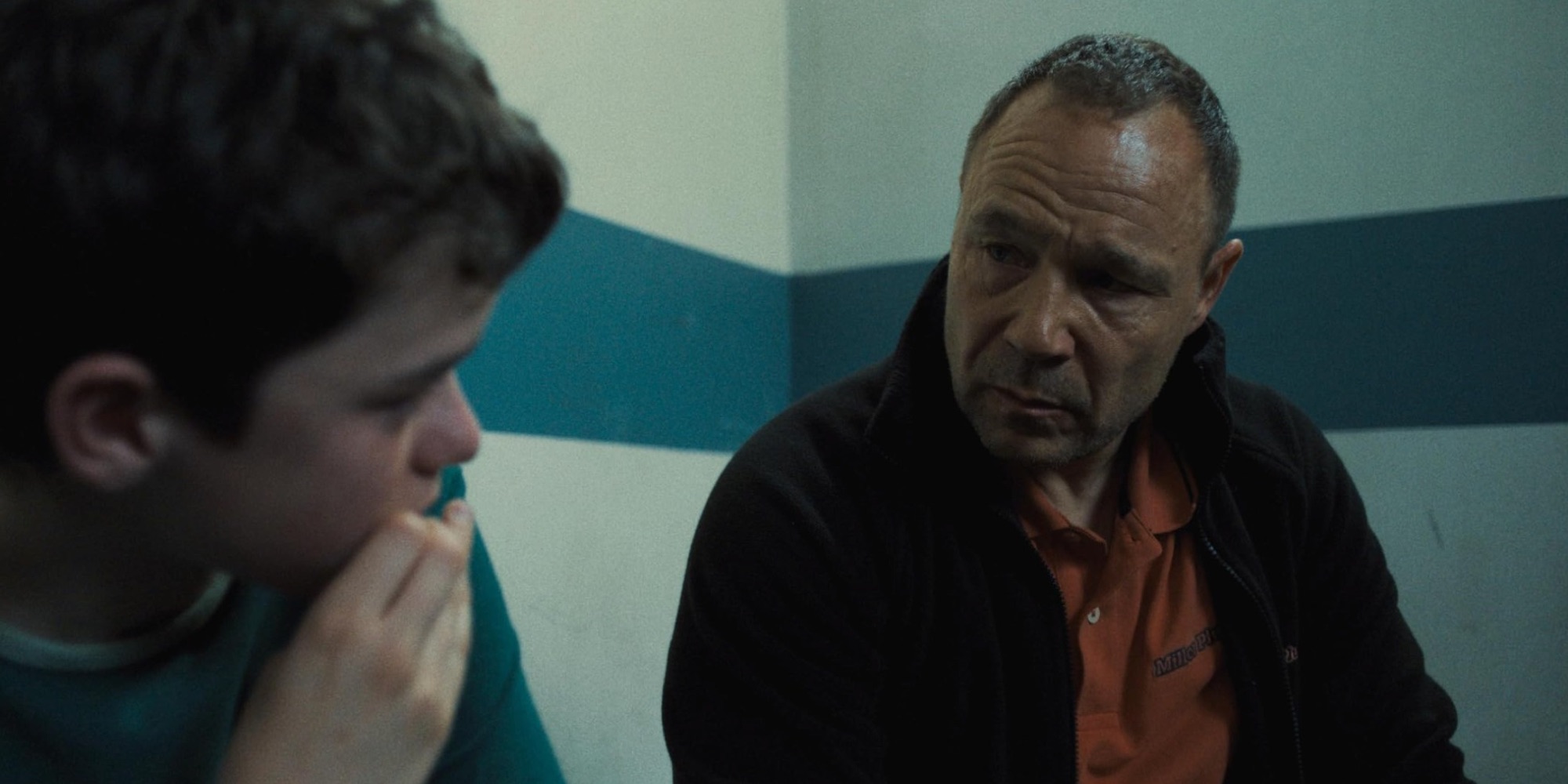
The next unit begins Monday, November 9 with The Bear and the released Section B question. Opening and title research, Section A writing and a narrative workshop connect representation to your own production choices. The Section B question continues into Industries and Audiences.
Dated lessons and project sessions
| Date | Unit | Lesson and work |
|---|---|---|
| Wed 21 Oct | U3 | Close Viewing and Visual Evidence: You received sample-text feedback and an introduction to Mad Men. No clip was screened. |
| Thu 22 Oct | U3 | Close Viewing and Visual Evidence: TV Drama Analysis Practice uses Mad Men viewing and independent writing. Viewing and planning run from 08:00–08:20. Write independently from 08:20–08:45 and submit at 08:45. |
| Fri 23 Oct | No class | There is no teaching session or additional submission. |
| Mon 26 Oct | U3 | Close Viewing and Visual Evidence: Review four live Mad Men sentence revisions, revise your own answer, watch the replay and complete your response. Study a Cambridge exemplar and the chronological writing method, then check your work. |
| Wed 28 Oct | U3 | Close Viewing and Visual Evidence: Sit A2 timed analysis in the double lesson, with four screenings and a 60-minute writing allowance. |
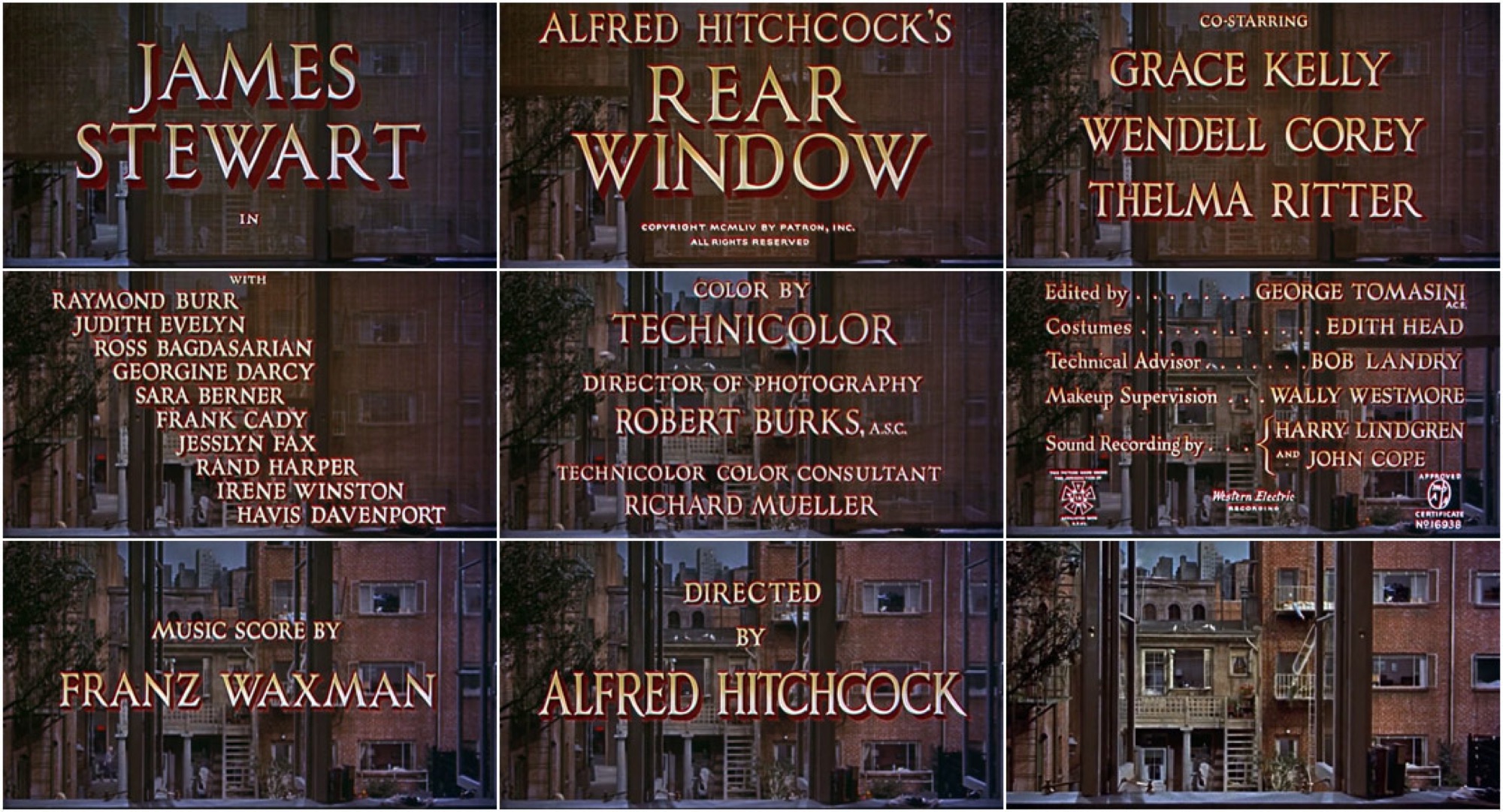
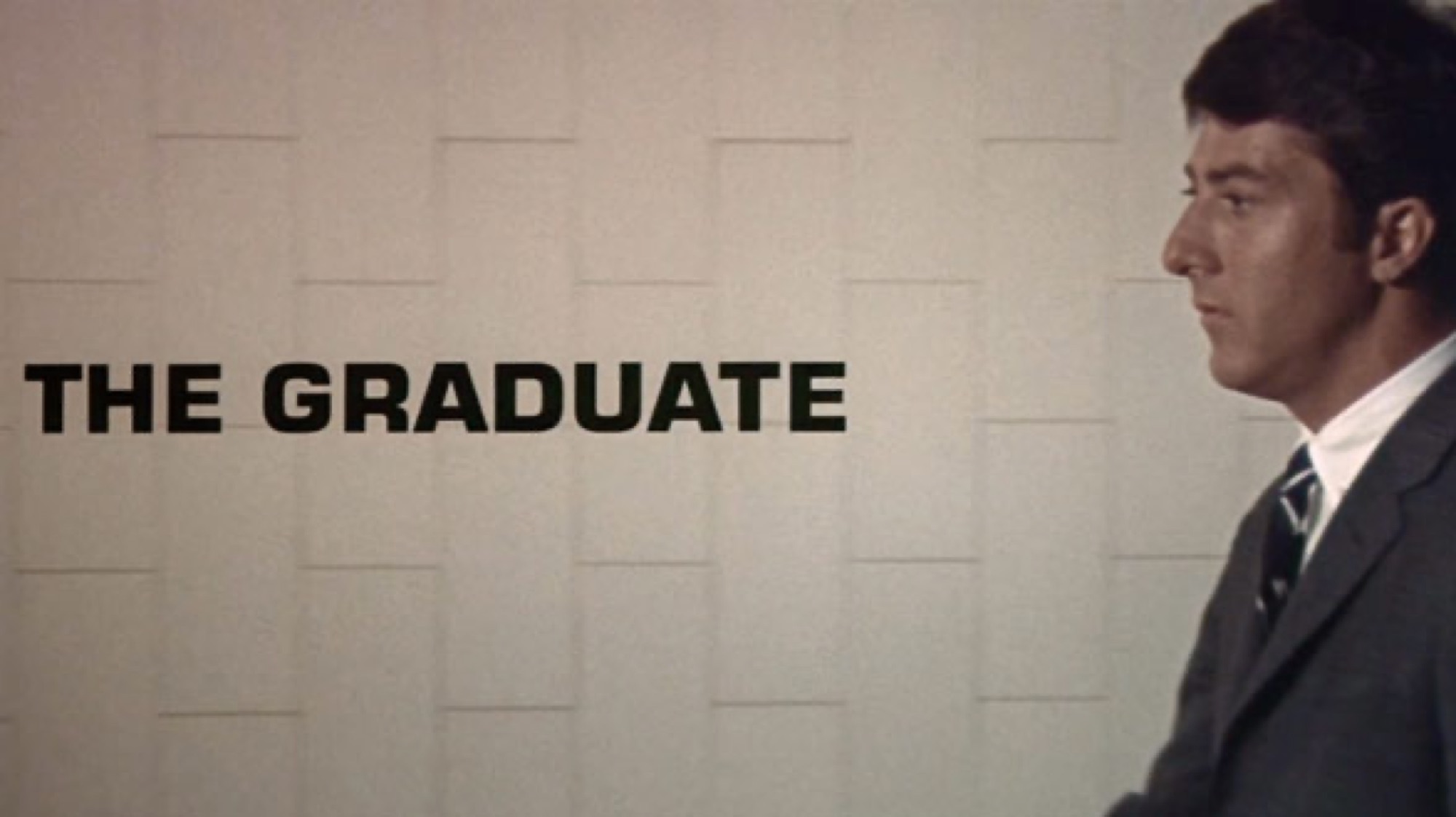
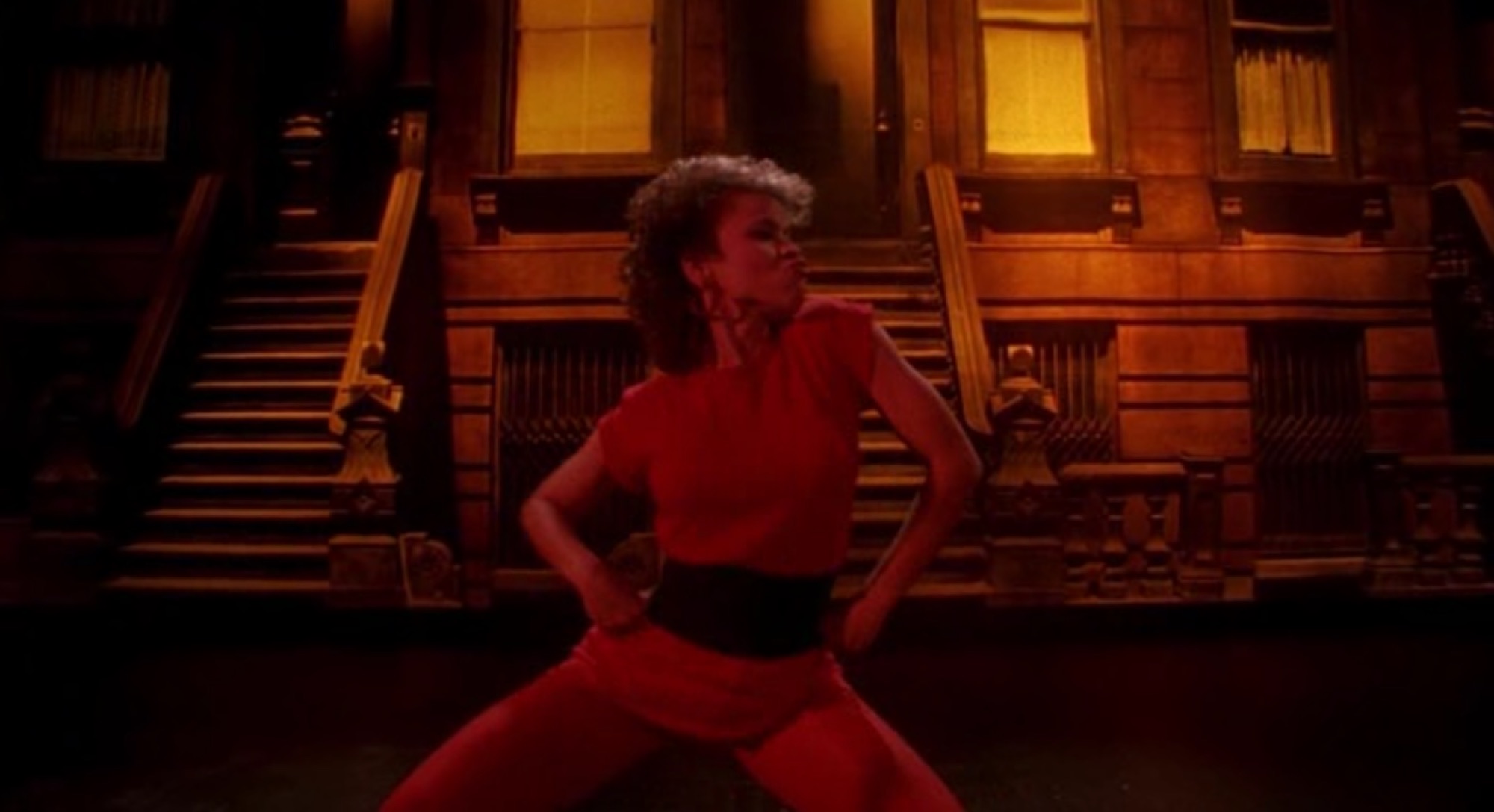
| Thu 29 Oct | U3 | Close Viewing and Visual Evidence: Study the film-opening production process, opening functions and structures, and contrasting approaches. Make a reasoned choice for an existing idea. This is ungraded class practice with no extra submission. |
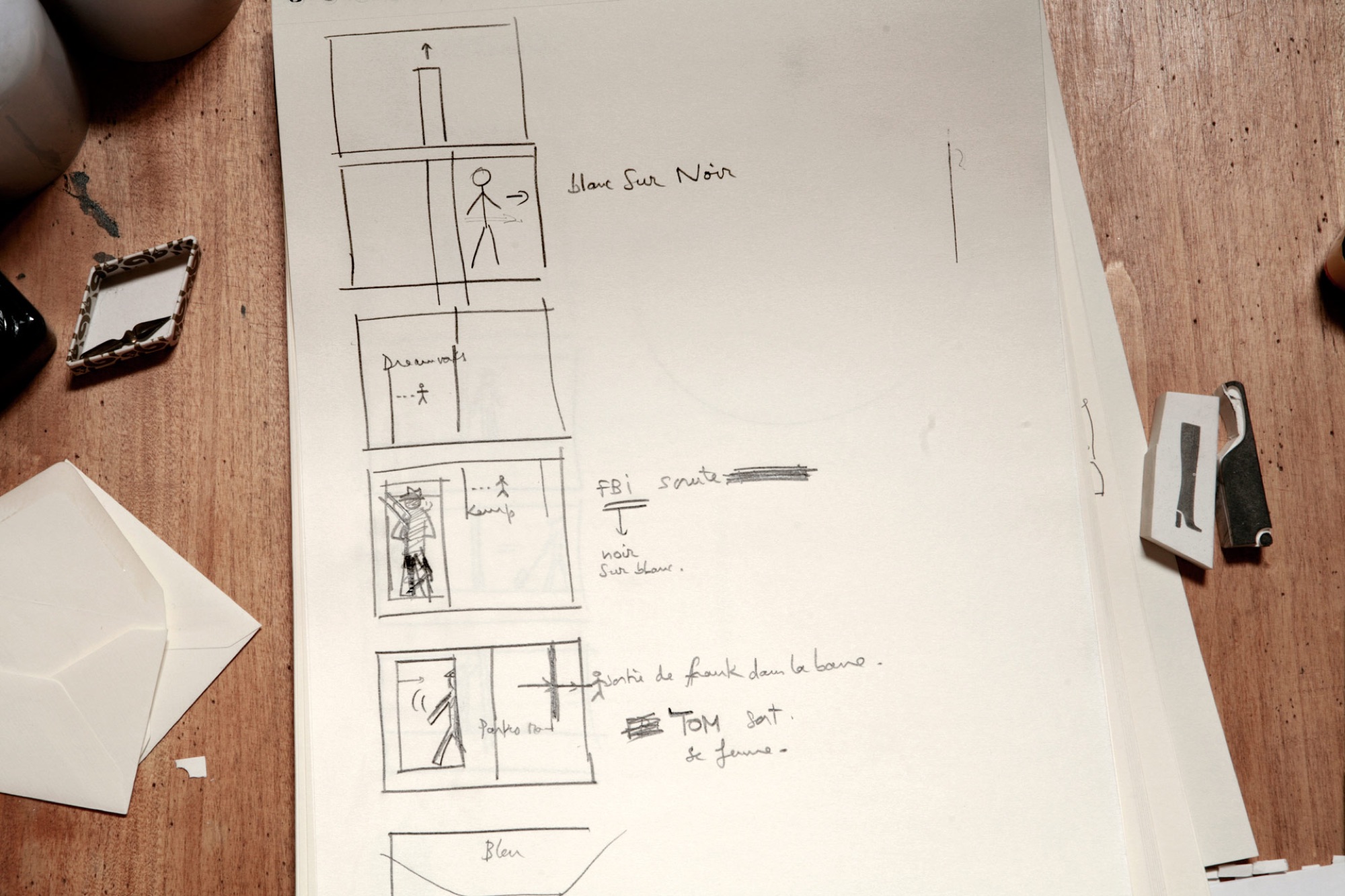
| Fri 30 Oct | U3 | Genre and Audience Expectations: Complete and send the direction survey if you have not already submitted it. Use your answers to develop a film-opening outline covering the first image and sound, action and audience understanding. Discuss a partner’s interpretation and revise your outline. This is ungraded project work. |
| Mon 2 Nov | U3 | Genre and Audience Expectations: Review your submitted direction survey and clarify your provisional opening choice. Revise your existing timed TV drama analysis (A2) using feedback, precise evidence and accurate technical terms. Explain the improvement and keep a target for future writing. This classwork is ungraded. Two Possible Beginnings is set today: spend about 20 minutes comparing two starts to the same film idea and justifying one. This small Course Skills task is due November 9 before P6. |
Analytical progression
The October 15 camera and mise-en-scène work and October 19 returned-worksheet review lead into sample-text feedback and the Mad Men introduction on October 21. October 22 provides shortened viewing and writing practice. On October 26, you revise and complete that known-text answer before studying the Cambridge exemplar and chronological writing method. A2 is on October 28.
October 29 develops your understanding of film-opening production, structures and approaches. On October 30, you use reference analysis to develop a provisional opening outline. On November 2, you review your submitted survey and revise an existing timed analytical passage using feedback and the extract. Practice receives feedback within these lessons. There is no extra graded task.
Progress and assessment
A2 is timed analysis on October 28. Opening research develops three selected frames from each of three openings, plus titles and applied choices. Use the current Friday lesson and assessment register for the Course Skills assignment and submission arrangements. A3 planning/pitch is November 27. A4 authentic Section A is December 16. Your completed work and grades remain unchanged.
Two Possible Beginnings is the short graded opening-choice task set November 2 and due November 9 before P6. Keep its alternatives and your decision in your existing research entry. Use the current Friday lesson and register for the research-checkpoint arrangements.
The weekly register identifies the graded C1 or C2 output. Other direction and design work, relevant practical tests, paragraphs and ongoing critiques receive feedback without separate grades. Guided Section A is December 9, and Timed Section B is January 6. The 5+25+8+7 writing cycle continues in later Thursday slots. October 29 is the film-opening discussion. Research feedback on November 20 and A3 feedback on November 30 support your next production decisions.
Independent work and next use
Use the weekly assignment route. Each normal teaching week has one Course Skills assignment or an attainment. Use existing classwork where the brief allows it. Every task produces material for your own C1 portfolio or practices a C2 response. Other class exercises receive feedback without another submission.
On November 2, you review your submitted direction survey and revise your existing timed analysis. The current attainment record is A2. Shoot approval is on December 23, with an opportunity to address problems on January 8. Principal photography is January 24–February 21. Earlier approved filming in late December may suit school-dependent resources. Spring post-production targets are March 26 for internal completion and April 23 for readiness. These dates remain provisional in the spring plan.
Lessons
Unit gallery







Assignments
- TV Drama Analysis Practice · 22 Oct · 08:45
- Media Studies · S1 A2: Timed Media Language Analysis · 28 Oct