Faces, Objects and Social Difference
Class materials: November 11 class slides (PDF) · Hall, Ulman and BEEF reading companion (PDF) · Ulman and BEEF practice (PDF) · Opening studies and film audiences (PDF, four pages)
Media Studies · Research applied to production
Lesson slides: Download the deck (PowerPoint, 20.2 MB) · image credits
At a glance
| Dates | Wed 11 Nov P6 12:35–13:20 · Wed 11 Nov P7 13:30–14:15 |
| Time | 90 teaching minutes. Break 13:20–13:30. |
| Bring | Hall §1.1, printed pp. 2–3; coursebook pp. 76–82 and 148–149; original Bear worksheet; existing opening studies and titles table. |
| Make | Notes comparing a cut and a social representation; a revised opening analysis, checked titles row and one production decision. |
| Assessment | Formative practice. The November 13 research checkpoint and Thursday’s 25-minute Bear paragraph retain their existing requirements. |
Objectives
- Explain Hall’s distinction between a thing, a concept and a sign using a selected image or cut.
- Compare how a listening face, a speaking face and an object shot make different information available to a viewer.
- Test competing interpretations of Ozu’s cut against the surrounding frames and context.
- Explain how Ulman constructs a social media persona and how BEEF represents differences of wealth and class within Asian American experience.
- Revise an existing opening study using precise evidence, a convention and an explained production choice.
Learn
Hall’s The Work of Representation, §1.1, explains how things, concepts and signs relate. A photograph or facial expression is selected and interpreted. An image of a face does not give direct access to a mind, and an object does not contain a fixed emotional meaning.
A reaction shot shows someone receiving speech or action. An L cut describes sound from an earlier shot continuing after the image changes. A cutaway gives another related view during an action. These terms identify choices; analysis explains their function in a particular sequence. In Ferris Bueller, voice and pupil behavior can make the teacher appear ineffective. In Persona, the repeated monologue redirects attention from its recipient to the person making the accusation.
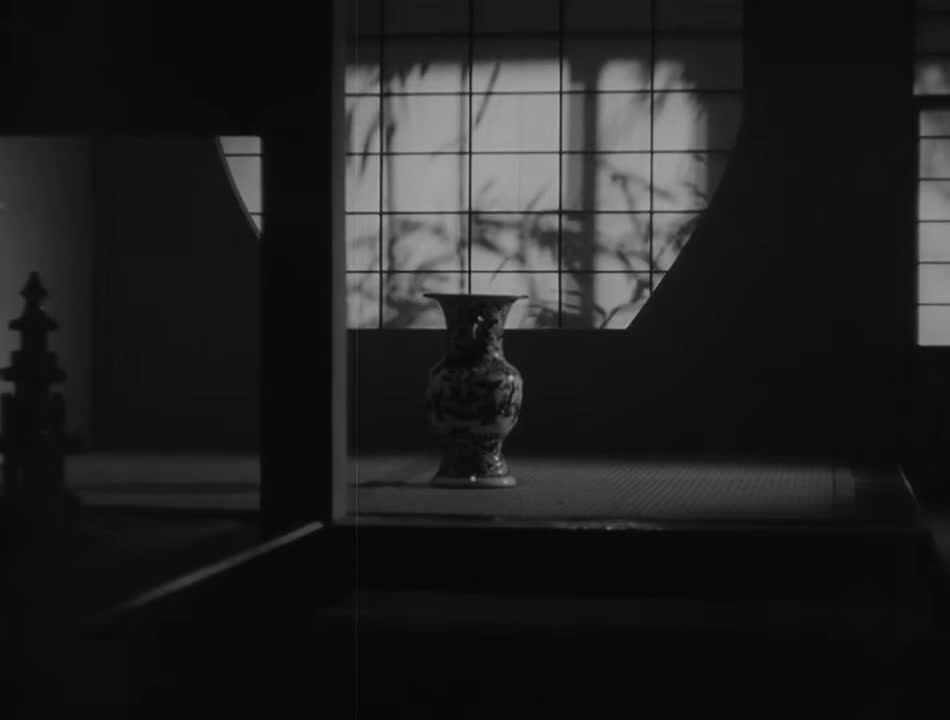
In Late Spring, the selected frames place a vase between two views of Noriko. Richie reads an opening for emotional projection; Thompson questions whether the interruption redirects attention and delays feeling. Both accounts need the adjacent faces and the family context. Deleuze’s account also requires attention to duration, which still frames cannot reproduce. The whole frame includes the window and shadows as well as the named vase.
Ulman’s Excellences & Perfections shows how a social profile can use familiar codes of femininity and aspiration to make a scripted persona plausible. BEEF presents unequal resources and pressures within Asian American experience. Compare Danny’s debt and insecure work with Amy’s home, business and reputation, rather than treat a social category as uniform.
Title design and research
An opening study explains what an image, sound or title lets a viewer know and how that knowledge is controlled. Use precise evidence before proposing a choice for your production. Credit order, lettering and placement can establish expectations while directing attention within the picture.
The existing research scaffold remains three frames per opening, nine total. This is a local scaffold, not a Cambridge rule. Record first-title timing, credit order, typography, placement over black or picture and the choice you might borrow or change. A relevant reference helps you decide without requiring an expensive reproduction.
Practice
Period 6. Continue the original Bear worksheet. Choose a cut from Bear, Ferris Bueller, Persona or Late Spring. State what is heard and what is shown. Explain what that choice lets a viewer infer about a person or relationship. Test a second explanation or identify a limit. With Ozu, use the surrounding faces and the whole frame rather than give the vase a fixed symbolic meaning.
Look at Ulman’s image before and after learning the performance’s context. Identify one inference you revised and the detail or information that changed it. For BEEF, compare Danny and Amy using one costume or setting detail and one line or action from each. Explain how wealth and class differentiate their Asian American experiences. Keep these short responses in your existing notes.
Period 7. Read §6.2, pp. 148–149. Copy one sentence from an existing opening study that could apply to almost any film. Rewrite it in two or three sentences using an identifiable shot, sound or title, the relevant code or convention and an explained inference. Keep the original beside the revision and add the revision to the existing blog entry with a credited frame or source link.
Compare credit timing, order, lettering and placement in two of your existing professional fiction-film openings. State one provisional choice for your own opening and why it suits your idea. Your partner must be able to locate the cited moment before you explain it. Record one correction or decision. Keep the checkpoint’s existing three openings and nine credited frames; this practice adds no separate submission.
Check your progress
Can a reader find the screen evidence for your interpretation? Do the selected films help you understand a question relevant to your opening? Are the nine frames, title comparison and source credits readable? Check the blog links before Friday.
Assessment and homework
Use this clinic to finish the Opening Research Checkpoint due November 13. It is the week’s assignment. Earlier preliminary artifacts remain context, with no Film Letter regrading. Script/storyboard work comes November 18–19. Any project-specific continuity test follows that plan from November 20; there is no filming task in this clinic.
Source quotation
Before you start production, research similar professionally produced texts to those you intend to produce.
Cambridge International AS & A Level Media Studies coursebook, §6.2, p. 146.
Suggested reading
Assigned reading · printed coursebook pages
For Wednesday, November 11. Bring Hall §1.1, printed pp. 2–3, and your original Bear worksheet. Read §6.2, pp. 148–149 (textual research, codes and conventions). Bring one convention and the exact shot, title or sound that shows it in an opening you have already studied. Use the example to sharpen one existing research entry.
For Thursday, November 12. Read §4.2, pp. 90–91, on observing a text and identifying techniques. Bring Monday’s worksheet: choose one detail from the Garrett clip, name the camera, sound or editing choice and jot down what it suggests. This note starts Thursday’s independent paragraph.
For continuity and eyelines, consult §2.5, pp. 50–53 when a cut needs checking. The Blog Map shows where existing work belongs.