Identity, Class and Audiences

Current worksheet and reading: Ulman and BEEF practice (PDF) · Hall, Ulman and BEEF reading companion (PDF)
Media Studies · Ulman/BEEF continuation and film-opening direction check
Lesson slides: Download the deck (PowerPoint, 20.2 MB) · image credits
At a glance
| Dates | Fri 13 Nov P6 12:35–13:20 |
| Time | 45 minutes |
| Work | Ulman/BEEF practice on inference, Asian American representation, wealth and class. The worksheet was assigned over the weekend; discussion starts Monday, November 16. |
| Preparation | Bring the existing Ulman/BEEF worksheet, reading companion and current opening direction. The assignment will be confirmed after the direction check. |
Objectives
- Explain how a visible detail in Ulman’s profile supported an inference, then explain what changed after the performance was revealed.
- Compare Danny and Amy using dialogue or action and costume or setting evidence. Explain how wealth and class differentiate Asian American experience in BEEF.
- State the current direction for your film opening so the next assignment can be selected from the two branches below.
Learn
Ulman and constructed identity. Familiar details of clothing, interiors, pose and posting can make a social media persona recognizable. Learning the context of Excellences & Perfections changes how the same image is read. Use the worksheet to separate the selected detail from the life inferred around it. Representation concerns that construction of meaning.
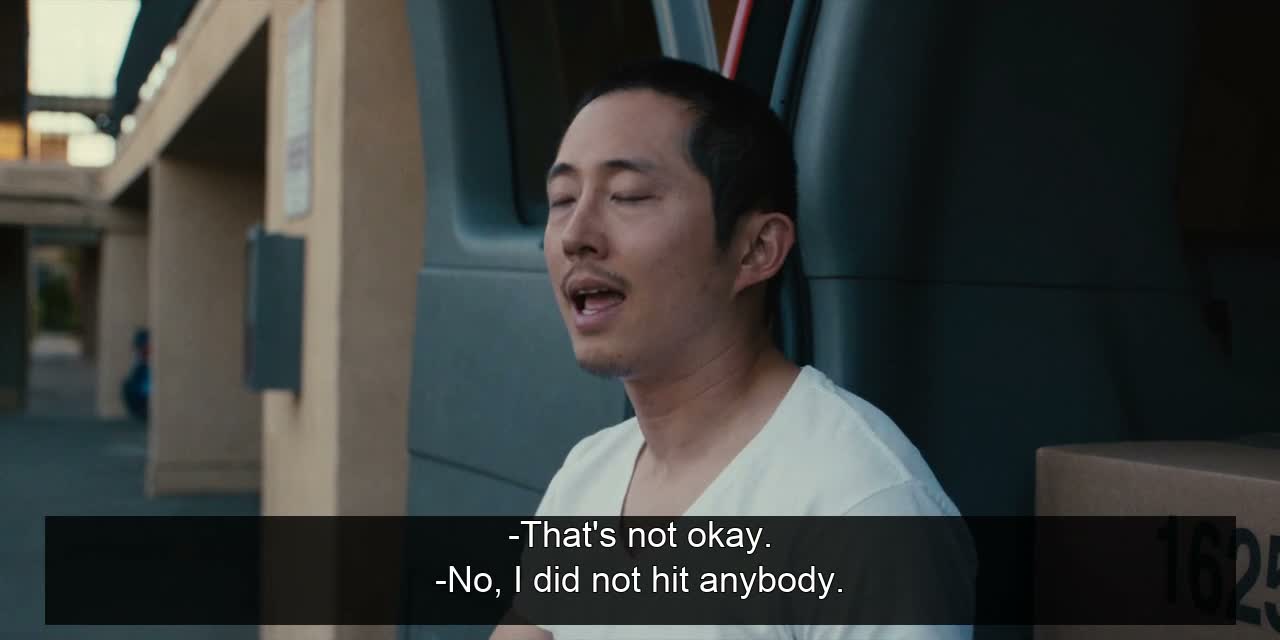
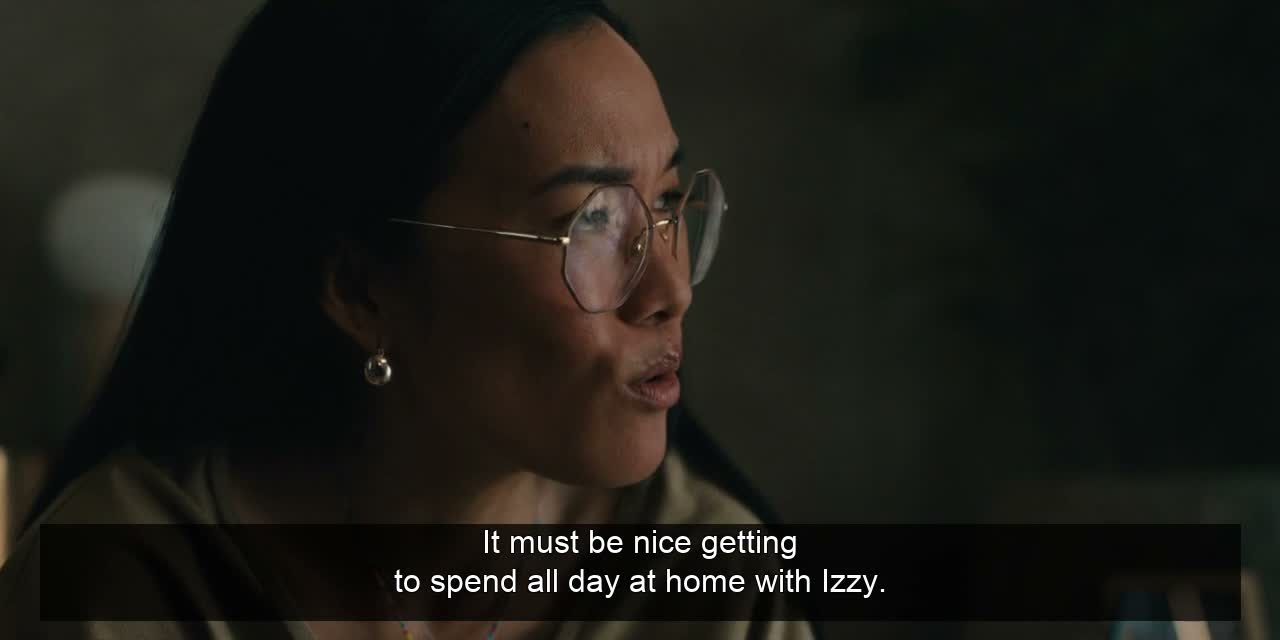
BEEF, ethnicity and class. Danny’s debt and insecure work contrast with Amy’s wealthy home, business negotiations and concern with reputation. Compare resources, work, clothing and speech. Neither character represents every Asian American experience. A supported comparison explains how class differentiates a broad social category.
Audience construction and response. The audience concept includes how industries categorize, target and address people, as well as how people interpret, use and respond to media. The conditional writing question asks for a judgment about that relationship. Support a position with specific examples; the statement is a prompt supplied for this diagnostic, not an attributed Hall quotation.
Narrative reference
Narrative organizes events and information. A linear narrative presents events in chronological order; a non-linear narrative changes that order. What viewers know at a given moment can differ from what a character knows. The opening establishes a point of entry into that relationship.
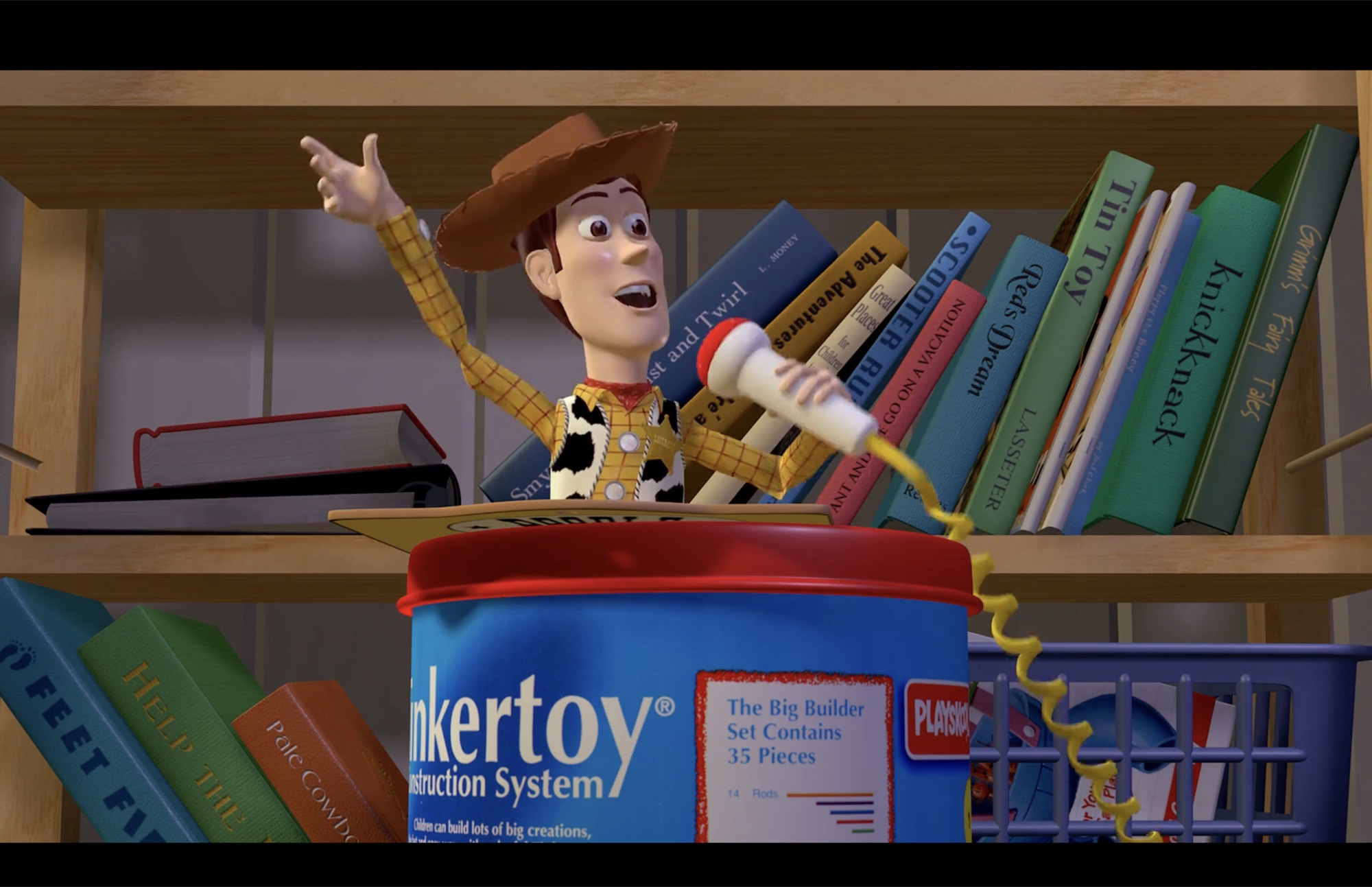
The birthday in Toy Story. In §3.2, printed pp. 67–68, Andy plays with Woody and the toys listen to reports of Andy’s birthday presents. When the baby monitor falls and its batteries come out, the toys know another gift might threaten their group but cannot identify it. When Buzz arrives and Andy spends more time playing with him, the viewer has a reason to see Woody’s position as less secure. The radio delays information. Buzz’s arrival disturbs the existing equilibrium. We still do not know how Woody will respond.

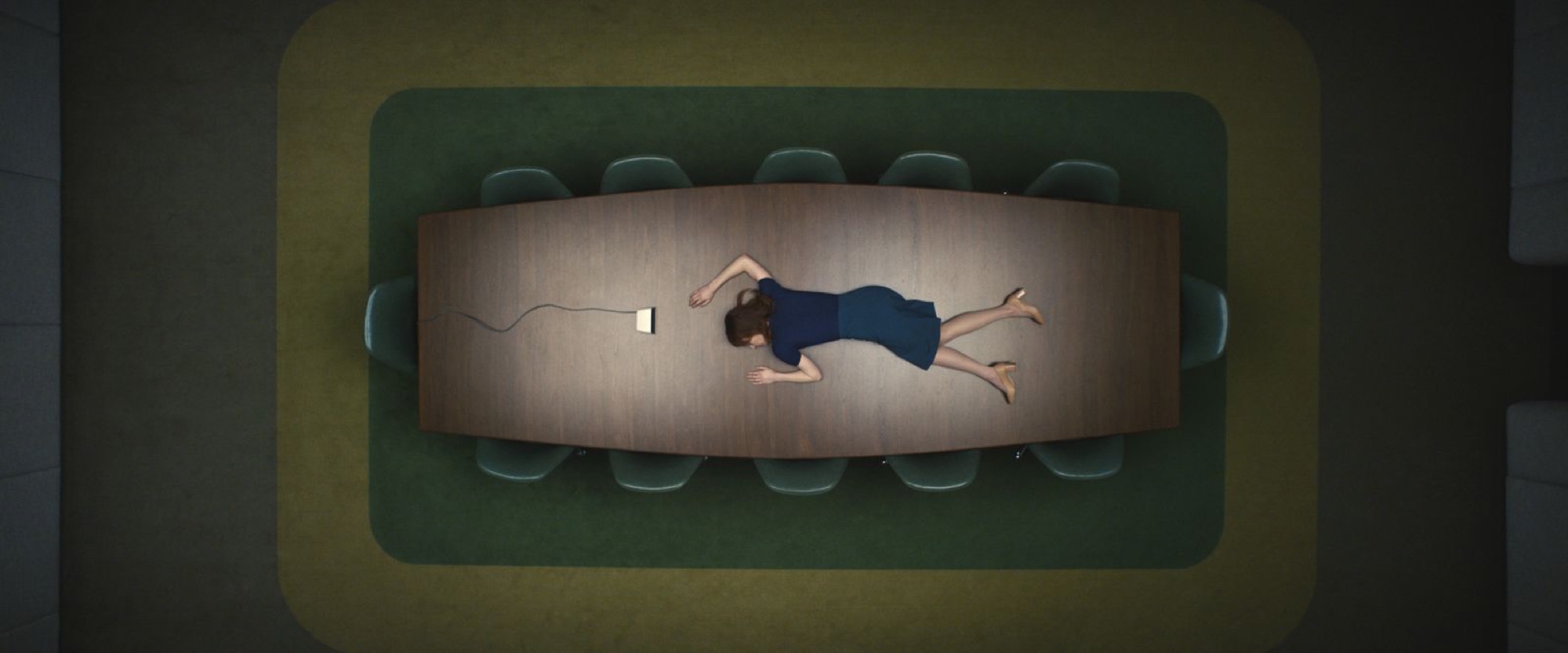
The unseen voice in Severance. Show Helly on the conference table and stop after the unseen voice begins asking questions. The listener can infer that someone controls the interview before identifying the speaker. On a second viewing, students name the first audible or visual clue that changed their reading. Apply the same test to one moment in their own opening. November 2024 Cambridge extract, episode 1, 00:00–04:47.
Models as questions
The coursebook groups Todorov’s model into equilibrium, disequilibrium and new equilibrium. Disruption, recognition and attempted repair can be distinguished within the middle part. A five-stage teaching diagram expands the same sequence. In the narrative workshop, use only the part that explains when a viewer’s understanding changes. In Parasite, the tutoring opportunity disrupts the family’s situation, while the later violence makes a simple restoration-of-order reading difficult. Treat the mapping as an interpretation to test against the film. A two-minute opening need not complete all the stages.



Propp classifies characters by what they do, not who they are. In Parasite, Min-hyuk brings an opportunity and an object, suggesting dispatcher and donor functions. The Kims’ changing roles complicate a simple hero/villain division. The model comes from folk-tale study; apply it with judgment rather than force each person into one role.
Barthes’s enigma code concerns an unanswered question; the action code concerns an action that makes us expect a consequence. The housekeeper’s return and the concealed bunker provide useful questions about withheld information. Explain a specific moment instead of naming a theorist as a substitute for evidence.
The worked Lupin table introduces binary oppositions: contrasts of value or position through which a narrative organizes meaning. The contrast of upper and lower spaces in Parasite can be tested through camera and production design. These models are reference tools. The shorter November 2 workshop used only the concepts needed for a practical decision.


Practice
Worksheet assigned over the weekend; review and discussion start Monday, November 16. Keep the completed responses for that discussion.
Use the existing Representation and Social Meaning presentation and the Ulman/BEEF worksheet.
Finish Ulman. Complete the two worksheet questions about your first inference from the image and what changed after you learned that the profile was a scripted performance. Point to a visible detail and explain the meaning you gave it.
Finish BEEF. Complete the remaining worksheet questions. Use a line or action about money and a costume or setting detail for Danny. Use a line or action about business and a costume or setting detail for Amy. Compare their opportunities and pressures, then explain how the program shows differences within Asian American experience. State what the evidence leaves uncertain.
Confirm your opening direction. Be ready to explain the direction you have chosen for your film opening. The assignment will be confirmed after this check.
If a direction is settled: complete the blog-opening research and find a related case study. Explain how it helps you develop the chosen direction. Reuse relevant research already made.
If a direction is not settled: answer the following question in 2–3 paragraphs:
‘Audiences are created, not discovered.’ To what extent do you agree with this statement in the media area you have studied?
Support your judgment with specific examples and explain the extent of your agreement. The teacher will confirm which assignment applies and its submission arrangements.
Check your progress
Check that the BEEF comparison connects evidence to differences of wealth and class. Distinguish an observation from the meaning you infer. State the current direction for your opening and identify what still needs deciding.
Assessment and homework
The Ulman/BEEF worksheet was assigned over the weekend, with review and discussion on Monday, November 16. It remains formative practice, with no additional graded submission. The assignment is conditional on the direction check: blog-opening research plus a related case study if a direction is settled, or the supplied audience-construction question in 2–3 paragraphs if it is not. The selected task, deadline and assessment treatment will be confirmed after that check. Complete the confirmed branch, not both.
A3 remains the November 27 planning portfolio, with the November 25 pitch and November 18–19 script/storyboard review. See the assessment register.
Source quotation
A narrative resolution does not always have to be a happy ending.
Cambridge International AS & A Level Media Studies coursebook, §3.2, p. 68.
Suggested reading
Assigned reading · printed coursebook pages
Further reading on narrative. Read §3.2, pp. 67–68: linear narrative and the Toy Story example. Find where the audience first sees a disruption. Bring one moment in your own opening that changes what a viewer knows; explain it to a partner while showing the frame or sound. Your two minutes do not need to resolve the whole story.
For Monday, November 16. Read §3.3, pp. 78–79. Compare p. 78’s version of Britain with one of the changing values in Table 3.3 on p. 79. Note a detail and an alternative reading. Bring the note to the gaze lesson.
For further examples, continue §3.2 through p. 75. WS 3.2 and WS 3.3 are optional organizers.