Representation and Social Meaning
Unit plan
C1 production/research and C2 writing continue within the same timetable. The parent Media Language page is a reference.
Read the complete unit plan
Semester 1 Plan · assessment register
At a glance
| Dates | November 9–20 |
| Focus | You examine how selection, narrative information, stereotypes, absence and gaze shape meaning. You apply this to opening research, Section A writing, scripts, storyboards, casting and tests. The introduction moves from Hall’s familiar-object example to two captions and two framings of a photograph of a mill worker. The Monday lesson uses The Bear and two documented campaign choices to introduce Section B targeting. You then apply this approach to eligible film cases. |
C1 production/research and C2 writing continue within the same timetable. The parent Media Language page is a reference.
Unit introduction
Open the November PowerPoint by dated section.
The November PowerPoint, introduction on slides 2–9 starts after the unit cover. You study how words and framing can make one judgment about a person seem more plausible than another. Read Stuart Hall, “The Work of Representation,” §1.1, pp. 2–3. Hall’s exercise begins with an object anyone in the room can recognize. The lesson on The Bear starts at slide 10.
The central question is whose experience does a media text let us share, and what judgment does it invite? Two classroom captions and a crop of Lewis Hine’s 1910 photograph of Addie Card show how language and framing shape a reading of age and work. Compare the full image with the crop before drawing an inference. The evidence chart on slide 8 connects this method to Section A, a choice for your own film opening, and later campaign analysis in Section B. Slide 9 shows where each piece of work fits in November.
Film Opening Proposal. Work on Film Opening Proposal on November 20 or 23 and submit the link by Tuesday, November 24 for Course Skills. Show the actual blog entry to the teacher before focused opening research. Use Tuesday to prepare for Wednesday’s A3 pitch.
Learning progression
C2 analysis moves from an observed detail to a qualified argument written independently. C1 production moves from a checked working direction through focused opening research to a provisional choice. You then record evidence that you can evaluate. With each new film, develop a more precise analysis or work more independently.
| Work | What it builds on | Increased demand and next use |
|---|---|---|
| Ulman/BEEF discussion, November 16 | The worksheet assigned over the weekend and earlier representation analysis. | Revise an inference when context or contrary evidence changes it. Use this distinction between observation and claim in the next analysis. |
| Offred–Serena analysis | Breaking Bad analysis, Mad Men practice, the October 28 A2 timed analysis and subsequent revision. | Locate sound and cuts in their actual order. Distinguish private perspective from public action, and qualify a claim about power. Use the passage and precise evidence to prepare an independent argument. |
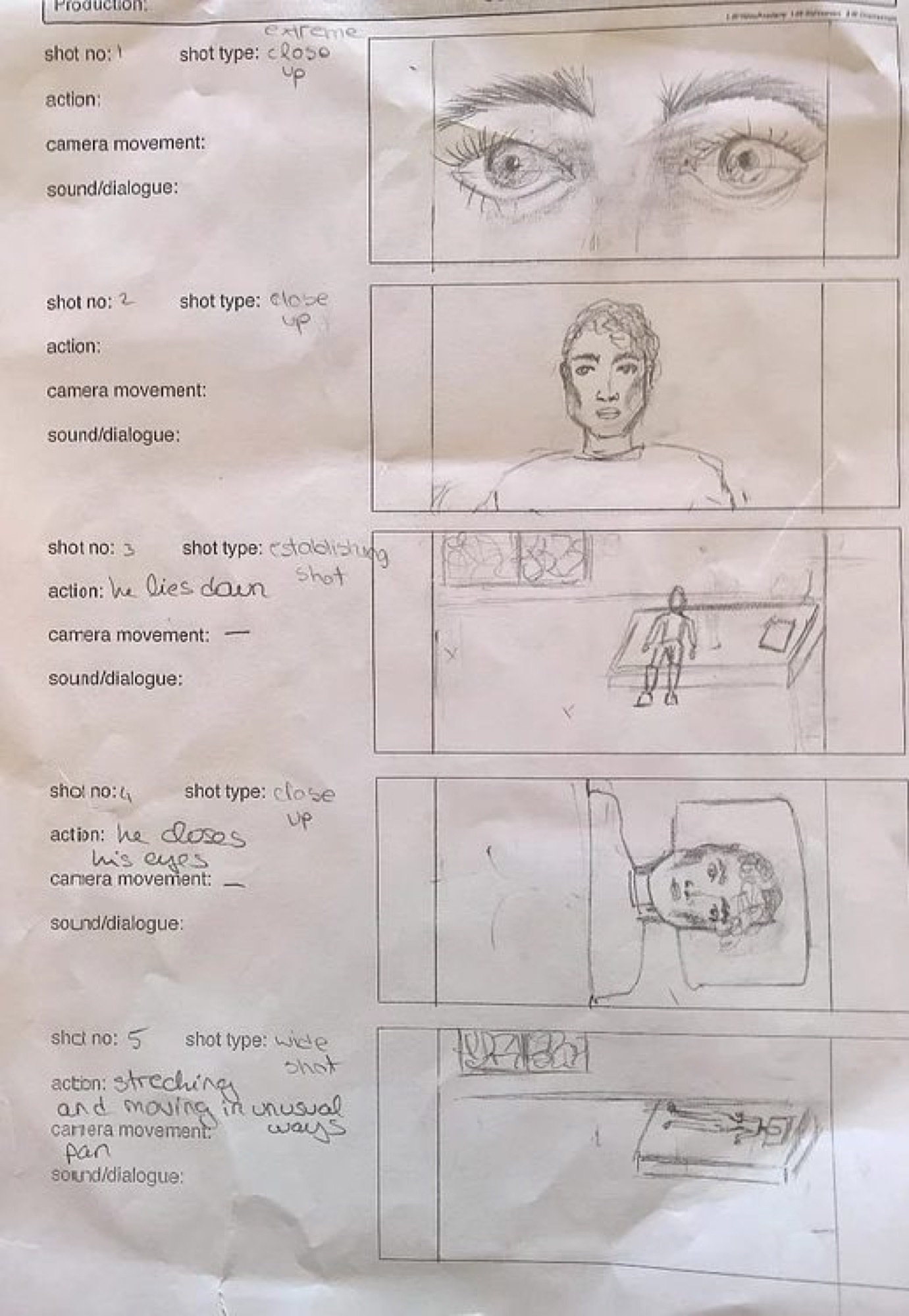
| Script/storyboard after the proposal check and focused research | Your teacher-checked proposal and initial focused research. The complete research record may remain in progress. | Make your choice clear through shots, sound, duration and titles. Use peer review to identify an action for a later supervised test. |
| Initial proposal, November 20 or 23 | Existing opening ideas, alternatives and feedback. | Independently record your choice and reasons, representation, audience information, feasible resources and next research question. The teacher checks your direction before focused research. |
| Later practical test after storyboard preparation | A checked proposal, focused research, storyboard prediction and partner review. | Compare an actual viewer’s words with your intention and justify your next decision. Keep the evidence for planning and the pitch. |
| Targeting, November 26 | Representation analysis and the initial campaign question. | Move from interpreting a scene to comparing documented film-campaign decisions. Distinguish an intended audience, a route to viewers and evidence of response. Develop the case argument for the full Section B practice. |
Begin each stage with your actual work or response.
From representation to a Section B answer
The Bear is a television example for representation and Section A. Its campaign comparison introduces targeting, but a standalone TV program is outside Paper 2 Section B’s listed areas. Use the Rye Lane, Barbie and La Chimera film cases for full Section B answers. A film’s promotional platforms can include other media. See Case Study Method.
“Analyse the ways in which local and national audiences are targeted differently.” (Cambridge International AS & A Level Media Studies, June 2025, 9607/21, Section B, Question 3).
Keep your first thought from November 9. By November 26, use a named organization and precise campaign evidence to explain how the message, image or platform changes for different audiences. Read film language closely for Section A. For Section B, explain why a documented choice of words, image or platform could appeal to an intended audience. A release figure shows availability.
- Explain how a replayable image, sound or cut constructs a view of a person or group. Test a second reading against the same evidence.
- Use a professional fiction opening or title to choose your own first image, sound or reveal. Explain what you intend a viewer to infer.
- Show that choice in a storyboard, record it, and use a viewer’s response to decide what to keep or change.
- Compare how film companies reach local and national audiences. Distinguish the intended audience, a documented route to viewers and a measured response.
During November 9–13, use The Bear to explain representation, improve an opening study, and write and revise a Section A paragraph. Finish the Ulman/BEEF worksheet for discussion on November 16. During November 16–20, practice applying case-study notes to a Section B audience-targeting argument. Record the opening proposal in Friday’s independent lesson. The proposal check and focused research come before later storyboard and filmed-test work.
On November 23, use the Rye Lane and Barbie source cards to compare the local map, national romance trailer and Converse creator campaign. On November 26, write and revise an independent paragraph. Compare Southwark’s map with Xbox’s Barbie offer to Forza players, or use a second Rye Lane campaign source. On December 18, apply the method to a full 45-minute formative answer on the set question.
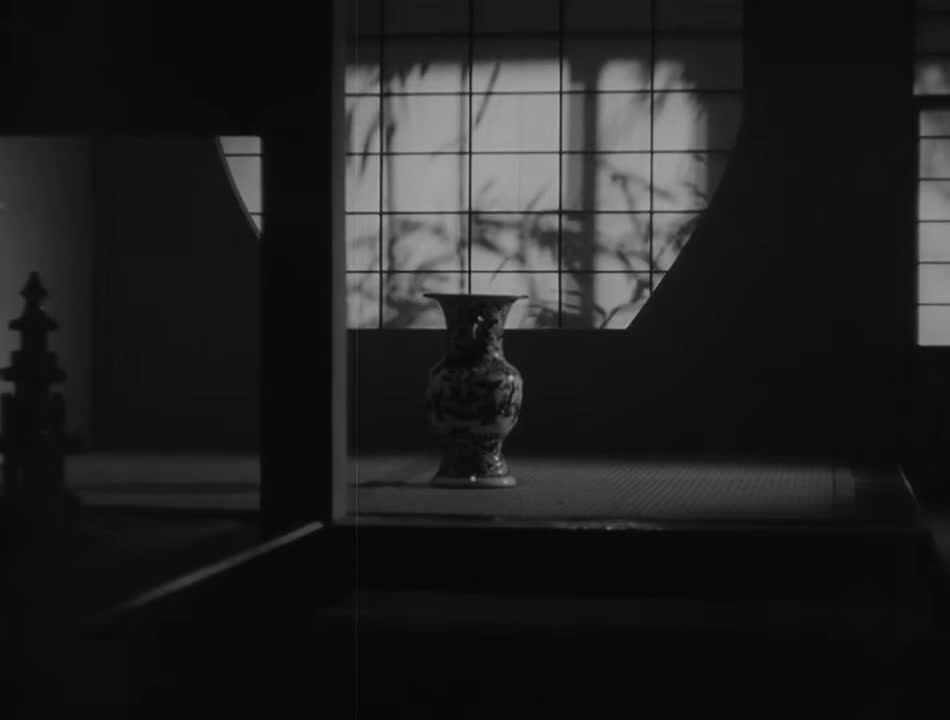
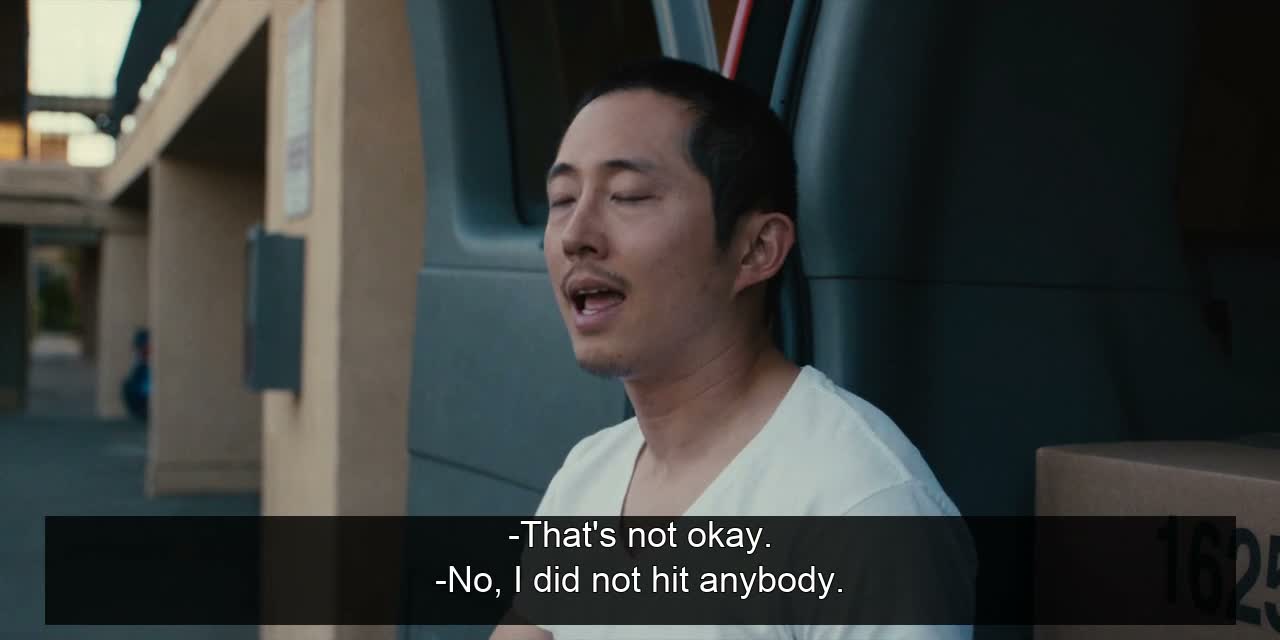
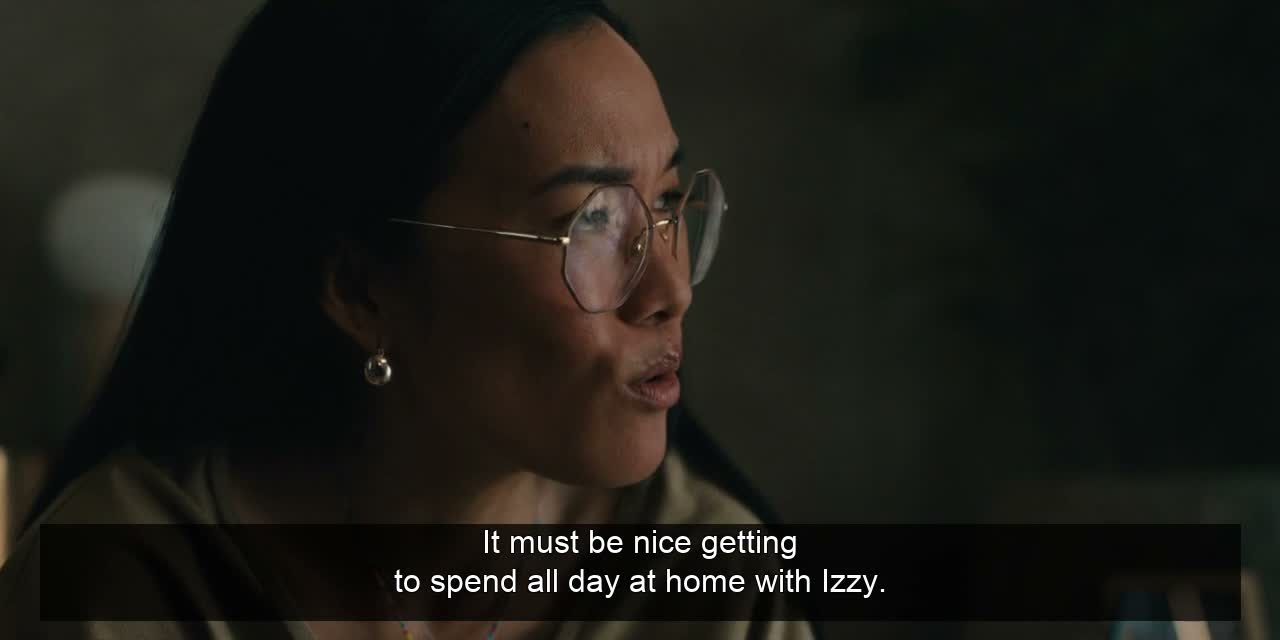
November examples and readings. Read §3.3, pp. 76–77 for selection and social meaning. Richie’s age and the manual work he does invite two readings of his status. Compare listening and object shots in Ferris Bueller, Persona and Late Spring. Ulman’s scripted profile develops self-representation. BEEF differentiates Asian American experience through wealth and class. The opening-study and titles workshop supports research into your working direction.
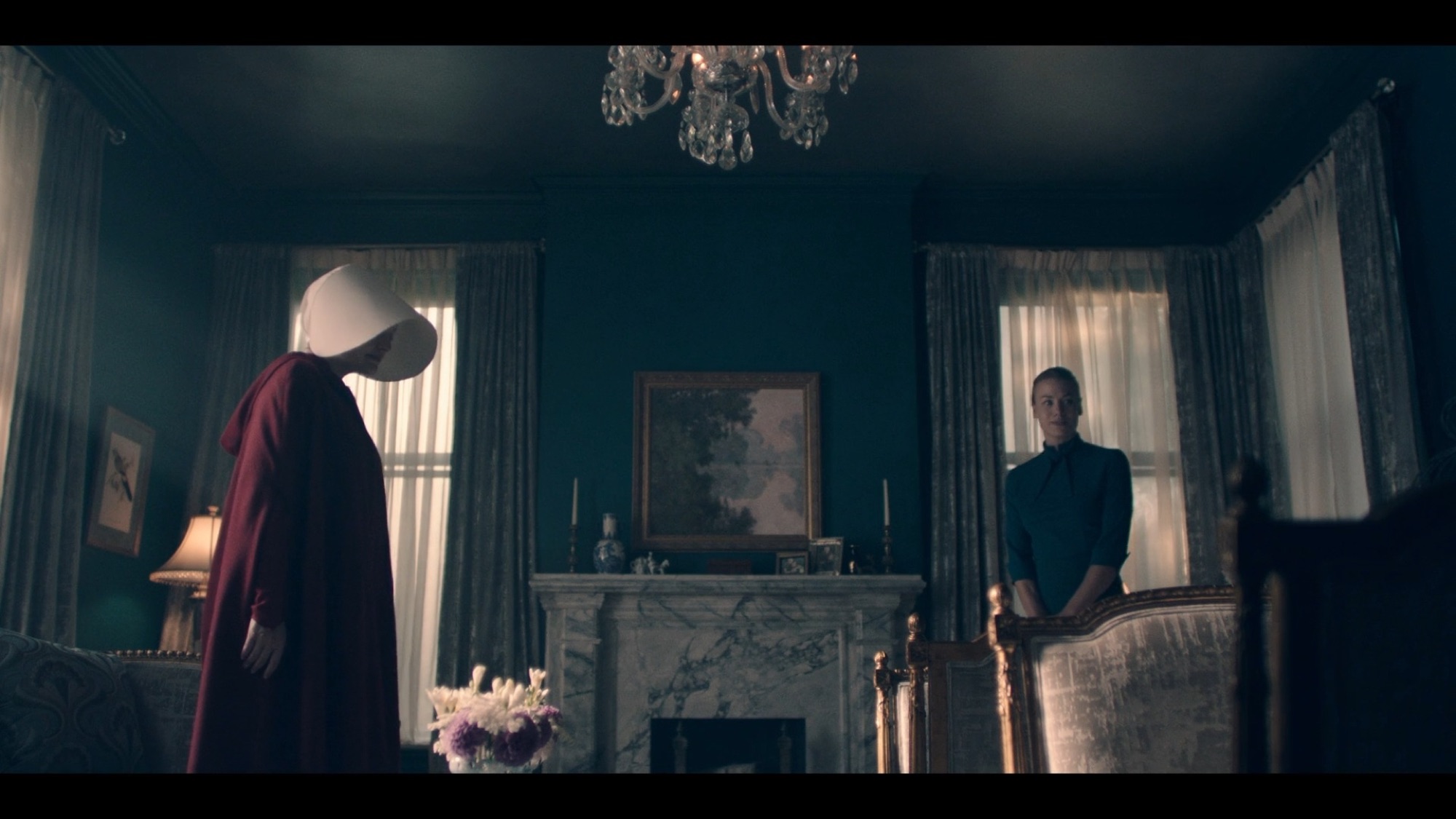
Pages 78–79 ask whose values become familiar. On November 18, follow the use of Offred’s costume from the series into Hulu’s festival promotion. Before the storyboard, study genre/narrative material on conventions, purposeful variation, conflict and viewer knowledge. In Activity 3.17, pp. 80–81, test how a reaction shot shapes a judgment about Olive’s body in Little Miss Sunshine. Use Joy’s attempt to introduce Becky in Everything Everywhere All at Once to decide whose reaction to film. The detailed hooks/Peola and Nope comparison is optional reference. The investigation of Dom and Yas begins November 23. Jeff’s cast and viewpoint support a short representation application on November 25.
Dated lessons and project sessions
| Date | Unit | Lesson and work |
|---|---|---|
| Mon 9 Nov | U4 | Work, Status and Respect. Study Hall’s familiar object and a caption-and-framing comparison on slides 2–9. Begin The Bear at slide 10. Use the Chicago arcade and Hulu chef spots to introduce targeting through June 2025/21 Q3. Apply this to eligible film cases in Unit 5. View both Forks scenes together, read pp. 76–77, replay Garrett and revisit your answer. Two Possible Beginnings is separately due at 12:35. |
| Wed 11 Nov | U4 | Faces, Objects and Social Difference. Continue Hall and The Bear, then compare cutaways in Ferris Bueller, Persona and Ozu. Study Ulman’s social media persona and Asian American representation through wealth and class in BEEF. Use pp. 148–149 and take part in the opening-research and titles workshop. P6 12:35–13:20 and P7 13:30–14:15. |
| Thu 12 Nov | U4 | Work, Status and Respect. Read pp. 90–91 and replay Richie and Garrett. The writing cycle is 5 minutes of focus, 25 for independent Section A writing, 8 for feedback and 7 for revision. |
| Fri 13 Nov | U4 | Identity, Class and Audiences. Study Ulman through the existing worksheet, then work on the BEEF wealth/class questions. Complete the Ulman/BEEF worksheet over the weekend for discussion on November 16. |
| Mon 16 Nov | U4 | Gender, Voice and Power. Discuss the Ulman/BEEF worksheet. |
| Wed 18 Nov | U4 | Gender, Voice and Power. Use Offred’s recognizable costume and Hulu’s SXSW campaign to collect Section B case-study notes and write one audience-targeting paragraph. |
| Thu 19 Nov | U4 | Gender, Voice and Power. Use Hulu’s SXSW street photograph and promotional card to take Section B case-study notes. Write and revise one paragraph about audience targeting. |
| Fri 20 Nov | U4 | November 20 and 23 classwork. Complete the Section B worksheet and the Film Opening Proposal in either order by Tuesday, November 24. |
Progress and assessment
A2 is timed analysis on October 28. The Opening Research Checkpoint is Course Skills, without an attainment code. It covers three openings with three selected frames each, nine total, plus titles and applied choices. A3 planning/pitch is November 27. A4 authentic Section A is December 16.
The weekly register identifies the graded C1 or C2 output. Other direction/design work, relevant practical tests, paragraphs and rolling critiques receive feedback without separate grades. Guided Section A is December 9. Timed Section B is January 6. Thursday’s writing cycle is 5 minutes of focus, 25 of writing, 8 of feedback and 7 of revision. The post-proposal direction check and A3 feedback on November 30 support your next production decisions.
Independent work and next use
Keep the Ulman/BEEF worksheet, assigned over the weekend and discussed on Monday, separate from opening research.
Use the weekly assignment route. Each normal teaching week has one Course Skills assignment or an attainment. Use existing classwork where the brief allows it. Every task produces material for your C1 portfolio or practices a C2 response. Other class exercises receive feedback without another submission.
November 2 reviews provisional direction/design. December 23 is shoot approval, with a January 8 repair opportunity. Principal photography is January 24–February 21. Earlier approved late-December filming may suit school-dependent resources. See the spring plan for post-production.
Lessons
Unit gallery










Assignments
- Two Possible Beginnings · 9 Nov · 12:35