Term Examination and Review
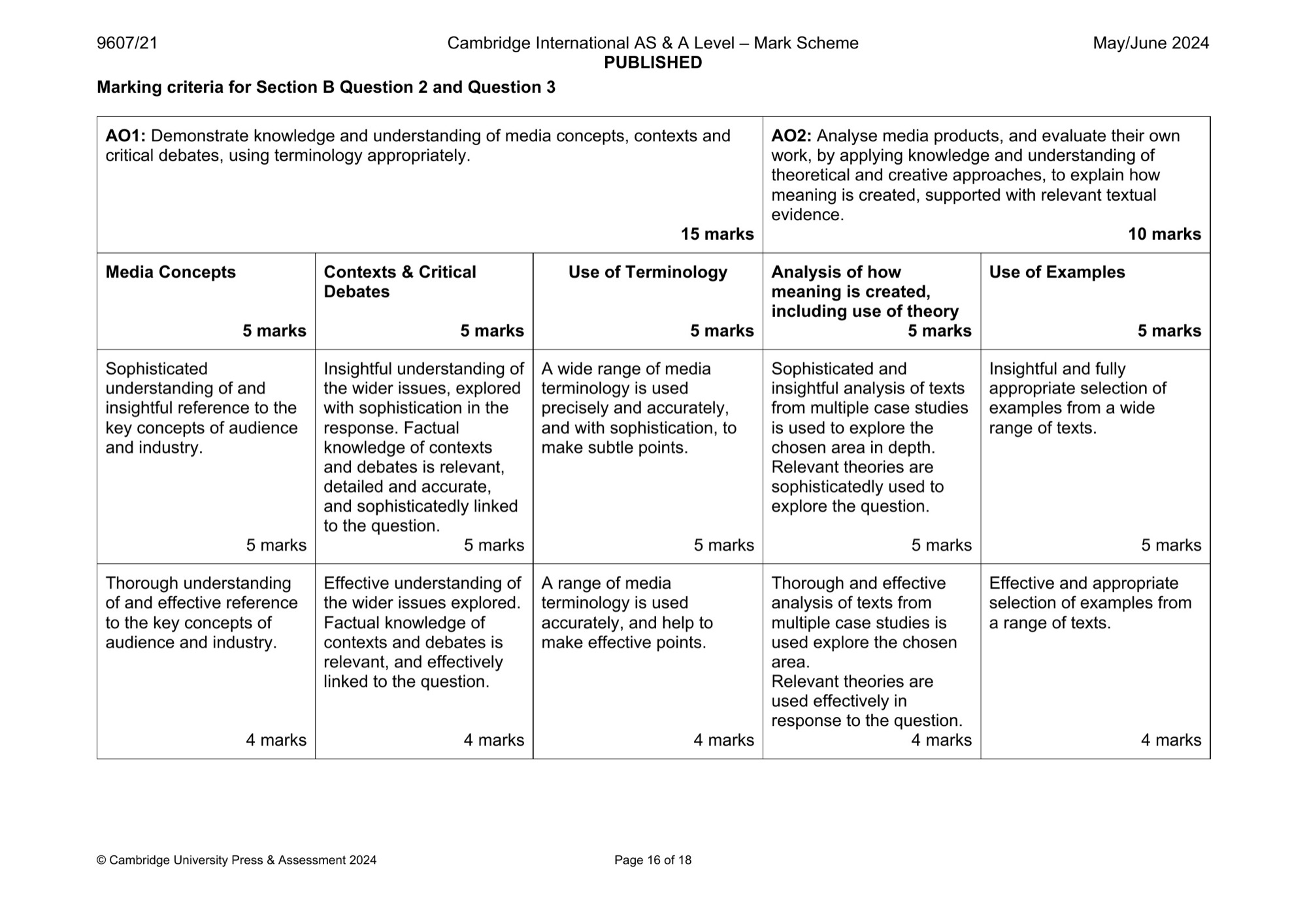
Worksheets Revision sentences and official marking grids (PDF)
Media Studies · Exam return and independent production
Lesson slides: Download the deck (PowerPoint, 2.0 MB) · image credits
At a glance
| Dates | Exam window Mon 11 Jan–18, sitting set by the exams office; Wed 20 Jan P6+P7 return |
| Time | Exam: two hours in an arranged venue. Return: two 45-minute periods. |
| Work | Full-paper response, an evidence-based target sheet and a usable winter filming pack. |
| Next phase | Principal filming January 24–February 21; footage audit in the February 22–26 return phase. |
Objectives
- Apply the full-paper timing and viewing procedure independently.
- Identify an analytical gap from the marked script and choose an appropriate next action.
- Explain the approved shoot plan, backup arrangements and evidence to retain.
- Leave with independent tasks that can be completed without weekly teacher contact.
Learn
Use the returned script to identify a specific gap. A useful target names the evidence and an action: an inaccurate sound term to practice, an unexplained case fact to connect to a claim, or a missing comparison to prepare. Separate Section A technical analysis from Section B industry/audience argument.
The winter break is the main filming window. Follow the approved shot, sound and call-sheet plans. Check coverage before leaving a location: can you edit the action, hear the needed sound and connect the shots? Retain useful alternate takes and room tone. Copy the footage to two places before the next shoot day. Record the date, what changed, why it changed and one consequence. Selected stills and concise notes are enough to support later reflection.
The aim is to return with principal footage ready for editing. The first two spring weekends allow limited pickups or failed shots. Identify missing material immediately at the footage audit so the spring can focus on post-production, the individual CCR and written exam practice.
Practice
Criterion feedback and official marking grids
At the January 20 return, use the feedback page with the returned question and its appropriate official grid. Identify the actual passage and criterion behind the target. WS 4.6 provides limited comments, not a /15-to-/25 conversion; WS 7.4 is a checklist tied to the actual question.
Read the script and target sheet together. Choose one gap for the first spring review. Open the production plan and explain the next shoot day to a partner: location, people, shots, sound, equipment and contingency. The partner asks about one dependency that could fail. Revise the arrangement if necessary.
Independent filming pack
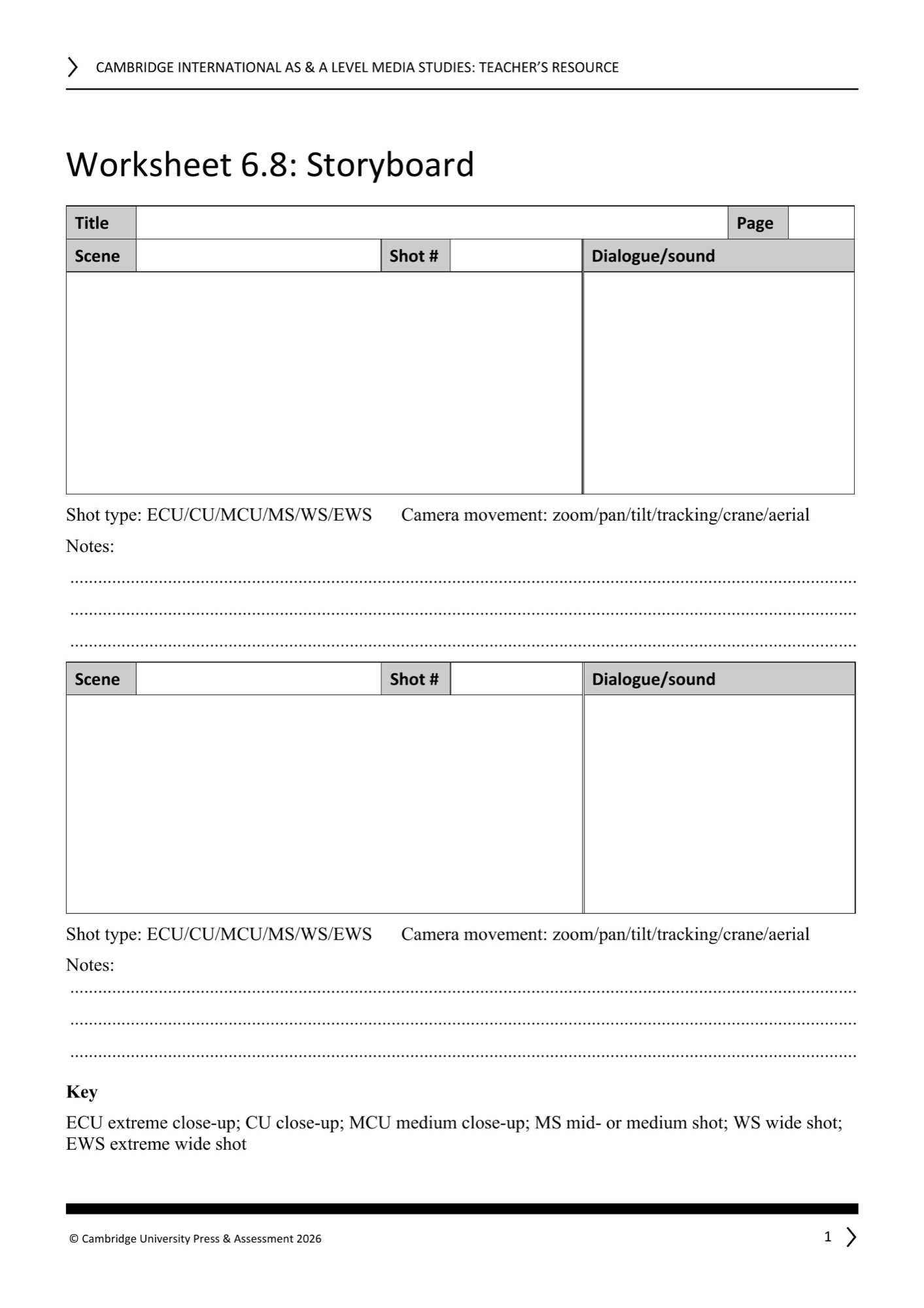
The actual filming days are agreed individually. These four small weekly check-ins sit inside the main filming work and the overall 9–12-hour starting budget; they are not four extra projects. The C2 work uses the existing case file and supplied material.
| Break week | C1 production/evidence action | C2 task, about 10–15 minutes |
|---|---|---|
| January 24–30 | Confirm the next shoot arrangements; film the scheduled action and check coverage. | Retrieve four technical terms, then connect one to a precise moment in an available practice extract. |
| January 31–February 6 | Check image/sound files and two backups; record a decision that changed the plan. | Use one dated case fact to explain a production or distribution decision. |
| February 7–13 | Check a short assembly or shot sequence for missing coverage and complete the agreed filming. | Make a short Section B plan using two existing pieces of evidence. |
| February 14–21 | Finish principal footage, label folders and note any limited pickup need for the return audit. | Correct one claim or paragraph using January exam feedback. |
Release the whole pack before the break. Use the existing blog/production diary and writing file, with the first spring check-in as the review point. Filming takes longer than the ordinary weekly homework; agree its scale honestly. Do not accumulate separate polished posts for every small action.
Check your progress
Can you locate the footage and its backup? Can another reader understand the next shoot arrangement? Does the target sheet name an action supported by your returned exam? Bring those materials to the first spring review.
Source quotation
How did your production skills develop throughout this project?
Cambridge International AS & A Level Media Studies coursebook, §6.7, “Reflecting on your AS Level production work”.
Suggested reading
Revisit the Shoot Guide and the Exam Answer Guide sections relevant to your own target. The spring workshops carry the next phase.