Lesson 11: Layering, Text and Image
Pre A Level Art & Design · Unit 3 · U3·L2 · ← L10 | L12 →
At a glance
| Session | W12, one Wednesday double (~90 min) |
| Dates | Wed 2026-11-18 |
| Focus | Layering (order, edges, transparency) and text as image — the unit’s making session |
| Deliverable | A layering study and a text-and-image study added to the experiment set |
| Feeds | CS3 collects the experiment set next week (W13, 11-25) |
| Homework | One more experiment at home in any technique; keep harvesting material; MB posting |
Goal
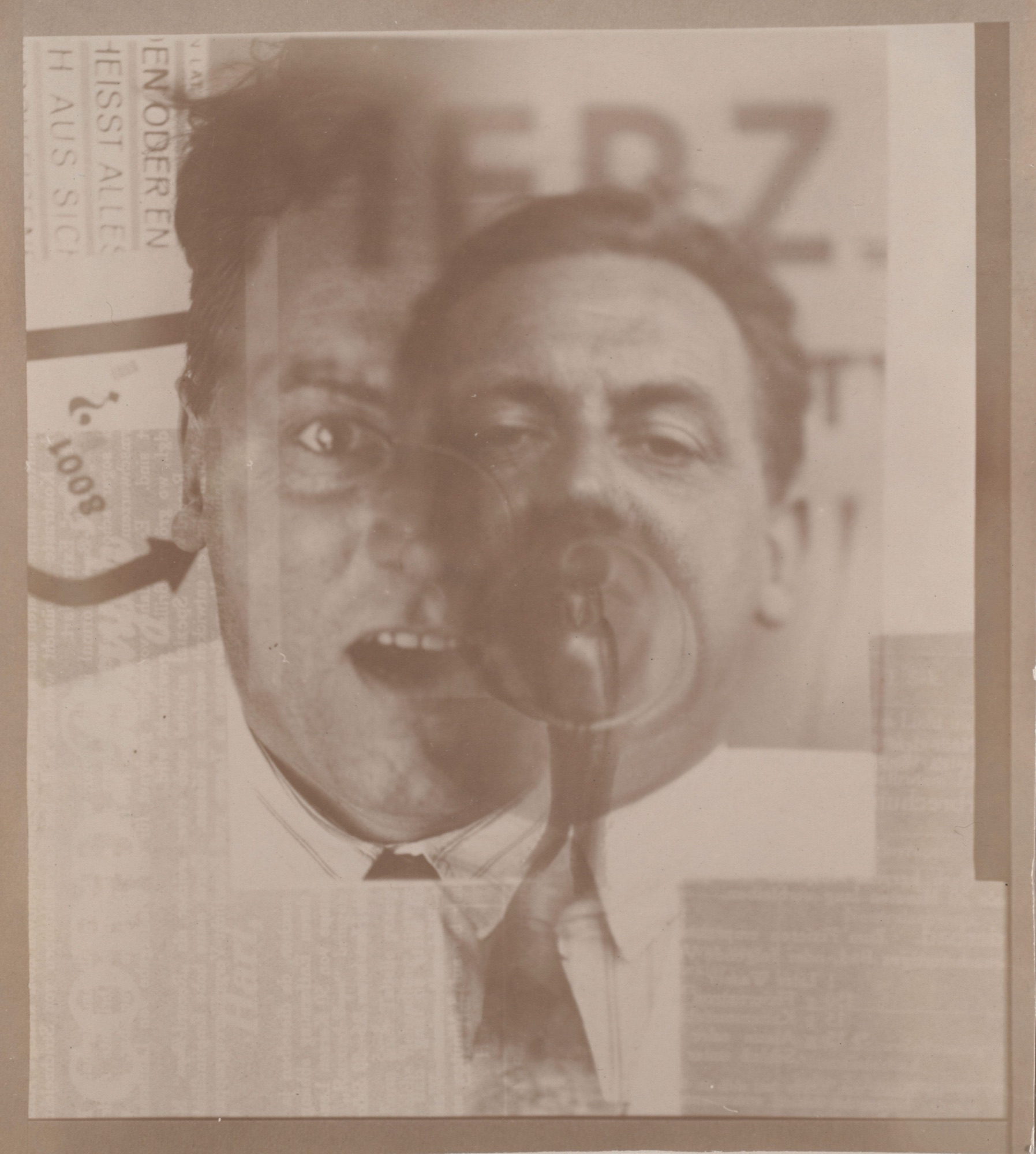
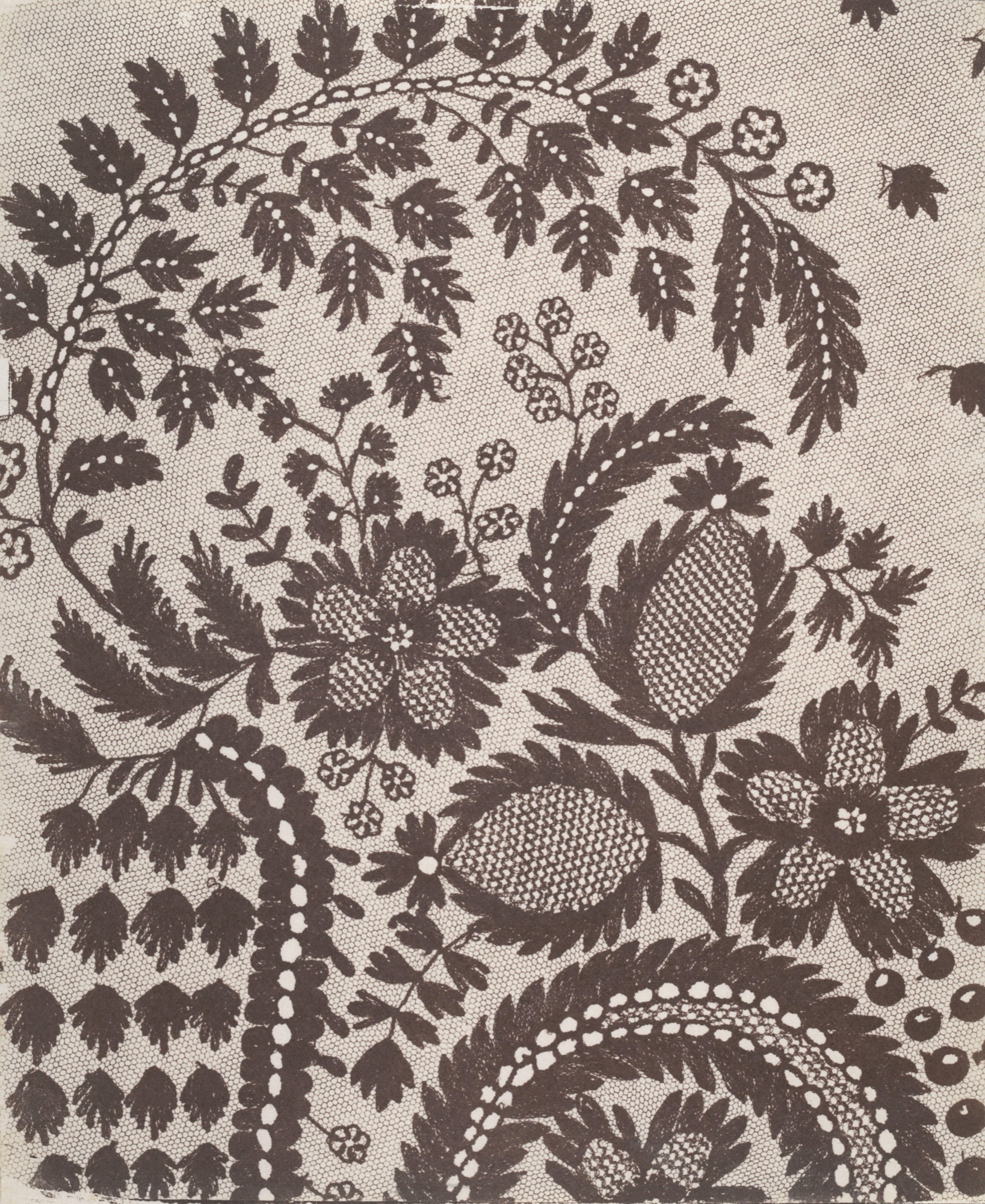
Two craft skills that separate a collage from a scrapbook page. Layering: what is in front is what wins — order, overlap, and edges (torn vs cut) are all decisions. Text as image: a word in a collage is not a caption, it is a shape with a voice — cut letters, headlines, and instructions carry tone before they carry information. Every exemplar today uses both at once.
How it runs
- Warm-up (5 min) — last week’s studies on tables; thirty-second recall: what was your third thing?
- Teach: layering (15 min) — three decisions demonstrated live with the class watching the dry-fit build up: order (background first, the “speaker” last), edges (torn edge = soft/organic, knife edge = hard/mechanical — tear one, cut one, compare), transparency (tissue, tracing paper, thin magazine stock let layers talk). Exemplars: Barbara Kruger (text barking over found photographs) and John Stezaker (two images spliced so cleanly they become one wrong thing).
- Blade safety + materials (10 min) — craft knives enter here: cut away from the hand, blade shallow, cutting mat always, cap when walking, one knife per table returned to the tin. Materials tour: adhesives (glue stick for paper, PVA thin-spread for card), surfaces (cartridge vs card), the tissue/tracing drawer.
- Studio: two studies (40 min) — added to the experiment set: (1) a layering study — minimum three layers, at least one torn edge and one knife edge, one semi-transparent layer; (2) a text-and-image study — one found image + cut-out text that changes what the image means (not describes it). Dry-fit, photograph the dry-fit, then glue.
- Close (10 min) — pairs swap text studies and read them aloud in the voice the text suggests — if the reading voice is obvious, the tone worked. Reminder: CS3 collects the whole experiment set next Wednesday; the digital-remix option is introduced in one line (see below).
The digital option
You may remix an analog study digitally as an extra experiment — layers, masking, drawn interventions — using Photoshop, Affinity, or any editor. Whether the final A3 can be digital will be confirmed in class.
Assessment
Nothing graded today; the two studies (plus L10’s two and the home experiment) complete the experiment set for CS3 (Wed 2026-11-25). Register: PAL S1 Assessments.