Lesson 03: Sign Types and Codes
Media Studies · Unit 2 · Lesson 03 of 16 · ← L02 | L04 →
At a glance
| Days | 4 — Mon+Tue two-day block, Wed double, Fri single |
| Dates | Mon 2026-09-14 · Tue 09-15 · Wed 09-16 · Fri 09-18 |
| Band/Unit | U2 Media Language (S1 Unit 2) |
| AO focus | AO1 |
| Deliverable | CS3 vocabulary quiz, 20 items, 20 min |
| Feeds | A1 |
| Homework | Lexicon revision toward CS3; no new tasks |
Goal
This lesson consolidates two weeks of terminology into vocabulary you can use under pressure. Peirce’s triad gives you a second way to sort signs — how a sign means, not just what — and the four code families give you an analytical checklist you will run on every extract for two years. Wednesday’s cold read tests this: reading a text you have never seen before using vocabulary alone. Friday’s quiz records the vocabulary.
How it runs
D1 — Mon 09-14: Peirce’s triad
- Starter (5 min) — three images: a portrait, a footprint, a national flag. All three mean something. Do they mean the same way?
- Input (15 min) — Peirce: icon (means by resembling — the portrait), index (means by physical trace — the footprint, smoke, a photograph itself), symbol (means by convention alone — the flag, a word, a sacred deer). A photograph is the interesting case: an index that looks like an icon.
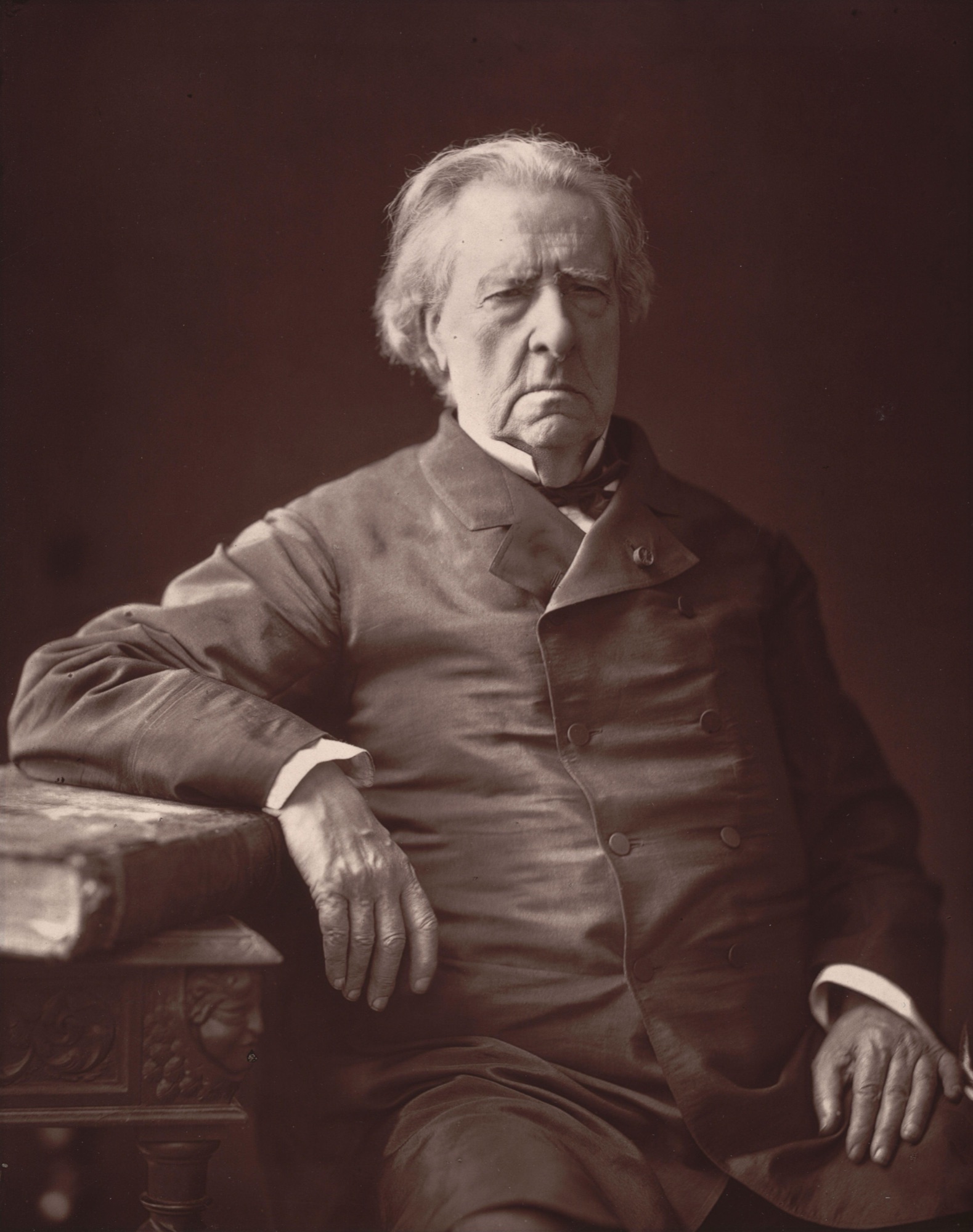
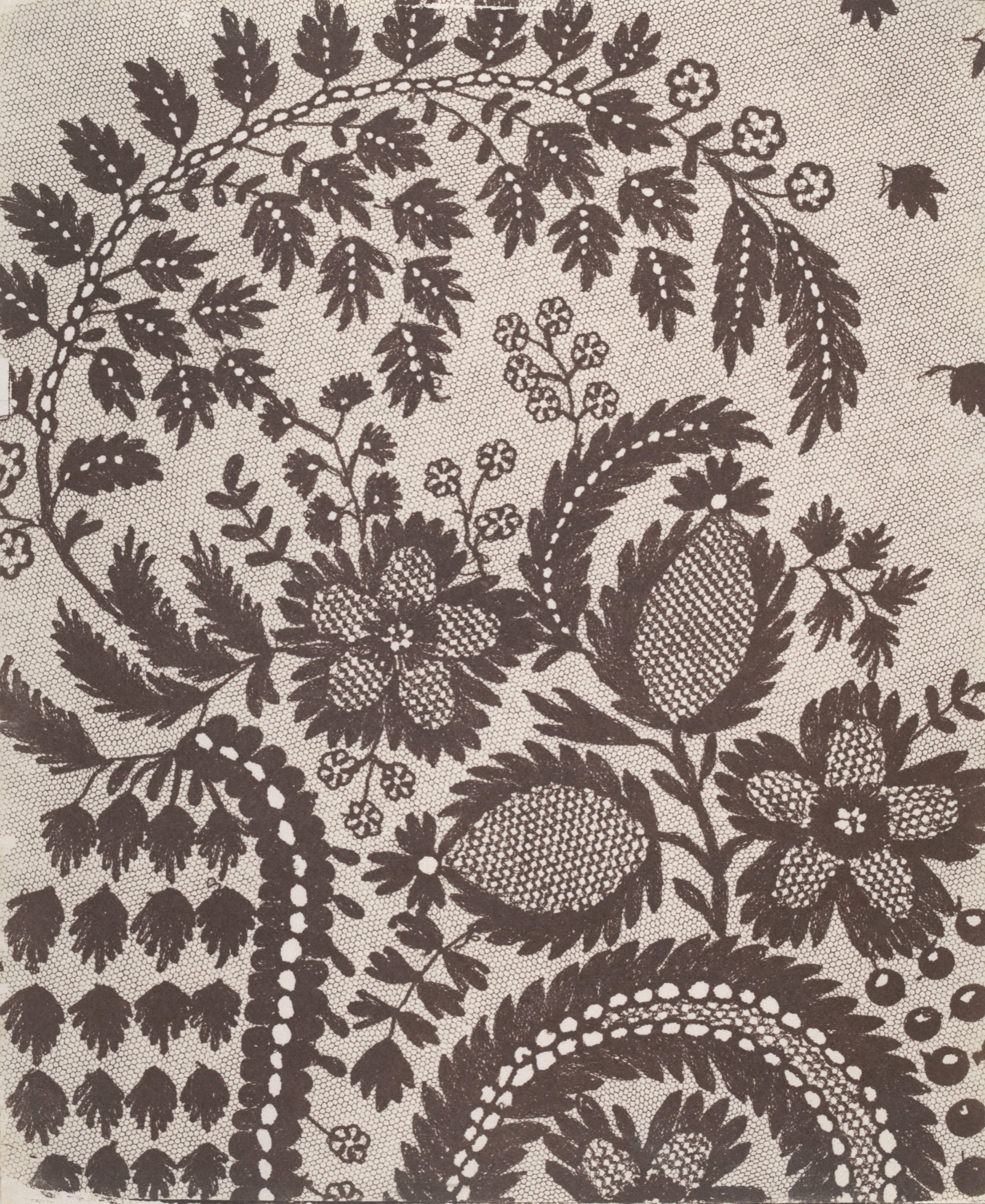
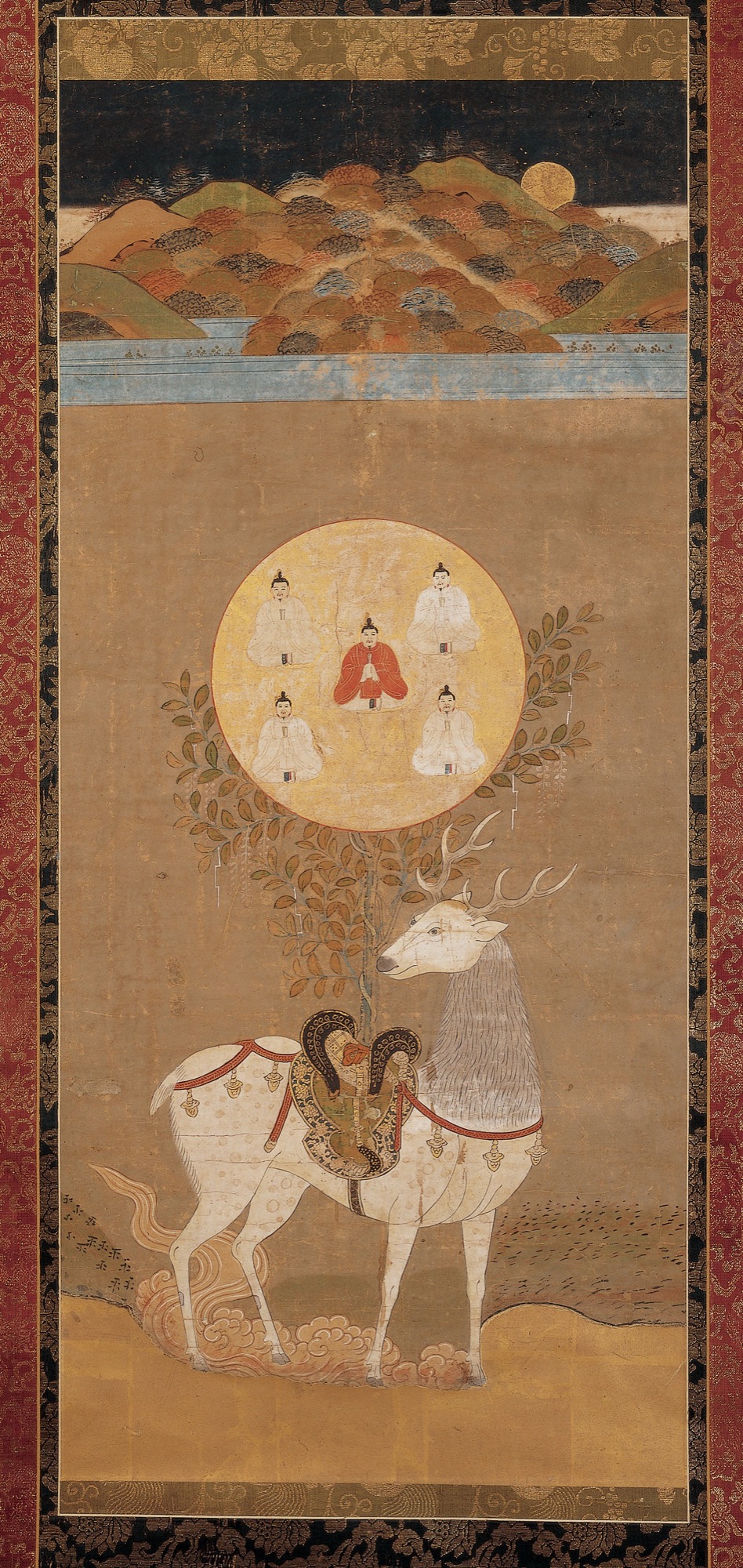
- Sorting gallery (20 min) — twelve signs sorted by how they mean, in pairs, disagreements defended: emoji, X-ray, wedding ring, siren, brand logo, thumbprint, crucifix, weather vane. Most signs are blends.
- Close (5 min) — theory card: Peirce, next to Saussure.
D2 — Tue 09-15: the four code families
- Retrieval (5 min) — icon / index / symbol, one example each, no notes.
- Input (10 min) — the two-year checklist: technical codes (camera, light, edit), symbolic codes (objects, color, gesture, dress), written codes (any text in frame), audio codes (sound, music, silence). Every extract for the next two years gets run through all four.
- Mapping (25 min) — two contrasting stills, all four families mapped on each in table form; then you build your personal code checklist — the pocket version you will carry into A1 and, eventually, Paper 2.
- Close (5 min) — WS 2.2/2.3 begins: five sound terms tonight, five editing terms Thursday — toward CS3.
D3 — Wed 09-16 (double): the cold read
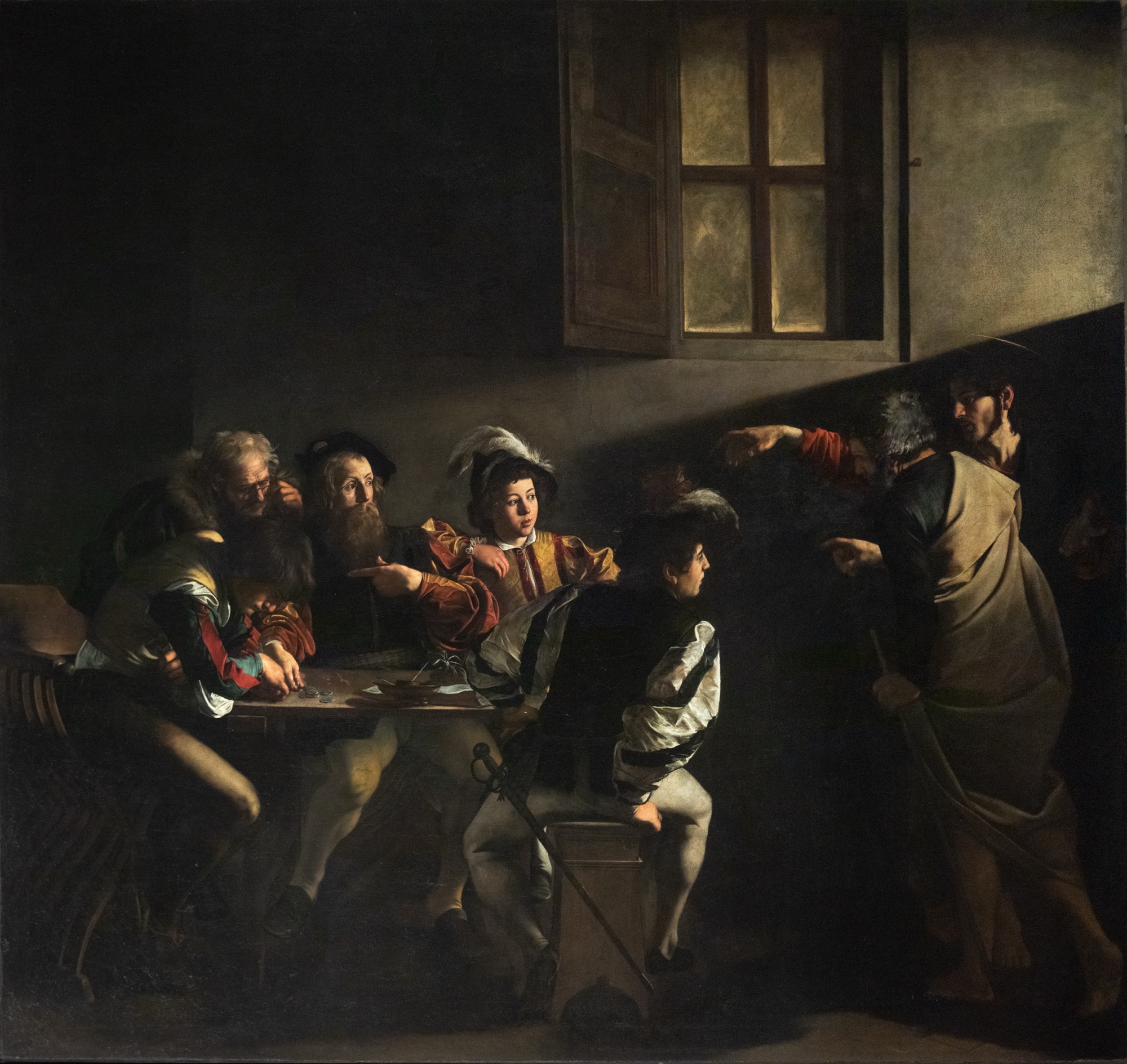
- Model (20 min) — the protocol modeled once, slowly, on one dense image: three minutes of silent noticing, then the four families out loud — where is the light coming from and what does it do; who gestures at whom; what does each garment claim; what text is present or deliberately absent; what would this room sound like. The model still is an old master painting: no dialogue, no famous faces, nothing but codes.
- Cold reads (40 min) — three unseen TV-drama stills, one at a time: three minutes silent noticing, then a code-labeled write-up per still. No conferring until all three are done.
- Review (25 min) — readings compared. Precision beats quantity — one exact technical observation with its effect outranks five vague ones.
- Exit (5 min) — which code family do you reach for first, and which do you forget? Written, kept for A1 prep.
D4 — Fri 09-18: CS3
- CS3 (20 min) — twenty items, twenty minutes: define-the-term and label-the-example.
- Self-mark (15 min) — immediate, against definitions on screen; missed terms corrected into the lexicon on the spot.
- Exit (5 min) — one term taught back to a partner, partner confirms or corrects.
Assessment
| Item | Date | What | AO |
|---|---|---|---|
| CS3 | Fri 2026-09-18 | Vocabulary quiz, 20 items in 20 min; target ≥15/20 or missed terms logged with corrections | AO1 |
See the full register.