Lesson 04: Genre and Camera
Media Studies · Unit 2 · Lesson 04 of 16 · ← L03 | L05 →
At a glance
| Days | 3 — Mon single, Tue single, Wed double (no Friday class: Mid-Autumn Festival) |
| Dates | Mon 2026-09-21 · Tue 09-22 · Wed 09-23 |
| Band/Unit | U2 Media Language (S1 Unit 2) |
| AO focus | AO2 |
| Deliverable | CS4 genre and camera analytical paragraph — direct practice for A1 |
| Feeds | A1 |
| Homework | None set (holiday week) |
Goal
You cover genre theory and camera vocabulary in the same lesson because A1 asks for both in the same paragraph. Altman and Neale treat genre not as a box of tropes but as an agreement between industry and audience — the version that earns marks. You learn camera work as verbs before adjectives: what the camera does, then what it does to you. In the Wednesday double you prove the whole lesson in one CS4 paragraph.
How it runs
D1 — Mon 09-21: genre is a contract
- Starter (5 min) — two paintings of skulls and candles, three centuries apart, side by side. Different painters, different pictures — and you know instantly they belong together. That recognition is genre working.
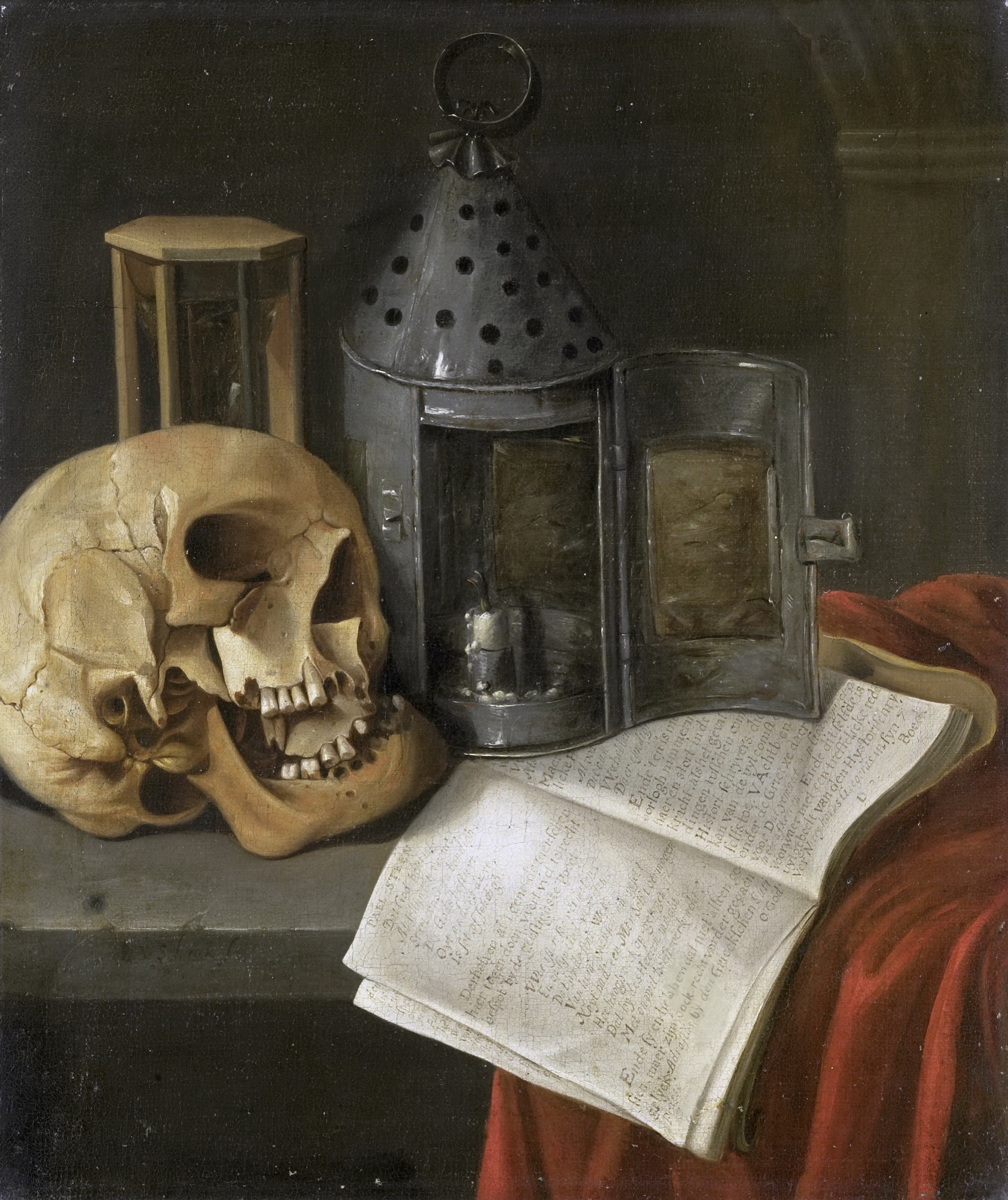
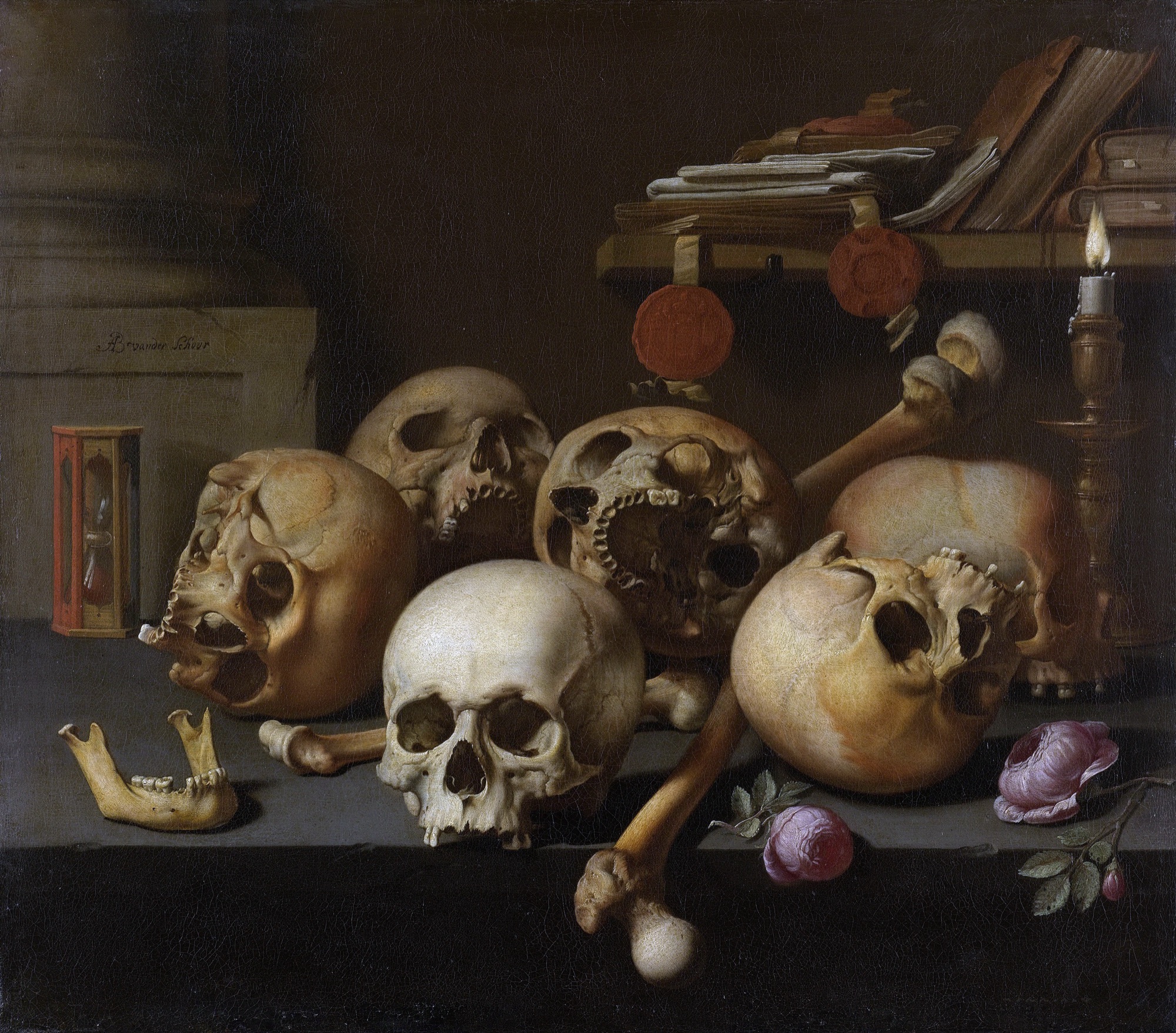
- Input (15 min) — the exam-usable core: Neale — repetition and difference (“difference in repetition”); Altman — genre as the deal: the industry gets a pre-sold, budgetable product; the audience gets a promise of pleasure with room for surprise. Further reading from the coursebook: Lacey’s repertoire of elements, Buckingham (genres negotiate and change), Fiske (structure and convenience).
- Mapping (20 min) — map one genre you actually know (C-drama, xianxia, horror, idol variety, documentary) onto the contract: what repeats / what varies / who profits from the repetition / what the audience is promised.
- Exit (5 min) — one sentence: why does the industry need genre more than we do?
D2 — Tue 09-22: the camera as verbs
- Retrieval (5 min) — restate the contract in one sentence, cold.
- Input (10 min) — the shot ladder (ECU → CU → MS → LS → ELS), angles (high, low, eye, canted), movement (pan, tilt, track, dolly, zoom, handheld) — each named as a verb: the camera looks up at, creeps toward, refuses to follow.
- Rapid naming (15 min) — a shot montage, paired call-outs at speed: name the move. Second pass, harder: name the move, then name what it does to you — “low angle: he towers; I am small.”
- Exit ticket (10 min) — three shots, three effects, written. The remaining WS 2.2/2.3 terms close tonight — everything is now in your lexicon for A1.
D3 — Wed 09-23 (double): CS4, the dress rehearsal
- Set-up (10 min) — the A1 criteria on the board in the official rubric’s words (concepts · terminology · analysis of how meaning is created · examples). CS4 is A1 with the stakes off.
- The unlabeled menu (20 min) — six 30–60-second clips with titles and credits stripped. For each: attribute the genre from codes alone, and note two pieces of evidence.
- The paragraph (35 min) — choose one clip and write one analytical paragraph in exam register: genre claim → technical evidence (camera verbs) → symbolic evidence → what the audience is being promised. Sentence frames are available; terminology is required.
- Peer check (20 min) — swap paragraphs and check against the A1 criteria, one warm and one hard comment each; then hand in as CS4.
- Close (5 min) — Mid-Autumn break: nothing set, keep your glossaries with you.
Assessment
| Item | Date | What | AO |
|---|---|---|---|
| CS4 | Wed 2026-09-23 | Genre and camera analytical paragraph from an unlabeled clip; direct practice for A1 | AO2 |
See the full register.