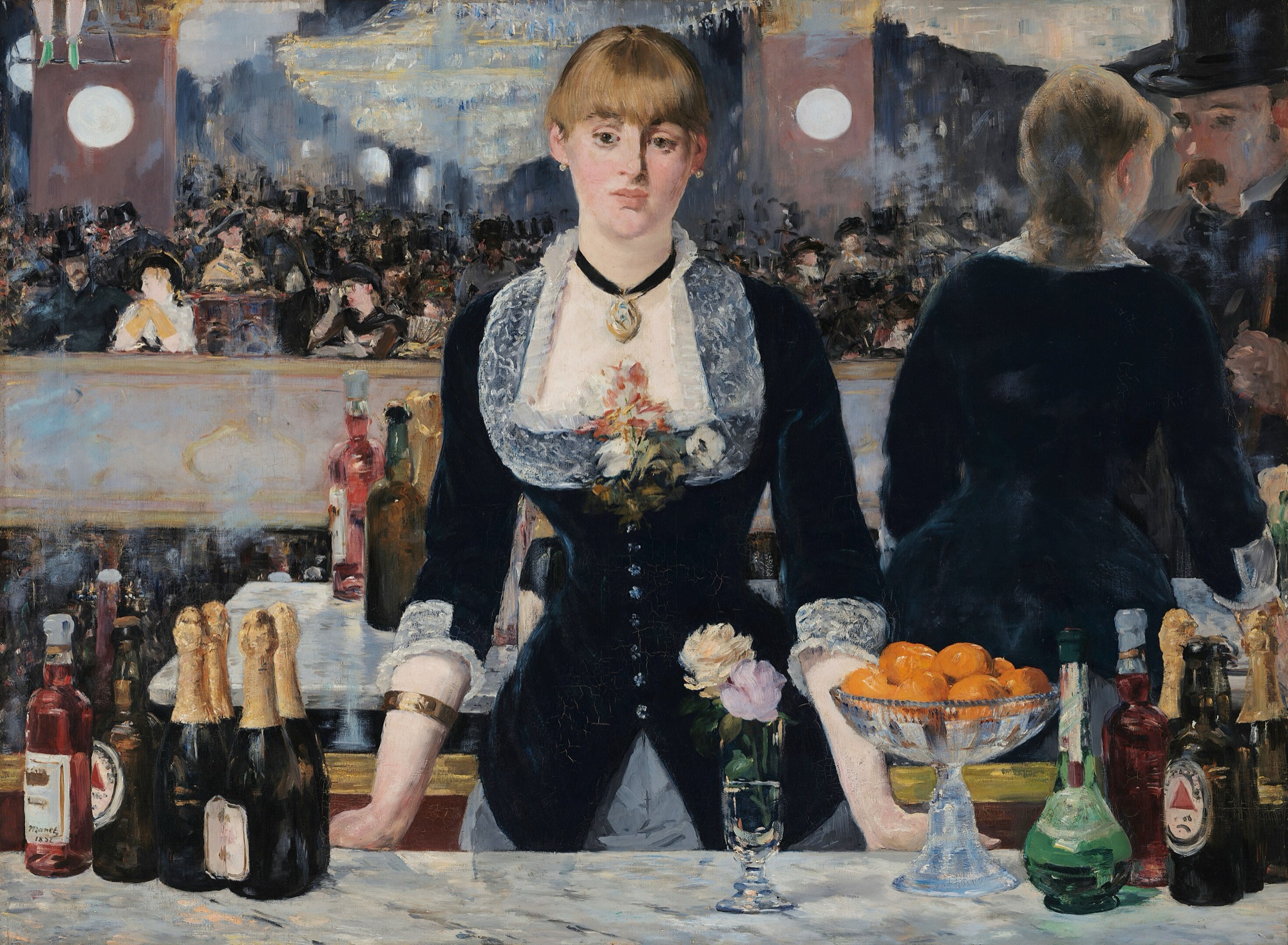
Lesson 09: The Gaze
Media Studies · Unit 4 · Lesson 09 of 16 · ← L08 | L10 →
At a glance
| Days | 4 — Mon+Tue two-day block, Wed double, Fri single (CS6) |
| Dates | Mon 2026-11-09 · Tue 11-10 · Wed 11-11 · Fri 11-13 |
| Band/Unit | U4 Representation (S1 Unit 4) |
| AO focus | AO2 |
| Deliverable | CS6 representation close-reading paragraph |
| Feeds | A4, End of Term Exam |
| Homework | Short theorist extract (hooks), read before day 4, within the 30-min cap |
These dates may shift when the school publishes the calendar for this period.
Goal
This week covers gaze theory as a set of questions to test. Over the two-day block you build van Zoonen and Mulvey; the double lesson tests Mulvey against what you actually watch, across decades — does the gaze hold, shift, or invert?; and hooks reframes the week by asking who a text never expected to be looking. CS6 closes the week: one close-reading paragraph with a theorist working inside it — the exact move A4 and the exam reward.
How it runs
D1 — Mon 11-09: van Zoonen
- Starter (5 min) — one perfume ad, one question: who is this image for? Not who buys the perfume — who is the looking arranged for?
- Input (15 min) — van Zoonen: gender in media is performance, assembled from repeatable conventions — pose, gaze direction, fragmentation, setting — not a fact being photographed. If it is assembled, it can be assembled otherwise.
- Worked on two ads (20 min) — in pairs, decompose two contrasting ads into their performance conventions, then swap the conventions between the ads on paper: what breaks, and why does the break feel like information?
- Close (5 min) — theory card: van Zoonen.
D2 — Tue 11-10: Mulvey, stated precisely
- Retrieval (5 min) — performance conventions, three named, cold.
- Input (20 min) — Mulvey (1975): narrative cinema is built around three looks — the camera’s, the characters’, the audience’s — and classically all three align on women as spectacle. This is a claim from 1975 about a system, made to be tested — tomorrow you test it.
- First test (15 min) — one classical-era clip: track the three looks, timecoded. Does the claim describe this text?
- Close (5 min) — theory card: Mulvey. Homework issued: the hooks extract (300–400 words, glossed, EN with ZH support), read before Friday.
D3 — Wed 11-11 (double): the decade test
- The protocol (10 min) — three decade-pair sets (same genre, one pre-2000, one post-2018, comparable scene function so the variable is era). The fixed question: hold, shift, or invert? The exact pairings will be confirmed in class.
- Paired screenings (45 min) — groups screen their pair, gather timecoded evidence for camera-look, character-look, and audience positioning in each, then reach a verdict with the evidence attached.
- The argument (25 min) — verdicts presented and challenged; the review harvests the best evidence lines onto the board — these are CS6 sentence models.
- Close (10 min) — summary: where the gaze held, where it shifted, where inversion turned out to be the same structure pointed elsewhere.
D4 — Fri 11-13: hooks, and CS6
- The reframe (15 min) — bell hooks, from the extract you read: the oppositional gaze — looking back at a text that never expected you to be looking; refusal and rereading as critical acts. The week’s question flipped: not “how does the text look at its subjects” but “who was this looking built for, and what happens when someone else does it?”
- CS6 (20 min) — one close-reading paragraph on a provided still or 30-second clip: claim, evidence, and a theorist doing analytical work rather than decoration — “as Mulvey’s camera-look predicts…” not “Mulvey said the male gaze.” The theorist sentence-starters card is on every desk.
- Close (10 min) — the complete C1 portfolio is due Fri 11-27 (14 days). Theory card: hooks. Closing question: who is the looking arranged for — including in your own product?
Assessment
| Item | Date | What | AO |
|---|---|---|---|
| CS6 | Fri 2026-11-13 | Representation close-reading paragraph where the theorist does analytical work rather than decoration | AO2 |
CS6 is set Fri 11-13; the C1 portfolio is due Fri 11-27. See the full register.