Lesson 13: A4 — Section A in Authentic Format
Media Studies · Unit 5 · Lesson 13 of 16 · ← L12 | L14 →
At a glance
| Days | 4 — Mon+Tue two-day block, Wed double (you sit A4), Fri single |
| Dates | Mon 2026-12-14 · Tue 12-15 · Wed 12-16 · Fri 12-18 |
| Band/Unit | U5 Media Contexts (S1 Unit 5) |
| AO focus | AO1 + AO2 |
| Deliverable | A4 script: Component 2 Section A — 30 min viewing and notes plus 45 min writing |
| Feeds | End of Term Exam; Forecast Grade anchor |
| Homework | None: attainment week |
Goal
Over two days you trace one institution end to end — integration, synergy, convergence, from greenlight to your feed. The case-study documents update as you work. Wednesday is the first authentic Section A sitting in the real format: thirty minutes of viewing and note-making before forty-five of writing — a different skill from A1’s single hour. Friday adds regulation while the sit is fresh.
How it runs
D1 — Mon 12-14: the three words
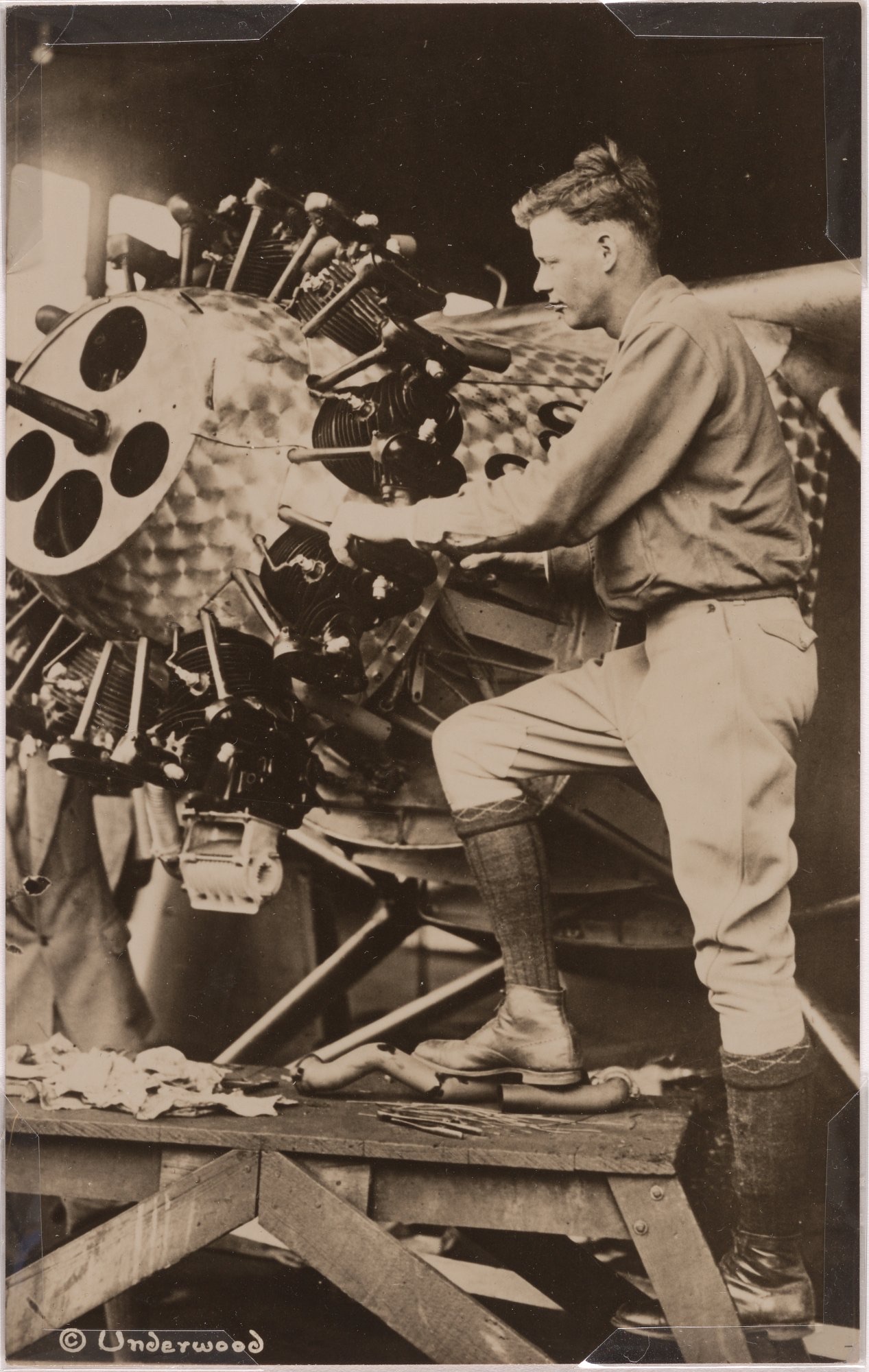
- Input (15 min) — the exam’s three institution words, defined and separated: integration (owning the stages — vertical; owning the neighbors — horizontal), synergy (parts selling each other), convergence (media and platforms flowing together). One historical anchor: Lindbergh, 1927 — one man, and every channel of the era selling the same story to itself: newsreels, press syndicates, radio, records. The media event predates the internet by seventy years.
- The hunt (25 min) — one institution’s real current output hunted for all three words: where does it integrate, what synergizes with what, where has it converged onto new platforms. Case-study documents open, entries dated as they land.
- Close (5 min) — the two-minute structured-notes drill: 90 seconds of a trailer, notes in the four-family grid, pens down.
D2 — Tue 12-15: end to end
- The trace (30 min) — the same institution followed from decision to screen: who greenlights, who produces, who distributes, how it is marketed, where audiences meet it, who takes the revenue. Drawn as one chain on the board, each link annotated from the case-study documents.
- The gap check (10 min) — reread your L12 “unfed criterion” note: which rubric row went hungry in CS8, and what will feed it tomorrow.
- Close (5 min) — the structured-notes drill again, different trailer, grid tighter.
D3 — Wed 12-16 (double): A4 — the authentic sit
- Set-up (5 min) — conditions; the one thing that matters: the viewing window is for structured notes, not a transcript — the grid, not sentences. The optional one-page viewing-notes frame is on the desk if you want it.
- Viewing and notes (30 min) — the unseen extract, screened to the paper’s own protocol; notes only.
- Writing (45 min) — the Section A response, run exactly to the paper’s clock.
- Collect (10 min) — scripts in; no debrief today — the format is the lesson.
D4 — Fri 12-18: regulation, while it’s fresh
- Input (15 min) — regulation as the fourth context: who regulates the case-study institution (Ofcom, NRTA, platform self-regulation), with what powers, and what that visibly changes about its output — scheduling, cuts, ratings, what never gets made.
- The entry (20 min) — research and date the regulation row of the case-study document; extend the chain from L12 one link: decision ← incentive ← payer ← regulator.
- Close (10 min) — the semester’s last teaching Friday: W17 preview (consolidation, the coverage matrix). A4 scripts return with AO splits recorded — the Forecast Grade conversation happens at L14.
Assessment
| Item | Date | What | AO |
|---|---|---|---|
| A4 | Wed 2026-12-16 | Component 2 Section A in authentic format, unseen TV-drama extract: 30 min viewing/notes + 45 min writing; Forecast Grade anchor | AO1+AO2 |
See the full register.