Media Studies
Read film language, develop an opening, and prepare both AS components for spring.
September – April · one route through both AS componentsFour attainments + EoT · existing attainment deadlinesOne assignment each week · C1 portfolio work or C2 practiceThe Cambridge examination, explained ↓

Unit spans follow the current teaching schedule. Assessment markers keep their established dates.
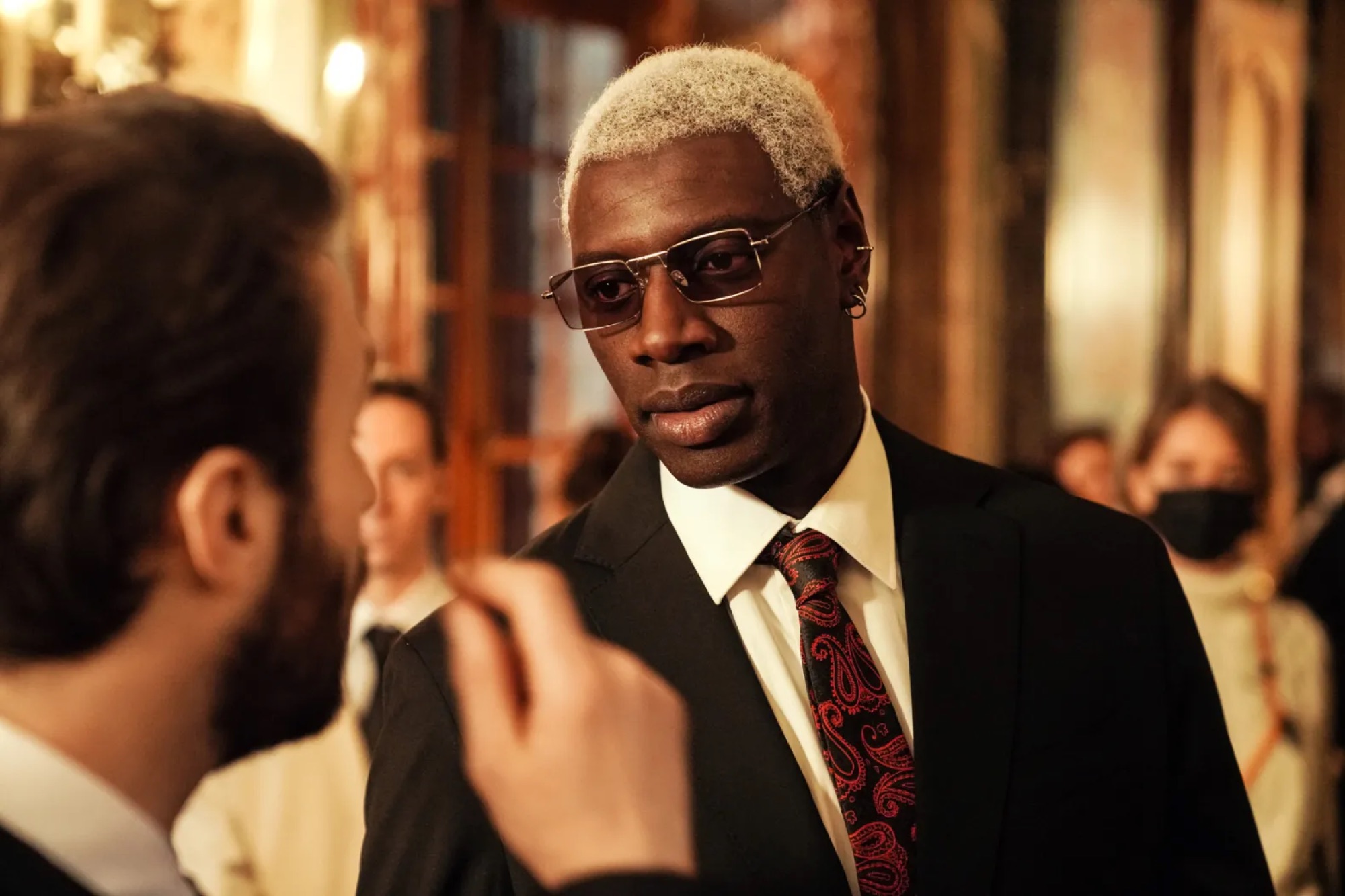
Say what is literally there, then what it suggests, then what it does to an audience. The exam vocabulary you will own:
What Cambridge asks of you
Two years, four components, two June sittings. In each year, half of your grade is coursework you make and half is a two-hour paper. The school grade above is how this semester is reported; the Cambridge grade below is the one that goes on the certificate.
Cambridge's three assessment objectives. AO1 is knowledge of concepts, contexts and debates, in the right terminology. AO2 is analysis: of other people's texts in the papers, of your own in the portfolios. AO3 is research, planning and making. The papers carry AO1 and AO2 only; the portfolios carry AO3 and AO2 only.
AS Level is graded a to e; A Level is graded A* to E. Your Component 1 mark from 2027 carries forward into the 2028 A Level, so nothing made this year is made twice.
What the marks are for
Three objectives, and every mark in the course lands on one of them.
Demonstrate knowledge and understanding of media concepts, contexts and critical debates, using terminology appropriately.
- Name the shot: a low-angle medium close-up, not "a shot from below"
- Use diegetic and non-diegetic correctly about one scene
- Define a genre convention and say where it comes from
- Explain what vertical integration is and name a company that does it
- State what Barthes means by an enigma code
- Describe how a streaming service reaches its audience, with a fact
Analyse media products, and evaluate their own work, by applying knowledge and understanding of theoretical and creative approaches, supported with relevant textual evidence.
- Say what the low angle does to the character, not just that it is there
- Link one cut to the meaning it creates
- Argue who the extract shows as powerful, with three timed moments as evidence
- Apply Todorov's stages to a film opening and say where it breaks them
- Judge whether your own opening reads as its genre, and prove it with a frame
- Answer the reflection's hardest question: is it successful, by what criteria?
Research, plan and construct critically informed media products, including the creative critical reflection, using appropriate technical and creative skills.
- Storyboard a two-minute opening before shooting a frame
- Shoot the six-shot exercise and post it, dated, the same day
- Write a recce report for a location, with light and sound noted
- Cast, script and schedule a shoot, and log who did what
- Edit a shot-reverse-shot conversation that keeps the 180-degree line
- Choose creative digital formats that communicate the reflection clearly
Every mark scheme in this course, Cambridge's and the school's, is built from these three. Each task in the assessment register names which objective it rehearses, and the same three will be on the cards when we play the sorting game.
Semester 1 develops research, planning, technical control and written analysis. Complete principal filming independently during January 24–February 21, then use spring for editing, sound, titles, the individual reflection and exam practice. March 26 and April 23 are internal planning targets, subject to the confirmed spring calendar; the external submission deadline and Paper 2 sitting will be announced separately. The syllabus changes between the two years: the skills carry, while submission formats change.
Component 1: what you hand in
Three things, all online, all individual even when the product is a group's. This class makes the film opening.
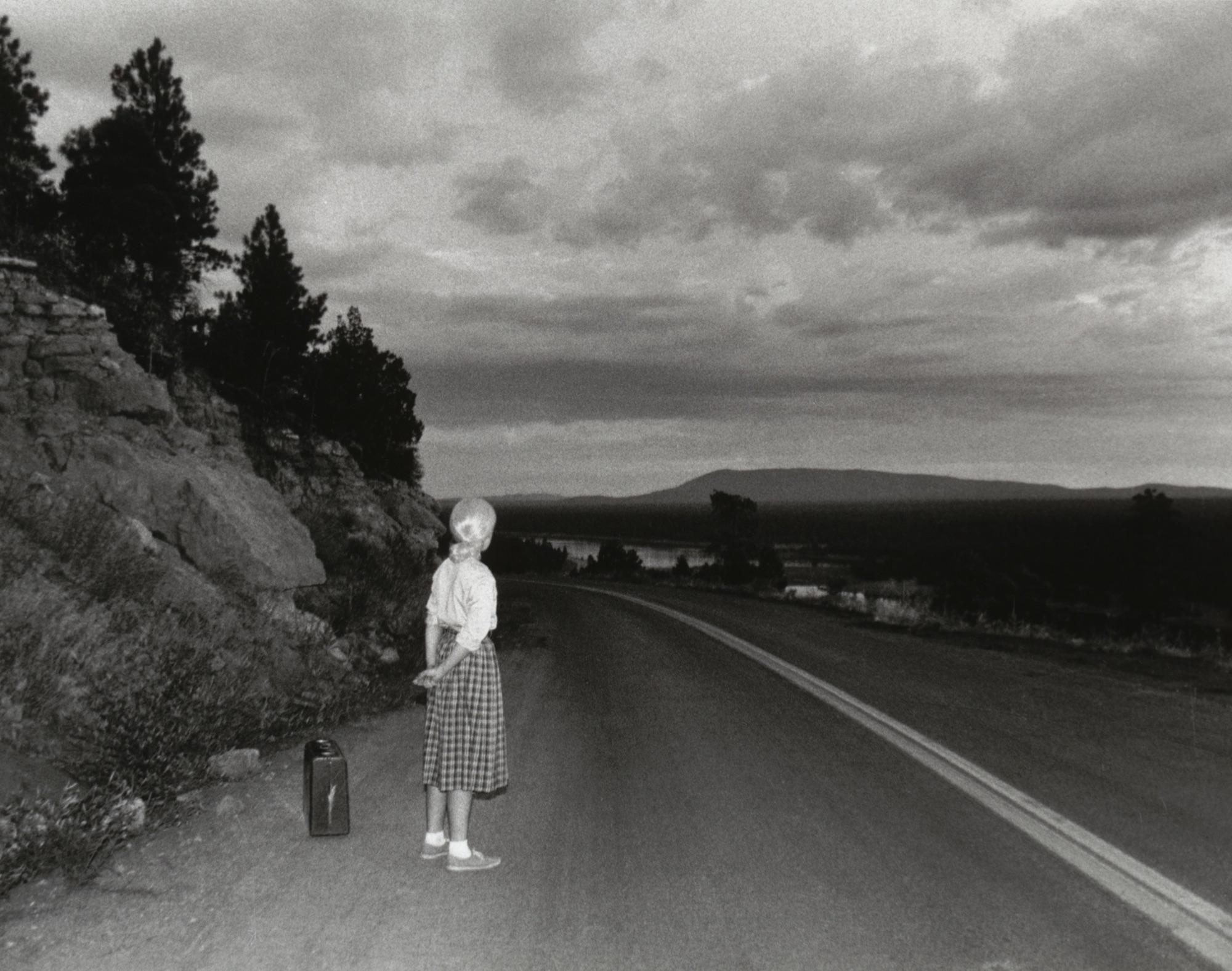
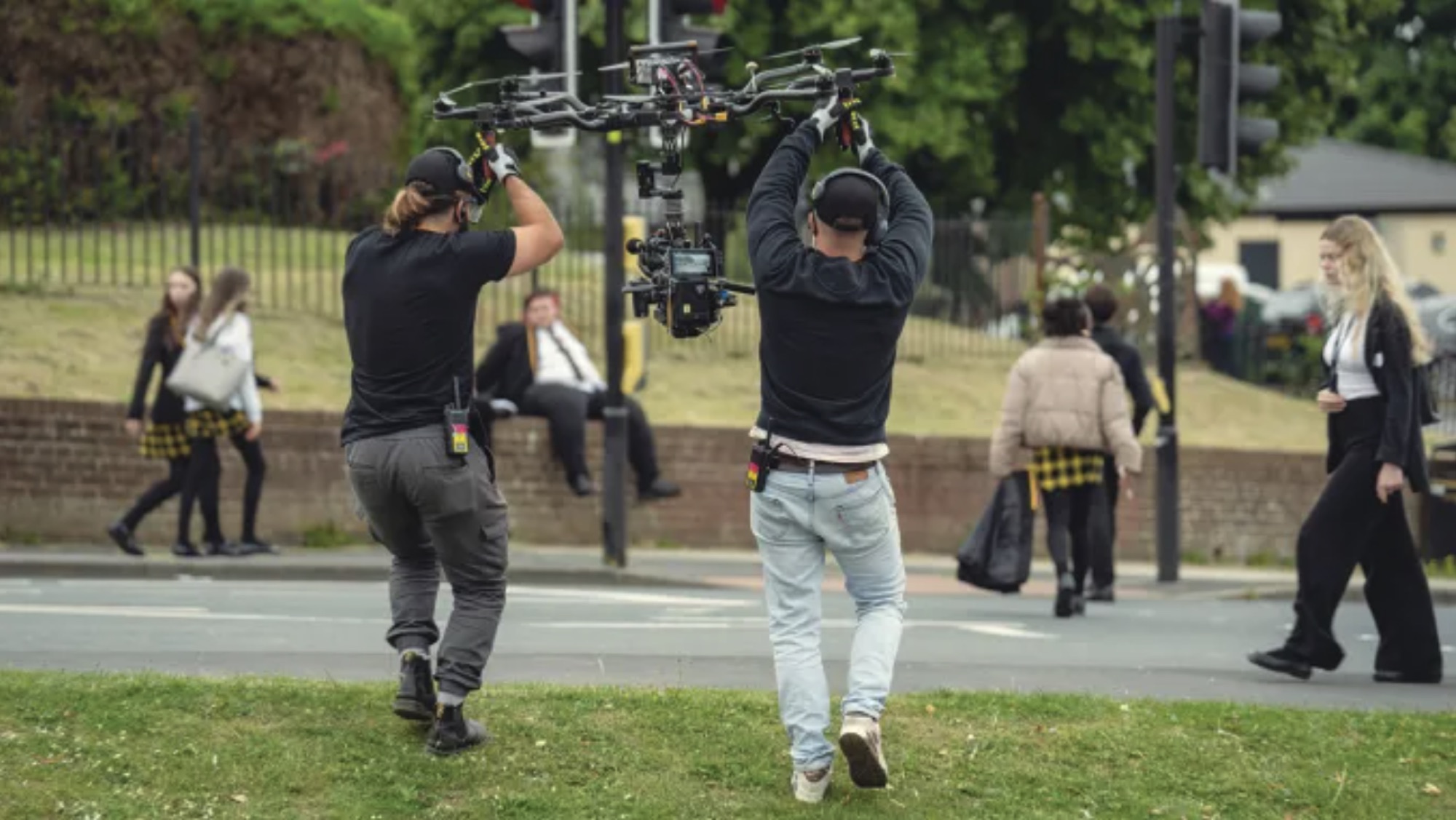
- Film opening: the titles and opening of a new fiction film, two minutes at most, titles following the conventions of commercial cinema. Groups of up to four.
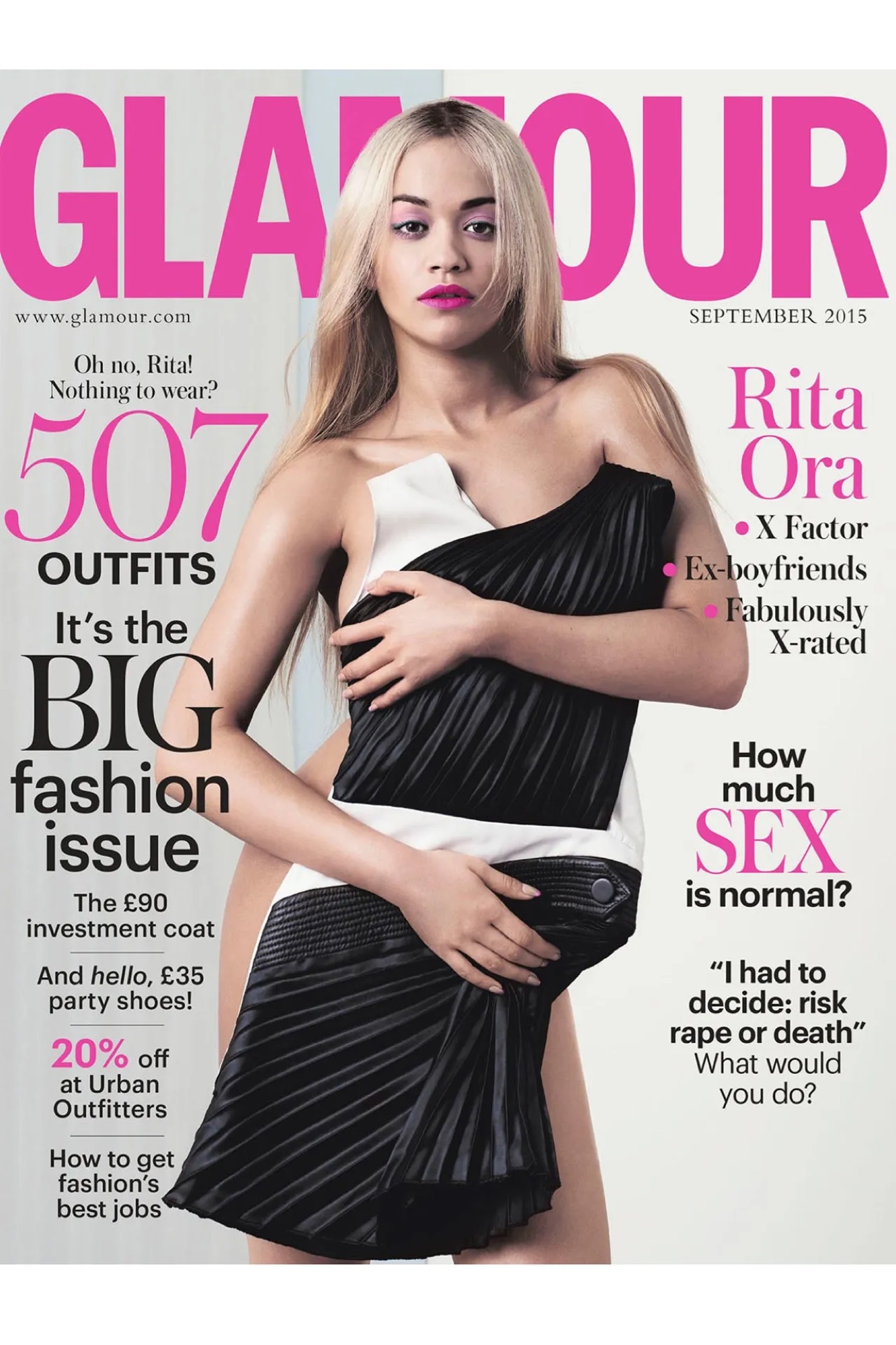
- Magazine: front page, contents, and a feature of at least two pages; four original images per person, one house style across a group.
- Every image and every word is yours. Music may come from an acknowledged source; dialogue and atmosphere are mostly your own.
- Research: real openings in your genre
- Planning: script, storyboard, recce, casting
- Test shots, and what they changed
- Shooting days, with the problems
- The edit, and the re-edit
- The finished product, labeled
- The reflection, labeled
- Started at the beginning, one per person, readable in date order.
- Each post dated the day it happens, never backfilled. Once submitted it is frozen for the whole moderation period.
- In a group, your own role is labeled in every post.
- How does your product use or challenge conventions, and how does it represent social groups or issues?
- How does your product engage with audiences, and how would it be distributed as a real media text?
- How did your production skills develop through this project?
- How did you integrate technologies, software, hardware and online, in this project?
- Made after the product, using creative digital presentation suited to the evidence: commentary, a voiced presentation, a podcast or a screencast. A varied approach can help communication; four separate formats or two particular tools are suggestions, not a Cambridge numerical requirement.
- Individual, even in a group. It sits in the blog before the final post.
Marked out of 50 by your teacher, then moderated by Cambridge. Five strands of ten, each banded on its own: 9–10 sophisticated · 7–8 effective · 5–6 clear · 3–4 limited · 1–2 basic. A strong product does not carry a weak reflection, because each strand is judged separately.
What separates Level 3 from Level 5
Cambridge publishes two marked film-opening portfolios with the moderator's notes. Candidate A reached a secure Level 3. Candidate B reached the top of Level 5. The gap is not talent.
| Candidate A · Level 3 | Candidate B · top of Level 5 | |
|---|---|---|
| The product | Strong. The best thing in the portfolio, and still could not lift the grade. | Entirely convincing as a film opening. |
| Planning | Too narrow. Told to widen the range. | Recce reports, casting, a script, storyboards. Named one by one. |
| The blog | Heavy in the wrong place: too much preliminary work, not enough on the set brief. | Sophisticated research, evidenced throughout. |
| The reflection | Short answers, one application, description rather than analysis. | One application. The only strand off the top band. |
The exemplar feedback shows the value of a developed, creatively presented reflection. Choose methods that help you analyze the finished product and demonstrate your process; a tool count does not guarantee quality. Keep the blog focused on the set film-opening brief, with preliminary exercises used only where they explain relevant development.
- Narrating what you did instead of saying what worked, and by what standard
- Planning that is adequate but thin: no recce, no test shots, no casting notes
- Preliminary work crowding out the set brief
- Brief descriptive answers without precise evidence from the product or process
- Posts written after the fact
Component 2: the paper
Paper 2, two hours, 50 marks, sat in the school's exam venue in the June 2027 series. Two questions, 25 marks each, marked on the same five criteria.
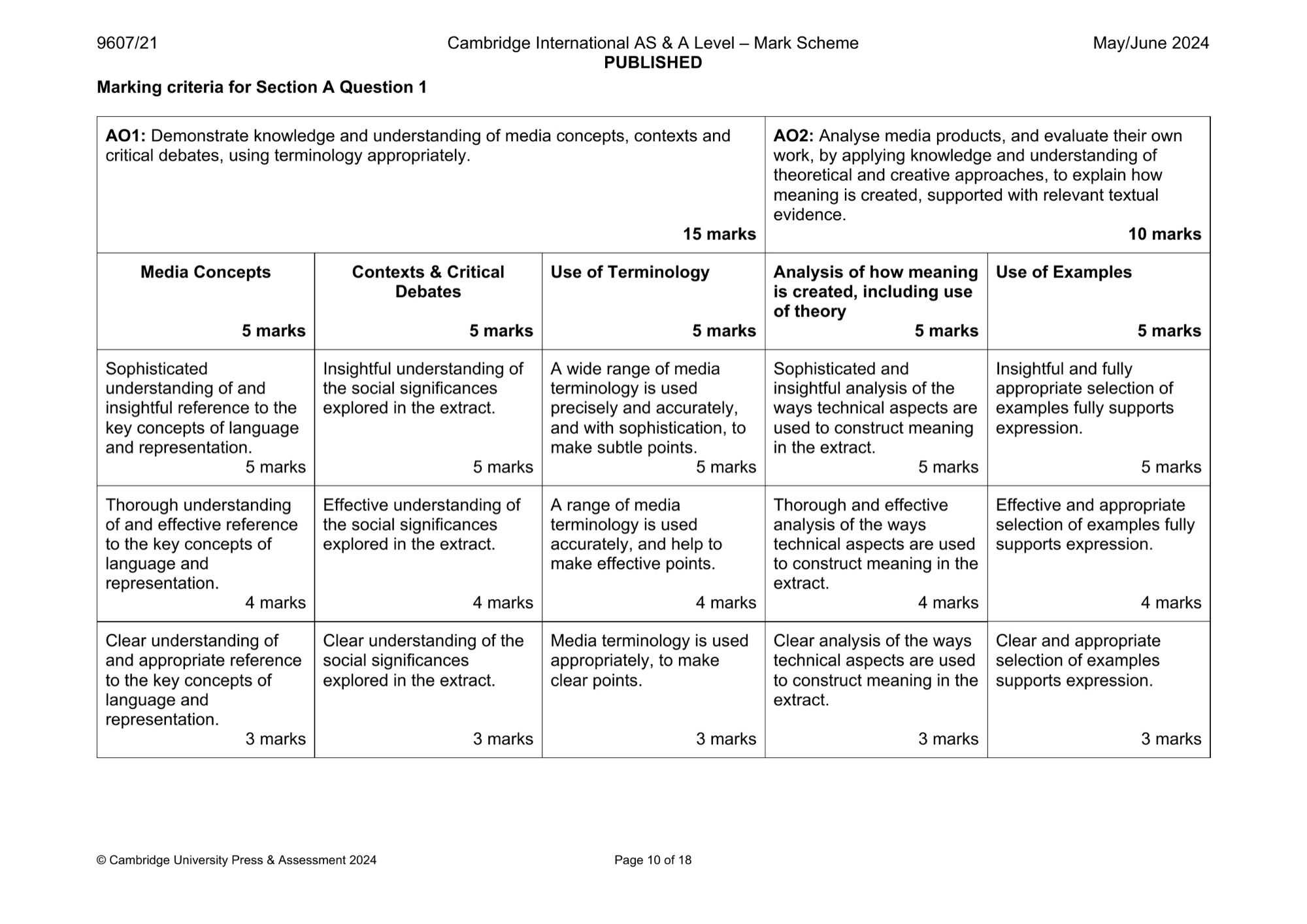
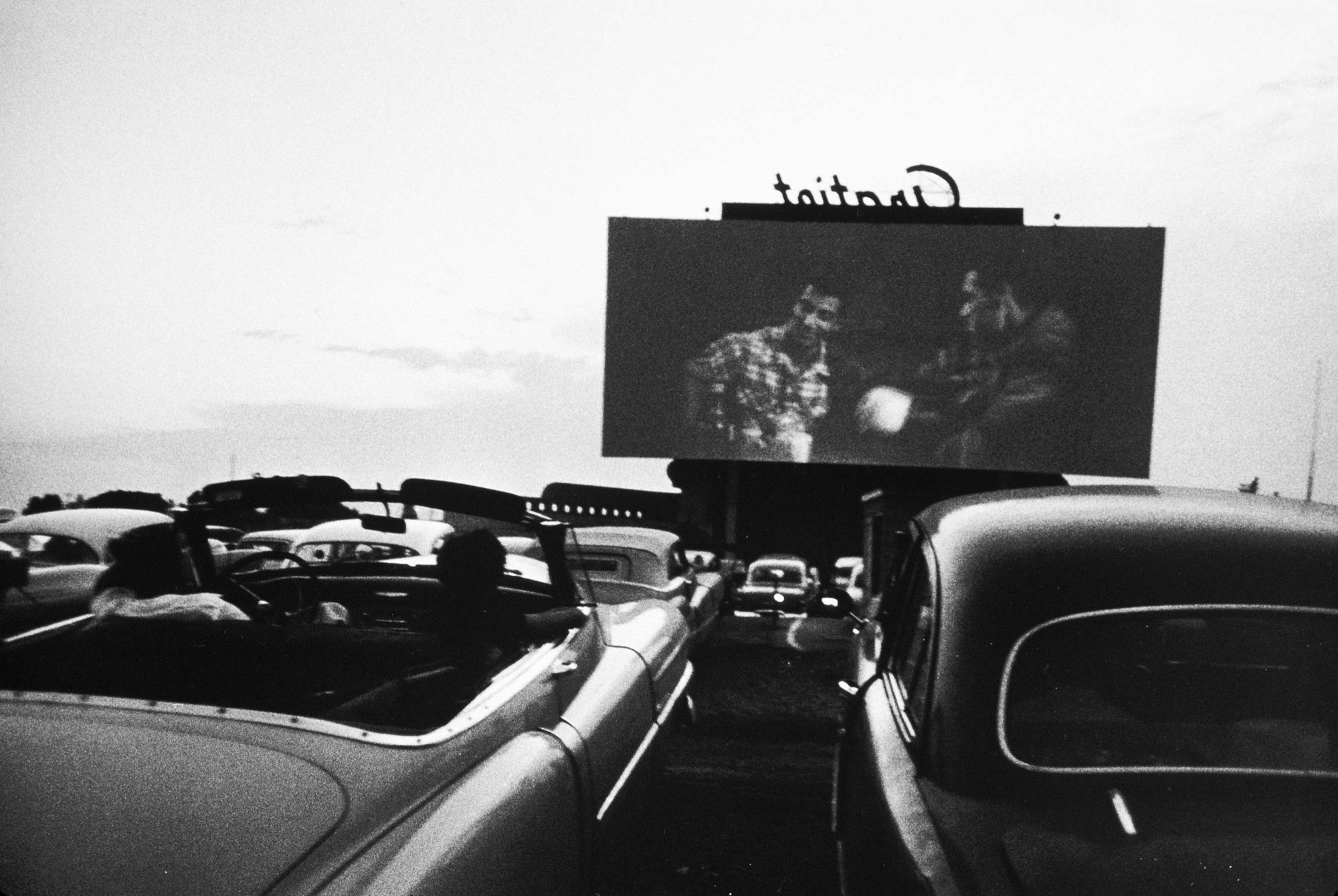
A TV-drama extract of up to five minutes, played four times in a 30-minute window that includes your note-taking. Then 45 minutes to analyze how it constructs meaning through camera, sound, mise-en-scène and editing, including how it represents individuals, groups, events or places. The four screenings are all you get: notes first, then write from the notes.
One question from a choice of two, on audiences and institutions. Cambridge asks for at least one case study; the top bands reward texts from more than one, so the case studies begun in Semester 1 need development and comparison in spring. Case studies must be contemporary, within roughly five years of the exam, and drawn from the media area we study, which is film.
Each question is marked on five criteria of five marks, banded separately: 5 sophisticated · 4 thorough · 3 clear · 2 limited · 1 basic. Three criteria are knowledge (AO1, 15 marks), two are analysis (AO2, 10 marks). The criteria are the same in both sections; only the concepts they look for swap. Every timed analysis you sit this semester is marked on exactly this grid.
Three real scripts, one question
From Cambridge's published candidate responses to a Section A question. Same extract, same 45 minutes.
Confident, wide terminology, theory used, thorough analysis. Lost marks on one under-read scene and one slip in a term.
Strong knowledge of film language, but told as a story of what happened on screen. The insights were there and got lost in the narration.
Terminology identified, then used to narrate. No link from technique to meaning, no representation, no theory.
Current, clear, apt case studies. Needed more theory, more terminology, more facts and figures, and more than two paragraphs.
Real knowledge, superficial use of the case studies, no theory at all. Ignored the word evaluate in the question.
The line between 12 and 22 is not knowledge. Both candidates knew the film language. One of them attached every technique to a meaning and a representation; the other described the scene. That move is what the viewing protocol drills all semester.
- Narrating what is on screen instead of analyzing what it does
- Ignoring representation and writing about atmosphere
- Naming a technical code without saying what meaning it creates
- Using terms inaccurately: a "jump cut" when it was a cut
- In Section B, a potted history of the institution instead of an argument
- In Section B, no theory, on the assumption that knowing the industry is enough
The second year, briefly
G12 sits the 2028 syllabus, a real revision of the course you start under. The skills carry; the formats change. You will be briefed properly in the first week of G12.
From a choice of briefs: music promotion, film promotion, a documentary, or a short film. One major video task, in a group of up to four, plus two individual minor tasks, one of them a website home page that stays live and unchanged through moderation. Evidence in a dated slide portfolio, not a blog; the reflection becomes a 2000-word evaluative essay.
Two hours, digital. Section A: two essays from three media debates (regulation, postmodern media, power and the media), 15 marks each. Section B: one 30-mark essay on changing media environments, drawing on at least two media forms and on everything you have studied.
| AS year · 2027 syllabus | A2 year · 2028 syllabus | |
|---|---|---|
| Evidence | online blog | dated slide portfolio |
| Reflection | creative critical reflection | 2000-word essay |
| The extract | four screenings, 30 minutes | on screen, watch as often as you like |
| Paper timing | 30 + 45 + 45 | 1 hr 15 Section A + 45 Section B |
| Marking grid | five criteria | five criteria, unchanged |